MARKO PHIRI
Zimbabwe’s artistic truth decay
In recent years, Zimbabwe has faced what the authorities seem to think is a new threat to the country’s moral and social fabric: drugs and alcohol abuse among young people. You do not need an advanced degree in the social sciences to understand the drivers of such a phenomenon: record unemployment in what “experts” say is economic hopelessness. Ergo, the young – and old – turn to drugs to numb their ennui. And the consequences on especially men’s mental health have unsurpisingly been grim.
But this kind of social and moral decay has long been in the making since what was then the new declaration of a war of economic independence by the strongman Robert Mugabe at the turn of the millennium. Some contend the degeneration actually came earlier when veterans of the war of liberation bumrushed Mugabe and demanded their share of the Zimbabwean pie for the blood, sweat and tears that brought Mugabe and his cohorts to power in 1980.
While the creative ferment of 1970s Rhodesia was perhaps inspired by America’s hippies and rock and roll’s rage against the Vietnam war, the African nationalists had backing from local rock groups with fancy names such as Wells Fargo who were prepared to stick it to the man. The black rock-and-rollers who took their name from the American bank registered their own angst in song in support of the black nationalist cause with what became their underground hit, Watch out which became a rage-against-machine anthem warning Prime Minister Ian Smith that it was only a matter of time before the jig was up: the march towards black majority was unstoppable.
Yet trying to re-imagine that rock-and-roll rage now being directed at the same liberators is unthinkable. Rock could well be said to have lost its edge, and Zimbabwe’s music historians would not be too hard pressed to understand why.
There is a period indeed recorded as Black Friday back in November 1997 when Mugabe decided to “honour” the promise made to the bush guerillas back in the trenches that they would live happily ever after as the new beneficiaries and owners of, not the means of production, but economic largesse long enjoyed—and exclusive to—the White settlers. Only that windfall would come seventeen years after the the birth of a new nation in 1980, and to untold economic consequences that triggered what at one time was described as “the worst economic crisis in a country not at war,” and has manifested itself today as social decay that spans everything from record divorces to drugs and substance abuse, corruption and violent crime.
During those intervening years, artists and creatives were not blind to these developments. In any free society, such realities would have provided rich material for the creative industries, inspiring poets, musicians, writers, and painters to document and interpret the historical conditions of their time.
Yet Zimbabwe’s creative sector has, for decades, been marked by galling episodes of self-censorship, as gatekeepers of artistic and intellectual expression maintain a vigilant watch over supposedly “subversive” material deemed intent on “tarnishing the image of the country.” Such language has become standard lexicon among the apparatchiks who, for years, have laboured indefatigably to construct their own Potemkin villages even as decay steadily spread into the country’s inner core.
As writer/publisher Tendai Mwanaka put it, “you see Zanu PF (Zimbabwe’s ruling party) buying creatives and influencers by gifting them cars and cash, therefore these influencers and creatives can never stand for the truth.”
Popular musicians such as Thomas Mapfumo, once known for producing songs that energised the liberation war cause and animated post-independence aspirations for Black prosperity, eventually turned against the state. Through his music, he challenged the former praetorian guard of the revolution, declaring that while they were busy enriching themselves, ordinary men, women, and children were wallowing in economic decay. Mapfumo realised early on that the liberation heroes were losing the plot and, as he would later recount, was hounded out of the country for pointing – and laughing – at the emperor’s nakedness.
And even after Mugabe fell in 2017, Mapfumo’s embrace of the not-so-new regime quickly went the way of the dinosaur and was back where he had started decades earlier: making enemies with the state through what was considered his signature acerbic commentary through his Chimurenga music. When his younger brother with whom he had created the Chimurenga sound decades earlier died in the United States in 2022, Mapfumo did not travel with the coffin (as African tradition puts it) back to Zimbabwe for the burial in the land of their forefathers as would be expected in his own cosmological persuasions. His reason: he feared for his life as the coup plotters turned out to be old wine in old bottles!
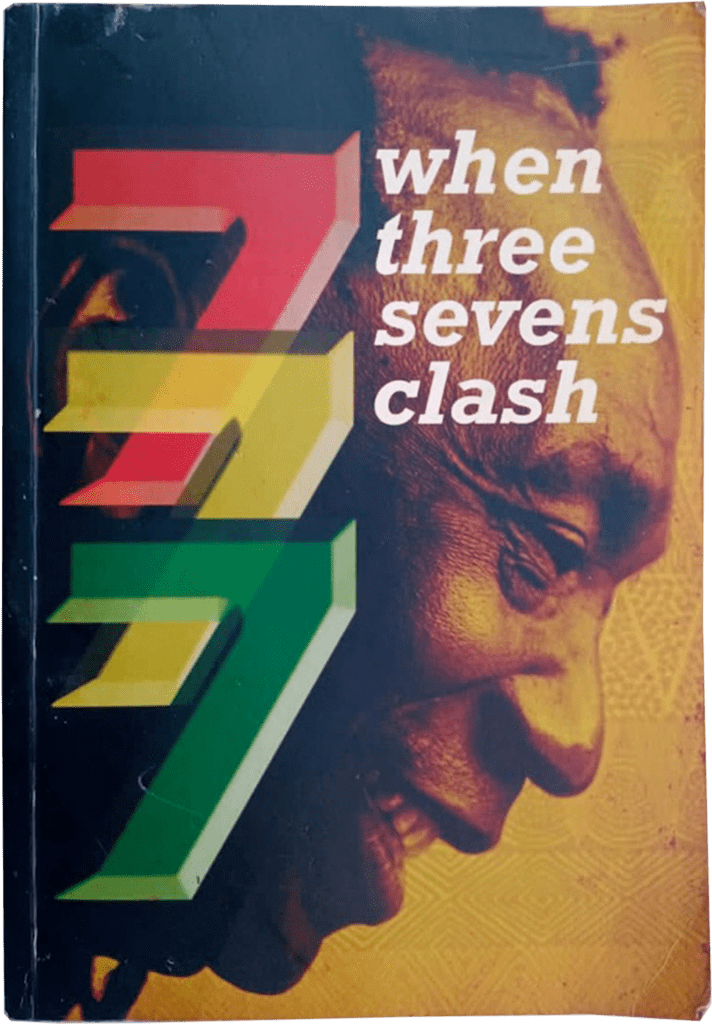
As writer Percy Zvomuya puts it in the book 3 Sevens Clash (that he edited), regarding the political and militant tone of Mapfumo’s music: “Revolutionary struggle, the musician (Mapfumo) was saying, is an eternal process that didn’t stop when the Union Jack stopped fluttering and a new flag took its place.” Indeed, the revolution MUST continue even after Mugabe’s fall, albeit in a fashion that does not resemble the bloodshed that brought the country’s independence, some activists cautioned. For some artists, taking on the state with its mean bone-crushing repressive apparatus is a folly that falls within the province of poor students of the history of Zanu PF, recalling Robert Mugabe’s (in)famous brag that he and his acolytes who today continue to strangle the land had “degrees in violence.” Now virtually every Zimbabwean has a degree of some sort, from phoney PhDs to varying degrees of poverty.
Mapfumo is an early exemplar of how art sought to unpack the country’s decay, but you also have the guitarist and song-writer Edwin Hama back in the 1990s when the ill-fated economic structural adjustment programme became a living nightmare for millions of workers.
Trade unionists earned their stripes during this time, setting up the stage for the birth of the labour-backed opposition political movement that threatened to oust Mugabe from the seat of power. Hama’s precision as a keen watcher of the spirit of the time was unmistakable: mass unemployment, high cost living and every social malaise that came with that noxious mix. His commentary foretold worse things to come, and had he lived to witness contemporary Zimbabwe, he would surely be celebrated for his prescience. Yet there is no clear pretender to Hama’s ambitions as the youths whose brains have been addled by economic hardships choose to sing happy ditties that will gain them airplay.
Even before Edwin Hama was Fanyana Dube, the visually impaired genius, who stroked his guitar and crooned a hearty existential conversation between two pennyless men, with one asking the other in what could well be reminiscent of Samuel Beckett’s Waiting for Godot: “what is it that you do not have Dube?” And Dube replied, “what I do not have is money.” Simple. It’s uncanny that even today with all the economic decay and the conspicuous consumption of the politically-connected, national state-owned radio stations still play Fanyana Dube’s indictment of the system. The record spinners perhaps play Dube’s poverty dirge tongue-in-cheek, or have lost the whole point of his scathing social critique of the country’s economic decay.
It is imporant to note that the 1990s were also a period that marked Zimbabwe’s implosion in the health sector, as HIV/AIDS took root while the government struggled to confront what would become the country’s most significant public health crisis after independence.
At the height of the pandemic in the early 1990s, musicians came together in a manner reminiscent of the Quincy Jones-produced We Are the World, this time to raise awareness about AIDS, with proceeds intended to support efforts to address the crisis in the only way widely understood at the time: promoting the use of condoms.
However, as events unfolded, some activists argued that such campaigns merely encouraged further social decay, an argument that continues to resonate today in debates over whether schoolchildren should be allowed access to condoms, now that it is widely acknowledged that many underage learners are sexually active, if not sexually promiscuous. And this is based on official statistics exposing another disturbing underbelly of the country’s rot: record school dropout because of early pregnancies.
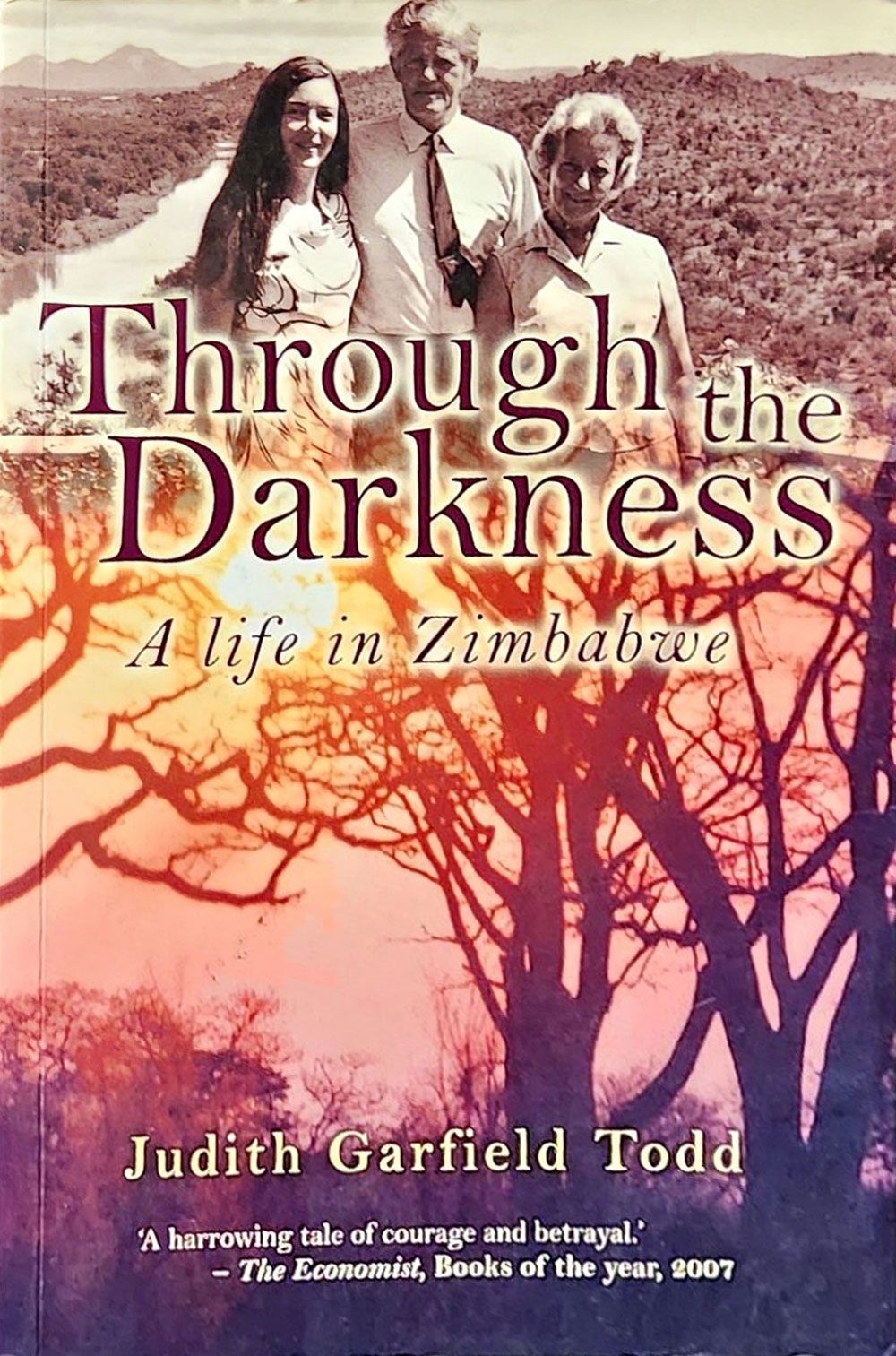
Regarding this, it is perhaps important to flashback to the country’s early years and try to make sense of how the government has struggled to address this kind of “moral decay.” There is an interesting passage in Judith Todd’s Through the Darkness where she mentions a 1985 news story carried by the Herald newspaper reporting a parliamentary debate:
Pregnant schoolgirls are expelled as a deterrent because schools cannot be allowed to become maternity wards, the Minister of Education Dr Dzingai Mutumbuka told the Assembly yesterday. ‘Boys who are found to have been responsible for such pregnancies are also expelled…Teachers are charged with crimen injuria, apart from losing their jobs.’ But he said, the Ministry had no control on sugar daddies or businessmen. Mr. Landau (an opposition legislator) objected to the association of businessmen with schoolgirl pregnancies. ‘Being a businessman,’ he said, ‘I think I have to set the record straight. One is given the impression that businessmen are sexual perverts and this is unfair. A worker could make a girl pregnant just as easily.
And here we are today, parliament is still debating how best to deal with a social crisis that has only worsened, with artists expected to critique these issues through their different creative spaces. This is the line that artists have to walk, whether they become launching pads of public service announcements with or without any attachment to moralist narratives and use their platforms for a greater good. And hopefully make a living out of it in the process. Even within the ever sensitive realm of politics, the decay that everyone else seems to notice has unsurprisingly been subject to censorship, where you have sculptors and painters thinking twice before they allow their creative juices to flow uninhibited. Yet contemporary Zimbabwe offers plenty of fodder for such creative excursions, albeit under an Orwellian eye of providence: while you are painting in your private studio, there’s an unseen fellow with a military cap standing over your shoulder. It is no wonder then that very little to nothing has emerged in recent years in the realm of brave voices unpacking the country’s economic, social and political decay through art. The fate of such aspiring gadflies has already been written.
Online spaces have provided a little refuge and relief for illustrators and political cartoonists still punching against the state, but they also seem to operate as some kind of samizdat as the audiences and reach they once enjoyed in the heyday of newspapers has all but shrunk.
I asked Irene Staunton, a publisher of long standing in Zimbabwe how the landscape looks regarding writers tackling the country’s economic, social and political decay and the response was telling: “In 25 years of publishing at Weaver, nearly every one of the short stories or novels that we published, dealt with pain,” Staunton said. Weaver press shut down in 2023 having tried and failed to navigate the country’s increasingly hostile economic landscape where books have long been elevated to the status of a luxury commodity.
While Zimbabwe’s publishing industry has shuttered, the literary pursuits of any experienced writers or new voices have simply been packed away with aspirations to self-publish and attendant frustrations and anguish regarding how to cultivate audiences in an increasingly noisy universe. More like putting a lamp under a bushel, some would argue.
Yet the country’s decay remains trapped in the lips of the chattering masses who themselves remain painfully aware that any whisper bad-mouthing the establishment could well leave your children orphaned. It’s a kind of dystopia where the creatives that are thriving are those guided by the hand of the state: churn out jingles advertising new bank notes and you’ve got it made. Leave the commentary on the decay of the local currency to your own inner monologues and woe betide anyone who thinks aloud – it’s not allowed.
And this is the sentiment we heard when the graphic artist Owen Maseko was arrested and his Gukurahundi exhibition was pulled at the National Art Gallery in Bulawayo back in 2010 after the Censorship Board said the whole show was designed to stoke tribal emotions.

The matter was taken up to the Supreme Court which had to consider if the Censorship Board was “criminalising the creative arts” and thereby “infringing on the freedom of expression and freedom of choice.”
It was a case of how an artist’s rendition of the country’s decay could sit with censors despite constitutional guarantees of civil liberties, versus the state’s portrait of the artist as a treasonous hack.
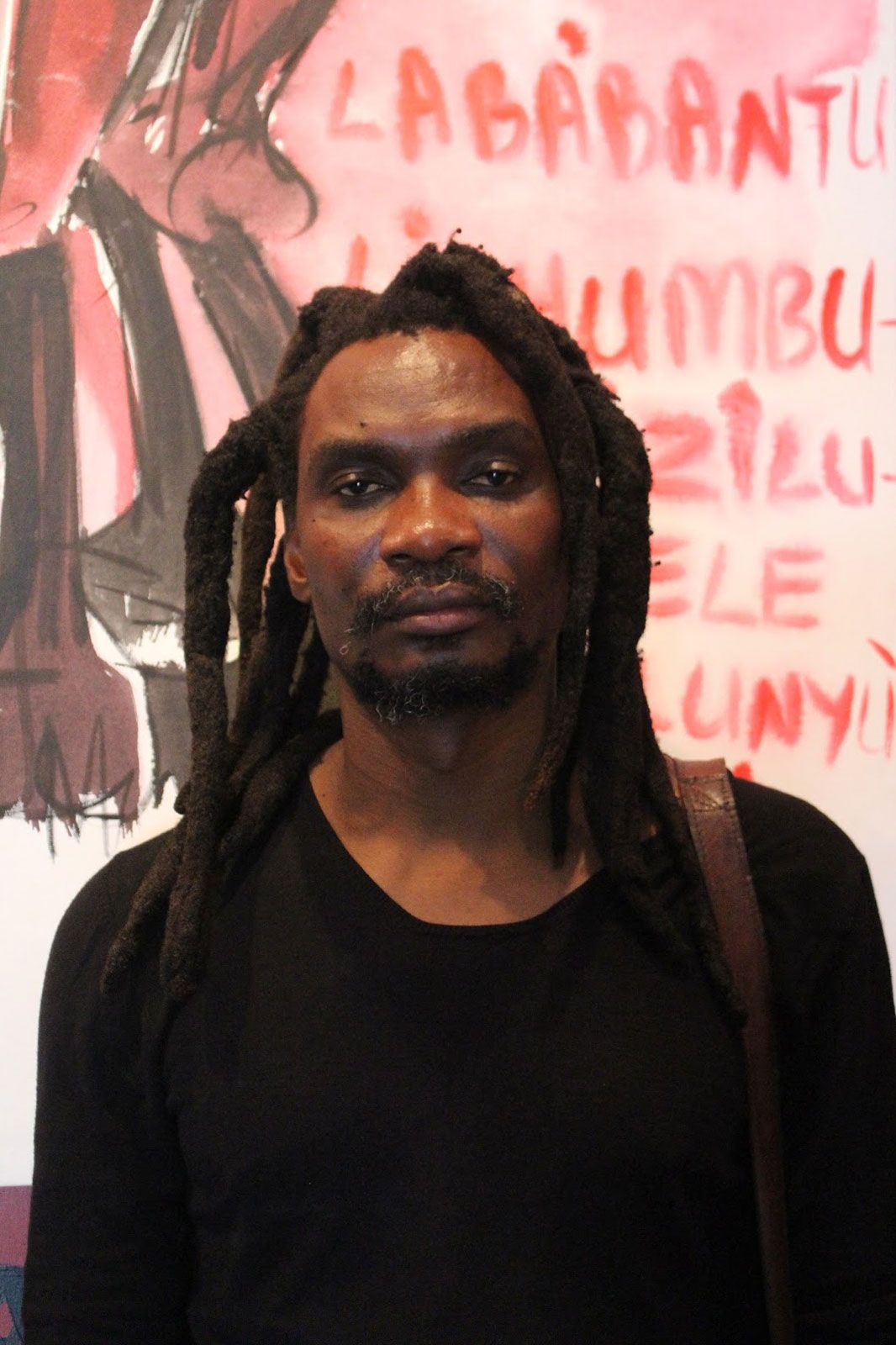
As Maseko himself would later say: “As a result of what happened to me, many artists now know that they can be arrested for what they produce. They didn’t know that.”
In the year 2000, internationally-recognised graphic artist, Chaz Maviyane-Davies captured some of Zimbabwe’s worst moments as state repression cursed the winds of change at the turn of the millennium, and his efforts to document the rot through art only led to his forced exile.
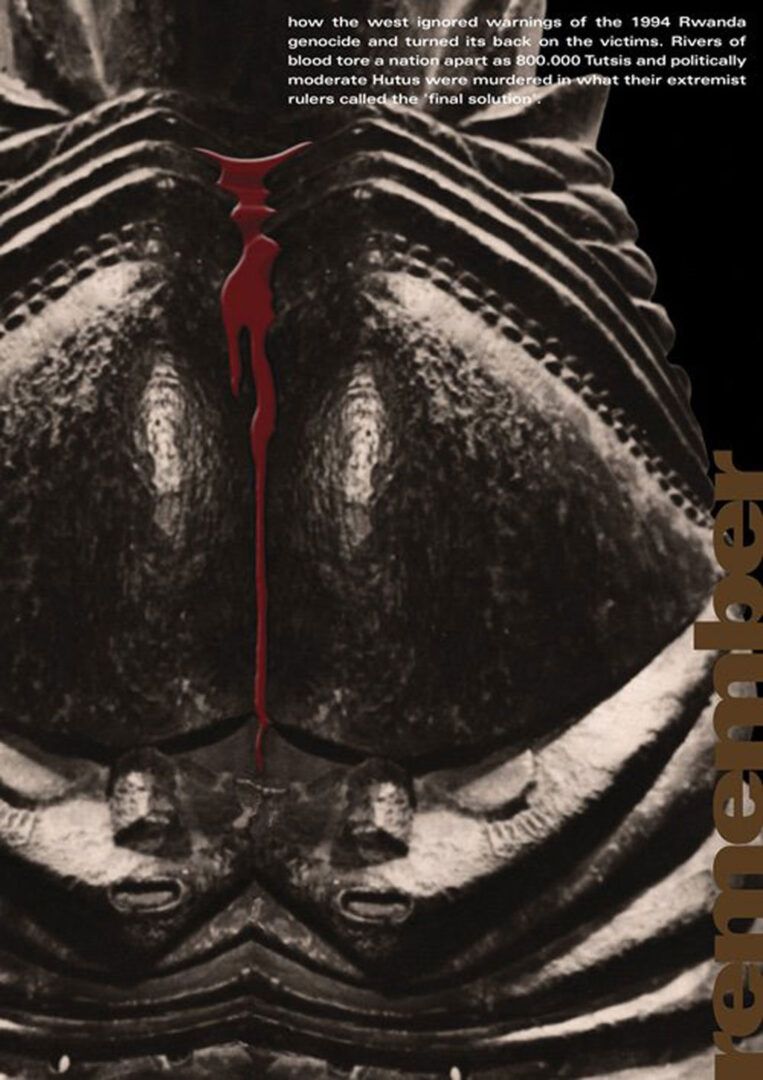
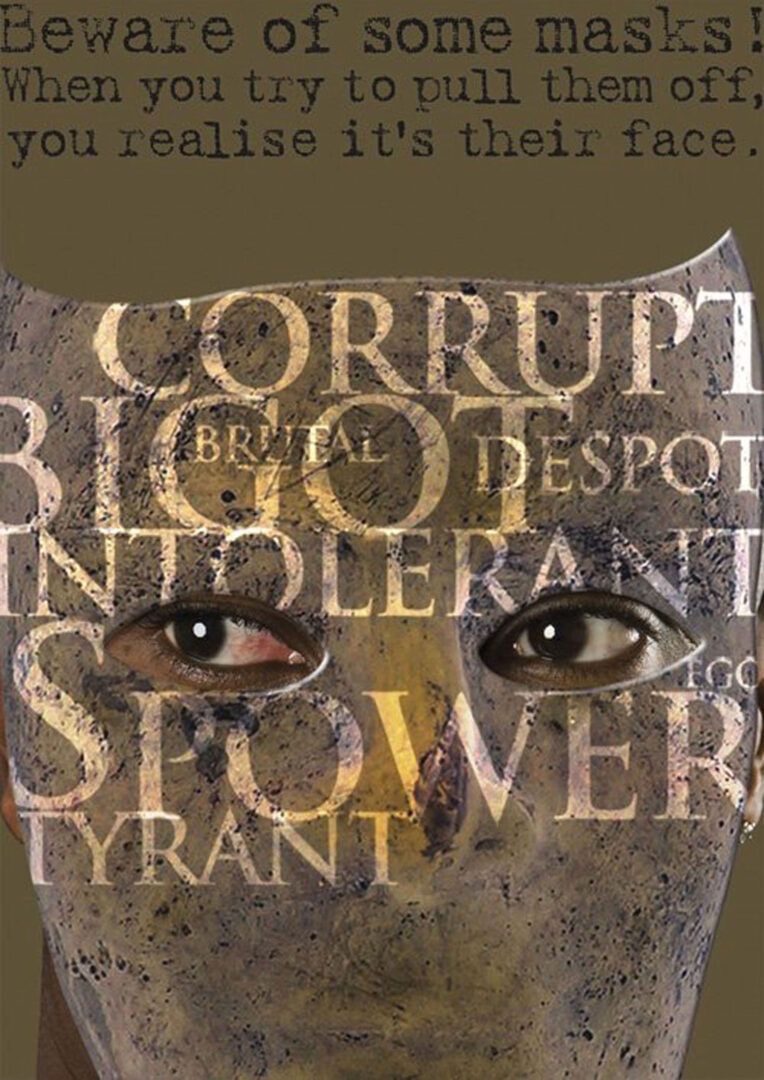
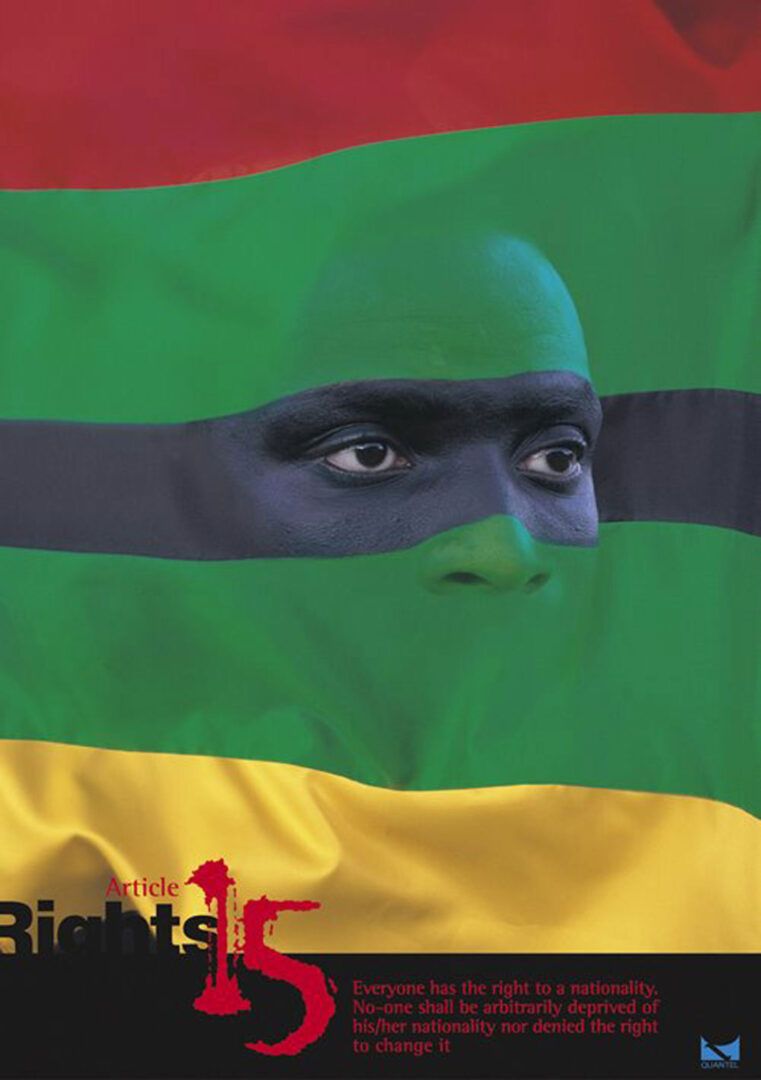
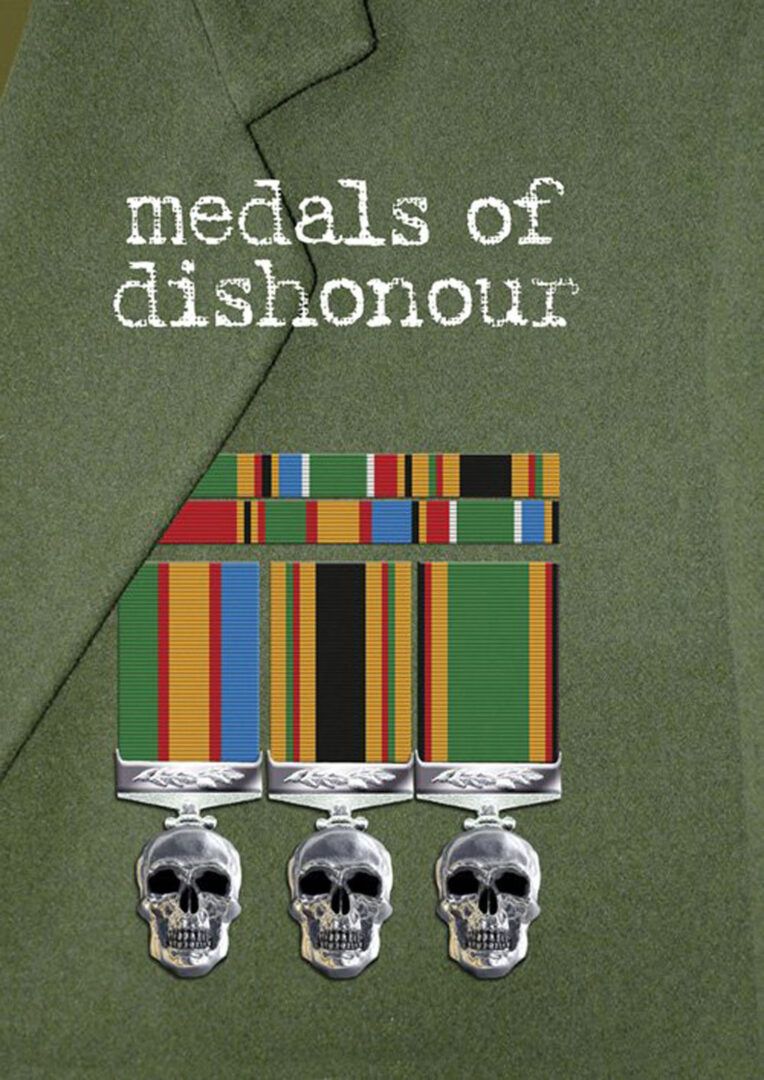
“If design is used to sell perfume and lipstick, why can’t it also be used to promote democracy and the values of human rights?,” Maviyane once told an interviewer.
Yet the constraints of self-expression through all forms of art also tell a story about the constriction of democratic spaces such as private radio and television that in other functioning democracies offer unlimited possibilities regarding art for art’s sake.
What has emerged, however, is the promotion on local radio of young performers under the Zimdancehall genre, whose engagement with social commentary on decay has largely been limited to references – often repetitive – to drug abuse.
An outlier is Winky-D, widely regarded as one of the most prolific Zimdancehall musicians, whose reggae-influenced Jamaican consciousness has shaped his lyrical style and produced socially reflective songs such as Ibotso, which critiques corruption, greed, and economic hardship. This has, at times, led to his work being disrupted during live performances by state actors, including an incident on 4 March 2023 where he was reportedly stopped mid-performance.
Winky-D’s music has also faced informal exclusion from state radio, alongside calls for bans from certain politically aligned groups, including the Economic Empowerment Group (EEG), then led by Mike Chimombe who has since been incarcerated for stiffing the government of millions of dollars. It is not surprising therefore that the EEG would demand that Winky D’s music be removed from all public radio stations in the country.
Early post-independence writers tackled issues around the country’s war of liberation, the trauma and the triumphs, and while some readers and scholars dismissed some of the writing as overly didactic, be it English, Ndebele or Shona novels, for some readers the subtext was unmistakable: the apparent futility of hope under black majority rule.
As Staunton told me, the question becomes, “when did the country’s decay start,” in other words, when did the apples fall off the cart, remembering that both “ZIPRA and ZANLA spoke in terms of high moral principle. Did they ever live up to these standards in the field, or post-independence?” (ZIPRA and ZANLA were the military wings of the two black nationalist political parties waging the war of independence).
For our troubled times, the painters, graffiti artists, the novelists, the crooners and others belonging to that galaxy of creatives have been subjugated to dogmas that bear no semblance to any aspirations to hold the mirror of society as a form of intellectual critique not mere political confrontation.
Yet a trend emerges regarding how artists seek to articulate the current socio-political and economic moment, not in their own homeland, but in the pan-African spirit as a response to xenophobia attacks in neighbhouring South Africa. When the attacks emerged more than a decade ago, some Zimbabwean musicians questioned via song “when is this going to end?” with local superstar Jah Prayzah releasing his own lamentation, Vane Hutsinye, which means “they are cruel”, the accompanying video of which only succeeded in producing unintended consequences as it carried what critics felt was gratuitous violence in the form of real news footage of foreigners being brutalised.
According to Jah Prayzha, the song was taken down by social media sites because of the violence it depicted. See links facebook 1 facebook 2.
“I found out that when people received the news of the xenophobic attacks, most of them did not have a clear picture of what exactly took place and I took it upon myself to show them through the video with the aim to make them understand the brutality that our relatives went through at the hands of South Africans,” Jah Prayzah would later rationalise his artistic endeavours.
If the voices of these artists did indeed travel the distance, such appeals seemed intended for African leaders to knock sense into the heads of xenophobes that “look, we are one people.” But whether these songs reached their intended audiences – the vigilantes themselves – is another matter altogether as the recent surge of xenophobia points to an enduring pan-African identity crisis where Africanists preach a borderless Africa while the “unemployed” claim “foreigners are taking our jobs,” and academics see something deeper altogether. Must be a tough call then being an artist trying to articulate these matters amid such contestations.
As these attacks escalated in May this year, some individual musicians joined their Zimbabwean compatriots condemning the terrifying campaign, and it was perhaps the rapper Stunner whose comments seemed to punch back, posting on social media that “No more buying champagne for South Africa slay queens,” adding with a laughing emoji “Mr. Dj, less amapiano also.”
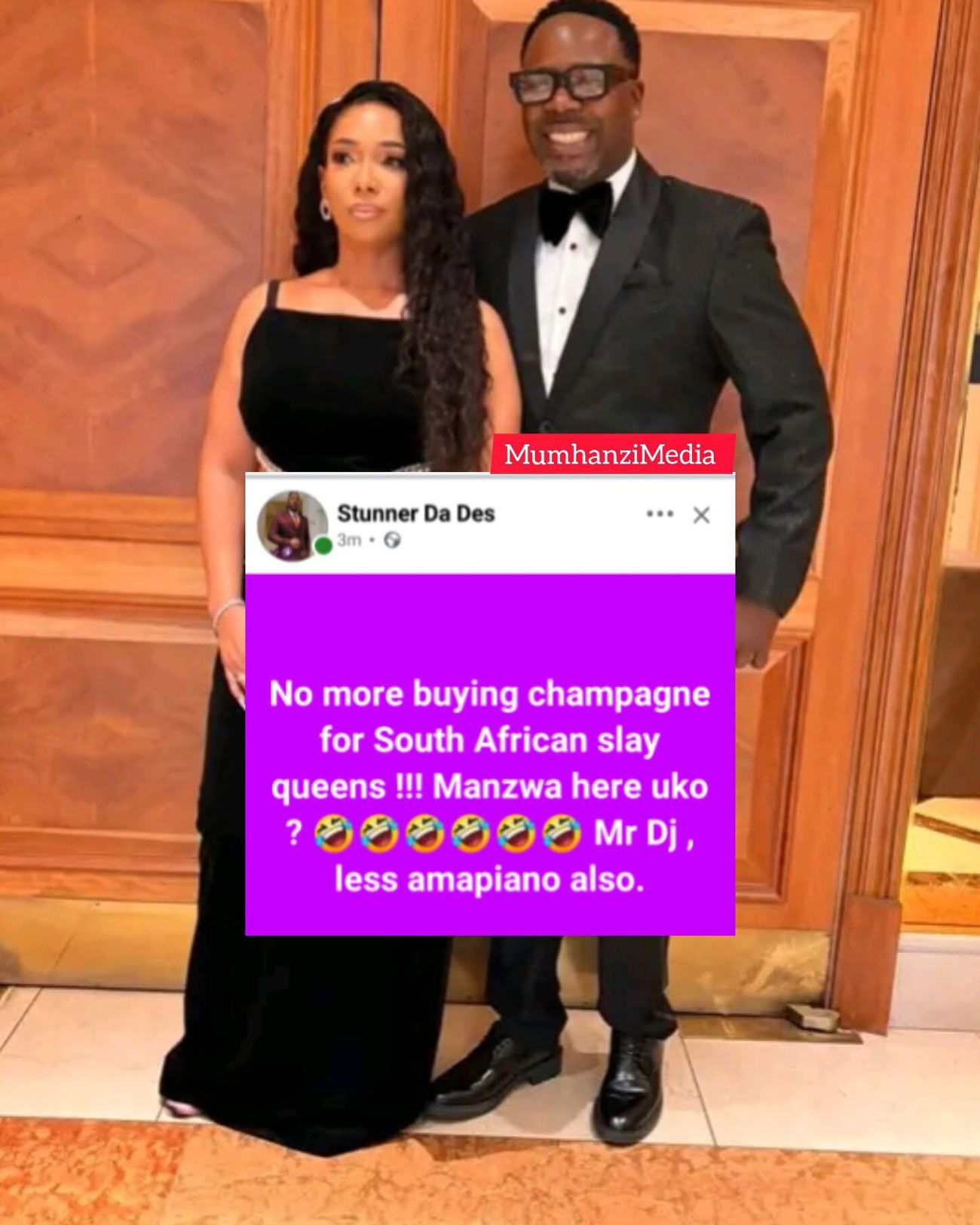
It became a study in the intersection of social media and activism, and how musicians as “influencers” choose to use these increasingly toxic platforms, yet it would be pretty easy for Stunner to retort that “I am not xenophobic, some of my friends are South African!”
“Social and moral decay is a slippery concept, and despite the huge wealth of our elite, who see their riches only as an achievement, many might argue that we are on the tip of an amoral landslide,” Staunton told me. Yet the voices from the rocks remain silent. It is no wonder then that there has always been something called “escapist literature,” and in Zimbabwe’s case, it has become nothing but the decay of artistic truth.