DAVID EDWARDS
Urban Decay in Johannesburg and the Reef: The world as Evidence
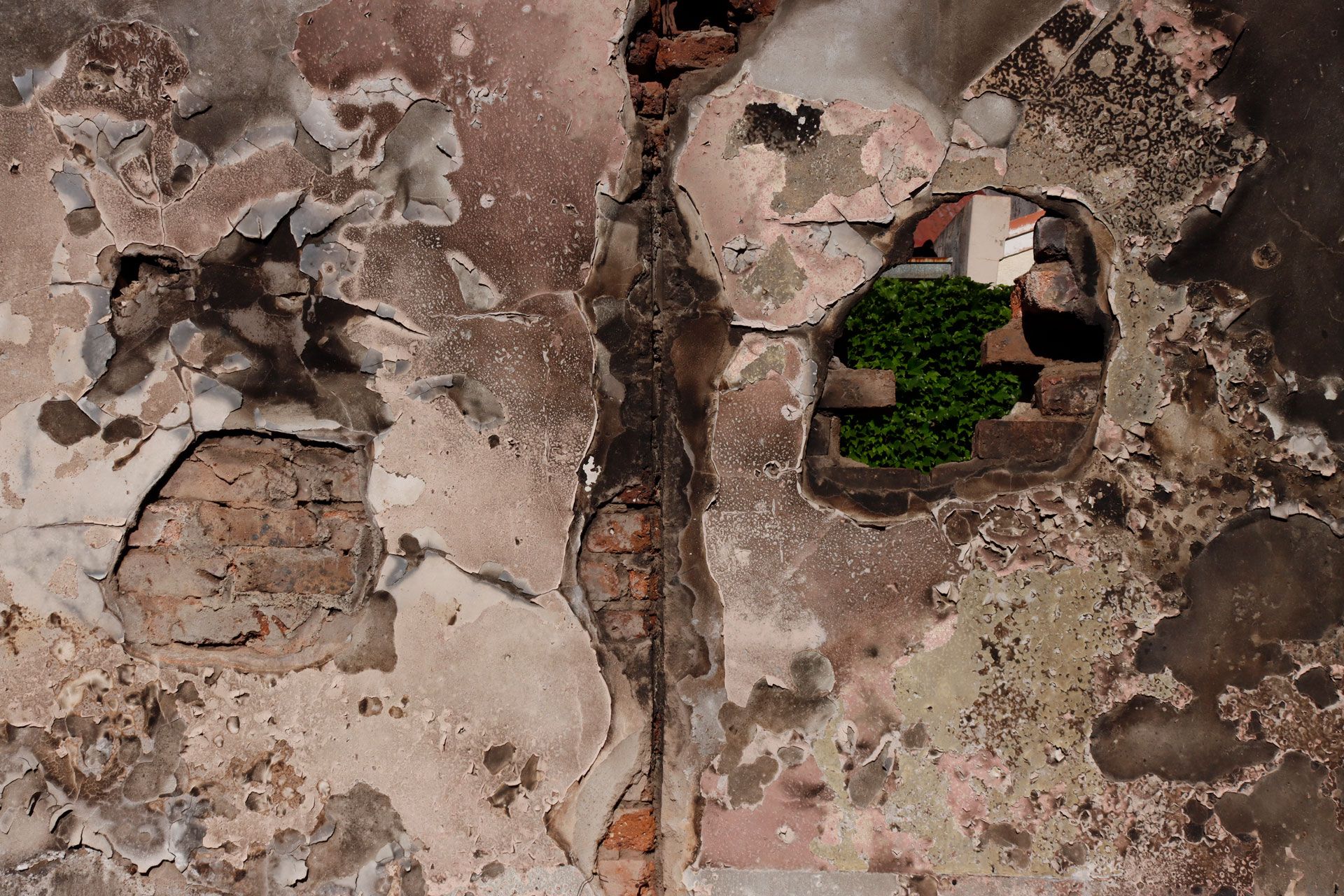
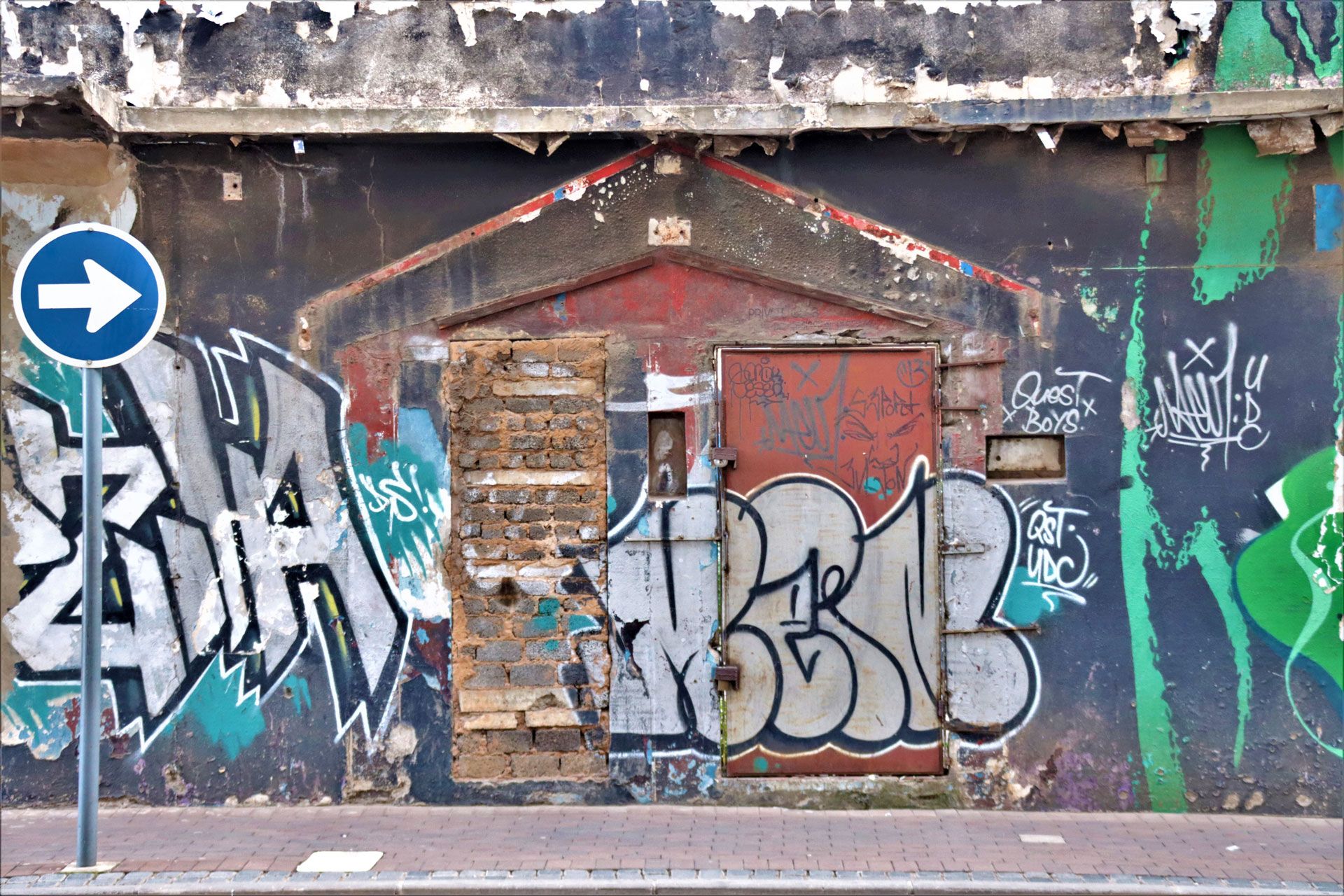
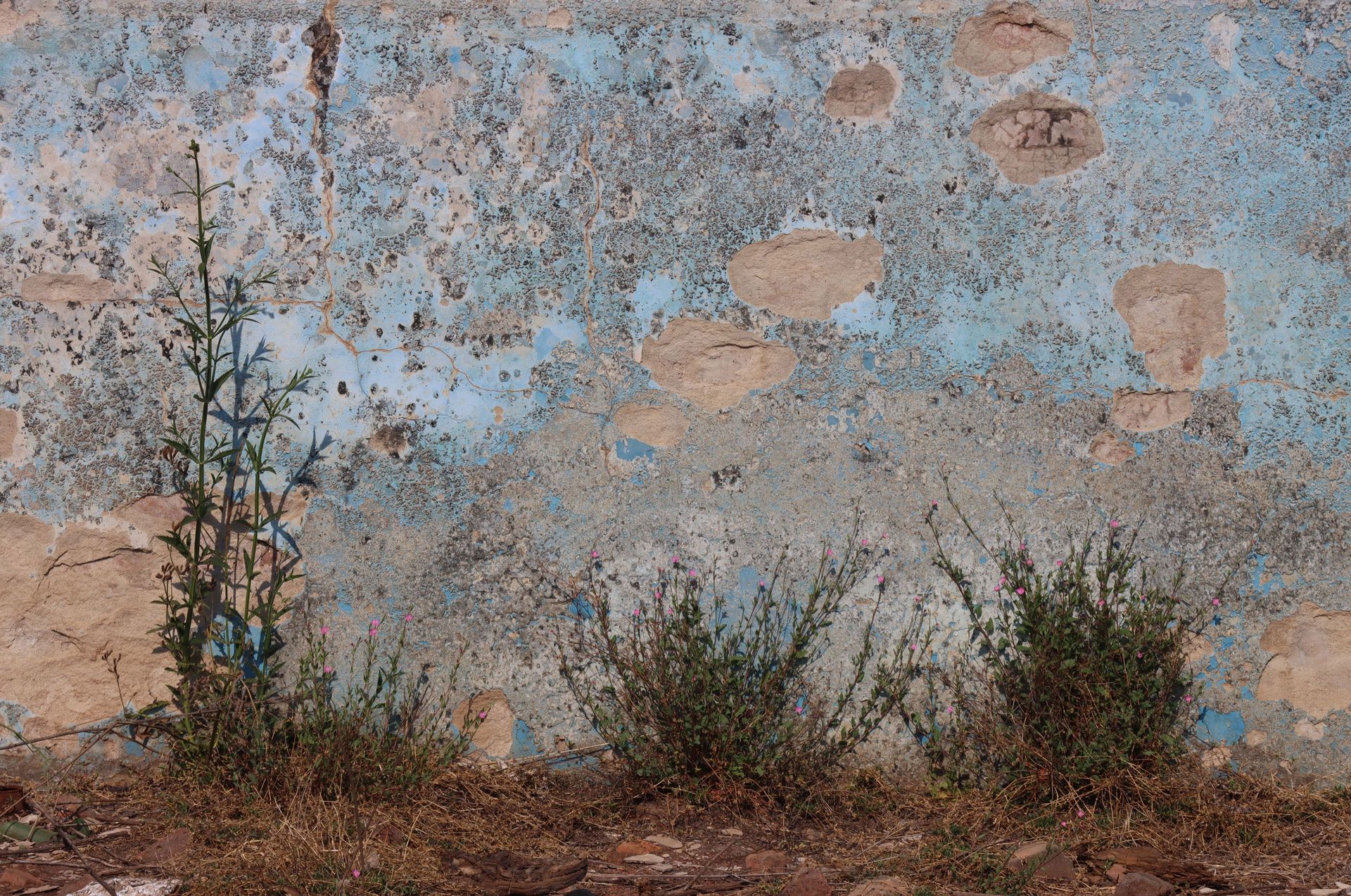
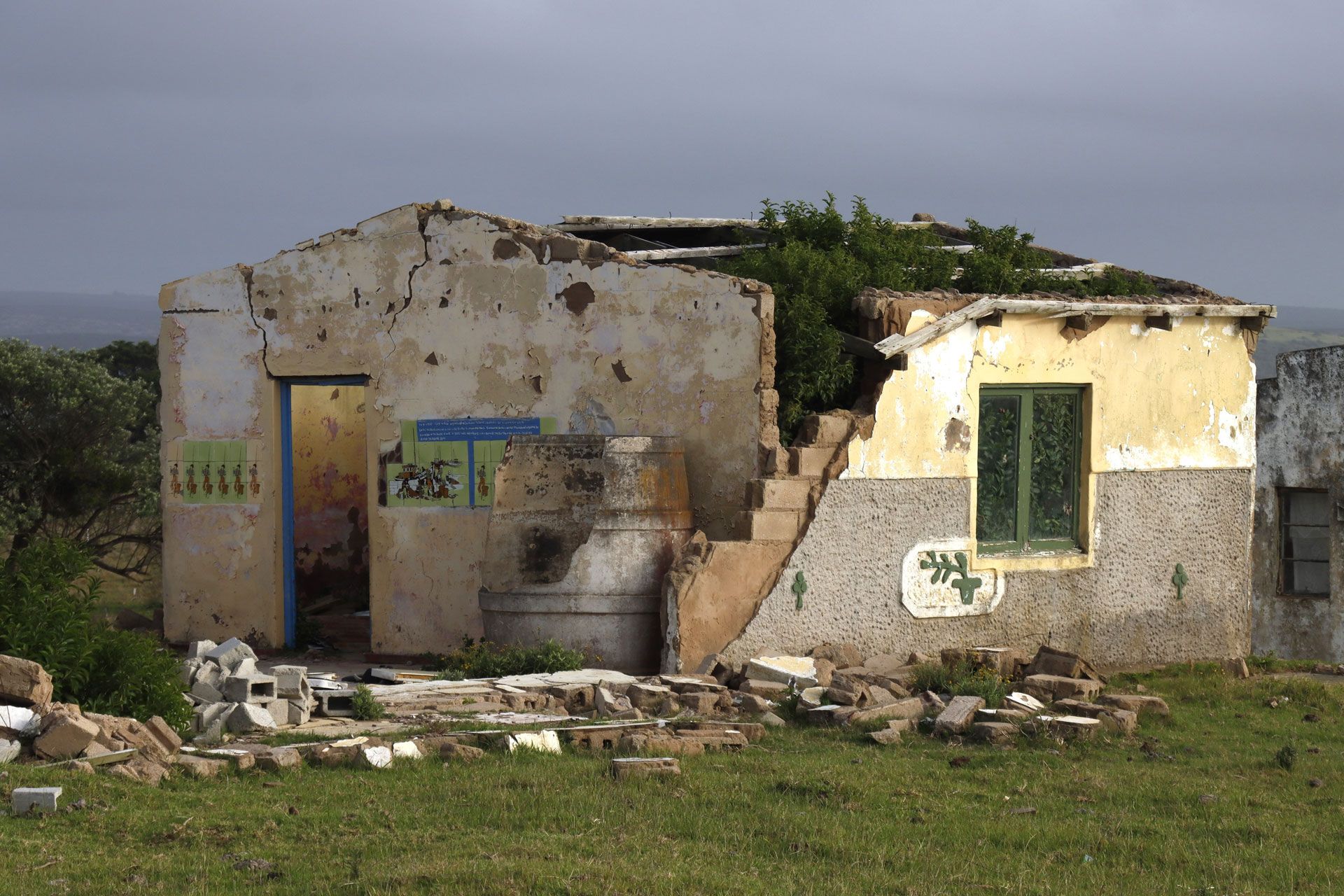
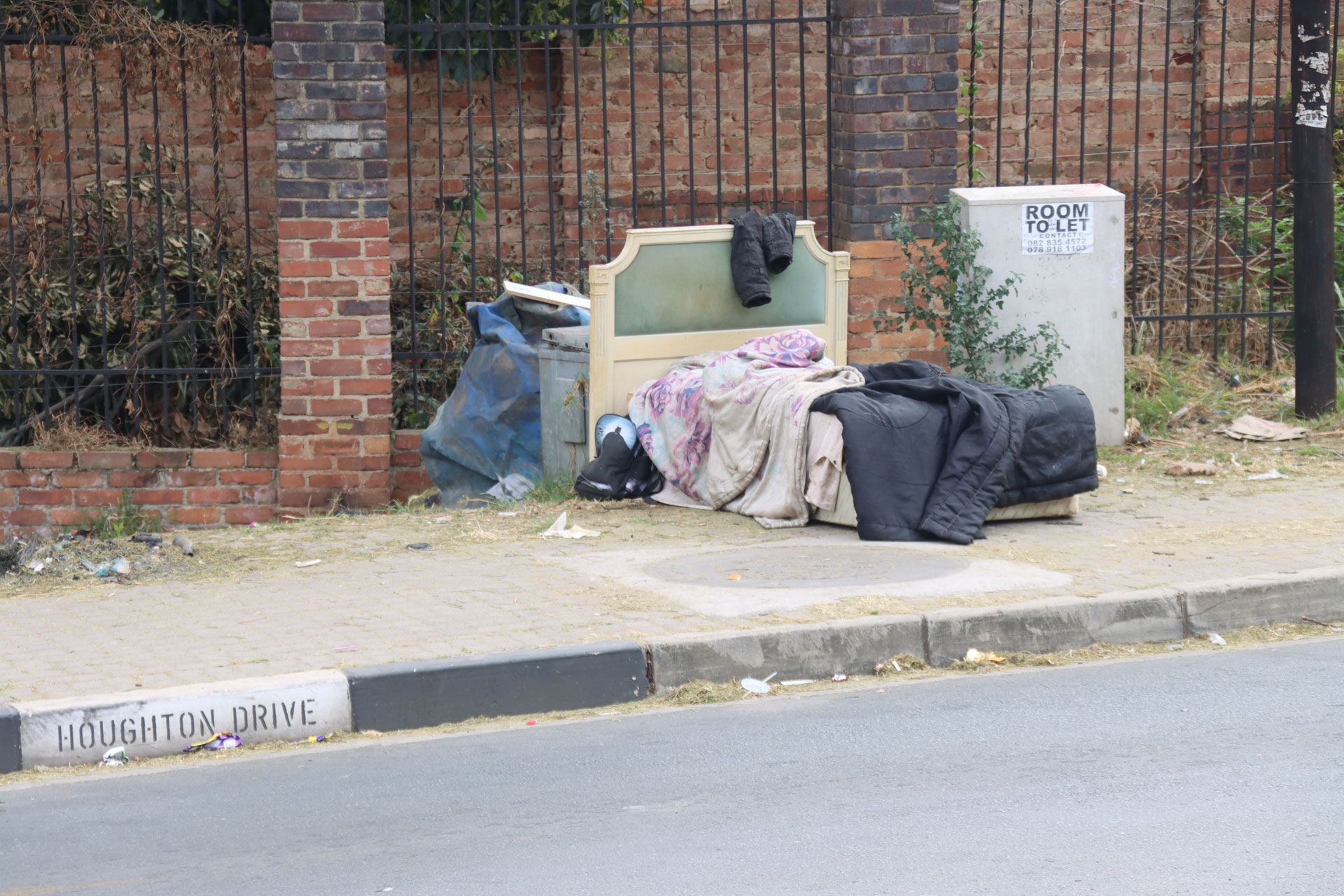
I was born in Joburg and have lived most of my life here, except for my school years in the erstwhile Pietersburg. I currently live in Kensington which puts me close to the south eastern quadrant of town, where I frequently take photographs. Joburg carries the imprints of a past of conquest, dispossession and exclusion. It lives under the shadow of oppression and the consequences of influx control, the exploitation of labour. This is because town has avoided the constant renewal of the north and reveals itself in the texture of its walls. This is particularly true of the southeastern quadrant of the cbd where poverty and homelessness prevail. It’s a decaying city but at the same time, paradoxically flourishing, sustained by people from all over Africa, some of whom are consumed by it. The underlying architectural structure of empire and apartheid remains and has become African and cosmopolitan. I enjoy this because it is a visual repository of our history, a part of the city that isn’t perpetually renovating and consuming itself, knocking itself down and modernising, showing its age rather than attempting to banish signs of deay or impermanence. It falls apart and reinvents itself, as waves of human migrations arrive and disperse. Each wave leaves signs of its character which creates a sense of eras captured in the chaos. It’s a rich source of evidence about the contradictions that have brought us to the present. I have interpreted ‘Decay’ fairly freely and have included a range of images where the rate of change ranges from the slow entropy of fading paint to the sudden transformation of a looted station or a brick thrown in anger. My photographs explore the texture of duration and the immediacy of fire. I’m interested in what flourishes in the disorder as well, and enjoy contradictions between beauty and context. David Edwards.









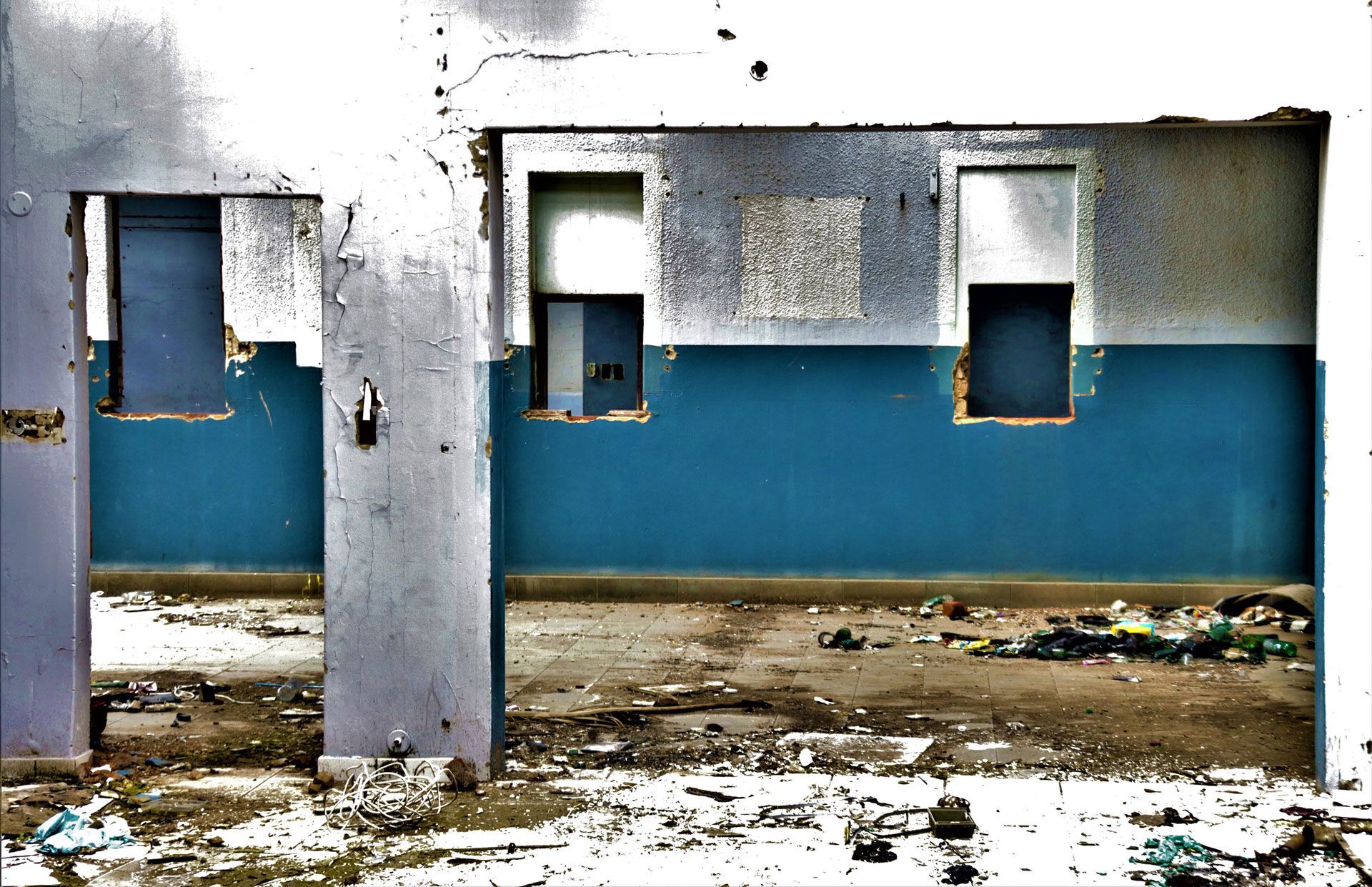
Ruin porn is the new sublime. While terrifying mountainscapes defined the seventeenth century sublime, the twenty-first century has carved a new incarnation of the sublime, precariously located within contemporary ruins of the urban wild. We are enthralled by modern ruins for a plethora of reasons, not least because they inspire in us a rational paranoia that taps into our own eventual demise—both individual and, more importantly, collective. For modern ruins signal this global decay to which we all will invariably succumb, one way or another. In this manner, modern ruins arouse both despair and fascination, a fascination with our own death and a tangible image of the precise form it will take. They remind us, in a very sublime way, of the inevitability of human extinction, refocusing the terrain of ‘ruin’ away from the ancient world and towards the imminent future.
Siobhan Lyons
Ruin Porn, 2018