ALÉSHA BREDELL
Dust as Abject
Here dust will be explored as an abject entity in order to highlight the potential of applying visual and microscopic enquiries to archival projects. In order to discuss the physicality of the dust I will briefly introduce Kristeva’s theory of abjection. Concurrently, this theory-based close reading of the dust, or even Kristevan close reading, is inspired by my practical experience of the dust while working in the archive.
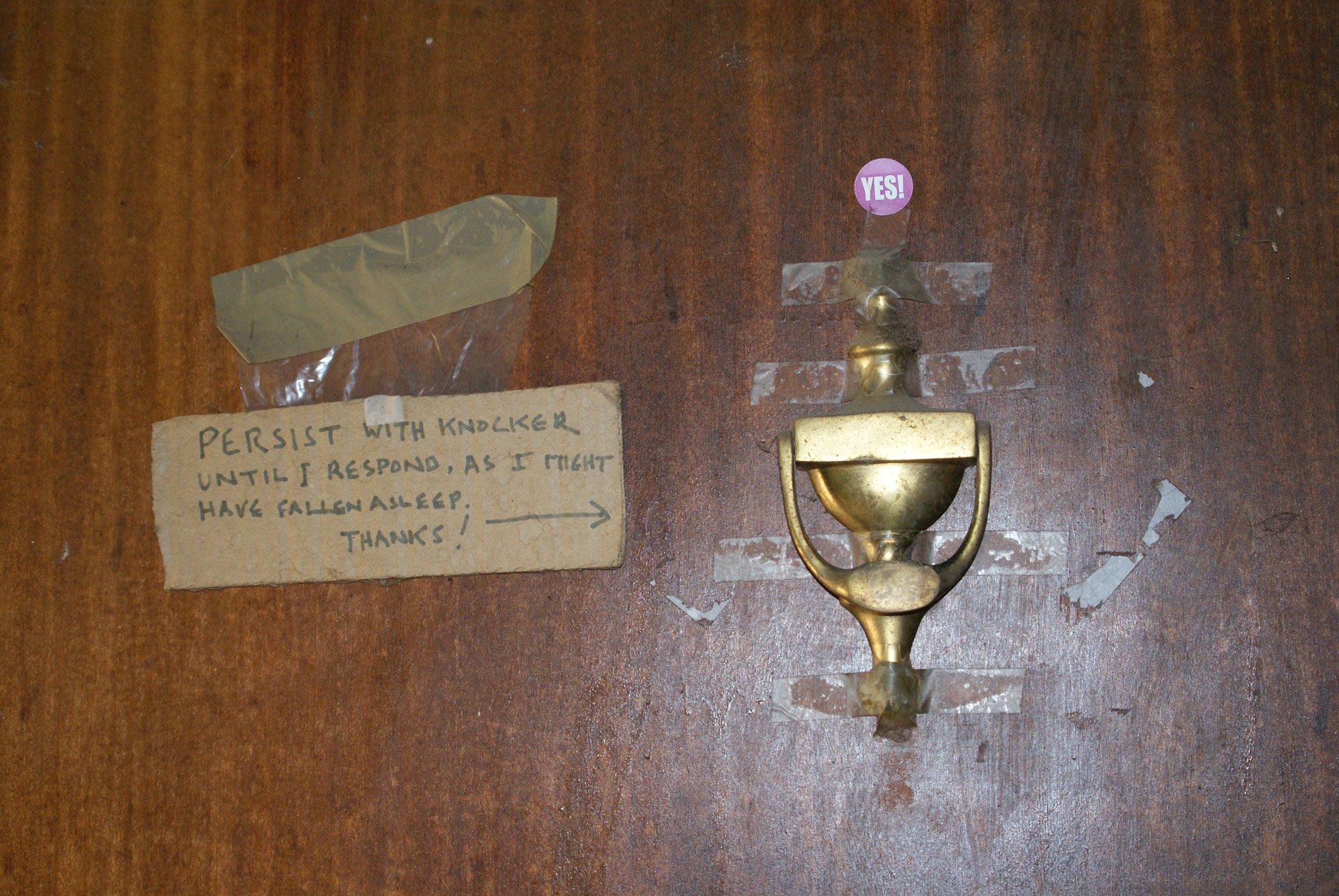
Abject dust, abject archive
In the following section I will be focusing on Julia Kristeva’s theory of abjection in relation to the dust that I sourced from the Ben Segal collection. In order to adequately explain the abject there are a few key preliminary concepts that I will explore, such as the semiotic and the symbolic, the thetic break, the semiotic chora, negativity and rejection. Following Kristeva’s lead, these preliminary concepts will follow on one another. The dust from the Ben Segal archive will be central in my discussions to each of these concepts. Even though Kristeva’s theories are written in psychoanalytical terms as a means of explaining the formation of the subject through various developmental phases, they can nonetheless be readily applied to other fields of enquiry.[1]Various scholars have applied Kristeva’s theory and concept of abjection to a wide range of topics. In ‘Dicks are for chicks’: Latino boys, masculinity, and the abjection of homosexuality Richard Mora applies social constructivist theories and the concept of abjection to examine how and why a group of low-income, USA-born Dominican and Puerto Rican middle-school boys constructed masculine identities by invoking and rejecting homosexuality (2014: 340). Marcus Wood (2013) in Valency and Abjection in the Lynching Postcard: A Test Case in the Reclamation of Black Visual Culture, focuses on white power, white guilt and white terror by providing a new standpoint which demands that “we see in these [images] […] both an iconic and an aesthetic status which circles around an abject reliquary import.” The theory of abjection has also been applied to a variety of feminist writings dealing with the female body. In order to stay close to Kristeva’s texts, I will build on the ideas encapsulated in her account of the developmental phases in order to discuss their significance for archives. Finally, the dust from the Ben Segal archive will be explored by applying the theory of abjection to it.
In her writings and as a practising psychoanalyst, Julia Kristeva[2]Kristeva defines the speaking being as those who use language and those who are constituted through their use of language. Language for Kristeva is the discursive and signifying system in which “the speaking subject makes and unmakes himself” (McAfee, 2004: 14). focuses on the concept of the ‘speaking being’[3]Kristeva defines the speaking being as those who use language and those who are constituted through their use of language. Language for Kristeva is the discursive and signifying system in which “the speaking subject makes and unmakes himself” (McAfee, 2004: 14). (McAfee, 2004: 14). Kristeva thus merges theories of subjectivity and language[4]In order to access her work, it is crucial to view these two theories simultaneously, as neither can stand alone (McAfee, 2004: 14). Kristeva views language not as a separate static entity, but rather as part of a dynamic signifying process. The signifying process is the way in which bodily drives and energy are expressed through the use of language and how these expressions shape one’s experience (McAfee, 2004: 15). in a corresponding relationship (McAfee, 2004: 14). The collectors and archivists, as subjects behind the meaning-making process of the archive, cannot be set apart from the knowledge produced from this process.
According to Kristeva, there are two modes of signification, namely the semiotic[5]Semiotics is known as “the science/study of signs” (words, images, sounds, gestures & objects) founded by linguistic theorist Ferdinand de Saussure (Chandler 2013). and the symbolic. The semiotic is the “extra-verbal[6]The extra-verbal is that which is outside of speech and language. It transcends language (McAfee 2004: 17). ways in which bodily energy and affects make their way into language” (McAfee, 2004: 17). The semiotic is not only expressed verbally, but also in the way through which the subject comes across to others by means of gesture, tone, body language and facial expression. These expressions of the subject could also be conveyed through art, music, dance and poetry (McAfee, 2004: 15, 16). Kristeva defines the semiotic as the primary space which is indifferent to language, as “rhythmic, unfettered, irreducible to its intelligible verbal translation; it is musical, anterior to judgement, but restrained by single guarantee: syntax” (1984: 29). The semiotic also has the ability to change or influence meaning regardless of the actual words being spoken or written. The semiotic in the archive is perhaps what we look for when unravelling the story of an individual. This could constitute the personal, the emotional, as well as that which is more readily open to various interpretations and possible readings. The multiple and open interpretations and readings based on the semiotic mode of signification, could also then be understood as that which we attempt to eradicate or greatly limit in terms of the human interaction and involvement of archivists, scholars and visitors.[7]The semiotic thus inevitably makes its way into the archive when decisions regarding what is significant and worthy of preservation, versus that which is not, are being made, regardless of the numerous attempts made to limit subjective effect. The mood of the archivist on a given day, decisions by an institution based on prejudice or personal interest, the impression an object makes, all influence what is preserved, what is discarded, and how these objects are categorised. The semiotic is thus a given feature wherever human interaction is concerned.

Following the semiotic, the second mode of signification is the symbolic.[8]The symbolic is the second mode of signification where the speaker attempts to “speak with as little ambiguity as possible”, while depending on grammar and syntax as a stable system of signification (McAfee 2004: 17). The symbolic is characterised in Kristeva’s work as the clear, logical and orderly modes of signifying, where any form of doubt and uncertainty in expression can be evaded (McAfee, 2004: 16-7). The symbolic is constituted by the formal rules of a specific language and their subsequent boundaries, as well as through the language used by disciplines in science and logic (McAfee, 2004: 17).
Archival practices of categorisation, rules and procedures to be followed are thus part of what constitutes the symbolic within the archive. The symbolic is also a major driving force behind the traditional understanding of the standards that an archive must uphold: logic, objectivity and truth.[9]Since the 1980s various work performed in the humanities has shattered or at least challenged such notions. In Refiguring the Archive (2002: 7), Hamilton writes that the archives “is always already refigured” since technology as well as preservation and the use of archives are always changing. Hamilton goes further to say that “the archive is porous to societal processes and discourses” and even more so in South Africa, where “formal conduits need to be put in place” (2002: 7). More than ever, the emergence of the hidden as well as the radical restructuring of the archive, and therefore our approaches towards history, is in dire need of transformation. For the argument proposed here, these concepts hold true as the institutions and bodies of knowledge production, guarding information or access to fragments of the past still require objective and logical truth in order to influence as well as establish, power.
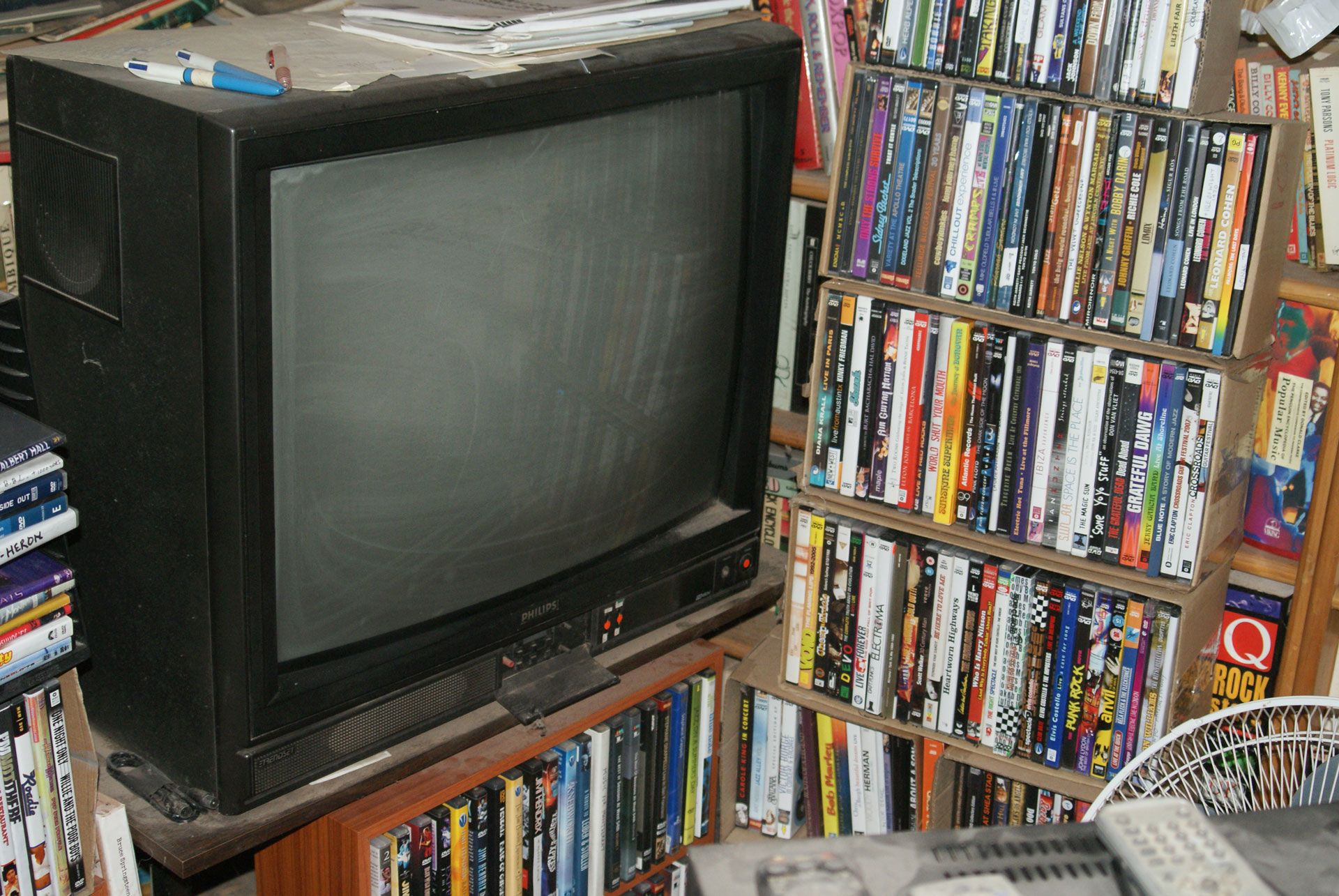
It might be presumed that the semiotic and the symbolic are polar opposites, such as emotion versus logic, for example. Kristeva, however, reveals how these supposed ‘dichotomies’ are related (McAfee, 2004: 17). McAfee explains that “what we have is a symbolic mode of signification (the words in whatever semantic order they are given) that is energised by a semiotic dimension” (2004: 17, 18). Therefore, the semiotic is the body, life and energy that penetrates the static, logical, grammatical form of language, giving it life and a multiplicity of meanings. It is also important to note that the semiotic and the symbolic need one another as they produce meaning when used together, seeing that language would have had little meaning if we only spoke in terms of the symbolic (McAfee, 2004: 18).
The semiotic and the symbolic are thus evidence of the emotional, more subjective aspects and the supposed rational and objective aspects operating in simultaneous unity. The archive is thus not immune to the inner workings of Kristeva’s formulation of the concept of the semiotic and symbolic. The thetic break[10]The thetic phase is the signifying process acting as a break or threshold, where “the subject separates from the object.” The word ‘thetic’ means: positing or position, especially in relation to the ‘subject-object relation.’ Kristeva focuses on the process leading up to the thetic (Lechte & Zournazi, 2003: 211). is then just as relevant to the archive:
WE SHALL [emphasis in original] distinguish the semiotic (drives and their articulations) from the realm of signification, which is always that of a proposition or judgment, in other words, a realm of positions. This positionality … is structured as a break in the signifying process, establishing the identification of the subject and its object as preconditions of propositionally. We shall call this break, which produces the positing of signification, a thetic phase. All enunciation, whether of a word or of a sentence, is thetic. It requires an identification; in other words, the subject must separate from and through his image, from and through his objects. This image and objects must first be posited in a space that becomes symbolic because it connects the two separated positions, recording them or redistributing them in an open combinatorial system (Kristeva, 1984: 43).
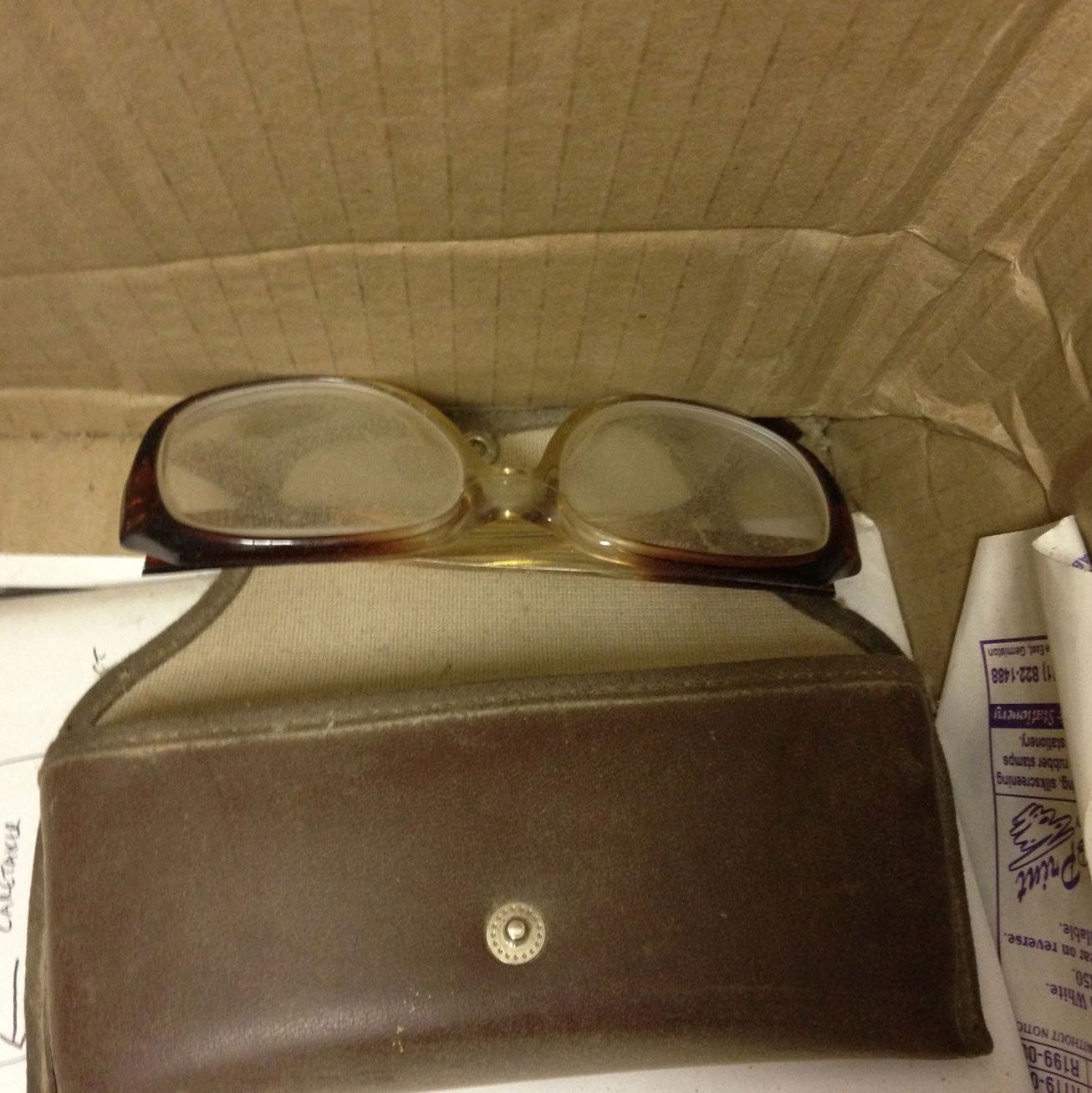
It might be difficult to detect the thetic[11]The thetic phase/break is what Kristeva refers to as the disruption in, or the limit of, the symbolic. She explains that the semiotic, all the drives and intonations, is that which brings about the thetic break (Oliver, 1993: 40). The thetic break is a process within the body where a breaking or rejection takes place at a threshold. in a well-organised archive where everything appears logical, as it does in the symbolic. Yet in an archive such as the Ben Segal collection, where the archive is still being packed out, sorted and items still being discovered, the thetic is even more apparent. The presence of the semiotic within the archive, as subjective influence is ever-present. Within the Ben Segal collection, where dust and various other seemingly insignificant objects such as pens, cable ties and discarded shoes are scattered throughout and in-between that which is readily regarded as significant, the thetic makes its way into the archive. That break might occur when we find objects, such as Ben Segal’s reading glasses, that might not be considered as being of great value in an archive prioritising music (and other items to that effect), yet nonetheless carry value for a biographical project.
The excess or build up, which ultimately leads to the necessity for rejection,[12] Kristeva explains that rejection is not merely a release or an expulsion, but rather an accumulation. Furthering the developmental notion, the concept of rejection must also be understood as a necessary process in the anal stage, though the pleasure described here is not limited to anal pleasure but also oral pleasure, as oral pleasure will be a motivating factor for the subject to speak (Oliver, 1993: 45). Her reasoning is that rejection happens before and after the symbolic order as signification is a process and not a motionless structure (Oliver, 1993: 45). In due course the material rejection arrives at an edge where it produces “thetic heterogeneity where rejection develops into desire” (Oliver, 1993: 45). also features within the archive. An archive, through connections and assemblages creates excess, fulfilled desire if you will, thus making abjection or a release essential. For Kristeva, the abject or abjection can be summarised as being desire’s corresponding item – only desire[13]Desire for Kristeva happens when “the first phase of separation from the mother occurs; the mother thus becomes the lost object of desire” (Lechte & Zournazi, 2003: 212). is the positive force of attraction with abjection therefore being the negative (Lechte & Zournazi, 2003: 210). Collecting, as a driving force behind desire, constantly attempting to gain more in terms of objects or information, is excessive in its nature. The abject, thus as negative[14]In order to explain the process that guarantees the necessary back and forth movement between the semiotic and the symbolic, Kristeva employs the concept of negativity (Oliver, 1993: 40). Estelle Barrett explains that negativity “can be understood as the processes of semiotic motility and charges, or ‘death-drive’, a force that impels movement towards an undifferentiated or archaic phase that precedes the subject’s entry into language” (2011: 14). Negativity thus defines movement of heterogeneous matter and drives and is therefore also closely related to rejection (Oliver, 1993: 43). Rejection for Kristeva constitutes a particular type of negativity which operates as the rational and physical driver of signification; rejection being the parting or splitting of matter (Oliver, 1993: 43). desire, is expelled after excess or satiation, of sorts, has taken place.
The reason for the importance and value of Kristeva’s formation of the abject is her application of negative desire to the development of subjectivity (Lechte & Zournazi, 2003: 210). Negative desire, the abject, creates and establishes the borders and the formation of a unit. This feature of the abject is cardinal in the establishment and creation of a distinctive archive. Yet the abject has two affects as it “fascinates and repels” on an intuitive as well as on a social and moral level (Lechte & Zournazi, 2003: 210). This can include the following:
The collector’s need to have, and the having too much; spaces, rooms and cupboards spilling over onto windowsills and in bathtubs; the archivist’s fascination of unpacking and discovering, and the repulsion brought on by anxiety over limited storage space, time constraints and deterioration.
During this process Segal’s collection of dust became equally fascinating and repulsive – at once responsible for my severe archival discomfort and allergies as well as fascination with what it is and what it may reveal.
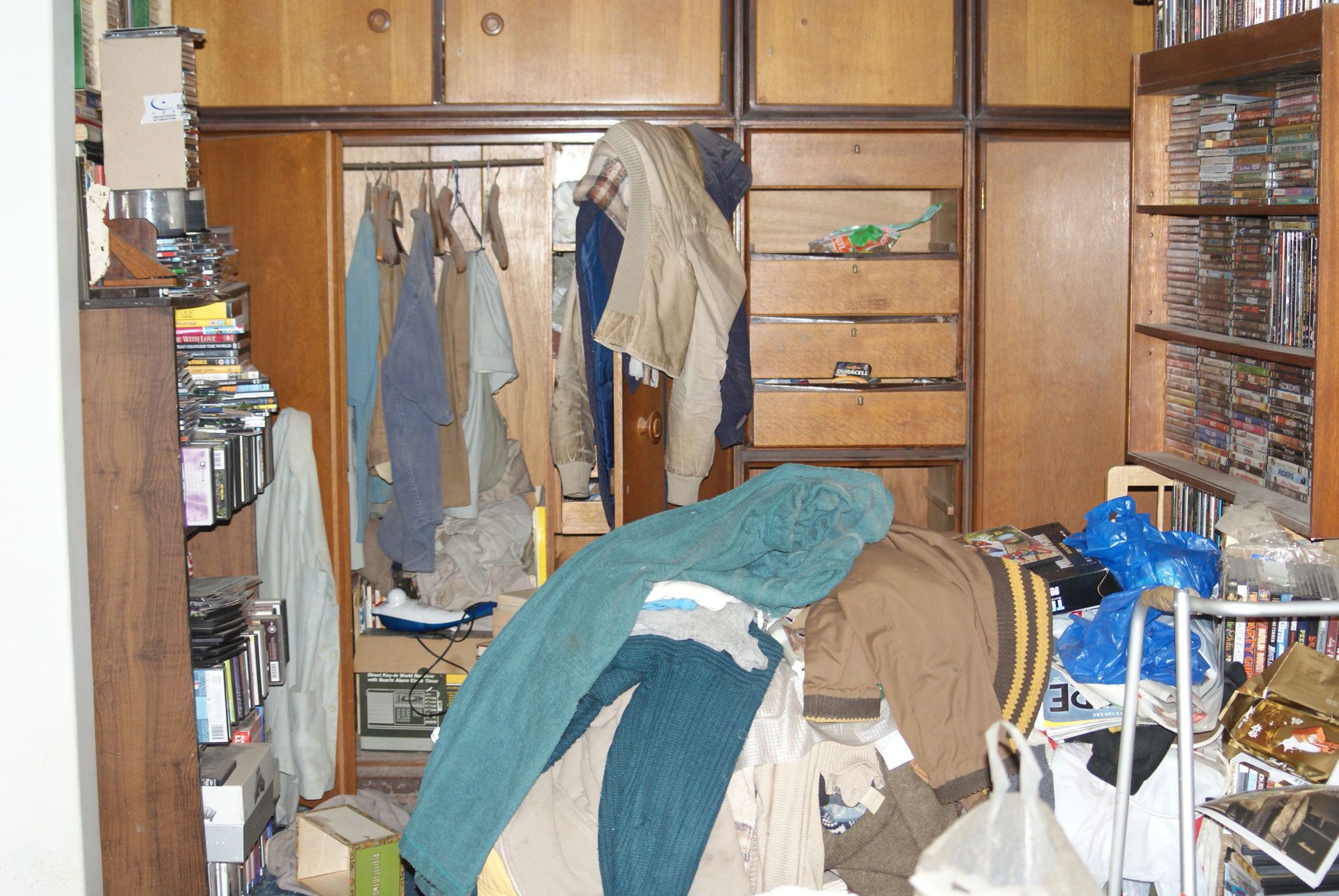
Kristeva’s notion of abjection thus plays an integral role in the transformation of a collection into an archive. In the case of the Ben Segal collection, with far too many items to store, including various commercial items that are available elsewhere, the archive is still in the process of being established. This continuous process of rejection or abjection of objects leads to the creation of borders that remains tenuous (see McAfee 2004: 45). The archive’s ‘I’ is still being established. If it were not for the process of abjection, it might have been difficult to distinguish between an archive and a hoarder’s nest. The process of sorting and the creation of boundaries is a key aspect of archiving realised through the process of abjection. The process of abjection provides the necessary formations for borders to be realised by the subject as a subject. The process of abjection thus occurs through jettisoning that which appears to be part of the self or unit. The abject here is that which is spat out or violently rejected by oneself, such as sour milk, excrement and vomit (McAfee, 2004: 46), or dust and ‘insignificant’ items in terms of the archive.

In order for the archive to have clear and defined borders, that which is threatening to those borders, threatening the very existence of the archive, must be jettisoned. The dust, a threat to the existence of the archive in various ways, must be discarded. The dust is an integral part of the archive; not only was it in a sense collected by Ben Segal, but as I have established in the preceding chapters, there can be no archive without this very threat. Derrida makes this clear in Archive Fever, where he writes that:
There would indeed be no archive desire without the radical finitude, without the possibility of a forgetfulness which does not limit itself to repression. Above all, and this is the most serious, beyond or within this simple limit called finiteness or finitude, there is no archive fever without the threat of this death drive, this aggression and destruction drive. This threat is infinite, it sweeps away the logic of finitude and the simple factual limits, the transcendental aesthetics, one might say, the spatio-temporal conditions of conservation. Let us rather say that it abuses them. Such an abuse opens the ethico-political dimension of the problem (1995: 19).
There would thus be no archive fever, no reason or driving force behind the desire to collect or preserve without there being a threat of destruction, loss or ‘death’. As Lambrechts writes, “the constant battle against time urges us on to discover the archive’s secrets and still unexplored depths before it is lost forever” (2015: 173). The excess of the dust, of the abject matter, is then key in there being a reason to archive in the first place. Collecting the dust, the very threat encapsulated by the passage of time, can then be regarded as an ‘object’ of sorts, which is part of the archive. One can even argue that the dust ought to be preserved as part of the archive, as significant and valuable.
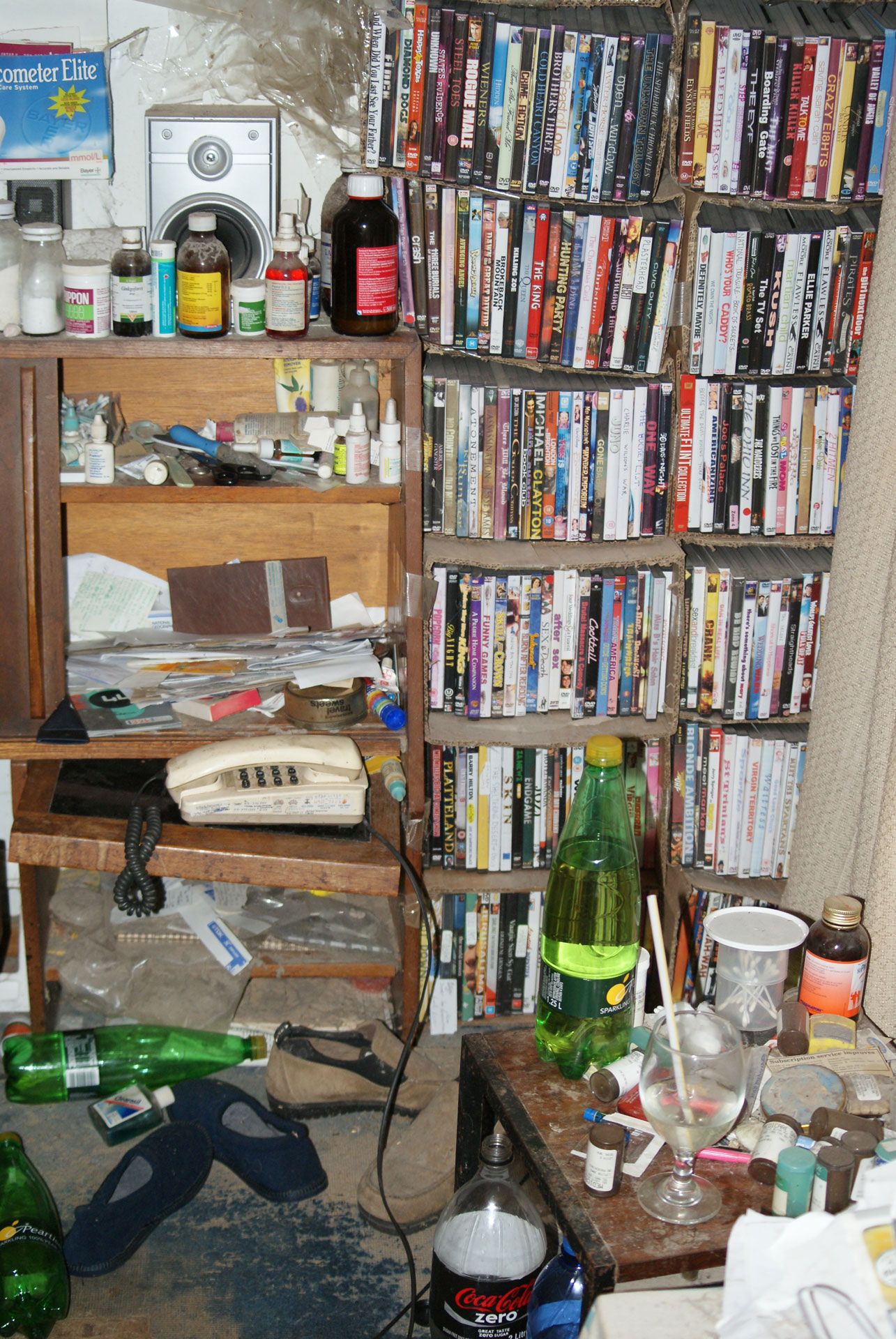
An important factor of the abjection process is that even though the abject object or the abjected thing has been radically excluded, the process of abjection can never be completely finalised as it lingers at the border of existence (McAfee, 2004: 46). The dust will always remain no matter how many attempts are mustered to eradicate it. The process of deterioration will consequently also never end. Dust is part of an endless process of becoming, growing more with or without interactions. The presence of the dust then contributes to the fragility of objects in the archive, seeing that the dust and more specifically compounds found within the dust threaten the existence of certain objects. Found within and among the dust are various forms of infestation such as moths, woodworms, silverfish and cockroaches to name a few. J.H. Hodson in The Administration of Archives writes that:
Moulds grow inevitably when the atmosphere is above a certain relative humidity; insect infestation is largely a matter of chance. The contents of one box may be attacked while a dozen adjacent ones are unaffected. Insects are liable to be discovered unexpectedly … insect parasites cause destruction of an irreparable kind, Insects may be active in storage boxes of the best and most modern repositories: their attack is thus the more insidious (1972: 101).
The insects within the kingdom of dust are thus direct threats to the objects within. Even though one can eliminate as much as possible from the collection, both dust and insects will always remain and reproduce – see below.

The abject, such as dust and insects, thus persistently challenges fragile margins and borders (McAfee, 2004: 46). It does not respect borders, it challenges unity and identity, be it a subject or specific archival entity as well as threatening the existence of “clean and proper bodies,” (McAfee, 2004: 46). The notion of ‘clean and proper bodies’ is thus linked to the abject as that which is excessive and must therefore be discarded or removed. The dust or objects that do not readily carry value in term of establishing an archive are seen as that which must be abjected, as it does not fit into possibly traditional notions of ‘clean and proper’ archives. The archive as a ‘clean and proper’ structure, perceived to contain the building blocks of history, is threatened by that which seemingly does not belong, be it the dust or insignificant objects crowding the space.
Kelly Oliver (1993: 56) explains that the abject is a relationship to a boundary, the very thing that was ‘jettisoned’ to the other side of the boundary. The abject is thus a threat to the symbolic, which relies on its borders, as the abject object threatens these borders of the symbolic:
There looms, within abjection, one of those violent, dark revolts of being, directed against a threat that seems to emanate from an exorbitant outside or inside, ejected beyond the scope of the possible, the tolerable, the thinkable. It lies there, quite close, but it cannot be assimilated. It beseeches, worries, and fascinates desire, which, nevertheless, does not let itself be seduced. Apprehensive, desire turns aside; sickened, it rejects. A certainty protects it from the shameful – a certainty of which it is proud holds on to it. But simultaneously, just the same, that impetus, that spasm, that leap is drawn toward an elsewhere as tempting as it is condemned. Unflaggingly, like an inescapable boomerang, a vortex of summons and repulsion places the one haunted by it literally beside himself (Kristeva, 1982: 2).
There are always these items which we find exceptionally trying to classify under one clear and specific category. Items such as these challenge the logical order archival structures have come to rely on. Notions of inside versus outside, that which is considered significant and valuable and that which is not, thus encapsulates Kristeva’s explanation of the abject. Certain items, objects or forms of social acceptability are easily grouped, whereas others fall somewhere in between, where distinctions are challenging ‘clean and proper’ ideals.
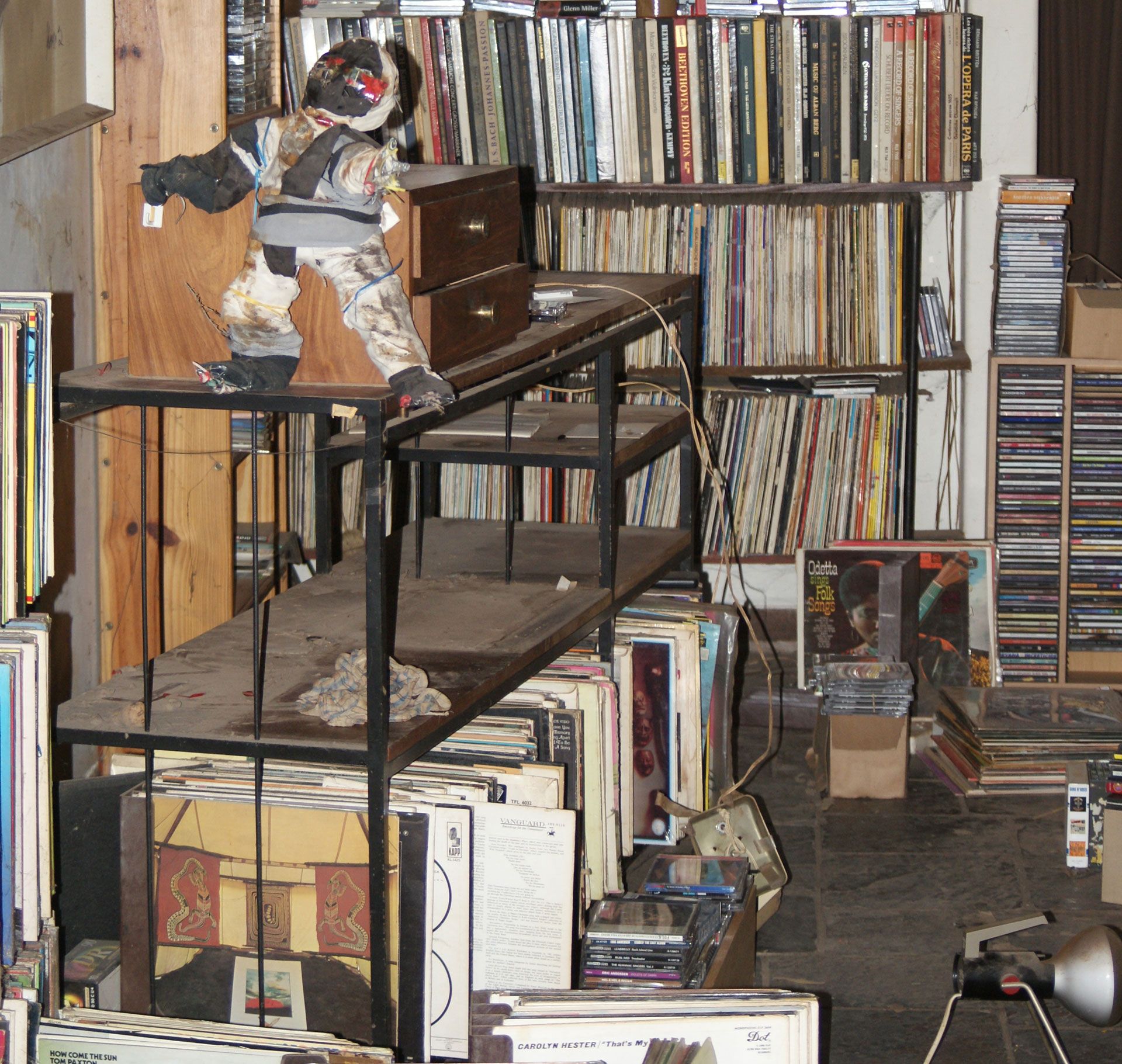
Of importance to the South African context, which necessarily frames the Ben Segal collection, is the apartheid government’s use of racial order as one of the most prominent restrictions for establishing their own ‘clean and proper’ ideals. This encompassed the control of the music allowed into the public sphere, ultimately controlling what history ought to remember and what not; what is considered ‘clean and proper’ and what is not. Michael Drewett writes in ‘Stop this filth’: The censorship of Roger Lucey’s music in apartheid South Africa that:
The police played a prominent role in monitoring the activities of musicians, especially when performing in townships or when the musicians were regarded as politicised.[15]See inter alia Coplan 1979 and 1985, Andersson 1981, and Hamm 1990 for the extensive debate on repression and censorship in black communities under apartheid. Some musicians with a counter-hegemonic message, such as Johnny Clegg and Juluka, experienced police harassment at their concerts, especially when concerts were declared ‘illegal gatherings’ and stopped midway (2005: 57).
Music made by the marginalised, as well as those who did not readily promote the Nationalist’s Afrikaner ideals (separation of races, white minority rule and sustained control over all racial groups), were not only excluded from the dominant cultural consciousness but actively banned. This can then be considered as an attempt at banishing that which appears to be or can be considered abject, yet as Kristeva points out: “from its place of banishment, the abject does not cease challenging its master” (Kristeva, 19482: 2). The abject thus always escapes confinement or identification.
The dust, similar to the signifying process, is as much part of the archive as any of the other processes and objects that attempt to define it. This semiotic reading of the archive could thus make it possible to argue for the inclusion of dust within the archive, as a valuable and significant aspect of the unfolding story as well as future studies of the archive. Dust as a sort of semiotic indicator, abjected object as well as a token for the ongoing process of abjection, can then form part of the established archive.
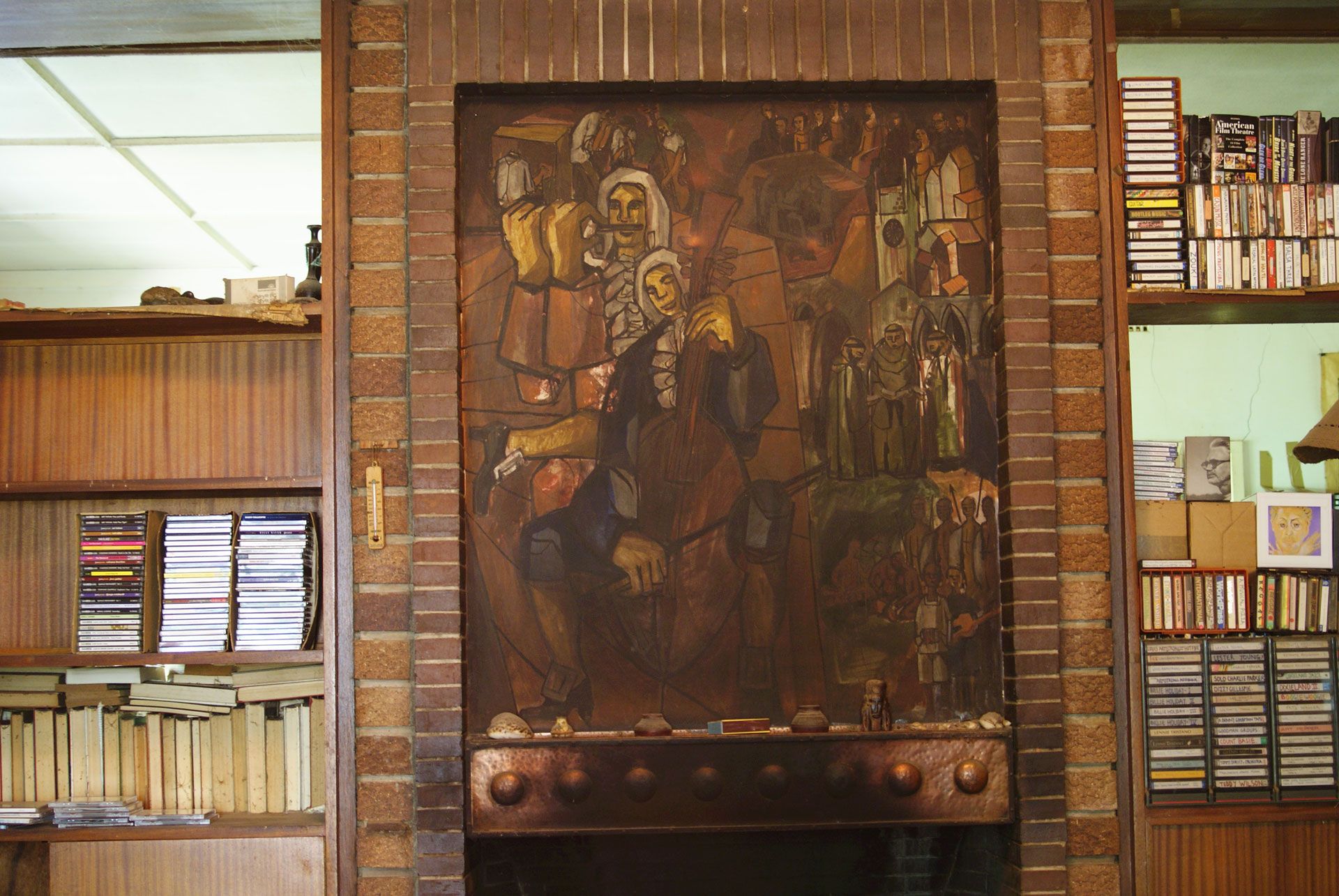
Objects in the dust and other things
In the following section, the fascinating aspects of dust as physical matter will be explored through a brief historical overview. Various modes of visualising dust will be mentioned before moving into a discussion of the microscopic and the implications of “seeing” the dust from the Ben Segal collection through scientific methods.
According to various creation myths, including Abrahamic, Egyptian as well as Chinese belief systems, dust or clay is said to be the initial compound for human life. This was the prevalent belief prior to Alfred Lotka’s book, Elements of Physical Biology, insisting that humans are “indeed, earth-born, but yet not altogether common clay” (1925: 197). All things considered, combinations of elements as well as chemicals have in one way or another been indispensable to the formation of life.
The nature of life has been a longstanding point of enquiry puzzling humans for centuries. They wondered how “living things are similar to and different from non-living things, both natural and artificial, and whether the characteristics that are universal in familiar Earth life are genuinely essential to all possible forms of life” (Bedau & Cleland, 2010: 1). In the 17th century Descartes attacked the obstinate Aristotelian belief that “life is intrinsically teleological” (Bedau & Cleland, 2010: 1). As artificial mechanisms, such as clocks, church organs and fountains, were popular during Descartes’s time, he claimed that such ‘organisms’ are exceptionally complex machines (Bedau & Cleland, 2010: 1). As soon as the origin or extent of natural life emerges, philosophical questions arise and along with that questions such as “What is accidental to life and what is not? Are there steps we can take to free our view of life being biased by the accidents of our epistemic circumstances?” (Bedau & Cleland, 2010: 113). The fundamental problem of the origin of life is that it is difficult to find investigators “who agree on even the broad outline of the events that occurred so long ago” (Bedau & Cleland, 2010: 121). Yet we persist to attempt to find solutions to these supposed impossible questions. The guidance of the study of the small and invisible, such as the dust, has proven to be helpful in unravelling these questions. The realisation of the power of the small has led us to the discovery of knowledge which defines the modern world. One such discovery is the structure of DNA:
Extraordinary discoveries inspire extraordinary claims. Thus, James Watson reported that immediately after he and Frances Crick uncovered the structure of DNA, Crick ‘winged into the Eagle [pub] to tell everyone within hearing that we had discovered the secret of life.’ Their structure – an elegant double helix – almost merited such enthusiasm. Its proportions permitted information storage in a language in which four chemicals, called bases, played the same role as 26 letters in the English language” (Bedau & Cleland, 2010: 129).
In the book Life Itself: Exploring the Realm of the Living Cell Boyce Rensberger writes about a laboratory that would have been unfathomable a hundred years ago:
Inside Rob Hay’s stainless steel tank are about 60 billion life-forms gathered from all over the planet. They wait in chilly repose. They neither eat nor sleep. They do not breathe. Not even the simplest chemical reactions of metabolism take place inside their bodies … Reach into the tank and take out one of the 30,000 hermetically sealed glass vials, or ampoules, each about an inch long and each holing about two million of the inanimate creatures in less than a teaspoonful of frozen fluid. Now let it warm to body temperature. From their icy limbo, the tiny creatures will undergo a resurrection in minutes. They will, in the language of an age that could not have imagined what is routine in almost every biomedical laboratory today, ‘come back to life’ (Rensberger, 1996: 3)
Today we have the resources, knowledge and technology to manipulate and alter the smallest aspects of our beings.
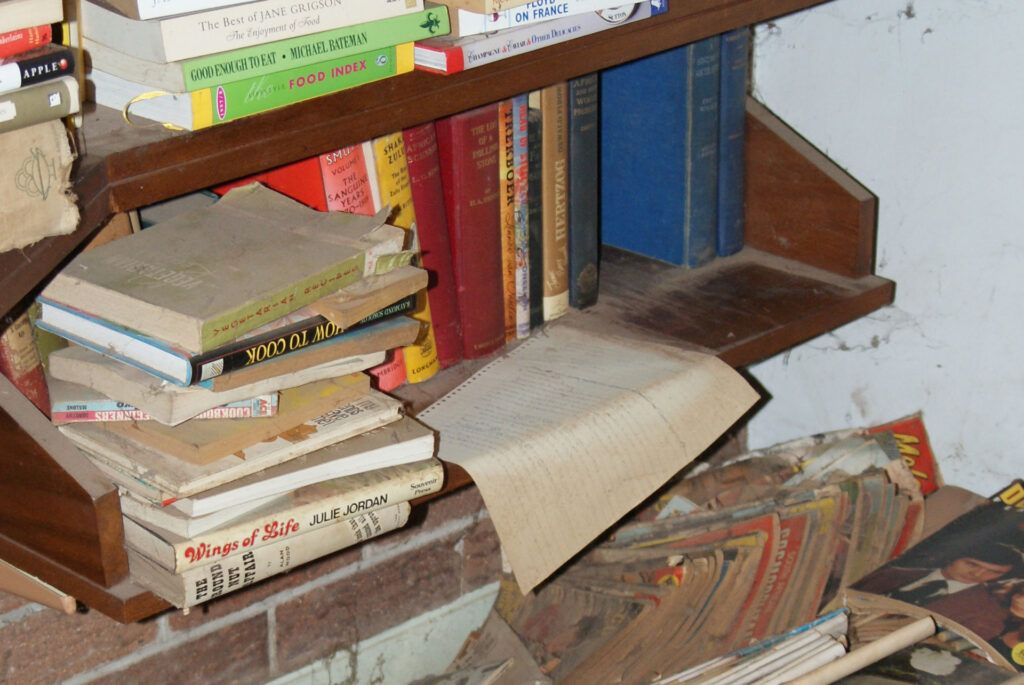
As discussed in the previous chapter, dust was considered to be the smallest of things before the twentieth century. Through scientific discovery and innovation, the relation between “smallness and dust [has] diverged” as we “found new invisible orders in the world and within the human body” (Amato, 2000: 92). From dust, notions of the small evolved to include invisible entities such as “atoms and microbes”, which “medieval peoples attributed to the heavens – and more” (Amato, 2000: 92). Lucretius, a first century Roman atomist made it his primary commitment to “dispel the powers and deeds of abundant and fickle gods” and consequently “transferred responsibility for human misery from heaven to an insupplicable atomic microcosm” (Amato, 2000: 93). The atom was considered the smallest indivisible kernel known to mankind until the end of the 19th century, when significant new knowledge was revealed:
In 1895, William Roentgen discovered the X ray. In 1896, A.H. Becquerel discovered radioactivity in uranium. In 1897, J.J. Thomson discovered electron. In 1898 Marie and Pierre Curie discovered polonium and radium, having laboriously isolated one gram of radium salts from eight tons of pitchblende. Together Becquerel and the Curies showed that particles emanated from ‘the indivisible atom’ in the form of radioactivity (Amato, 2000: 94).
These discoveries all played a small yet significant role in the discoveries that led to the conception of “nuclear physics and to a whole new microcosm” (Amato, 2000: 94). The world of the small and invisible grew larger and more visible with each discovery. The scale of the miniature and invisible world “is represented by the discovery of the hydrogen atom, which has a diameter of 10-10 meter, and the atomic nucleus, a mere 10-16 meter across” (Amato, 2000: 94). The supposedly indivisible became larger and known to be infinitely divisible, as physicists today “investigate ‘things’ that have no mass at all and occupy no space” (Amato, 2000: 94-95). To get an idea of this miniature world Amato explains that “if traveling inward to the realm of 10-16 meter were equal to traveling 1016 meters in space, the distance traversed would equal traveling to the sun and back 3,250 times” (Amato, 2000: 95).
Through these discoveries scientists have come to understand that the unseen world is as unpredictable as the visible. The small and invisible led to a greater understanding of the way in which things work on a larger scale:
In contrast to the old materialist model of the atomic world, which posited matter as a bunch of billiard balls moving around empty space and occasionally bumping into each other, this new realm of the invisible is complex, diverse, and subtle, its form and motion often indicated only by faint and ephemeral traces recorded on the most refined machines and then statistically generalized (Amato, 2000: 95-96).
Furthermore, the atomic bomb and germ theory opened up this understanding of the power of the small as it became common knowledge that everything “from the largest organ to the dust on the head of a pin – was teeming with microorganisms” (Amato, 2000: 97). Such knowledge and investigation into the micro world led researchers to the discovery of “subatomic particles and microorganisms” (Amato, 2000: 105-106). From dust, as the smallest of particles visible to the naked human eye, knowledge of the invisible world transformed immensely:
Once an unchallenged kingdom, dust was both a mixture and the sum of all small things. Its omnipresence was assured by the divisibility of matter. In this century, dust, like the European peasant of the old rural order, has been swept to the margins of life … The differentiation of dust went hand and hand with scientific investigation, industrial production, and public health regulation. ‘It is the invisible we have to guard against,’ declared Robert Hessler in his 1912 book Dusty Air and Ill Health, which set as its goal the identification of dusts that cause disease (Amato, 2000: 106).

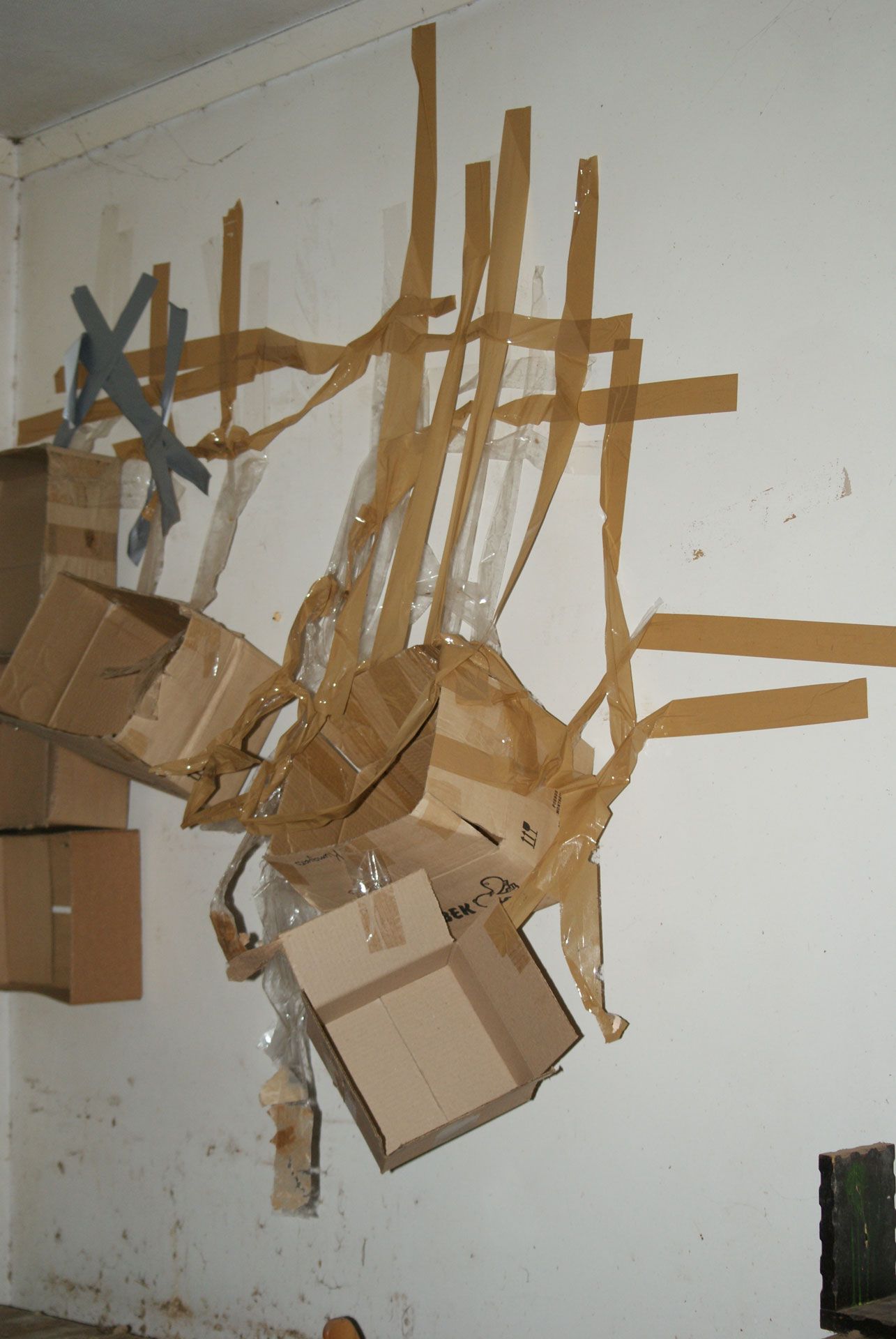
Anyone who has worked a day in an archive will agree with Hessler, as dust fills your nostrils, lungs, eyes and invisible layers cover and irritate your skin (see above) seeping into and attaching onto everything (see below).

The first thing I would do when I get home from working in the archive was to take my clothes off at the front door so as not to infest my living space with the dust. The dust as abject, resting on the borders of one’s skin and clothes, demands attention.
Even though dust led scientists and observers to greater knowledge of the infinitely small, there was still plenty that dust could reveal about our human understanding of the world, as “Hessler sought to associate specific sicknesses with certain dusts” (Amato, 2000: 107).
Differentiation was to be made by various scientists, including “volcanologists, meteorologists, soil scientists, industrial doctors, and sanitarians” as to the different particulars of dust (Amato, 2000: 107). Such specific differentiation “required chemical and mineralogical analyses and the determination of particle size, velocities, and flocculation patterns” (Amato, 2000: 107). It was clear that the world of the small and invisible was as information dense as the cosmological world greater and larger than we can possibly imagine.
Even though the specificity of dust has been explored by various scientific fields, able to explain dust down to its most basic chemical composition, dust in general falls under this larger group we call ‘things’ when we do not talk about it in a scientific context. The word ‘things’ and dust as things floating about are then virtually synonymous. Bill Brown writes in Thing Theory that the word ‘thing’ holds an audacious ambiguity:
It denotes a massive generality as well as particularities, even your particularly prized possession … The word designates the concrete yet ambiguous within the everyday: ‘Put it by that green thing in the hall.’ It functions to overcome the loss of other words or as a place holder for some future specifying operation … It designates an amorphous characteristic or a frankly irresolvable enigma … things is a word that tends, especially at its most banal, to index a certain limit of liminality, to hover over the threshold between the nameable and unnameable. The figureable and infigurable, the identifiable and unidentifiable (2001: 4-5).
Dust also holds this liminal position of ‘thingness.’ When we see dust floating in the air with the aid of light, what are we looking at? Are we looking at the wing of an insect, shavings of paper from the books or even our own skin particles? When we look at dust in this way, with the naked eye, we cannot identify with such certainty what we are looking at exactly. We are rather looking at ‘things’ floating about. In an archival collection filled with objects such as books, paper and boxes with an entire history it brings along with it, the dust, the things caked onto the objects have an almost infinite possibility of sources:
You could imagine things … as what is excessive in objects, as what exceeds their mere materialization as objects or their mere utilization as objects – their force as a sensuous presence or as a metaphysical presence, the magic by which objects become values, fetishes, idols, and totems. Temporalized as the before and after of the object, thingness amounts to latency (the not yet formed or the not yet formable) and to an excess (what remains physically or metaphysically irreducible to objects). But this temporality obscures the all-at-onceness, the simultaneity, of the object/thing dialect and the fact, all at once, the thing seems to name the object just as it is even as it names some thing else … They lie both at hand and somewhere outside the theoretical field, beyond a certain limit, as a recognizable yet illegible remainder or as the entifiable that is unspecifiable (author’s emphasis, Brown, 2001: 5)
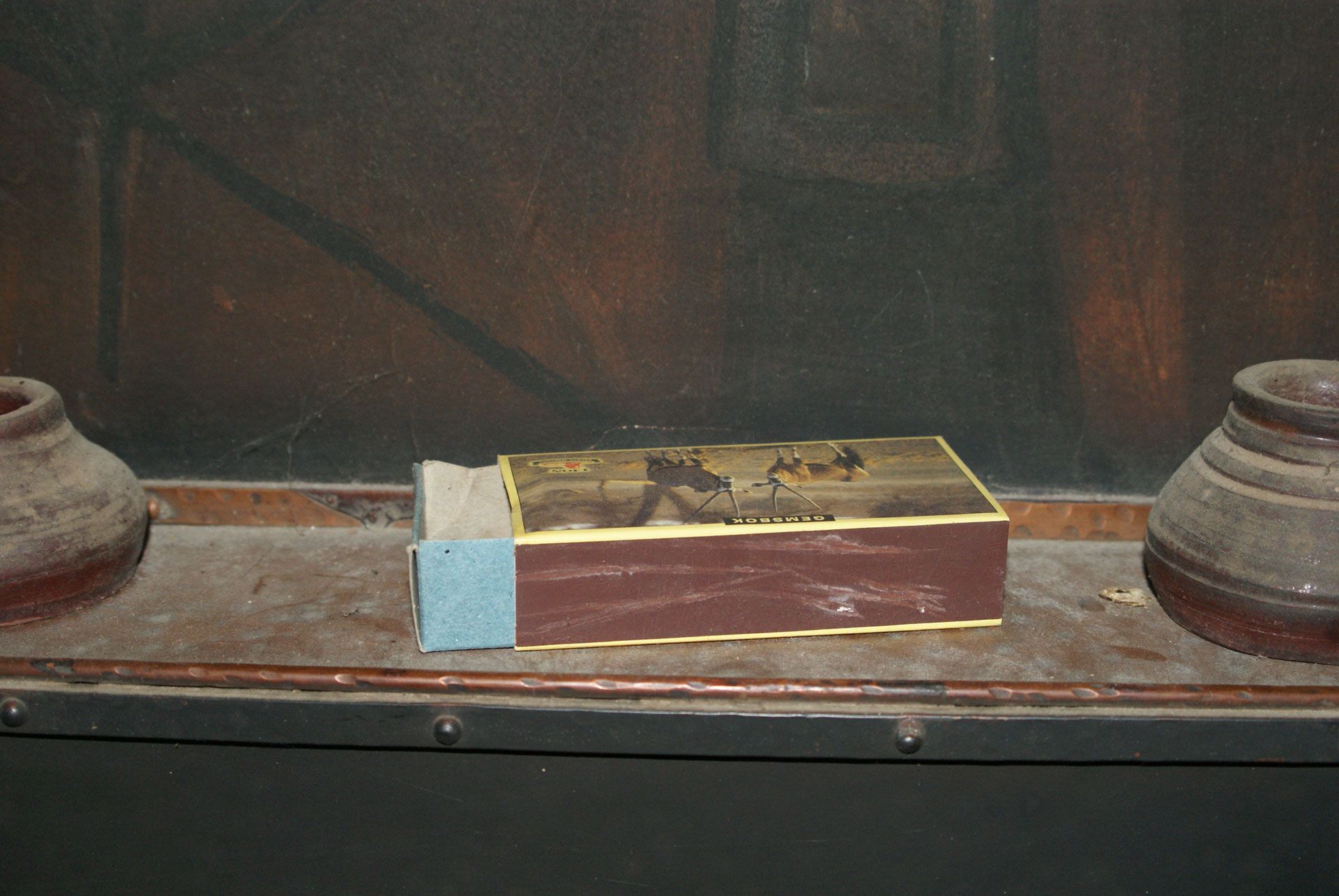
Dust is at once one thing and simultaneously something else and therefore also excessive in nature. John Plotz in an article “Can the Sofa Speak? A Look at Thing Theory” writes that the word ‘thing’ sums up “imponderable, slightly creepy what-is-it-ness” (Plotz, 2005: 110).
The word ‘thing’ is also “the term of choice for the extreme cases when nouns otherwise fail us: witness the thingamagummy and the thingamabob” (Plotz, 2005: 110). Thing theory is thus useful as it focuses or steps in upon our failure to name or classify something specifically:
Thing theory highlights, or ought to highlight, approaches to the margins – of language, of cognition, of material substance. ‘Things’ do not lie beyond the bounds of reason, to be sure (that would be absurd or paradoxical, or flat out impossible), but at times they may seem to. That seeming is significant: these are limit cases at which our ordinary categories for classifying signs and substances, meaning and materiality, appear to break down (Plotz, 2005: 110).
Mere things, such as dust in an archive, continually pose a problem, “because of the specific unspecificity that ‘things’ denotes” (Brown, 2001: 3). The specificity of dust, as distinguished by various scientific fields, might then be of significance to an archival collection, especially if particles or life within the dust is specifically harmful. The relation between dust and object, object and thing is thus intensified in an archive. And in particular, an archival collection that has survived a history that sought to restrict it, such as the Ben Segal collection.

Objects, then, are not innocent by-products of life, in the way that some things are by- products, excess fragments of objects. By fixing our gaze on the dust particles, reading them closely under a microscope, we are also obliterating the possible innocence of the dust. Brown further writes that as things course through our lives:
we look through objects (to see what they disclose about history, society, nature, or culture above all, what they disclose about us), but we only catch a glimpse of things. We look through objects because there are codes by which our interpretive attention makes them meaningful, because there is a discourse of objectivity that allows us to use them as facts. A thing, in contrast, can hardly function as a window. We begin to confront the thingness of objects when they stop working for us: when the drill breaks, when the car stalls, when the windows get filthy, when their flow within the circuits of production and distribution, consumption and exhibition, has been arrested, however momentarily (2001: 4).
Thing theory then functions similarly to abjection – it forces one to pause, to take notice. It is thus necessary for us to look at the dust more closely, to distinguish between dust as things and dust as information. Kristie Miller in Thing and Object makes a clear distinction between object and thing:
It is true that things are ontologically innocent, in the sense that unrestricted compositionalists use the term: nothing more is required for their existence than the existence of some particulars. The arrangement of, and relations between, those particulars, is irrelevant to whether a thing exists, and to what sort of thing it is. A thing exists just so long as the particulars that are part of that thing exist (2008: 88).
Things then become objects when we recognise name and notice them. There is thus a relation in our connectivity to objects, as Miller writes that object are those things which persons are inclined to care about. Thus “different things at different times have to have just the right properties and be related to one another in just the right way to bring into existence an object” (Miller, 2008: 88). Consequently, things are not nothing, things as possibly insignificant might even have great effects and should therefore not remain hidden, unnamed and unnoticed. Dust explosions[16]Fayed and Otten write in the book Handbook of powder technology that dust explosions result “when finely divided combustible matter is dispersed into an atmosphere containing sufficient oxygen to permit combustion and a source of ignition of appropriate energy. Dust explosions have certain similarities to gas explosions, especially with regard to the chemical processes involved and in cases where the particle size of the dust is less than 5um” (1982: 5-6). could, for example, be read as the disregarded turned delinquent. Dennis Hendershot in an article “Dust Explosions” (2008) writes that “any solid material which can burn, is capable of creating a dust explosion hazard if the particle size is small enough” (2008: 32). A dust explosion is thus the flammable particles “suspended in [the] air or another oxidizing atmosphere at the proper concentration” in a confined or pressurised space where there is an ignition source (Hendershot, 2008: 32). According to scientists who specialise in dust explosions, dust is a particulate matter which has been “airborne and passes a 75-um BS test sieve” (Field, 1982: 1). According to such scientific viewpoints, dust therefore has a definite specificity and its consequences worsen with the “decrease in particle size” (Field, 1982: 1). In Books in Peril: Proceedings of the Symposium on the Preservation of Library and Archival Materials in South Africa, held in 1986, P.E. Westra et al. write that:
Dust has an abrasive action which damages the surface of material, but particles also become embedded in the paper fibres, causing their eventual breakdown. If moisture is present, permanent staining can occur. Oily dust particles make ugly marks on paper. Both the above are difficult to remove (1986: 63).
Dust then has a definite and lasting effect on the archival objects. In an archive such as the Ben Segal collection, the uncontrolled and unstable environment it came from has greatly added to the deterioration of material, consequently leading to the dust being broken down into smaller particles. In its minutest particles, dust can be broken down into elemental chemical compositions. In the next section I elaborate on scientific visualisation as a means to understand and frame dust samples taken from the Ben Segal collection.
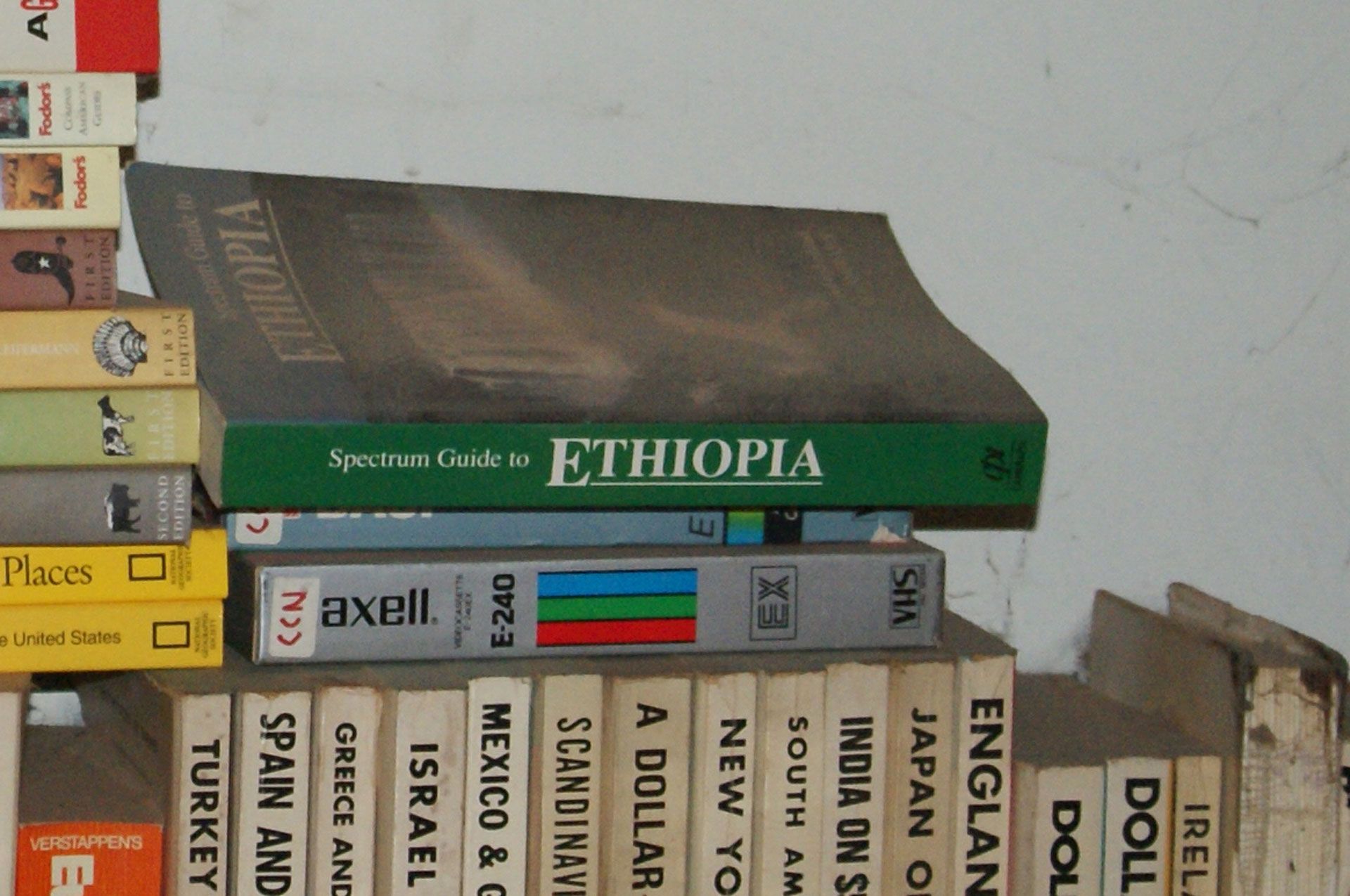
Micro Visualisation
British naturalist and explorer, Alfred Russel Wallace writes the following about dust in his book, The Wonderful Century: Its Successes and Its Failures:
The majority of persons, if asked what were the uses of dust, would reply that they did not know it had any, but they were sure it was a great nuisance. It is true that dust, in our towns and in our houses is often not only a nuisance but a serious source of disease; while in many countries it produces ophthalmia, often resulting in total blindness […] But though we can thus minimize the dangers and the inconveniences arising from the grosser forms of dust, we cannot wholly abolish it; and it is, indeed, fortunate we cannot do so, since it has now been discovered that it is to the presence of dust we owe much of the beauty, and perhaps even the very habitability, of the earth we live upon. Few of the fairy tales of science are more marvellous than these recent discoveries as to the varied effects and important uses of dust in the economy of nature (1898: 68- 69).
What we see, and the way in which we see is affected or influenced by what we know or believe. As I have extensively argued throughout this thesis, what we see and what we know are subjective formulations influenced by multiple factors. If we say that neither documents nor science can be taken as absolutely objective truth and every reading is therefore subjective, the very idea of certain, fool-proof convictions is, to some degree, problematised. Visibility is one such factor in a set of multiple factors to lead us to trustworthy convictions, while emphasising and recognising its inherently subjective nature.
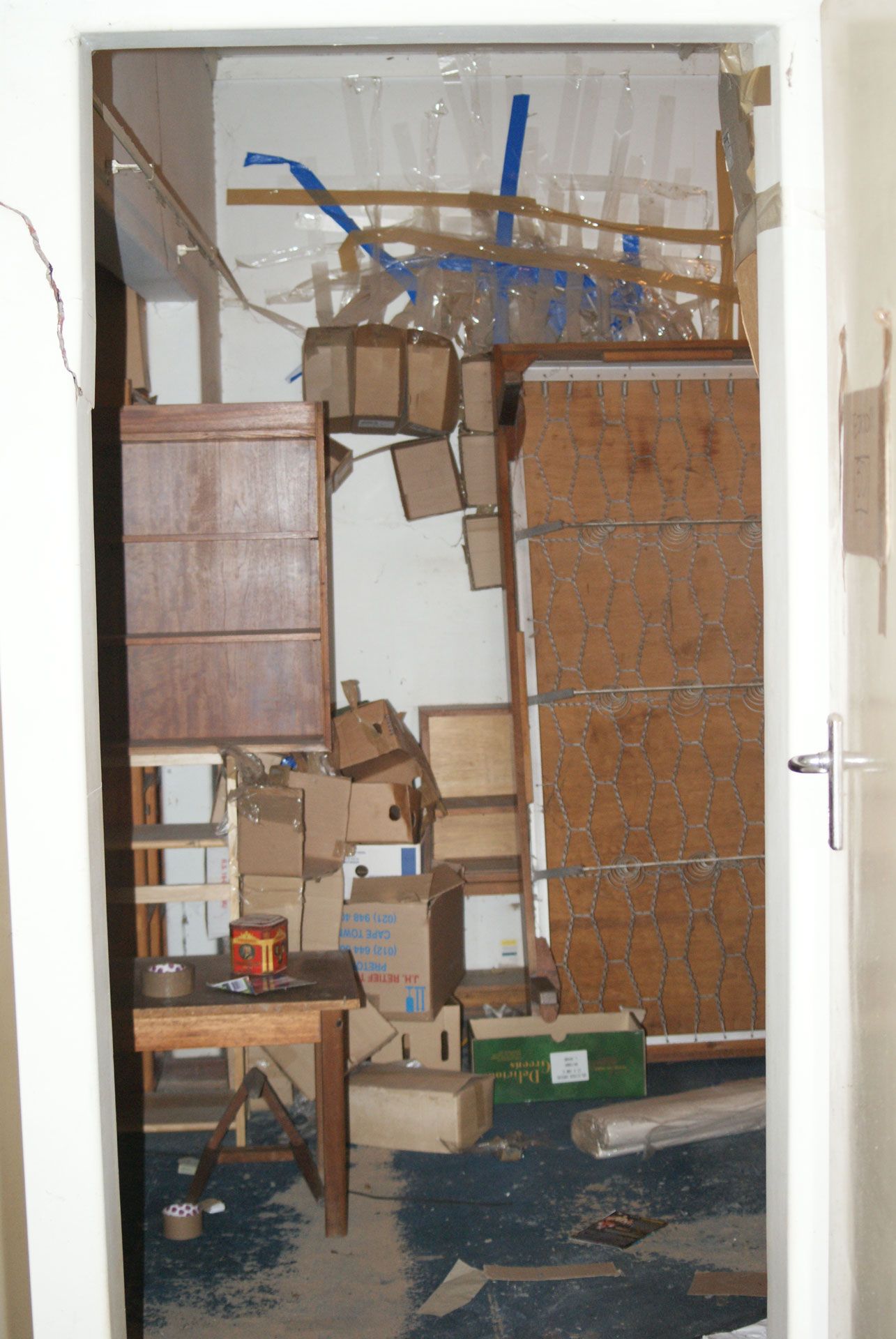
In the archive, the writing of history, as well as in the conducting of scientific analysis, we are always looking at the relation between things and not just at one thing on its own (Berger, 1973).
Visibility[17]This notion of visibility does not exclude the blind, as visibility or ‘seeing’ does not necessarily equate to visibility as in ‘eyesight.’ thus relies on our ability to be curious, to ask questions or to simply observe. Observation thus merges visual theorisation/enquiry and the sciences. In the archive observation is a key component to an archivists or scholar’s process. Observation requires one to look, to make connections and to arrive at certain possibilities:
Observation is the most pervasive and fundamental practice of all the modern sciences, both natural and human … Observation educates senses, calibrates judgement, picks out objects of scientific inquiry, and forges ‘thought collectives.’ Its instruments include not only the naked sense, but also tools such as the telescope and microscope, the questionnaire, the photographic plate, the glassed-in beehive, the Geiger counter, and a myriad of other ingenious inventions designed to make the invisible visible, the evanescent permanent, the abstract concrete (Daston & Lunbeck, 2011: 1).
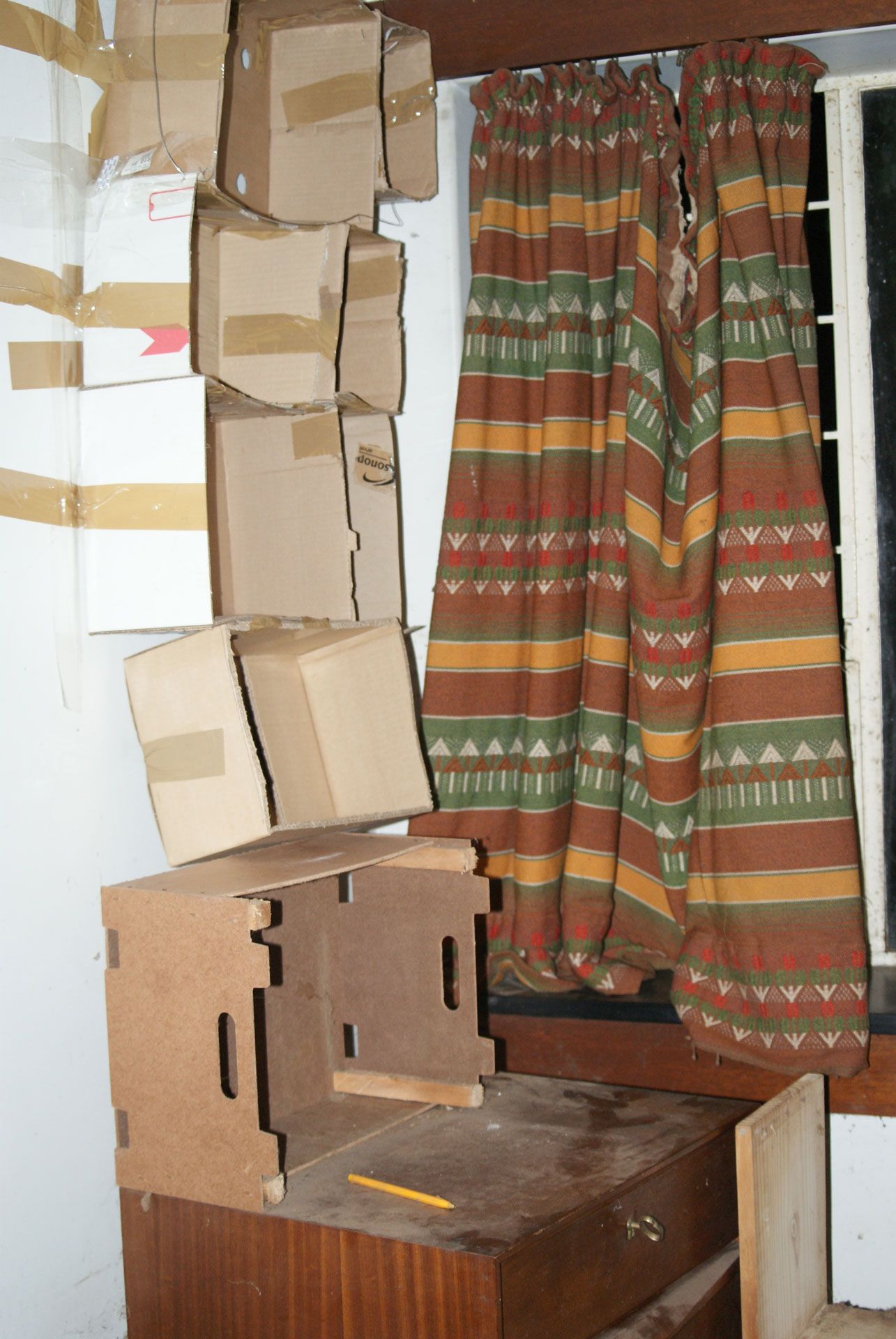
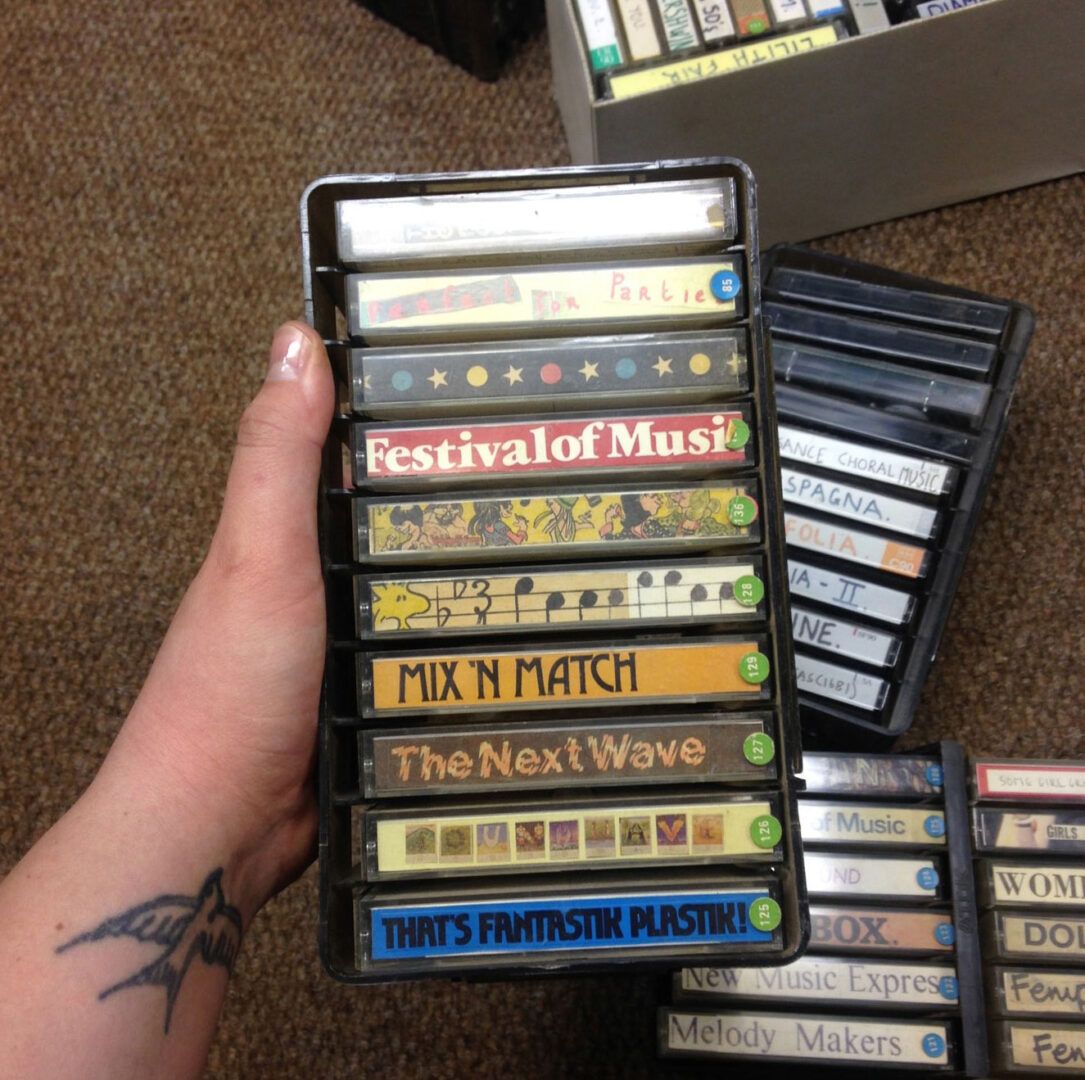
Multiple sensory observations and experiences were inescapably part of performing my weekly tasks in the archive and were therefore a constant reminder of the dust in all activities performed in the archive. As a volunteer working in the archive and Ben Segal collection, one of my weekly duties, as mentioned previously, was to make lists of the items in the given boxes – see below. These items, such as books, magazines, DVD’s or cassette tapes were listed on Excel sheets.
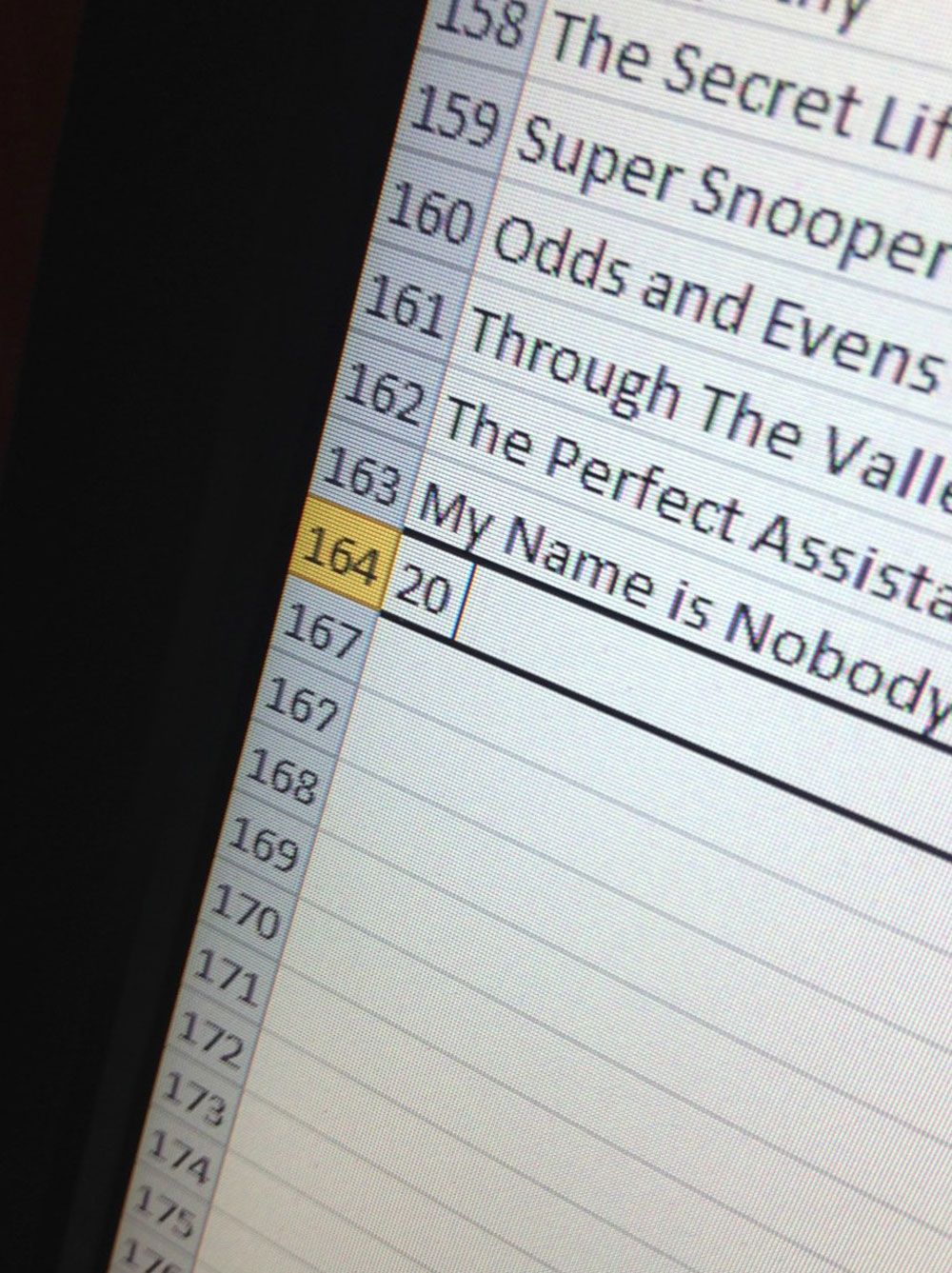
While listing the various objects of the collection, my attention was always drawn back to the dust. This constant, inescapable presence of the dust fuelled my desire to ‘see’ more than my eyes could necessarily ensure would be visible on their own. Here scientific tools proved to be helpful for seeing more, to assist by “focus[ing] and circumscrib[ing] the observer’s attention” (Daston & Lunbeck, 2011: 100). Scientific enquiry can be viewed as an attempt at making sense of the chaotic and indescribable, with the goal being to provide evidence “for the bare existence of phenomena, for or against a hypothesis, for the significance of this or that detail in the broader context of inquiry” (Daston & Lunbeck, 2011: 115). Both in abstract and practical terms, my aim with the dust analysis is to provide such ‘evidence’ (or rather, to see what such an idea of ‘evidence’ might look like).
This process started with my own idiosyncratic selection of dust from the Ben Segal collection, which was mainly taken from the top of books, or from the bottom of a box after the contents had been packed out. Collecting the dust was marked by chance, as the dust collected was reliant on the boxes that were brought down from the storage room. My own reading of the dust can therefore not be seen as comprehensive in any way, as it is but a practical account that is marked by various determining factors over which I had little control.
Given these idiosyncrasies, it is also important to mention that the employment of scientific tools for the close reading of archival material is not an attempt at obtaining objective information or results, but rather a means of investigating how such tools impact on a visual understanding of dust. The employment of scientific analysis is, as I will demonstrate in this chapter, quite speculative and it does not constitute any claim towards objective, final ‘truthfulness’. It rather poses a question on how different lenses (that is, ways of looking) potentially impact on my understanding of archival dust.
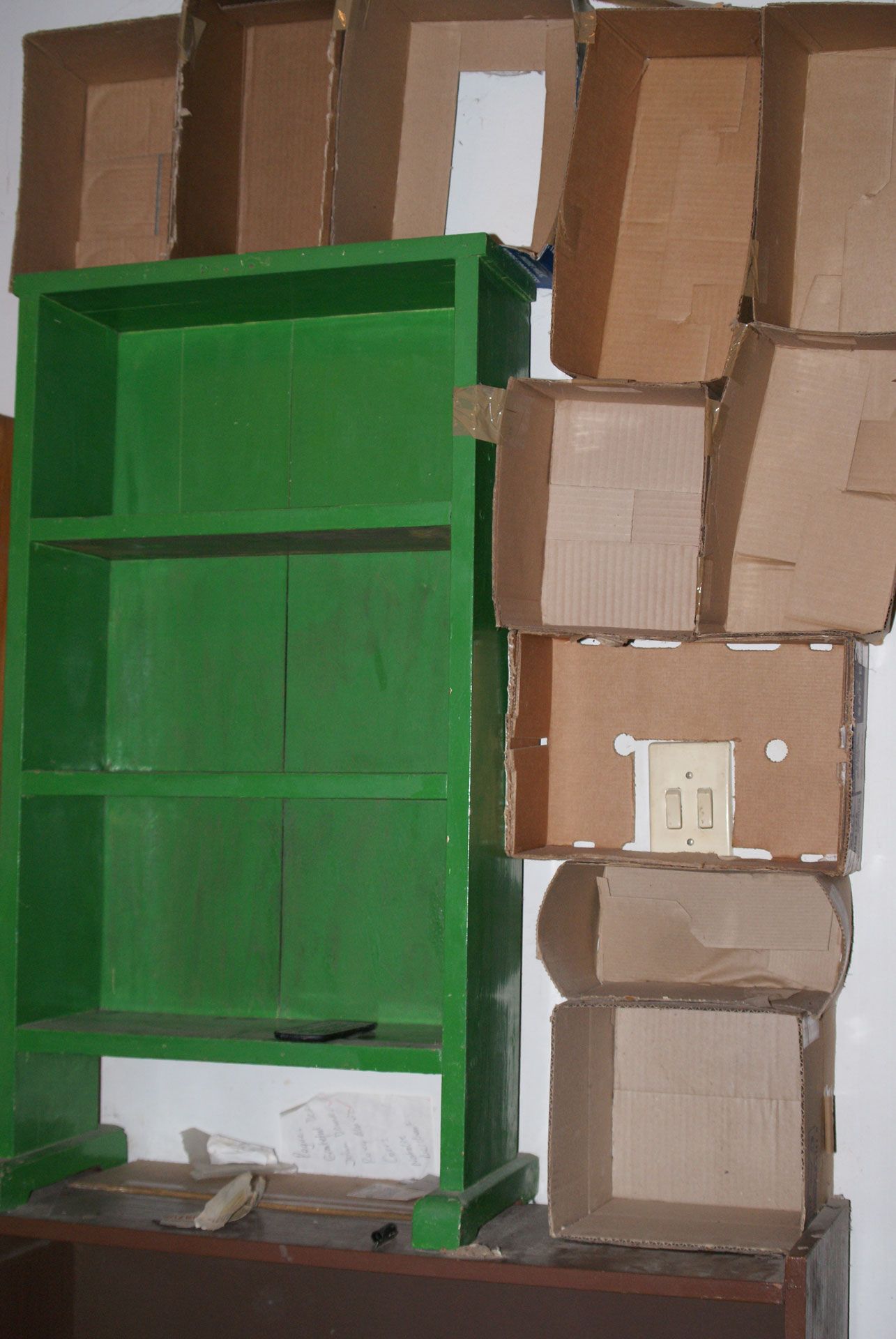
Such varying (and perhaps even conflicting) lenses also raise the question as to how the scientific potentially complicates as much as supplements the theoretical and poststructuralist lenses that have thus far been used throughout this study. Initially the scientific analysis was prompted by a curiosity to know what information or even secrets might be locked within the seemingly invisible, micro worlds of the dust. While such methodological differences (between the theoretical and largely poststructuralist, and the scientific and microscopic) might seem to be incompatible in some respects, they also speak directly to one another (particularly on the topic of the abject, as I will demonstrate). Samuel Chambers’s use of fugitive theory[18]Chambers, with specific reference to cultural politics, suggest that practice “turns into the application of theory” and that fugitive theory “can travel between fields, genres, or disciplines” (2006: 23). Chambers goes further to encourage the erosion of disciplinary borders. Through my own study and the amalgamation of scientific and visual enquiry in the archival field, I too am suggesting that these borders can be lifted in order to explore one’s subject matter through a multiplicity of lenses. as an attempt to rethink cross-disciplinary interaction and exchange also provides an important framework for thinking about methodological interdisciplinarity, as he insists on “contrapuntal relations between and among disciplines” as central to research practice (2006: 22).
Chambers writes that “theory must be considered in a significantly less linear way than has traditionally been the case” (2006: 22) – an idea that resonates strongly with Deleuze and Guattari’s non-hierarchical, rhizomatic approach. In implementing fugitive theory, Chambers argues that “one will deliver to other fields as much as one takes from them”, making it in a sense a more ethical exchange (2006: 30). One might deduce from Chambers’s argument that one seeks refuge in various, sometimes contradictory theories/methodologies in order to address complex problems/issues. Linking the archival field with scientific and visual enquiry, one might suggest, can then be understood as a possible means to put fugitive theory into practice.
The scientific and the visual, on the other hand, are no strangers to one another. In the book Brought to light: Photography and the invisible 1840-1900, Corey Keller writes that the camera, including telescopes and microscopes, is a “powerfully modern tool for scientific observation” (Keller, 2008: 20). One major reason Keller gives for this statement is the camera’s or microscope’s ability to make invisible phenomena visible (Keller, 2008). These looking devices allow us to see beyond the threshold of immediate perception.[19] From the inception of photography in modern society problems and contradictions regarding photography’s unique relationship to the truth, nature and the visible world arose (Keller, 2008).
With such a conceptual framework in mind, I set off on my journey of visually analysing the collected dust samples.

The analysis process started with the preparation of the samples by cutting and applying small strips of double-sided carbon tape onto 12X3 mm aluminium stubs – see above.
I then used a tweezer and an NT cutter blade to extract and separate dust clusters or particles from each other – see below.
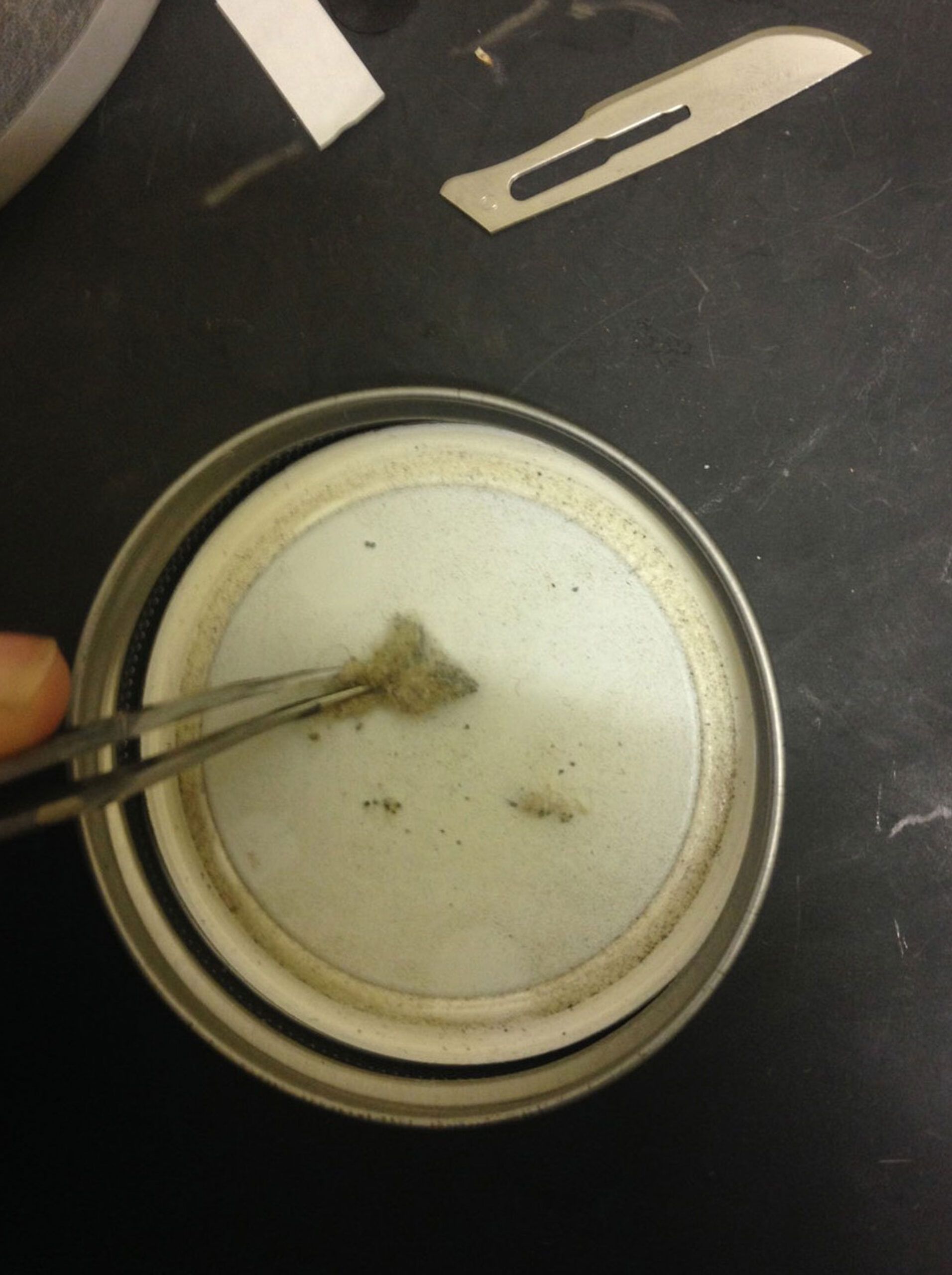
For one sample I carefully extracted a grey hair, for another a wing of an insect from my container filled with dust. I created a total of nine samples – see below – most of which were idiosyncratic selections, as I was adding more dust to emptier samples or extracting from others that had open areas.
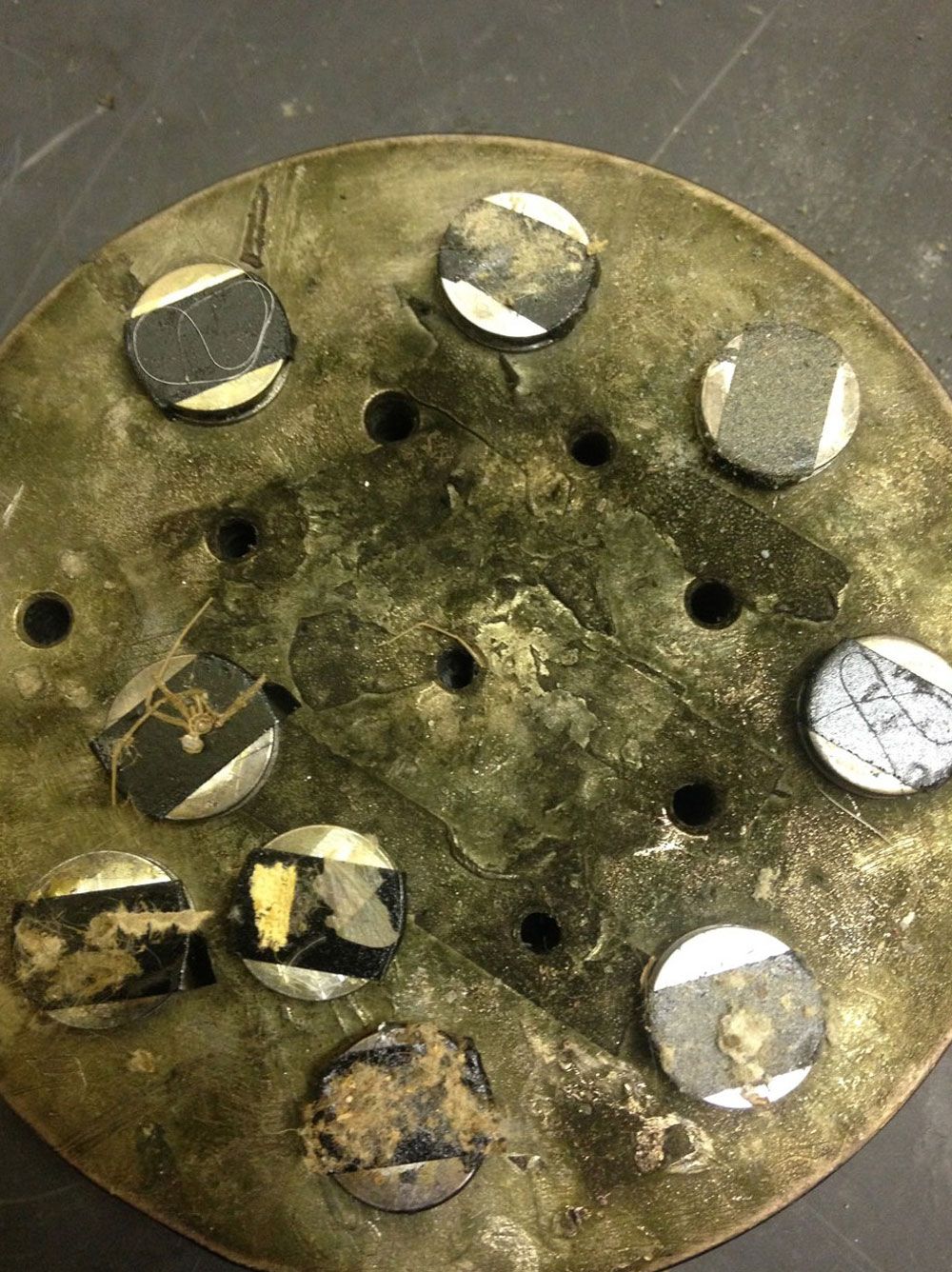
One of the conditions for creating a good sample (that is, to guarantee that the sample is readable by the computer program) is to ensure that the sample is level and not too thick. From here all nine samples were transported into the S150A Sputter Coater[20]Sputter coating is the standard method for preparing non-conducting or poorly-conducting specimens prior to observation in a scanning electron microscope (Quorumtech.com 2016). that added a layer of pure gold over the specimens – see below.
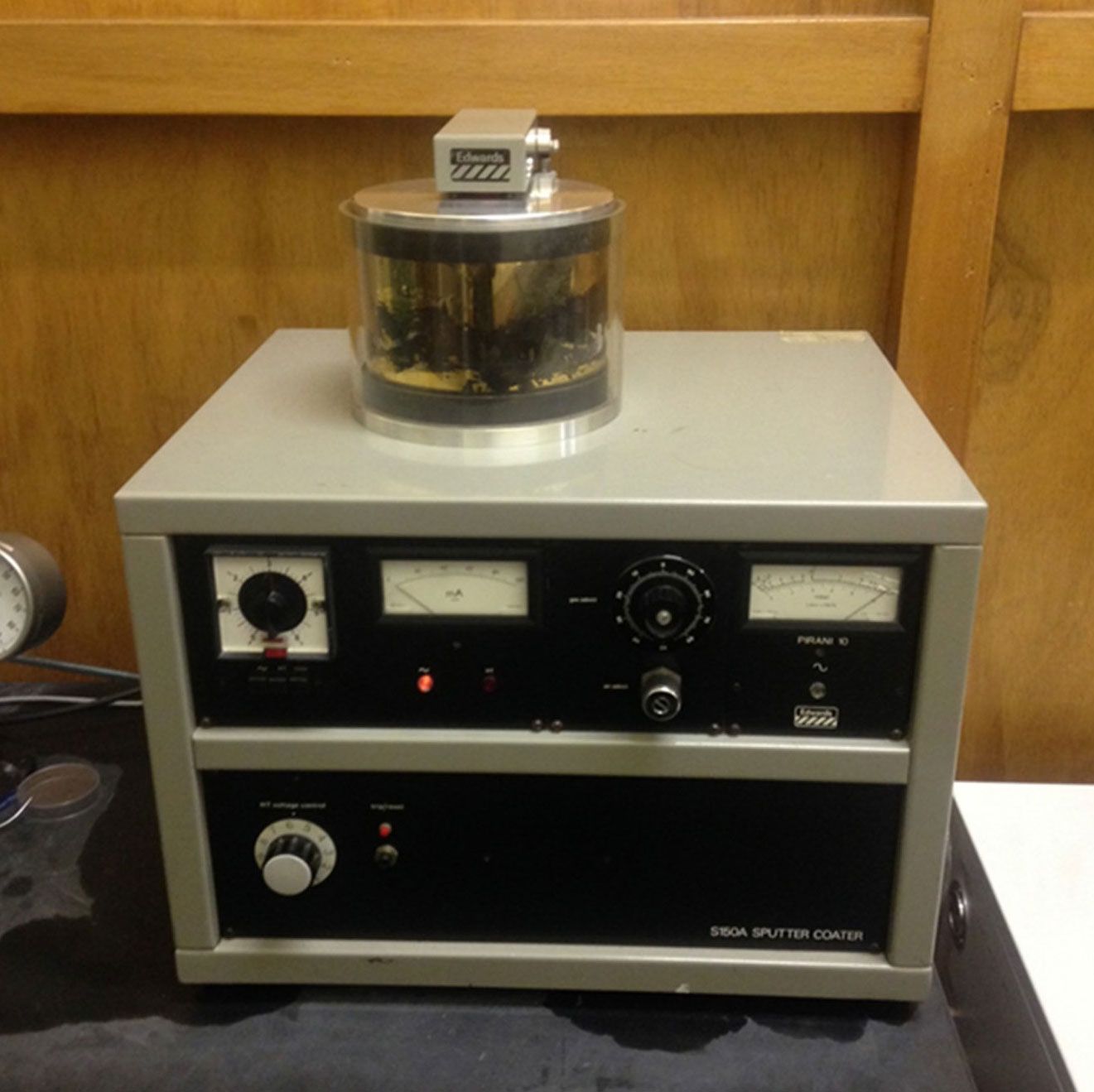
The layer of gold applied over the samples is too fine to see with the naked eye. Professor Teri Odom from the Department of Chemistry at Northwestern University Illinois explains that:
SEM imaging involves bombarding a material with an electron beam, the surface of the sample will accumulate charge if the electrons are not allowed to escape from the surface via a conductive path. If there is no such path, the image formed by the SEM will be very poor. Charging can also lead to excessive heating of the sample, causing material degradation. Insulating and semiconducting materials, i.e. ceramics, polymers, and organics, should be coated with a conductive material to prevent surface charging. Usually specimens are coated with either a metal or carbon (Chemgroups.northwestern.edu 2016).
After the application of the gold (Au) coating, the samples are ready to be transported into the Carl Zeiss[21]Scanning Electron Microscopes (SEM) works as follows: “(SEM) scans a sample with a focused electron beam and deliver images with information about the samples’ topography and composition. CSEMs (conventional SEMs with a thermic electron source) and FE-SEMs (field emission SEMs with a field emission electron source) from Zeiss deliver high resolution surface information and superior materials contrast” (Zeiss 2016). SEM – see below.
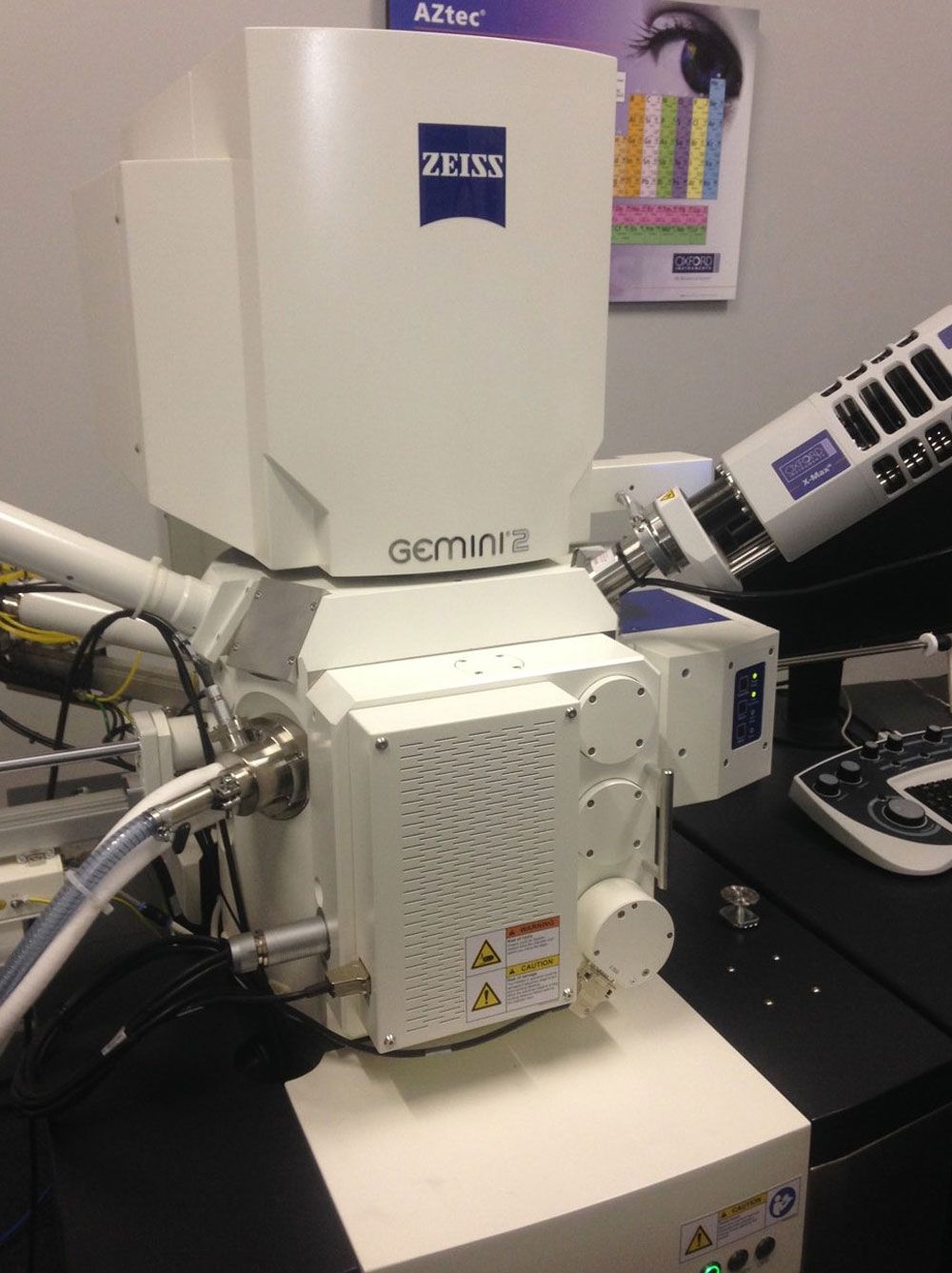
The microscopes attached to the computer, known as MERLIN[22]The MERLIN with the GEMINI II column “combines ultra-fast analytics, high resolution imaging using advanced detection modes, and future assured configuration flexibility on one single system. Thanks to the pre-aligned GEMINI II optics imaging setting such as voltage or probe current can be seamlessly adjusted across orders of magnitudes to match your application and sample with next to no need for realignment. Even novice users will enjoy optimum results. System optimization for high current density, probe currents up to 300 nA, and superior resolution at high beam currents, guarantees fast results in nano-analytics. Receive maximum information from your sample with parallel on-axis in-lens secondary electron (SE) and energy selective backscattered (EsB) detection capable of identifying smallest differences in materials composition” (Zeiss 2016). – see below – have two monitors from where the microscopic view is displayed.
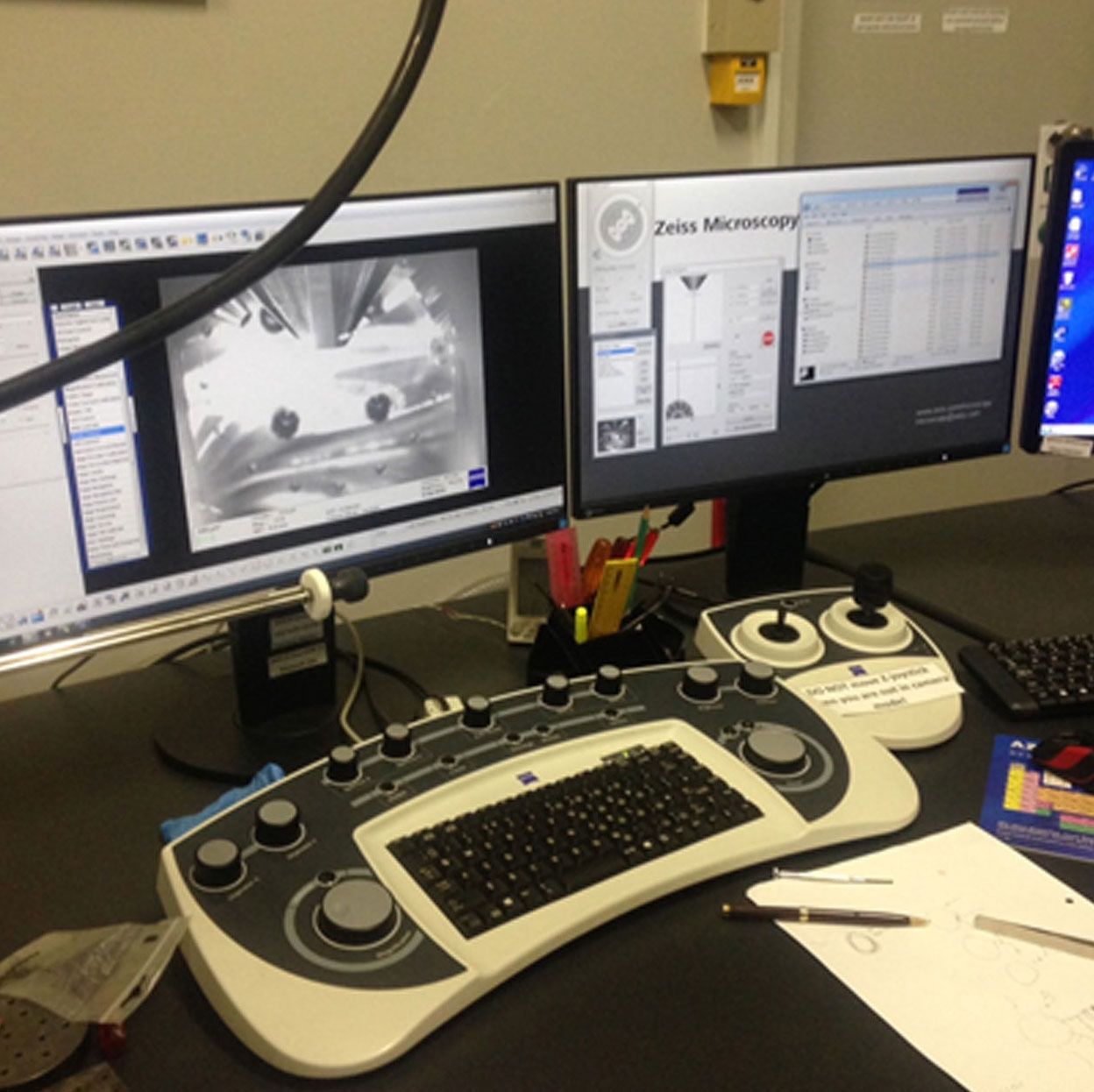
This is where the process became exciting, as it was with this perspective that the samples could be viewed in depth, being magnified up to 300 000 nanometres, one at a time from various angles. Here one can spend hours scrolling through the imagery, magnifying these pictures endlessly and selecting areas for chemical composition analysis. The MERLIN compiles the chemical composition analysis automatically; from here the data are saved onto an Excel sheet – see below.
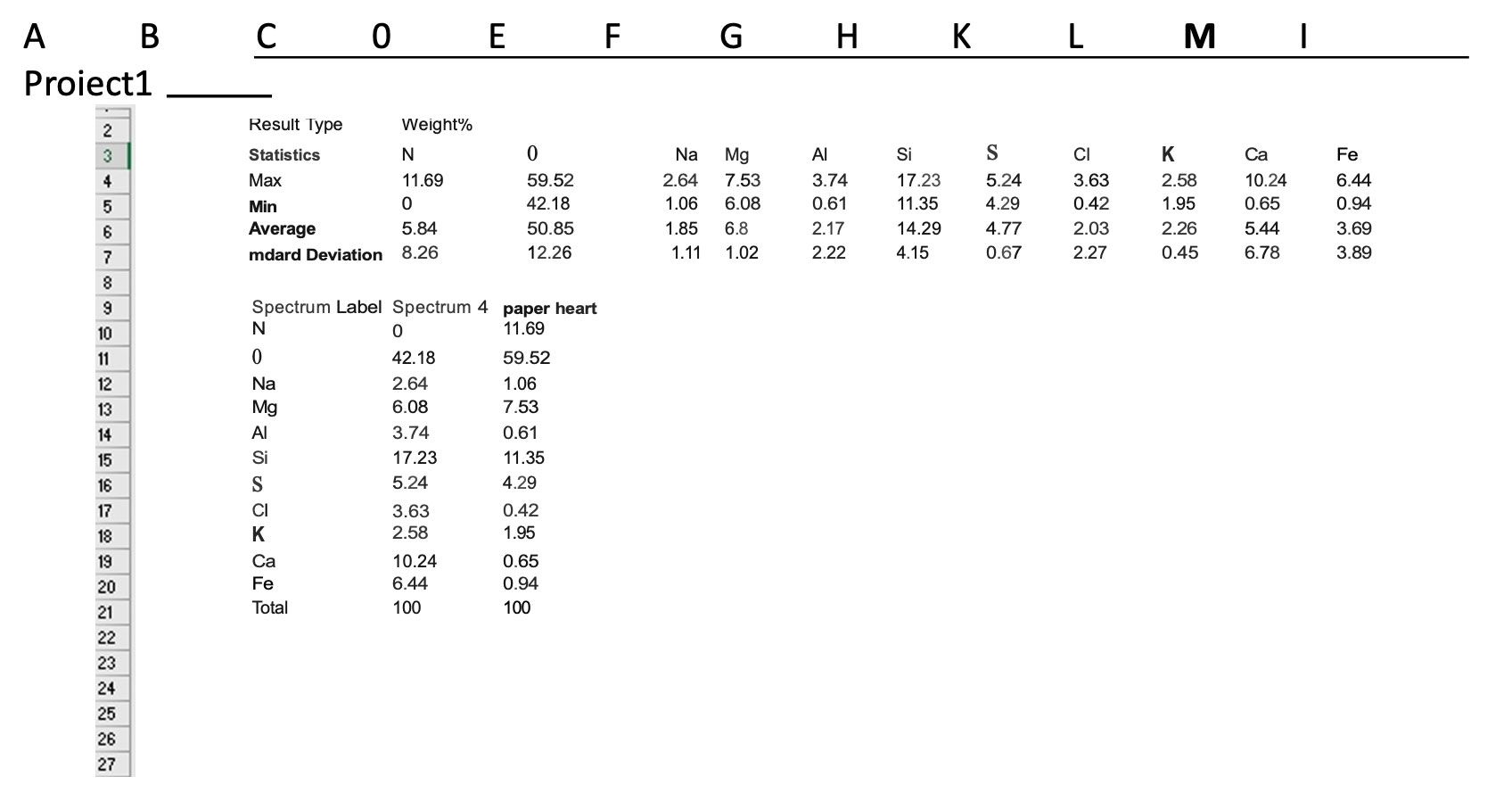
The data results from the analysis revealed, as mentioned before, the chemical composition as selected on the screen of a specific ‘spectrum’ point on the sample – see below.
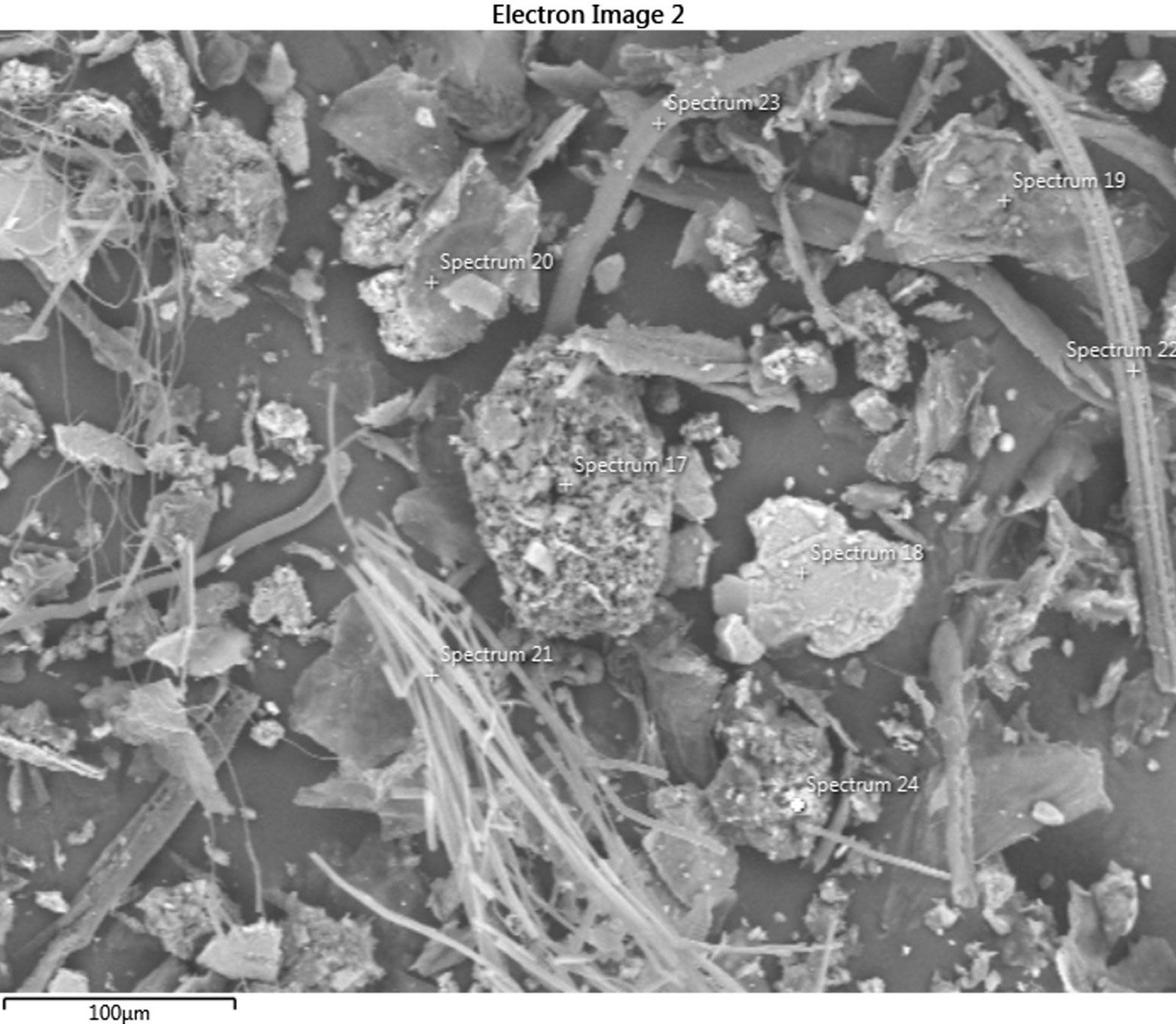
From a single sample one can make multiple selections, as each point can reveal something different. The data of my samples revealed that the majority of the dust contains organic material, such as small particles of sand (feldspar, quartz and pyroxene) and fragments of insects, twigs and leaves, amongst other things. Organic material’s chemical composition, though possibly heterogeneous and intricate in nature, would in oversimplified terms consist mainly of carbon (C), oxygen, (O) and trace amounts of nitrogen (N) and chlorine (Cl). Carbon and oxygen are two elements that are present in all of the samples. The data also revealed the presence of sulphur (S) in most of the chemical compositions, which can possibly be ascribed to the chemical breakdown and deterioration of the archival material.
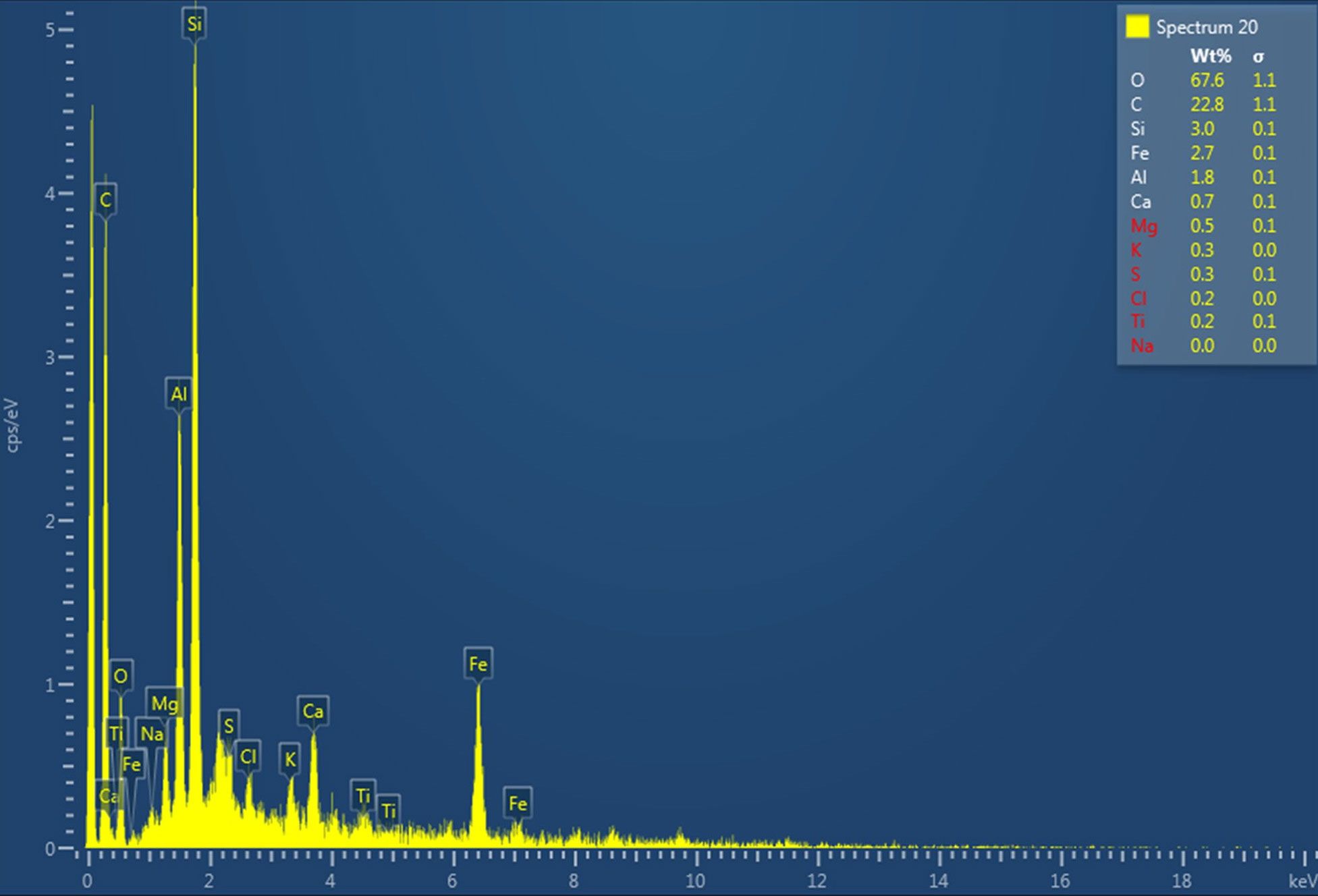
The report from the CAF lab describes one of the samples – see above – as follows:
The samples were analysed using backscattered electron images concurrently with EDS[23]EDS (Energy Dispersive X-Ray Spectroscopy) spectrum is included in the results. The other fragments were too small for accurate quantification by EDS. The analysis indicates that the fragment contains the elements silicon, oxygen, sodium, aluminium, calcium and potassium. The peak height (Y-axis) is proportionate to the number of X- Rays counted by the detector and the represents X-Ray energy at which the X-Rays are counted. The energy of X-Rays emitted by atoms is characteristic of a particular element. The X-ray counts and energies are quantified using the Oxford Aztec software. (Energy Dispersive X-Ray Spectroscopy). The results of the electron and X-Ray analysis indicate the sample was made up of the following phases: paper, organic material and inorganic mineral phases. The paper material makes up the largest portion of the phases present in the sample. The chemical analysis of the various paper phases show spectral signatures of Sulphur and Chlorine which indicate the presence of these elements as a constituent of these phases or as elements occurring on the surface of these phases. Other highly decomposed phases which have the following morphological features, (you can also describe the morphology in the caption to the BSE image) have spectral signatures which indicate the presence of the following elements C, Si, Fe, Ca. Organic material is also observed in the samples. These phases are identified by the morphology which are dominantly consistent with the morphology of insect body parts. The chemical signature of these phases are also consistent with typical organic material with high carbon and oxygen spectral peaks. Small mineral phases are observed, predominantly feldspar (Si, Al, K, Na) and quartz (Si, O) with some minor silicon and magnesium-rich mineral phases (Si, Mg) observed. These are typical constituents of common aerosols (CAF 2016).
Such results and information are thus helpful to an archival collection if it becomes part of an archivist’s practice to conduct meticulous particle analysis, as is the case in the National Archives in London. To be of use, the sampling and analysis ought to become routine practice in the archival space.
At this stage the dust analysis confirmed what we had already known, that there is dust in the archive, particles consisting of heterogeneous matter, and that the archive is deteriorating at an alarming rate.
The analysis results ultimately leave one with a list of elements accompanying the images – see Figure 14. Such lists of elements and chemical compositions can be considered to be another form of (or part of) the archive, where various other lists already exist and are in the process of being created. This variety of lists, including sorting lists, catalogues, inventories, digital file lists and now also these lists produced by the scientific analyses, all provide quantifiable information that allow various levels of access to the collection. Umberto Eco writes in The Infinity of Lists that:
We seldom give definitions by essence, but more frequently by lists of properties. And this is why all the lists that define something through a non-finite series of properties, even though apparently vertiginous, seem to be closer to the way in which in everyday life (and not in science departments) we define and recognize things (2009: 221).[24]Eco notes that the model of definition by properties relates to what Deleuze and Guattari calls a rhizome (2009: 238) and that “asemantic representation by essence presupposes as a background a tree of the genealogical type, a series of embedded classes and subclasses,” thus resulting in hierarchical structuring (2009: 231). Lists in the archive, and particularly in the Ben Segal collection where Segal has also created multiple lists of his own, can be of great value when approaching the archive in terms of rhizomatic thinking. Ben Segal created many lists, one example in particular is of a tape containing, according to Segal, “the worst songs in the world” – see Figure 29.
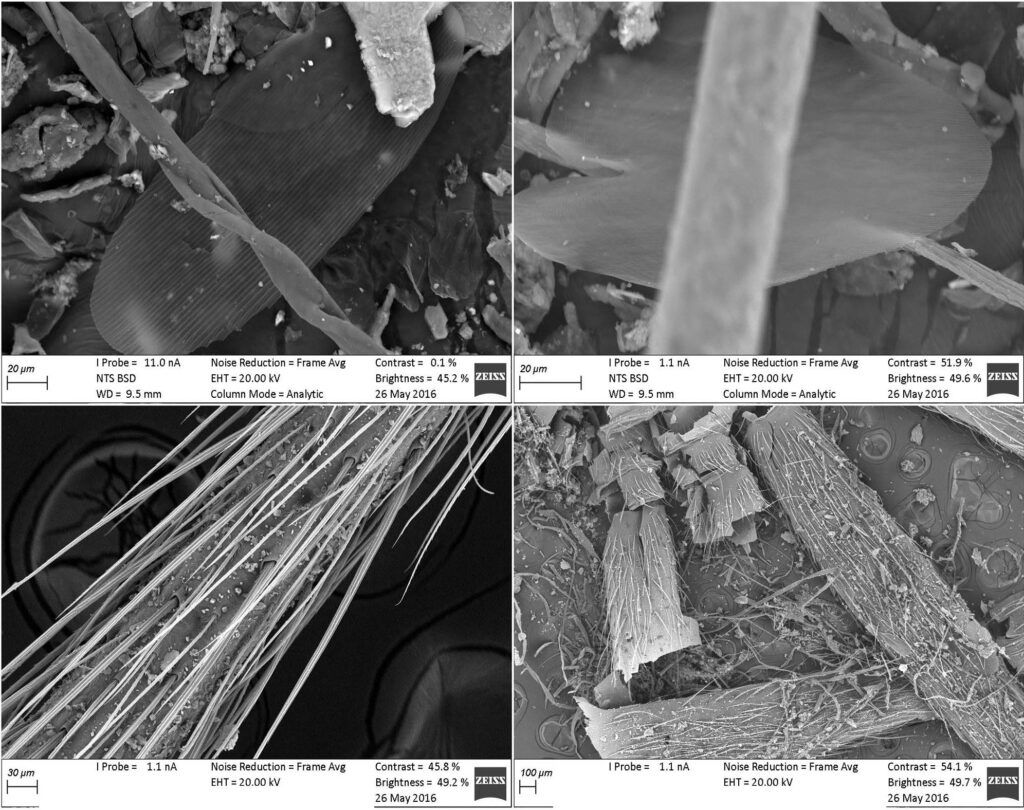
However, armed with yet another list, my attempt to reveal the hidden and supposedly invisible within a specific archival collection remains somewhat thwarted. This microscopic viewpoint and its subsequent results reveal another perspective that is, on the face of it, quite obscure and impenetrable. As the images reveal, even a close-up view of the dust samples does not open the archival dust to absolute, final knowledge and empirical control. To some degree, it is not clear what exactly one is looking at when looking at these microscopic images, and the dust remains somewhat mysterious and inaccessible.
What then is the value of these lists and analysis for the Ben Segal collection in particular? Besides the numerical data, as mentioned before, this specific SEM analysis provided me with scientific imagery/visuals that adds to (as well as performs, so to speak) my understanding of the abject. One of the characteristics of the abject that is highlighted in this visual/microscopic reading of dust is that the abject simultaneously fascinates and repels. As Kristeva writes:
“It beseeches, worries, and fascinates desire … Unflaggingly, like an inescapable boomerang, a vortex of summons and repulsion places the one haunted by it literally beside himself” (1982: 1).
This paradox of being fascinated, drawn in by what we are or often repulsed by is what these images encapsulate. To me, the value of these images lies in the excess that they communicate, their representation of that which cannot be controlled or properly known. Kristeva goes further to write that the abject “draws me toward the place where meaning collapses” (1982: 2).
Perhaps finding or searching for further meaning in the dust is as forlorn an endeavour as searching for ‘truth’ in these fragments.
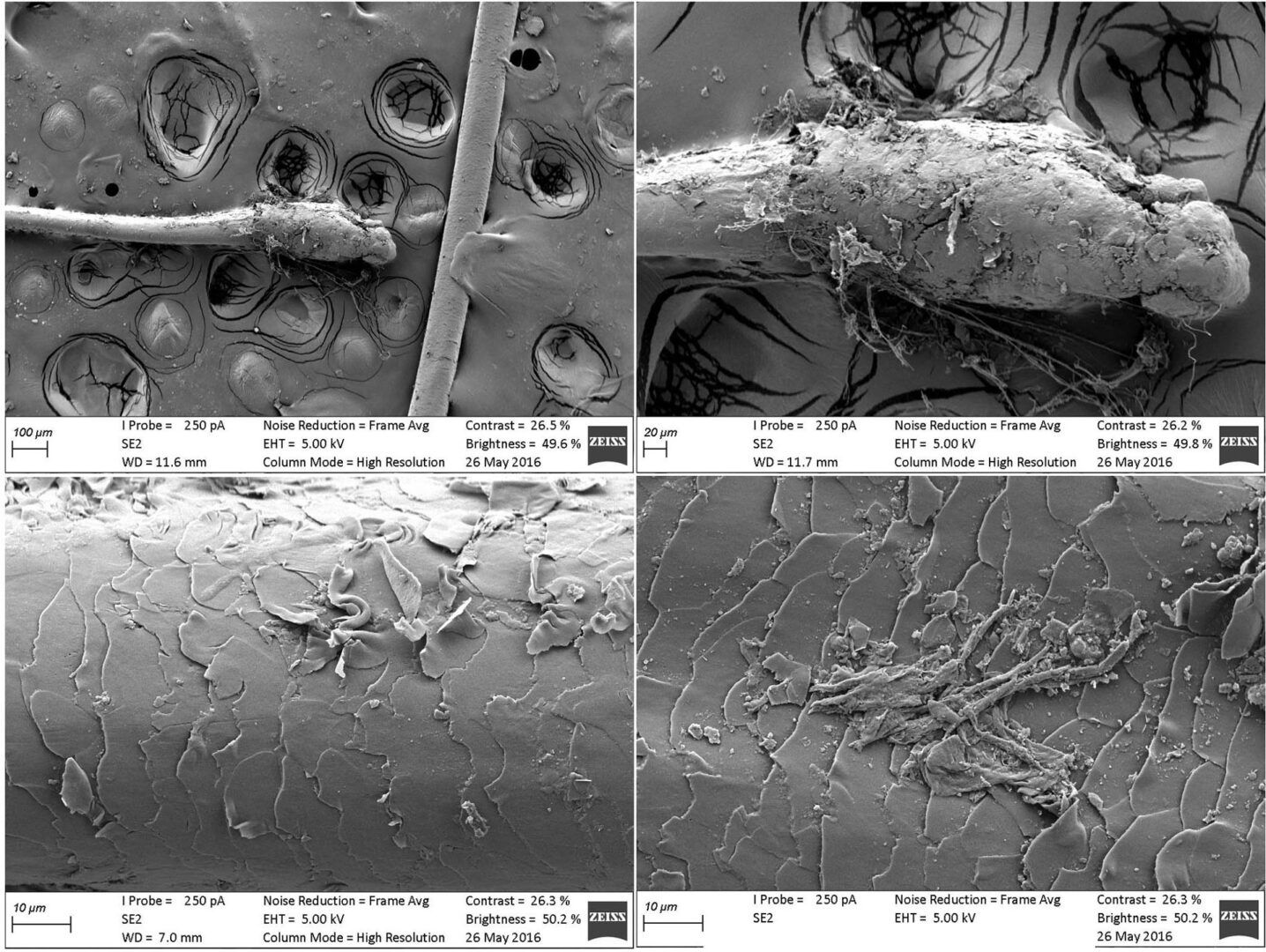
Looking at these microscopic images of the dust – see above – as fascinating and detailed as they might be, it becomes evident that they constitute layers and levels of understanding and visibility that are not readily accessible. As seen above, these images are black and white, and not in the full colour range that these samples, in reality, might possess.[25]The specific machinery/programs used in the SEM analysis only provides a black and white view. There are other microscopic visualizations that provides full colour images. Unfortunately, I did not have access to such equipment. Besides the absence of possible colours in these sampled images, the shapes and forms of the particles are indiscernible. Even though the analysis reveals what the chemical compositions of the areas are, the concepts nitrogen or oxygen, for example, do not have an identifiable shape. Once again, the actual ‘what-it-is-ness,’ as Plotz’s comment in the previous section explained, does not pertain to anything specific or knowable.
Excess thus reigns, both within the dust samples and images as well is in the archive. While the dust analysis might serve as an attempt to impose order, it also points towards yet another way of looking and reading that can never be complete or comprehensive. On some level my analysis of the dust can be regarded as an attempt to give form and shape to the dust in its chaotic form. At the same time such a practice of giving shape, which is an archival endeavour, always works with that which is too much and cannot be controlled or tamed, be it through lenses and photographs, or the creation of data, lists and categories.
A close reading of dust
The dust analysis has allowed a view of the dust that would not have been possible without 21st-century technology, such as scanning electron microscopy (SEM). A close reading of dust through the lens of a microscope, resulting in riveting visuals, has constructed a distinctive view of the Ben Segal collection. What started out as an exploration of the insignificant, the fragmented ruins of a collection, developed and unfolded into a variegated view of this collection.
Ernst van Alphen states that:
Collecting … is ‘the imaginative process of association turned material.’ Meaning production is no longer performed automatically and unconsciously but it is ultimately a form of association, that is, a form of connecting and joining together (cited in Holly & Smith, 2008: 66)
The inclination to search or aim for objectivity is thus an attempt to find coherence within the chaotic. Van Alphen goes on to say that the act of collecting and archiving, introduces “meaning, order, boundaries, coherence, and reason into what is disparate and confused, contingent and without contours” (Holly & Smith, 2008: 66). These attempts to close off, as we have seen in the writings of Kristeva on the process of abjection, are a necessary and important aspect in the process of subject formation, and therefore also of any specific archive or collection.
In my reading of the Ben Segal collection and dust analysis, I collected and organised that very border, and have consequently attempted to make sense of that which will always escape meaning and order. The questions asked might not lead to direct answers, yet it is the very questioning that destabilises notions of truth and objectivity.

Undoubtedly, the visualisation resulting from the dust analysis is unexpected and, as William Myers writes in Bio Art: Altered Realities, “often these images of biology have unmistakable aesthetic qualities: contrast, variation, intricacy, and fractal-like repetition” (Myers, 2015: 148). The effects of these images “have long served to illuminate concepts and exercise imaginations” as visualisations alter “perspective and, much like figurative language, highlight similarities or patterns where none had seemed to exist, and form bridges of meaning” (Myers, 2015: 148). As Deleuze and Guattari noted, connections are made by given assemblages, and as assemblages emerge from heterogeneous matter, these connections have endless possibilities, such as a list as a result of the analysis – see Figure 14.
The physical effects of the dust ultimately deconstruct the archive/archival content. The objects, materials or structures wane over time, yet the chemical structures remain or form new connections leading to new possibilities and effects, as structures of materials “determine physical properties, reactions with other components of the biosphere, and response to the various sources of energy” (Mills & White, 1987: x).
Endless processes of becoming are created, with material taking on new forms and breaking down again.

The association of the scientific with the notion of certainty is thus particularly curious, as “it is clear that the more we seem to know, the more there remains to know, and the less things are knowable, graspable, or certain” (Kreamer et al., 2008: 357). Through my own process of analysing the dust in the Stellenbosch University SEM lab, I have found the scientific processes speculative. One such example is the preparation of the specimen, as much of this process remains random. Much is left to chance, specifically the particles selected from my sample which is placed onto the mounting disk for analysis – see below.
At the end of the process, where the results show the chemical compositions of the data analysed by the computer, consisting of the particles selected and placed onto the specimen, the theorisation of this data is speculative, to some extent. As I am not a scientist, my own interpretation and use of these specific scientific modes of analysis is ambiguous for various reasons. Though the results of the analysis were clear and specific, they were to some extent incomprehensible to me, which would not be the case for trained scientists and scholars. The visual results of the analysis thus left me with remnants that I could not immediately decipher.
By engaging with Kristeva’s work on the abject, my own ambiguous reading of the analysis process might pertain to the relationship of the semiotic and the symbolic working together simultaneously; my reading could, however, also be understood as the possibility of connections to be made when hierarchical thinking is set aside, thus connections being made from fragments, in the process of theoretical, visual and scientific enquiry.

In The Big Archive: Art From Bureaucracy Sven Spieker writes that:
Chance is organized, yet its precise morphology can be detected only by accident (literally). The archive does not give access to history: it is, or aims to be, the condition of historicity itself. The archive therefore is not simply the departure, a cipher from the condition of innovation; it gives a name to the way in which the new is also a return, an iteration in the true sense of that word (2008: 174).
We attempt to navigate history through ordering and following rules considered to be the most accurate in order to access the somewhat inaccessible, at least inaccessible in the sense that we cannot have a comprehensive view of history. Through chance encounters, as Spieker mentions, we stumble across a fragment that takes us into unexplored territory. These chance encounters might not always lead to something valuable or significant; nonetheless, we might find value along the way which might lead to new or further discoveries. Even if we then come to organise and categorise in a given way, whilst our thinking remains open and at the ready for the possibilities of connections to be drawn where we might not expect, and if we vehemently question given categorisations, new understandings of a given past might emerge; even possibly from dust.
| 1. | ↑ | Various scholars have applied Kristeva’s theory and concept of abjection to a wide range of topics. In ‘Dicks are for chicks’: Latino boys, masculinity, and the abjection of homosexuality Richard Mora applies social constructivist theories and the concept of abjection to examine how and why a group of low-income, USA-born Dominican and Puerto Rican middle-school boys constructed masculine identities by invoking and rejecting homosexuality (2014: 340). Marcus Wood (2013) in Valency and Abjection in the Lynching Postcard: A Test Case in the Reclamation of Black Visual Culture, focuses on white power, white guilt and white terror by providing a new standpoint which demands that “we see in these [images] […] both an iconic and an aesthetic status which circles around an abject reliquary import.” The theory of abjection has also been applied to a variety of feminist writings dealing with the female body. |
| 3. | ↑ | Kristeva defines the speaking being as those who use language and those who are constituted through their use of language. Language for Kristeva is the discursive and signifying system in which “the speaking subject makes and unmakes himself” (McAfee, 2004: 14). |
| 4. | ↑ | In order to access her work, it is crucial to view these two theories simultaneously, as neither can stand alone (McAfee, 2004: 14). Kristeva views language not as a separate static entity, but rather as part of a dynamic signifying process. The signifying process is the way in which bodily drives and energy are expressed through the use of language and how these expressions shape one’s experience (McAfee, 2004: 15). |
| 5. | ↑ | Semiotics is known as “the science/study of signs” (words, images, sounds, gestures & objects) founded by linguistic theorist Ferdinand de Saussure (Chandler 2013). |
| 6. | ↑ | The extra-verbal is that which is outside of speech and language. It transcends language (McAfee 2004: 17). |
| 7. | ↑ | The semiotic thus inevitably makes its way into the archive when decisions regarding what is significant and worthy of preservation, versus that which is not, are being made, regardless of the numerous attempts made to limit subjective effect. The mood of the archivist on a given day, decisions by an institution based on prejudice or personal interest, the impression an object makes, all influence what is preserved, what is discarded, and how these objects are categorised. The semiotic is thus a given feature wherever human interaction is concerned. |
| 8. | ↑ | The symbolic is the second mode of signification where the speaker attempts to “speak with as little ambiguity as possible”, while depending on grammar and syntax as a stable system of signification (McAfee 2004: 17). |
| 9. | ↑ | Since the 1980s various work performed in the humanities has shattered or at least challenged such notions. In Refiguring the Archive (2002: 7), Hamilton writes that the archives “is always already refigured” since technology as well as preservation and the use of archives are always changing. Hamilton goes further to say that “the archive is porous to societal processes and discourses” and even more so in South Africa, where “formal conduits need to be put in place” (2002: 7). More than ever, the emergence of the hidden as well as the radical restructuring of the archive, and therefore our approaches towards history, is in dire need of transformation. |
| 10. | ↑ | The thetic phase is the signifying process acting as a break or threshold, where “the subject separates from the object.” The word ‘thetic’ means: positing or position, especially in relation to the ‘subject-object relation.’ Kristeva focuses on the process leading up to the thetic (Lechte & Zournazi, 2003: 211). |
| 11. | ↑ | The thetic phase/break is what Kristeva refers to as the disruption in, or the limit of, the symbolic. She explains that the semiotic, all the drives and intonations, is that which brings about the thetic break (Oliver, 1993: 40). The thetic break is a process within the body where a breaking or rejection takes place at a threshold. |
| 12. | ↑ | Kristeva explains that rejection is not merely a release or an expulsion, but rather an accumulation. Furthering the developmental notion, the concept of rejection must also be understood as a necessary process in the anal stage, though the pleasure described here is not limited to anal pleasure but also oral pleasure, as oral pleasure will be a motivating factor for the subject to speak (Oliver, 1993: 45). Her reasoning is that rejection happens before and after the symbolic order as signification is a process and not a motionless structure (Oliver, 1993: 45). In due course the material rejection arrives at an edge where it produces “thetic heterogeneity where rejection develops into desire” (Oliver, 1993: 45). |
| 13. | ↑ | Desire for Kristeva happens when “the first phase of separation from the mother occurs; the mother thus becomes the lost object of desire” (Lechte & Zournazi, 2003: 212). |
| 14. | ↑ | In order to explain the process that guarantees the necessary back and forth movement between the semiotic and the symbolic, Kristeva employs the concept of negativity (Oliver, 1993: 40). Estelle Barrett explains that negativity “can be understood as the processes of semiotic motility and charges, or ‘death-drive’, a force that impels movement towards an undifferentiated or archaic phase that precedes the subject’s entry into language” (2011: 14). Negativity thus defines movement of heterogeneous matter and drives and is therefore also closely related to rejection (Oliver, 1993: 43). Rejection for Kristeva constitutes a particular type of negativity which operates as the rational and physical driver of signification; rejection being the parting or splitting of matter (Oliver, 1993: 43). |
| 15. | ↑ | See inter alia Coplan 1979 and 1985, Andersson 1981, and Hamm 1990 for the extensive debate on repression and censorship in black communities under apartheid. |
| 16. | ↑ | Fayed and Otten write in the book Handbook of powder technology that dust explosions result “when finely divided combustible matter is dispersed into an atmosphere containing sufficient oxygen to permit combustion and a source of ignition of appropriate energy. Dust explosions have certain similarities to gas explosions, especially with regard to the chemical processes involved and in cases where the particle size of the dust is less than 5um” (1982: 5-6). |
| 17. | ↑ | This notion of visibility does not exclude the blind, as visibility or ‘seeing’ does not necessarily equate to visibility as in ‘eyesight.’ |
| 18. | ↑ | Chambers, with specific reference to cultural politics, suggest that practice “turns into the application of theory” and that fugitive theory “can travel between fields, genres, or disciplines” (2006: 23). Chambers goes further to encourage the erosion of disciplinary borders. Through my own study and the amalgamation of scientific and visual enquiry in the archival field, I too am suggesting that these borders can be lifted in order to explore one’s subject matter through a multiplicity of lenses. |
| 19. | ↑ | From the inception of photography in modern society problems and contradictions regarding photography’s unique relationship to the truth, nature and the visible world arose (Keller, 2008). |
| 20. | ↑ | Sputter coating is the standard method for preparing non-conducting or poorly-conducting specimens prior to observation in a scanning electron microscope (Quorumtech.com 2016). |
| 21. | ↑ | Scanning Electron Microscopes (SEM) works as follows: “(SEM) scans a sample with a focused electron beam and deliver images with information about the samples’ topography and composition. CSEMs (conventional SEMs with a thermic electron source) and FE-SEMs (field emission SEMs with a field emission electron source) from Zeiss deliver high resolution surface information and superior materials contrast” (Zeiss 2016). |
| 22. | ↑ | The MERLIN with the GEMINI II column “combines ultra-fast analytics, high resolution imaging using advanced detection modes, and future assured configuration flexibility on one single system. Thanks to the pre-aligned GEMINI II optics imaging setting such as voltage or probe current can be seamlessly adjusted across orders of magnitudes to match your application and sample with next to no need for realignment. Even novice users will enjoy optimum results. System optimization for high current density, probe currents up to 300 nA, and superior resolution at high beam currents, guarantees fast results in nano-analytics. Receive maximum information from your sample with parallel on-axis in-lens secondary electron (SE) and energy selective backscattered (EsB) detection capable of identifying smallest differences in materials composition” (Zeiss 2016). |
| 23. | ↑ | EDS (Energy Dispersive X-Ray Spectroscopy) spectrum is included in the results. The other fragments were too small for accurate quantification by EDS. The analysis indicates that the fragment contains the elements silicon, oxygen, sodium, aluminium, calcium and potassium. The peak height (Y-axis) is proportionate to the number of X- Rays counted by the detector and the represents X-Ray energy at which the X-Rays are counted. The energy of X-Rays emitted by atoms is characteristic of a particular element. The X-ray counts and energies are quantified using the Oxford Aztec software. |
| 24. | ↑ | Eco notes that the model of definition by properties relates to what Deleuze and Guattari calls a rhizome (2009: 238) and that “asemantic representation by essence presupposes as a background a tree of the genealogical type, a series of embedded classes and subclasses,” thus resulting in hierarchical structuring (2009: 231). Lists in the archive, and particularly in the Ben Segal collection where Segal has also created multiple lists of his own, can be of great value when approaching the archive in terms of rhizomatic thinking. Ben Segal created many lists, one example in particular is of a tape containing, according to Segal, “the worst songs in the world” – see Figure 29. |
| 25. | ↑ | The specific machinery/programs used in the SEM analysis only provides a black and white view. There are other microscopic visualizations that provides full colour images. Unfortunately, I did not have access to such equipment. |