• Issue #01
  • Issue #02
  • Issue #03
  • Issue #04
  • Issue #05
  • Issue #06
  • Issue #07
  • Issue #08
  • Issue #09
  • Issue #10
  • Issue #11
  • Issue #12
  • Issue #13
13
Contents
editorial
SIYAMTHANDA-MUHLE MUYANGA
Ngiyasaba makusa, ngoba kumele ngivuke (I fear the morning, because I must wake up)
MNQOBI NGUBANE, TSOGO KUPA & EUGENE SKEEF
Mathonga Elizwe (Spirits of the Land)
ITUMELENG MAHABANE
Towards an ontology of [decolonised] being.
LAVITUDE RAMPHOMANE
The Elephant in the Room
SIMON NKULULEKO SPOOR
Thinking about Violence and GBV in South Africa
DHIRU SONI
The Silent Crisis of South African Libraries
Theme Decay Without Mourning
WAMUWI MBAO
A Circumstantial Account of The State of Decay
LIZABÉ LAMBRECHTS
To Decay - on custodianship, care, and the ethics of returning.
KATI LINDSTRÖM
Antarctica: Continent of the Future
LIZE-MARIÉ HANSEN VAN DER WATT
Imperialism, South Africa’s Antarctic Heritage and Decay, 1910-1961
NICOLA DEANE
Endling by Dominique Edwards & Nicola Deane
LEIF PETERSEN
Decay: transcript of a documentary film about bossiedokters
EVE WONG
Missing People, Present Decay: Fabulous Matter, or the Decomposition of Colonial Ontology
PAKAMA S. NCUME
Digitisation and Decay: An Archivist’s Ethics of Care for Reel-to-Reel Tape Preservation
SIMPHIWE MLAMBO
Flowers on Your Grave - Postcards to the occupants of the subsurface, below the monument line
NELISIWE XABA & BRENTON MAART
In Conversation about vRot: The politics and poetry of decay
NJABULO CHIPANGURA
Relational care in reimaging meanings of African Heritage Objects at Manchester Museum
HANNA B. HÖLLING
What of Conservation? After Permanence: On Decay as a Critical Ethics
SIGRID ADORF & ANDREA SICK
Restaging, De-closing, Versioning: Unfolding Temporalities of “the Archive” (Lecture Script)
TSHOLOFELO MOCHE
Home Truths II: What Is in A Name
MICHAEL SCHOFIELD
Decay, Creativity and Care in Stellenbosch
FLORENCIA LEVY
Audiencia de espectros
NEITH MOORE
Molecular Fabulations: From Ashes to Algorithms
MARISA MARÉ
Beyond Solutionism: Decay as Relational Practice in Bioplastic Art
MAIJA HIRVANEN
Mycoscores / Choreospores
HYUNGGYU KIM
Afterimages of Decay: Rebuilding the Democratic Process of Designing through Digital Ruins
ORLANDO VIEIRA FRANCISCO
Flags of Other Winds: Decay, Resistance, and Infrastructural Entanglements
ALEXANDRA DODD
hypha: A response to the first screening of Aryan Kaganof’s found footage film during the Decay Without Mourning conference
CARA STACEY
Hypha
GLICÉRIA TUPINAMBÁ
Bordunas
IRINEU NJE’A TERENA
Ancestral Ceramic Technology
galleri
LIZABÉ LAMBRECHTS & NICOLA DEANE
Deaccessioned
IO MAKANDAL
Watermelon
CECILIA VICUÑA
'Your Rage is Your Gold'
THOKOZANI MTHIYANE
Fragments (Memory of others)
JOAN OTIENO
Art as the Social Impact of Repurposing Waste Materials
DAVID EDWARDS
Urban Decay in Johannesburg and the Reef: The world as Evidence
BERKVELDT
Necrosonic Landscapes – Exploring the Transitional Realm Between Life and Death
DICK HIGGINS
Symphony No.357 from The Thousand Symphonies 1968
FEDERICO FEDERICI
Reactivating the Score: Unmastered Bones
STEVEN J. FOWLER & FEDERICO FEDERICI
Some notes on bones as writing tools and the Unmastering technique of Federico Federici
ANDREA ROLFES
my mother’s eyes
NICOLA DEANE
Spectres of Decay: The archive breathing at its horizon by Jurie Senekal & Nicola Deane
ADLI YACUBI
The Price of Silence: Gaza, Venice, and the Fear Inside Cultural Institutions
TANIA HABERLAND
the torrid zone
NEILL SOLOMON
33rpm
MEGHAN HO-TONG, MATTY ROODT & LUCIENNE BESTALL
Chorus
FRANCOIS ROBERT
Stop the Violence
TAKAHIRO SAWAMURA
Liberating Letters and Words from Lines and Stanzas
DICK VERDULT
CUANDO BUENA PATADA ES MAS QUE BIENVENIDA
JAMES USILL
Disruption
LOUISE POTGIETER
remarking life
DAVID CRITCHLEY
Trialogue
LUIS HERNANDEZ
Three Figures and Two Landscapes
borborygmus
ANDILE KHUMALO
The Invisible Life of Sound: Nachklang, Decay and Ancestral Temporality
DIMITRI VOUDOURIS
“Sound an ecological engagement”
CARA STACEY, ADAM MIRZA & AKIVA ZAMCHECK
“Where’s Wanda?”
LARS GOTRICH
Divinity From Dust: The Healing Power Of 'The Disintegration Loops'
THE CARETAKER
Decay, Everywhere At The End of Time
PETR FERENC, KRISTUPAS GIKAS & MARTIN JANIČEK
Broken Music Feedback Concert
THOMAS MICHIE
Claudia Molitor's Decay: An evolving and reflective meditation on life's work-in-progress
CY CANTEREL
Living with Ghost Machines - Generative AI as hauntological determinism
MICHAEL SCHOFIELD
Aura, Decay and the Simulation of Ghosts
STEVEN CRAIG HICKMAN
What is Posthuman Porn?
PIOTR BOCKOWSKI
Artaud’s media of corporeal decomposition
ARYAN KAGANOF
Endling: decaymentation as poetics
frictions
SONGEZIWE MAHLANGU
Echoes of Blackness and other Underground Bound Poems for God’s Children on A Cold Night Tenant’s Meeting before the Revolution (Fire Story dub)
LESEGO RAMPOLOKENG
= DECAY
PIETER MADIBUSENG ODENDAAL
a beautiful amnesia
DONALD RICHIE
The Zen Library - A Sermon
JURGEN MEEKEL
Lost in Dictation
RINA GARCIA CHUA
Ataulfo
THOMAS BERNHARD
Fäulnis
ABIGAIL GEORGE
Two Decay Poems
TAKAHIRO SAWAMURA
Asemic Diaries
VONANI BILA
Masonto (an excerpt from the epic LAMENT FOR MZALA)
TUANA
Hiç Anlaşilamamis
SERAME ICEBOUND MAKHELE
"Icebound Keeps Poetry Alive"
MPHUTHUMI NTABENI
The Unmaking of the Colonial Archive and the Aesthetics of Evasion: Mudimbe, Coetzee, and the Problem of Writing Africa from the European Archive
SARAH MANGUSO
The Two Kinds of Decay (excerpts)
claque
DINI SANDISO BAZANA
Receiving Lesego Rampolokeng's When the Fires Go Down, the Reading Begins: Not a review. A reception. A sitting with a book that became dirty because it stayed with me.
MPHUTHUMI NTABENI
The Empire’s Cabinet of Curiosities - A review of Fifteen Colonial Thefts: A Guide to Looted African Heritage in Museums, Edited by Sela K. Adjei and Yann LeGall
STEVEN CRAIG HICKMAN
Chthonic Thresholds: Andrew C. Wenaus and the Decay of Electronic Literature
ARYAN KAGANOF
The Entropic Real: Louis Armand's Entropology through the lens of decay studies
MPHUTLANE WA BOFELO
Neo Lekgotla Langa Ramoupi’s Robben Island: Songs of Struggle – Izingoma Zomzamalazo
SITHEMBELE ISAAC XHEGWANA
Disgrace and the Politics of Shame: Sexual Violence, Colonial Legacies, and Post-Apartheid Identity in J.M. Coetzee’s Disgrace
SIPHOKAZI JONAS
Stacy Hardy’s An Archaeology of Holes
MBE MBHELE
Notes on the Return to the Rural
SEAN O’TOOLE
Gnossienne
MURIEL TINEL-TEMPLE
Jonas Mekas, Shiver of Memory, by Peter Delpeut.
NIDA YOUNIS
A Review of Antemanha's poem Berlin Fragmente
LETHOKUHLE MSIMANG
Fatherland - Theatre Production
FAT CITY VINYL & MUSIC BLOG
Keith Hudson - Flesh Of My Skin (VP, 2021)
MKHULU MBAZO
Under good influence: a warning on the dangers of idolatry and the worship of money.
ekaya
ZANDILE JOY DYWATI
“Black daughters and father(s): love as a praxis embedded in daughters' relationality with Black father(s)”
SOPHIA OLIVIA SANAN
De-centring White Histori(city)
KOPANO RATELE
How You Define African Psychology Determines What You Focus On: A Short Comparison of Five Definitions of African Psychology by African Psychologists
MTHUTHUZELI ZIMBA
The Mourning Project
ANDRÉ CLEMENTS
Urban Decay: A Post-Nihilist Aesthetic
JURGEN MEEKEL
Palinopsia
MARTIJN PANTLIN
The Decay Machine
MARKO PHIRI
Zimbabwe’s artistic truth decay
off the record
Dr SAZI DLAMINI
In memory of Abbey Duze Mahlobo and The Malopoets
LIZABÉ LAMBRECHTS
The Woodstock Sound System and South African sound reinforcement
LAURENCE HAMBURGER
The Lost Films of Abdullah Ibrahim
BLACK PLASTIC POSSE (BPP)
The Black Plastic Project (bpp)
FANIE JASON
Decayed Vinyl and the Real Value of Things
RANDALL ROBERTS
Meet the guardians of the world’s earliest musical recordings
WARRICK SWINNEY
Cow, Bears and Surfers: A few personal intersections with Chris Cutler.
HYBRYDS MUSIC
Erasure: a virulent form of decay
BRENDAN FRANZ & THE OTHER VINYL RECORD COLLECTORS CLUB
Our Grading System Sucks! Agree?
TEAGUE SCHNEITER
Ethical Presentation of Indigenous Media in the Age of Open Video: Cultivating Collaboration, Sovereignty and Sustainability
SAM MATHE
Remembering Michael Tshehla Phahlane
ARYAN KAGANOF
The Last Time I saw Bra Fiks
SOPHIE GRIMES
Beautiful Decay: The Poetry of Lucia Perillo
feedback
ALLAN BOESAK
6 September 2025
TSEPO YA RONA WA MAMATU
1 June 2022
CHRISTIAAN BOONZAAIER
An Interview in Die Burger 13 December 2021
OMOSEYE BOLAJI
My Apologies 6 December 2021
DIMAKATSO SEDITE
1 December 2021
PETER DELPEUT
The Forgotten Evil herri version 1 analysis and proposals 6 December 2020
FACEBOOK FEEDBACK
Facebook
the selektah
TED RIEDERER
Transfigurations
DUNKELHEIT PRODUKTIONEN
Index of Mechanical Signal Decay
PhD
ALÉSHA BREDELL
Visual Enquiries and Idiosyncratic Selections: A Close Reading of Dust
ALÉSHA BREDELL
A Close Reading of Dust as a Rhizomatic Phenomenon
ALÉSHA BREDELL
Dust as Abject
SEZGIN BOYNIK
Dust and the Archive
IGSHAAN ADAMS
When Dust Settles: The Body's Archive
STEVEN CRAIG HICKMAN
The Truth of Dust
DAVID MAISEL
Library of Dust
GLITCHMAN
SIGHTING THE DUST
hotlynx
hotlynx
hot hot
shopping
SHOPPING
Order Online | Pay Online |
contributors
CONTRIBUTORS
From A to Z
the back page
REZA NEGARESTANI
Undercover Softness: An Introduction to the Architecture and Politics of Decay
WALTER MIGNOLO
HERITAGE, QATAR, ACСESS: Enacting the Archives, Decentring the Muses (on the decolonization of Western museums)
WOLFGANG ERNST
The Archive as Metaphor: From Archival Space to Archival Time
JULIE RESHE & ALENKA ZUPANCIČ
Human Animal, Positive Psychology, and Trauma: A Conversation
STEPHEN SCRIVENER
The art object does not embody a form of knowledge
SIMON TAYLOR
Cinema Signifies a Change in the Fundamental Structure of Reality
JEFFREY BABCOCK
The Alexandria of Absence
ASUBHA
Some Imaginary Conversations About Decay Without Mourning Between the Dead, the Living and the Living Dead
MICHAEL E. ZELLER
New Studies of Rare K+ Decays
© 2026
Archive About Contact
    • Issue #01
    • Issue #02
    • Issue #03
    • Issue #04
    • Issue #05
    • Issue #06
    • Issue #07
    • Issue #08
    • Issue #09
    • Issue #10
    • Issue #11
    • Issue #12
    • Issue #13
    #13
  • Theme Decay Without Mourning

SIMPHIWE MLAMBO

Flowers on Your Grave - Postcards to the occupants of the subsurface, below the monument line

Abstract

Flowers on Your Grave, a performance series, reads the protea, South Africa’s national flower and a standard rehabilitation species, as both metaphor and literal instrument for tracing the afterlives of fortress conservation. Planted wherever ground has been disturbed, the protea functions as an unintentional ecological indicator: its presence marks, with some reliability, the coordinates of extraction it was placed to soften. The project treats this doubling as diagnostic. Conservation legislation reclassifies seized and worked land as “nature,” discharging, in the same administrative gesture, the violence of how that land was taken and who was made to take it; the flower that certifies the land as healed is also, quietly, the evidence of where the wound occurred. Following the logic of the Black Register, the protea is positioned as a tool and commodity from its birth, absorbing the energy of its environment much as a body absorbs the conditions of its labour, while the labour itself, the quarrying, building, and clearing that the flower now stands over, remains filed as subsurface, its archive marked “not found.” This is the condition Tendayi Sithole names an ontological scandal: a life, or a landscape, structured to stand in for a resolution it never agreed to.

The project unfolds in two movements.

The first, Everything Is Fine, is the register of historical amnesia, De Hoop Quarry and the Rhodes Memorial built from it, read as sites where geology, legislation, and heritage management converge to naturalise extraction as landscape. This movement is held in a speculative sectional cartography

The second movement, Everything Is Still Sounding, is where the postcard acquires a register, a frequency, to that material. Here, the project becomes a sonic cartography, a composition of ecological and excavational sound that retraces the historical journey held in the first movement and translates that journey into an embodied performance, a body carrying, gesturally, what the drawing can only log. 

Movement One: Everything Is Fine

The register of historical amnesia, held in a speculative sectional cartography

Postcard from De Hoop

“No geology is neutral.” — Kathryn Yusoff

Deferred decay, dressed as botany.
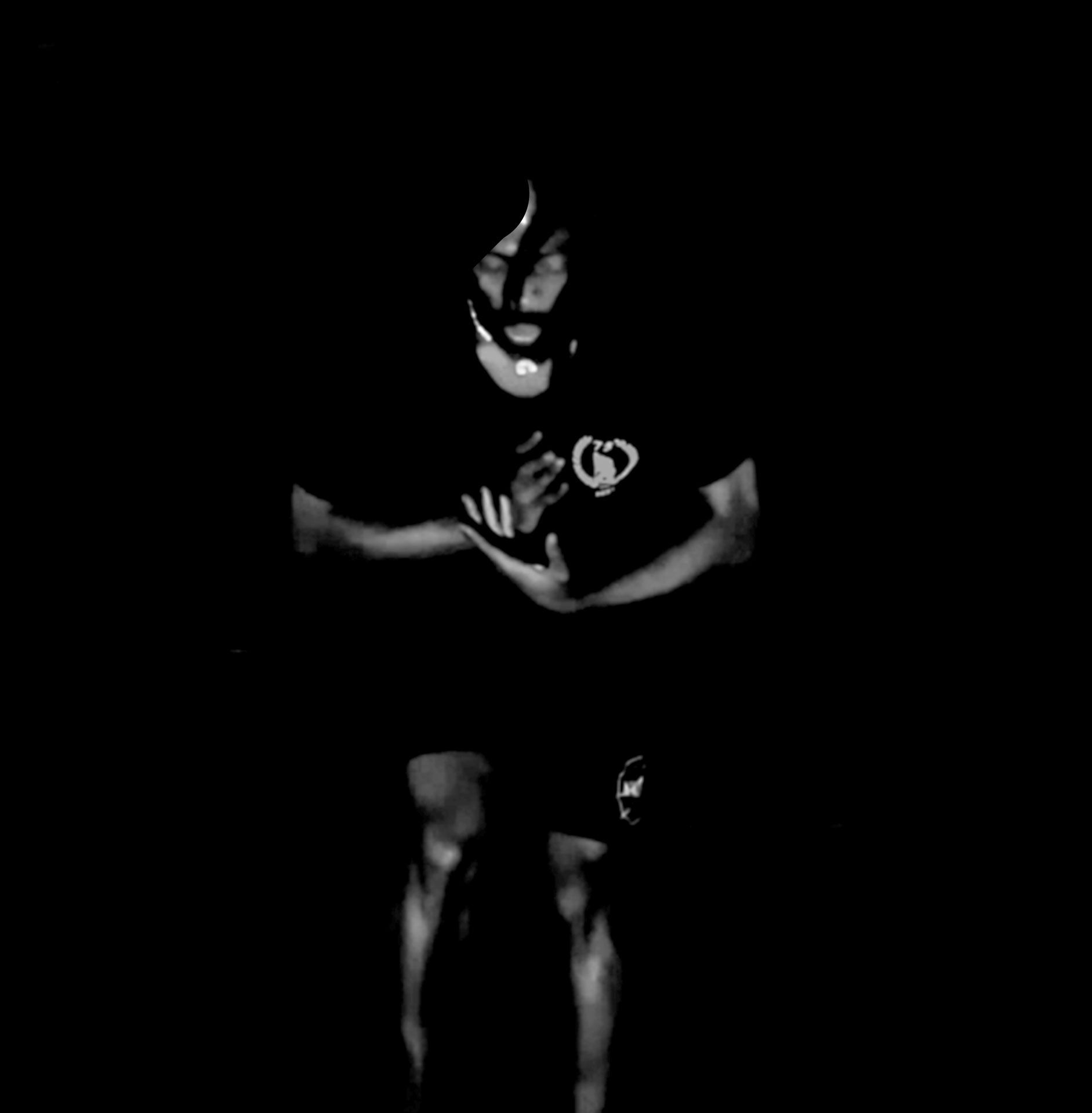
Wish you were here. The air is clean again. The grass has returned. They say the land has healed itself. Site Ref: EB-MN/04 Extraction: De Hoop Quarry (1906-1975) Coordinates: 26.2041º S,28.0473ºE  The paths are clearly marked now- no sign of what was taken, or who was left behind.

Postcard Note #1

Yusoff speaks of a geosocial stratum doing exactly what it was built to do, sediment standing in for history, matter enlisted to naturalise the amnesia around it. I have been planted directly over the register. Not hiding it, I want to be precise about that, because innocence is its own kind of erasure,  but sitting on it, the way a headstone sits on a grave. A headstone doesn’t deny the body underneath. It just gives the eye somewhere calmer to land. That is my whole employment here: somewhere calmer for the eye to land.

Wish you were here. The quarry is very quiet now. They call this “recovery”,  the pit re-seeded, the slopes re-graded, my roots holding down what the excavators loosened. From above, on the satellite view, I read as green, which reads as fine. Nobody zooms in far enough to ask what the green is standing on, or to ask what the granite underneath has carried since the mid-twentieth century, when this whole reef was folded into the Cape Floral Kingdom and asked to become scenery.

Postcard from Rhodes Memorial

“…a qualified black face, put in place to smooth over fifty years of exploitation.” — Mordecai Ogada, on the conservation complex

The granite here came from where I grow. I want you to sit with that before you take the photograph. This stone was not brought from far away and made strange; it was cut close, by hands the record declines to itemise, and carried up the mountain to be built into a man’s vision of himself. I am, in a sense, visiting my own quarry’s export. The lions don’t know this. The tourists don’t ask.

Postcard Note #2

Mbaria and Ogada were writing about wildlife conservation continents away when they named this arrangement, a system that keeps a friendly, native-looking face at the gate while the extraction and the disenfranchisement carry on behind it. I recognise the shape of it exactly. They plant me around monuments like this one, too, in the beds along the path, because I photograph well against grey stone and because a national flower beside a national hero reads as harmony, as if the whole landscape agreed with itself. I did not agree to be the harmony. I was placed there. There is a difference between a flower that grows toward something and a flower that is set down to make an argument.

If you have ever put flowers on a grave, you already understand my second job. Flowers on a grave don’t undo the death. They perform a kind of tending that lets the living walk away feeling the matter is closed. I am that tending, scaled up to the size of a conservation ordinance. I rest the register so that visitors don’t have to sit with it unrested.

Movement Two: Everything Is Still Sounding

The register acquires a frequency: sonic cartography and embodied translation

Postcard to the Register

“The orthography of the wake” — Christina Sharpe

This one I cannot write alone.

I can mark a site. I cannot perform its labour, and I cannot make its labour audible; I only grow where it happened. So, this postcard is written jointly, with the register itself: a body, and the sound that body makes when it is asked to carry what the ground will not.

The register is explicit about its own terms. Where I stand on the ground, the body is fragmented into gesture, and the gestures are held as temporal residues of unrecorded labour, a counter-archive to everything the institutional register declined to keep.

Postcard Note #3:

Neither subject nor object, the body becomes the medium through which absence gets to be legible repetition, strain, suspension, doing the work that Sharpe calls the orthography of the wake, the ongoing shaping of Black life by extraction and loss that does not end when the extraction officially does.

This is what the material condition was built to keep quiet: not that the labour happened, but that it can still be felt. The quarry can be rehabilitated. The monument can be replastered. The body, translated into sound, does not rehabilitate. It keeps sounding.

“…an ontological scandal.” — Tendayi Sithole, on the desire of Black being merely “to be”
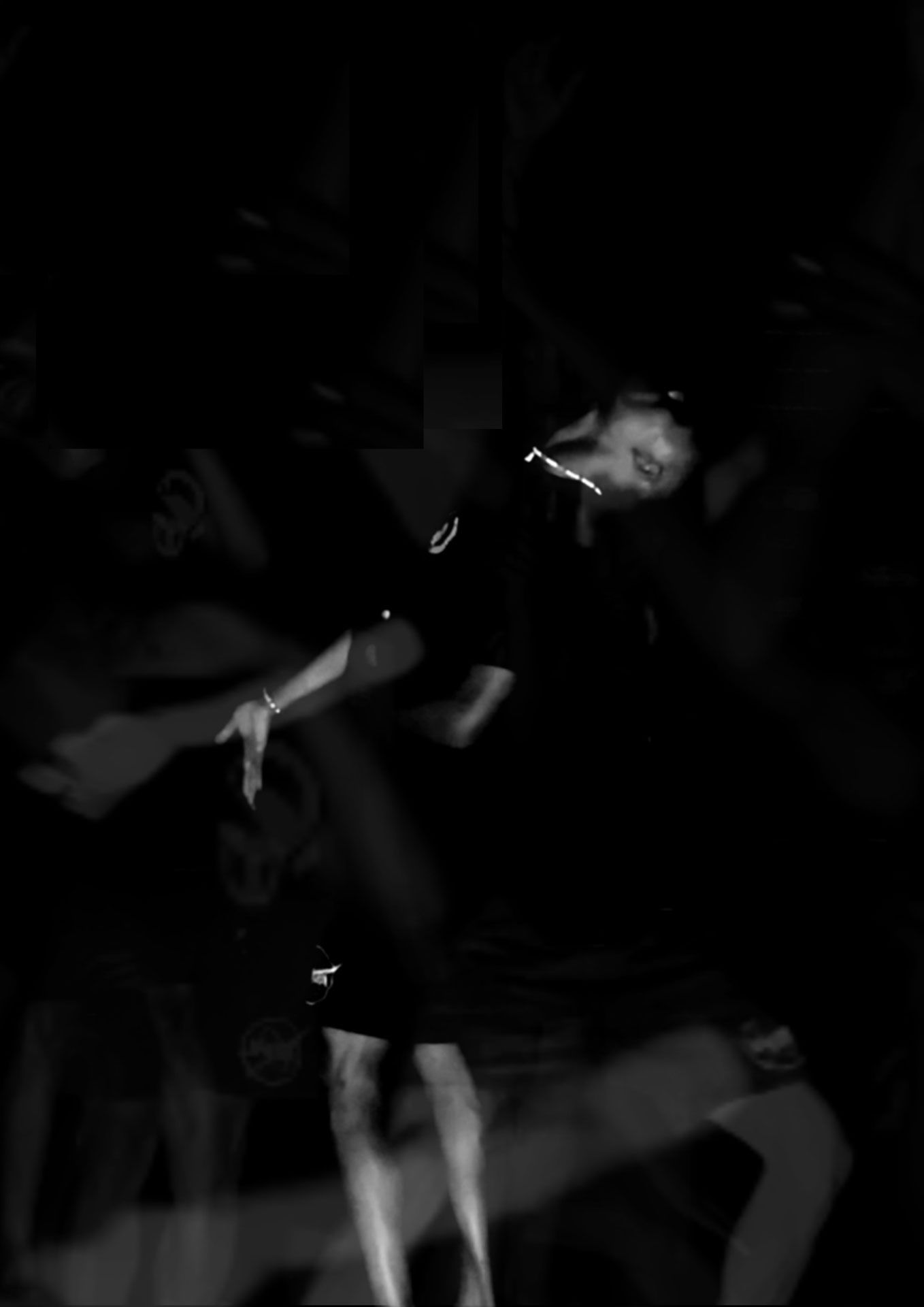
Rehabilitated Quarry/Botanical Restoration Zone. Weather is perfect. New species have taken root where the cut once was. The surface has been stabilised. Site Ref: RQ-BT/17 Extraction: Granite/Aggregate (1954-1998) Rehabilitation Phase: 2003-Ongoing Coordinates: 33.9249ºS, 18.424ºE. They call this restoration. The ground holds its shape now- even where it no longer remembers.

 Everything is fine

I am one register among the geological, the legislative, the sonic, the corporeal, all of them meeting on a single supersurface that keeps re-authoring the same old permission to look away.

Somewhere between resting the dead and unresting them, between the grave-flower’s mercy and its silence, there is a version of me that gets to be both: still national emblem, still fire-adapted, still growing exactly where I was told to grow, but no longer standing in front of the register.

References

Mbaria, J. and Ogada, M. (2016) The Big Conservation Lie: The Untold Story of Wildlife Conservation in Kenya. Auburn, WA: Lens & Pens Publishing.

Sharpe, C. (2016) In the Wake: On Blackness and Being. Durham, NC: Duke University Press.

Sithole, T. (2020) The Black Register. Cambridge: Polity Press.

Yusoff, K. (2018) A Billion Black Anthropocenes or None. Minneapolis: University of Minnesota Press.

Share
Print PDF
PAKAMA S. NCUME
NELISIWE XABA & BRENTON MAART
© 2026
Archive About Contact