KOPANO RATELE
How You Define African Psychology Determines What You Focus On: A Short Comparison of Five Definitions of African Psychology by African Psychologists
I have written elsewhere that I have been interested in understanding how psychologists (and students of psychology) in Africa understand what it is they are involved in, what they do in their consulting rooms, what they teach, what they are learning. That is, how those involved in the fields that focus on brains, minds, emotions, behaviour, and interpersonal relationships and who grew up, live, study or work in African societies define psychology.
The quest to understand how a thing is defined is one of the most absorbing activities with which one can pass one’s time. It is an error to consider the work of defining as only a meta-disciplinary exercise or a subject only of interest to philosophers. To define what a thing is, which is really a mere step from naming a thing, has real-life implications. How a thing, idea or act is defined determines how it is understood, what an object of interest is seen as capable of and how it can be used. Think for a moment of how different people understand death. In other words, what is death? Is it the end? Is it a moment of transition from this life to another life? It is reasonable to presume that if an individual believes that (a) God is a fiction, assuming that such an individual does not believe in reincarnation, that individual is unlikely to believe in life after death. More probably, the person will believe that when the body decays and life stops, that is the end.
Now turn to psychology. There are many definitions of psychology. The study of the mental processes. Study of mind and behaviour. Scientific study of behaviour. Study of cognitions, emotions and behaviour. And if you take into consideration the different branches and schools of psychology (Marxist, cognitive, feminist, social, rhetorical, developmental, educational, behaviourist, cultural, humanist, indigenous and the many others), you encounter many more definitions.
When I hear a person speak psychology (as psychology is, like other academic disciplines, also a language) or use psychological terms, then, I try to deduce their implicit understanding of what psychology is. All too often, I have come to be unsurprised when a person understands psychology as defined by whitestream psychology. That is fine if you are white middle-class Westerner who is married to modern-colonial individualist lifeways and regards such lifeways as preferable to other lifeways.
But what if you live in places in the Gambia or Laos where the cult of individualism does not reign supreme; or indeed, in the United States or Norway, yet prefer interdependent ways of living? It is in seeking to contribute towards a psychology that supports interdependent lifeways that I have been on the lookout for definitions of African psychology and variants thereof (e.g., Afrikan, Black, African-centred, and Africa-centring psychology) which would anchor our work. This is work that is part of growing decolonial, and especially African decolonial, psychology. What I want to know in this project on how African psychology is understood is how psychologists and students of psychology define psychology for themselves (from which one might deduce if the psychology being pursued is the kind supportive of modern-colonial individualist lifeways or not). Additionally, I want to hear if there are different, or complementary, or resistant, or novel ideas, values or worlds being promised in what is called African psychology – or if African psychology is merely an African version of (American or European) psychology.
In an earlier edition of this journal, I presented definitions of African psychology from the continent and the diaspora. What is different this time is that I offer five available definitions of African psychology by African psychologists. The definitions are arranged chronologically. A brief comparison of the definitions is then offered.
Five Definitions of African Psychology by African Psychologists
1. African psychology can be taken to refer to the systematic and informed study of the complexities of human mental life, culture and experience in the pre- and post-colonial African world.
(Nwoye, A. 2014. African psychology, critical trends. In, Teo, T. (Ed.), Encyclopedia of critical psychology, 57-65.)
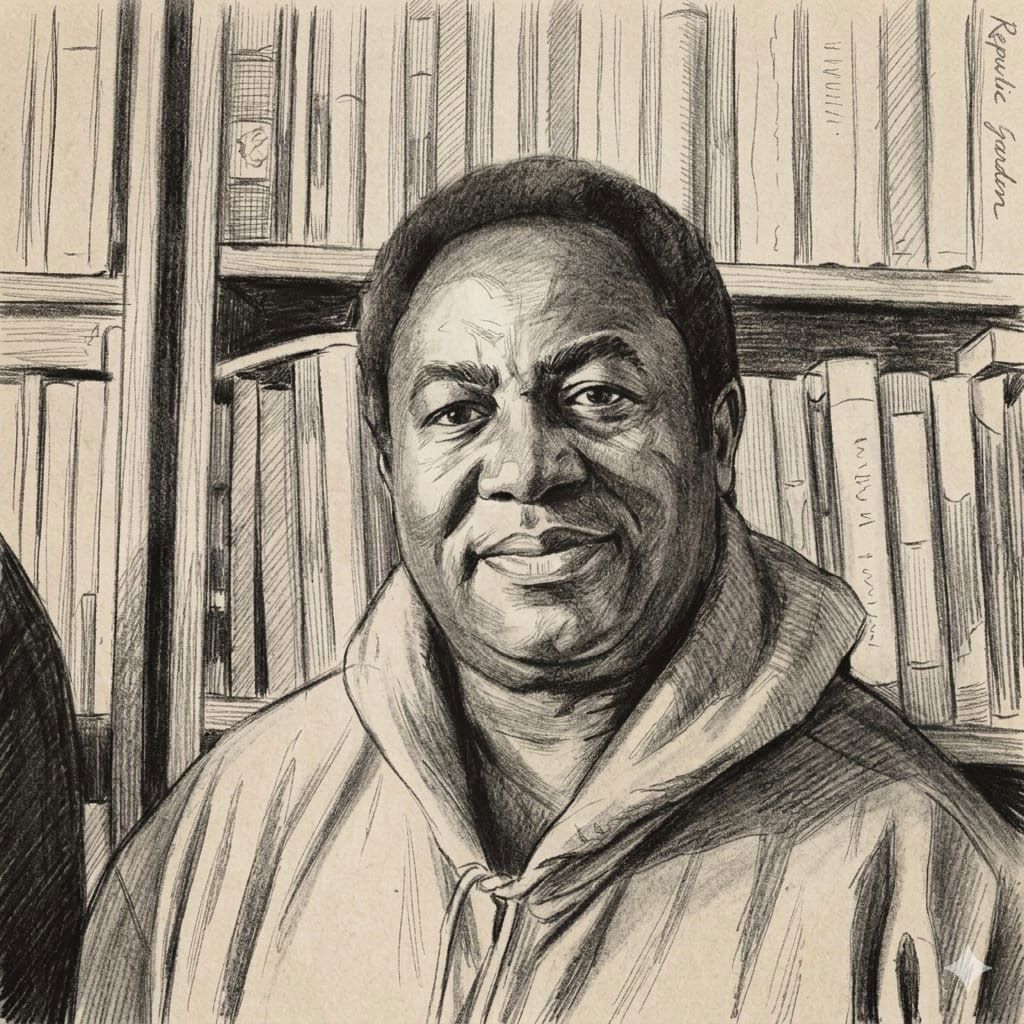
2. African psychology refers to ways of situating oneself in the field of psychology in relation to and from Africa.
(Ratele, K. 2017. Frequently asked questions about African psychology. South AfricanJournal of Psychology, 47(3), 273-279.)
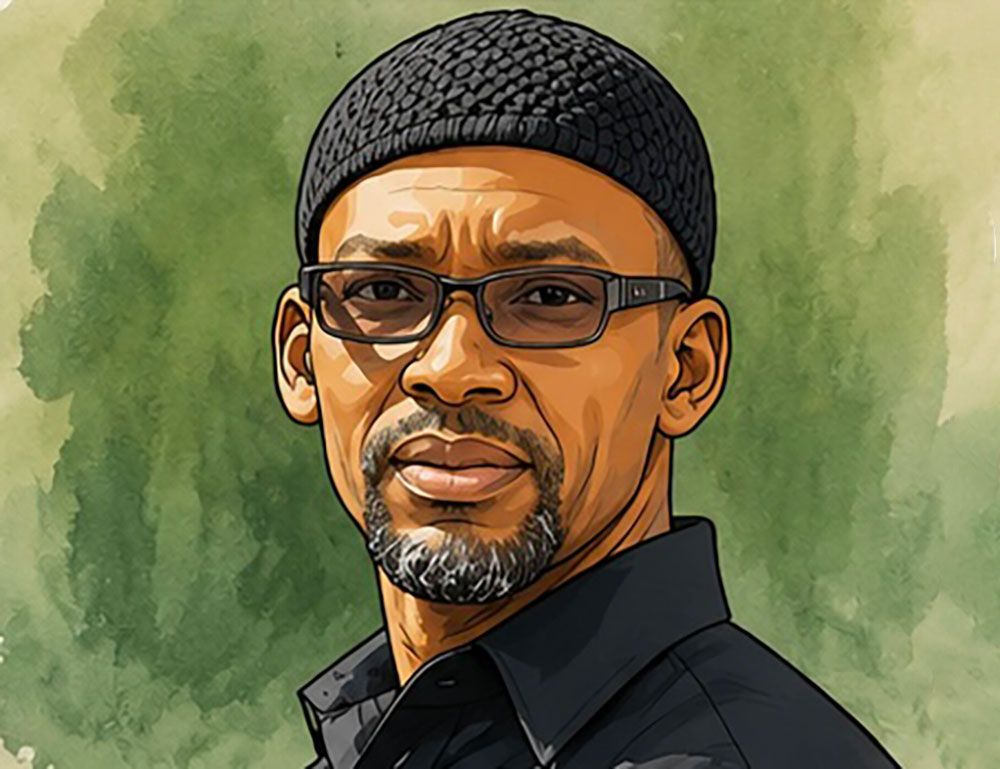
3. Afrikan Psychology does not refer to the application of Western-derived theories and tools/tests in non-Western contexts. Rather, it is a complex, theory-building exercise. It is grounded on indigenous philosophies, histories, epistemologies, ontology, and axiology arising from the Nile Valley civilisations.
(Mkhize, N. 2021. African/Afrikan-centered psychology. South African Journal of Psychology, 51(3), 422-429.)
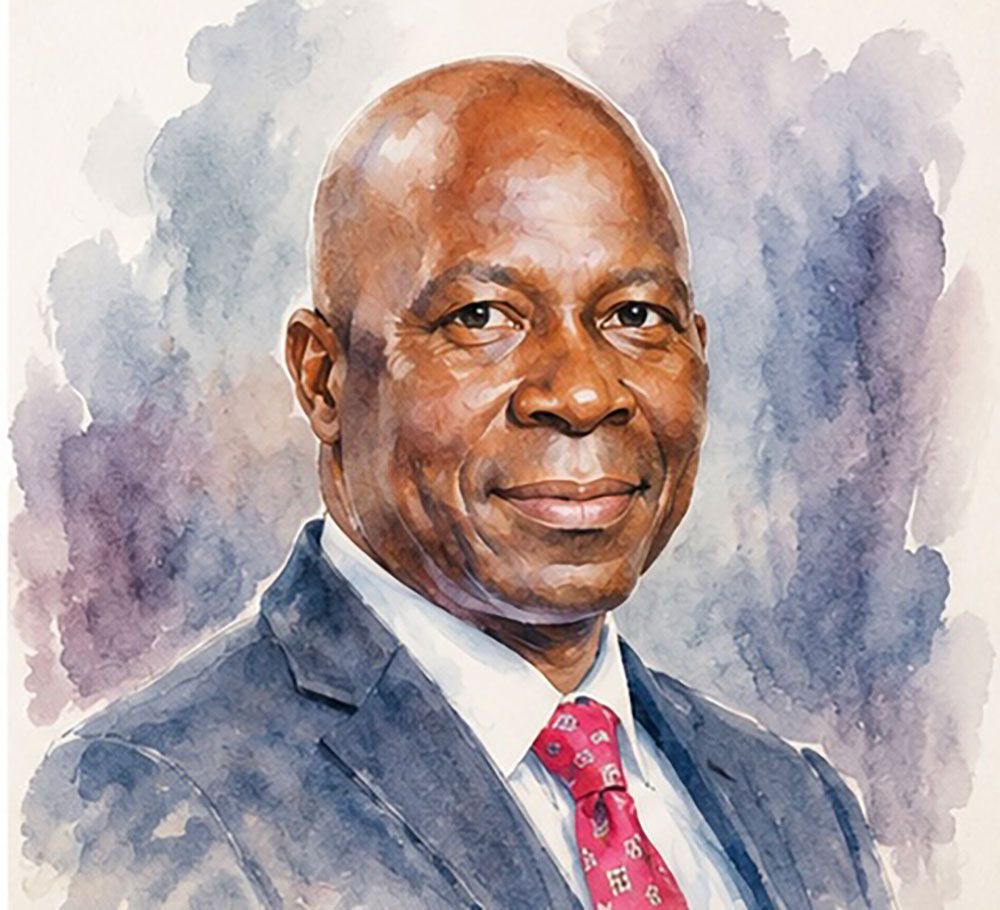
4. African Psychology should be understood as an orientation that adopts a culture-conscious approach to the selection of research questions, design, data analysis, and interpretation of results.
(Oppong, S. 2022. Indigenous psychology in Africa: Centrality of culture, misunderstandings, and global positioning. Theory & Psychology, 32(6), 953-973.)

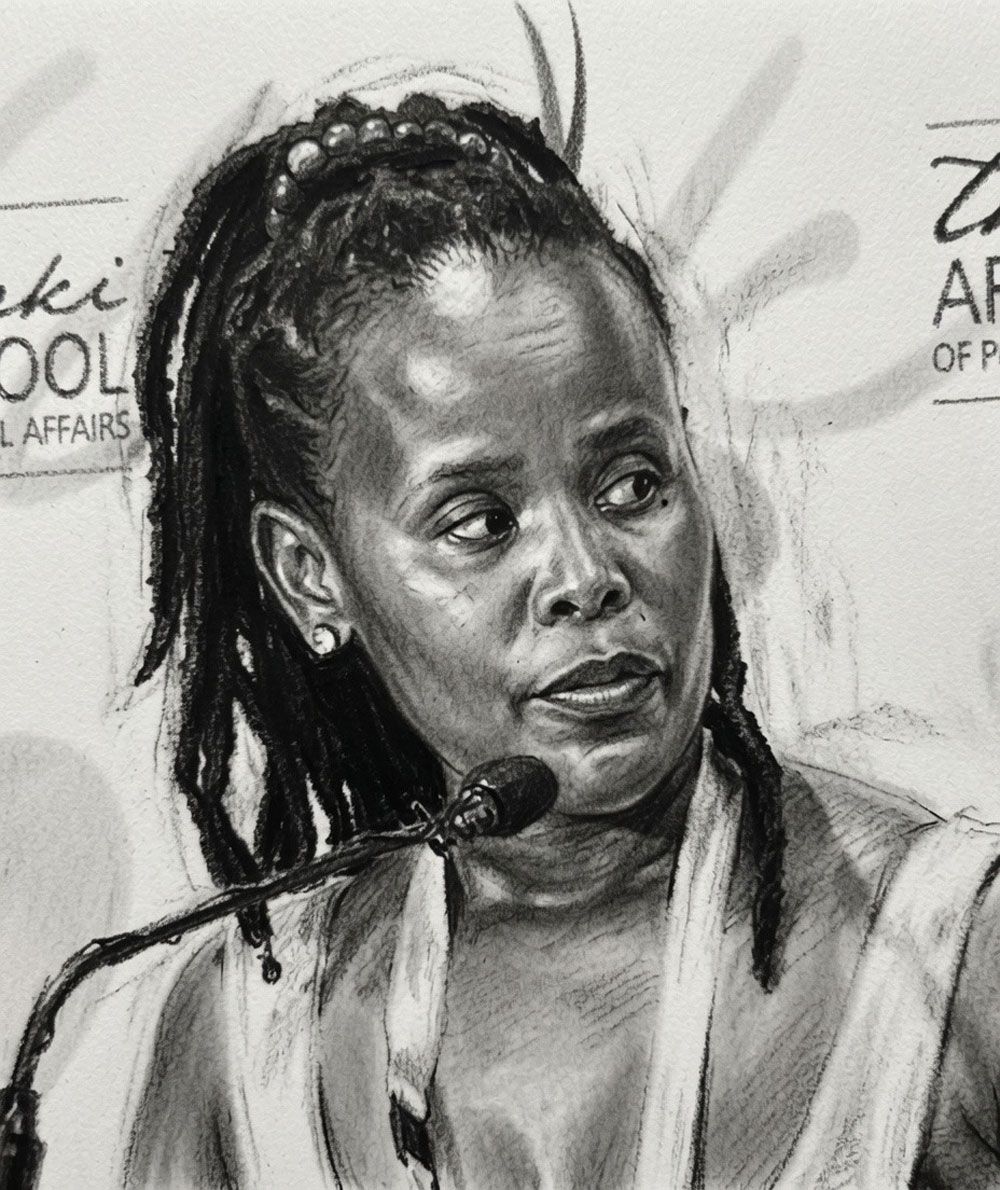
5. I define African Psychology as a holistic understanding of wellness which draws from context specific African ways of being and doing that understand human existence from a relational ontology.
(Cakata, Z. 2023. The place of indigenous African languages in the new curriculum: an African psychology case study. South African Journal of Higher Education, 37(3), 43-58.)
A Brief Comparison of the Five Definitions of African Psychology
While some of the definitions are explicit about ontology and philosophy broadly conceived as preceding any project that is conducted, some are silent on this. However, in all cases we readily see or can deduce of what is thought to be of value, what we need to pay attention to. Let us consider each of the definitions in turn.
Nwoye is descriptive and capacious. He speaks of “complexities of human mental life, culture and experience” across pre- and post-colonial Africa. This is an inclusive, almost encyclopaedic move: it focuses a scholar on documentation and historical periodisation (what changed, what persisted, across the colonial rupture). Its weakness is, though, that it is compatible with doing mainstream psychology about Africa rather than from Africa. And “study of” leaves the knower’s position unmarked. It generates archivists more readily than theorists. Oddly, it refers to pre- and post-colonial Africa and seems to forget about colonial Africa.
Ratele is interested in positioning and locus of enunciation. The definition refers to psychology done “in relation to and from Africa.” This is the most reflexive of the five. The focus is the standpoint, on the act of situating before the act of theorising, researching or trying to heal. Its strength is that it refuses to fix African psychology to a single content domain or method, which keeps it open to one’s own comparative-intellectual-history project. Its risk is underspecification — it tells you to position yourself but not where the positions are, which can read as evasive to reviewers wanting a content claim.
The definition by Mkhize is the most ambitious and the most exclusionary. But it is an exclusion that can be very productive. By rejecting application of “Western-derived theories” outright and grounding the field in Nile Valley civilisational epistemology, ontology, and axiology, Mkhize focuses a scholar on genealogy and metaphysics — what is personhood, time, causality, prior to any psychological instrument being built or research being conducted. This is theory-building as first philosophy. However, there is a cost. Mkhize’s definition points to a narrow civilisational anchor (Nile Valley/Kemetic) that not all Africans accept as representative of the continent’s ontological ground or epistemic diversity. It can read as substituting one origin myth for another.
In the definition by Oppong we find a concern with methodological issues rather than ontological ones. He refers to “culture-conscious approach to research questions, design, analysis, interpretation.” This is the most exportable and journal-friendly definition. The focus for the imagined scholar is on procedure: bias-checking, indigenous sampling, construct validity across cultural contexts. It is compatible with doing African psychology inside mainstream APA (American Psychological Association)-style empirical-positivist psychology, which is its appeal and its limit. It can be satisfied without touching decolonial theory at all.
Cakata is holistic and relational-ontological, anchored in wellness and “African ways of being and doing.” This focuses a scholar on applied, often language- and context-specific work. Her own curriculum/indigenous-language case is the model. Cakata is close to Mkhize ontologically but more grounded in everyday practice than civilisational philosophy. But it ties psychology tightly, too tightly, to wellness/healing rather than leaving room for, say, scholarly, political or historical analysis.

Ranking definitions of African psychology for developing psychology’s future.
I prefer my own take on psychology, naturally. The definition offers people a way of learning to see their positioning as they study, or learn, or teach about topics of interest to psychology, as well as when they use psychological ideas in practical life.
But there is something paradoxically difficult about learning to attend to how you as a subject are situated. To see yourself as you look at others and the world, to think about how you are thinking, does not come naturally. This paradoxical difficulty makes this definition hard if one wants to develop African psychology. A more basic definition is required. Hence, if we consider what is useful, the ranking below is what we get. Focused on usefulness and ease of application in developing African psychology, I have ranked the definitions from the most to the least useful. Additionally, I have indicated what each of the authors of these definitions is concerned with.

1. Mkhize’s definition of African psychology is the most useful because a field needs a defensible ontological and epistemic core before it can resist being just “psychology with African examples.” As a reminder, he says “Afrikan Psychology…is a complex, theory-building exercise …grounded on indigenous philosophies, histories, epistemologies, ontology, and axiology arising from the Nile Valley civilisations.” We can very well ask him, did you forget the necessity of empirical studies? What about therapies? Do we not need to create instruments? We can push back on the Nile Valley anchoring because there are other pasts that we can civilisation that have as much of a claim on our being, on what we became. Even so, the demand for grounded ontology/axiology is the right kind of demand.
2.Ratele, because reflexive positionality is what keeps the field from calcifying into a new orthodoxy, is ranked second. His is the necessary complement to something like Mkhize’s foundationalism. However, one critique of this definition is that it is difficult to determine what a licensed mental health practitioner who accepts this definition and deliberately situates himself as Africa(n)-centring within the field of psychology would do differently in practice from a practitioner who adopts an America(n)-centring approach. What a practitioner might ask is, for example, what does he say to the mourner who does not wish to “get off the mattress” after the accepted period, where does he draw from to interpret the grief, what theoretical and practical tools does he use to understand the understanding of death and mourning of the people who come to him?
3.Cakata is strong for the wellness wing of the field, relational ontology done with methodological specificity (her language work), but narrower in scope than 1 and 2. The focus wellness is too restrictive, even if she speaks of a holistic understanding and context, African ways of being and doing, and relational ontology. To ground a field of study, it would be better to lead with “relational-ontological African ways of being and doing” instead of wellness, even if wellness is certainly an important topic.
4.Nwoye is useful as a working, teachable definition. It is one that I have tended to teach. It is the one that survives in an encyclopedia entry for a reason. That said, compared to Mkhize’s, the definition does not itself generate a research program distinct from area-studies psychology.
5. Oppong is valuable for methodological rigour and cross-cultural validity work. And yet on its own it is compatible with leaving the discipline’s colonial inheritance completely untouched.
If the renaming or reframing question in this defining and comparative project needs a single axis, it is roughly Mkhize, with Cakata reformulated (ontology-first) versus Oppong (method-first), with Ratele and Nwoye sitting as the connective tissue between them, where Ratele supplies the reflexive move and Nwoye supplying the historical-descriptive baseline that the ontology, method, and application impulses need.