LIZABÉ LAMBRECHTS & NICOLA DEANE
Deaccessioned
Words strain,
T.S. Eliot
Crack and sometimes break, under the burden,
Under the tension, slip, slide, perish,
Decay with imprecision, will not stay in place,
Will not stay still.
‘Burnt Norton,’
in Four Quartets (1943)
In archival practice, deaccessioning is the formal removal of an object from a collection. This process alters not only its custodial status, but its condition of existence. Once outside the archive, the object is no longer held in place by systems of classification and institutional care and enters a field of uncertainty where meaning and value are renegotiated.
This exhibition draws on material from the Hidden Years Music Archive, deaccessioned due to its state of deterioration and contamination. We approached these objects as aesthetically compelling and invited local artists, writers and musicians to respond to them through the lens of decay. In this work, decay is not viewed as failure or loss, but as an active and generative process through which materials continue to shift and transform.
Rather than resisting this change, our work attends to the entangled processes of time, insects, mould, the environment and handling that continually shape and reshape material, and with it, the archive.
Here, decay is not only a condition, but a method – offering new ways of understanding how heritage can also persist through change.
Decay is thus understood as transformation: a condition through which new meanings, relations and futures emerge. The material in this exhibition exists in a state of ongoing change, where stability gives way to flux. ‘Decay with imprecision’ articulates this condition, an irregular transformation in which loss and emergence remain inseparable, value emerges through process.
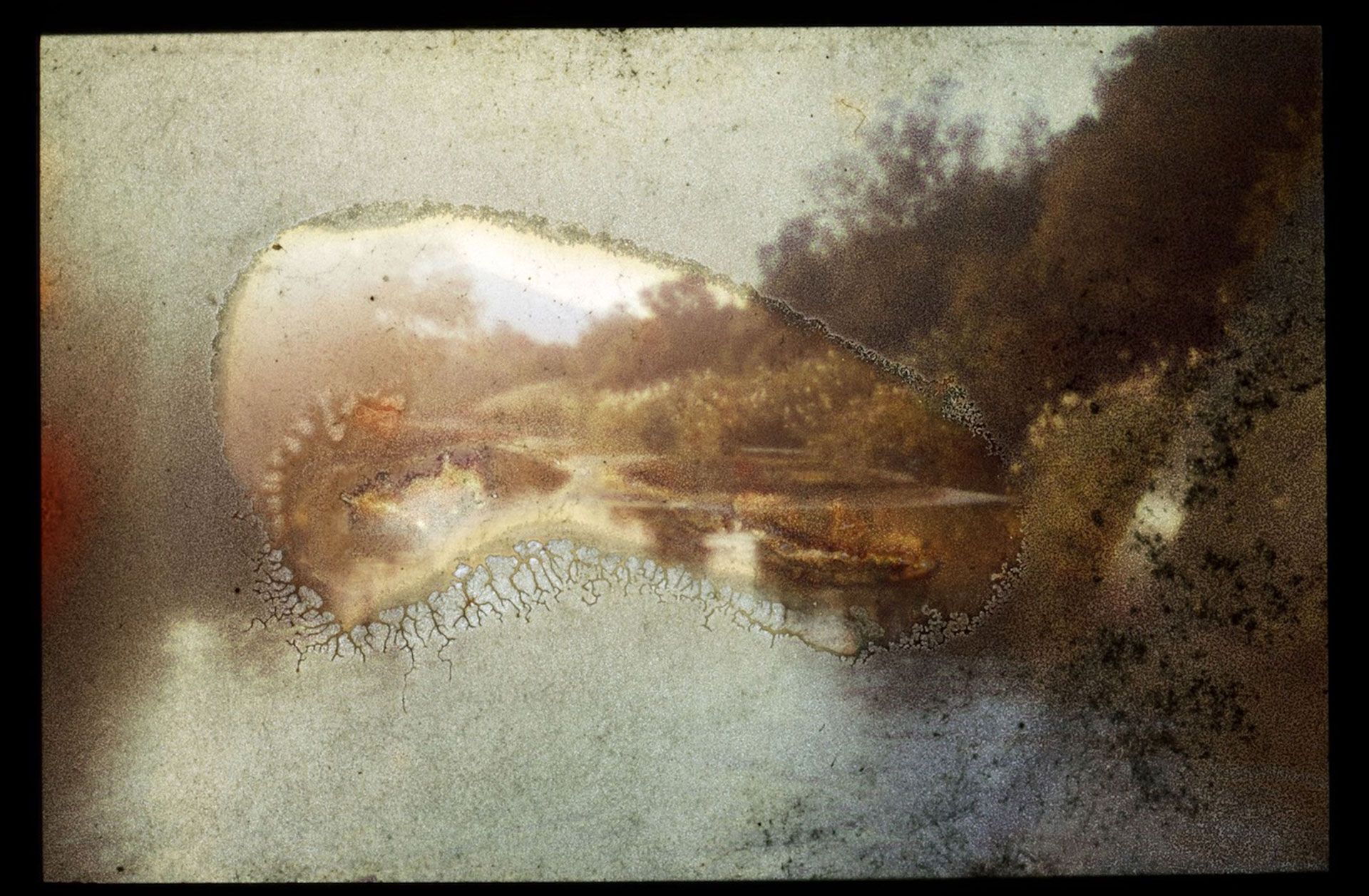
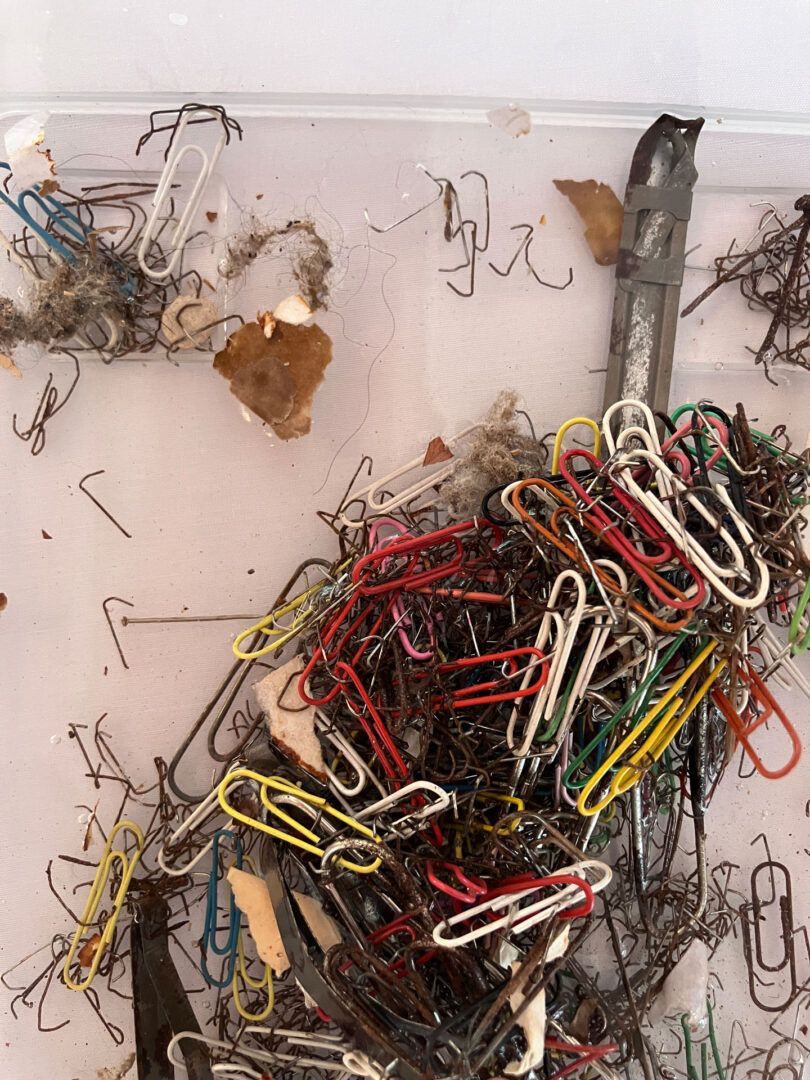
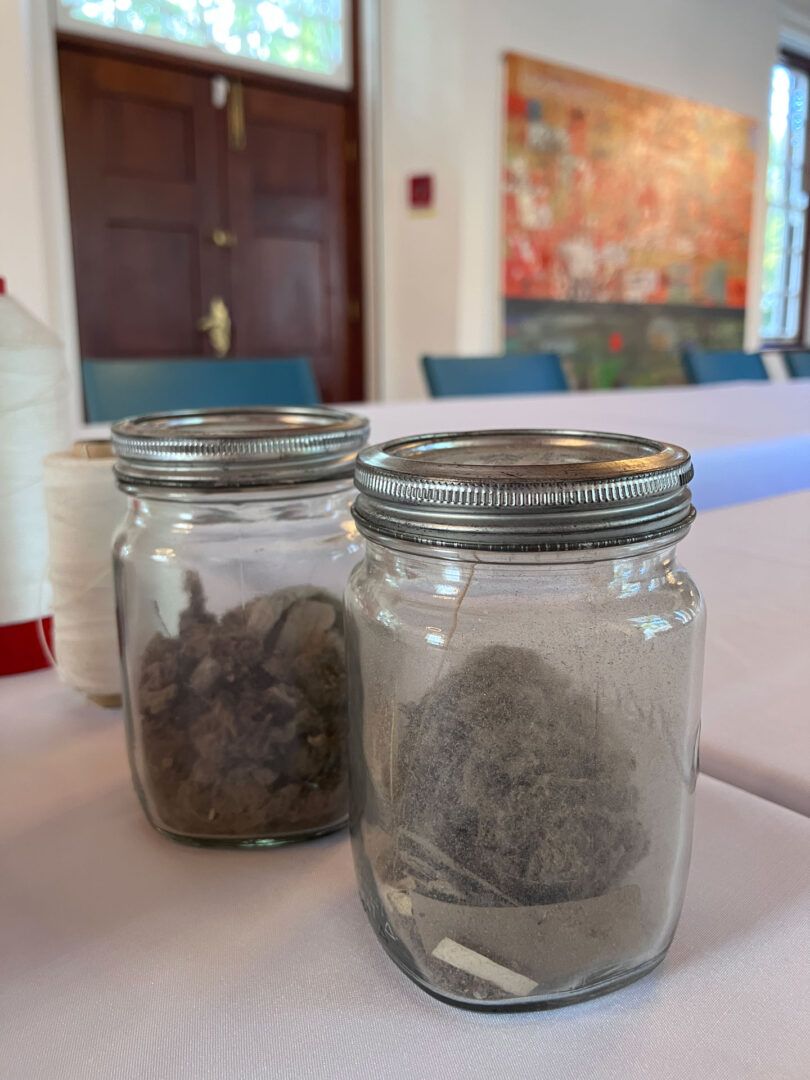
The origins of this exhibition lie in what we call the “decay archive”. Over many years, while working as the archivist of the Hidden Years Music Archive, Lambrechts collected materials that fell outside standard archival value systems. These included the remnants and by-products of archival processing: removed staples and fasteners, broken tapes, colour positives in advanced stages of decay, and photographic negatives fused together by water damage. Dust, carefully gathered into jars, and miscellaneous objects such as buttons, formed part of this unconventional collection. These materials were not discarded but carefully retained and documented. Housed in the Documentation Centre for Music, they reflected not only the contents of the archive, but the conditions of its existence, its vulnerabilities, environments, and histories of handling.
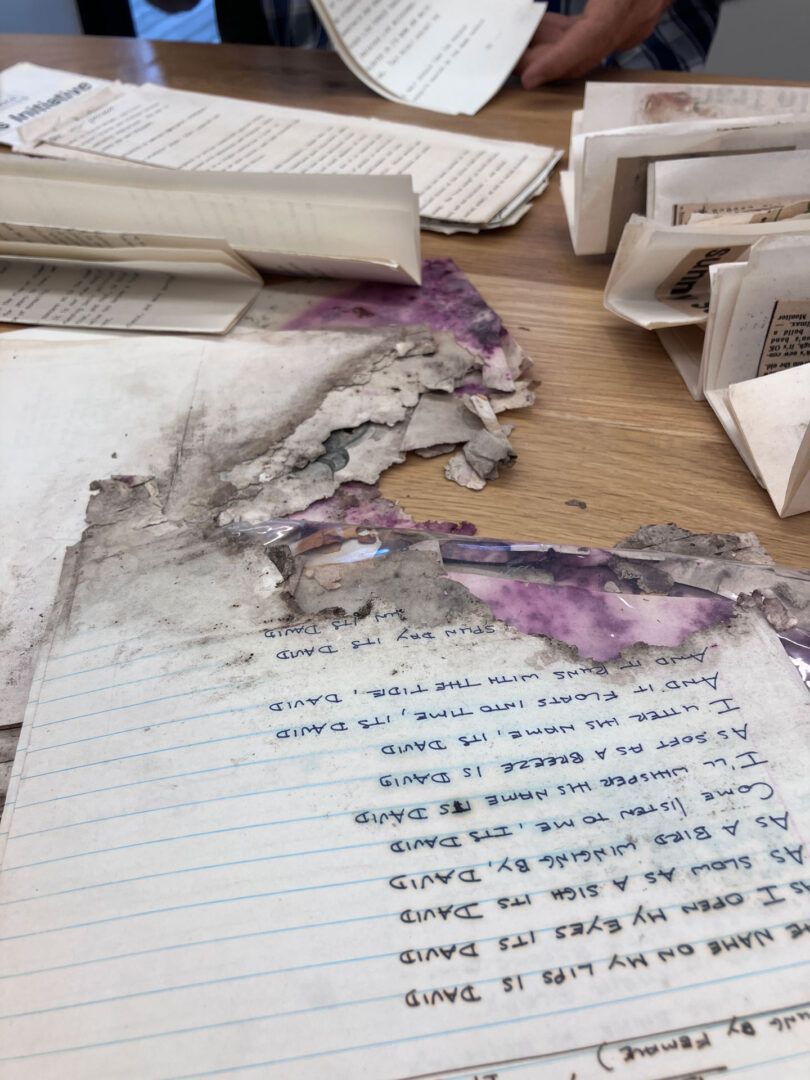
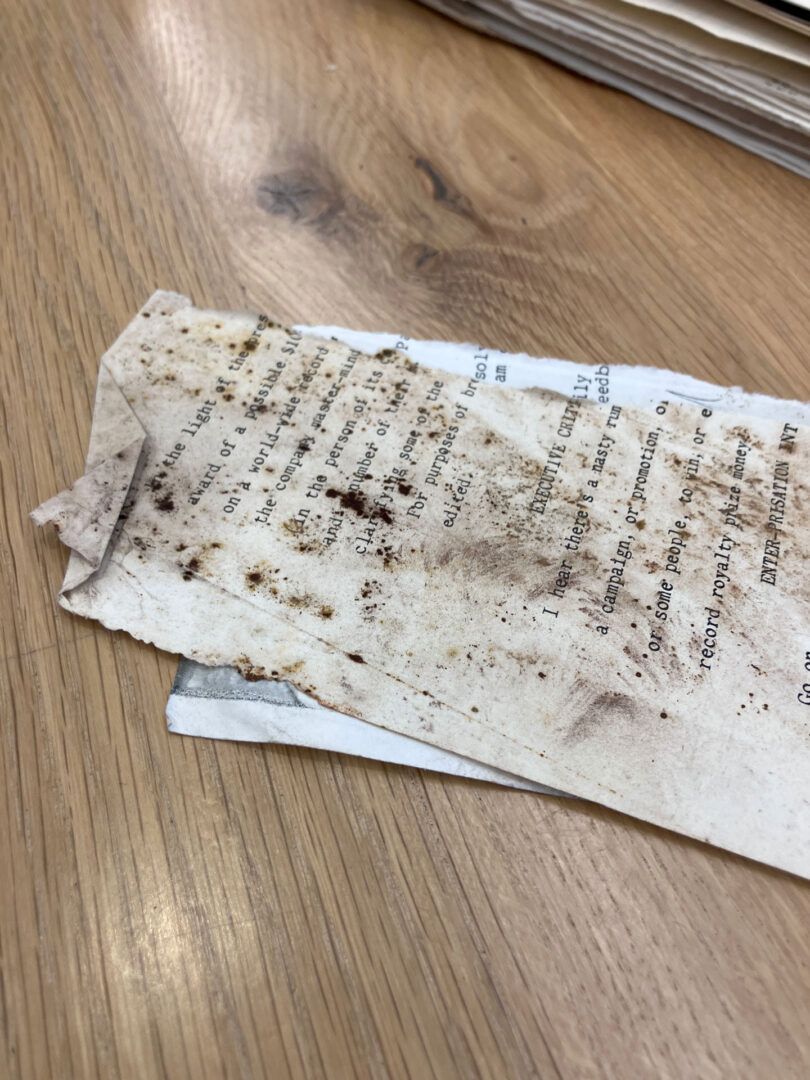
Due to the risk of contamination, this decay archive was formally deaccessioned in August 2025. Deaccessioning is the removal of an object from a collection. This process alters not only its custodial status, but its condition of existence. Once outside the archive, the object is no longer held in place by systems of classification and institutional care and enters a field of uncertainty where meaning and value are no longer fixed but renegotiated.
The works presented in this exhibition are the result of an expanding network of collaborations. Lambrechts initiated the project by inviting a number of artists, musicians, and writers to respond to the decay archive. Nicola Deane further extended this process through her collaboration with Jurie Senekal, while Heléne van Aswegen transformed her commission into a community-based art project. Through these engagements, the project grew beyond its initial scope, becoming a collective and evolving field of practice.
At the centre of this work is a shift in how decay is understood.
Rather than signalling loss or disappearance, decay is approached as an active and generative process through which materials continue to change and transform, producing new meanings over time. Instead of resisting this condition, our work attends to the entangled agencies that shape material life: time, mould, insects, environmental exposure, and human handling. These forces do not simply degrade the archive; they participate in its ongoing formation.
Decay thus becomes both condition and method. It offers a way of thinking about heritage not as something fixed and preserved, but as something that persists through change. The materials presented here exist in a state of flux, where stability gives way to continuous transformation. What we encounter is unfolding processes of imprecise movement in which loss and emergence remain inseparable.
This exhibition forms part of the Decay Without Mourning: Future-Thinking Heritage Practices project at Stellenbosch University. It is funded by the Riksbankens Jubileumsfond.
For a review of the exhibition, read this article by Alexandra Dodd published on Litnet.
SENEKAL & DEANE
Spectres of decay: The archive breathing at its horizon, 2026.
Giclée print series on Epson watercolour paper (420 mm x 594 mm) & Lumen print series on vintage photographic paper (sizes varied).
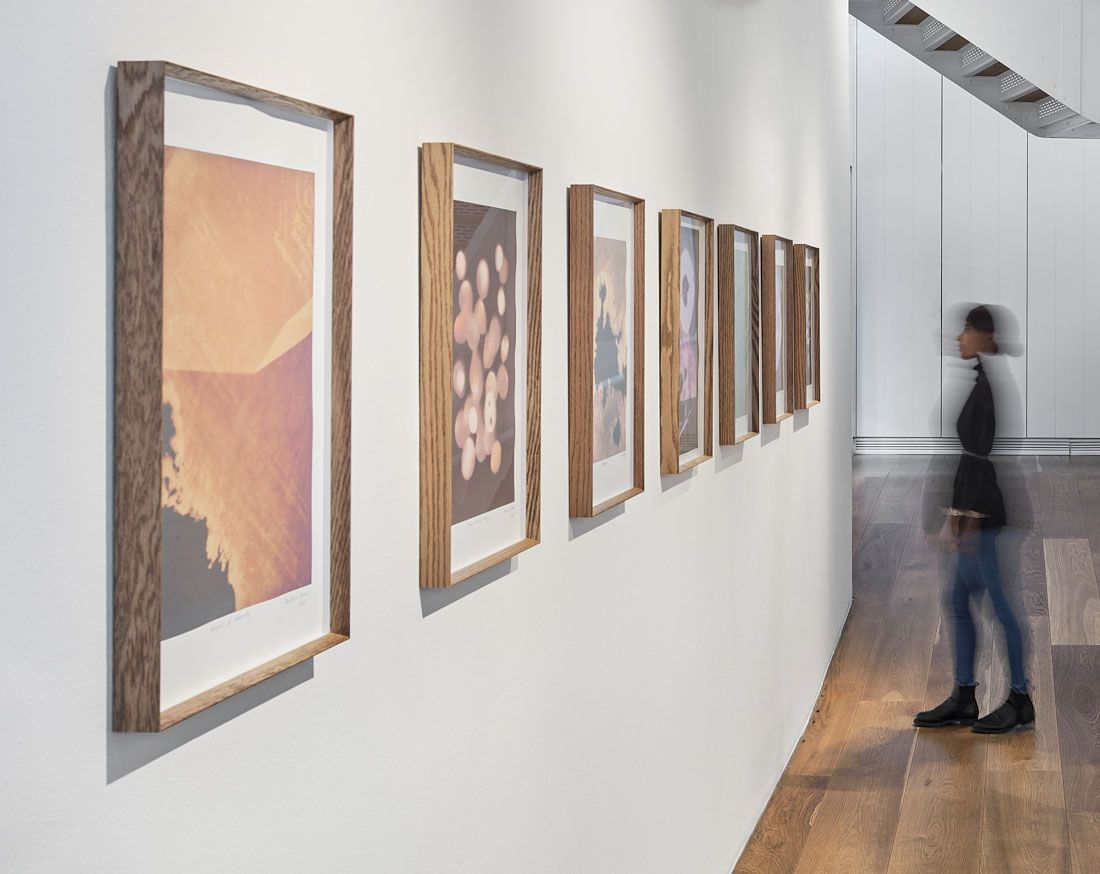
This series of Giclée prints by Nicola Deane and Jurie Senekal emerges from lumen print experiments with compromised materials drawn from the Hidden Years Music Archive.
The archive documents South Africa’s countercultural music scene from the mid-1960s to the early 2000s, but the artists focus on what lies at its margins: dust, rusted fasteners, damaged tapes, mould-stained papers and other remnants of the archive’s processing. Rather than treating these materials as waste, this anarchival project reimagines them as generative artefacts whose deterioration carries traces of time, memory and use.
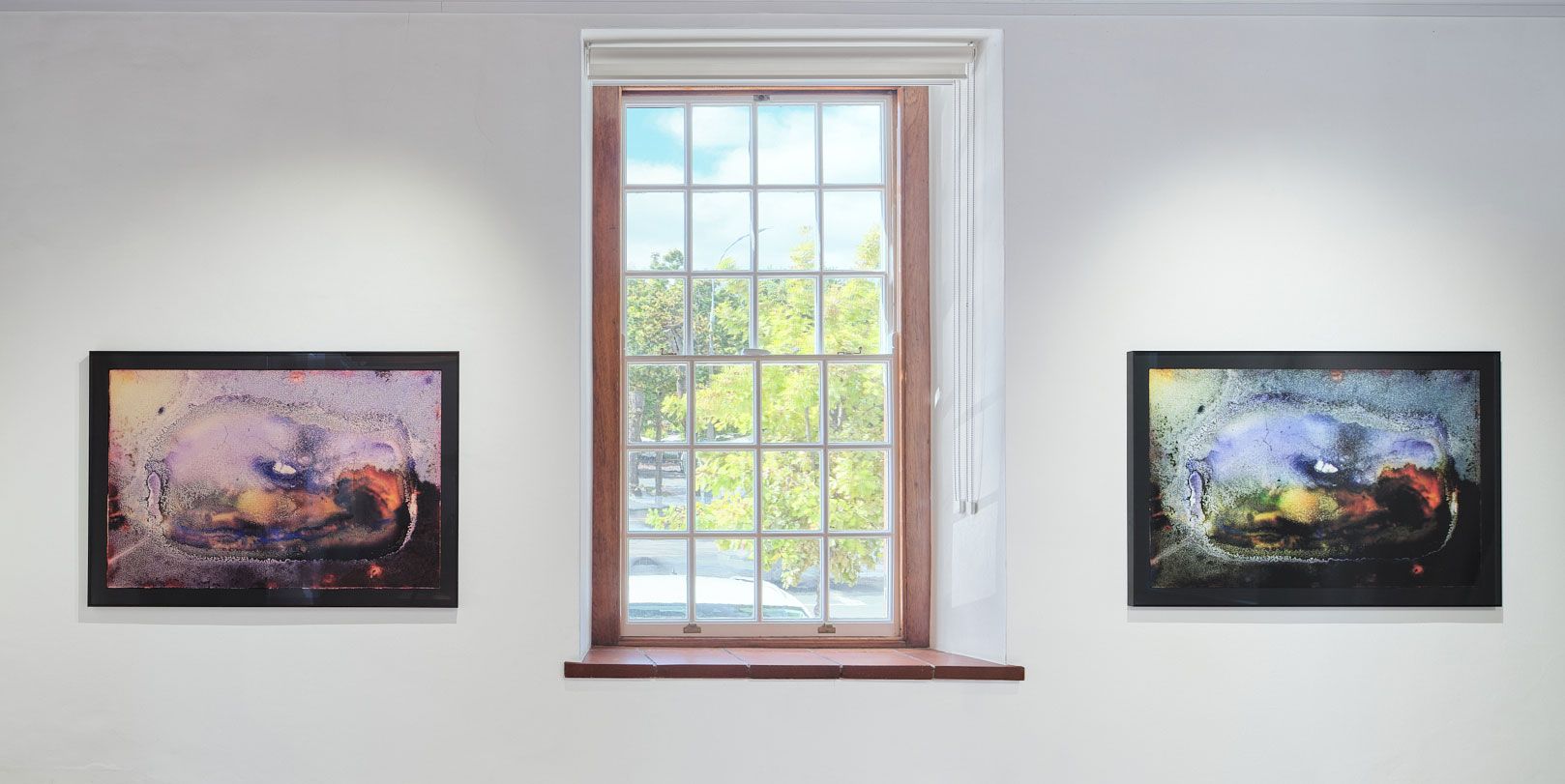
The Spectres of Decay series transforms discarded materials from the archive into luminous photographic traces. These fragile relics are placed directly onto expired photographic paper and exposed to sunlight through the cameraless process of lumen printing. Their shadows and residues produce inverted images in which absence translates to illumination.
The photographic paper types used for the lumen prints come from the personal archive of Jurie Senekal, the oldest being a 1955 box of Agfa Brovira Crystal paper. Effectively, this is a process of capturing an archive upon another archive.
The medium of outdated photographic paper provides significance as another form of decay – what would be considered unusable by industry standards that apply expiry dates to products, is repurposed and re-evaluated for another kind of capturing practice (outside of the dark room) via the natural interplay of sunlight, duration and material degradation. Though marked by obsolescence, the paper becomes an active participant of the image-making to produce spectral impressions of a passage through time.
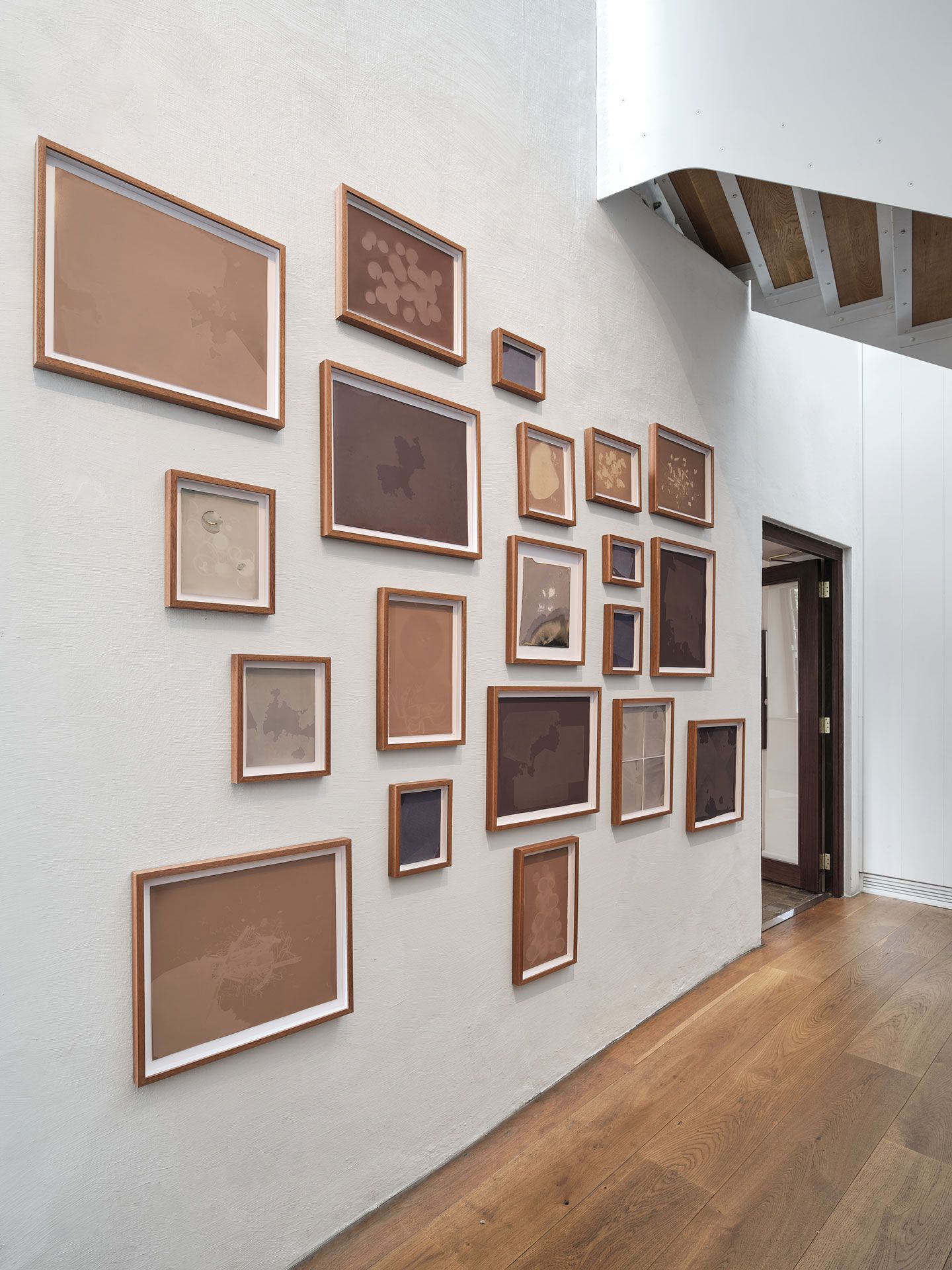
The lumen prints are intentionally left unfixed, allowing the images themselves to continue fading and transforming over time – which is further intensified by their exposure to sunlight for the duration of this exhibit. In this sense, the prints stage a form of anarchival practice in which decay is not mourned as loss but encountered as a generative condition through which the archive continues to breathe at its horizon.
PROVOCATIONS
Compiled by Lizabé Lambrechts, 2026.
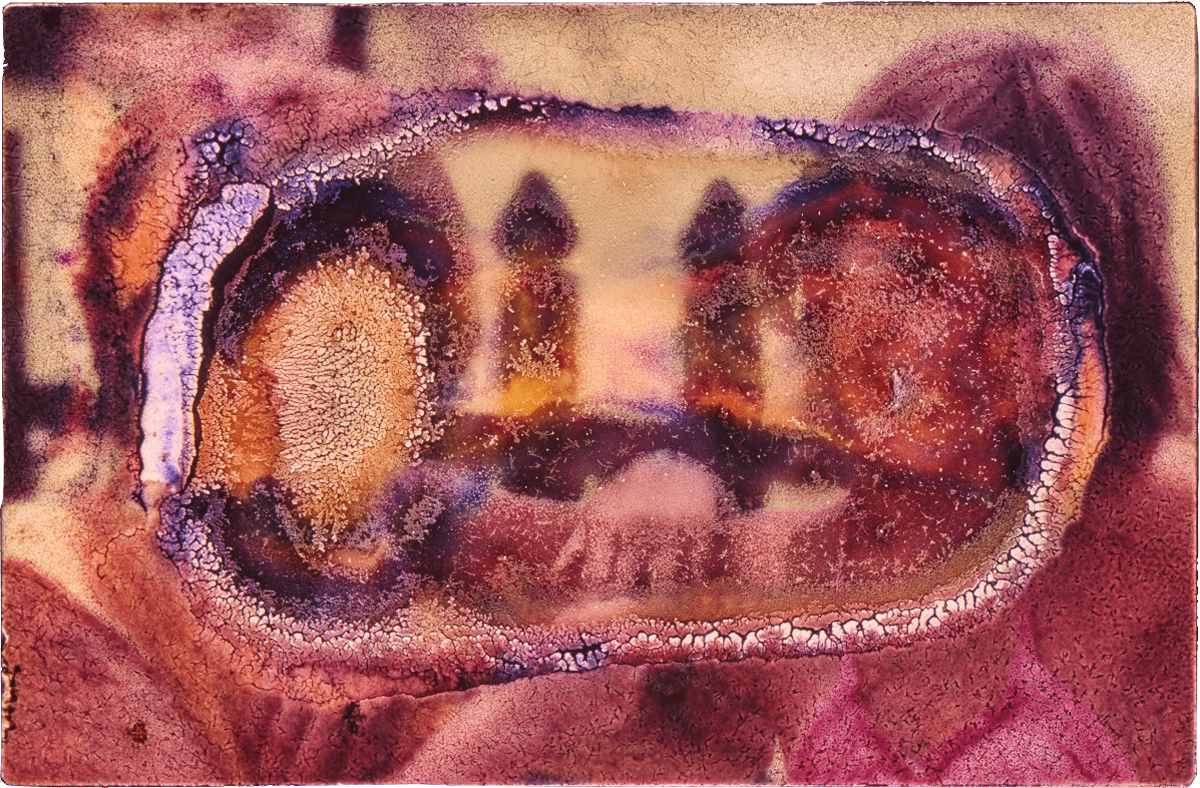
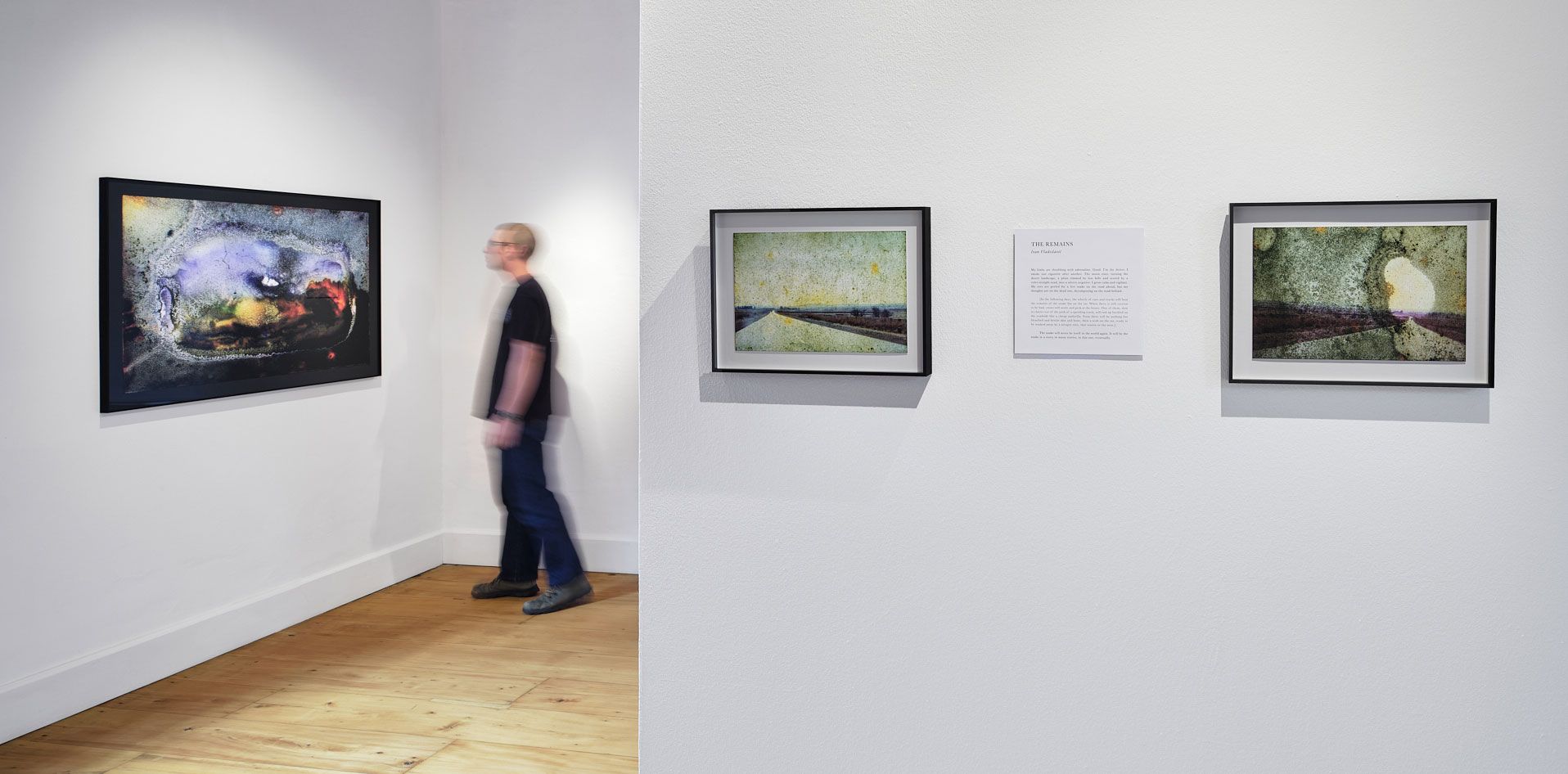
The decaying photographic materials in the exhibition were first identified during a large-scale digitisation project initiated in 2016 through which approximately 80% of the Hidden Years Music Archive was digitised. The images presented here were re-digitised a decade later, in 2026, and the comparison reveals a staggering acceleration of decay over time.
This is particularly evident in the colour positives. These images are composed of three dye layers – yellow, magenta and cyan, each with different levels of chemical stability. As a result, they do not deteriorate uniformly. Instead, the image undergoes a gradual chromatic reconfiguration as each layer fades at its own pace. What appears through these processes is a continually transforming image, a material record of change in which decay itself becomes legible as both process and form.
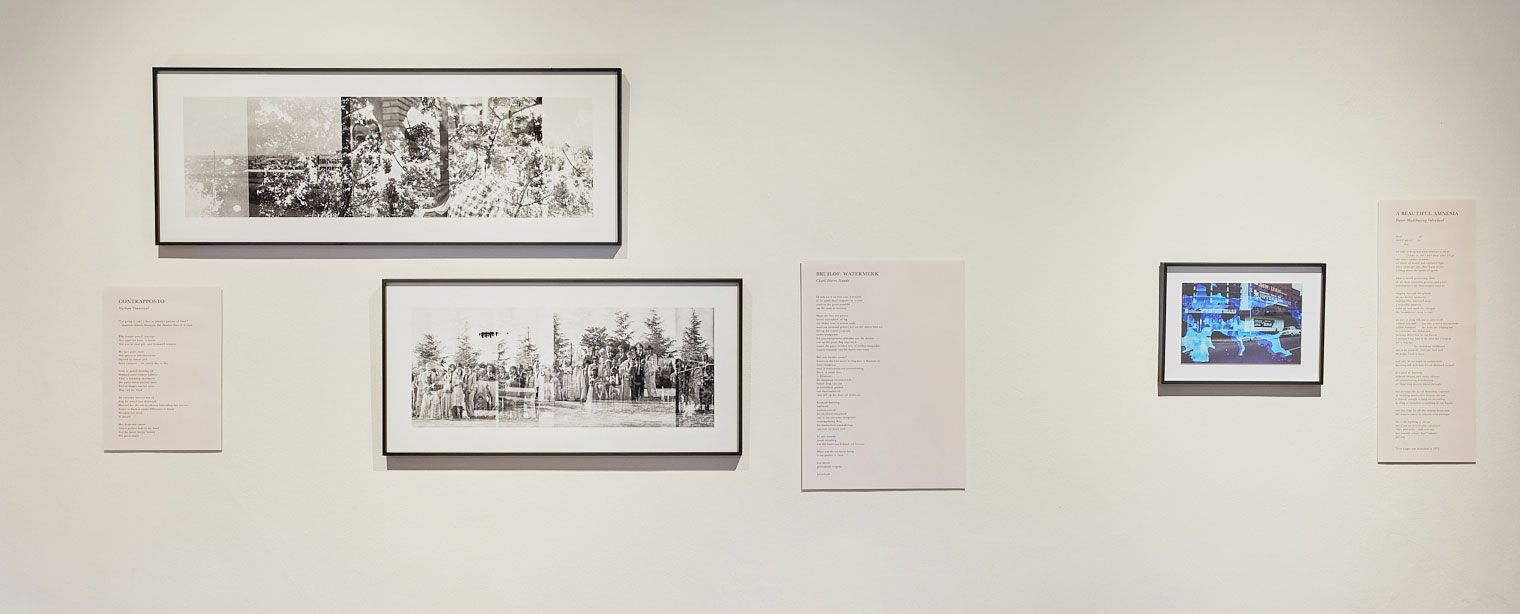
Lambrechts invited several writers, poets, and academics, including Aidan Erasmus, Diana Ferrus, Paula Fourie, Athol Fugard (post-humously), Stacey Hardy, Ronelda Kamfer, David Mann, Wamuwi Mbao, Mbe Mbhele, Charl-Pierre Naudé, Vuyokazi Ngemntu, Pieter Odendaal, Jolyn Philips, Nathan Trantaal, and Ivan Vladislavić to each respond to a specific negative.The images were all taken by David Marks roughly between 1960 and 1980, and reflect moments from his life including family life, road trips, holidays, and music concerts.
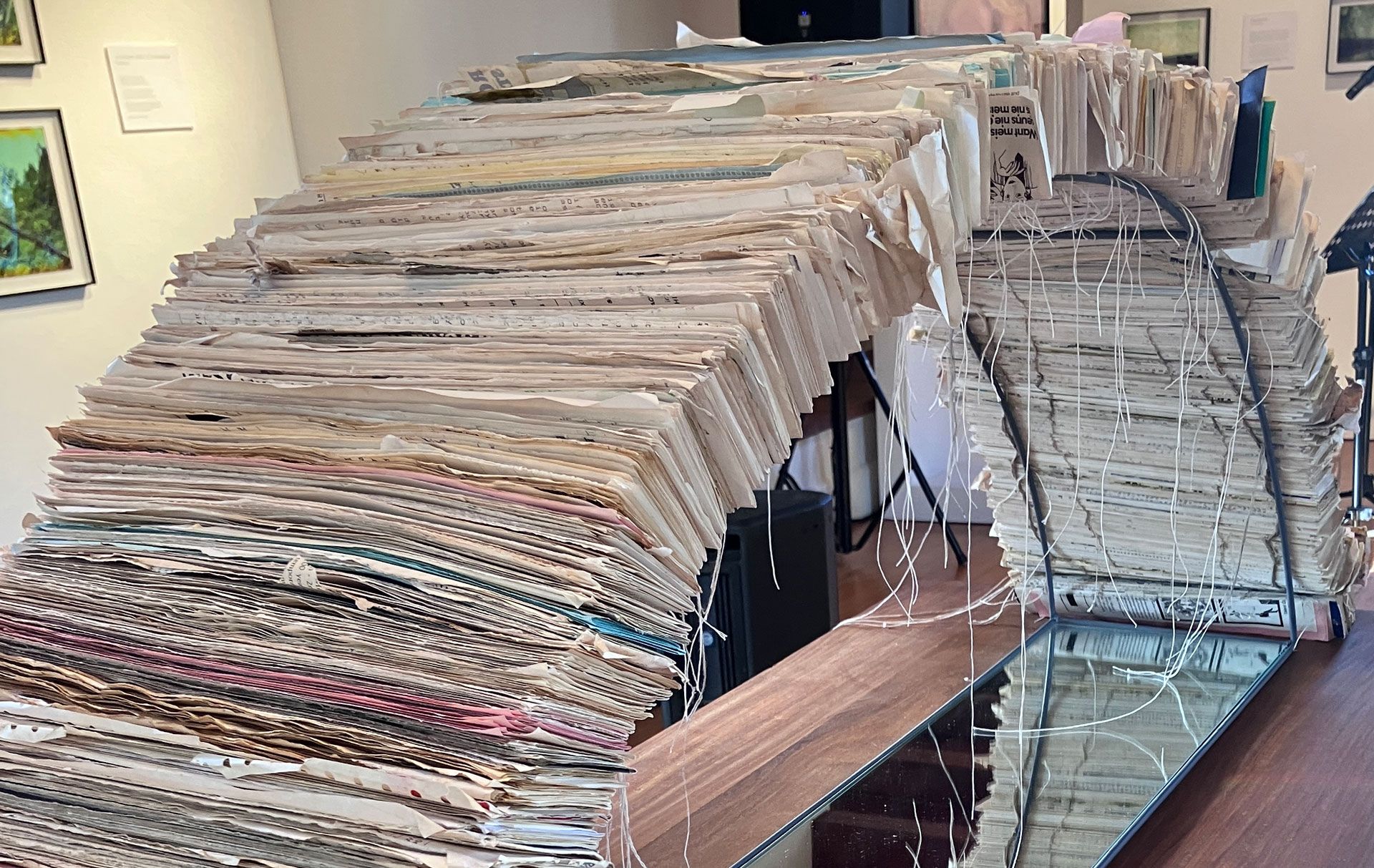
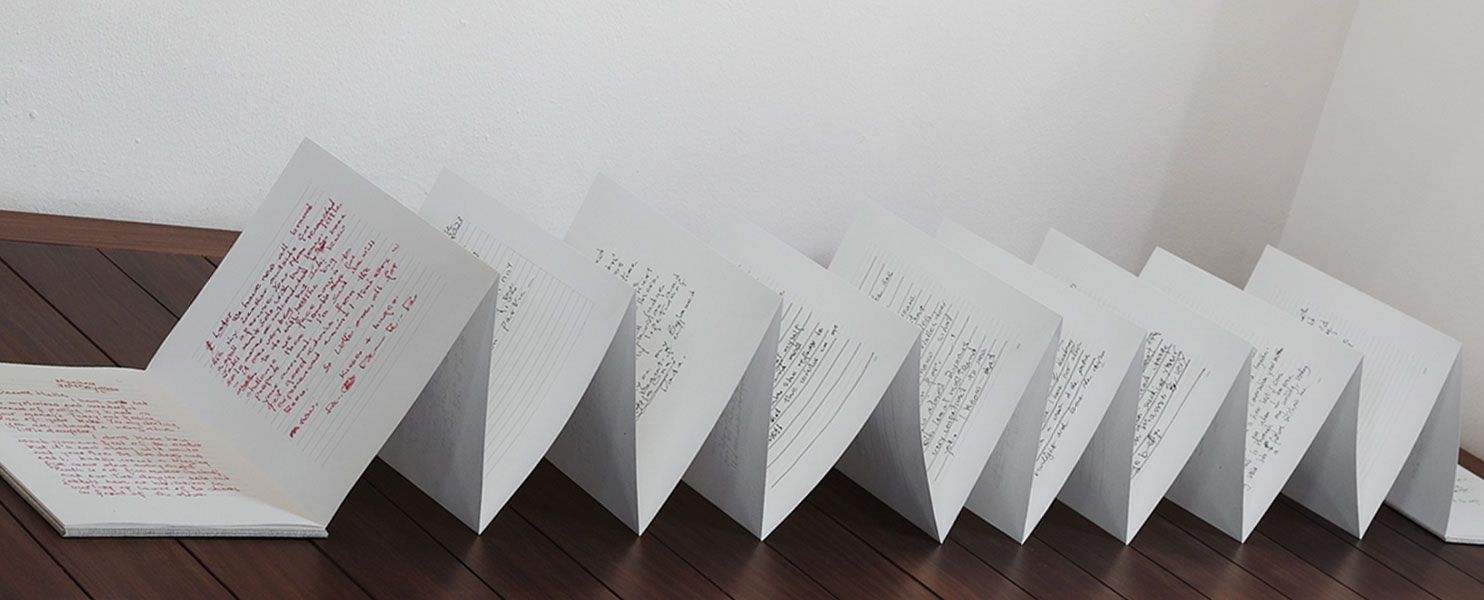
For the Decay Project, Lambrechts commissioned book artist Heléne van Aswegen to create a work using the deaccessioned paper documents from the Hidden Years Music Archive. Van Aswegen envisioned this as a collaborative community project and invited the public to help make the book over the course of several workshops. The result is Deaccessioned (2026), an artist book made in collaboration with Maryna Adshade, Alex Amman, Katrien Becker, Municha Beyers, Kira Binding, Janel Caprado, Amber Copper Escobar, Chloe Cox, Kay-Leigh de Kock, Catherine de Villiers, Nicola Deane, Nika du Plessis, Ilze du Toit, Lisa du Toit, Frandia Ferreira, Jo-Anne Friedlander, Hantie Goosen, Aerin Hart, Marilize Heyneke, Ashly Hope, Jessica Kim, Marsé Kirsten, Lizabé Lambrechts, Chanel Lombard, Katerien Loubser, Dana Mailer, Nina Maister, Barbara Miller, Jolanda Morkel, Juliana Morkel, Nicky Mullinos, Janien Müller, Nolu Nooko, Kiam Payn, Milla Pietersen, Chantal Pretorius, Reghardt Rautenbach, Dana Roeloffs, Estelle Roe, Chim Roe, Elize Rowan, Marli Rust, Annemarie Schuck, Jess Schulschenk, Eliz-Marié Schoonbee, Emma Smith, Ilana Smith, Amorette Smit, Hannah Smit, Lauren Sossman, Annemarie Schuck, Tanja Strydom, Teresa Truda, Daniel Venter, Elmie Venter, Jandré Venter, Chloe Venus, Henning van Aswegen, Francis van Aswegen, Cornelia van Heerden, Karla van der Merwe, Elna van der Merwe, Somine van der Merwe, Louisa van der Merwe, Robyn van Niekerk, Hugo van Schalkwyk, Maryke van Velden, Aimee Walton, Seoyeon Yoon, and Etiennette.
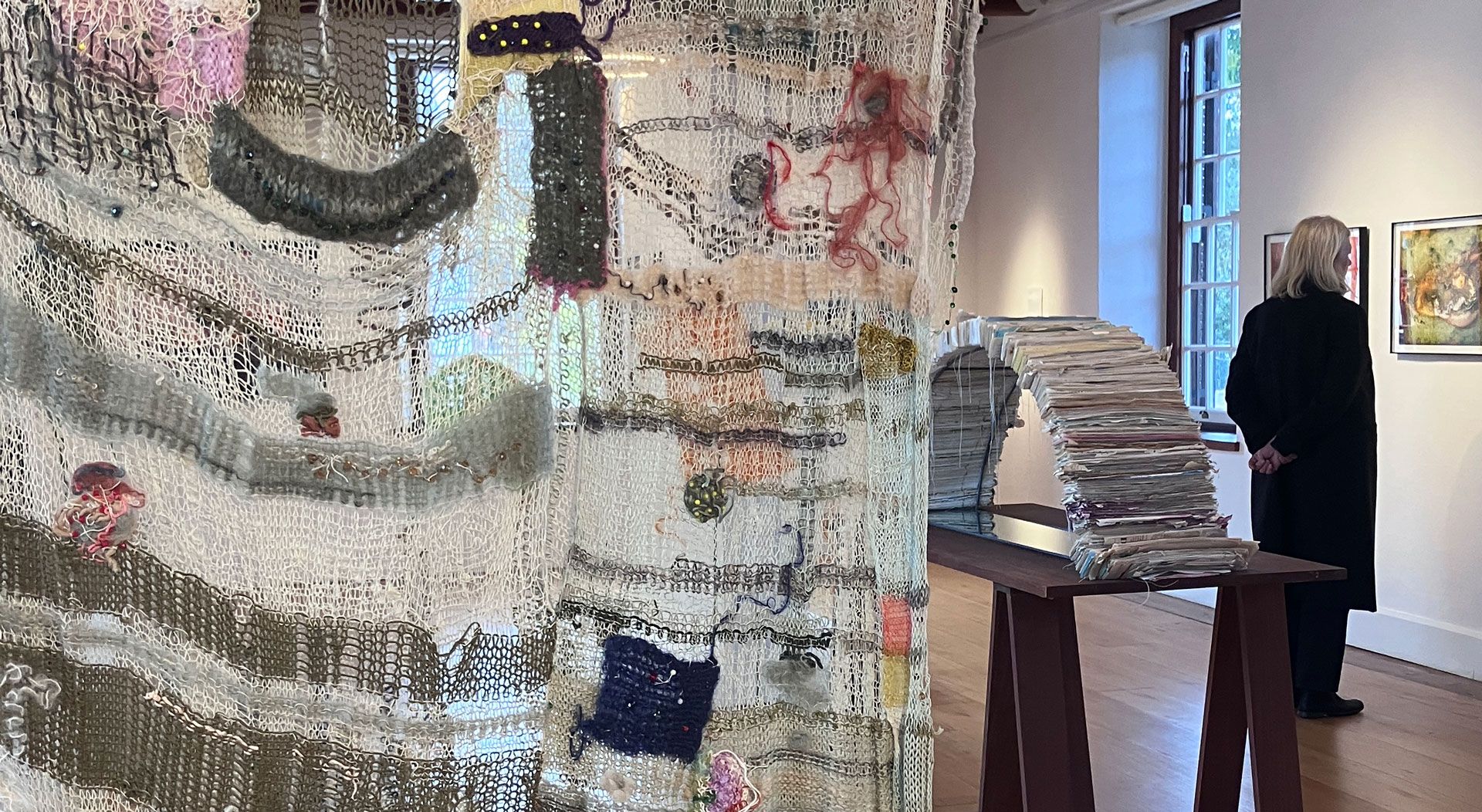
During the exhibition, the tissue used by Nelisiwe Xaba for her choreographed dance piece, vROT was exhibited. vROT was performed for two nights during the Decay Without Mourning conference on 16 and 17 April in the Adam Small Theatre in Stellenbosch. In vRot, Nelisiwe Xaba uses the concept of decay to interrogate corruption in South Africa. Combining dance, video, sound, and textile, the work offers a microscopic exploration of social decay, where processes of moulding mirror the conditions of contemporary society.
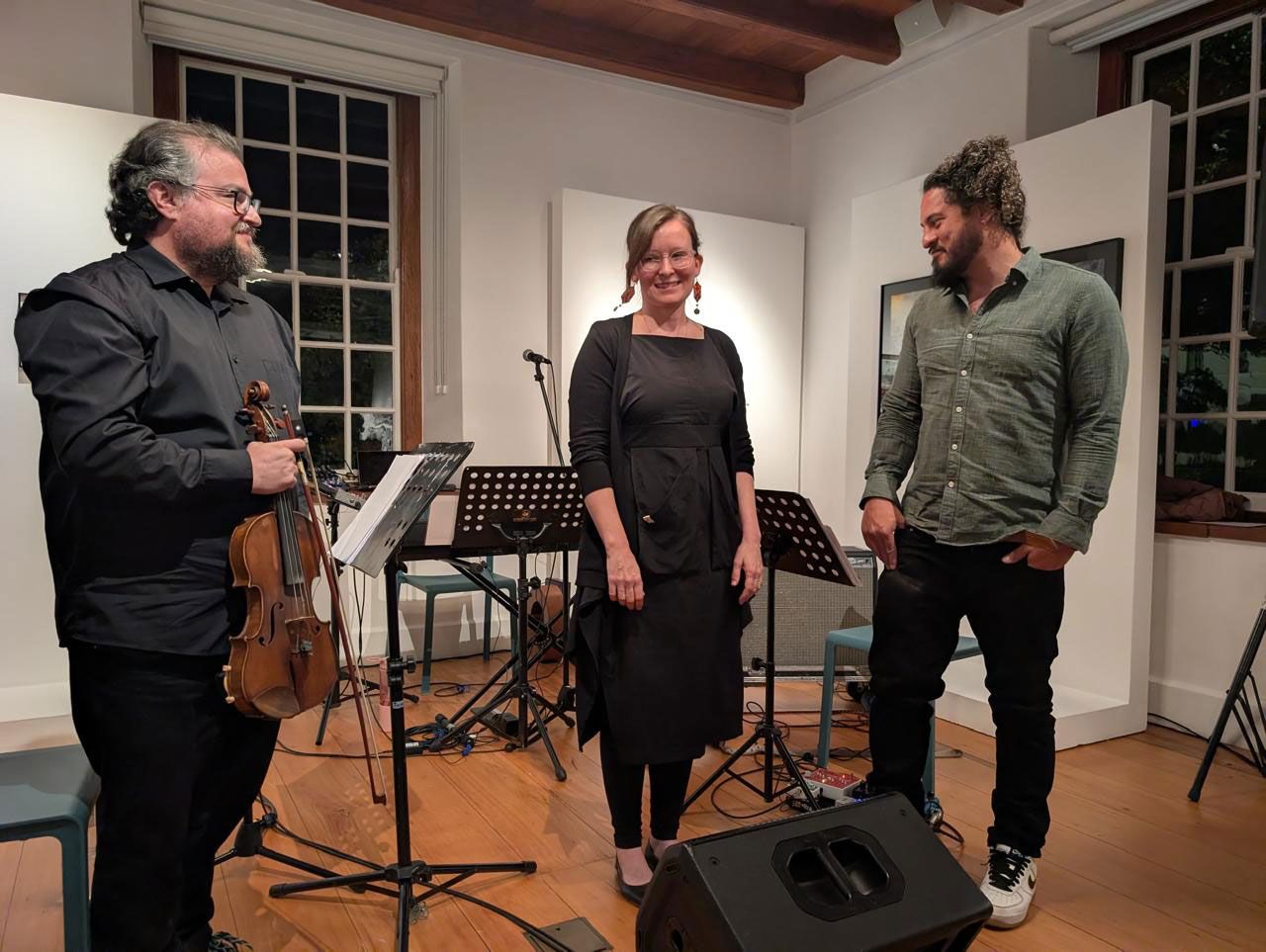
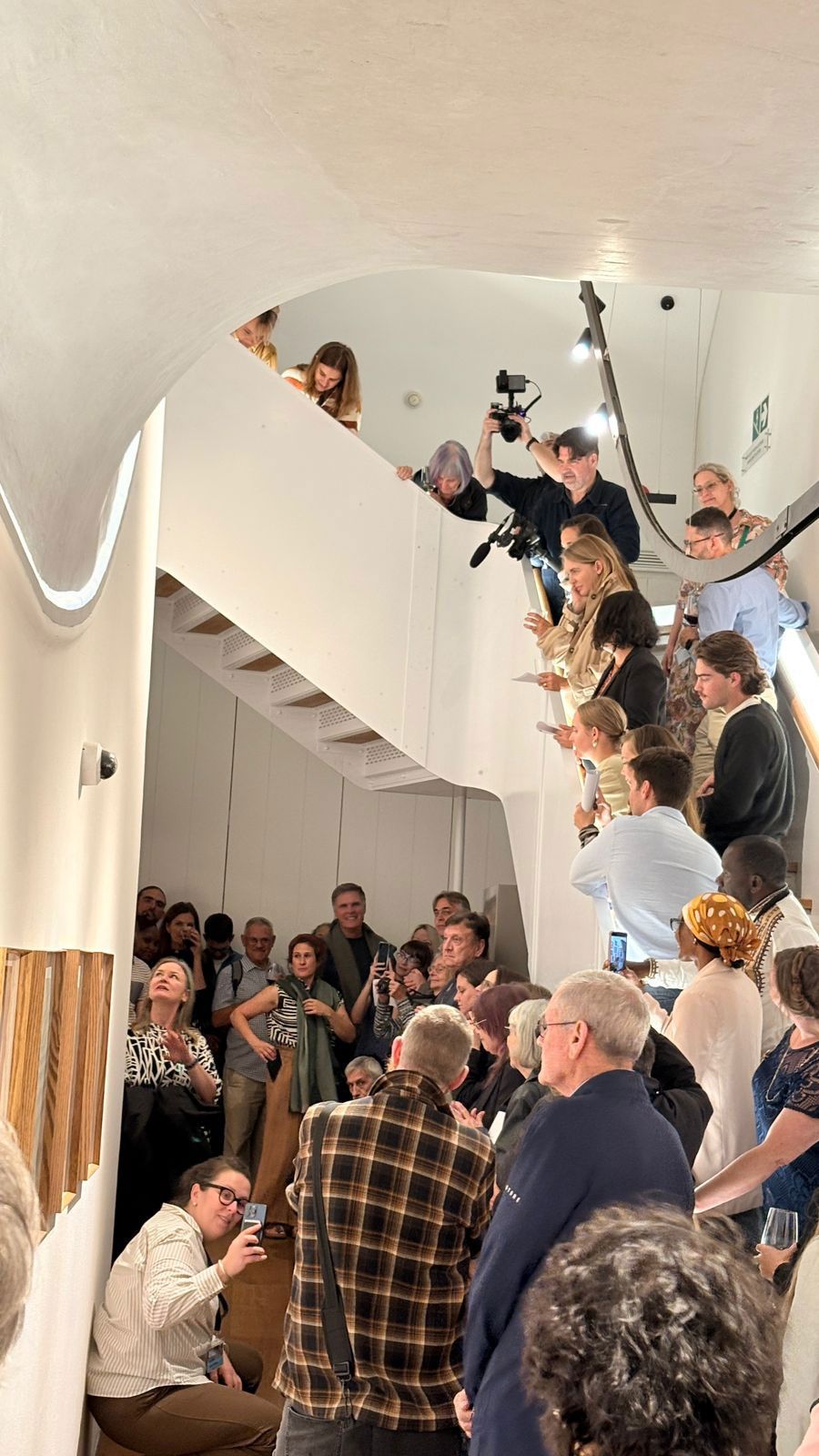
On opening night, 15 April 2026, Cara Stacey premiered her Hypha series of 7 new works commissioned for the Decay Without Mourning Project with Keenan Ahrends and Matthijs van Dijk. Read about Hypha here.
Deaccessioned
15 April – 13 June 2026
OUDE LEESKAMER
182 Dorp Street, Stellenbosch, South Africa