CARA STACEY, ADAM MIRZA & AKIVA ZAMCHECK
“Where’s Wanda?”
For the Decay Without Mourning themed edition of herri, we are pleased to share an original multimedia piece created for the Bowed Electrons Festival in Cape Town in Fall 2025.
“Where’s Wanda?” is a music and video collage in which we perform material assembled through ongoing research into the trajectory of historical musical instruments between Europe, the U.S, and South Africa. Weaving together music samples, oral histories, and archival audio and video, along with our improvisations on individually assembled acoustic-electronic instruments, we use physical decay as a creative prompt for social and artistic research.
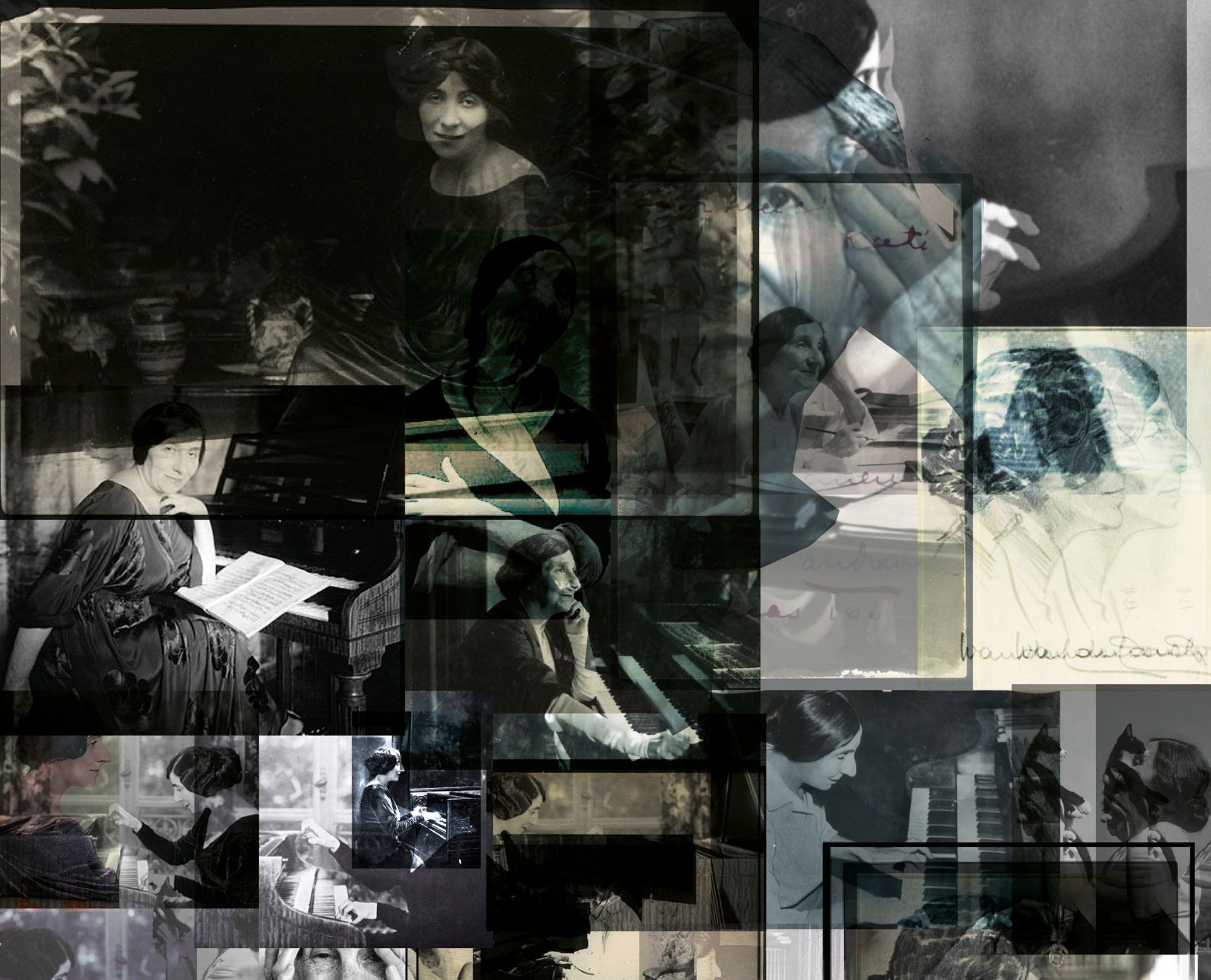
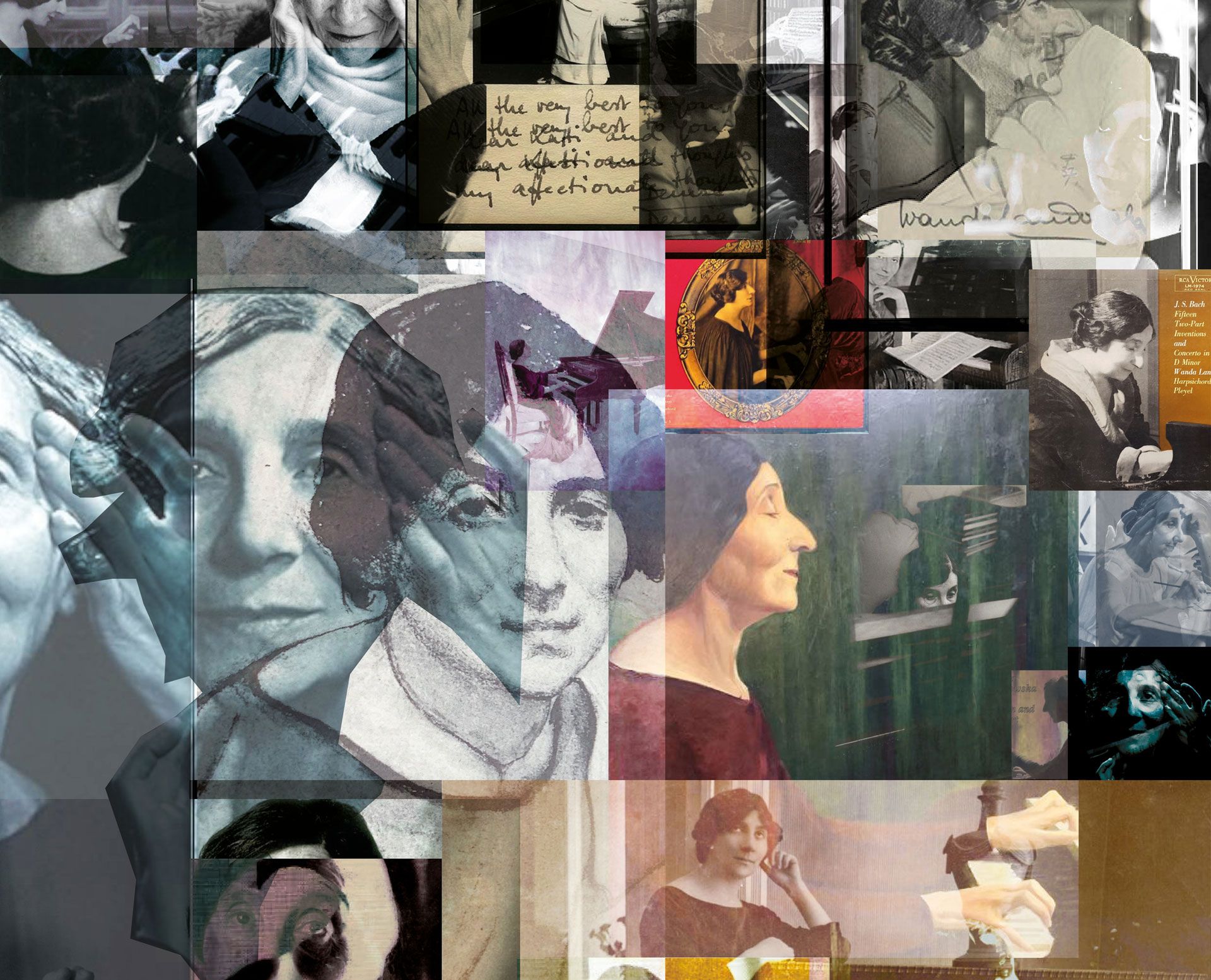
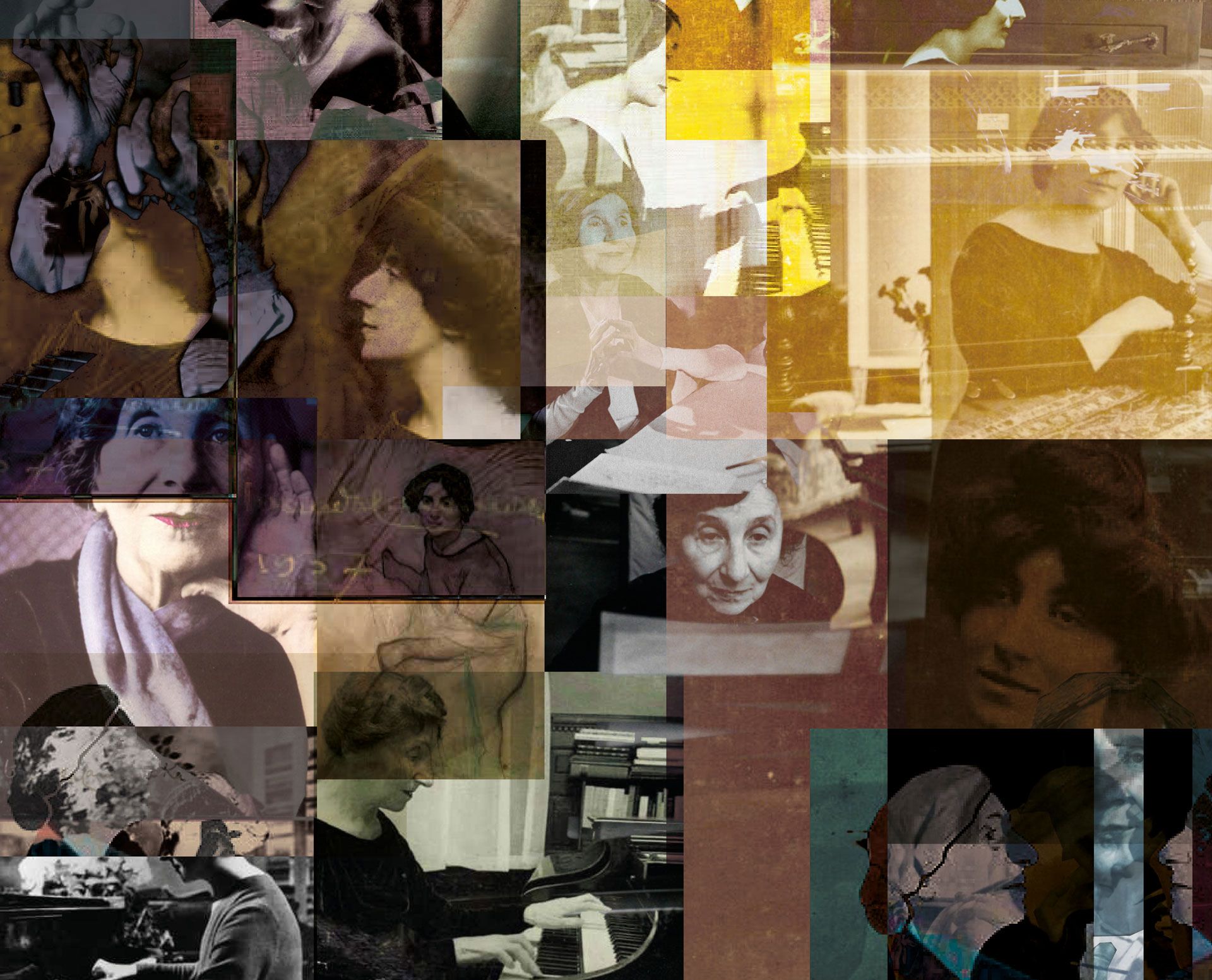
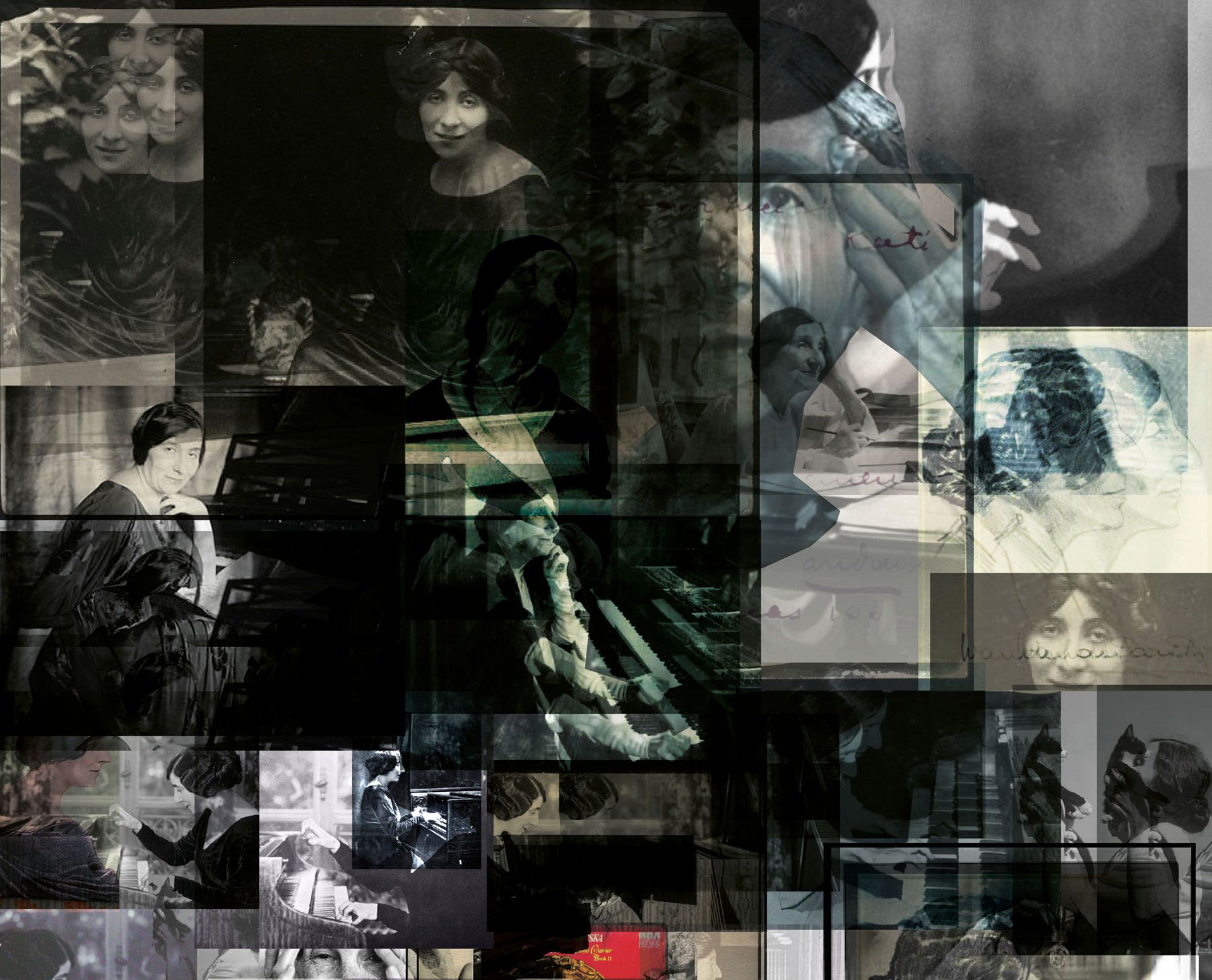
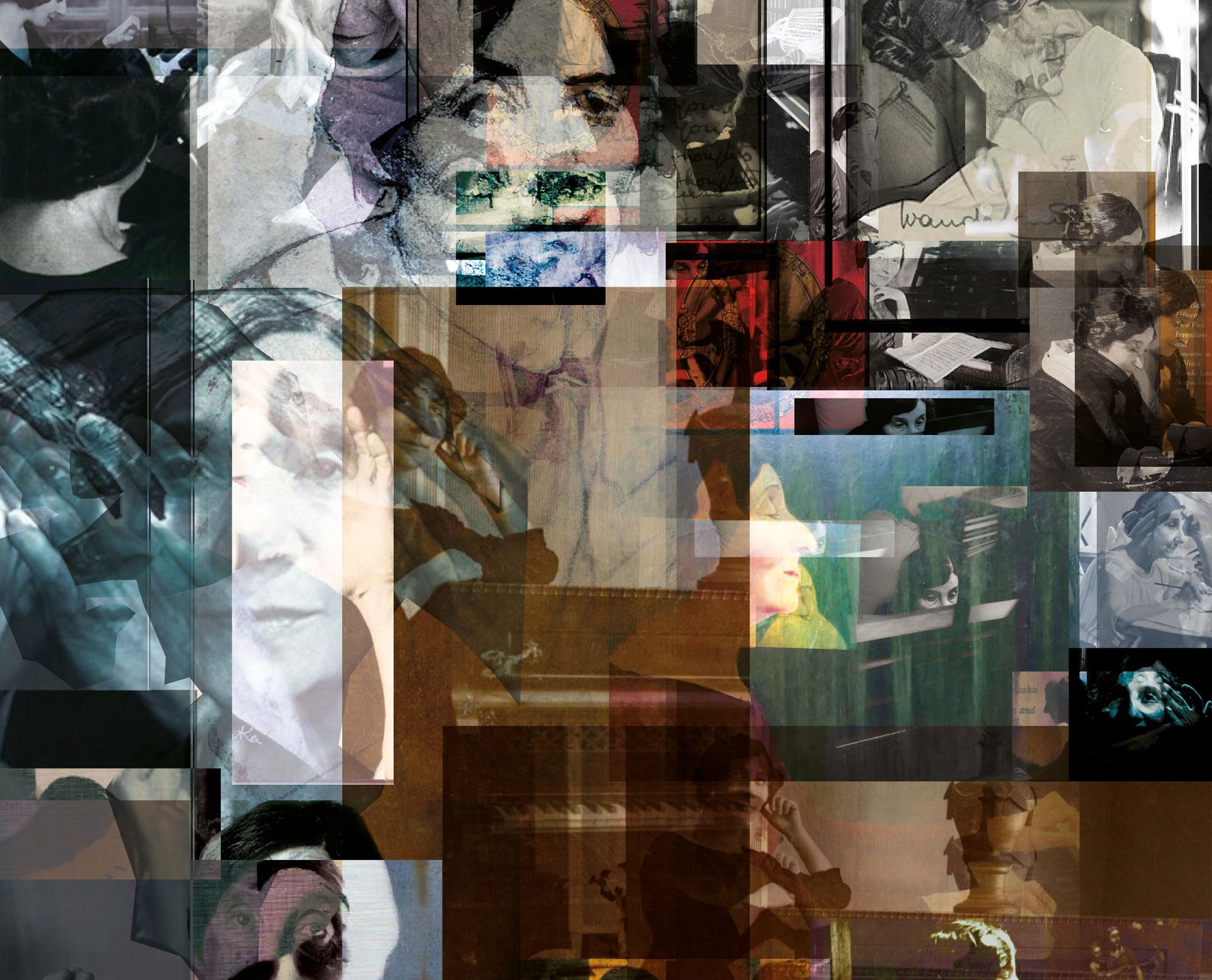
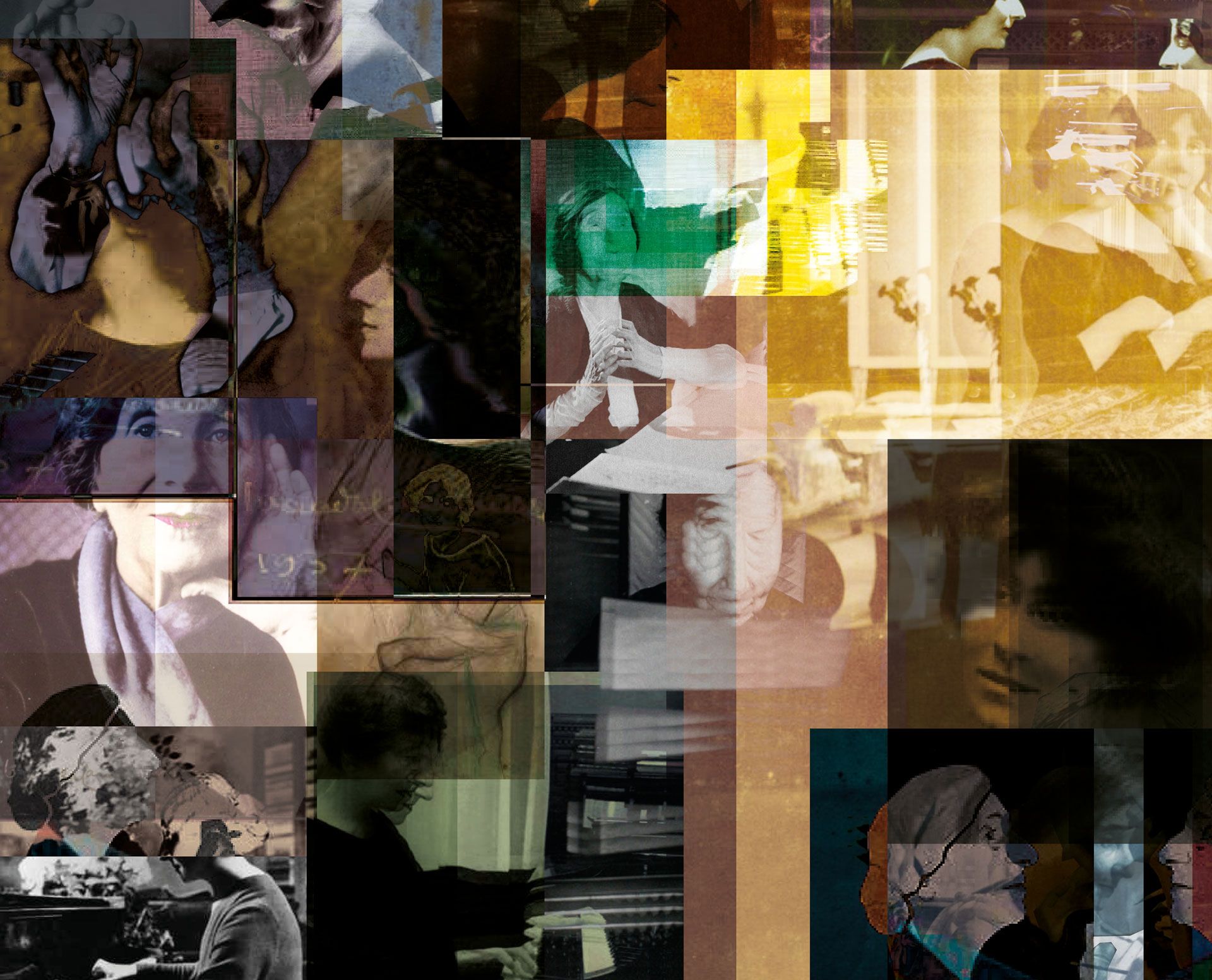
Our focus here is the Landowska Harpsichord, a 16th-century keyboard instrument housed in the Hans Adler Music Collection of historical instruments at the University of the Witwatersrand. This instrument is thought to have been a prized possession of Wanda Landowska (1879-1959), a towering performer, scholar, and recording artist who helped revitalise interest in the harpsichord in the early 20th century. The harpsichord, a plucked-string keyboard instrument central to the development of European art music, was largely replaced by the piano, a hammered-string keyboard instrument, during the 19th century. Landowska championed the older instrument’s thin timbre and quickly decaying sound as an artistic tool in comparison to the modern piano’s comparably enormous and long-lasting resonance.
The concept of resonance is often used by scholars as a metaphor for the endurance or transmission of meaning and ideas. In our work, we prioritise decay as an acoustic and cultural force in opposition to resonance. From a musical perspective, we observe that a thing which is “resonant” attains, at least for a time, a form of dominance over things which decay. Some sounds hold apparent value and others do not. Countering the allure of resonance, we use this decaying harpsichord to explore how the fading of one sound is necessary for others to be heard.
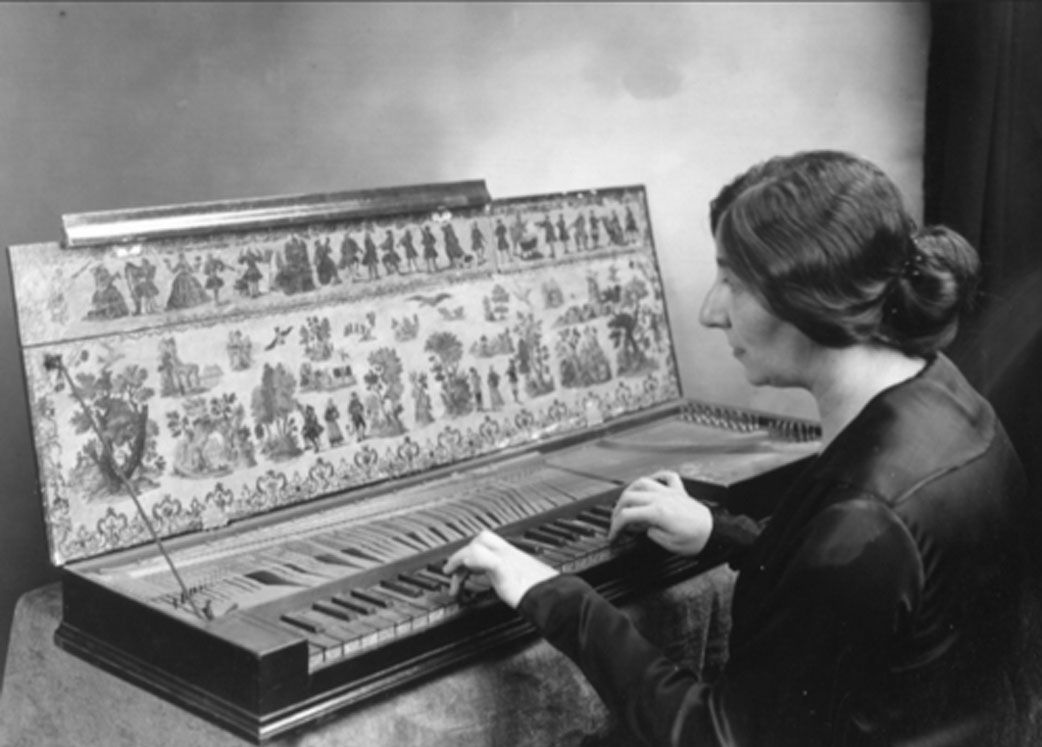
In “Where’s Wanda”, we create an abstract multimedia collage that pairs fragments of spoken text, including our voices as well as archival audio of Landowska, with the decaying sounds of the historical instrument. We “play” a virtual Landowska harpsichord assembled from our recordings of the instrument in Johannesburg. Rather than recreating an image of the instrument in a former or ideal state, we explore its musical potential as it currently is, with innumerable broken levers and strings. It now produces faint sounds, mostly pings and clangs. We employ these sounds in a new musical context to animate the contradictory narratives that emerge in our research.
The result is an exploration of a range of apartheid-era and post-apartheid encounters that characterise the changing status of this instrument from its arrival in South Africa mid-century, through its de/evolution into a decaying museum relic in a decolonialising nation. We include samples from Wanda Landowska’s own recordings, possibly made on the instrument in 1939, before Wanda fled to the U.S. and the instrument was seized by Nazis during the invasion of Paris. Finally, we improvise together using a hybrid collection of instruments and technologies, incorporating violin, synthesisers, and audio effects, along with African instruments, such as mbiras and musical bows, which became a part of this story as soon as this harpsichord was salvaged and shipped to South Africa alongside the other historical keyboard instruments in the Adler Collection at Wits.
Our process in this piece (and in our larger research project) is exploratory. We are still discovering the fuller history of this instrument and others like it, along with their relation to contemporary instrument makers and archives in South Africa. Many of the stories–including the harpsichord’s definitive provenance–remain murky, shrouded in mystery due to war, genocide, and apartheid. “Where’s Wanda?” is an attempt to combine creative multimedia performance with research into the stories surrounding instruments.