ALÉSHA BREDELL
Visual Enquiries and Idiosyncratic Selections: A Close Reading of Dust
SUMMARY
In the thesis, Visual Enquiries and Idiosyncratic Selections: A Close Reading of Dust, dust from the Ben Segal collection is investigated in order to explore what it may reveal about the idea and structure of the archive. This is achieved by looking at the physical and metaphorical manifestation of dust in the collection. The primary concern is the relationship between visibility and invisibility within the archive as it is linked to notions of ‘dust.’ The secondary focus will be to explore the attribution of significance and insignificance to dust within archival practices, in particular the Ben Segal collection from the Hidden Years Music Archive.
The Ben Segal collection, held at the Documentation Centre for Music at Stellenbosch University since 2013, forms part of the Hidden Music Years Archive. Since the late 1950s Ben Segal avidly collected material that fascinated him and, during his lifetime, the collection grew to include significant items related to South African folk music. With this history of collecting forming the background to my own enquiry, the methodological basis of this thesis is a close reading of the dust that can be found within Ben Segal’s collection. Such a process of close reading draws on both a poststructuralist framework, as well as modes of (scientific) visual analysis, as a means to investigate the meaning and function of dust in the Ben Segal archive.
INTRODUCTION
In this thesis I investigate the dust from the Ben Segal collection in order to explore what it might reveal about notions around ‘visibility’ and ‘invisibility’ within a given archival structure. This is achieved by looking at both the physical as well as conceptual/symbolical manifestation of dust in the Ben Segal collection. In addition, this study also focuses on how notions of ‘significance’ and ‘insignificance’ affect the treatment and reading of dust in the Ben Segal collection from the Hidden Years Music Archive Project (HYMAP) at DOMUS.[1]The Hidden Years Music Archive (HYMA) contains material collected by David Marks, as the owner of the 3rd Ear Music Company and Record Label. This independent record company was established by Ben Segal and Audrey Smith in 1967, and David Marks took over ownership in 1970 (Lambrechts, 2015: 139). This collection was donated to the Documentation Centre for Music (DOMUS) in November 2013. DOMUS is located in Stellenbosch, Western Cape at the University of Stellenbosch and forms part of Stellenbosch University Library and Information Service.
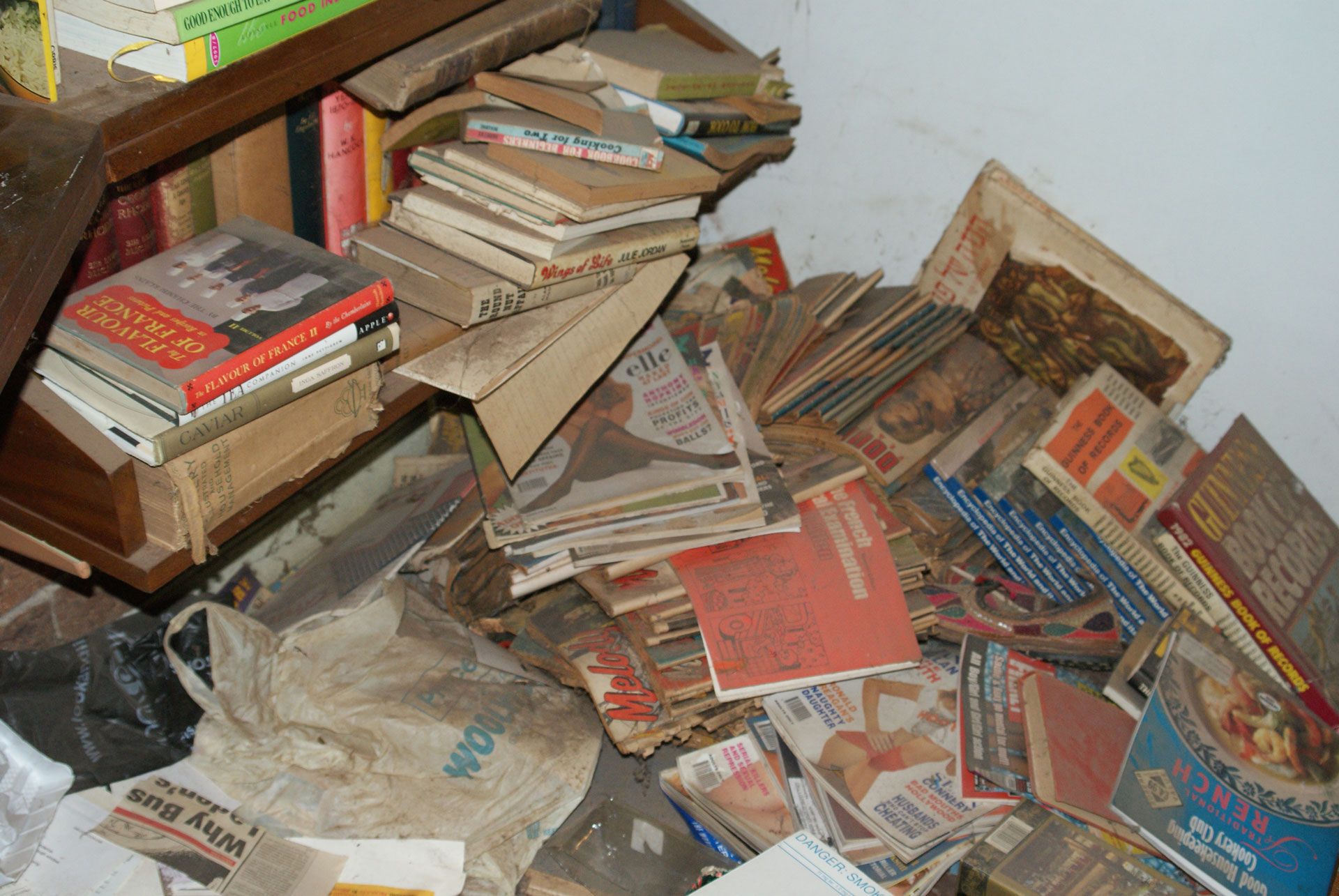
In 2013 the Ben Segal collection arrived at DOMUS, where it is currently being unpacked. Working as a volunteer for the Ben Segal collection since November 2014, my first and subsequent encounters with the archive have somehow revolved around the dust that can be found in large quantities in this collection. It is from these encounters that this study took its current shape – dust samples were collected during my weekly visits over the course of eight months, which serves as the basis of this research project. As such, this collection of dust provides the physical and conceptual material for this study. Ben Segal as catalyst for the dust, and the initial curator of this collection, is thus also a key focus of this study.
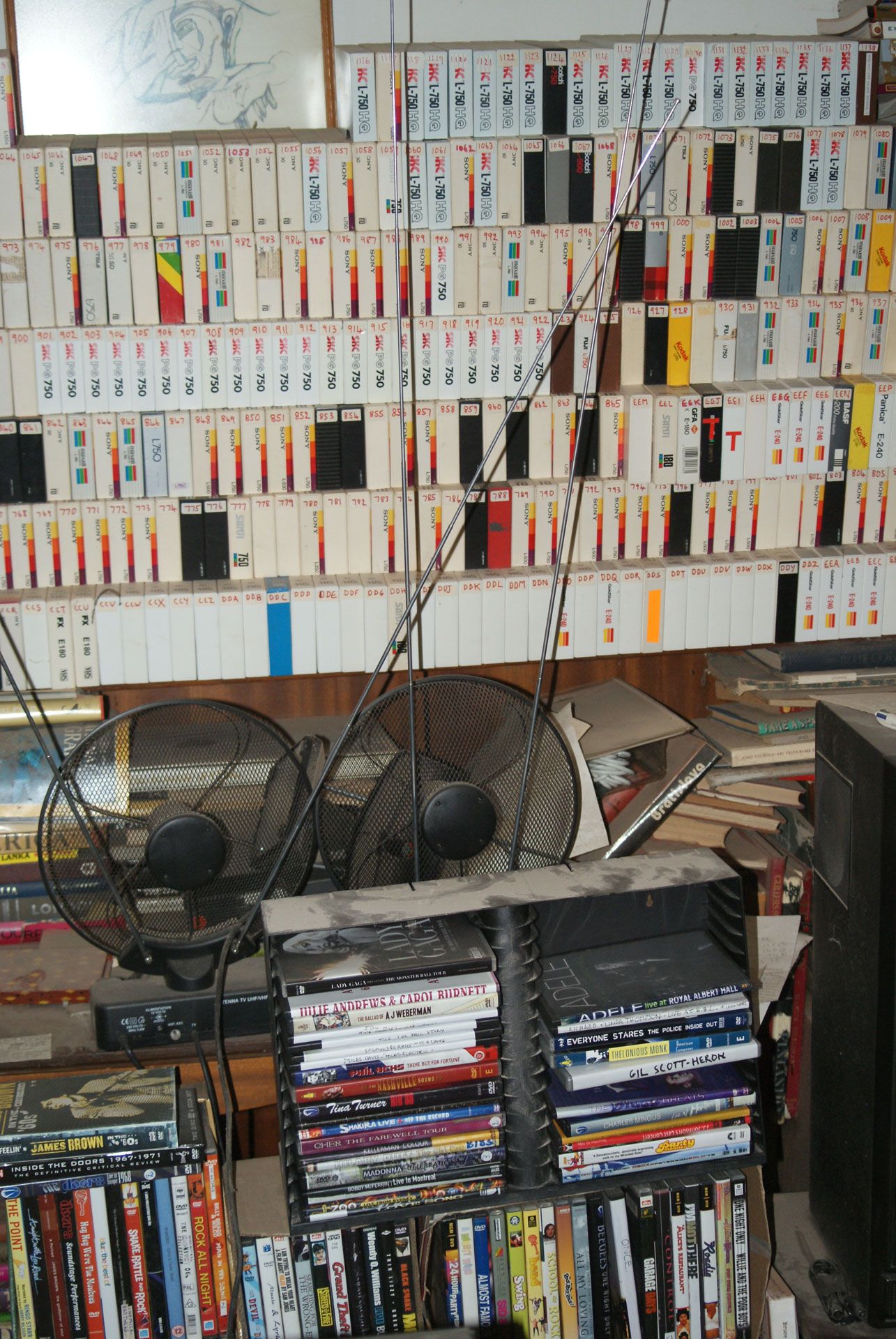
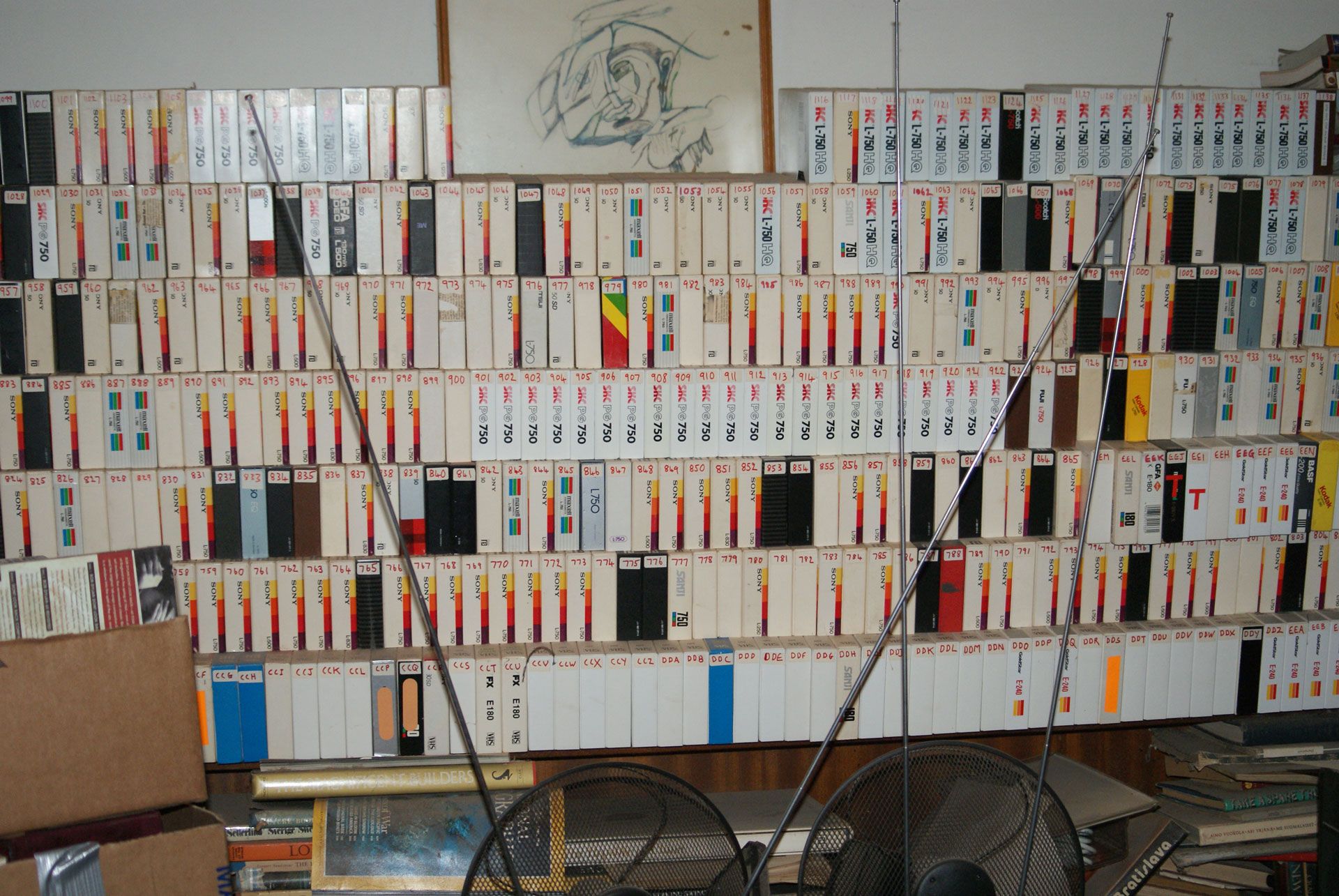
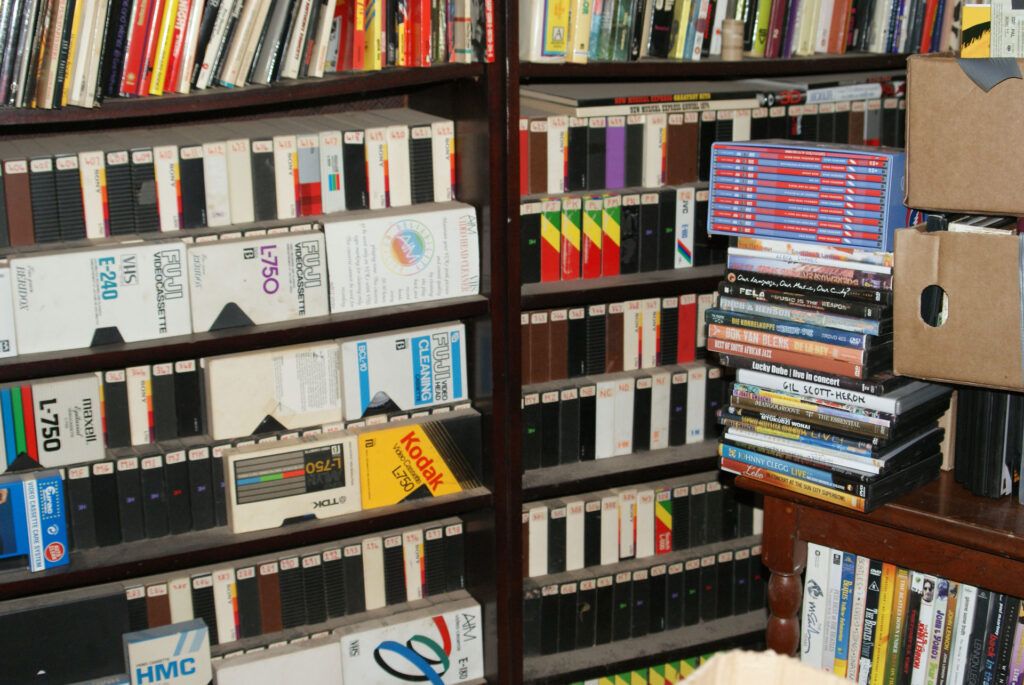
Since the late 1950s Ben Segal avidly collected material that fascinated him. During his lifetime the collection grew to include significant music material relating to the South African music scene including “books, reel-to-reel tapes, vinyls, cassette and VHS tapes, betacams, DVDs and CDs” (Lambrechts, 2015: 67). One can imagine that such a collection built over 63 years is quite extensive and, because of his knowledge of, as well as his personal participation in, the alternative music scene in Johannesburg, this collection is vast and can be considered a valuable resource for the study of music.
My own telling of the life and work of Ben Segal through the prism of dust forms but a part of the unravelling and growing story of his archive and my own study is a partial and idiosyncratic account of this archival collection. To a large degree, I am engaging in a postmodern telling of a ‘story’, as I am not necessarily interested in providing a conclusive narrative, but rather in the telling of a small, fragmented tale; in my case, that of dust. I am in agreement with David L Martin, author of the book Curious Visions of Modernity: Enchantment, Magic and the Sacred, who states in his preface that:
in writing this book I have attempted to admit and prioritize those things usually deemed ‘improper” to, or unworthy of, academic study by giving as much room as possible to the fragment, the narrative, the excursion, the fleeting glance, the sympathy, and the resonance (2011:I).
As ubiquitous as dust is (in general, and even more, it seems in my own experience, in the case of the Ben Segal archive), it has the ability to appear meaningless. Yet, it can be argued that the dust in Segal’s collection can, actually, be considered valuable when viewed in a particular (theoretical and visual) way – the reasons for this becomes clear during the course of this study. By looking at the fragments and the remnants of the archive, in this case dust, that which is often viewed as unworthy will be of prime importance for this research project.
When looking at any (physical) archive, it is worth considering that the objects that are preserved are slowly deteriorating and gradually on their way to becoming part of the larger collection of dust, as “dust is the divisibility of matter. Even the hardest materials erode and become dust” (Amato, 2000: 3).
Dust in the archive presents a major problem and the omnipresence of dust, as a result of outside factors or the deterioration of material inside an archive, poses a threat to the content of the collection.[2]Kenworth explains that the danger of dust lies in its predilection for “stain[ing] documents, making them difficult to read”, and its ability to “tear or grind the cellulose fibres by abrasive action’ (Kenworth, 1985: 34). It is well known that dust can speed up the deterioration process significantly, which is why, secondary to sorting, filing and categorising an archive’s content, dust removal is a constant on the archivist’s priority list. In the book The Conservation of Library and Archive Property, the comment is made that “books and archive material kept in certain climatic conditions can be damaged, even completely destroyed, by biological agents” (Di Franco et al., 1985: 119). Furthermore, the writers urge librarians as well as archivists to familiarise themselves with such factors in order to “detect the presence of an infection or infestation in their stocks” (Di Franco et al., 1985: 119).
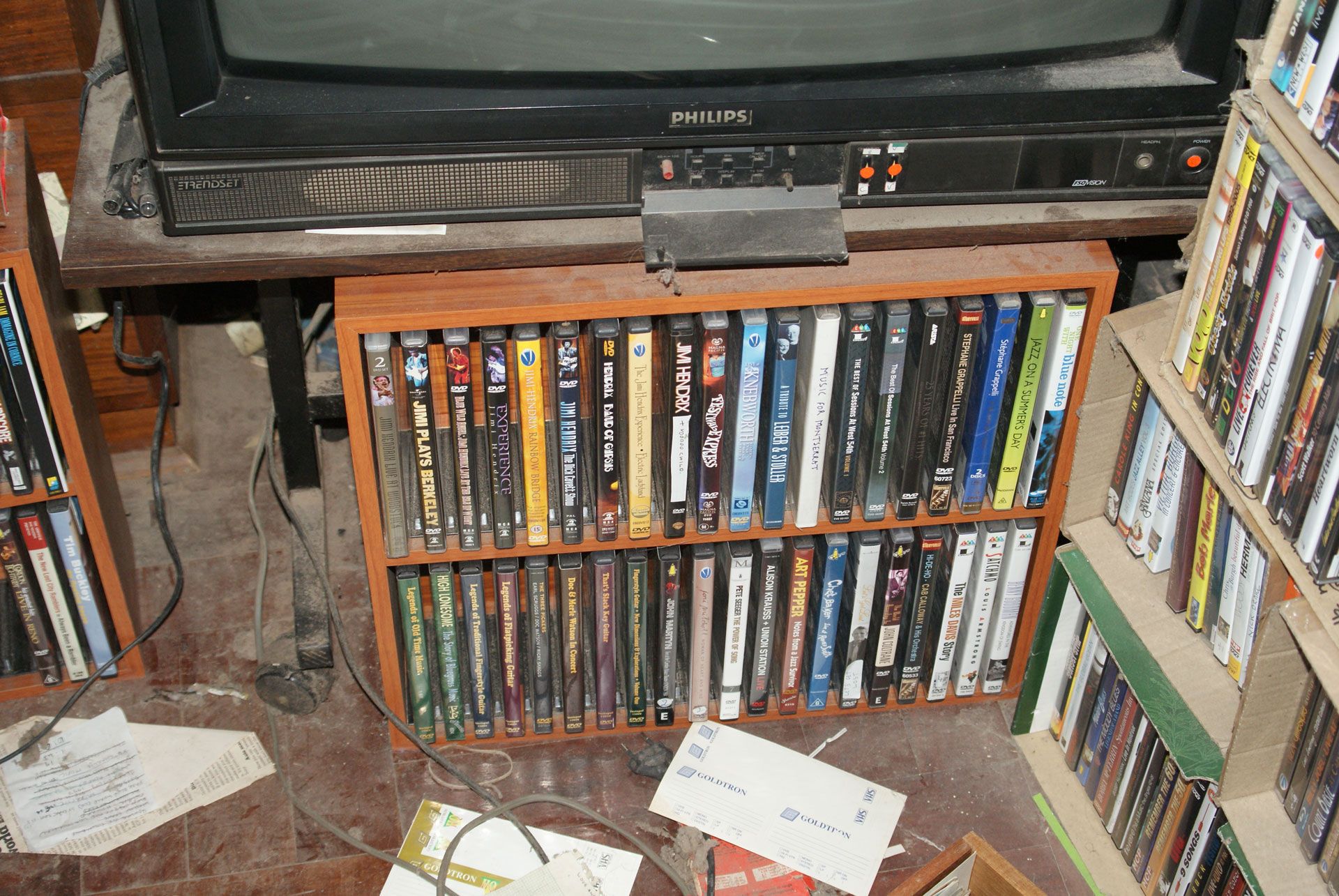
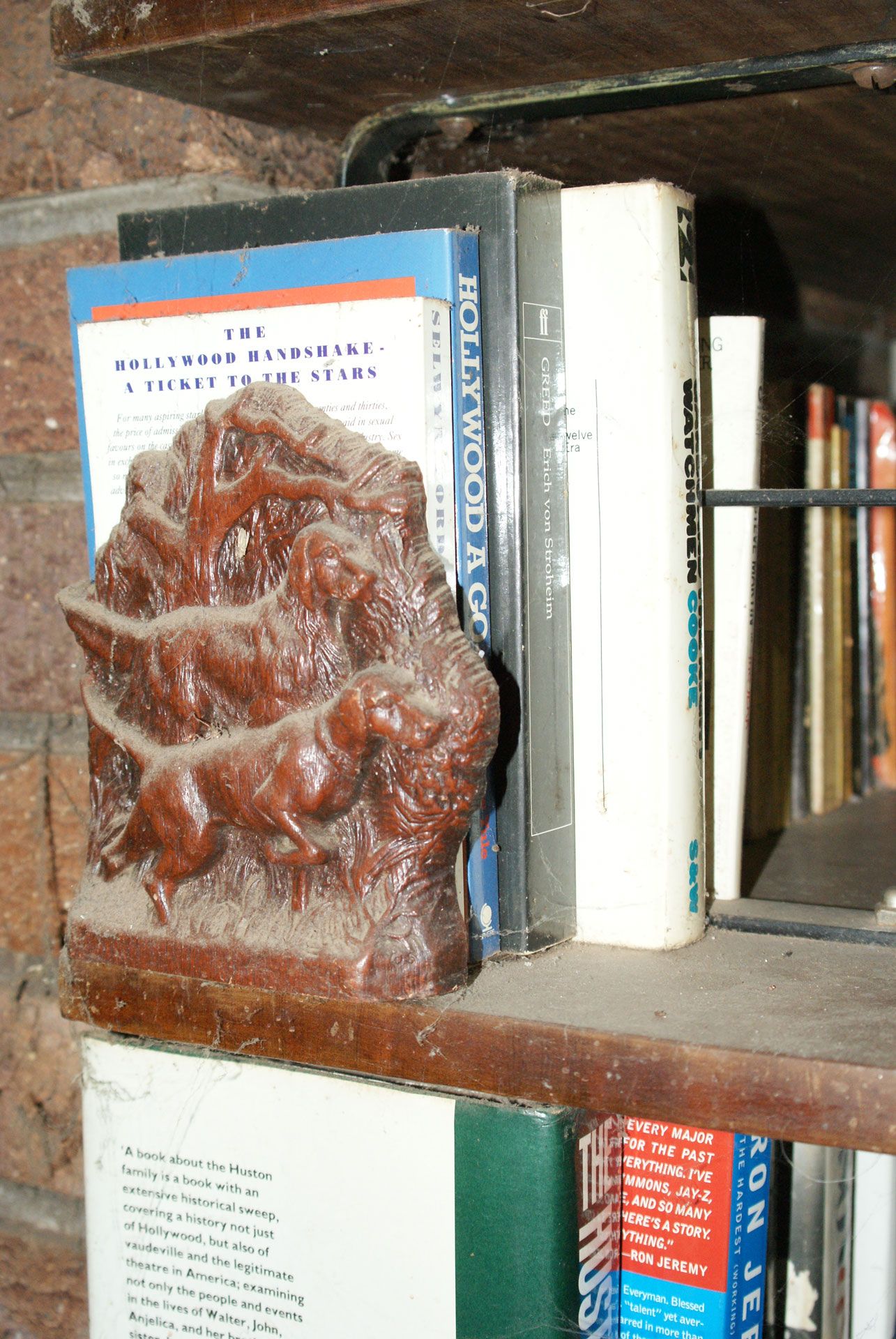
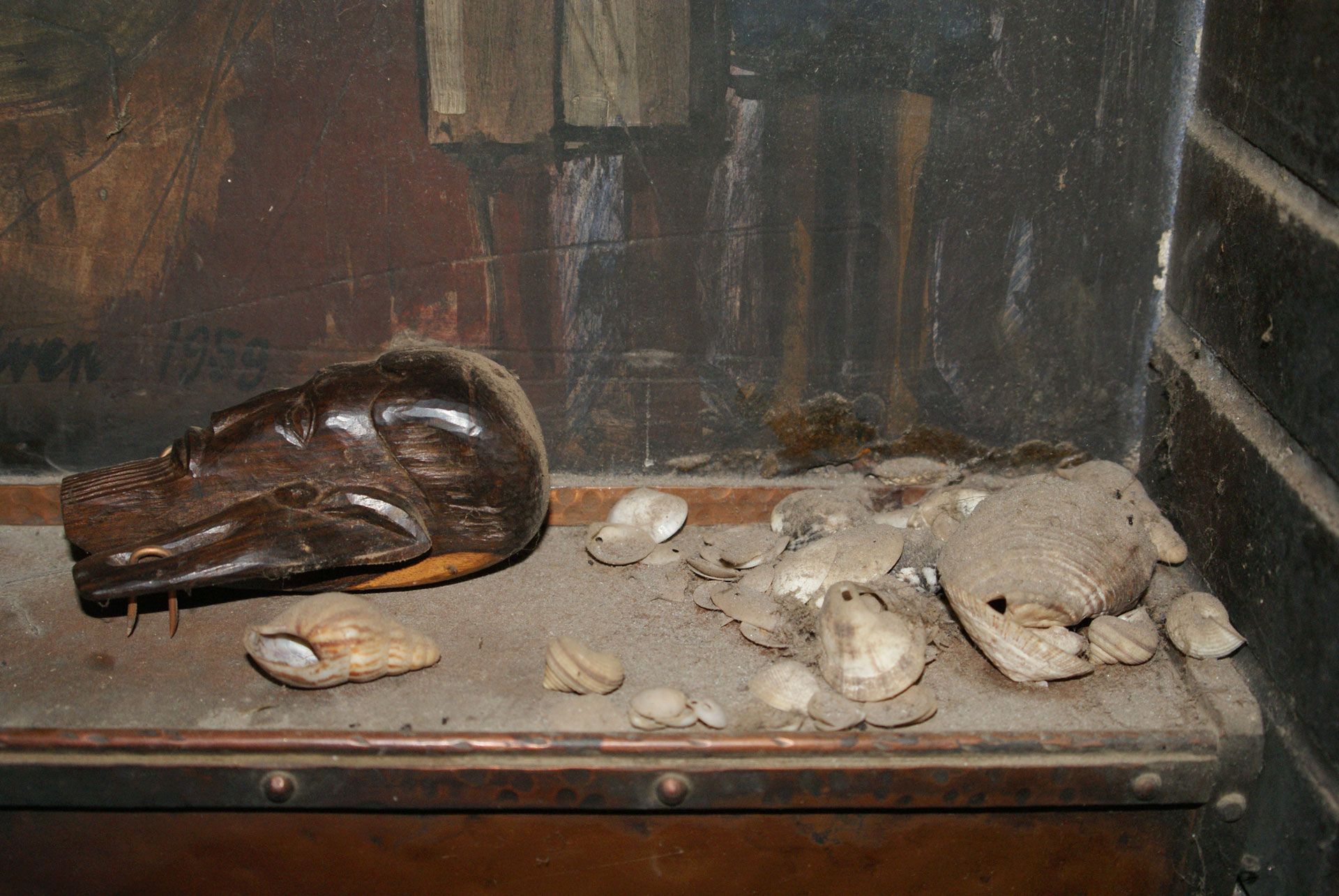
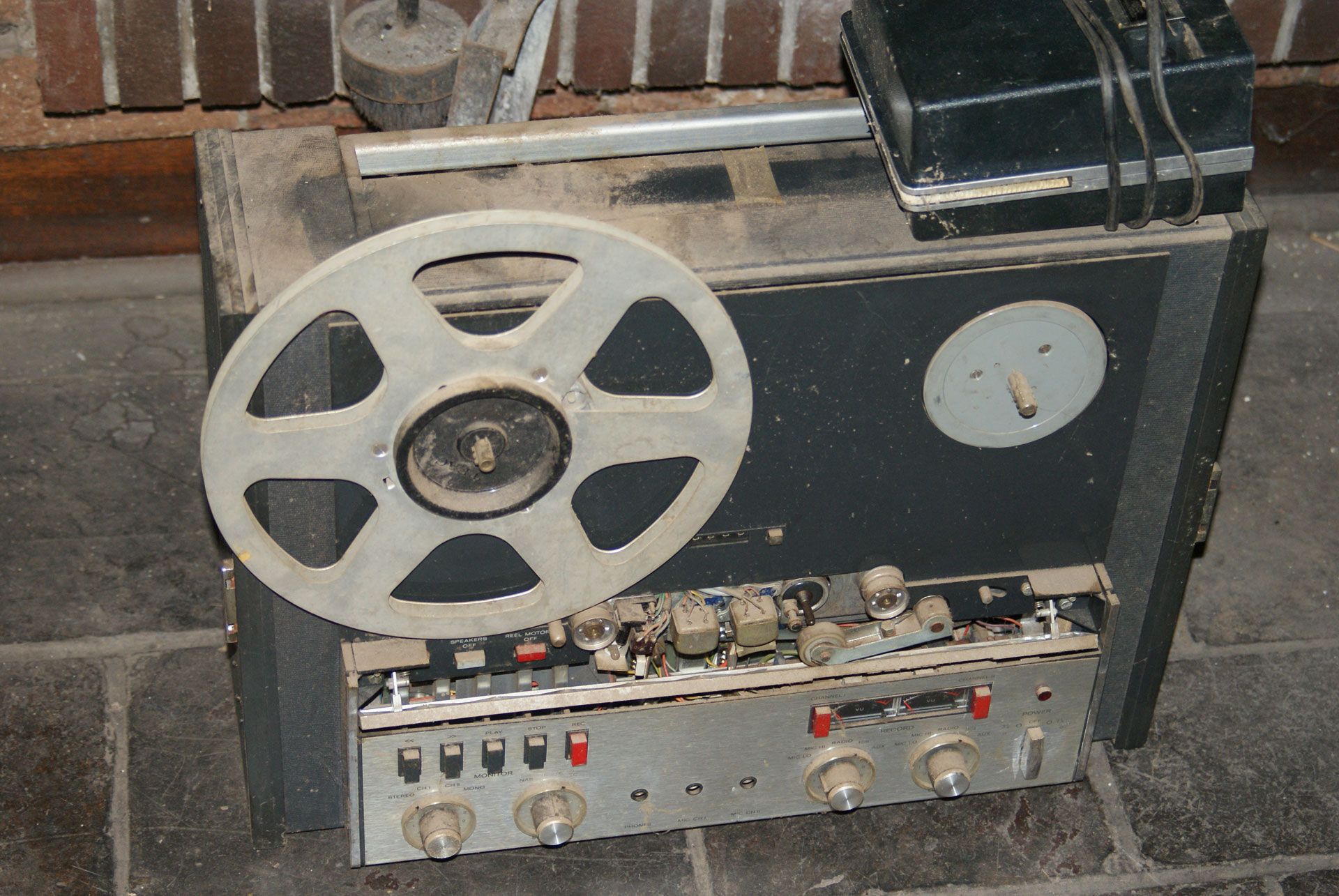
Nonetheless, in an archive where the dust is as pervasive as in the collection of Ben Segal, one can (in fact, one needs to) afford it a second look. Upon my first visit to the HYMAP archive, the dust was simultaneously overpowering and devastating.[3]It must be pointed out that the large quantity of dust in the collection is not the result of archival malpractice but of Ben Segal’s philosophy of never cleaning his collection. See Chapter Three for a more detailed discussion. Armed with simply a dust mask on my face and surgical gloves over my hands, I started unpacking boxes. The dust most certainly made a greater impression on me that day than it would probably have otherwise due to my serious allergy to dust. While unpacking, seeing as well as feeling the dust on my skin it made me aware of the fact that one can actually collect the dust.
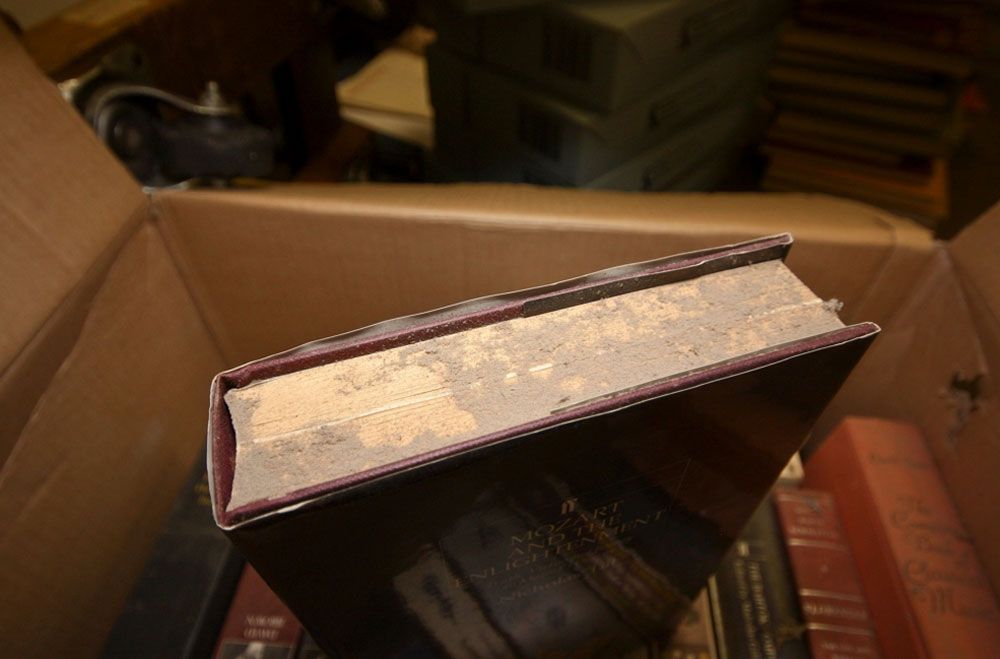
With the dust completely covering objects it was quite easy to scrape and collect samples. This idea of collecting the dust soon evolved to include the notion of analysing as well as documenting the dust. I would therefore propose that this process of collecting, analysing and documenting the dust can be viewed as a practical and creative[4]At this stage I am suggesting that this process might be a creative solution, though it might later be revealed as a necessary and even crucial solution to the problem of dust in this as well as other archives of this nature. solution to the major problem of dust in this particular archive. My fascination with the dust upon my first encounter with the archive led to my interest in both Ben Segal as human subject, as well as his own role in (unsuspectingly) creating his dust-infused collection.
Lizabé Lambrechts writes in the article “The house where history ended up: Packing up the Ben Segal archive” that the Ben Segal collection is one of “significance and importance to South African Folk Music studies” (2015: 1). One of the many possible reasons for this collection’s significance and importance is that Ben Segal’s house “became an iconic place for many South African singers/songwriters during the 1960s to the 1980s” (Lambrechts, 2015: 8). Lambrechts elaborates on this by adding that:
in a country where the stories of the majority of South Africans have not been deemed worthwhile to preserve by the institutional archive, careful consideration should be given any potential archive … This material can serve as important connection points to unlock the histories of these musicians – many of which remain untold and hidden in the depths of archives such as these (2015: 22).
I believe that my investigation, documentation and analysis of the dust in this archive (which is arguably the most insignificant aspect of this collection) are responses to the challenge posed in Lambrechts’s article by taking this archival project into the creative domain. Just like the stories of those South African musicians that have remained hidden until today, with Ben Segal recording and sharing their voices, so too the dust is often overlooked and invisible. My aim with this study is to bring the dust, Ben Segal’s life work and possible other invisibilities into the realm of the visible.
UNPACKING THE ARCHIVE
In the following section Ben Segal as creator of the collection and catalyst for the dust will be discussed in detail. Fragments of Ben’s life, as told by friends and family, will form a partial narrative revealing different aspects of both Ben Segal and his collection. Dust and the rhizomatic potential of collections will be considered as a novel and idiosyncratic approach to archiving.
Uncovering the Hidden Through Biographical Narrative: Revealing Ben
John Randolph writes in Archive Stories: Facts, Fictions and the Writing of History that archives are not only places or mental maps, but that they are also objects, “or more precisely collections of objects, possessed of a physical nature that is crucial to everything archives make possible” (Burton, 2005: 209). Our readings of archives are therefore also greatly influenced by and based on that which we encounter physically. Biography then, writes Randolph, “suggests itself as a productive metaphor for thinking about the physical history of an archive and its relationship to lived experiences, including our own” (Burton, 2005: 210). Archives are “also the subjects of history”, as much as the objects found within them, with both archives and objects leading social lives, of sorts (Burton, 2005: 210).
My own reading of the unravelling ‘story’ of the archive and life of Ben Segal is focused on the stories that arise from the dust that can be found in his collection.
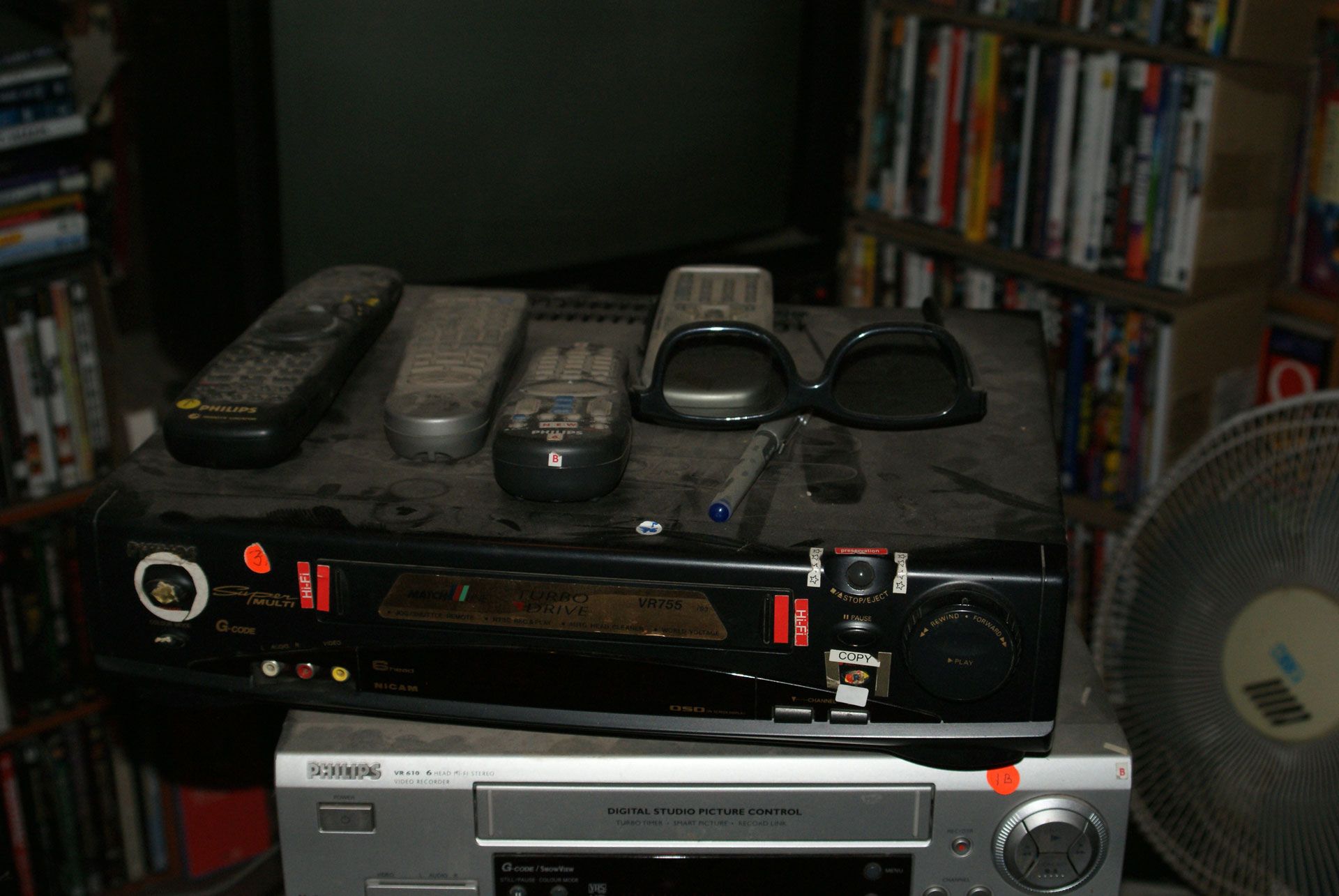
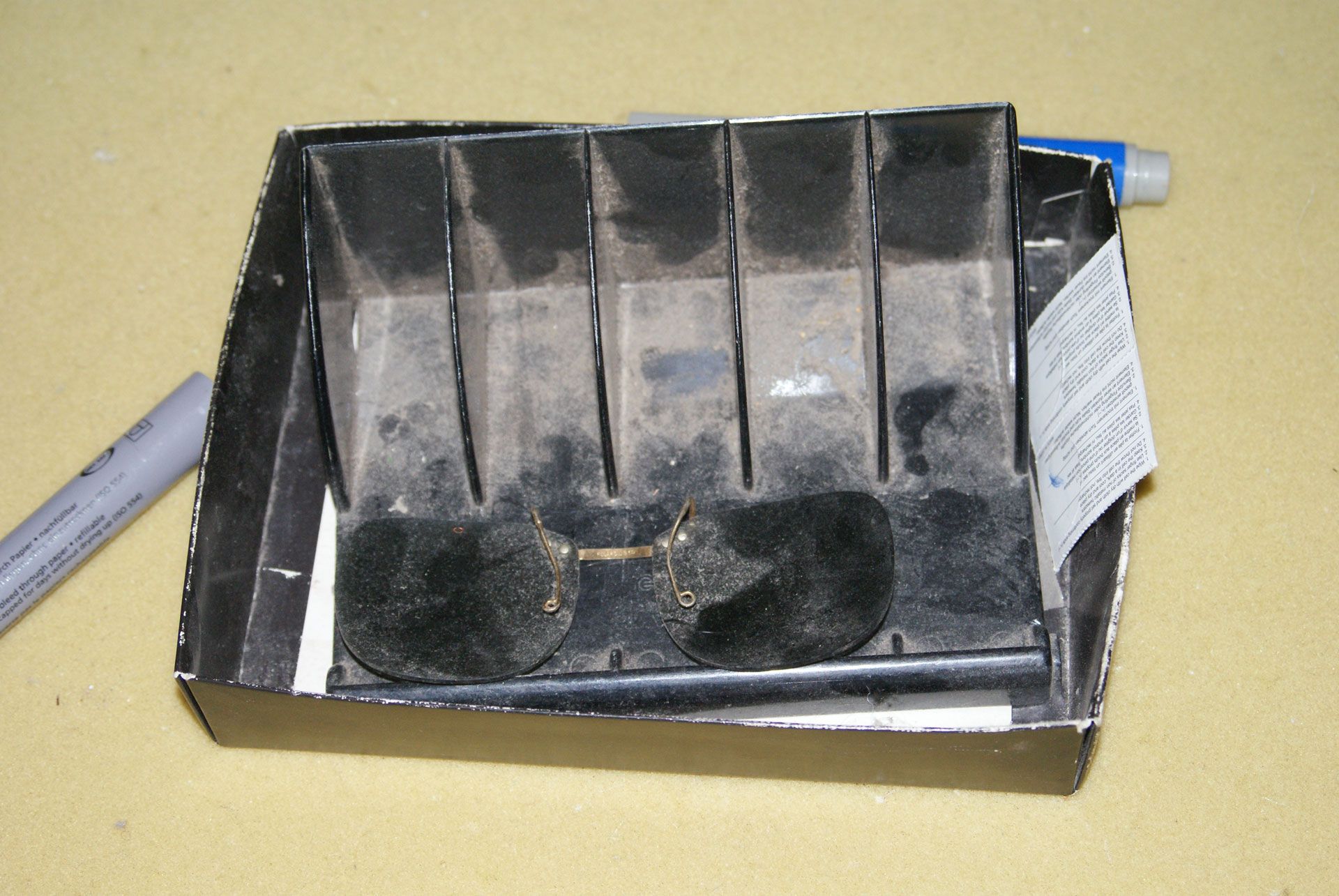
As Jean-Paul Sartre concluded in his book La Nausée, the writing of the life of another person is an impossibility and that it is “‘pure imagination’, emanating from the biographer, and bearing no resemblance to the supposed subject” (France & St Clair, 2002: 1). Imagination is thus also required in the writing on the Ben Segal archive, as my view of the archive is partial. At the same time, working in the Ben Segal collection and discovering more about his life has made me relentlessly curious to investigate further and to know more. Opening a box and finding the glasses he used to wear, or holding a dust-covered book in my hands that his mother wrote, lead me to ask more questions to friends and family. For me, the stories of Ben Segal as told by family and friends have made the archive and collection come alive, and in so doing helped to make Ben Segal more visible.
Heather L. LaMarre and Kristen D. Landreville in an article, “When is Fiction as Good as Fact?” (2009), compares the perceived relationship between fact and fiction by arguing that a given audience:
may approach all narratives with an initial credulity and truthfulness unless otherwise prompted to question the narrative’s realism … This is because it takes more mental effort to critically evaluate and disbelieve information than it does to accept it (LaMarre & Landreville, 2009: 552).
In the context of my own study, such a complex relationship can perhaps be seen in the way that both the imagination and fiction weave an intricate narrative in the Ben Segal collection, and that the documents of ‘fact’ and ‘truth’ cannot tell an entire story. For example, Kenneth Segal’s response to my question as to whether his father might have read all (or most) of the books in the collection, was that his impression was that his father did indeed read everything and added that “he read no fiction, he wanted to know the world. He wanted recordings of Arctic winds. He wasn’t interested in fiction at all in any form” (K Segal, Personal Interview, 2 July 2015). Yet I have found and seen plenty of commercial items and novels in the collection, taking the countless comic books as an example.
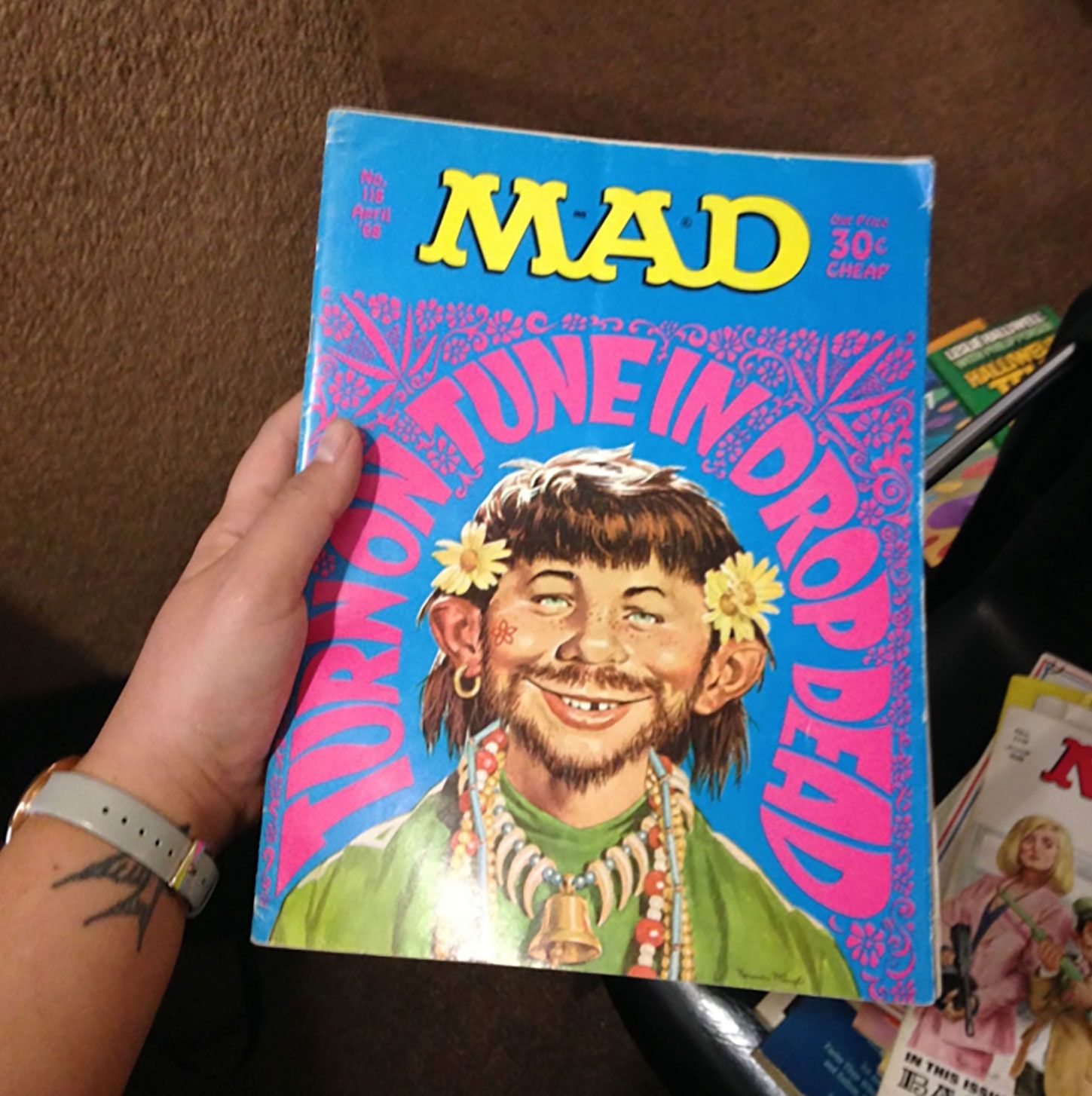
Here, the archive seems to speak against another account of a given life, and Segal’s collection points towards conflicting views about how his life was lived, as well as the meaning and use of his archival collection.
The difficulty in the conveying of a ‘truthful’ account of a life lies not only with the researcher or archivist, but also with
biographers [who] frequently perceive their task in a different light than do the gatekeepers of biographical sources upon which they must rely. The gatekeeper has in mind a pleasing portrait, the biographer looks for possibly unflattering social and psychological processes. One feels responsibility to the subject, the other considers mainly the subject’s responsibility to the world. The gap becomes a dilemma if the gatekeeper holds nearly all the available information on the subject (Perkins 2012: 169).
Even though Perkins writes about biographers in the above quote, archivists and the way in which they influence the archive fulfil a similar role; archivists can be considered the biographers of the archive, to some degree. In the context of my study, the gatekeepers of information and sources are not only the interviewees (the people who help to frame and understand an archival collection), but also various other structures that help (or hinder) the unfolding story of a given life. This can be seen in the actual format of the Ben Segal archive – a structure of more or less 13 tons that exists at a formative stage during which it is being packed out and sorted. This archival structure/organism is scattered, residing in various locations as storage space is not readily available, making it impossible for an archivist/scholar to obtain a comprehensive overview of the archive. Hypothetically, I have access to the entire collection, yet my practical grasp of the content is limited due to the actual physical size of the collection and the disparate locations of its holdings. For this reason, the biographer’s dilemma that Perkins mentions is similar to that of the archivist in the context of the Segal collection. I have to trust others to assist me with the reconstruction of Ben Segal’s life and the content of the archive, and I am thus in a position where I have to ask questions around the validity and usefulness of the stories and memories of others. At the same time, the very presence of dust within this archive also provides another perspective on his life. Through the investigation of dust, new and different ways of perceiving the collection are also obtained, as hidden stories and clusters of information can be found in the dust itself.
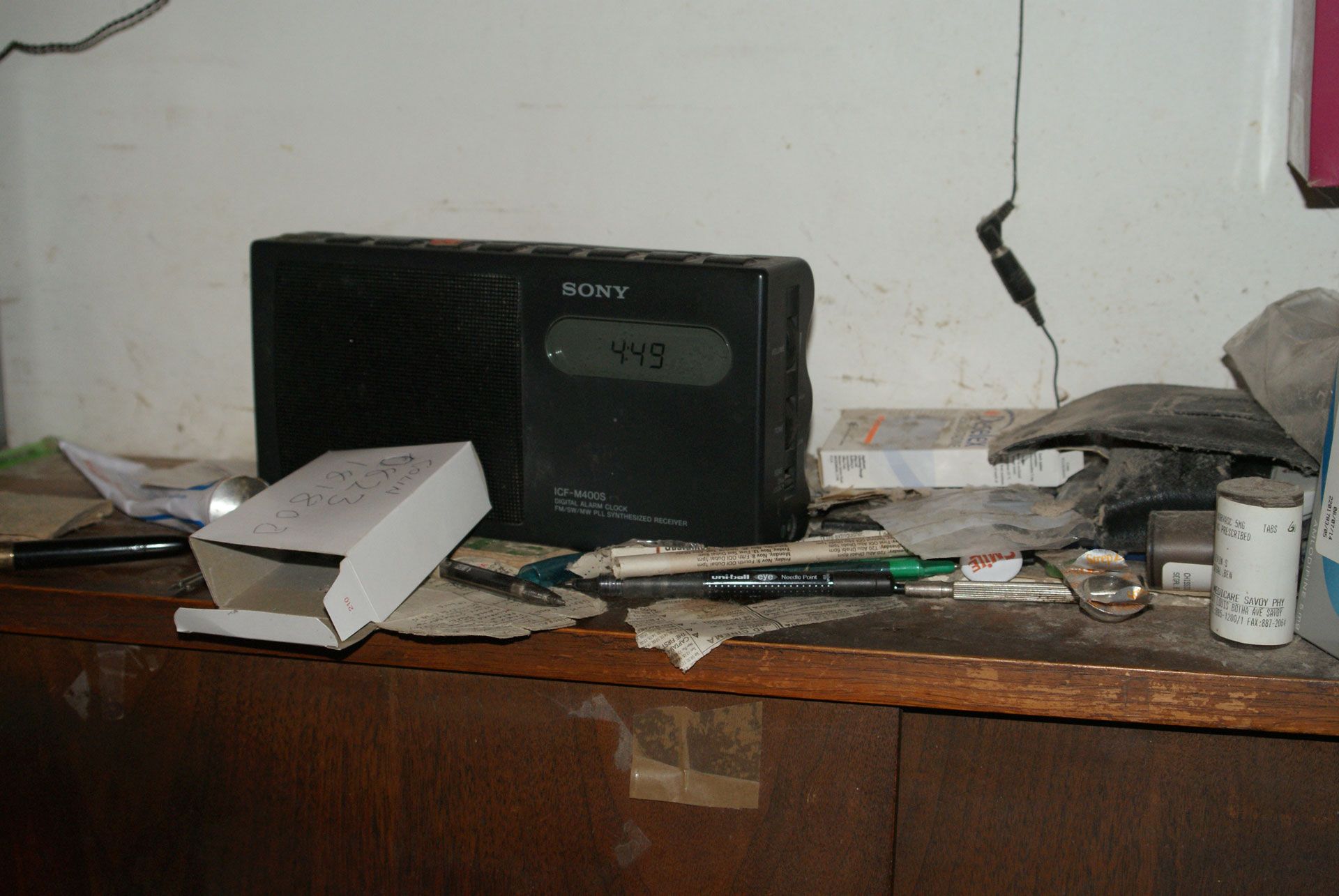
Such a view on the different narratives that frame a given life necessitates an understanding of how biography functions within the local context – that is, how a life is recounted. In recent years, the South African publishing industry has experienced a noticeable surge in biographical as well as autobiographical publications (Perkins, 2012: 55). At the same time, scholarly biographical writings on musicians and other artists are still lacking (Perkins, 2012: 55). Here, the function of the Ben Segal collection, filled (amongst other things) with recordings of musicians who have as yet not been heard by many, has the possibility of supplying important information that addresses a noticeable gap in the local knowledge economy. Similarly, my own writing attempts to speak to this lack and, even though I am not writing a biography on Ben Segal per se, this study adds, to some degree, to a better understanding of his life.
Within the South African context, such a view of telling the life of another person offers the promise of “throwing new light on a range of different historical periods and problems” as it brings “individuals and groups who had previously been ignored into the framework of historical analysis” (Caine, 2010: 1). As Barbara Caine notes, “it is not the light shed on the lives of powerful individuals which is most important, but rather what can be learnt from the lives of less-exalted and ordinary people” (2010: 1). The purpose of exploring seemingly insignificant lives, but also insignificant objects, such as dust, “thus offers an important addition to the understanding of general developments by providing a way of accessing subjective understanding and experience” (Caine, 2010: 1). The focus on dust might have a similar effect, insofar as:
the lives of individuals … become significant because of what they show about the worlds in which they lived and their capacity to reveal facets of that world which are not available in other ways (Caine, 2010:2).
Such a process of focusing on a given life is also important in the local context. As Mark Gevisser argues, “I find myself going back to it [apartheid South African memories] because it forces me to remember something I must never allow myself to forget” (Gevisser, 2014: 21). The voices, music recorded and objects collected by Ben Segal play a similar function, as their preservation, as well as the study of such objects in their minute detail, fights obliteration and oblivion through the act of remembrance.
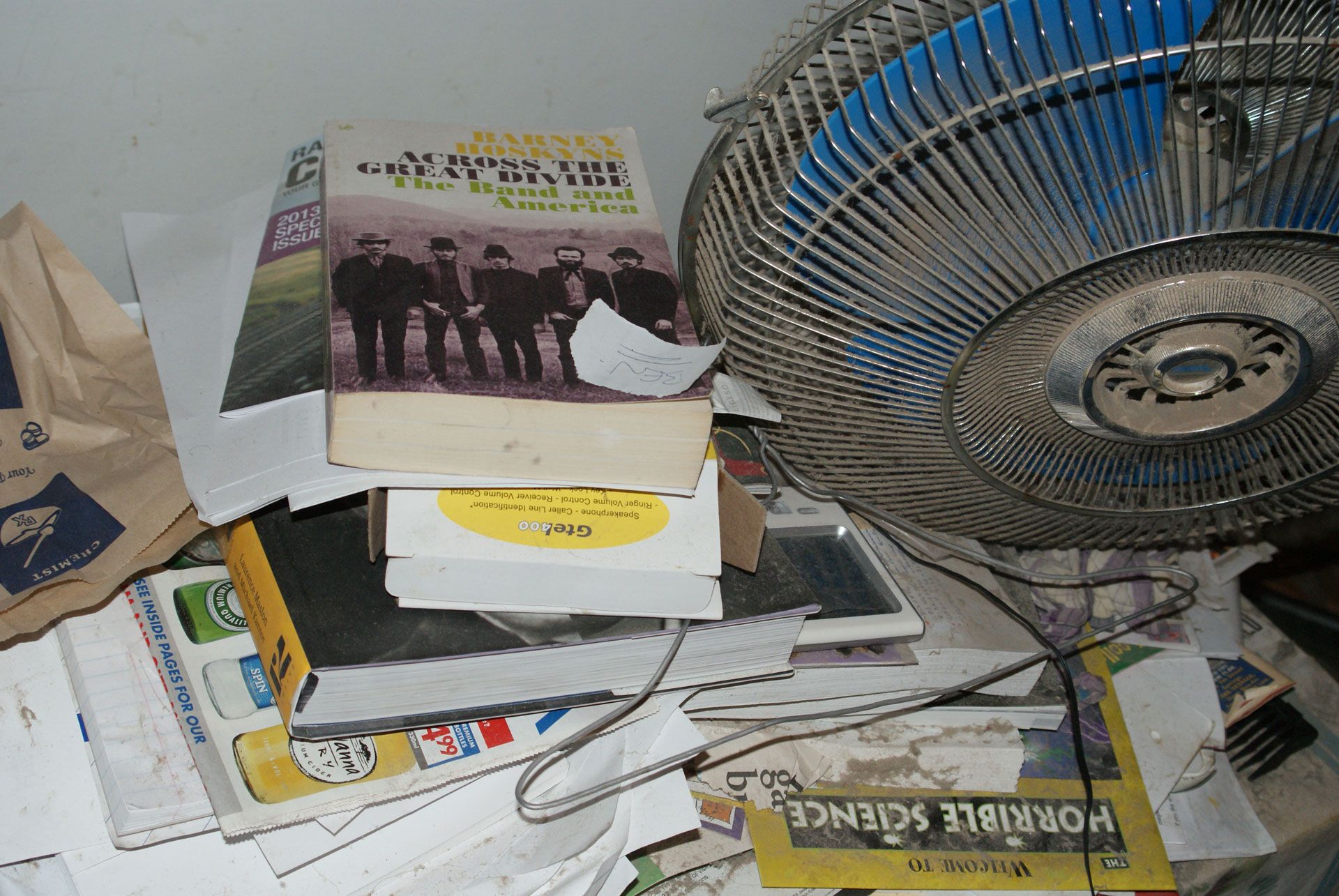
Fragments of Ben Segal
Ben Segal as catalyst, collector and original archivist, as well as the actual collection that he created, cannot be viewed in isolation. I came to ‘know’ and be intrigued by Ben Segal through the objects as well as the dust in the archive. As soon as I started unpacking the boxes I started to create an idea of Ben in my mind, an imaginary Ben if you will. I soon started to imagine what he might have looked like, what his voice sounded like, all of which was inaccessible to me upon my first encounter with the archive.
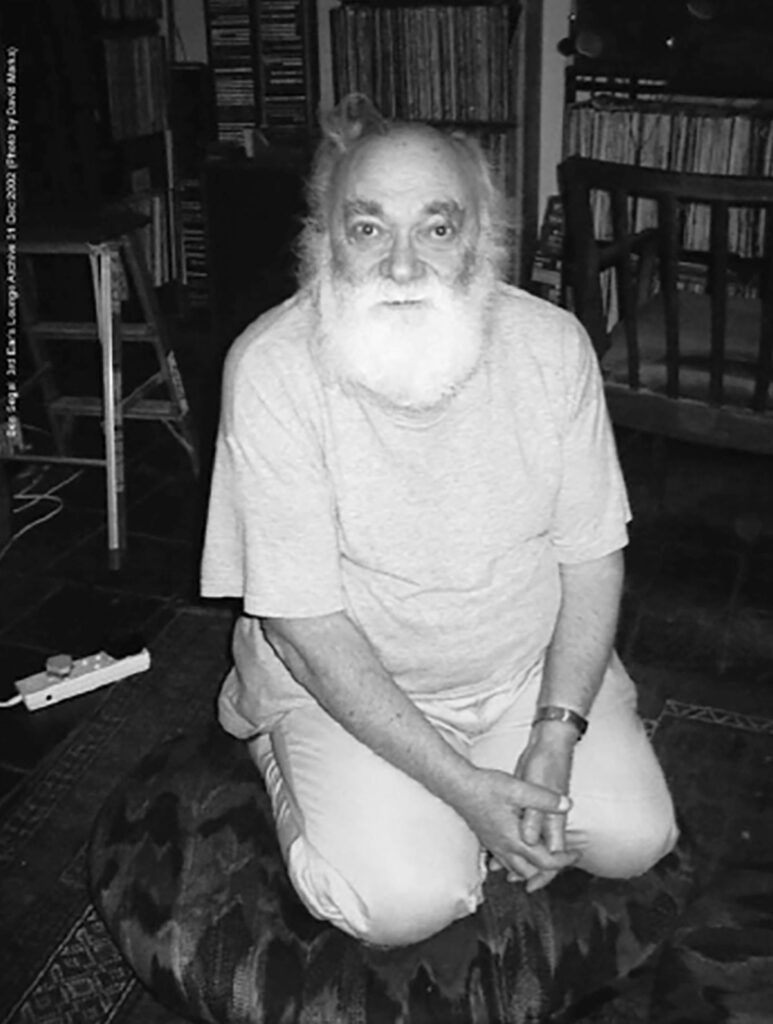
When I finally saw a photograph of Ben in the article Lizabé Lambrechts wrote, “The house where history ended up: packing up the Ben Segal Collection”, I was surprised; he did not look anything like I had imagined. This goes for much of what I uncovered about his life – each encounter with the archive or stories about Ben Segal stimulated my curiosity. Even though much has been uncovered, there is still much more that remains inaccessible, both in reality and in the imaginary.
David Marks (2015), Ben Segal’s close friend and business partner, explains how, with apartheid’s restrictive laws in mind, they “went about doing what [they did] … producing events with all South African musicians, recording, collecting and sharing”.[5]David Marks was “more involved in the live music events and productions – Ben tended to stay at home mainly, to record and collect stuff – and what I did was be as open and as inclusive as I could be. I would invite ‘the perceived enemy’ to all our events (SABC, Afrikaans media, students etc.)” (David Marks, personal interview, 8 December 2015). He goes further to say that by being excluded from the mainstream music scene at the time was perhaps “a blessing in disguise” as it allowed them to “focus, broadly, covering every known social aspect connected to music” (David Marks, personal interview, 8 December 2015). Through this they “crossed all colours, classes, codes and cultures throughout the country and Southern Africa – perhaps more by ‘mistake’ than design” (David Marks, personal interview, 8 December 2015). As Marks recalls, “Ben was worried about the Security Police aspect – but we ignored it”, yet one cannot entirely ignore the impact of apartheid on the life of Ben Segal (David Marks, personal interview, 8 December 2015), and, as a result, on his archive.
Benjamin Segal, a second-generation Polish Jew, was born on the 3rd of October 1930 and died on the 2nd of November 2013. Segal’s mother, Taibe Segal was the daughter of a prominent rabbi in Vilnius[6]During the first two and a half decades of the twentieth century huge changes took place in the city known by Russians and Jews as Vilna, by Poles as Wilno, and by Lithuanians as Vilnius (Weeks, 2004). and fell in love with and married the son of a carpenter, Ruben Segal (Kenneth Segal, personal interview, 2 July 2015).
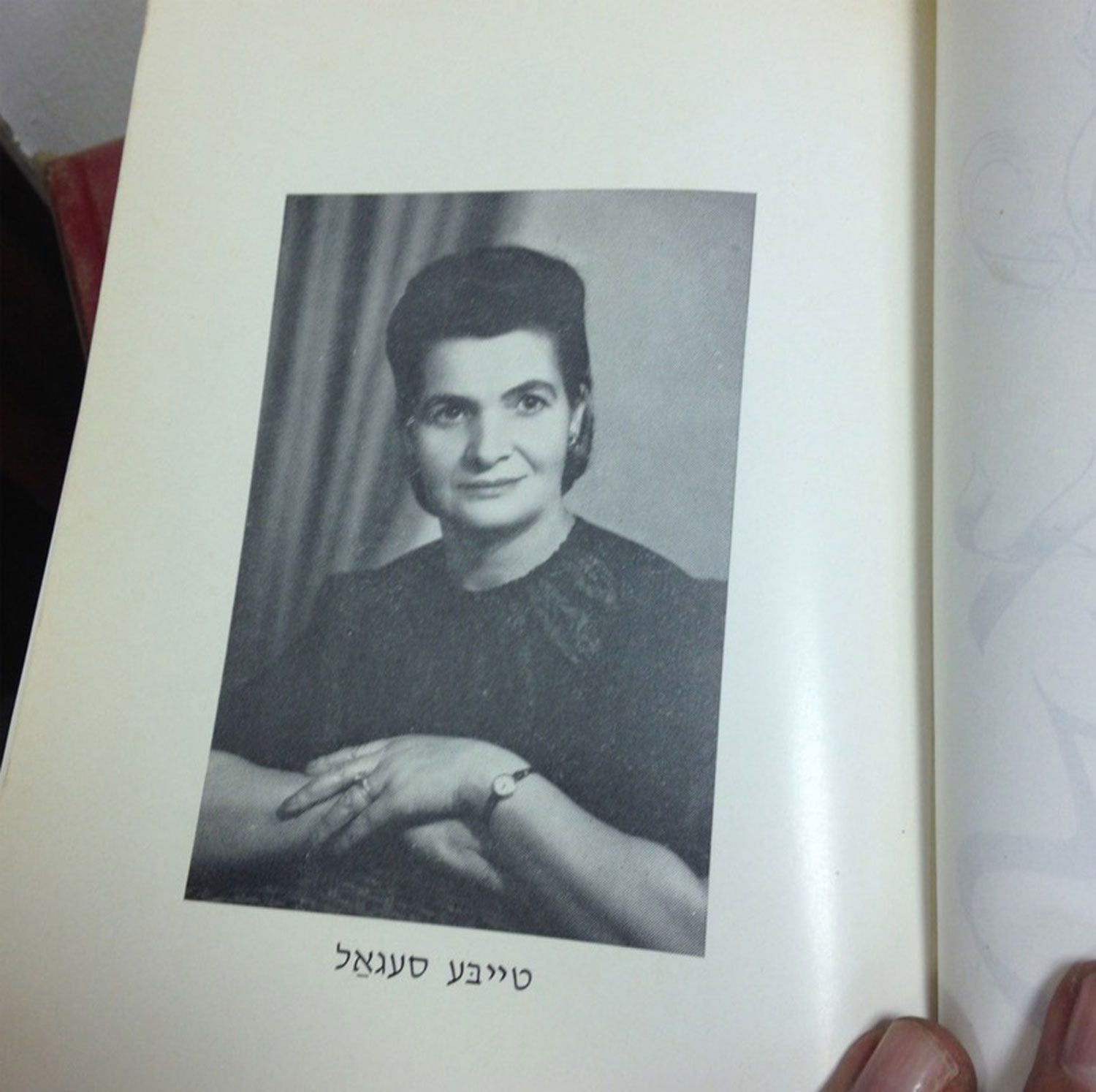
Soon after his birth in Poland, Ben’s family moved to South Africa, where his father set up a small business (Kenneth Segal, personal interview, 2 July 2015). Kenneth notes that this move probably saved their lives, “because in the Second World War, all the people that stayed in Vilnius were wiped out, and the fact that my grandfather was not accepted by my grandmother’s father [which was one of the reasons why they moved], is how this branch of the family came to be. The fact that he had a socially unacceptable job or profession saved the family” (Kenneth Segal, personal interview, 2 July 2015).[7] The turbulent 19th and 20th century history of Poland included the “dispersal of Polish people to countries as different in ideology and social structure as the former Soviet Union, the United States, Australia, Argentina, and South Africa” (Drzewiecka & Steyn 2009:118). Consequently “many Polish immigrants could immigrate to apartheid South Africa only because they were white, often specifically recruited for the skills not being developed in the black African populations as a matter of apartheid policy” (Drzewiecka & Steyn 2009:118- 119). After moving to South Africa they lived in Hunter Street in Johannesburg, where many former Eastern European Jews relocated to form a close-knit community (Kenneth Segal, personal interview, 2 July 2015).
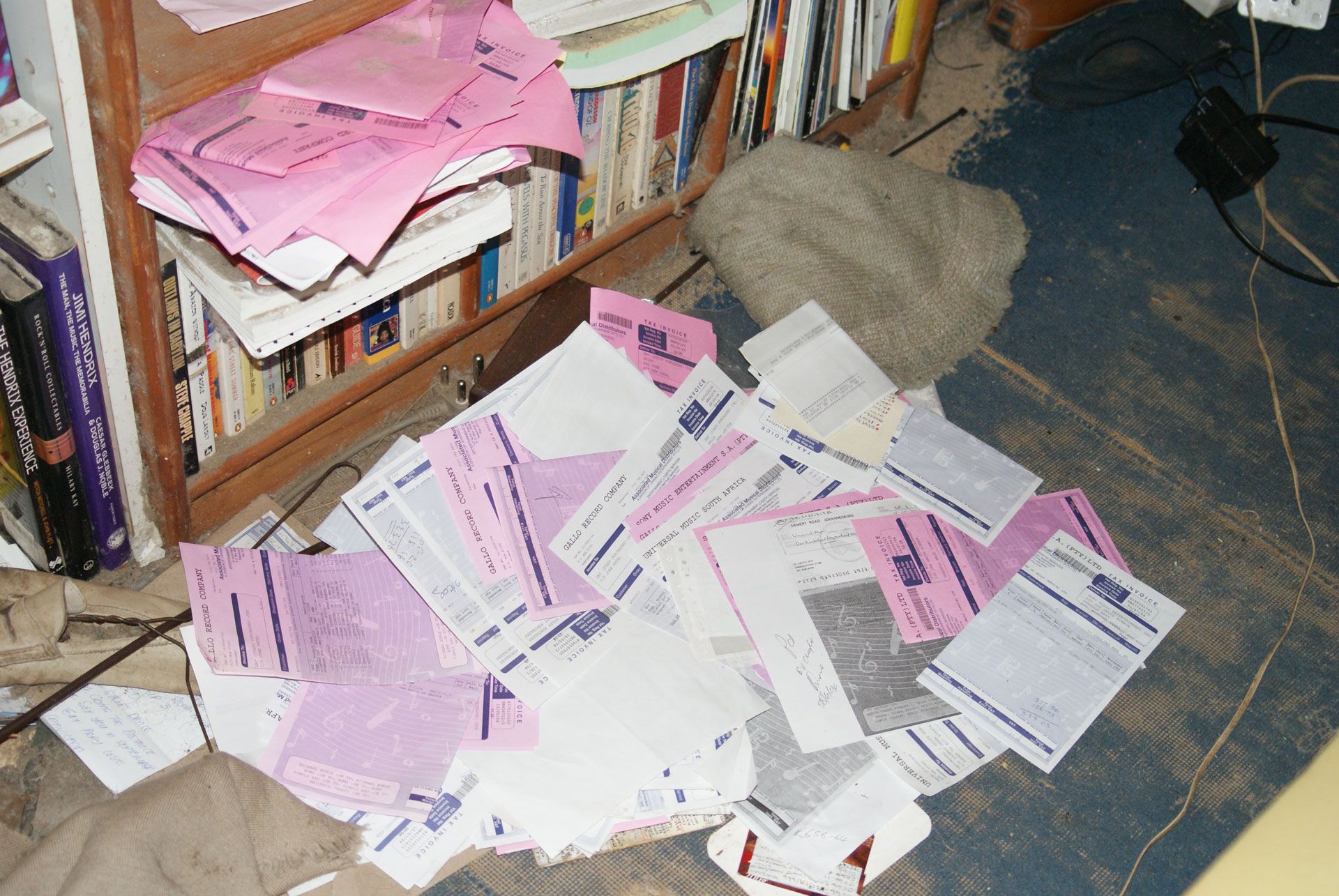
As a young man Ben Segal was part of Habonim,[8]Habonim Dror is an international “Jewish Zionist youth movement, which exists to take responsibility for the Jewish people, Israeli society and the world” (Habonim 2016). The movement was founded in 1929 in Great Britain and was established by Wellesley Aaron (Habonim 2016). a Jewish Zionist youth movement, and according to Kenneth Segal, “it was very lefty” (Personal interview, 2 July 2015). Kenneth Segal remembers his father’s dream to study agriculture, get married and then move to Israel and live on a kibbutz. However, Ben’s father, whom Kenneth Segal recalls as a domineering person, stepped in and persuaded Ben to become his partner in the family upholstery business (Personal interview, 2 July 2015). As Kenneth Segal remembers:
My father stuck it out in the business that he didn’t like and dedicated most of his off time when he wasn’t at work to music and that was his real passion. So he recorded music, he was head of SAFMA,[9]The South African Folk Music Association (SAFMA). he discovered a lot of people as far as I understand … he sort of discovered Johnny Clegg, Molombo Jazzman and he was the first person to record a lot [of] people at the time on his [record player]. I think they are in the collection there (Personal interview, 2 July 2015).
Prior to Ben Segal’s recording and collecting days, while still in tertiary education studying agriculture in Pietermaritzburg, he met his future wife (known to me only as Irma). She was very young at the time of their marriage, and as Kenneth Segal notes “I think she was looking for a way to get out of the house” (Personal interview, 2 July 2015). She was about eighteen at the time and became a mother at the age of 19 when she had Arthur, the eldest of the three brothers.
David Marks writes of Irma that she:
seemed to like some of my songs and sometimes sat in the adjoining dining room, offered tea etc., while Ben recorded in the lounge. When Ben invited the occasional ‘foreign’ or famous folk singer to visit, he’d have his equipment set up in the lounge – legends such as Blind Doc Watson and his son Merle … Irma would apparently often sit in on those recordings. (I can hear her laughing and commenting in the background on some of the recorded tapes.) On my return from the USA, early 1970 – after Ben had officially formed 3rd Ear Music with Audrey Smith, and because I was now a third partner and a director of Third Ear Enterprises – I visited Ben and Irma’s home more frequently; I brought songwriters around, and often assisted in the recordings. Ben had by now invested in a state-of-the-art ReVox A77 tape deck with 2 stereo microphones. I did notice that Irma was seldom around; although the boys (Kenni, Arthur and Bernard, who were often in school uniform) did drift in and out of the lounge. But I think Ben preferred that they not do so when he was recording. Ben did mention that he and Irma were going to split. I had met Fran by then, and she would come with me. Fran and Irma got on fine. Irma did not seem to like many of the new musicians that Ben was recording (David Marks, personal interview, 8 December 2015).
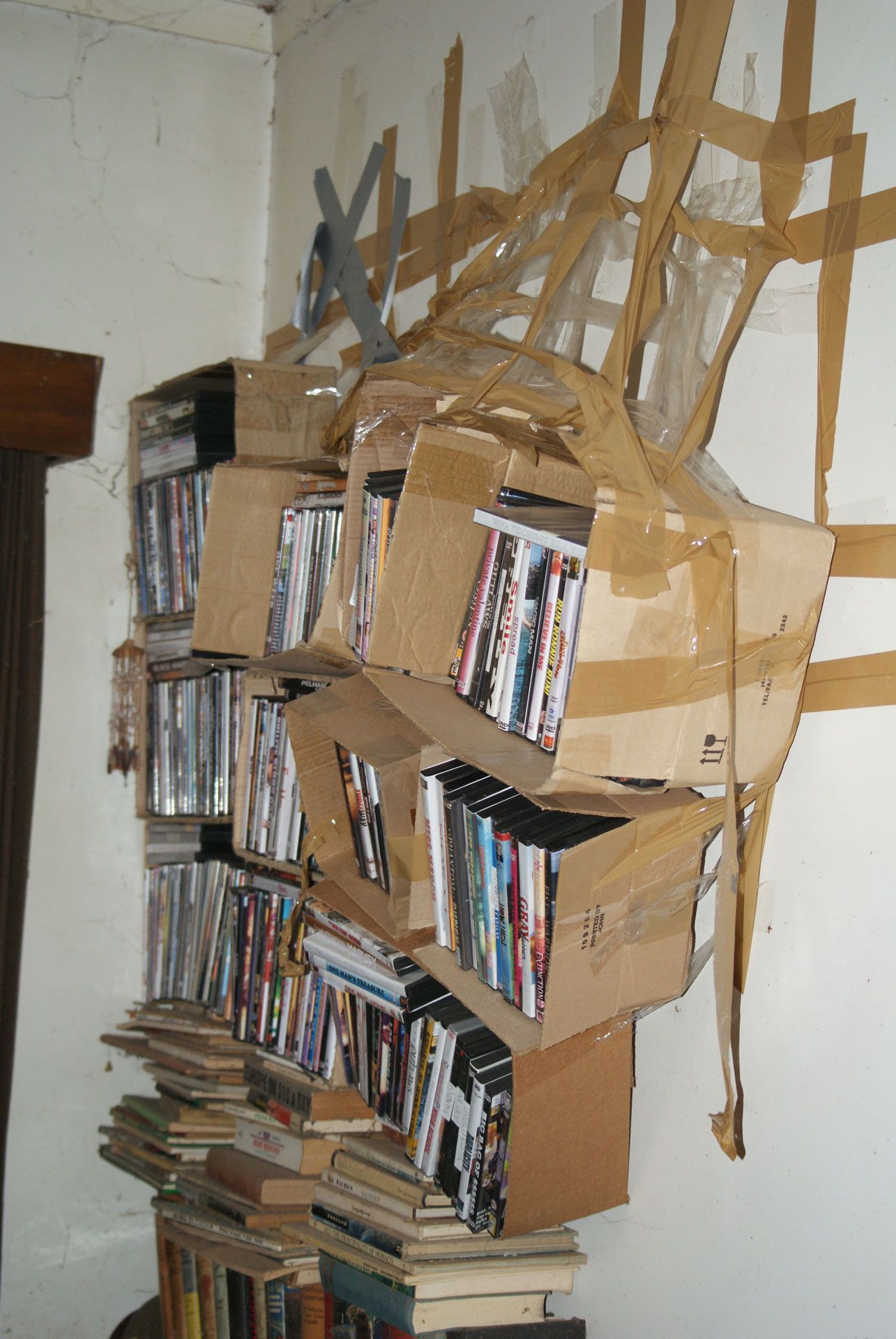
David Marks remarked how they appeared to be “a typically happy middle-class Johannesburg family … with an eccentric father who loved rock ’n roll ’n folk music” (Personal interview, 8 December 2015). With musicians in and out of the house, visiting, recording and some even camping on the front lawn,[10] Kenneth Segal recalls a time when Des and Dawn Lindberg “lived on our lawn for a while, so they were always around when we were kids” (Personal Interview, 4 July 2016). Ben Segal’s house became a gathering place for artists and musicians (Kenneth Segal, personal interview, 4 July 2015). Kenneth Segal notes that his father’s relationship with his family was one of ups and downs, as they lived with “a person who is extremely complex, complicated and very bright with a fantastic sense of humour. It wasn’t simple … nothing about him was obvious” (Personal interview, 2 July 2015). At the same time Ben was considered a very good friend and “always had something to offer, was it advice or companionship”; while he also had a “vast amount of knowledge … he was a very good listener and he could listen to anything and anyone on any subject” (Kenneth Segal, personal interview, 4 July 2015). In one of many telephone conversations[11]My telephone conversations with Frances Marks were not part of the initial methodology for this study, yet they became a helpful and invaluable part of the research process. After a few email conversations Frances asked me to phone her, and what was supposed to have been a brief verbal introduction, became an hour and 30 min phone call. In this initial phone call I asked Frances to write down her thoughts as well as respond to a list of questions in writing, as this was the method of response both Frances and David Marks suggested would best suit them. With every phone call I made quick notes, added details to information I already had, as well as made notes of new questions to ask. The intention from the beginning was that Frances would write her thoughts in response. I started writing and used the telephone conversations so long, while waiting for her written notes. Frances later informed me that her writing is slow and that she did not believe she had much to say. I assured her that her voice and stories were of immense value to this study, as these telephone conversations have proven to be. I had with Frances Marks, a close friend of Ben Segal, she recounted how Ben Segal would call her, just to play a song, or sometimes even an entire record. In her memory of Segal, she sees him motionlessly entranced by the music, sitting with his hand folded in his lap (Frances Marks, personal interview, 2015).
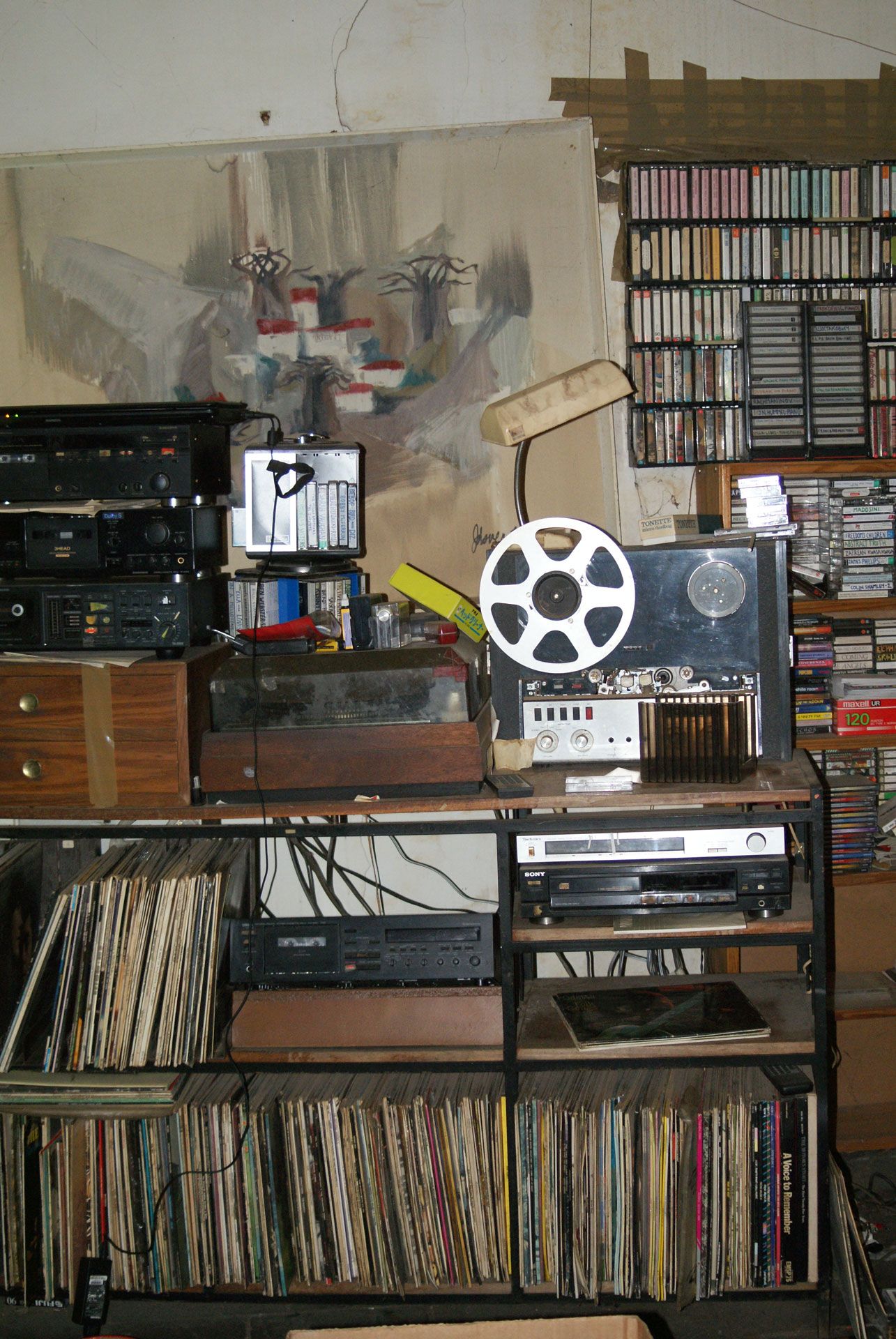
When David Marks met Ben Segal in 1965 at the Troubadour in Doornfontein Johannesburg, he recalls the “little man who looked like Bram Fischer[12]Bram Fischer “led the defence of Nelson Mandela in the Rivonia Trial” in 1964, and “in 1966 Fischer was himself sentenced to life imprisonment in South Africa for his political activities against the policies of apartheid” (Jacana 2013). Prior to his sentencing Fischer “spent nine months underground, in disguise, evading a nationwide manhunt. He was South Africa’s most wanted man, his cause recognised and celebrated around the world” (Jacana 2013). with ‘bok-baard’, glasses and a tape recorder” (Personal interview, 8 December 2015). David Marks writes that he himself would often carry a tape recorder, “so Ben and I had a recording thing in common from the start” (Personal interview, 8 December 2015). David Marks remarks that he “used to drive up from St. Helena Gold to play at The Troubadour or Nite Beat (in Hillbrow, Johannesburg) on a Friday night and Ben would often come listen” (Personal interview, 8 December 2015). These nights at the Troubadour club did not go unnoticed by the Special Branch:
Like his notorious SB (Special Branch) song in 1968, Colin [Shamley] was way ahead of time – so too were the SB; they warned the TROUBADOUR in Noord Street Doornfontein – stop him singing that dangerous communist-inspired filth or they would close the club down! Do tell! Colin writes … the cracks were starting to show in the National Party … (Marks 2004).
In my encounters with the music in the archive, my curiosity to get to know the person who meticulously selected and collected these items grew. I soon realised that the possibility of knowing Ben Segal through his ‘remnants’ is impossible. The realisation of this impossibility was confirmed when David Marks, in response to the question, “What was Ben Segal’s favourite song or musician(s)?”, explicitly answered, “too many to mention” (Personal interview, 8 December 2015). To the same question Kenneth Segal answered: “I think that my father more than anything, especially in his last years of his life, it would be Beethoven” (Personal interview, 2 July 2015).
Frances Marks wrote to me in an email that the song Ancient Dust of Africa by Edi Niederlander, a singer “whom Ben loved and respected … might well be the song that Ben liked best of all! Ben actually recorded Edi playing this song in his lounge years ago!” (Personal interview, 8 December 2015). The variety of answers this question was rather unsatisfying, influenced perhaps by recent memories or even coaxed by the topic of my research. Perhaps there is no single answer to this question and perhaps Ben Segal himself would also not have been able to answer this question. Ben Segal enjoyed such a great variety of music making that it is possibly impossible to choose. Kenneth Segal remarked how they would listen to absolutely everything growing up in their home:
We heard everything, Mendelssohn, I heard a lot of classical music, Bach, a bit of Rachmaninoff, The Beatles, Molombo Jazzmen, David Bowie and it was a mix of everything. My father was interested in everything. It would be swing, jazz, hip hop, Dixieland, Folk music (Personal Interview, 2 July 2015).
Saying that Ben Segal listened to everything is clearly an exaggeration, yet we get a sense of the impression the extensive collection makes on the minds of those who have seen it.
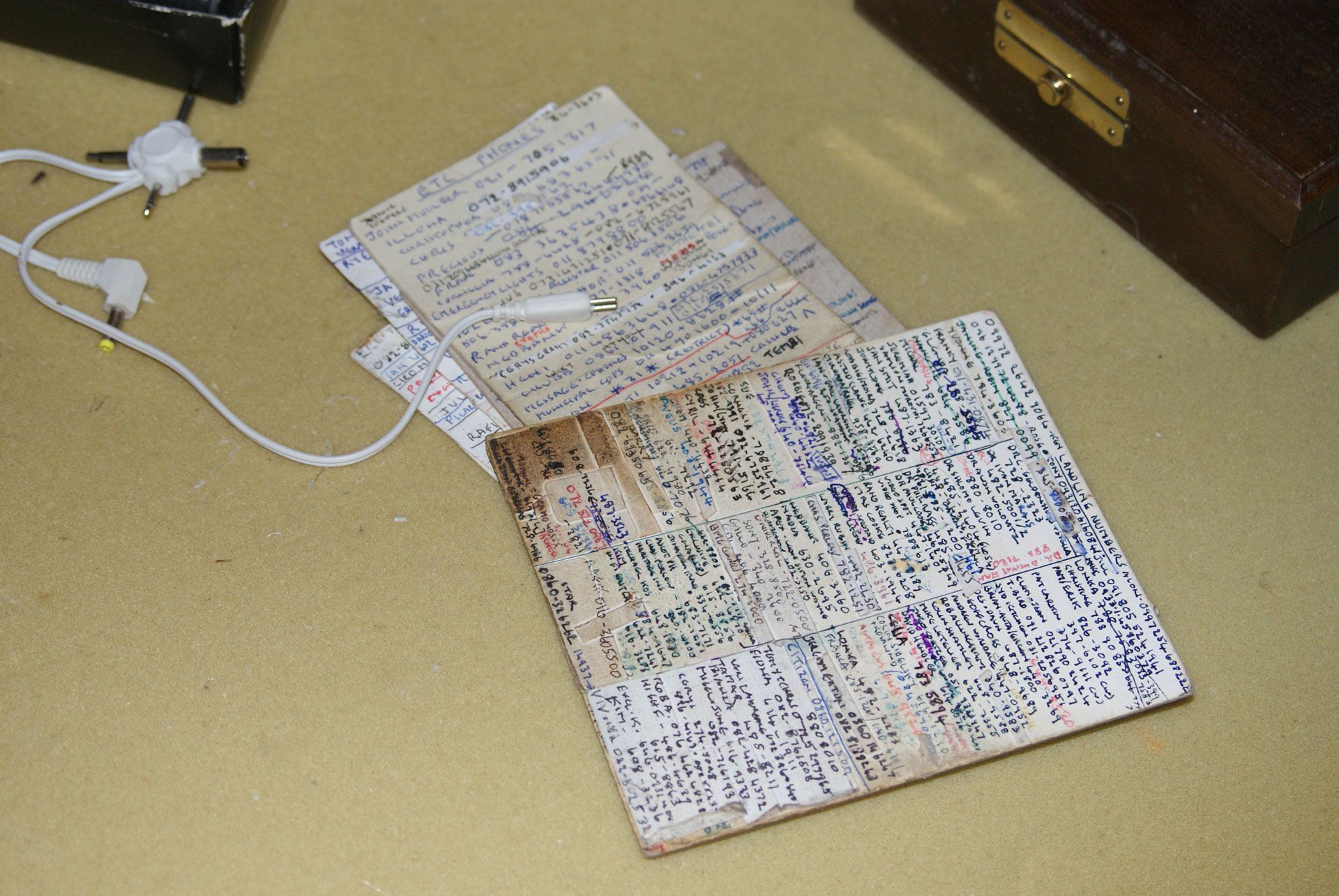
In my conversations with family and friends of Ben Segal, it became apparent that the idea of him as a collector forms an integral part of how he was known. For David Marks, Ben Segal “didn’t collect anything randomly. He knew exactly what he wanted” (Personal interview, 8 December 2015). At the same time, Kenneth believes his father had a tendency for collection that bordered on hoarding – for example, Kenneth told me about his father’s rubber band and chocolate collections (Personal interview, 4 Julie 2015), while Frances Marks also noted how Ben would collect so many food items that there was not enough cupboard space to actually store it.
Kenneth also notes that his father increasingly hoarded stuff in his later years, arguing that “I think it has to do with once he decided not to be a musician, he decided that he wanted to know about everything and anything there was to know about the area” – as Kenneth argues, he collected “to become the ultimate consumer” (Personal interview, 4 July 2015). According to David Marks, “Ben collected all this ‘stuff’ to share it; not to re-sell it” (Personal interview, 8 December 2015).
For instance, Kenneth Segal recalls that some of his fondest childhood memories of his father include how he would place chocolates underneath their pillows, and also of his father playing the song, Three Blind Mice, on the trumpet when his mother was on the telephone (Personal interview, 2 July 2015). Ben Segal’s sense of humour and idiosyncrasies, as noted by friends, come through in the archive. Besides his sense of humour, Kenneth Segal notes that his father “was interested in people. He was into erotica, he had this erotica collection. He had a massive sex toy collection that we threw out. He had all sorts of stuff. He collected alcohol. He liked life” (my emphasis. Personal interview, 4 July 2015).
Above all, Ben Segal was committed to music, as Frances Marks noted. He would frequently visit The Troubadour or Night Beat in Hillbrow on a Friday night to listen to, amongst others, David Marks. The latter remembers how Ben would often record some of his new songs on an Akai portable tape-recorder (Personal interview, 8 December 2015). David Marks recalls how:
Ben would also invite me over to 24 Judith Street … on a Saturday morning or Sunday to record my newest compositions on his portable Akai tape deck and to play me recordings of American singer songwriters that he had collected and knew that I would be influenced or impressed by. He was never wrong. He did the same with other local folk singers – he chose exactly what he knew would turn them on (Personal interview, 8 December 2015).
David Marks remarks that it was at 24 Judith Street in Observatory where Ben Segal “encouraged many of us singer songwriters to realise that it’s not about us, or how we sing … it’s what we sing; we didn’t need to be entertainers as such” (Personal interview, 8 December 2015). For Ben Segal, the point of making music was to share it with others and, as David Marks maintains, “that’s the approach I hold to this day … it allowed me to start singing in public again after a 40-year lunch break” (Personal interview, 8 December 2015). Ben Segal believed that humanity’s highest achievement above all is music: “He loved birds, because they made music. He couldn’t eat chicken, because they were musicians. That was the way he saw the world” (David Marks, personal interview, 8 December 2015).
Challenging Archival Structures
According to Antoinette Burton (2005: 6):
claims to objectivity associated with the traditional archive pose a challenge which must be met in part by telling stories about provenance, its histories, its effect on its users, and above all, its power to shape all the narratives which are to be ‘found’ there.
Similarly, with this study on the Ben Segal collection (and my utilisation of poststructuralist theories, in particular), I problematise the claim of objectivity that often surfaces in traditional understandings of the archive. In my own approach to the Ben Segal archival collection, the emphasis rather falls on the importance of an idiosyncratic telling of his life story. The use of poststructuralist theories further opens up the possibility to challenge the idea of an objective, finalised archive. Here, the work of Burton resonates with such a theoretical basis insofar as it asserts that history is not “merely a project of fact-retrieval”, but that it can rather be seen as “a set of complex processes of selection, interpretation, and even creative-invention” which is “set in motion by … one’s encounter with the archive” (2005: 8).
Even though this view of the archive as seen in the work of Burton speaks to a larger shift in archival studies from the 1970s onwards, archives have not always been seen as constructed partial producers of knowledge, but were believed to be objective receptacles/holders of factual documents.
As Terry Cook argues, “an archival paradigm shift is indeed occurring” (2001: 4) which will grow and challenge how archivists think and work. Since Cook made these assertions about a paradigm shift occurring within the archival profession, much has changed. It is also important to recognise that this paradigm shift within the archival profession has not been occurring in isolation, but rather forms part of a larger paradigm shift within the humanities and social sciences. The influence of postmodernism can be seen in such disciplines, with archivists also obliged to reformulate archival sciences accordingly (Cook, 2001: 6).
Interrogating the Archive
It is often helpful to look at the etymology of a word as this could enhances our perspective on a given concept, especially a word such as ‘archive’ that is used rather loosely today to refer to a lot of different ‘things’.[13]Today the word ‘archive(s)’ is often used to refer to a ‘space’ where data are stored or backed up and where you can find ‘older’ information which is anything from a few seconds old to days, months and years. Deriving from the Greek archeion, the word ‘archive’ is traditionally defined as a “magisterial residence or public office … (1) a place in which public records or other historic documents are kept; and (2) a historic record or document so preserved” (Jenkinson, 1937: 3). Though this definition by Jenkinson can still be accepted as reflecting a general understanding of archives, the term is much more ambiguous as used in present times to refer not only to a physical place or record, but also to cultural practices, such as performances and oral history projects, amongst others. In Refiguring the Archive, Carolyn Hamilton et al. urge the reader to “look beyond the idea of archives as physical records, so as to engage the idea of the taken-for-granted, often implicit, ‘archive’” (Hamilton et al., 2002:8-9). My engagement with the dust as a hidden and inevitable consequence of the archive is then also an attempt to interrogate the archive by looking beyond the immediate and traditional associations of what can/should be archived.
In line with such questioning of the nature of the archive, Charles Merewether also notes that a defining characteristic of the modern era has been the increasing significance that was given to the archive “as the means by which historical knowledge and forms of remembrance are accumulated, stored and recovered” (2006: 10). Merewether continues that archives are:
created as much by state organizations and institutions as by individuals and groups, the archive, as distinct from a collection or library, constitutes a repository or ordered system of documents and records, both verbal and visual, that is the foundation from which history is written (2006: 10).
Archives are thus central to the construction, spread and maintenance of various histories, inter alia the meta-narrative of Western History. For example, in the 1850s one of archival science’s main theoretical bases was established, which was focused on classification systems. Such systems had already fascinated the Enlightenment era, “when everything had to be clearly defined and ordered in logical schedules” (Duchein, 1992: 19). With an emerging consciousness of archival principles, along with the formation of schools teaching archival studies, archiving was accepted as a specialised profession (Duchein, 1992). Such developments thus aided the shaping of the archival profession as an autonomous, credible profession.[14]After the autonomy of the archival profession was established, Duchein (1992) note how constitutional, legal as well as technological and psychological changes of the 1960s and 1970s has affected the organization of archives (1992). In 1992, Duchein wrote that there is a harmonization taking place in the archival profession in Europe which is leading to the “rapid evolution of the archival profession,” as progress in scientific knowledge and technology is accelerating it is consequently influencing the way archives operate (1992: 23). In the same way, the political and social changes within South Africa has and continues to shape the way in which we record, store and construct archival spaces. As a result, the archive emerged as a supposed vessel containing and producing ‘truth’. In this regard, Theodore Schellenberg writes that the daily activities conducted by the archivist are as much practical as they are intellectual (1965: 80). These intellectual and physical tasks take place simultaneously as the archivists, whilst sorting and packing records in/out, are also “analysing the type, provenance, functional origins, and contents of records” (Schellenberg, 1965: 80).
Lambrechts notes that the role of archivists was “historically accepted as the impartial guardians of truth and evidence” (2012: 59). The tasks conducted by archivists, or in my case as volunteer, the reading of the materials are open to speculation and directly questions claims of ultimate ‘truth.’
In my personal experience working in the Ben Segal archive, where my tasks for the last year have been to list books and DVDs as well as a few VCRs, I can testify to the notion that archival work is very practical. My tasks entailed listing these objects on a Microsoft Excel sheet by typing the title, author, date and publication for books; and for DVDs and VCRs the name, publisher, code, genre – noting whether the DVD is an original or a copy. The exciting part of completing such a seemingly insignificant task is that I had the privilege of seeing so many wonderful books and DVDs before anyone else.

Examples of this would be complete DVD collections, namely the James Bond 007 series, The Simpsons, Family Guy and many more. I also listed many MAD magazines and even old shopping catalogues. In terms of such functions of producing and capturing history ‘truthfully’, the process of archivisation was often believed to be “a means of access[ing] … the past” (Nesmith, 2002: 27) and ensuring the neutrality of such a recorded past – an idea that has been thoroughly contested in postmodern confrontations with archives. As Terry Cook argues with regards to the idea of factual recollection:
Nothing is neutral. Nothing is impartial. Nothing is objective. Everything is shaped, presented, re-presented, symbolized, signified, signed, constructed by the speaker, photographer, writer, for a set purpose. No text is a mere innocent by-product of action as Jenkinson claimed (Cook, 2001: 7).[15]Hilary Jenkinson, an English archivist, published A Manual for Archive Administration in 1937. This book became influential all over the world for its theory of appraisal and selection.
From this, one can argue that a single, neutral archival narrative does not exist, but instead there are multiple narratives and histories with infinite purposes serving the interests of various audiences (Cook, 2001). Archiving as the practice of “simply document[ing] or mirror[ing] the world around the archives” through procedures of listing, describing, copying and retrieving records is a misconception, so too the idea of it being a “neutral, inconspicuous, and simply [a] factual way” of doing things (Nesmith, 2002: 27). Derrida notes in this regard that the archive “does not simply record the past”, but that it “constitutes the past, and in view of a future which retrospectively … gives it its so-called final truth” (cited in Hamilton et al., 2002: 40- 42). The archive as a constructed centre of knowledge is highlighted, and it is for this reason that Derrida places great emphasis on the role of the archivist in this process of construction.
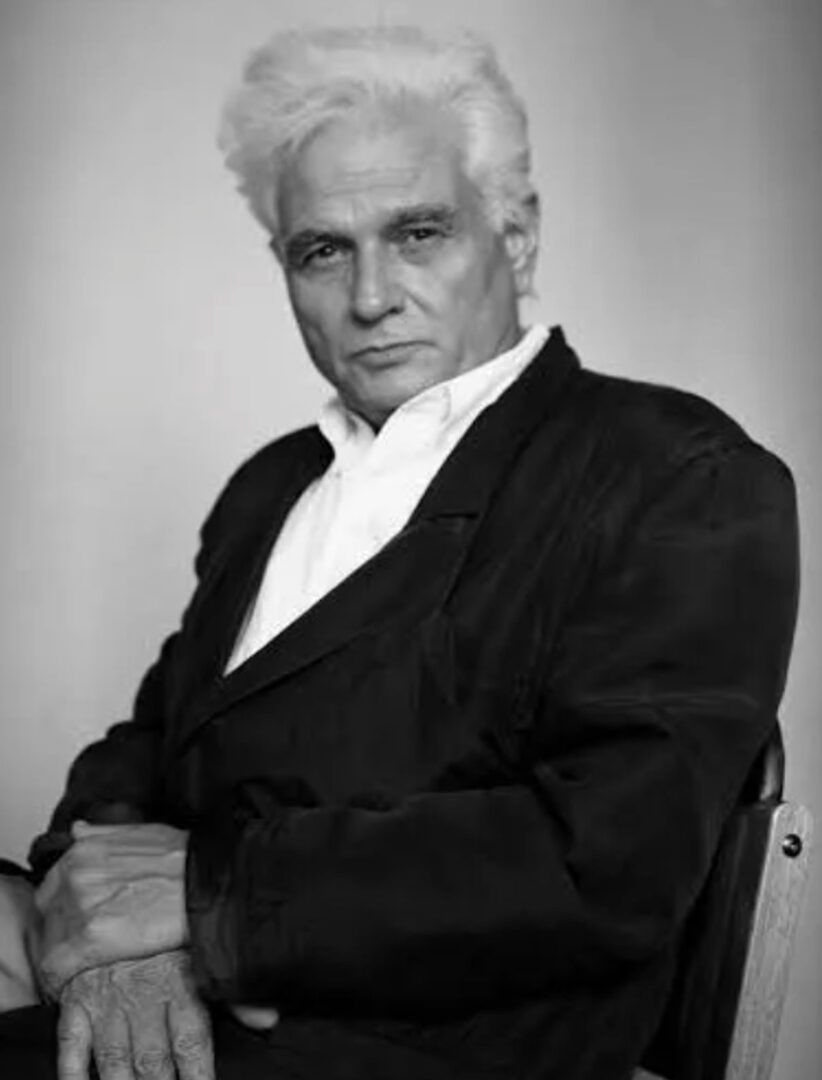
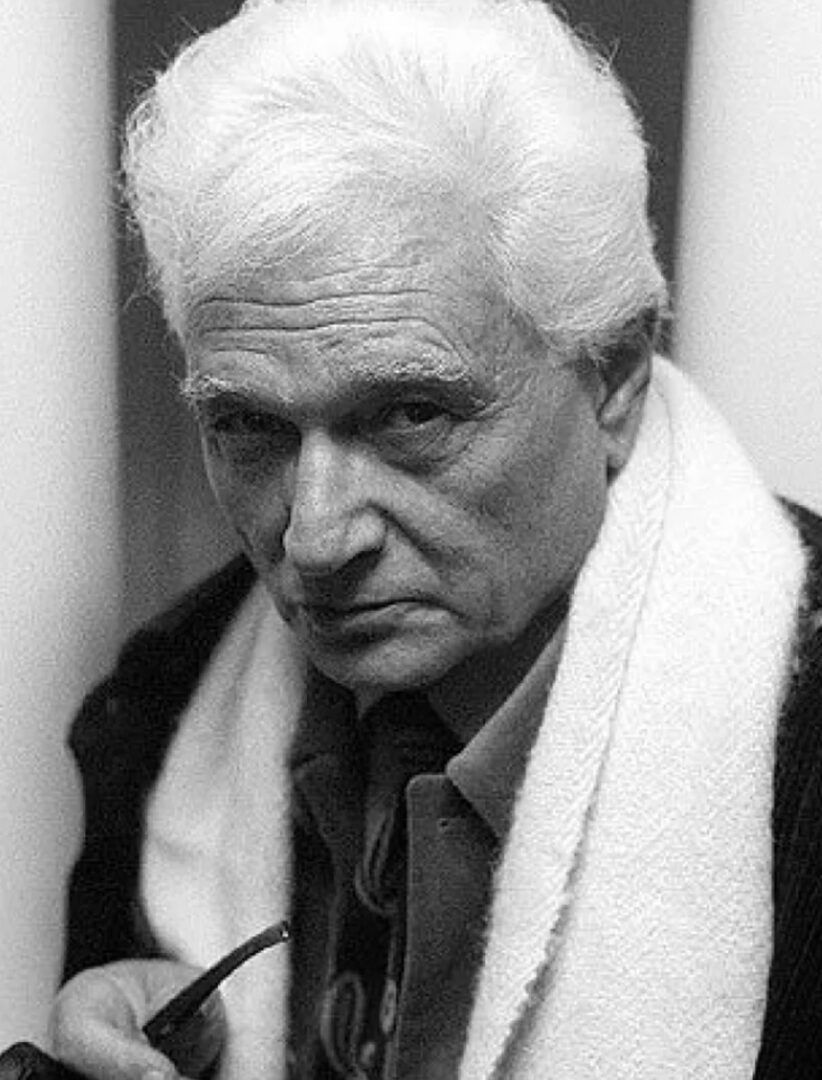
Derrida writes that the meaning of the archive comes from understanding it as “a domicile, an address, … of the archons, those who command” (Derrida, 1995: 2). For Derrida, the function of the archive and the role the archivist plays in its construction cannot be separated – it is a place and commandment and commencement that is centred on the position of the archivist.
The presence of an archivist and/or the “political power of the archons” (Hamilton, 2002: 42) consequently results in the possibility of destruction – the archive is always constructed at the same place where its very existence is threatened, according to Derrida. What is kept in the archive can be erased or lost, with its very locatedness “in a place” posing a threat of permanent loss in itself (Hamilton, 2002: 42).
The death drive, the fear of forgetting and losing memories, is thus what leads us to archive in the first place.
Yet the pervasive threat of destruction is identified by Derrida as the limitation of the archive:
The fact that the power, and often the social and political power of the archive, which consists in selecting the traces in memory, in marginalising, censoring, destroying, such and such traces through precisely a selection, a filter, and which, of course, is made possible by, let’s say, the finitude, the limitations, let’s say of human power, of space, the place where to accumulate the archive and so on (1998: 43-44).
Such a questioning of the archive as a receptacle for ‘truth’ is also seen in enquiries into its supposedly ‘autonomous’ and ‘impartial’ nature. Verne Harris, for example, notes that archivists’ thinking and decisions in archives are not shaped independently of their societal positions, but are socio-politically entrenched (2000). The rules followed by archivists often maintain a hierarchical agenda in order to serve a given institution’s needs.
Derrida also highlights in this regard the archivists’ ‘signature’, their ability to inscribe their own, as well as larger viewpoints, into an archive.
As such, the archivist’s (ideological) position should be of concern when looking at any archival structure.[16]Commenting on Derrida’s writings on the archive, Susan van Zyl argues that those who authorise archival processes (in other words the archivist), as well as the way in which archives become institutions, should be critically analysed in archival science (Hamilton, 2002: 39). Here my own position, as well as that of my fellow archivist, cannot be denied.[17]My own position, as well as those of Lizabé Lambrechts, Kenneth Segal, David and Frances Marks, as well as all the other individuals who are involved in this archive-making project, ought to be highlighted. As the archive and the collection have been under the influence of multiple ‘authors’, its content and meaning are irrevocably shaped by these role players. For both Derrida and Foucault, the archive constitutes a “central metaphorical construct upon which to fashion their perspectives on human knowledge, memory, and power” (Schwartz & Cook, 2002: 4). Foucault’s definition of the archive in Archaeology and Knowledge is of key importance here, especially for his definition of the archive as an historical a priori, its condition as “a reality for statements” (Foucault, 1972: 127). Foucault explains that such an historical a priori is not a question of why something or some statement exists per se, but rather a proposal to look at how or why such a statement emerged. This is done by looking at:
the law of their [each statement’s] coexistence with others, the specific form of their mode of being, the principles according to which they survive, become transformed, and disappear. An a priori not of truths that might never be said, or really given to experience; but the a priori of a history that is given, since it is that of things actually said (Foucault, 1972: 127).
For Patrick Ryan, Foucault’s use of the term (a priori) points towards an understanding that “the conditions for the possibility of knowledge are historical rather than transcendental” (2009: 52). This is related to Foucault’s own understanding and definition of the archive:
The archive is first the law of what can be said, the system that governs the appearance of statements as unique events. But the archive is also that which determines that all these things said do not accumulate endlessly in an amorphous mass, nor are they inscribed in an unbroken linearity; but they are grouped together in distinct figures, composed together in accordance with multiple relations, maintained or blurred in accordance with specific regularities (1972: 129).
The archive, for Foucault, is then that which “governs what is said or unsaid, recorded or unrecorded” (Merewether, 2006: 11). The visible and the invisible, the tangible and intangible can also be added to that list, as the archive and what can be said about the archive is marked by such a complex relationship between absence and presence. At the same time, Foucault’s understanding of the archive also stresses its ability to accumulate (and determine) those discursive constructions that prevail in any given society (Harris, 2000: 19).
Merewether (2006) notes that, in The Archaeology of Knowledge, Foucault makes the association between the studying of archives and the practice of learning about the past, or history, through the study of material remainders. The intention is thus to reconstruct and recover the archive so as to expose how our notions of the past are shaped and constructed by the archive. The emphasis is then, more importantly, on the systems and institutions which create these notions of the past (Merewether, 2006: 11). Foucault adds that:
Between the language (langue) that defines the system of constructing possible sentences, and the corpus that passively collects the words that are spoken, the archive defines a particular level: that of a practice that causes a multiplicity of statements to emerge as so many regular events, and so many things to be dealt with and manipulated (1972: 130).
Foucault argues the archive cannot describe anything in full and, similarly, no historical account can be comprehended in its totality (Merewether, 2006: 29). Archives, as well as subjects, surface in “fragments, regions and levels” and can never be defined entirely (Merewether, 2006: 29). Harris describes the archive as “a window into a process, a window into realities” which, as we have come to understand, only provides “a sliver of a window into a process” (2000: 22). Even if, as Harris continues, archivists were to collect every record generated in a particular country, they would grasp only a very small part of that country’s experience (2000: 22). Archived documents, writes Achille Mbembe, are “pieces of time to be assembled, fragments of life to be placed in order”, all in an effort to construe and formulate a narrative (cited in Hamilton et al., 2002: 21). Such documents are also a “montage of fragments”, which conversely produces an “illusion of totality and continuity” (Hamilton et al, 2002: 21).
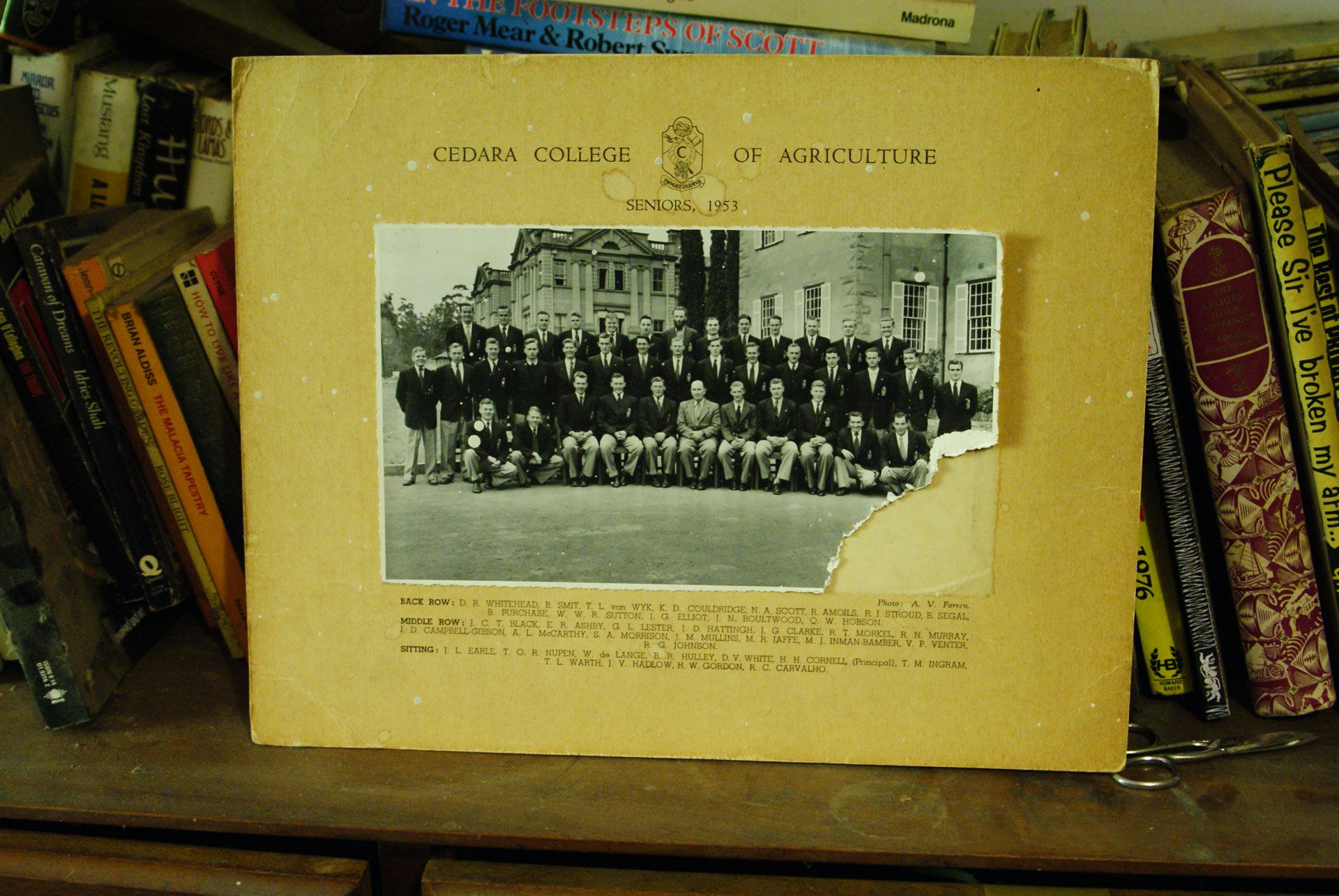
Archives are therefore “not passive storehouses of old stuff, but active sites where social power is negotiated, contested, confirmed” (Schwartz & Cook 2002: 1).[18]Joan Schwartz and Terry Cook (2002) note that archives have systematically been explored as institutions which “wield power over the administrative, legal, and fiscal accountability of governments, corporations, and individuals, and engage in powerful public policy debates around the right to know, freedom of information, protection of privacy, copyright and intellectual property” through various postmodern reflections. Archivists do not simply receive and house records, and these records in turn are not a mere reflection of society, but rather “co-create and shape the knowledge in records” and then also the memory of a society (cited in Nesmith, 2002: 27). Archives, as Jane Taylor notes (2002: 243), are also spaces in which hierarchies are reinforced, and archives, whilst ‘trusting’ material traces, should at the same time be sceptical of interpretation.[19]However, the rejection of notions around the power archivists possess over the construction of history and the failure to explore the factors influencing records, as well as general ignorance and unfounded assumptions, result in what Schwartz and Cook believe to be unproductiveness in the archival field (2001). As Hamilton et al. maintain, archives are undoubtedly monuments to specific configurations of power (2002: 7). But Merewether (2006: 13) also notes that there “is no political power without control of the archive, if not memory.” When applied to the local context, the argument can thus be made that that which we remember of our past (what is visible and tangible versus that which is invisible and intangible) is also political. This is all the more reason to look at the discarded, the seemingly insignificant, in order to ensure that a double violence upon our memory of a political past is not perpetuated. As Burton writes:
our archival stories should not only recount our work with certain bodies of evidence in particular spaces, but should also include our own political concerns and intellectual preoccupations at the specific moments in which we read, transcribe, paraphrase, and ponder source material (2005: 97).
Power can only be questioned once its monumental structure is acknowledged, and only then can it be held liable by means of open and transparent dialogue, which can potentially lead to improved understanding (Schwartz &Cook, 2002). Achille Mbembe also recognises the correlation between the powers of state and archive, but alerts us to the imminent threat archives pose to the state (cited in Hamilton et al., 2002: 23). The power of the archive can go both ways, Mbembe argues, for the archive can just as well be a weapon to both those in power as well as those who are opposed to such regulatory forces. The Ben Segal archive is a credible example of this. The collection, especially the music of unheard voices silenced by the apartheid regime and of institutions only interested in commercial gain, and the accumulation of such materials, can in one sense be seen as threatening to the very rule which censored such activities. The hidden, unlawful act of bringing together that which the apartheid government deemed ‘improper’ and ‘unworthy’ can now be used as an asset to deepen our understanding of South African history. This example also constitutes a counter-narrative to the dominant apartheid ideologies of that time. As Verne Harris explains:
Processes of memory erasure were also utilized widely by the apartheid state, with many thousands of oppositional voices being eliminated through means like media censorship, various forms of banning, detention without trial, imprisonment, informal harassment and assassination (2000: 9).
Through private collections, such as the Ben Segal collection, the hidden objects, histories and memories can find their way back into the public sphere where opportunities can be granted to write against the dominant histories of a given past. The stories and voices buried within the collection (even in the dust) can contain significant and valuable information for the present.

In understanding what constitutes an archive, one can look at the individual document as a ‘bearer of historical content’ and also as a reproduction of:
the needs and desires of its creator, the purpose(s) for its creation, the audience(s) viewing the record, the broader legal, technical, organizational, social, and cultural- intellectual contexts in which the creator and audience operated and in which the document is made meaningful, and the initial intervention and on-going mediation of archivists (Schwartz & Cook, 2002: 3-4).
We therefore cannot assume that the role of the archivist or scholar at any point is objective or devoid of an agenda, as the subjective influence of the creators is always central to the production of the archive. As Donna Haraway states, “truth is made, not found”; even ideas around ‘facts’ can be questioned and she adds that “rational knowledge is a process of ongoing critical interpretations among ‘fields’ of interpreters and decoders” (cited in Cook 2002: 12). In addition:
Archives validate our experiences, our perceptions, our narratives, our stories … Users of archives (historians and others) and shapers of archives (records creators, records managers, and archivists) add layers of meaning, layers which become naturalized, internalized, and unquestioned (Schwartz & Cook, 2002: 18).
The creators of the Ben Segal collection, myself included, are all participating in the process of adding meaning and layers to the archive. We therefore ought to remain as critical as possible of each and all interactions with the archive, even the most routine and mundane of tasks. When we start questioning the methods imposed by archivists, we might even come to find other ways of reading the archive and in so doing our experience of the present as well as the past. When we do this, we might allow “several orders or even disorders to flourish among records and archives” (Schwartz & Cook, 2002: 18). I believe that in saying this Schwartz and Cook are not suggesting the maintenance of no order whatsoever, but rather that we use and produce archives that are less concerned with a particular set of best practices, possibly archival systems that are fluid and can adapt to different situations.
Preservation strategies, as noted by Harris, “can, at best” intend to save “versions,” offering researchers “a sliver of a sliver of a sliver” which is often only partially defined (2000: 23).
The strategies employed by archivists can never provide a complete or finalised account of any given occurrence or recollection. If one is to continue to uphold the ignorant belief that archives and museums are the main proponents and keepers of memory, then as Harris states “we are in deep, amnesic trouble” (2000: 23). The seemingly insignificant objects of archives, such as the dust, might prove to be just as valuable a source and keeper of memory. As Derrida states, “one is on the lookout, one reflects upon what one sees, reflects what one sees by delaying the moment of conclusion” (1990: 1). This blindness never allows one to see fully or completely, as the act of seeing and looking always implies that one is inevitably blinded to something that escapes sight and observation.
Seeing ‘fully’ in an archive is then an illusion that is impossible to realise.
Such challenges to the archive are taken up in the next sub-section, where Deleuze and Guattari’s concept of the rhizomatic is used as a means to provide another lens through which to consider the interpretation of the archive.
Rhizomes in the Archive: Against Hierarchies
Deleuze and Guattari’s concept of the rhizome has, to my knowledge, not yet been applied to the study of archives.[20]EDITOR’S NOTE. On 22 April 2026 while sub-editing this article I asked the LLM AI Claude the following question: “Please could you help me find examples of Deleuze and Guattari’s rhizomatics theory being used in the study and theory of archives and archiving.” Claude’s answer follows. Rhizomatic theory, as this sub-section shows, assists in the re-imagining as well as the re-structuring of old systems, and it could provide a viable theory for engaging with the archive.
Deleuze and Guattari’s concept of the ‘rhizome’ comments on and compares the dominant Western mode of thinking, which places great emphasis on “cause and effect and the creation of hierarchies” to the image of a tree (Sutton & Martin-Jones, 2008: 3). The literal shape of the tree as well as the notion of the tree refers to genealogical lineage, where there is “an obvious causal relationship between a single point of origin (the father) and his offspring” (Sutton & Martin-Jones, 2008: 3). This notion thus relates to thinking where a single version of truth is expressed that neglects or disregards other possible ‘truths’ (Sutton & Martin-Jones, 2008). The notion of a tree, which is hierarchical in nature, according to Deleuze and Guattari, strongly resembles the structural aspects of the archive. As Brendt Adkins notes, “the tree is a marvel of stable hierarchical organization” where “lines of descent are always clear” (2015: 23). Logic, the organisation of biological species, linguistics and then also archives use trees, as they reveal “the deep structure that lies behind the messiness of reality” (Brendt, 2015: 23).
Trees also allow us to determine what is important and what is not, and therefore have great value within human society. For this reason, it makes the idea of thinking without tree-like structures seem almost impossible (Brendt, 2015: 23). Trees can be considered as predictable and make life as well as histories appear coherent and possibly more truthful (Brendt, 2015: 23). This is thus the illusion created by the application of tree-like, structural thinking.
The term rhizome refers conceptually to “an ordered set of relations in which each element relates to every other, without any hierarchical, functional or centralised order imposed on these relations” (Due, 2008: 129). Unlike the tree, the rhizome:
Can shoot out roots from any point, leaves and stems from any point. It has no beginning: no roots. It has no middle: no trunk. And it has no end: no leaves. It is always in the middle, always in process. There is no particular shape it has to take and no particular territory to which it is bound. It can connect from any part of itself to a tree, to the ground, to a fence, to other plants, to itself (May, 2005: 133-134).
A rhizome also promotes transversal connections or communications among heterogeneous locations and events, which are ultimately composed of lines between points (O’Sullivan, 2006). Rhizomatic thinking in this case means to think differently and in opposition to tree-like hierarchical structures, which, as Deleuze and Guattari demonstrate in this first plateau,[21]In their book A Thousand Plateaus the rhizome is the first of multiple plateaus discussed by Deleuze and Guattari. are ubiquitous within Western thought and culture” (O’Sullivan, 2006: 12).[22]The best example of rhizomatics, according to O’Sullivan (2006: 13), is the emergence of the internet, “as an omnipresent force” allowing for individual freedom and self-organisation. Everything thus has the potential to “be rhizomatically connected to everything else” (O’Sullivan, 2006: 12) and, as I will explore later, this also has relevance in the archival environment.
Rhizomes are not predictable (Brendt, 2015:23). A pack of rats, burrows, potatoes as well as weeds are all examples of rhizomes that, as Deleuze and Guattari state, include “the best and the worst” as there are no clearly delineated hierarchies or clear lines of descent (Deleuze & Guattari 1987: 7).
Brendt (2015: 24) notes that the concept of the rhizome is a concept of metaphysics and not one of ontology, as “ontology’s ‘to be’” is replaced by “and…and…and…” Rhizomatic thinking attempts to rethink tree-like thought but does not stand in opposition to it, as a rhizome “may form on the heart of a tree, the hollow of a root, the crook of a branch” (Deleuze & Guattari, 1987: 16). The concept of the rhizome thus suggests that there are various ways of thinking and many truths: a single multiplicity (Sutton & Martin-Jones, 2008: 4, 5).
If the notion of an archival shift is brought into relation with the non-hierarchical nature of rhizomes, Cook’s argument for archives as spaces that move away from “viewing records as static objects, and towards understanding them as dynamic virtual concepts” (2001: 4) is relevant. According to such a view, records are not passive products, but rather “active agents themselves in the formation of human and organizational memory” (Cook, 2001: 4).
Cook’s statement that there has to be a shift “away from seeing the context of records creation resting within stable hierarchical organisations to situating records within fluid horizontal networks of work-flow functionality” opens the field to non-hierarchical rhizomatic thinking as a viable method that can be applied to the archive as a means to potentially open it up. Cook further states that:
for archivists, the paradigm shift requires moving away from identifying themselves as passive guardians of an inherited legacy to celebrating their role in actively shaping collective (or social) memory … archival theoretical discourse is shifting from product to process, from structure to function, from archives to archiving, from record to recording context, from the ‘natural’ residue or passive by-product of administrative activity to consciously constructed and actively mediated ‘archivalisation’ of social memory (2001: 4).
The main question Deleuze and Guattari pose with the development of their concept of the rhizome is: How does one create something new? When trees only produce more trees, how can one escape that line of thought? The solution for Deleuze and Guattari is to apply rhizomatic thinking. Archival structures, such as labelling for example, are similar to what Deleuze and Guattari calls ‘tracing’ as “the tree articulates and hierarchizes tracings; tracings are like the leaves of a tree” (Deleuze & Guattari, 1987: 13). They go further to suggest that one should make a map, not a tracing, for a map “is open and connectable in all of its dimensions; it is detachable, reversible, susceptible to constant modification” (Deleuze & Guattari, 1987: 14). Also, “a map has multiple entryways, as opposed to the tracing, which always comes back ‘to the same,’” in essence creating copies (Deleuze & Guattari, 1987: 14). Tracing or the principle of decalcomania[23]Decalcomania, from the word ‘decal’ refers to “the process of transferring ready-made pictures onto a surface”, which Brendts suggest would today be understood as a ‘sticker’ (2015: 29). Stickers, as Brendt explains, “are safe. They do not risk anything, but they keep reproducing the same image of thought over and over again” (Brendt 2015: 29). It is thus apparent that rigid archival structures can easily produce stickers. “injects redundancies and propagates them” (Deleuze & Guattari, 1987: 15). Our tendency to view things as stable and complete entities over “processes of transformation,” is what Deleuze and Guattari labelled “perpetual semiotics” (Brednt, 2015: 32). When we bring this back to archival structures, it might be difficult to see beyond the archive’s structural rigidity, as it is that rigidity that actually allows it to be so useful. It is important not to infer that Deleuze and Guattari are suggesting that rhizomes are purely good and better than trees (Brendt 2015: 30). Rather, if we want to create something new, insert a new way of thinking, then we “need to find a way of putting the tracing on the map” (Brendt, 2015: 30). The rigid structures, the rules and logical thinking can be placed onto a system with open structures that can allow for expansion and transfiguring. In order to do this, Deleuze and Guattari point out that one has to find the lines of flight, which in turn requires a new way of seeing (Brendt, 2015: 32). The principles of cartography and decalcomania are just two of the six principles or “approximate characteristics” Deleuze and Guattari employ in order to create or see a rhizome (Adkins, 2015).
Due explains that a rhizomatic process is made up of partial processes, “which are not integrated within a structure”, and that the knowledge causing the processes cannot be influenced or predicted (2008: 129). The reason for this is that the rhizomatic process is “epistemologically immanent” as it “excludes an external definition of its course of development” and “ontologically… characterised by not possessing a reproducible structure of relations” (Due, 2008: 129). Every process is therefore unique and cannot be copied; each process is different even in an attempt to re-create it. The same can then be said for the formation of a history, as each re-telling or attempt at re-constructing the past is futilely insufficient in its attempt and claim to truthful deliverance.[24]Deleuze and Guattari’s theories and concepts are often described as being surprisingly positive, regardless of their complexities, which is why, in the light of rhizomatics, a re-telling or re-construction of the past always has new possibilities. Even the past is then part of an endless process of becoming.
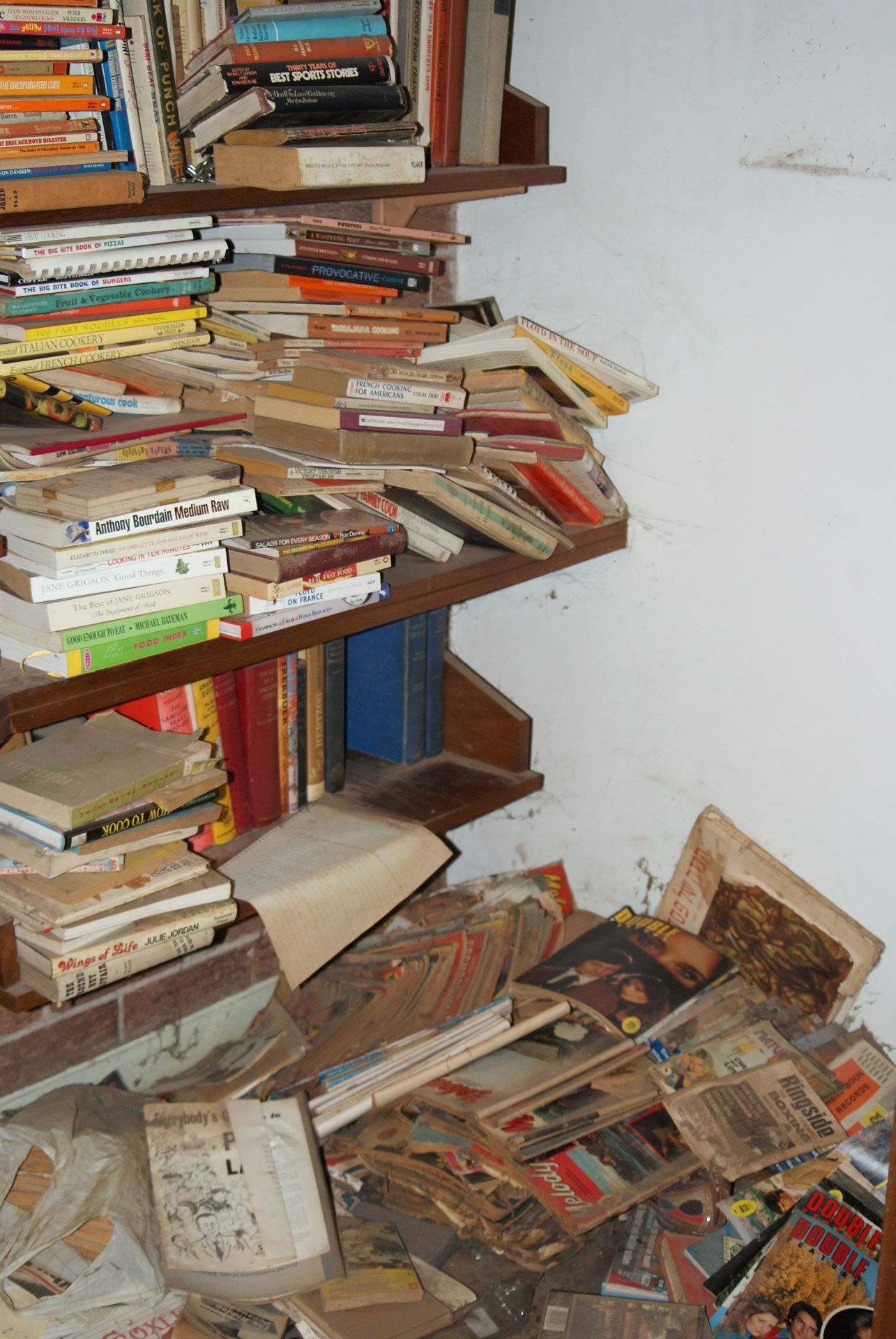
A rhizome, as we have established, is a heterogeneous structure, and accordingly an apparently single collection can also be regarded as a heterogeneous structure. Multiplicities from various origins placed, found or forced together is a fundamental property visible in an archive. Categorisation and classification create illusions of conformity and coherence within the archival structure.
The illusion, for example, is that the entire narrative of the archive, history and life of Ben Segal is neatly confined within the walls of the archive. The nature of the Ben Segal collection, as it was originally found, packed and currently stored, does not allow for such neat and clear categorisation.
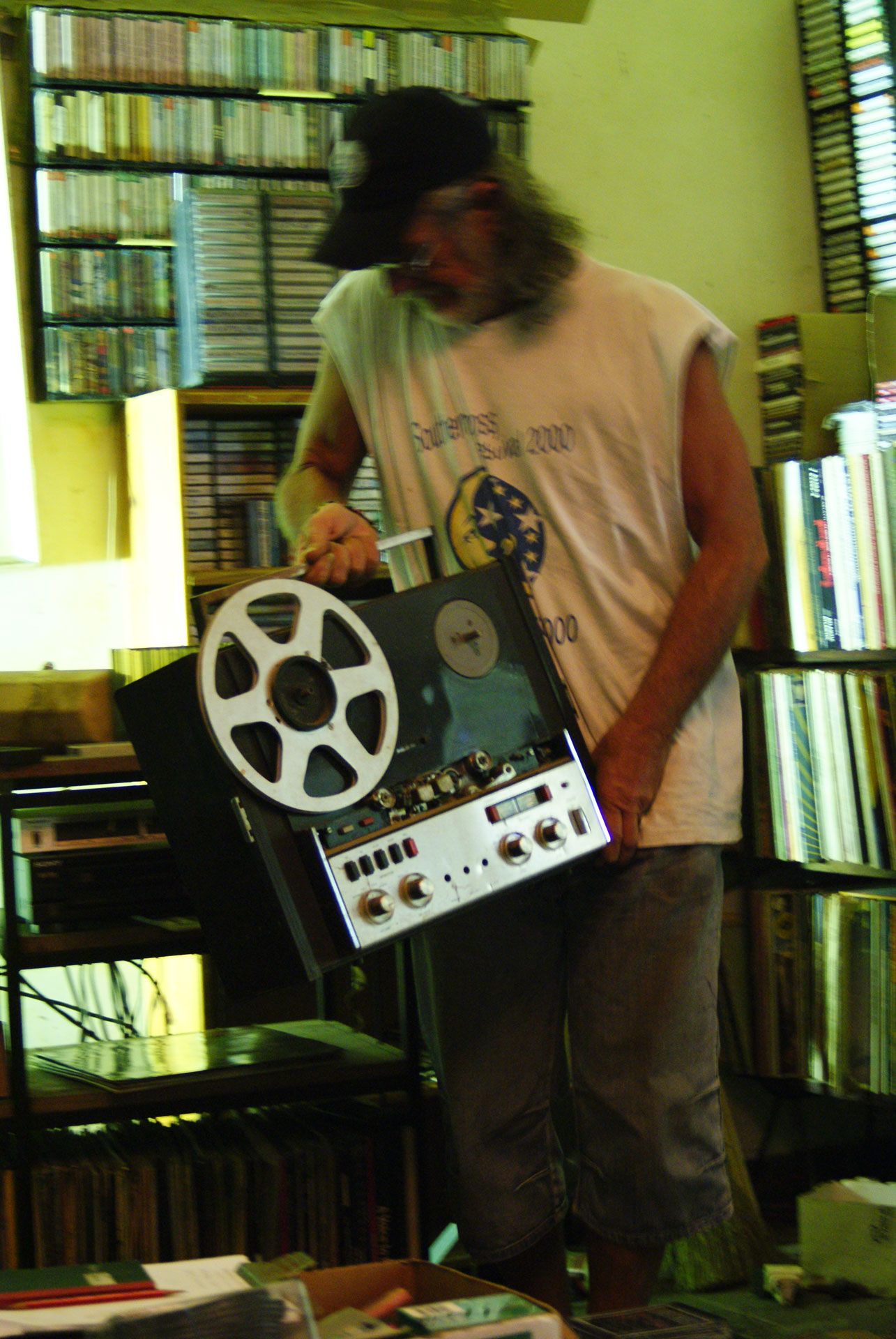
Yet, the illusion of structure, order and form is ever present in the processes used to organise this collection. The structure of a tree in archival practice, as useful as it may be, cannot be viewed as the ultimate and only method for the safekeeping and production of history.
Joseph Deadato states, in this regard, that the postmodern archivist’s first task “is to rethink established principles and reformulate them in ways that incorporate new understandings of arrangement and description” (n.d: 55). The applications and methodologies of such new understandings cannot be implemented if we are continuously generating traces, or work with tree-like thinking. In this line of thinking archival principles, such as respect des fonds, provenance[25]The term ‘provenance’ refers to the origin of documents as well as the “original creator(s) of the documents” (Lambrechts, 2012: 16). Provenance or respect des fonds requires records of different origins to be kept separate (Lambrechts, 2012). and appraisal[26]Appraisal is the process of deciding what to keep and what not to keep (Ford, 1990: 42). It also refers to the determination of the “intrinsic value or long-term preservation and potential use of records …, giving credence to the various selection practices in archives” (Lambrechts, 2012: 16)., traditionally used “to arrange and describe records” (Deadato n.d. 55), are still being pursued regardless of their lack of practical viability. Principles such as the ones just mentioned are all examples of ‘stickers’, each with its own set of rules and ‘best’ methods which ought to be followed. As Deadato points out:
Not only is the process highly selective and culturally subjective, but it also negates possible alternative arrangements and misleads the user into assuming that the archivists’ order is natural and absolute. In short, the process of arrangement and description constructs a metanarrative of the record, which privileges one reading of the record – one version of reality – over all others (Deadato, n.d: 56).
The main challenge is not the principles in and of themselves, as they were “well-intentioned attempts to limit potential meddling on the part of the archivist,” but rather that even “the strictest adherence to these rules” restricts users of the archive from making new connections and forming new narratives (Deadato, n.d: 56). This can also be seen in the case of the principle of provenance, where the determination of what “is believed to be significant … assigning names and access points,” constructs and shapes the way in which the records will be viewed by researchers (Deadato, n.d: 56).
According to a postmodern perspective on such processes, records are not regarded as “neutral windows into the past” as “archives reflect realities perceived by the archivers” (Deadato, n.d: 56). Ultimately, ‘stickers’ or tracings, are not the problem, but as Deleuze and Guattari suggest, “the tracing should always be put back onto the map” (Deleuze and Guattari, 198: 14).
The task at hand is not to do away with archival principles completely, but to transform them, make them new for more open-ended readings of archival content.
These principles must be transformed or renewed in such a way that they can be used as guides to get to point x on a map, while recognising and making room for multiple ways of finding or getting to point x. Through the employment of such methods, one might find multiple x points, which lead to an infinite number of possibilities and locations. Deadato (n.d.: 59) writes that “postmodernists assert that records contain many potential stories,” but archivists have the power to decide which stories will be told and which will not. This notion of multiple approaches to history can then be explored through the visualisation of the inherent and imminent rhizomatic structures of the archive and, as the next chapter shows, specifically of archival dust.
| 1. | ↑ | The Hidden Years Music Archive (HYMA) contains material collected by David Marks, as the owner of the 3rd Ear Music Company and Record Label. This independent record company was established by Ben Segal and Audrey Smith in 1967, and David Marks took over ownership in 1970 (Lambrechts, 2015: 139). This collection was donated to the Documentation Centre for Music (DOMUS) in November 2013. DOMUS is located in Stellenbosch, Western Cape at the University of Stellenbosch and forms part of Stellenbosch University Library and Information Service. |
| 2. | ↑ | Kenworth explains that the danger of dust lies in its predilection for “stain[ing] documents, making them difficult to read”, and its ability to “tear or grind the cellulose fibres by abrasive action’ (Kenworth, 1985: 34). |
| 3. | ↑ | It must be pointed out that the large quantity of dust in the collection is not the result of archival malpractice but of Ben Segal’s philosophy of never cleaning his collection. See Chapter Three for a more detailed discussion. |
| 4. | ↑ | At this stage I am suggesting that this process might be a creative solution, though it might later be revealed as a necessary and even crucial solution to the problem of dust in this as well as other archives of this nature. |
| 5. | ↑ | David Marks was “more involved in the live music events and productions – Ben tended to stay at home mainly, to record and collect stuff – and what I did was be as open and as inclusive as I could be. I would invite ‘the perceived enemy’ to all our events (SABC, Afrikaans media, students etc.)” (David Marks, personal interview, 8 December 2015). |
| 6. | ↑ | During the first two and a half decades of the twentieth century huge changes took place in the city known by Russians and Jews as Vilna, by Poles as Wilno, and by Lithuanians as Vilnius (Weeks, 2004). |
| 7. | ↑ | The turbulent 19th and 20th century history of Poland included the “dispersal of Polish people to countries as different in ideology and social structure as the former Soviet Union, the United States, Australia, Argentina, and South Africa” (Drzewiecka & Steyn 2009:118). Consequently “many Polish immigrants could immigrate to apartheid South Africa only because they were white, often specifically recruited for the skills not being developed in the black African populations as a matter of apartheid policy” (Drzewiecka & Steyn 2009:118- 119). |
| 8. | ↑ | Habonim Dror is an international “Jewish Zionist youth movement, which exists to take responsibility for the Jewish people, Israeli society and the world” (Habonim 2016). The movement was founded in 1929 in Great Britain and was established by Wellesley Aaron (Habonim 2016). |
| 9. | ↑ | The South African Folk Music Association (SAFMA). |
| 10. | ↑ | Kenneth Segal recalls a time when Des and Dawn Lindberg “lived on our lawn for a while, so they were always around when we were kids” (Personal Interview, 4 July 2016). |
| 11. | ↑ | My telephone conversations with Frances Marks were not part of the initial methodology for this study, yet they became a helpful and invaluable part of the research process. After a few email conversations Frances asked me to phone her, and what was supposed to have been a brief verbal introduction, became an hour and 30 min phone call. In this initial phone call I asked Frances to write down her thoughts as well as respond to a list of questions in writing, as this was the method of response both Frances and David Marks suggested would best suit them. With every phone call I made quick notes, added details to information I already had, as well as made notes of new questions to ask. The intention from the beginning was that Frances would write her thoughts in response. I started writing and used the telephone conversations so long, while waiting for her written notes. Frances later informed me that her writing is slow and that she did not believe she had much to say. I assured her that her voice and stories were of immense value to this study, as these telephone conversations have proven to be. |
| 12. | ↑ | Bram Fischer “led the defence of Nelson Mandela in the Rivonia Trial” in 1964, and “in 1966 Fischer was himself sentenced to life imprisonment in South Africa for his political activities against the policies of apartheid” (Jacana 2013). Prior to his sentencing Fischer “spent nine months underground, in disguise, evading a nationwide manhunt. He was South Africa’s most wanted man, his cause recognised and celebrated around the world” (Jacana 2013). |
| 13. | ↑ | Today the word ‘archive(s)’ is often used to refer to a ‘space’ where data are stored or backed up and where you can find ‘older’ information which is anything from a few seconds old to days, months and years. |
| 14. | ↑ | After the autonomy of the archival profession was established, Duchein (1992) note how constitutional, legal as well as technological and psychological changes of the 1960s and 1970s has affected the organization of archives (1992). In 1992, Duchein wrote that there is a harmonization taking place in the archival profession in Europe which is leading to the “rapid evolution of the archival profession,” as progress in scientific knowledge and technology is accelerating it is consequently influencing the way archives operate (1992: 23). In the same way, the political and social changes within South Africa has and continues to shape the way in which we record, store and construct archival spaces. |
| 15. | ↑ | Hilary Jenkinson, an English archivist, published A Manual for Archive Administration in 1937. This book became influential all over the world for its theory of appraisal and selection. |
| 16. | ↑ | Commenting on Derrida’s writings on the archive, Susan van Zyl argues that those who authorise archival processes (in other words the archivist), as well as the way in which archives become institutions, should be critically analysed in archival science (Hamilton, 2002: 39). |
| 17. | ↑ | My own position, as well as those of Lizabé Lambrechts, Kenneth Segal, David and Frances Marks, as well as all the other individuals who are involved in this archive-making project, ought to be highlighted. As the archive and the collection have been under the influence of multiple ‘authors’, its content and meaning are irrevocably shaped by these role players. |
| 18. | ↑ | Joan Schwartz and Terry Cook (2002) note that archives have systematically been explored as institutions which “wield power over the administrative, legal, and fiscal accountability of governments, corporations, and individuals, and engage in powerful public policy debates around the right to know, freedom of information, protection of privacy, copyright and intellectual property” through various postmodern reflections. Archivists do not simply receive and house records, and these records in turn are not a mere reflection of society, but rather “co-create and shape the knowledge in records” and then also the memory of a society (cited in Nesmith, 2002: 27). |
| 19. | ↑ | However, the rejection of notions around the power archivists possess over the construction of history and the failure to explore the factors influencing records, as well as general ignorance and unfounded assumptions, result in what Schwartz and Cook believe to be unproductiveness in the archival field (2001). |
| 20. | ↑ | EDITOR’S NOTE. On 22 April 2026 while sub-editing this article I asked the LLM AI Claude the following question: “Please could you help me find examples of Deleuze and Guattari’s rhizomatics theory being used in the study and theory of archives and archiving.” Claude’s answer follows. |
| 21. | ↑ | In their book A Thousand Plateaus the rhizome is the first of multiple plateaus discussed by Deleuze and Guattari. |
| 22. | ↑ | The best example of rhizomatics, according to O’Sullivan (2006: 13), is the emergence of the internet, “as an omnipresent force” allowing for individual freedom and self-organisation. Everything thus has the potential to “be rhizomatically connected to everything else” (O’Sullivan, 2006: 12) and, as I will explore later, this also has relevance in the archival environment. |
| 23. | ↑ | Decalcomania, from the word ‘decal’ refers to “the process of transferring ready-made pictures onto a surface”, which Brendts suggest would today be understood as a ‘sticker’ (2015: 29). Stickers, as Brendt explains, “are safe. They do not risk anything, but they keep reproducing the same image of thought over and over again” (Brendt 2015: 29). It is thus apparent that rigid archival structures can easily produce stickers. |
| 24. | ↑ | Deleuze and Guattari’s theories and concepts are often described as being surprisingly positive, regardless of their complexities, which is why, in the light of rhizomatics, a re-telling or re-construction of the past always has new possibilities. Even the past is then part of an endless process of becoming. |
| 25. | ↑ | The term ‘provenance’ refers to the origin of documents as well as the “original creator(s) of the documents” (Lambrechts, 2012: 16). Provenance or respect des fonds requires records of different origins to be kept separate (Lambrechts, 2012). |
| 26. | ↑ | Appraisal is the process of deciding what to keep and what not to keep (Ford, 1990: 42). It also refers to the determination of the “intrinsic value or long-term preservation and potential use of records …, giving credence to the various selection practices in archives” (Lambrechts, 2012: 16). |