SITHEMBELE ISAAC XHEGWANA
Disgrace and the Politics of Shame: Sexual Violence, Colonial Legacies, and Post-Apartheid Identity in J.M. Coetzee’s Disgrace
Abstract
This paper examines J.M. Coetzee’s Disgrace (1999) as a critical intervention in post-apartheid South African literature. Through close textual analysis and engagement with theoretical frameworks—including Michel Foucault’s biopolitics, Gayatri Spivak’s subaltern theory, and Emmanuel Levinas’s ethics of alterity—the study explores how the novel interrogates sexual violence, colonial legacies, and the collective condition of shame. By juxtaposing David Lurie’s coercion of his student with Lucy’s brutal assault, Coetzee exposes the continuum of patriarchal and racial violence that persists in South Africa’s democratic era. The novel resists redemptive narratives, presenting survival as compromise and disgrace as a universal condition. Ultimately, Disgrace insists that shame is not merely personal but systemic, demanding recognition and ethical responsibility in a society still haunted by its colonial and apartheid past.
Introduction
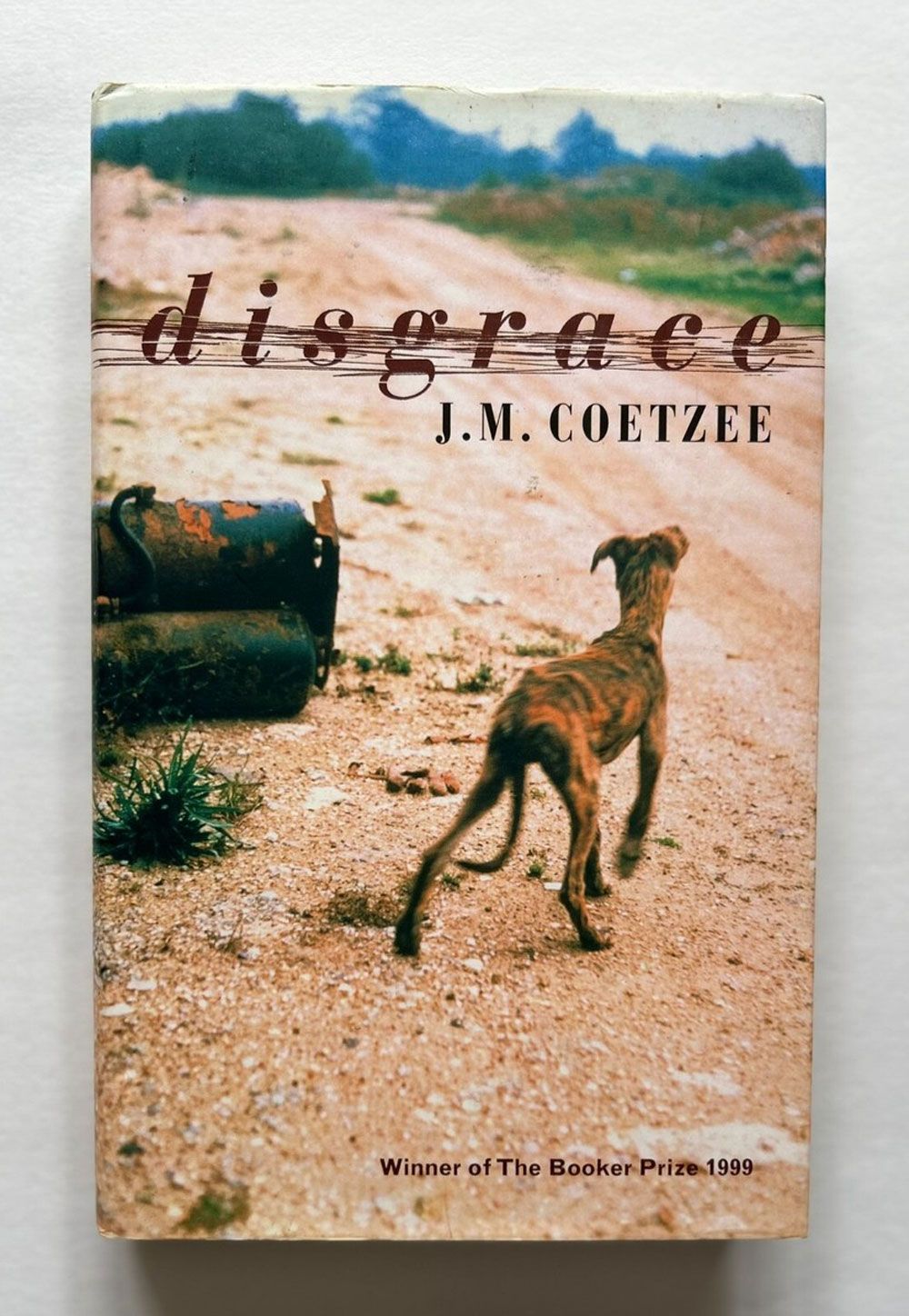
J.M. Coetzee’s Disgrace (1999) remains one of the most unsettling novels in post-apartheid South African literature. It interrogates sexual violence, racial power, and colonial legacies through the downfall of Professor David Lurie and the brutal assault on his daughter Lucy. Published in the fragile years of South Africa’s democratic transition, the novel resists triumphalist narratives of reconciliation, instead foregrounding the persistence of inequality and violence. Critics have debated whether Disgrace is pessimistic, allegorical, or ethically transformative, but all agree that it confronts the uneasy realities of post-apartheid society.
Furthermore, the text stages a sustained confrontation with the residues of empire and apartheid by embedding its narrative in a cultural and institutional language that refuses to let the past be simply past. The novel’s formal choices—its fleeting presences within both provincial Western Cape and Eastern Cape geographies, the figure of the disgraced academic, and the persistent invocation of European cultural authorities—work together to dramatize how political transition can leave intact the epistemic and moral frameworks that once underwrote domination.
The use of a fictional university, the under currency of neo-colonialism and a failed South African reconciliation project collectively point to an intellectual still with a hangover of a colonial and apartheid regime. As much as that is the case, this paper argues that Coetzee’s aesthetic strategy is not nostalgic indulgence but ethical diagnosis. By making colonial and apartheid-era signifiers operative within the novel’s social world, Coetzee exposes the limits of legal and political change when it is not accompanied by a transformation in values, institutions, and material relations.

Theoretical Framework
To read Disgrace as an ethical diagnosis of post‑1994 South Africa requires attention to three interlocking registers: institutional form, symbolic economy, and embodied social relations. Institutional form refers to the novel’s recurrent focus on the university and other bureaucratic sites where knowledge and authority are produced and reproduced. Symbolic economy denotes the ways in which cultural and monetary signifiers—canonical texts, manners of speech, and references to value—structure what counts as legitimate taste, worth, and moral standing. Embodied social relations encompass the novel’s depiction of race, gender, and class in both South Africa’s Western and Eastern Cape, where the legacies of dispossession and violence remain materially present. Drawing on close reading, historicist contextualization, and postcolonial critique, this paper treats Coetzee’s textual choices as deliberate rhetorical moves designed to render visible the persistence of colonial mentalities and the ethical consequences of their survival.
Literature Review
Since its publication in 1999, J.M. Coetzee’s Disgrace has generated extensive scholarly debate, particularly around themes of sexual violence, shame, redemption, and post-apartheid identity. The novel’s stark portrayal of moral ambiguity and systemic violence has made it a touchstone for discussions of South African literature in transition.
Sue Kossew’s influential essay The Politics of Shame and Redemption in J.M. Coetzee’s Disgrace (2003) argues that the novel foregrounds shame as both a personal and collective condition. She situates Lurie’s downfall within a broader discourse of confession and redemption, drawing parallels with Dostoevsky’s themes of grace. Kossew emphasizes Lucy’s pragmatic choices as emblematic of female agency constrained by trauma and social transformation, while Lurie’s compassion for animals signals a shift toward ethical responsibility. Her work highlights the novel’s refusal to offer easy redemption, instead presenting disgrace as an ongoing ethical burden.
More recent scholarship has interrogated the patriarchal structures underlying the novel’s supposed redemptive arc. Amy Ruckman (2025) critiques the notion of Lurie’s redemption, arguing that it is facilitated through the silencing and sacrifice of women. She notes that Lurie dismisses Lucy’s autonomy, lashes out at female colleagues, and foregrounds male authority figures, thereby undermining any ethical transformation. Ruckman concludes that Disgrace constructs an unviable theory of redemption, one that exploits women’s suffering and reaffirms patriarchal dominance. This perspective challenges earlier readings that viewed Lurie’s work with animals as ethically transformative, insisting instead on the persistence of misogyny.
Other critics have emphasized the novel’s engagement with violence and identity in post-apartheid South Africa. Analyses highlight how Coetzee situates personal trauma within broader social structures, using the farm as a microcosm of unresolved land tensions. Scholars note that Lucy’s silence reflects systemic constraints on female agency, while Lurie’s disgrace reflects institutional inadequacy. These readings underscore the novel’s critique of both colonial legacies and contemporary inequalities, situating shame as a collective condition that binds individuals to the nation’s unresolved past.
Taken together, the literature reveals both consensus and divergence. Most scholars agree that Disgrace is a profound exploration of shame, violence, and identity in post-apartheid South Africa. However, they diverge on the question of redemption: while Kossew and others see Lurie’s compassion for animals as ethically significant, Ruckman and feminist critics argue that this redemption is undermined by patriarchal structures. This tension reflects the novel’s complexity, resisting closure and inviting ongoing debate.

Narrative Voice and the Problem of Perspective
Central to the novel’s ethical project is the figure of David Lurie, whose interiority and professional identity provide the primary lens through which the reader encounters the post‑apartheid landscape. Lurie’s training in European literature and his attachment to Romantic ideals produce a cognitive and moral distance from the social realities around him. Coetzee’s narrative technique—an often cool, ironic focalization that allows Lurie’s self‑justifications to appear in relief against the harsher facts of the world—permits a double vision: the reader sees both the coherence of Lurie’s aesthetic universe and its moral insufficiency.
The novel thereby stages the epistemic problem of a society in which those who continue to inhabit colonial cultural frameworks are ill-equipped to perceive or respond to the transformed, and still transforming, social order.
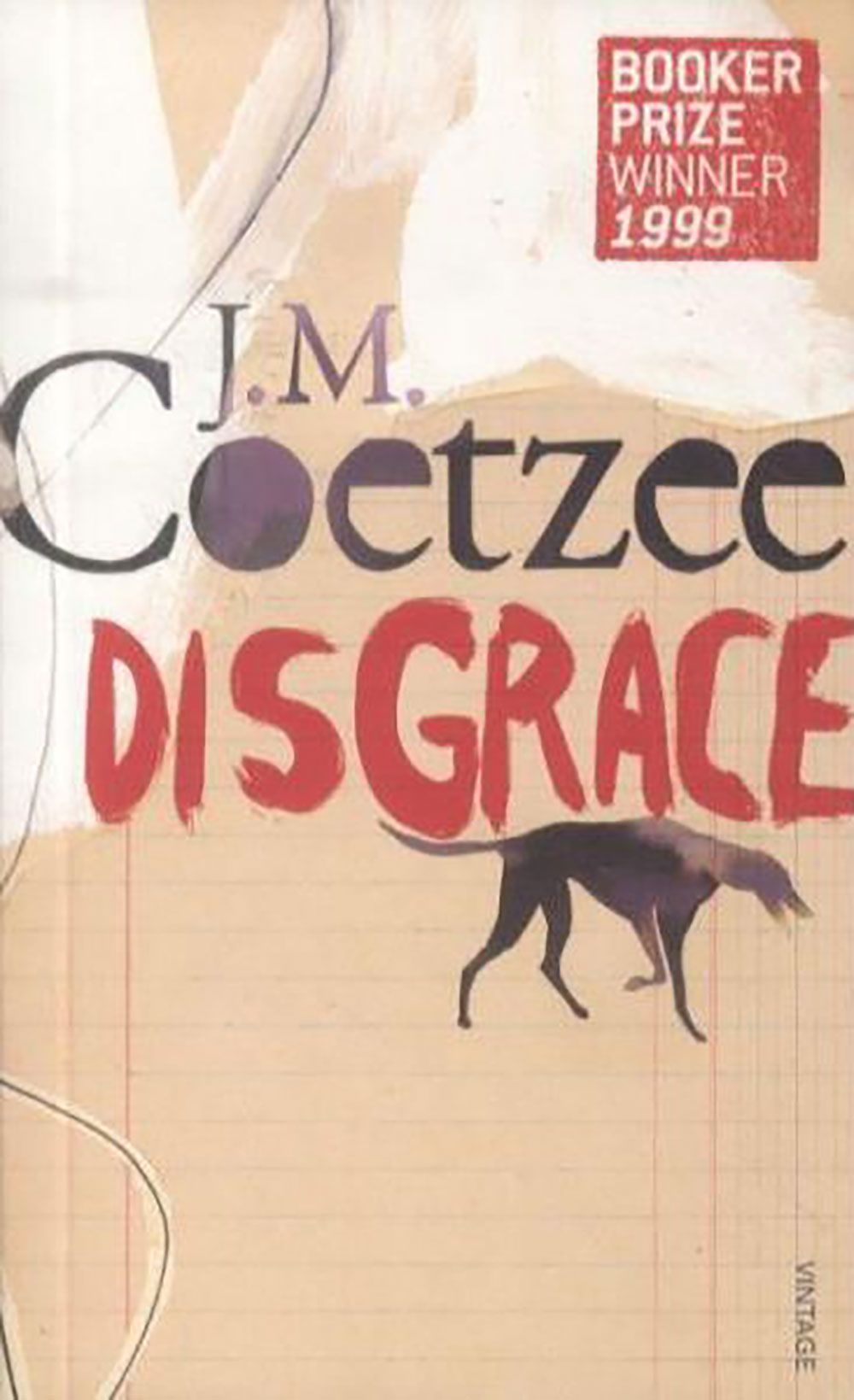
Lurie’s professional world—the university—functions as more than a setting; it is a repository of institutional memory and a site where colonial epistemologies persist. The university’s detachment from the rural Eastern Cape, its reliance on canonical European texts, and its bureaucratic procedures for adjudicating scandal all suggest an institution that has not fully reoriented itself to the demands of a post‑apartheid polity. Coetzee’s choice to fictionalize the university rather than name a real institution intensifies the sense that the problem is structural and generic: it is not merely one school’s failure but a broader cultural inertia.
Institutions as Carriers of Colonial Memory
The university in Disgrace is a microcosm of institutional continuity. Its rituals, hierarchies, and curricular priorities reproduce a cultural map that privileges European literature and its attendant moral frameworks. This privileging is not neutral; it shapes who is recognized as an authority, whose knowledge counts, and which ethical vocabularies are available for making sense of social conflict. Lurie’s authority as a man of letters derives from this institutional ecology, and when that authority is challenged—first by his sexual misconduct and then by the social upheavals that follow—what is revealed is not only his personal failure but the fragility of an institutional order that has not been reconstituted to reflect the new political dispensation.
Coetzee’s portrayal of institutional responses—disciplinary hearings, the university’s concern for reputation, and the bureaucratic language used to manage scandal—underscores how procedural forms can mask deeper continuities. The university’s mechanisms for dealing with Lurie are framed in terms of professional ethics and institutional self‑protection rather than a substantive reckoning with the power relations that made his behaviour possible. In this way, the novel suggests that institutional reform that focuses on surface procedures without addressing underlying epistemic commitments will fail to produce genuine moral transformation.
Currency, Value, and the Symbolic Economy
The novel’s recurrent evocations of British cultural standards and monetary metaphors operate as a symbolic economy that maps cultural capital onto social value. References to canonical poets, to manners of speech associated with the English‑speaking intelligentsia, and to the lingering prestige of imperial cultural forms function metonymically: they stand in for a broader set of values that continue to structure social hierarchies.
When the novel gestures toward Britishness—whether through literary allusion or the invocation of a currency of taste—it is not merely indulging in period detail; it is showing how the grammar of value in post‑apartheid South Africa remains haunted by imperial standards.
This symbolic economy has material consequences. Cultural capital translates into social advantage: those who can speak the language of European high culture retain access to networks, positions, and forms of recognition that insulate them from the full force of social change. Lurie’s sense of entitlement, his belief in the autonomy of aesthetic judgment, and his inability to apprehend the moral stakes of his actions are all bound up with this residual cultural capital. Coetzee thereby links the persistence of colonial signifiers to ongoing patterns of inequality: the survival of a particular symbolic order helps to reproduce social stratification even after formal political barriers have been dismantled.
The Eastern Cape as a Site of Contested Geography
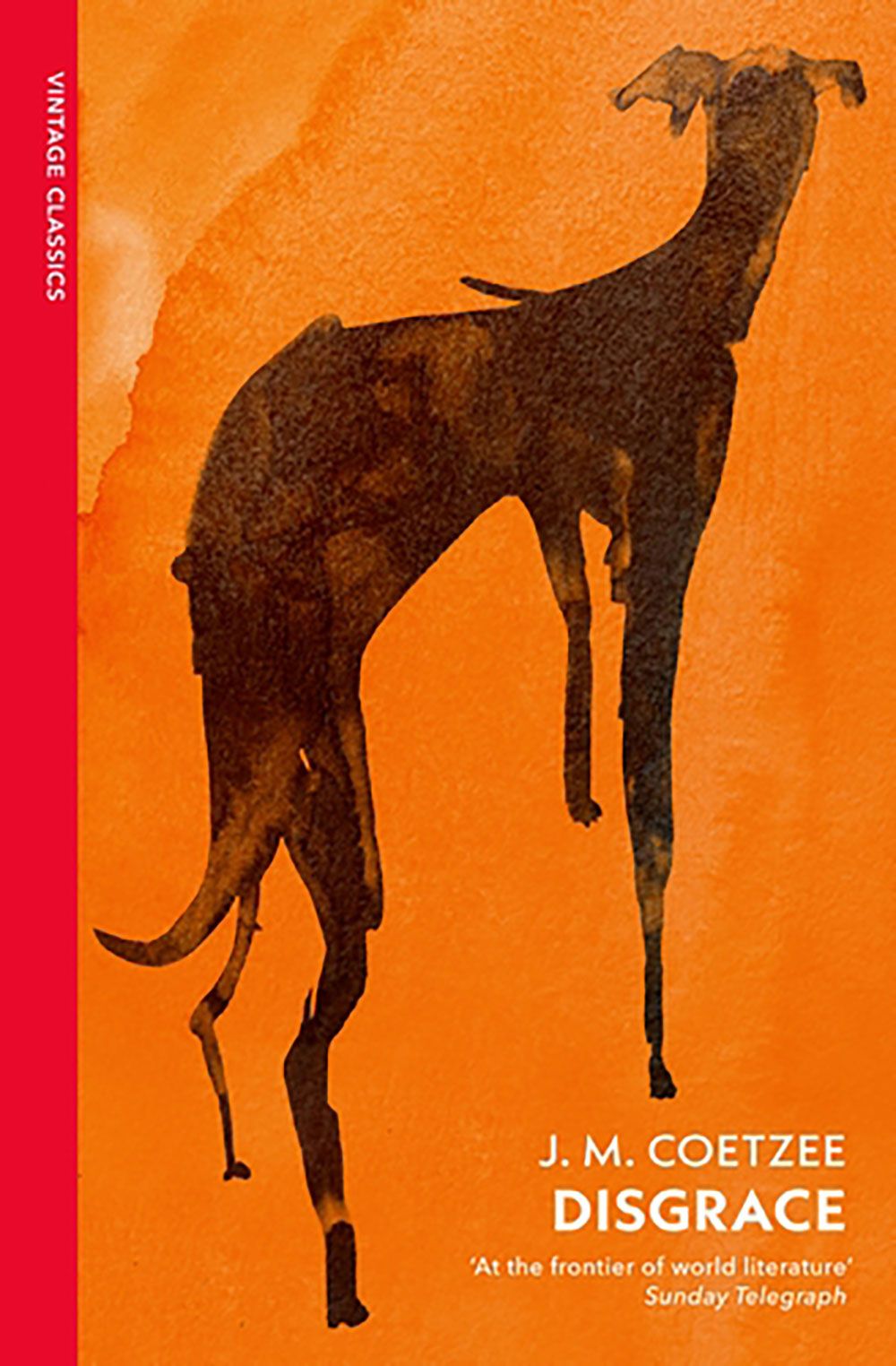
The novel’s second transient setting, the rural Eastern Cape, is not incidental; it is a contested geography where the legacies of dispossession, migration, and racialized violence remain acute. Coetzee stages the collision between urban institutional worlds and rural social realities through the experiences of Lucy and her farm. The attack on Lucy and the subsequent negotiations she undertakes with her assailants dramatize the complex interplay between vulnerability, agency, and survival in a landscape where legal equality has not translated into material security.
Lucy’s response to her assault—her refusal to press charges, her decision to remain on the land, and her pragmatic accommodation to the new social order—complicates simplistic narratives of victimhood and retribution. Coetzee forces readers to confront the ethical ambiguities of survival in a context where recourse to law may be ineffective or even dangerous, and where the calculus of safety, property, and dignity is shaped by histories of dispossession. Lucy’s choices can be read as a form of strategic adaptation rather than moral capitulation; they reveal how individuals negotiate the demands of survival within structures that remain deeply unequal.
At the same time, Coetzee refuses to romanticize Lucy’s stoicism. The novel makes clear that her accommodation is not a solution to structural injustice but a pragmatic response to it. By foregrounding the material stakes of land, labour, and bodily security, Disgrace insists that ethical reflection must attend to the concrete conditions that shape human choices. The Eastern Cape thus becomes a testing ground for the novel’s central claim: political transition without material redistribution and epistemic change leaves people exposed to new forms of dispossession.
Intertextuality and the Moral Imagination
Coetzee’s dense intertextuality—his deployment of Romantic poets, imperial narratives, and canonical tropes—serves a double function. On one level, these allusions reveal the intellectual formation of characters like Lurie and the cultural resources they draw upon to make sense of the world. On another level, the contrast between these aesthetic ideals and the novel’s brutal social realities produces a moral dissonance that is central to Coetzee’s critique. Romantic notions of individual genius, aesthetic autonomy, and melancholic withdrawal are shown to be inadequate responses to the ethical demands of a society marked by collective trauma and structural inequality.
By juxtaposing high cultural references with scenes of violence and dispossession, Coetzee exposes the limits of an aestheticism that divorces art from social responsibility. The novel thereby stages a challenge to the moral imagination of those who would retreat into the consolations of culture while ignoring the material suffering that surrounds them.
Coetzee’s intertextual strategy is not merely erudite ornamentation; it is a deliberate means of diagnosing the ethical failures of a class of intellectuals who continue to inhabit the mental world of empire.

Nostalgia as Ethical Blindness
A central claim of this paper is that nostalgia in Disgrace functions as a form of ethical blindness. The hangover of a colonial project that the novel repeatedly evokes is not an innocent longing for a vanished order but a cognitive posture that prevents characters from recognizing the moral urgency of the present. Nostalgia preserves certain comforts—status, cultural coherence, and a sense of moral clarity—while occluding the ways in which those comforts were built on dispossession and violence. Coetzee’s narrative thus treats nostalgia as an obstacle to justice: it is precisely the refusal to relinquish the certainties of the past that perpetuates harm in the present.
This diagnosis has implications for how we think about transitional justice more broadly. Legal and political reforms that do not engage with the epistemic and cultural dimensions of domination risk producing a hollow reconciliation. Coetzee’s novel suggests that meaningful transformation requires not only institutional change but also a reorientation of values, narratives, and everyday practices that continue to reproduce inequality.
Ethical Implications and Literary Responsibility
If Disgrace is a critique of the persistence of colonial mentalities, it is also a meditation on the responsibilities of writers and intellectuals in moments of social transition. Coetzee’s own literary practice—his refusal to offer easy moral resolutions, his insistence on ambiguity, and his attention to the material conditions of suffering—models a form of ethical seriousness that resists both sentimentalism and facile denunciation. The novel asks readers to inhabit discomfort, to attend to the complexity of human motives, and to recognize that moral clarity often requires sustained, difficult work rather than rhetorical certainty.
At the same time, the novel’s ethical posture is not merely negative. By making visible the continuities between past and present, Coetzee opens a space for reflection about how values might be reconstituted. The painful encounters the novel stages—between Lurie and those he wrongs, between Lucy and the rural community, between the university and the world outside—are opportunities for moral learning, however fraught and incomplete. Coetzee thereby suggests that literature’s role in transitional contexts is to complicate easy narratives and to insist on the hard work of ethical reckoning.
The following six sections contain a detailed close reading of the text and the different themes that it elucidates.
Section I: Sexual Violence and Moral Responsibility
One of the most striking aspects of J.M. Coetzee’s Disgrace is its unflinching portrayal of sexual violence and the moral ambiguities surrounding it. The novel juxtaposes two acts of violation: David Lurie’s coercion of his student Melanie Isaacs and the brutal rape of his daughter Lucy. These two events are not presented as isolated incidents but as interconnected manifestations of systemic violence in post-apartheid South Africa. Coetzee deliberately resists offering a hierarchy of sins, instead forcing readers to confront the continuum of patriarchal and racial violence that permeates both private and public spheres.
Lurie’s Coercion and Institutional Response
Lurie’s relationship with Melanie Isaacs is framed as coercive rather than consensual. He abuses his position of authority as a professor, manipulating Melanie into a sexual encounter that she does not actively resist but does not freely choose either. The disciplinary hearing that follows is emblematic of institutional inadequacy. Rather than facing criminal charges, Lurie is asked to make a public confession and resign from his post. As the uploaded document notes, “Instead of being jailed, instead he goes through some form of ‘therapy’, working with dogs in an animal sanctuary.” This displacement of punishment reflects the failure of institutions to adequately address sexual misconduct, particularly when committed by men in positions of power.
Michel Foucault’s Discipline and Punish provides a useful lens here. Lurie’s disgrace is managed through disciplinary mechanisms—public shaming, resignation, and exile—rather than through legal accountability. His punishment is symbolic, designed to restore institutional order rather than deliver justice to the victim. This reflects broader societal patterns in which sexual violence is minimized or reframed to protect male privilege.
Lucy’s Assault and the Politics of Silence
Lucy’s rape, by contrast, is depicted with stark brutality. Three men attack her on her farm, leaving her traumatized and vulnerable. Unlike Lurie, Lucy does not receive institutional support. Instead, she faces the harsh realities of rural life in post-apartheid South Africa, where justice is inaccessible and survival requires compromise. Her refusal to prosecute her rapists and her decision to remain on the farm under Petrus’s protection exemplify what Gayatri Spivak calls “strategic unfreedom.” Lucy’s silence is not passive but tactical, a means of negotiating survival in a hostile environment.
This silence has been widely debated in scholarship. Sue Kossew (2003) argues that Lucy’s refusal to speak is emblematic of the silenced subaltern, whose voice is constrained by systemic power structures. Her decision to remain on the farm, even after her assault, reflects both resilience and resignation. It symbolizes the compromises required for survival in a society still haunted by colonial and apartheid legacies.
Continuum of Violence
By juxtaposing Lurie’s coercion with Lucy’s assault, Coetzee refuses to present one violation as more forgivable than the other. Instead, he exposes the continuity of violence across race, gender, and class. Lurie’s abuse of power as a white male academic mirrors the violence inflicted on Lucy by marginalized men seeking to assert dominance in a shifting social order. Both acts reveal the persistence of patriarchal structures, albeit in different contexts.
This continuum challenges readers to reconsider the boundaries between private misconduct and public violence. It suggests that sexual violence is not an aberration but a pervasive condition, embedded in social and institutional systems. As Ranaware (2024) notes, “Coetzee highlights the double standards and hypocrisy of society, where men are often excused for their sexual misconduct while women are blamed and shamed.” Lucy’s endurance and Lurie’s symbolic disgrace both reflect the uneven distribution of justice in post-apartheid South Africa.
Ethical Implications
The ethical implications of these parallel violations are profound. Lurie’s eventual transformation—marked by humility in caring for abandoned dogs—suggests a partial redemption, though it does not absolve him of his past. Lucy’s endurance, meanwhile, represents a different form of resilience, rooted in compromise rather than redemption. Together, these narratives highlight the complexity of survival in a society where violence is normalized and justice is elusive.
Section II: Colonialism and Apartheid Legacies
While Disgrace is often read as a novel about personal downfall and sexual violence, it is equally a meditation on the lingering structures of colonialism and apartheid in post-1994 South Africa. Coetzee situates his narrative in the Eastern Cape, a region historically marked by land dispossession, racial conflict, and the uneasy coexistence of settler and indigenous communities. Through symbolic details, narrative choices, and character dynamics, the novel foregrounds the persistence of colonial legacies in a society ostensibly transformed by democracy.
The Farm as a Microcosm of Land Tensions
The rural farm setting is central to the novel’s exploration of apartheid legacies. Lucy’s farm represents both continuity and vulnerability. As a white woman living alone in the Eastern Cape, she embodies the precarious position of white landowners in post-apartheid South Africa. Her farm is not simply a private space but a contested site where historical injustices and contemporary anxieties converge. The attack on Lucy is not only a personal violation but also a symbolic act of reclaiming power in a landscape historically defined by dispossession.
Scholars such as Lakshmi (2019) argue that the farm functions as a microcosm of South Africa’s unresolved land tensions. Lucy’s eventual decision to cede land and accept Petrus’s protection reflects the shifting dynamics of ownership and belonging. It symbolizes the redistribution of power, where white landowners must negotiate survival through compromise rather than dominance. This negotiation underscores the fragility of white identity in a society where historical privilege is increasingly contested.
Petrus and the Politics of Power
Petrus, Lucy’s Black neighbor, emerges as a pivotal figure in the novel’s exploration of post-apartheid power dynamics. Initially portrayed as a marginal farmer, Petrus gradually asserts authority, offering Lucy protection in exchange for marriage and land. His rise reflects the broader redistribution of power in South Africa, where formerly marginalized individuals gain agency in the new democratic order. Yet Petrus’s protection is not altruistic; it is transactional, underscoring the complexities of survival in a society still haunted by inequality.
Gayatri Spivak’s Can the Subaltern Speak? provides a useful framework for understanding Lucy’s position in relation to Petrus. Lucy’s silence and compromise can be read as a form of subaltern negotiation, where agency is constrained by systemic power structures. Her decision to remain on the farm, despite her trauma, reflects both resistance and resignation. It embodies the compromises required for survival in a landscape where colonial legacies continue to shape social relations.
Continuity of Apartheid Structures
Despite the formal end of apartheid, Disgrace suggests that its structures persist in subtle and insidious ways. The novel highlights the continuity of racial hierarchies, economic disparities, and gendered violence. Lucy’s vulnerability as a white woman in rural South Africa reflects the inversion of power dynamics, yet her reliance on Petrus underscores the persistence of patriarchal structures. Lurie’s disgrace, meanwhile, reflects the inadequacy of institutions to deliver justice, revealing the lingering influence of colonial disciplinary mechanisms.
As Yadav & Sharma (2020) note, Disgrace “explores the aftermath of colonialism and its impact on the country’s people, delving into race, power, and identity in post-apartheid South Africa.” The novel resists simplistic narratives of reconciliation, instead presenting a society where colonial legacies continue to shape identities and relationships. Coetzee’s refusal to offer resolution underscores the complexity of South Africa’s transition, highlighting the persistence of historical injustices in contemporary life.
Section III: Identity, Otherness, and Survival
Beyond its exploration of sexual violence and colonial legacies, Disgrace is deeply concerned with questions of identity, otherness, and survival in post-apartheid South Africa. Coetzee’s narrative foregrounds the fragility of human identity when confronted with vulnerability, silence, and dependence. Both David Lurie and Lucy undergo transformations that force them to renegotiate their sense of self in relation to others—human and nonhuman alike. These negotiations reveal survival not as heroic resistance but as compromise, humility, and ethical responsibility.
Lurie’s Transformation Through Animals
After his resignation, Lurie begins working at an animal clinic, assisting in the euthanasia of unwanted dogs. This work marks a profound shift in his identity. Once a proud academic who viewed himself as above ordinary morality, Lurie learns humility through caring for creatures deemed disposable. His compassion for the dogs—burying them with dignity, refusing to treat them as mere waste—reflects a new ethical orientation. Emmanuel Levinas’s Totality and Infinity provides a useful framework here: Lurie’s recognition of the dogs’ vulnerability embodies Levinas’s ethics of alterity, where responsibility to the Other precedes self-interest. In this sense, Lurie’s disgrace becomes a pathway to ethical transformation, though it does not absolve him of his past.

Lucy’s Strategic Unfreedom
Lucy’s response to her assault represents another form of survival. Her refusal to prosecute her rapists and her decision to remain on the farm under Petrus’s protection exemplify what Gayatri Spivak calls “strategic unfreedom.” Lucy’s silence is not passive resignation but a tactical choice, a recognition that survival in rural South Africa requires compromise. By ceding land and accepting Petrus’s authority, Lucy negotiates a precarious form of belonging. Her identity as a white woman is redefined not through autonomy but through dependence, reflecting the shifting power dynamics of post-apartheid society.
Scholars such as Kumaran & Gunasekaran (2019) argue that survival in Coetzee’s narratives is less about heroic resistance than about fragile negotiations of vulnerability. Lucy’s endurance embodies this fragility. Her silence, often criticized by readers, is a form of agency constrained by systemic power structures. It reflects the compromises required for survival in a society where colonial legacies continue to shape social relations.
Otherness and Ethical Responsibility
Both Lurie and Lucy confront the Other in ways that redefine their identities. For Lurie, the dogs represent radical otherness—creatures outside the human sphere yet deserving of dignity. For Lucy, Petrus embodies the shifting dynamics of power and belonging. Her dependence on him reflects the necessity of recognizing the Other not as subordinate but as central to survival. In both cases, identity is reconstituted through ethical responsibility to others, whether human or nonhuman.
Levinas’s philosophy underscores this transformation. Identity, in his view, is not self-contained but constituted through responsibility to the Other. Lurie’s compassion for the dogs and Lucy’s compromise with Petrus both reflect this ethical orientation.
Coetzee’s narrative thus situates survival not in autonomy but in relationality, where identity is shaped by vulnerability and dependence.
Survival as Compromise
Ultimately, Disgrace presents survival as compromise rather than triumph. Lurie’s humility and Lucy’s endurance both reflect the fragility of identity in a society marked by violence and inequality. Their transformations underscore the novel’s refusal to offer redemptive narratives. Instead, Coetzee presents survival as an ongoing negotiation, where disgrace becomes a universal condition and identity is redefined through responsibility to others.

Section IV: Shame as a Collective Condition
The title of J.M. Coetzee’s Disgrace encapsulates the novel’s central thematic concern: disgrace is not merely an individual affliction but a collective condition that permeates personal, familial, institutional, and national life in post-apartheid South Africa. Coetzee’s narrative insists that shame is not confined to David Lurie’s downfall but extends outward, implicating Lucy, the university, and the nation itself. In this way, Disgrace becomes a meditation on the politics of shame, exposing how disgrace functions as both a disciplinary mechanism and a shared burden in a society marked by historical violence and inequality.
Lurie’s Personal Disgrace
At the most immediate level, disgrace manifests in Lurie’s personal downfall. His coercion of Melanie Isaacs leads to a disciplinary hearing, resignation, and exile. Yet his disgrace is not simply the result of his misconduct; it is also shaped by institutional mechanisms designed to manage shame. Michel Foucault’s Discipline and Punish provides a useful lens here. Lurie’s punishment is symbolic rather than legal, aimed at restoring institutional order rather than delivering justice. His disgrace is staged as a public spectacle, reinforcing the university’s authority while minimizing the gravity of his crime. In this sense, disgrace functions as a disciplinary tool, shaping behavior through shame rather than accountability.
Lucy’s Endurance and Silent Shame
Lucy’s assault introduces another dimension of disgrace: the shame of victimhood. Her refusal to prosecute her rapists and her decision to remain on the farm reflect the politics of silence in post-apartheid South Africa. As Ranaware (2024) notes, “Coetzee highlights the double standards and hypocrisy of society, where men are often excused for their sexual misconduct while women are blamed and shamed.” Lucy’s silence is not passive resignation but a tactical choice, a recognition that survival requires compromise. Yet it also reflects the burden of shame placed on victims, who are often silenced by societal expectations. Her endurance embodies the collective condition of disgrace, where shame is distributed unevenly across gendered lines.
Institutional and National Shame
Beyond individual experiences, Disgrace situates shame within broader institutional and national contexts. The university’s handling of Lurie’s misconduct reflects the inadequacy of institutions to deliver justice, revealing the persistence of colonial disciplinary structures. At the national level, disgrace becomes a metaphor for South Africa’s unresolved history. The novel suggests that the transition to democracy has not erased the legacies of apartheid but has instead produced new forms of vulnerability and compromise. Shame, in this sense, is a collective burden, binding individuals to the nation’s unresolved past.
Biopolitics and the Management of Shame
Foucault’s concept of biopolitics further illuminates the novel’s treatment of disgrace. Shame functions as a mechanism for managing bodies and identities within systems of power. Lurie’s disgrace disciplines him into humility, reshaping his identity through work with dogs. Lucy’s shame disciplines her into silence, reshaping her identity through dependence on Petrus. In both cases, disgrace operates as a biopolitical tool, regulating behavior through the internalization of shame.
Coetzee’s narrative thus reveals how disgrace is not merely personal but systemic, embedded in the structures of power that govern post-apartheid society.
Collective Disgrace as Ethical Condition
Ultimately, Disgrace presents shame as a universal condition, demanding recognition and reckoning. Lurie’s humility and Lucy’s endurance both reflect responses to disgrace, though neither offers full redemption. Their experiences underscore the novel’s refusal to offer resolution, insisting instead on the persistence of shame as an ethical condition. Emmanuel Levinas’s ethics of alterity resonate here: disgrace compels responsibility to the Other, forcing individuals to confront vulnerability and dependence. In this sense, disgrace becomes not only a burden but also a pathway to ethical transformation.
Section V: Close Readings of Key Passages
Close textual analysis is essential to understanding how Disgrace dramatizes its themes of sexual violence, colonial legacies, and collective shame. Coetzee’s restrained narrative style—marked by sparse prose, silences, and understatement—forces readers to confront the ethical weight of events without the comfort of sentimentality. Three passages in particular illuminate the novel’s central concerns: Lurie’s disciplinary hearing, Lucy’s refusal to prosecute her rapists, and Lurie’s work with dogs at the animal clinic.
Lurie’s Disciplinary Hearing
The hearing scene exemplifies how institutions manage disgrace through ritualized confession rather than substantive justice. Lurie is asked to apologize publicly, but he refuses to perform contrition in the manner demanded by the committee. His insistence on maintaining dignity—“I am guilty of an offense. I have no doubt about that. But I am not guilty in the way you think” (Coetzee, Disgrace)—reveals his resistance to institutional authority. The committee’s focus on confession rather than accountability reflects Michel Foucault’s analysis of disciplinary power, where institutions regulate behavior through shame and surveillance rather than legal punishment. This passage underscores the inadequacy of institutional responses to sexual misconduct, highlighting the persistence of colonial disciplinary structures in post-apartheid South Africa.
Lucy’s Refusal to Prosecute
Lucy’s decision not to prosecute her rapists is one of the most controversial moments in the novel. When Lurie urges her to seek justice, she responds: “What happened to me is a purely private matter. It has nothing to do with the state” (Coetzee, Disgrace). This refusal reflects both resignation and tactical survival. Gayatri Spivak’s concept of the subaltern is useful here: Lucy’s silence embodies the constrained agency of those marginalized by systemic power structures. Her refusal to speak is not passive but strategic, a recognition that survival in rural South Africa requires compromise. This passage forces readers to confront the politics of silence, where victims are compelled to endure shame rather than seek justice. It also highlights the gendered distribution of disgrace, where women bear the burden of silence while men are excused or symbolically punished.
Lurie’s Work with Dogs
Lurie’s transformation is most evident in his work with dogs at the animal clinic. He assists in euthanizing unwanted animals, but he insists on burying them with dignity, refusing to treat them as mere waste. “He saves them from the indignity of the dump, carrying them to the incinerator himself” (Coetzee, Disgrace). This passage reflects Emmanuel Levinas’s ethics of alterity, where responsibility to the vulnerable Other precedes self-interest. Lurie’s compassion for the dogs marks a profound shift in his identity, from arrogance to humility. Yet this transformation is partial; it does not absolve him of his past misconduct. Instead, it reflects Coetzee’s insistence that disgrace is not erased but reconstituted through ethical responsibility. The dogs become symbols of vulnerability, forcing Lurie to confront the fragility of life and the necessity of compassion.
Narrative Style and Ethical Weight
Coetzee’s narrative style in these passages is marked by restraint and understatement. He avoids sensationalism, presenting events with sparse detail and leaving silences for readers to interpret. This style forces readers to confront the ethical weight of events without the comfort of narrative closure. The hearing scene is presented as bureaucratic ritual, Lucy’s refusal as quiet endurance, and Lurie’s work with dogs as humble repetition. Together, these passages exemplify Coetzee’s refusal to offer resolution, insisting instead on the persistence of disgrace as a collective condition.

Section VI: Comparative Context
While Disgrace stands as a singularly provocative novel, its themes resonate deeply with other works in South African literature, as well as Coetzee’s earlier fiction. By comparing Disgrace with Coetzee’s In the Heart of the Country (1977) and Nadine Gordimer’s The House Gun (1998), we can better understand how the novel participates in a broader discourse on violence, identity, and post-apartheid transformation.
Coetzee’s In the Heart of the Country
Coetzee’s In the Heart of the Country explores similar themes of sexual violence and colonial power, though in a different historical context. The novel centers on Magda, a white woman living on a remote farm, who narrates her isolation and fantasies of rebellion against her father. Like Lucy in Disgrace, Magda embodies the precarious position of white women in rural South Africa, caught between patriarchal oppression and colonial legacies. Both novels situate female vulnerability within the contested space of the farm, highlighting how land ownership and gender intersect in the South African imagination.
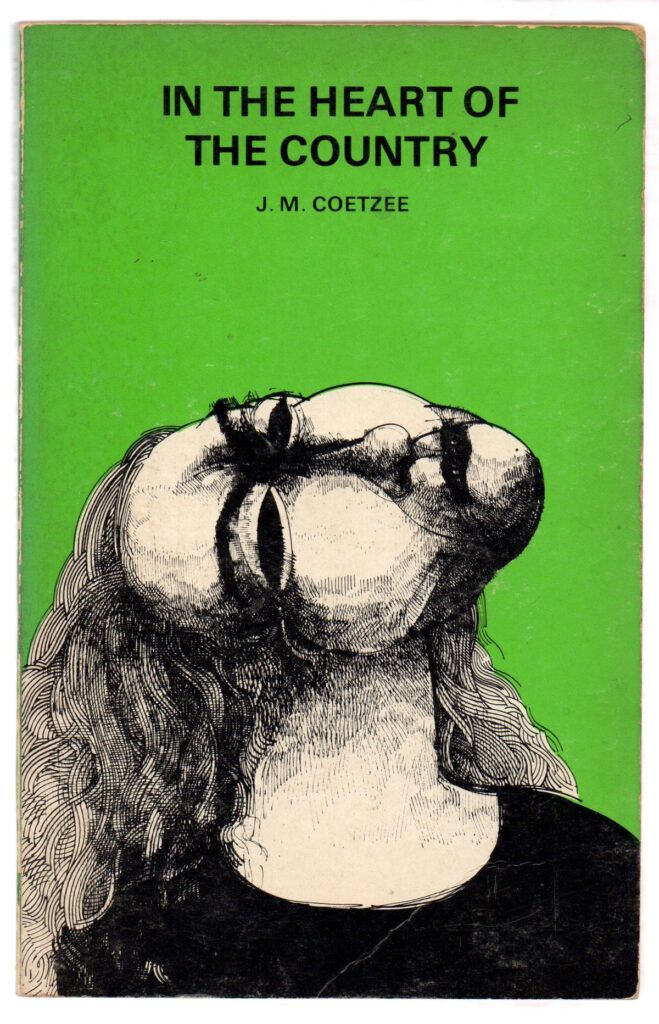
The comparison underscores Coetzee’s sustained interest in the farm as a site of violence and identity. In both novels, the farm becomes a microcosm of national tensions, where personal trauma reflects broader historical injustices. Lucy’s endurance in Disgrace echoes Magda’s isolation, suggesting continuity in Coetzee’s exploration of female subjectivity under conditions of colonial and postcolonial violence.
Gordimer’s The House Gun
Nadine Gordimer’s The House Gun, published just a year before Disgrace, offers another perspective on post-apartheid violence. The novel centres on a white middle-class family whose son is accused of murder, forcing them to confront the realities of crime and justice in the new South Africa. Like Disgrace, Gordimer’s novel resists triumphalist narratives of reconciliation, instead presenting a society where violence persists despite democratic transformation.

The comparison highlights differences in focus: Gordimer situates violence within urban middle-class life, while Coetzee situates it within rural land tensions. Yet both novels reveal the fragility of white identity in post-apartheid South Africa, where historical privilege is contested by new forms of vulnerability. Together, they underscore the persistence of violence as a defining feature of the post-apartheid condition.
Positioning Disgrace in the Canon
By situating Disgrace alongside In the Heart of the Country and The House Gun, we can see how Coetzee’s novel participates in a broader literary discourse on violence, identity, and transformation. Coetzee’s focus on sexual violence and colonial legacies complements Gordimer’s exploration of crime and justice, while his sustained interest in the farm echoes his earlier work. Disgrace thus stands at the intersection of continuity and innovation, extending Coetzee’s thematic concerns while engaging directly with the challenges of post-apartheid society.
Conclusion
Disgrace is a novel that deliberately returns the reader to the residues of empire and apartheid in order to show how those residues continue to shape moral life in post‑1994 South Africa. Through its institutional focus, its symbolic economy of cultural value, and its attention to the embodied realities of race and place, the novel diagnoses the limits of political transition that does not attend to epistemic and material transformation.
Disgrace is not simply a novel about one man’s downfall; it is a profound meditation on the intersections of sexual violence, colonial legacies, and post-apartheid identity.
By juxtaposing David Lurie’s coercion of Melanie Isaacs with Lucy’s rape, Coetzee refuses to establish a hierarchy of sins, instead exposing the continuum of violence across race, gender, and class. The novel critiques institutional inadequacy, highlighting how disciplinary mechanisms manage disgrace through symbolic punishment rather than substantive justice.
At the same time, Disgrace situates its narrative within the broader socio-political context of South Africa’s transition. The farm becomes a microcosm of unresolved land tensions, while Lucy’s compromise with Petrus reflects the shifting dynamics of ownership and belonging. Coetzee’s use of colonial markers, such as currency, underscores the persistence of apartheid structures in everyday life. Through Lurie’s transformation in caring for abandoned dogs and Lucy’s endurance in silence, the novel foregrounds survival not as heroic resistance but as fragile negotiation. Levinas’s ethics of alterity and Spivak’s subaltern theory illuminate how identity is reconstituted through responsibility to the Other, whether human or nonhuman. Shame, in this sense, becomes a collective condition, binding individuals to the nation’s unresolved history.
Disgrace resists closure. It offers no redemption, no reconciliation, only the persistence of disgrace as an ethical condition. Coetzee’s novel insists that post-apartheid South Africa cannot escape its colonial and apartheid past; instead, it must confront the burden of shame as a shared reality. In doing so, Disgrace redefines freedom as survival within vulnerability, demanding recognition, responsibility, and humility in the face of the Other.
Gallagher, S.V.Z. (2002). A Story of South Africa: J.M. Coetzee’s Fiction in Context. Harvard University Press.
Khamari, T. (2020). Violation of Sexuality and Racial Crisis: A Critical Study of J.M. Coetzee’s Disgrace. IJRAR.
Kossew, S. (2003). The Politics of Shame and Redemption in J.M. Coetzee’s Disgrace. Research in African Literatures.
Kumaran, S. & Gunasekaran, S. (2019). Negotiating Otherness: Identity, Power, and Survival in J.M. Coetzee’s Post-Apartheid Narratives. ResearchGate.
Lakshmi, V. (2019). Post-Colonial Study on J.M. Coetzee’s Disgrace. JETIR.
Levinas, E. (1969). Totality and Infinity: An Essay on Exteriority. Duquesne University Press.
Foucault, M. (1977). Discipline and Punish: The Birth of the Prison. Pantheon Books.
Spivak, G.C. (1988). Can the Subaltern Speak? Macmillan.
Ranaware, D.J. (2024). Sex and Violence: Major Concerns in Coetzee’s In the Heart of the Country and Disgrace. SRTM University.
Yadav, M.K. & Sharma, M. (2020). Role of Major Themes in the Novel Disgrace by J.M. Coetzee. International Journal of Advanced Science and Technology.