• Issue #01
  • Issue #02
  • Issue #03
  • Issue #04
  • Issue #05
  • Issue #06
  • Issue #07
  • Issue #08
  • Issue #09
  • Issue #10
  • Issue #11
  • Issue #12
  • Issue #13
13
Contents
editorial
SIYAMTHANDA-MUHLE MUYANGA
Ngiyasaba makusa, ngoba kumele ngivuke (I fear the morning, because I must wake up)
MNQOBI NGUBANE, TSOGO KUPA & EUGENE SKEEF
Mathonga Elizwe (Spirits of the Land)
ITUMELENG MAHABANE
Towards an ontology of [decolonised] being.
LAVITUDE RAMPHOMANE
The Elephant in the Room
SIMON NKULULEKO SPOOR
Thinking about Violence and GBV in South Africa
DHIRU SONI
The Silent Crisis of South African Libraries
Theme Decay Without Mourning
WAMUWI MBAO
A Circumstantial Account of The State of Decay
LIZABÉ LAMBRECHTS
To Decay - on custodianship, care, and the ethics of returning.
KATI LINDSTRÖM
Antarctica: Continent of the Future
LIZE-MARIÉ HANSEN VAN DER WATT
Imperialism, South Africa’s Antarctic Heritage and Decay, 1910-1961
NICOLA DEANE
Endling by Dominique Edwards & Nicola Deane
LEIF PETERSEN
Decay: transcript of a documentary film about bossiedokters
EVE WONG
Missing People, Present Decay: Fabulous Matter, or the Decomposition of Colonial Ontology
PAKAMA S. NCUME
Digitisation and Decay: An Archivist’s Ethics of Care for Reel-to-Reel Tape Preservation
SIMPHIWE MLAMBO
Flowers on Your Grave - Postcards to the occupants of the subsurface, below the monument line
NELISIWE XABA & BRENTON MAART
In Conversation about vRot: The politics and poetry of decay
NJABULO CHIPANGURA
Relational care in reimaging meanings of African Heritage Objects at Manchester Museum
HANNA B. HÖLLING
What of Conservation? After Permanence: On Decay as a Critical Ethics
SIGRID ADORF & ANDREA SICK
Restaging, De-closing, Versioning: Unfolding Temporalities of “the Archive” (Lecture Script)
TSHOLOFELO MOCHE
Home Truths II: What Is in A Name
MICHAEL SCHOFIELD
Decay, Creativity and Care in Stellenbosch
FLORENCIA LEVY
Audiencia de espectros
NEITH MOORE
Molecular Fabulations: From Ashes to Algorithms
MARISA MARÉ
Beyond Solutionism: Decay as Relational Practice in Bioplastic Art
MAIJA HIRVANEN
Mycoscores / Choreospores
HYUNGGYU KIM
Afterimages of Decay: Rebuilding the Democratic Process of Designing through Digital Ruins
ORLANDO VIEIRA FRANCISCO
Flags of Other Winds: Decay, Resistance, and Infrastructural Entanglements
ALEXANDRA DODD
hypha: A response to the first screening of Aryan Kaganof’s found footage film during the Decay Without Mourning conference
CARA STACEY
Hypha
GLICÉRIA TUPINAMBÁ
Bordunas
IRINEU NJE’A TERENA
Ancestral Ceramic Technology
galleri
LIZABÉ LAMBRECHTS & NICOLA DEANE
Deaccessioned
IO MAKANDAL
Watermelon
CECILIA VICUÑA
'Your Rage is Your Gold'
THOKOZANI MTHIYANE
Fragments (Memory of others)
JOAN OTIENO
Art as the Social Impact of Repurposing Waste Materials
DAVID EDWARDS
Urban Decay in Johannesburg and the Reef: The world as Evidence
BERKVELDT
Necrosonic Landscapes – Exploring the Transitional Realm Between Life and Death
DICK HIGGINS
Symphony No.357 from The Thousand Symphonies 1968
FEDERICO FEDERICI
Reactivating the Score: Unmastered Bones
STEVEN J. FOWLER & FEDERICO FEDERICI
Some notes on bones as writing tools and the Unmastering technique of Federico Federici
ANDREA ROLFES
my mother’s eyes
NICOLA DEANE
Spectres of Decay: The archive breathing at its horizon by Jurie Senekal & Nicola Deane
ADLI YACUBI
The Price of Silence: Gaza, Venice, and the Fear Inside Cultural Institutions
TANIA HABERLAND
the torrid zone
NEILL SOLOMON
33rpm
MEGHAN HO-TONG, MATTY ROODT & LUCIENNE BESTALL
Chorus
FRANCOIS ROBERT
Stop the Violence
TAKAHIRO SAWAMURA
Liberating Letters and Words from Lines and Stanzas
DICK VERDULT
CUANDO BUENA PATADA ES MAS QUE BIENVENIDA
JAMES USILL
Disruption
LOUISE POTGIETER
remarking life
DAVID CRITCHLEY
Trialogue
LUIS HERNANDEZ
Three Figures and Two Landscapes
borborygmus
ANDILE KHUMALO
The Invisible Life of Sound: Nachklang, Decay and Ancestral Temporality
DIMITRI VOUDOURIS
“Sound an ecological engagement”
CARA STACEY, ADAM MIRZA & AKIVA ZAMCHECK
“Where’s Wanda?”
LARS GOTRICH
Divinity From Dust: The Healing Power Of 'The Disintegration Loops'
THE CARETAKER
Decay, Everywhere At The End of Time
PETR FERENC, KRISTUPAS GIKAS & MARTIN JANIČEK
Broken Music Feedback Concert
THOMAS MICHIE
Claudia Molitor's Decay: An evolving and reflective meditation on life's work-in-progress
CY CANTEREL
Living with Ghost Machines - Generative AI as hauntological determinism
MICHAEL SCHOFIELD
Aura, Decay and the Simulation of Ghosts
STEVEN CRAIG HICKMAN
What is Posthuman Porn?
PIOTR BOCKOWSKI
Artaud’s media of corporeal decomposition
ARYAN KAGANOF
Endling: decaymentation as poetics
frictions
SONGEZIWE MAHLANGU
Echoes of Blackness and other Underground Bound Poems for God’s Children on A Cold Night Tenant’s Meeting before the Revolution (Fire Story dub)
LESEGO RAMPOLOKENG
= DECAY
PIETER MADIBUSENG ODENDAAL
a beautiful amnesia
DONALD RICHIE
The Zen Library - A Sermon
JURGEN MEEKEL
Lost in Dictation
RINA GARCIA CHUA
Ataulfo
THOMAS BERNHARD
Fäulnis
ABIGAIL GEORGE
Two Decay Poems
TAKAHIRO SAWAMURA
Asemic Diaries
VONANI BILA
Masonto (an excerpt from the epic LAMENT FOR MZALA)
TUANA
Hiç Anlaşilamamis
SERAME ICEBOUND MAKHELE
"Icebound Keeps Poetry Alive"
MPHUTHUMI NTABENI
The Unmaking of the Colonial Archive and the Aesthetics of Evasion: Mudimbe, Coetzee, and the Problem of Writing Africa from the European Archive
SARAH MANGUSO
The Two Kinds of Decay (excerpts)
claque
DINI SANDISO BAZANA
Receiving Lesego Rampolokeng's When the Fires Go Down, the Reading Begins: Not a review. A reception. A sitting with a book that became dirty because it stayed with me.
MPHUTHUMI NTABENI
The Empire’s Cabinet of Curiosities - A review of Fifteen Colonial Thefts: A Guide to Looted African Heritage in Museums, Edited by Sela K. Adjei and Yann LeGall
STEVEN CRAIG HICKMAN
Chthonic Thresholds: Andrew C. Wenaus and the Decay of Electronic Literature
ARYAN KAGANOF
The Entropic Real: Louis Armand's Entropology through the lens of decay studies
MPHUTLANE WA BOFELO
Neo Lekgotla Langa Ramoupi’s Robben Island: Songs of Struggle – Izingoma Zomzamalazo
SITHEMBELE ISAAC XHEGWANA
Disgrace and the Politics of Shame: Sexual Violence, Colonial Legacies, and Post-Apartheid Identity in J.M. Coetzee’s Disgrace
SIPHOKAZI JONAS
Stacy Hardy’s An Archaeology of Holes
MBE MBHELE
Notes on the Return to the Rural
SEAN O’TOOLE
Gnossienne
MURIEL TINEL-TEMPLE
Jonas Mekas, Shiver of Memory, by Peter Delpeut.
NIDA YOUNIS
A Review of Antemanha's poem Berlin Fragmente
LETHOKUHLE MSIMANG
Fatherland - Theatre Production
FAT CITY VINYL & MUSIC BLOG
Keith Hudson - Flesh Of My Skin (VP, 2021)
MKHULU MBAZO
Under good influence: a warning on the dangers of idolatry and the worship of money.
ekaya
ZANDILE JOY DYWATI
“Black daughters and father(s): love as a praxis embedded in daughters' relationality with Black father(s)”
SOPHIA OLIVIA SANAN
De-centring White Histori(city)
KOPANO RATELE
How You Define African Psychology Determines What You Focus On: A Short Comparison of Five Definitions of African Psychology by African Psychologists
MTHUTHUZELI ZIMBA
The Mourning Project
ANDRÉ CLEMENTS
Urban Decay: A Post-Nihilist Aesthetic
JURGEN MEEKEL
Palinopsia
MARTIJN PANTLIN
The Decay Machine
MARKO PHIRI
Zimbabwe’s artistic truth decay
off the record
Dr SAZI DLAMINI
In memory of Abbey Duze Mahlobo and The Malopoets
LIZABÉ LAMBRECHTS
The Woodstock Sound System and South African sound reinforcement
LAURENCE HAMBURGER
The Lost Films of Abdullah Ibrahim
BLACK PLASTIC POSSE (BPP)
The Black Plastic Project (bpp)
FANIE JASON
Decayed Vinyl and the Real Value of Things
RANDALL ROBERTS
Meet the guardians of the world’s earliest musical recordings
WARRICK SWINNEY
Cow, Bears and Surfers: A few personal intersections with Chris Cutler.
HYBRYDS MUSIC
Erasure: a virulent form of decay
BRENDAN FRANZ & THE OTHER VINYL RECORD COLLECTORS CLUB
Our Grading System Sucks! Agree?
TEAGUE SCHNEITER
Ethical Presentation of Indigenous Media in the Age of Open Video: Cultivating Collaboration, Sovereignty and Sustainability
SAM MATHE
Remembering Michael Tshehla Phahlane
ARYAN KAGANOF
The Last Time I saw Bra Fiks
SOPHIE GRIMES
Beautiful Decay: The Poetry of Lucia Perillo
feedback
ALLAN BOESAK
6 September 2025
TSEPO YA RONA WA MAMATU
1 June 2022
CHRISTIAAN BOONZAAIER
An Interview in Die Burger 13 December 2021
OMOSEYE BOLAJI
My Apologies 6 December 2021
DIMAKATSO SEDITE
1 December 2021
PETER DELPEUT
The Forgotten Evil herri version 1 analysis and proposals 6 December 2020
FACEBOOK FEEDBACK
Facebook
the selektah
TED RIEDERER
Transfigurations
DUNKELHEIT PRODUKTIONEN
Index of Mechanical Signal Decay
PhD
ALÉSHA BREDELL
Visual Enquiries and Idiosyncratic Selections: A Close Reading of Dust
ALÉSHA BREDELL
A Close Reading of Dust as a Rhizomatic Phenomenon
ALÉSHA BREDELL
Dust as Abject
SEZGIN BOYNIK
Dust and the Archive
IGSHAAN ADAMS
When Dust Settles: The Body's Archive
STEVEN CRAIG HICKMAN
The Truth of Dust
DAVID MAISEL
Library of Dust
GLITCHMAN
SIGHTING THE DUST
hotlynx
hotlynx
hot hot
shopping
SHOPPING
Order Online | Pay Online |
contributors
CONTRIBUTORS
From A to Z
the back page
REZA NEGARESTANI
Undercover Softness: An Introduction to the Architecture and Politics of Decay
WALTER MIGNOLO
HERITAGE, QATAR, ACСESS: Enacting the Archives, Decentring the Muses (on the decolonization of Western museums)
WOLFGANG ERNST
The Archive as Metaphor: From Archival Space to Archival Time
JULIE RESHE & ALENKA ZUPANCIČ
Human Animal, Positive Psychology, and Trauma: A Conversation
STEPHEN SCRIVENER
The art object does not embody a form of knowledge
SIMON TAYLOR
Cinema Signifies a Change in the Fundamental Structure of Reality
JEFFREY BABCOCK
The Alexandria of Absence
ASUBHA
Some Imaginary Conversations About Decay Without Mourning Between the Dead, the Living and the Living Dead
MICHAEL E. ZELLER
New Studies of Rare K+ Decays
© 2026
Archive About Contact
    • Issue #01
    • Issue #02
    • Issue #03
    • Issue #04
    • Issue #05
    • Issue #06
    • Issue #07
    • Issue #08
    • Issue #09
    • Issue #10
    • Issue #11
    • Issue #12
    • Issue #13
    #13
  • off the record

SAM MATHE

Remembering Michael Tshehla Phahlane

Michael Tshehla Phahlane, the man who gave Soweto its name back in 1963, slipped away quietly on 29 July 2018 without a single mention in local media despite the fact that he was the real doyen of black South African journalism and one of its finest wordsmiths. Only the Sowetan carried a 31-word funeral notice accompanied by the standard black and white photo in the weekly In Memoriam section. He didn’t make it to the obituaries page. His huge significance in South African journalism in general and jazz writing in particularly was a fact that the paper’s editorial team was evidently unaware of. He was just another dead Sowetan.

The man nicknamed The Indestructible because of his legendary reputation for having survived a number of near-death experiences, lived most of his life in obscurity and died in oblivion, thanks to an uncaring, insensitive and oblivious society. He was the invisible man in the real sense because all South Africans simply refused to recognise the squat, forlorn figure who roamed the streets of Johannesburg as one of the city’s homeless people. He lived a hard and undignified existence, not out of his own choice but because as a country we failed him.

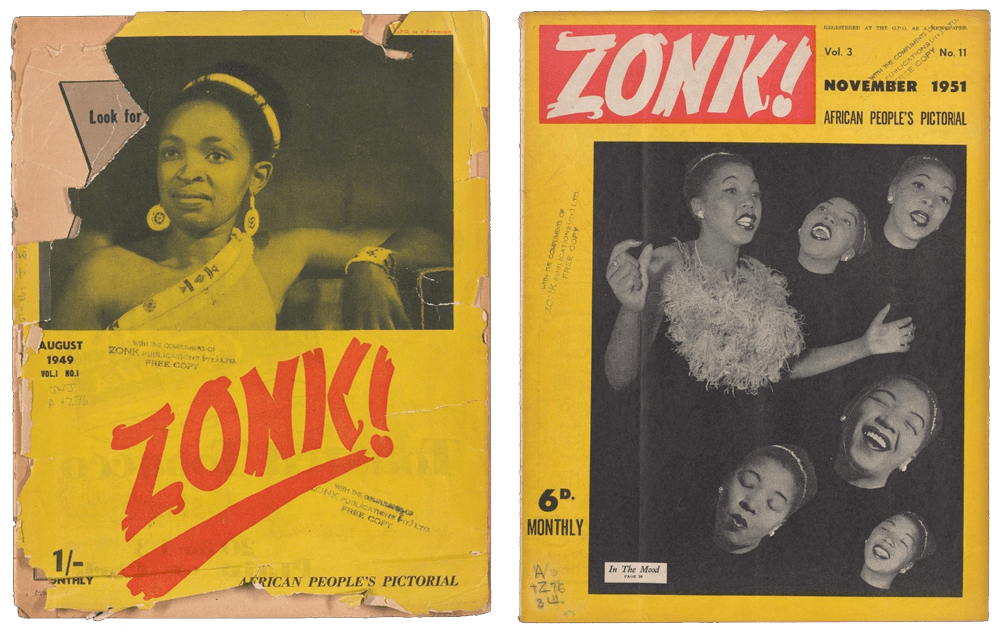
Born 26 March 1921 in old Sophiatown, in 1943 Phahlane joined Zonk, the first English language magazine for African readers. He covered a number of beats including crime reporting but distinguished himself as a jazz critic, definitely the first one on the continent. He wore his passion for this noble art on his sleeve and with his elegant but cheeky prose, championed its beauty and cause on the pages of the racy publication.
Jazz introduced Phahlane to a young and lanky pianist from Cape Town. He loved the shy musician’s efforts on the ivories but he didn’t like his name. Johannes Adolphus Botha didn’t have a ring of showbiz to it. So he gave his protégé a new identity – Dollar Brand. The intrepid scribe reasoned that a dollar was the world’s most powerful banknote at the time and his charge was destined for bigger things in the US, a brand everyone wanted to experience its dream. Very prophetic.

Years later the protégé expressed his gratitude when he recorded Bra Timing From Phomolong, a tribute bluesy, meditative hymn that came straight from the soul of Soweto. It can be found on Abdullah Ibrahim’s 1989 album, The Mountain.

And the old timers will remember Heyt Mazurki, after the legendary 1977 encounter with saxophonist Buddy Tate. There’s also Tintinyana. Originally published in 1971 in the Peace album, it’s an evocative jazz tune dedicated to Phahlane’s daughter, for Tintinyana was her name. She grew up to become a fine lady and brilliant medical doctor but sadly she passed away in the prime of her life.

Phahlane also lost his only son, Dr Michael Phahlane. The US-based psychiatrist was killed in a car crash in 1981. In 1983 Phahlane was diagnosed with amnesia and confined as a state patient to Sterkfontein Hospital, a psychiatric institution for the mentally challenged. One of his fellow inmates was Dimitri Tsafendas.
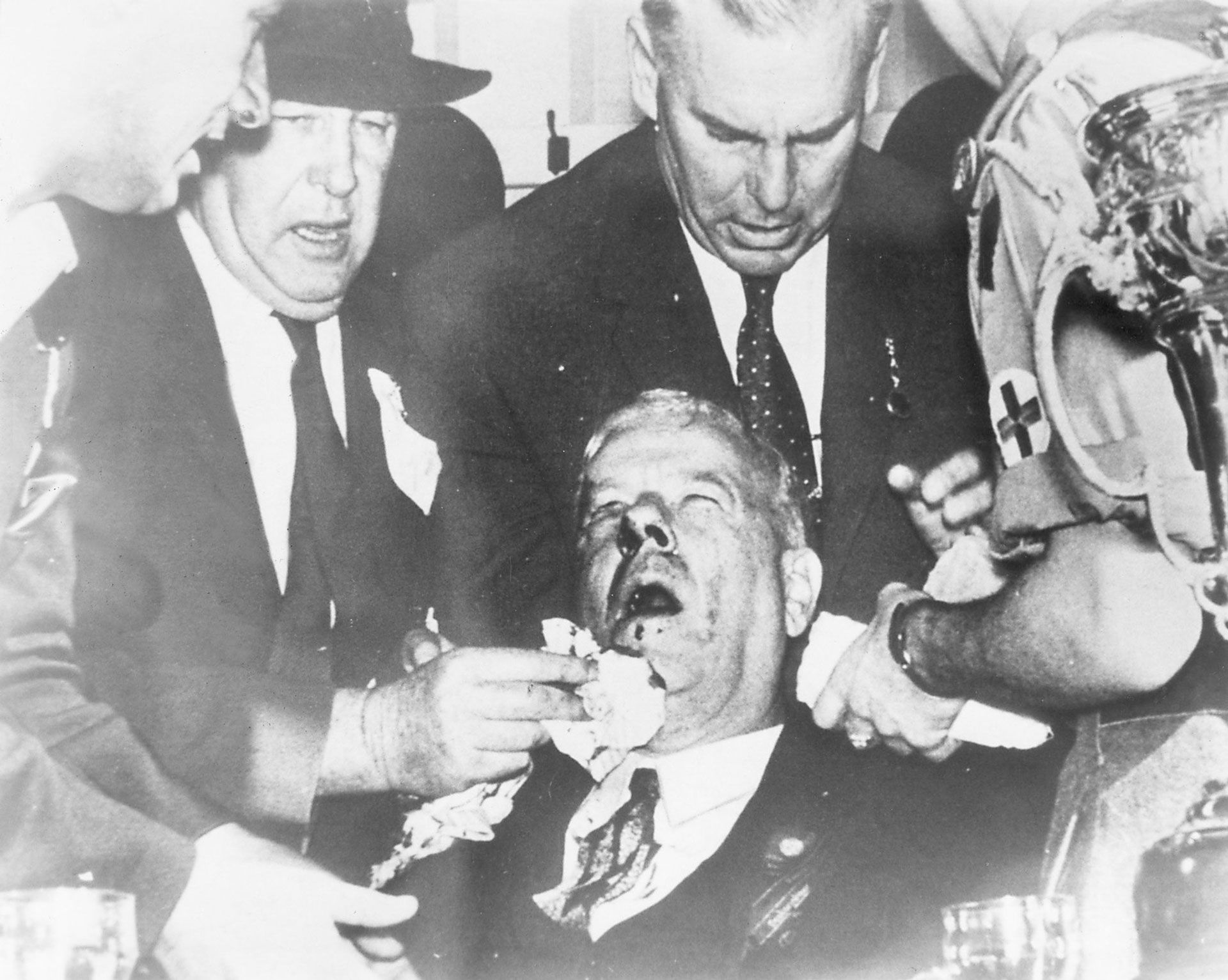
When Prime Minister Hendrik Verwoerd was assassinated by Tsafendas on 6 September 1966, Phahlane had quipped that Tsafendas had exterminated apartheid. The authorities never forgave him for that.

Phahlane’s institutionalisation cost him enormously. He lost his Soweto house and other priceless belongings. It was reportedly auctioned off at the behest of a vengeful ex-father-in-law. Since his discharge from the psychiatric institution, Ntatemoholo Phahlane, as the indomitable nanogenarian preferred to be referred to in his twilight years, had been struggling to get an RDP house. He initiatiated a series of correspondence with the former Gauteng premier, Mbhazima Shilowa and the Gauteng Department of Housing. His pleas fell on deaf ears.

“I’m so angry I could explode. I have just returned from the Department of Housing, at their new 1066 premises in Pritchard Street,” he told a journalist in the spring of 2005. “Nothing seems to materialise concerning my two-year application for an RDP house near Kliptown railway station. I’m really homeless. As it is, I have no place to sleep. I do not have the slightest idea of where I will sleep tonight. Last night I slept in an open veld in Mzimhlophe. It was also raining. I’m a very worried man. I do not have anyone to turn to. People I knew in Soweto are long dead and buried.”

In his halycon days, he earned the nickname Mike Mazurki, after an American professional wrestler who distinguished himself in Hollywood playing tough characters ranging from bouncers to gangsters. And true to his moniker, Phahlane feared no one – including Sophiatown’s dreaded gangs, the Americans, the Berliners, the Vultures as well as those in neighbouring Alexandra, the Spoilers and Msomis.

An all-round sportsman, Phahlane had a flair for golf and in the square ring his hard-as-cement fists were reputed to have send many opponents into early retirement as a result of serious injuries. “They call me Mazurki because when I was a kid I was pretty fast with my fists,” he wrote. “Those were the good old bad days of Sophiatown – Magictown, I called it – before they pulled it down and built a place called Triomf, though that sort of triumph I’ve been trying to figure out ever since.”

A man about town, Phahlane’s penchant for the best attire on the market was peerless. “Mazurki dressed like a typical American newshound – broad-brimmed hat (Fedora they called it then), background or Widmark (mackintosh), sleek Florsheim, Robblee or Nunn Bush shoes and other US-made clothing he had a strong penchant for,” wrote the late scribe and contemporary, Doc “Carcass” Bikitsha. “He lived as hard as his American counterparts because he was nurtured in the Viking atmosphere of Sophiatown and Western Native Township. To a certain extent, he brought that element of toughness in his journalism. He did not fear man or god and was frequently on the receiving end of the stick because of his addiction to the white man’s ‘fire water’. Who was not at the time?”

As editor and columnist at Zonk, he penned a must-read column called Swingcerely Yours. There couldn’t have been a more apt name for a jazz column during the swing era. “I’m no ordinary rapscallion. That’s for sure. I’ve seen a few beautiful dolls in my time and run into a few stray hens,” he wrote in Mazurki’s Zuka, his other column in later years. “I’ve also seen the bottom of a few bottles although these days I’m more sober than your average Joburg magistrate – and believe me, I’ve seen a few of them too! By and large, you could say I’ve drunk deep of the cup of life and it’s given me one helluva hangover.”

Although Zonk was primarily about the performance arts and hardly political, it was only a matter of time before it caught the attention of the newly elected apartheid masters. The constant scrutiny and harassment eventually forced owner, Ike Brooks to sell the magazine in 1958. Phahlane resigned in protest and urged his colleagues to do the same. “I was subsequently charged with incitement and intimidation and was involved in a sensational court case in which Nelson Mandela defended me pro bono (for free). I was acquitted.”

Other publications he subsequently worked for included included Drum, Golden City Post, Rand Daily Mail and The World. In 1959 the Johannesburg City Council launched a competition to find an appropriate name for approximately 22 black townships situated south west of the city. The winning prize was ten pounds. After four years of debates and deliberations, the authorities arrived at Soweto – a name Ntatemoholo Phahlane has said belongs to him. He’s also credited with coining monikers for his neighbourhood (Kofifi), Dark City (Alexandra), Rockville (Moroka) and Kalamazoo (Steve Mokone, the country’s first soccer export). Ntatemoholo Phahlane was 97 when he passed away, a sign of his legendary never-say-die spirit.
Share
Print PDF
TEAGUE SCHNEITER
ARYAN KAGANOF
© 2026
Archive About Contact