KATI LINDSTRÖM
Antarctica: Continent of the Future
Everything in Antarctica is about the future.
Those who nearly wiped out the Antarctic whale and seal populations in the 19th century believed in a future of endless industrial growth. After the seals had been largely clubbed to death and Arctic whales had been radically reduced in number, the attention of imperial seafarers turned to the Antarctic whales. Even when kerosene took over the function as the main lamp oil in the late 1890s, the demand for whale oil continued to surge.[1]Tønnessen, J. N.; Johnsen, A. O. (1982). The History of Modern Whaling. Hurst & Company ; Australian National University Press. No oil like whale oil, claimed the advertisements. Best for your modern watch, clock and chronometer – the sperm whale oil was the promise of smoothness, the lubricant of the future.[2]An excellent selection of whaling-related advertisments and objects can be seen in the collections of the New Bedford Whaling Museum. newbedford “The oil-butts”, “the mighty whales which … have a sea of oil swimming in them”,[3]Melville, H. (1892). Moby Dick or The White Whale, Boston: the St. Botolph Society as digitised by the Guthenberg Project, p. 540, 543. were nothing but floating oil barrels in a useless skin – thank god the bones could be sold for corsets. Even if one of these animals became known for their own peculiarities, as Herman Melville recounts in Moby-Dick, the peculiarities were soon boiled down “into a peculiarly valuable oil”[4]Ibid., p. 194.
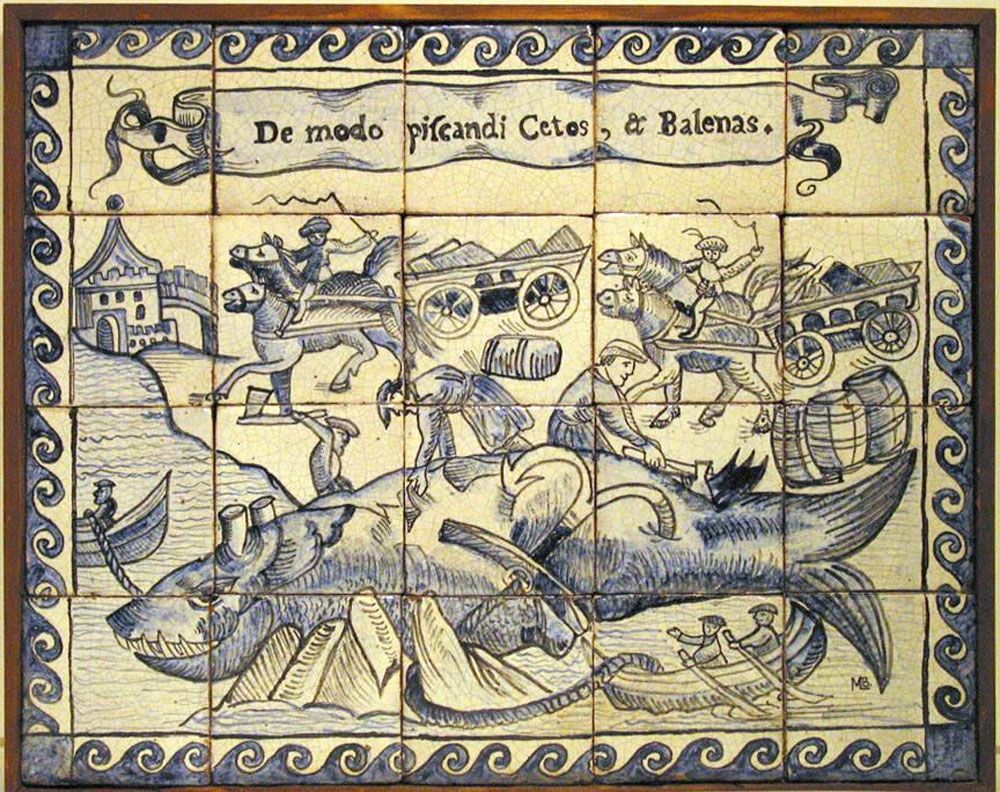
Antarctica’s animal present was irrelevant to the imperial future back then. Even when one seal or cetacean species after another was on the verge of extinction, there was never any question about whether Leviathan should be cooked into oil. It was, however, the catching itself and the concomitant infrastructure that were, metaphorically speaking, the most valuable oil for the empire’s machinery. Very little – in fact, almost nothing – was known about Antarctica at the end of the 1800s. However, great riches may have lain there, beyond the obvious floating oil barrels, and thus the territory needed to be claimed according to the principles of active occupation set at the 1885 Berlin Conference. A claim was not to be valid unless followed by annexation and effective occupation, and the colonising power was expected to notify other states. As so ably put in a 1926 report by the Committee on British Policy in the Antarctic to the Imperial Conference, it would have been difficult to exercise permanent occupation in Antarctica; thus, intermittent occupation through state- or government-supported private expeditions and a gradual expansion of territorial claims according to the areas covered by these expeditions should suffice. In addition, issuing whaling licences to Antarctic waters was considered “a useful assertion of authority in this region”.[5]Committee on British Policy in the Antarctic – report to the Imperial Conference. National Archives of Australia, A981, ANT 4 PART 4.
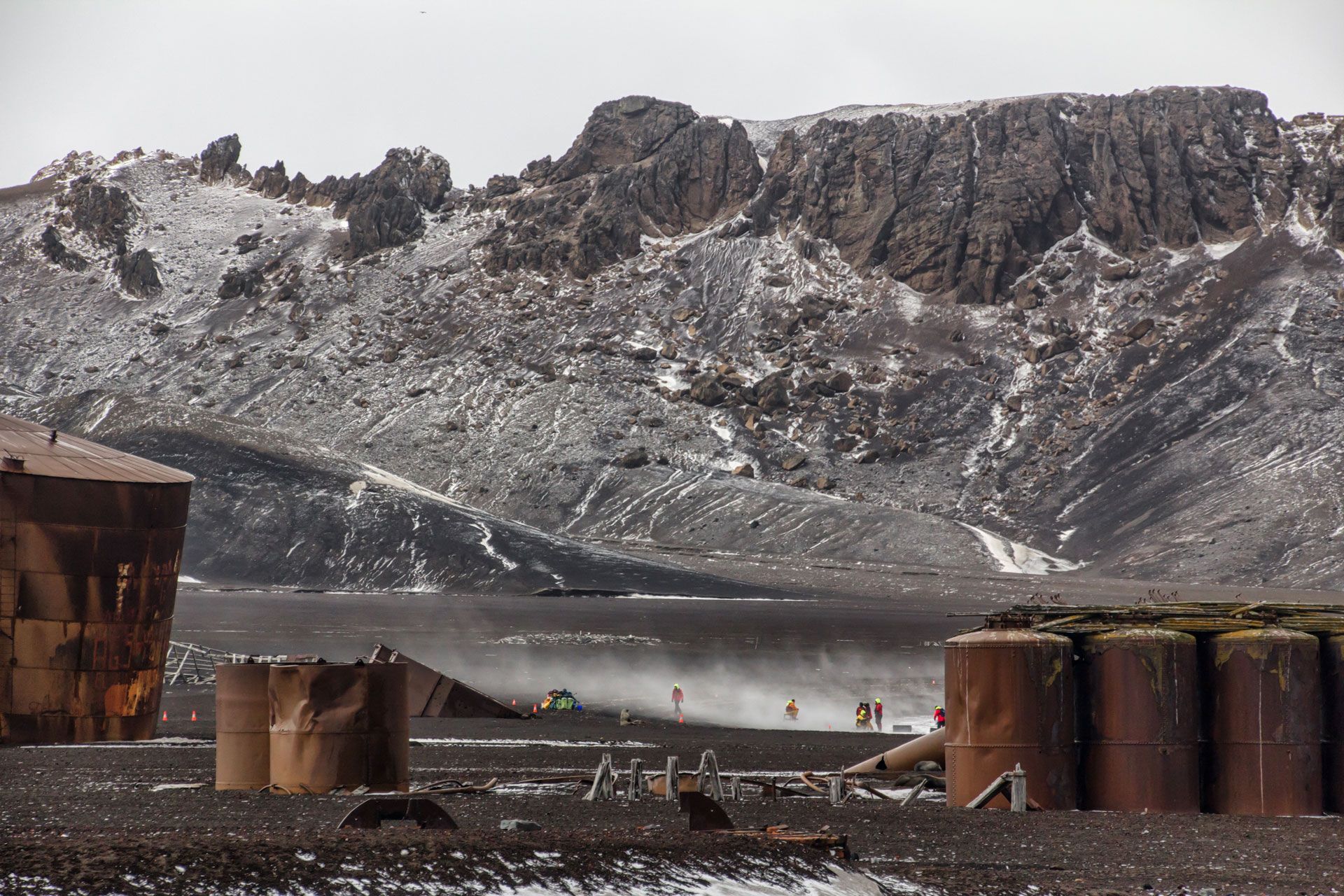
The British were obviously not the only ones to understand that: ever since the 1880s, an increasing number of expeditions and whaling ships made their way to the South. The period known in global history as “new imperialism”, characterised by colonial land grabs by the European nations, gave rise to a large number of emblematic Antarctic endeavours, collectively known as the Heroic Age. James Ross, Carl Anton Larsen, Carsten Borchgrevink, Adrien de Gerlache, Robert Falcon Scott, Erich von Drygalski, William Bruce, Jean-Baptiste Charcot, Ernest Shackleton, Nobu Shirase, Roald Amundsen, Otto Nordenskjöld and many whalers ventured down to the South, erecting huts, shelters, cairns, crosses – and whaling stations, of course.
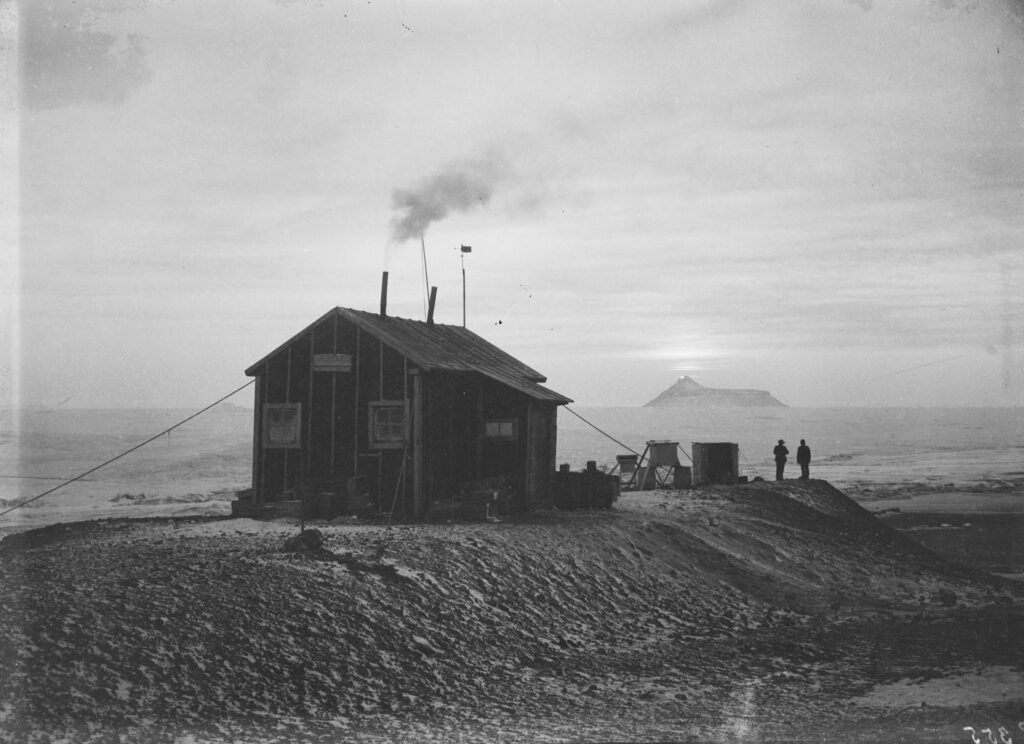
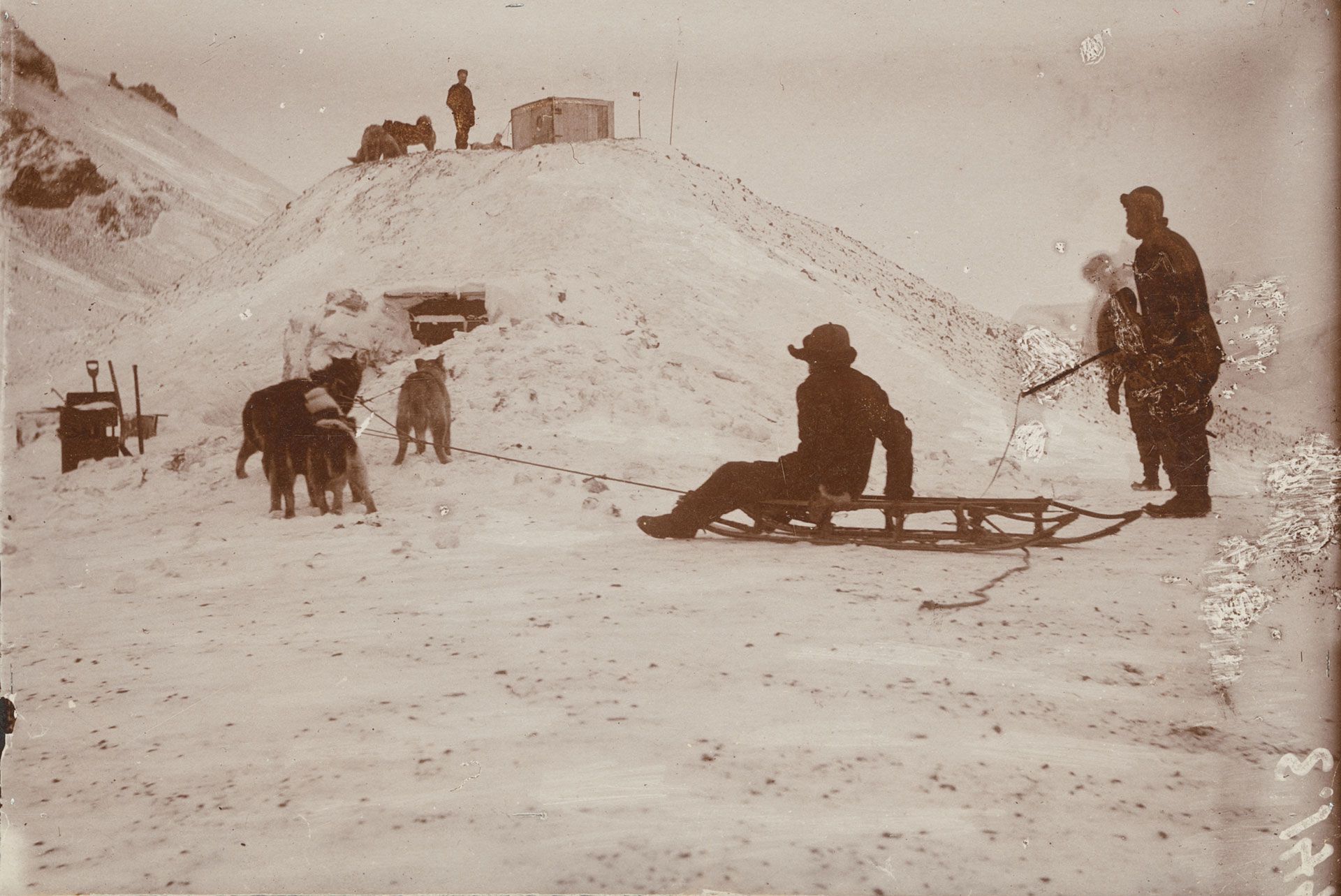
Even those expeditions, whose main purpose was scientific, were fully aware of the economic potential and geopolitical importance of their presence. Otto Nordensköld’s 1901-1903 Antarctic Expedition to Snow Hill and the Weddell Sea was partly to be financed by sealing[6]Nordenskjöld, O. Sydpolarforskningens nuvarande ställning och mål. Ymer 1900(20): 75., and the Argentine government contributed considerable resources in exchange for securing an Argentine representative, a young Under-Lieutenant José María Sobral, a place on the team overwintering at Snow Hill and on all the sleigh expeditions. On his return, saved by the Argentine Navy after the expedition’s own ship had sunk, Sobral exclaimed: “… our future interests in the Southern seas are at play; our future rights depend on the steps we will take in the coming years; areas to the East of the 70th meridian are our birth right and we should not abandon them; let us explore the South, as we do not yet know all the riches it can provide us.”[7]Sobral, J. M. (1904). Dos Años Entrelos Hielos, 1901-1903, Buenos Aires: Imprenta de J. Tragant Y CIA., p.358.
The Second World War left few futures on this planet unchanged. The pre-war sovereignty theatre, with flag- and shelter-raising – and destroying those of the others – in remote Antarctic areas to demonstrate intermittent occupation, became too costly, both financially and politically, in the changed post-war reality. Western allies needed to stick together in the emerging superpower rivalry and make sure that the Latin American countries, that is, Chile and Argentina, whose territorial claims clashed with the United Kingdom’s, stayed on the “right” side of politics. The imagined bonanzas, such as possible uranium resources, the equally imagined threat of future Soviet nuclear missiles on Antarctic territory and a need to be present in Antarctica in less conflicting ways, led eventually to the extensive scientific program of the Third International Geophysical Year of 1957-1958, and by extension, to the establishment of the Antarctic Treaty in 1959.[8]Dodds, C.; Gan, I.; Howkins, A. (2010). The IPY-3: The International Geophysical Year (1957–1958). In: Barr, S.; Lüdecke, C. (eds.), The History of the International Polar Years (IPYs), From Pole to Pole. Springer-Verlag Berlin Heidelberg, 238-257.
The Treaty[9]In force in 1961. The original facsimile and a searchable text can be accessed on the Treaty website. www.ats.aq was and is a peace treaty, ensuring a peaceful present in Antarctica by dedicating Antarctica to peace and science, banning all military activities, nuclear weapons and nuclear waste on the continent, as well as establishing a solid system of international scientific cooperation, data and information exchange, and mutual inspection of bases. Yet, through its Article Four, which freezes all territorial claims and states that “No activities taking place while the Treaty is in force can constitute a basis for or a denial of a claim to territorial sovereignty”, it also prepares for a future where the Treaty no longer exists and the resources discovered through the research are up for grabs again.
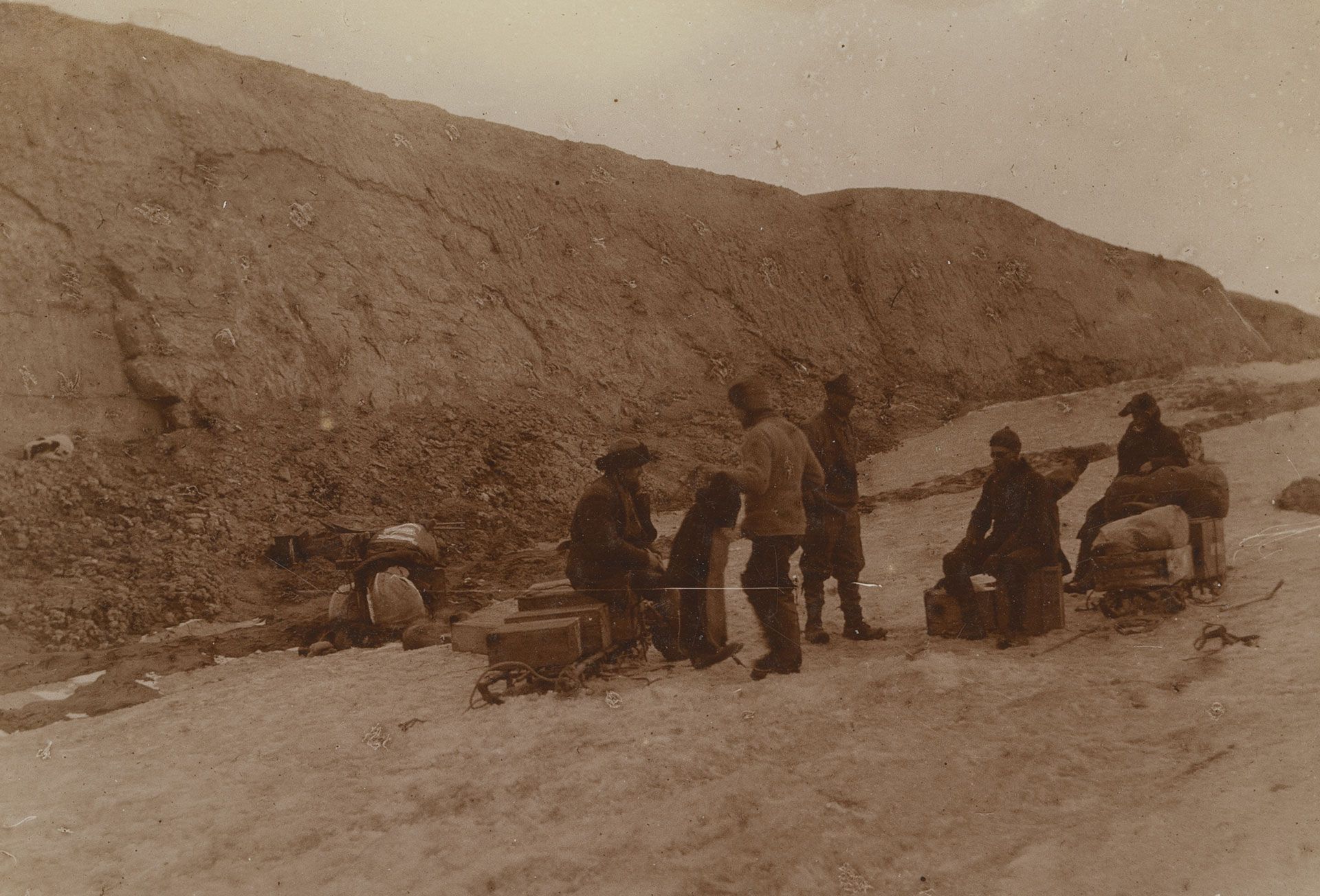
An important task in preparing for this future was to ensure that all the remains of the heroic explorers would remain intact until then. At the time, the countries were troubled by increasing looting and vandalism: many of the objects left behind by the explorers were taken home as souvenirs by scientists; Scott’s party’s leftover cans were being eaten up, and their huts and crosses vandalised with carvings.[10]Report from the information officer of the Scott Base, Athol Roberts, on the state of the buildings, listed within the meeting notes from Dec 24, 1959. Archives New Zealand / Te Rua Mahara o te Kāwanatanga, R937064; Memorandum to Representative, Commander; Naval Support Force Antarctica, McMurdo. „Subj: Signatures on Antarctic Sites“. January 18, 1968, P.M. Smith, USARP Representative. Archives New Zealand / Te Rua Mahara o te Kāwanatanga, R937064:77. Already the Recommendation I-IX of the first Antarctic Treaty Consultative Meeting (ATCM) in 1962 stated that all “governments interested in any tombs, buildings or objects of historic interest should consult together whenever appropriate on the restoration or preservation”.[11]All Recommendations can be accessed at the Treaty website at: www.ats.aq Recommendation V-4 of the ATCM V in 1968 asked countries to draw up lists of “historic monuments which should be preserved”, which were eventually amalgamated into a single list of 43 sites and adopted as the first List of Historic Sites and Monuments of the Antarctic Treaty through Recommendation VII-9 in 1972. A vast majority of the protected sites originated from the period related to the territorial claims, and none predated the 1885 Berlin Conference. Of the five post-Antarctic-Treaty sites, four were graves of people who perished on the expeditions. Only the USSR, which refused to recognise any territorial claims to Antarctica while reserving the right to claim territories in the future, proposed sites from the Third Geophysical Year. The United States, which holds a similar position, seem to have requested that the sites associated with its expeditions be removed from the final List.[12]Schedule of Historic Monuments in the Antarctic. The National Archives of the United Kingdom, FCO 7-1751.
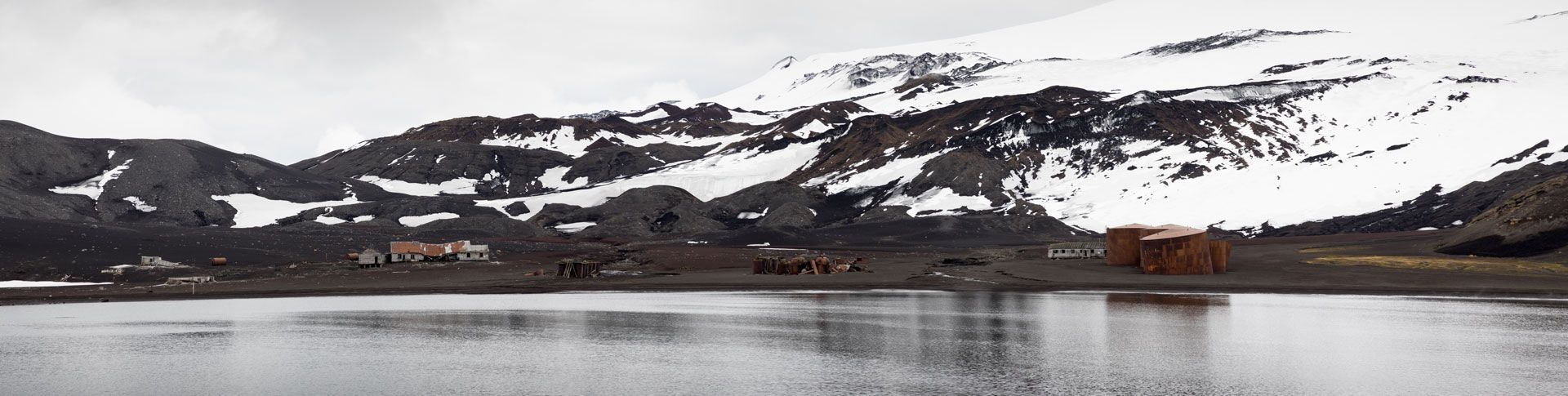
A few decades later, in the late 1970s and the 1980s, when the signatories to the Antarctic Treaty discussed the possibilities for mineral extraction in Antarctica, they envisaged a future of endless technological progress that would soon make mineral extraction (primarily petroleum) in the Southern Ocean possible. This brought about a new wave of accessions, as well as a new wave of Historic Site and Monument nominations in the Treaty, celebrating both the International Geophysical Year and the firsts of the newcomer parties (India, Poland and China), ensuring that the memory of their arrival would be forever preserved in material form. In addition, the United States reintroduced the two sites it had removed from the original list (current HSM54 and 55), and the United Kingdom listed several sites in the Southern Atlantic region, which it had omitted from its 1970 proposal to avoid disagreement among the Treaty Parties.[13]Confidential letter “Sixth Antarctic Treaty Consultative Meeting Historic Monuments” from Brian Roberts to McQuade, Esq, British Embassy in Santiago, from Sept 18,1970. The National Archives of the United Kingdom, FCO-1754:190.
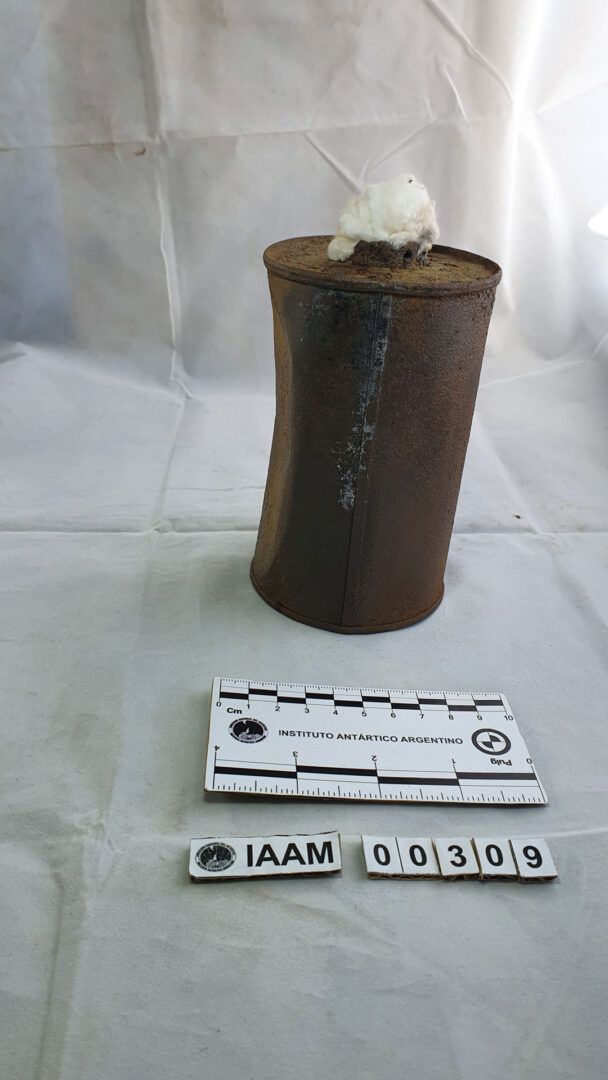
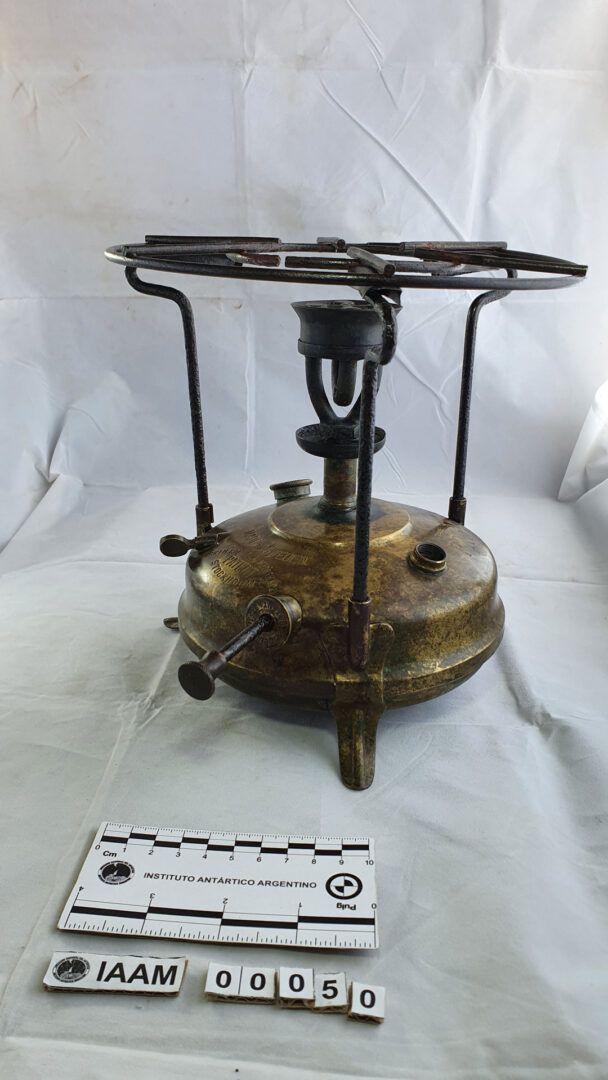
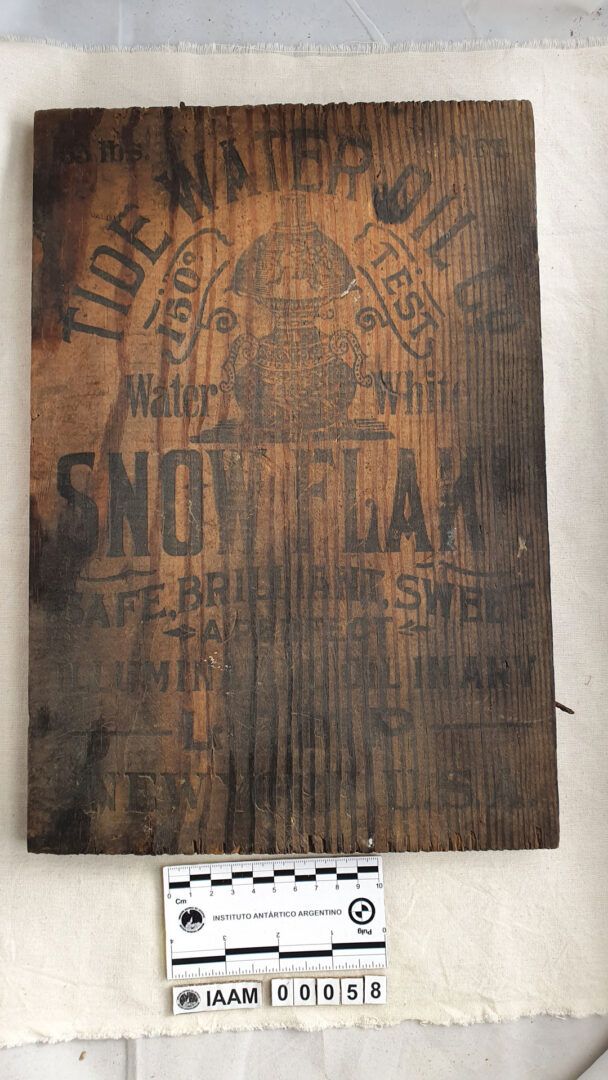
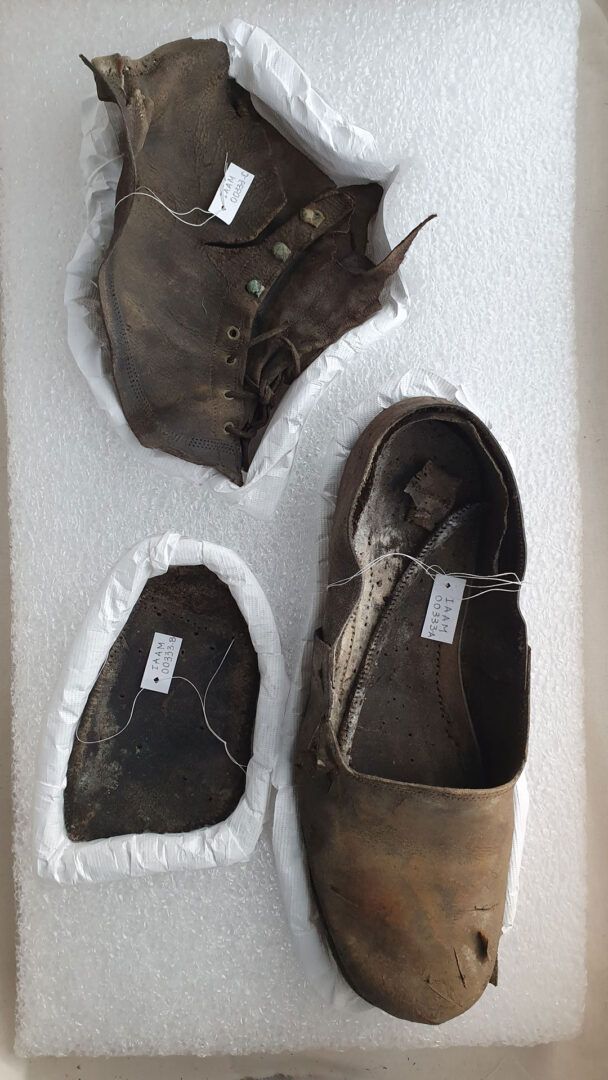
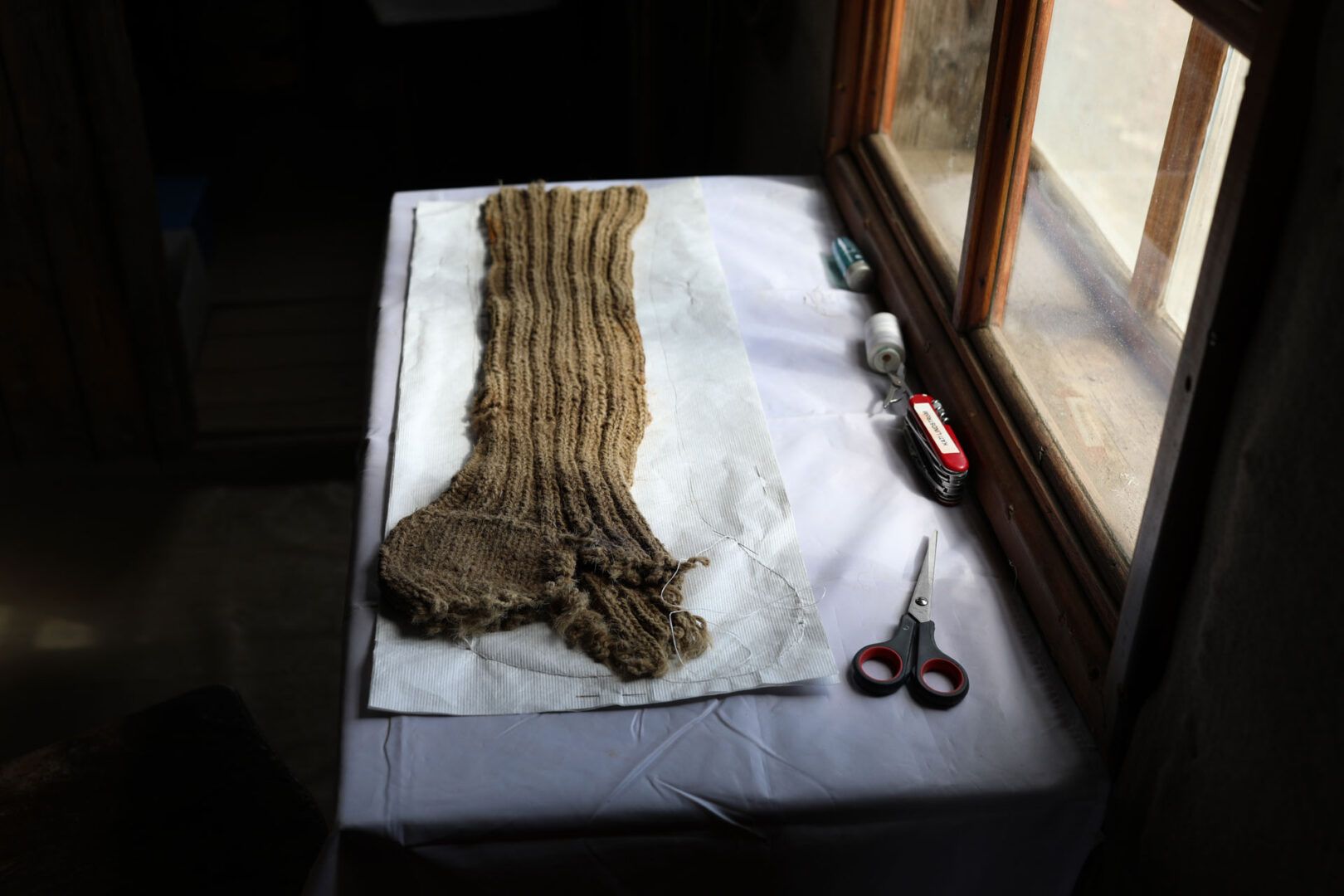
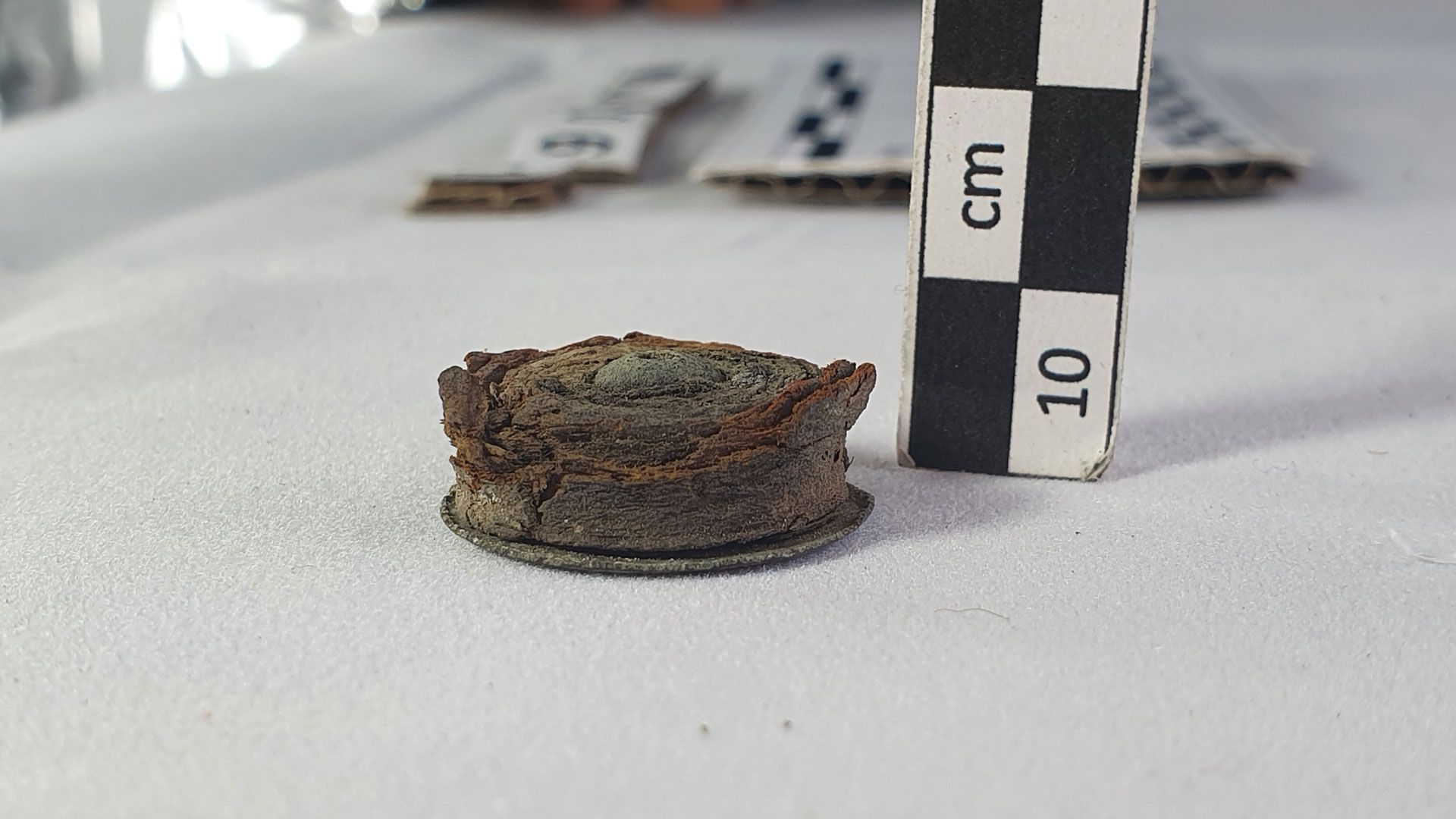
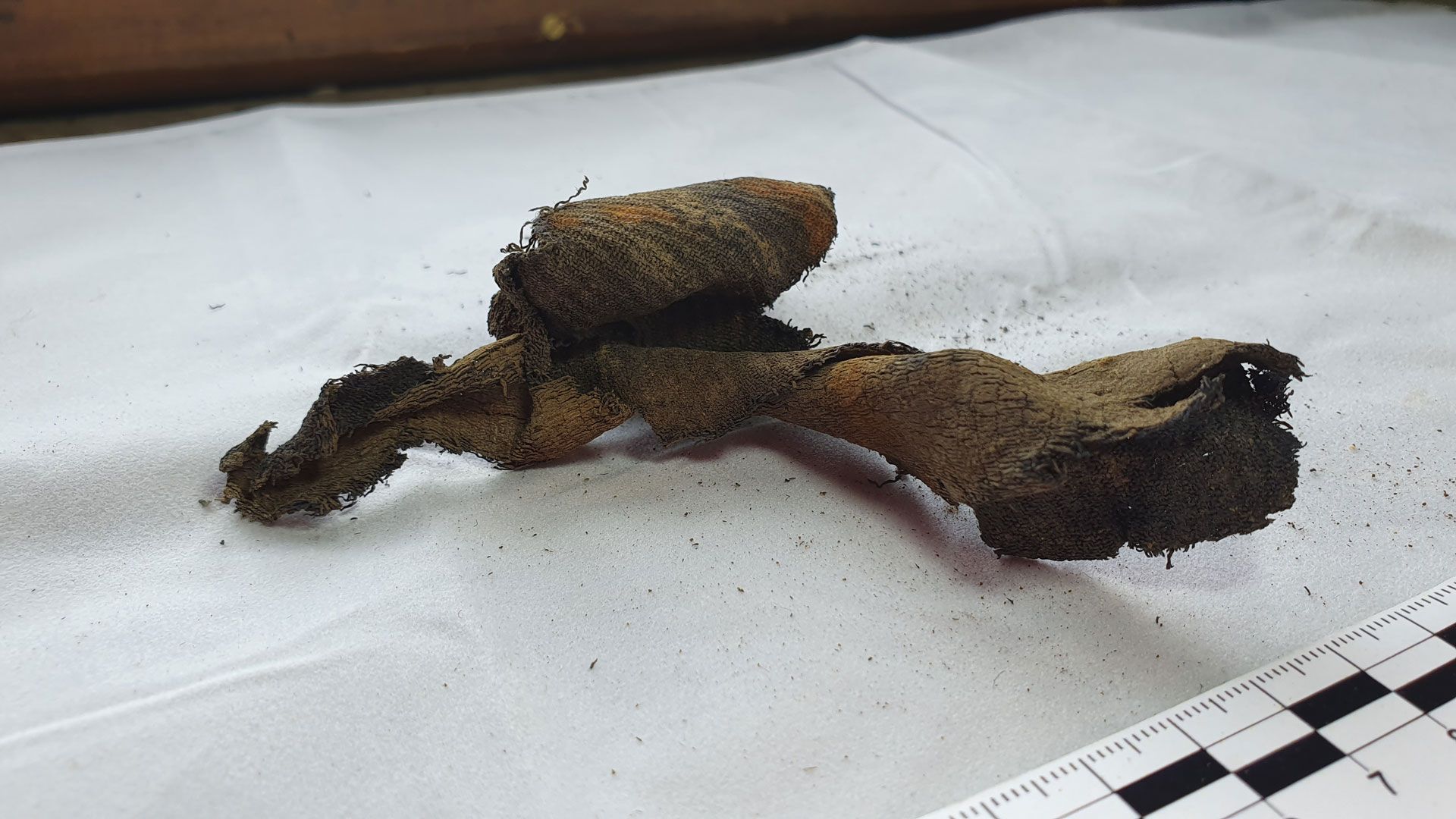
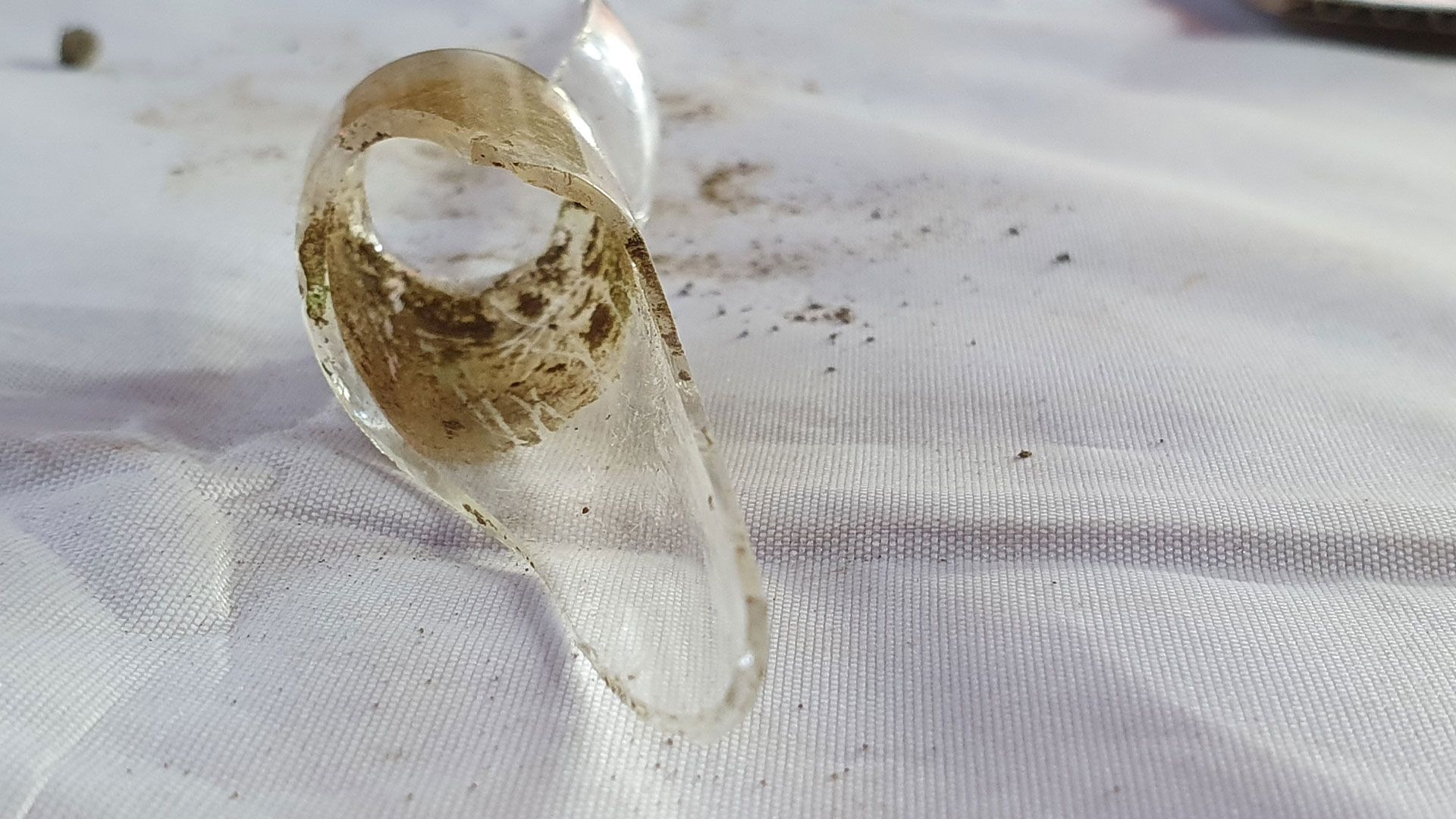
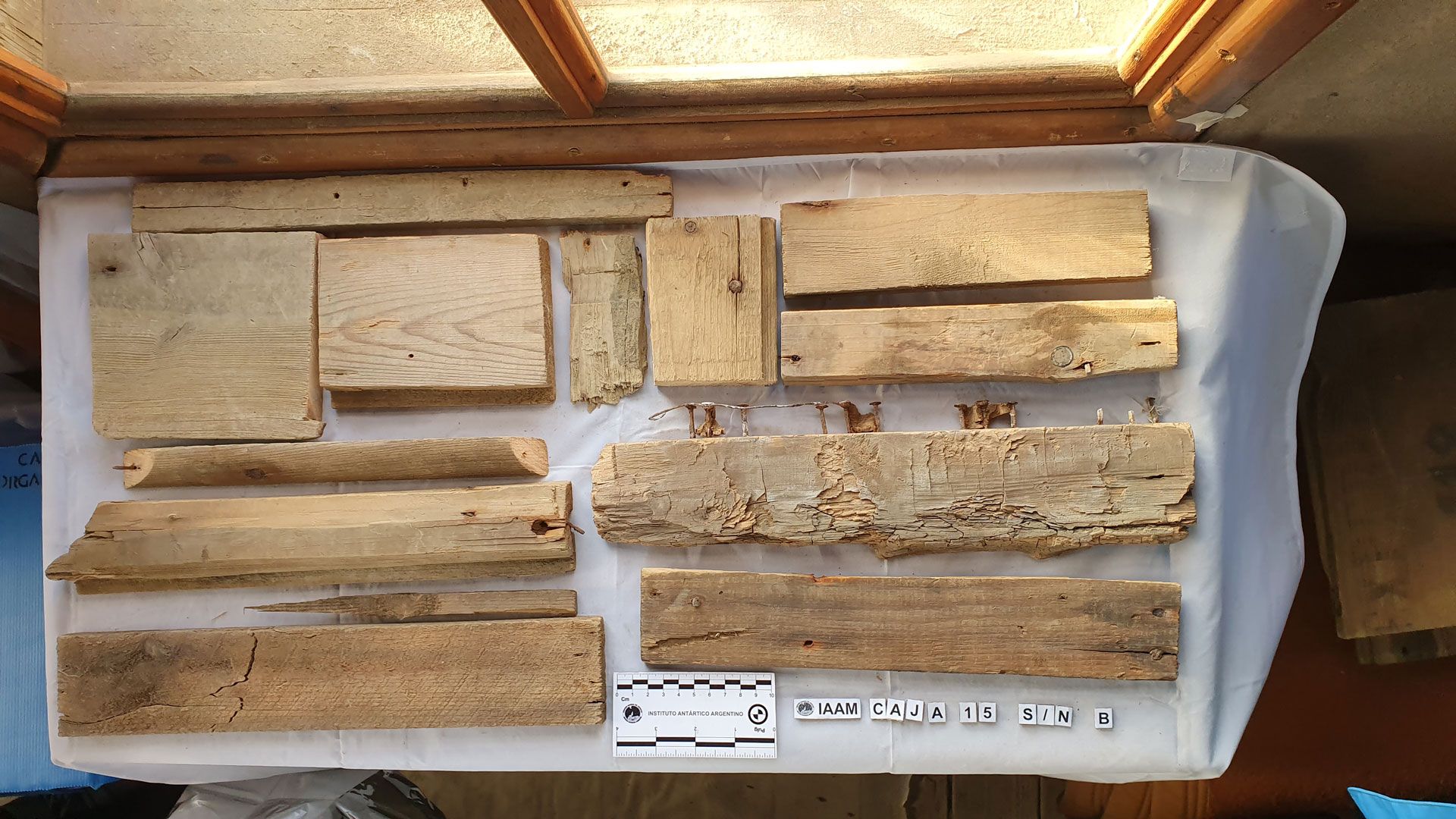
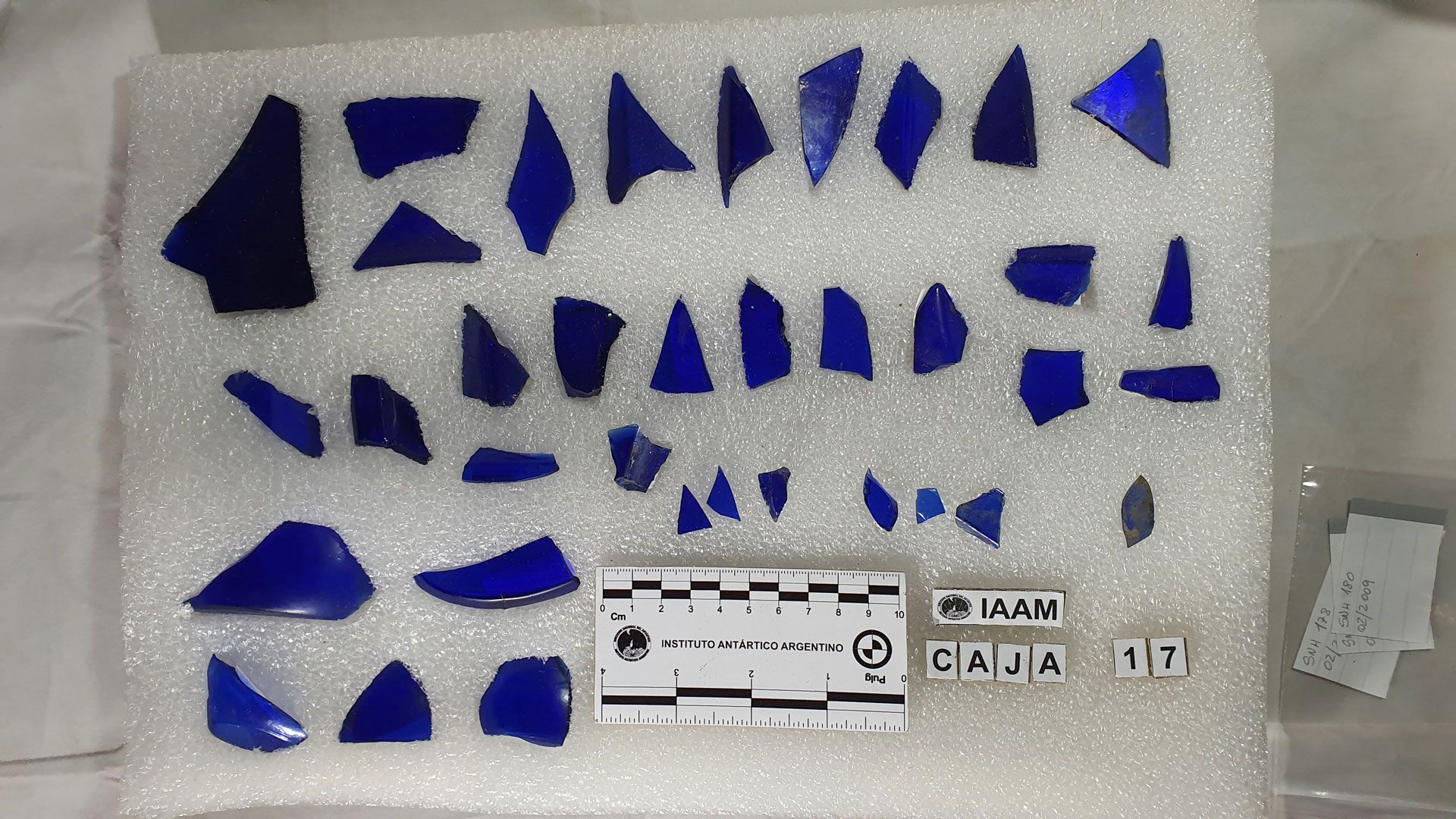
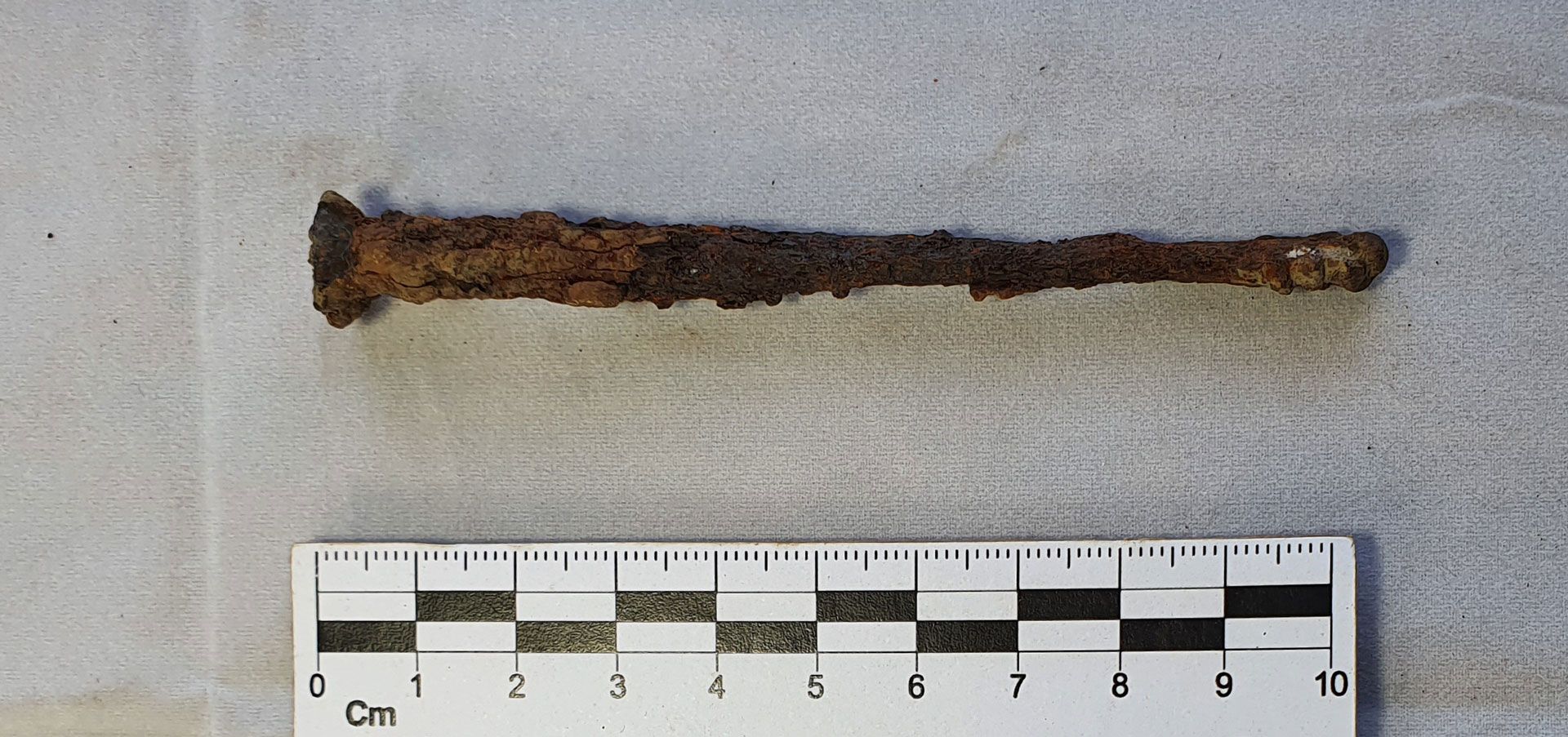
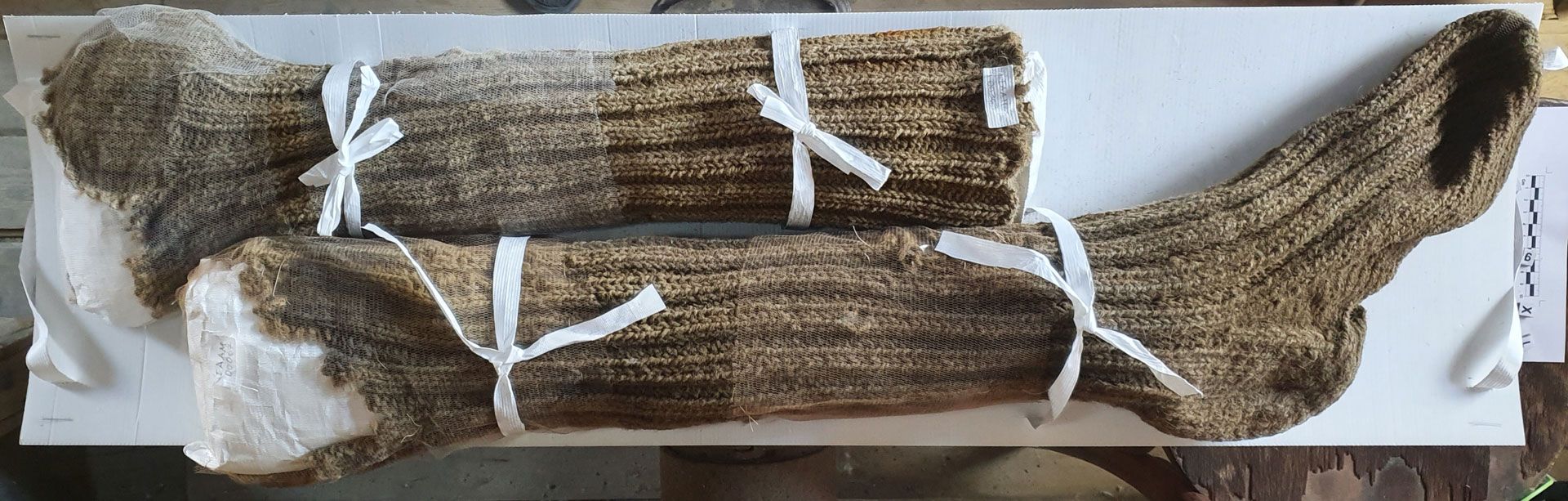
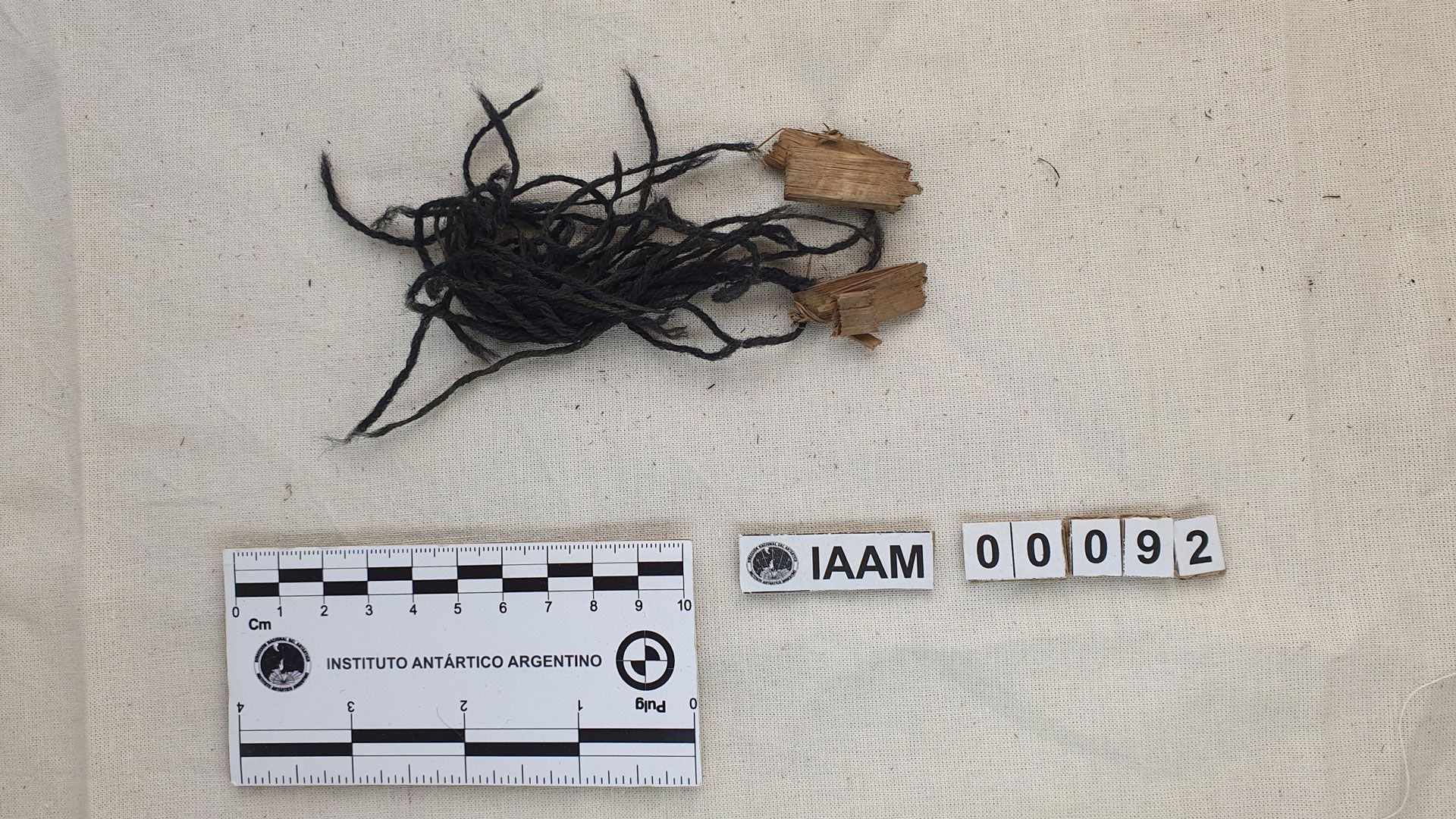
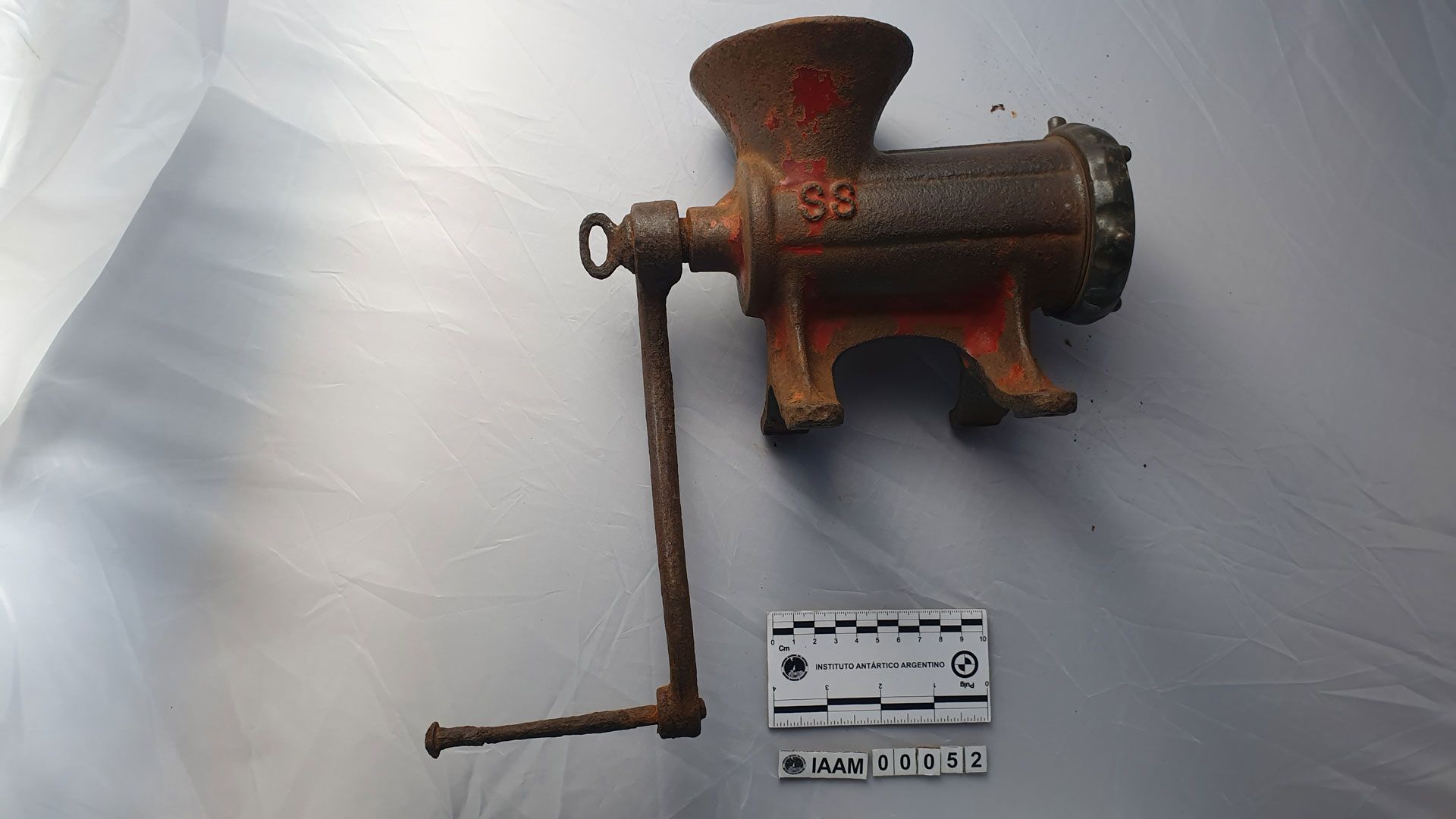
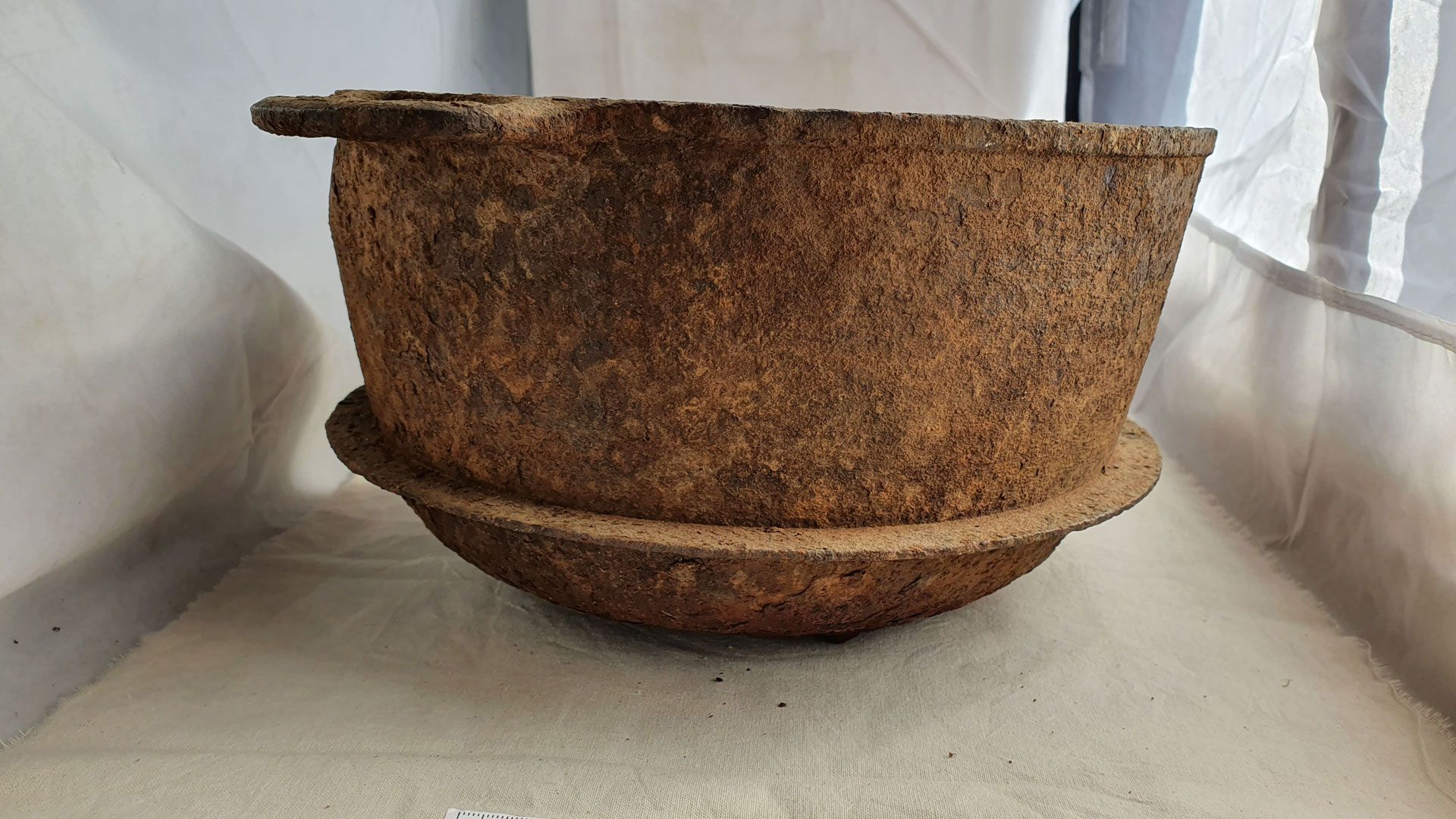
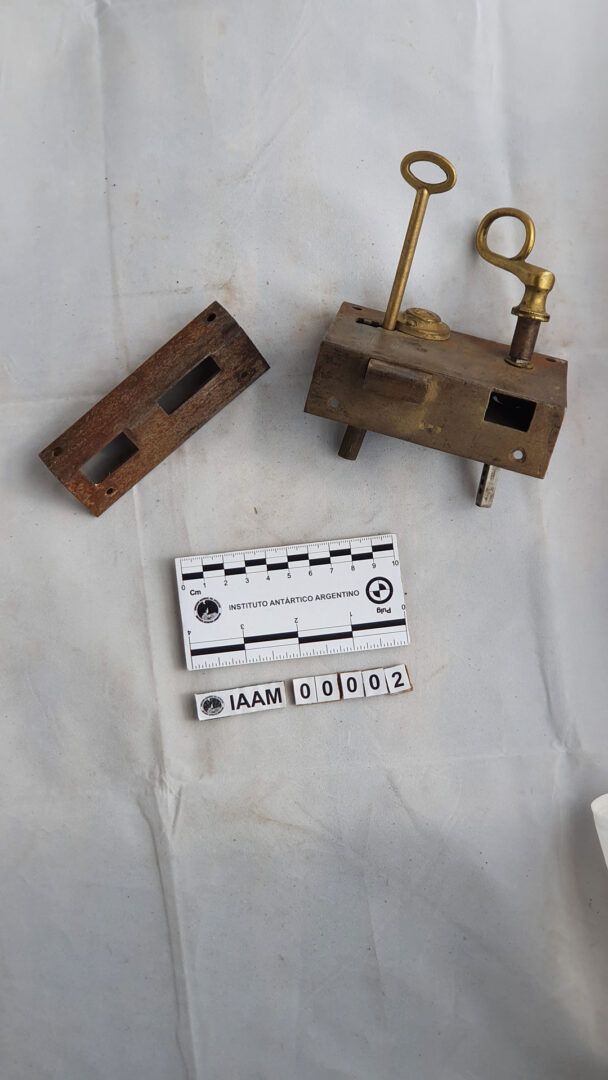
Since the Antarctic environment is very harsh and the material objects protected were essentially one-time-use artefacts meant to be discarded as the expedition advanced, considerable effort needed to be put into their conservation. As in any heritage management, choices needed to be made about what to preserve and how to safeguard its protected value. The decay has had to be “timed” so that it would correctly reflect the desired time period relevant for the claim, and the successive reconstruction history that shows care – or remove its traces if the reconstruction was carried out by another country.
Antarctic geopolitics is about averting an undesirable future. The Protocol on Environmental Protection to the Antarctic Treaty, adopted in 1991, put a stop to the future of mineral extraction on the southernmost continent.[14]The Protocol and its annexes are available at the Treaty website www.ats.aq Instead, Antarctica was portrayed as being under serious threat, its future dependent on robust environmental protection measures. The Protocol declared Antarctica as a natural reserve, dedicated to peace and science, and defined an ambitious package of environmental regulations, including the precautionary principle based on best available science, environmental impact assessment, a ban on mining and any other activities with more than minor or transitory impacts, requirements for waste management and shipping. As a glimpse into a possible post-Treaty future, it also includes the need to protect historic values through the listed Historic Sites and Monuments.
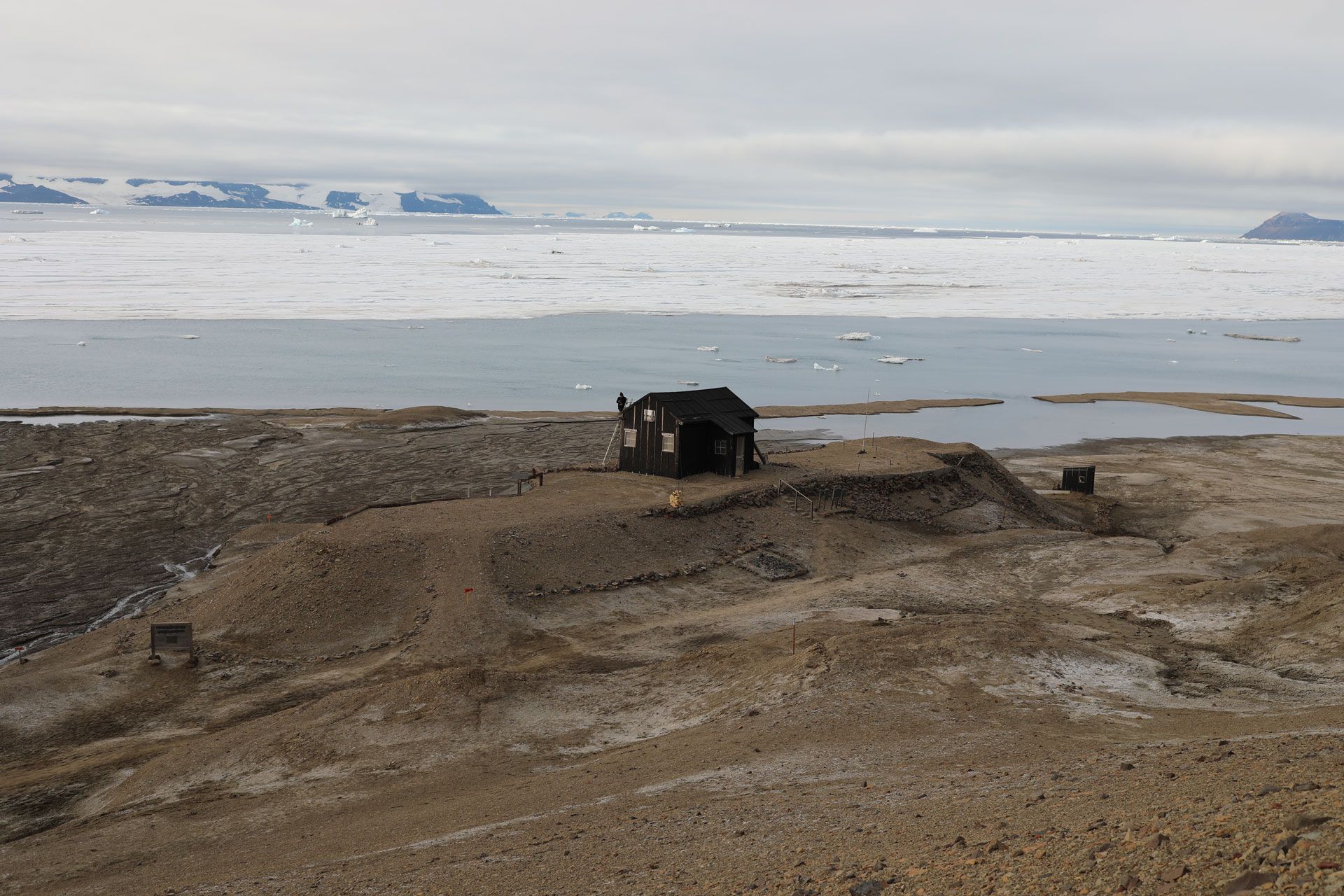
The possible post-Treaty future is increasingly that of warring states and a melting continent, revealing new resources and possibilities, while predicting doom for those who pursue them. There is a lot we do not know about Antarctic climate and ecosystems yet. What we do know, however, is that certain areas in Antarctica, particularly the Antarctic Peninsula and Ross Sea region, where many of the historic monuments stand, are warming increasingly fast. Glacial retreat, thawing permafrost, heightened wind and coastal erosion are seriously threatening the integrity of many heritage sites. Of the 96 sites currently listed under the Antarctic Treaty, only 16 are not threatened by climate change, whereas 18 are under high or very high risk.[15]Macdonald, G. H. (2026). Impacts of global climate change on polar heritage: assessment of imperilled polar heritage sites. University of Leicester. Thesis. doi.org The attempt to conserve the sites is ever more urgent – and ever more desperate. As the Antarctic sea ice melts at a record pace, causing a slowdown of ocean overturning, biological regime shifts and losses, including the predicted extinction of the sea-ice-dependent emperor penguin, and contributing to the acceleration of global sea level rise,[16]Abram, N. J.; Purich, A.; England, M.H. et al. (2025). Emerging evidence of abrupt changes in the Antarctic environment. Nature 644, 621–633.. it has become increasingly clear that the future this heritage is meant to safeguard may no longer exist. While uncertainties remain large, the Antarctic Ice Sheet is the largest body of ice on Earth, with the potential for 58 m of sea level rise if fully melted. While this is still not imminent, at the current rate of warming, 7-14 metres of sea-level rise by 2300 cannot be ruled out.[17]Winkelmann, R.; Garbe, J.; Donges, J. F. et al. (2026). Mapping tipping risks from Antarctic ice basins under global warming. Nature Climate Change 16, 341–349; Galton-Fenzi, B. K.; Fricker, H. A.; Bassis, J. N.; Crawford, A. J.; Gomez, N., & Schoof, C. (2025). The Antarctic Ice Sheet and Sea Level. In: Meredith, M. P.; Melbourne-Thomas, J.; Naveira Garabato, A. C.; Raphael, M., Antarctica and the Earth System. Routledge, 141–163.
The crumbling of these historic sites and the futility of efforts to arrest their decay now serve as a monument to the bleak future for the whole world.
Or rather, the absence of a future for people beneath the meltwater.
The work on this article and its accompanying artwork has been supported by the Riksbankens Jubileumsfond’s project Decay Without Mourning: Future Thinking Heritage Practices (GI21-0001), and Swedish Research Council’s projects Creating Cultural Heritage in Antarctica and Center of Excellence for Anthropocene History.
| 1. | ↑ | Tønnessen, J. N.; Johnsen, A. O. (1982). The History of Modern Whaling. Hurst & Company ; Australian National University Press. |
| 2. | ↑ | An excellent selection of whaling-related advertisments and objects can be seen in the collections of the New Bedford Whaling Museum. newbedford |
| 3. | ↑ | Melville, H. (1892). Moby Dick or The White Whale, Boston: the St. Botolph Society as digitised by the Guthenberg Project, p. 540, 543. |
| 4. | ↑ | Ibid., p. 194. |
| 5. | ↑ | Committee on British Policy in the Antarctic – report to the Imperial Conference. National Archives of Australia, A981, ANT 4 PART 4. |
| 6. | ↑ | Nordenskjöld, O. Sydpolarforskningens nuvarande ställning och mål. Ymer 1900(20): 75. |
| 7. | ↑ | Sobral, J. M. (1904). Dos Años Entrelos Hielos, 1901-1903, Buenos Aires: Imprenta de J. Tragant Y CIA., p.358. |
| 8. | ↑ | Dodds, C.; Gan, I.; Howkins, A. (2010). The IPY-3: The International Geophysical Year (1957–1958). In: Barr, S.; Lüdecke, C. (eds.), The History of the International Polar Years (IPYs), From Pole to Pole. Springer-Verlag Berlin Heidelberg, 238-257. |
| 9. | ↑ | In force in 1961. The original facsimile and a searchable text can be accessed on the Treaty website. www.ats.aq |
| 10. | ↑ | Report from the information officer of the Scott Base, Athol Roberts, on the state of the buildings, listed within the meeting notes from Dec 24, 1959. Archives New Zealand / Te Rua Mahara o te Kāwanatanga, R937064; Memorandum to Representative, Commander; Naval Support Force Antarctica, McMurdo. „Subj: Signatures on Antarctic Sites“. January 18, 1968, P.M. Smith, USARP Representative. Archives New Zealand / Te Rua Mahara o te Kāwanatanga, R937064:77. |
| 11. | ↑ | All Recommendations can be accessed at the Treaty website at: www.ats.aq |
| 12. | ↑ | Schedule of Historic Monuments in the Antarctic. The National Archives of the United Kingdom, FCO 7-1751. |
| 13. | ↑ | Confidential letter “Sixth Antarctic Treaty Consultative Meeting Historic Monuments” from Brian Roberts to McQuade, Esq, British Embassy in Santiago, from Sept 18,1970. The National Archives of the United Kingdom, FCO-1754:190. |
| 14. | ↑ | The Protocol and its annexes are available at the Treaty website www.ats.aq |
| 15. | ↑ | Macdonald, G. H. (2026). Impacts of global climate change on polar heritage: assessment of imperilled polar heritage sites. University of Leicester. Thesis. doi.org |
| 16. | ↑ | Abram, N. J.; Purich, A.; England, M.H. et al. (2025). Emerging evidence of abrupt changes in the Antarctic environment. Nature 644, 621–633.. |
| 17. | ↑ | Winkelmann, R.; Garbe, J.; Donges, J. F. et al. (2026). Mapping tipping risks from Antarctic ice basins under global warming. Nature Climate Change 16, 341–349; Galton-Fenzi, B. K.; Fricker, H. A.; Bassis, J. N.; Crawford, A. J.; Gomez, N., & Schoof, C. (2025). The Antarctic Ice Sheet and Sea Level. In: Meredith, M. P.; Melbourne-Thomas, J.; Naveira Garabato, A. C.; Raphael, M., Antarctica and the Earth System. Routledge, 141–163. |