STEVEN J. FOWLER & FEDERICO FEDERICI
Some notes on bones as writing tools and the Unmastering technique of Federico Federici
I have always thought improvisation seems a concept that suggests its origins, when evoked in specific time-orientated practises, as the ancestor of all things people do. Every plan began with an improvisation to make a plan, or something like that. Every repetition and rehearsal, every interpretation of something carved into stone, began with a person doing whatever it is to do a thing that we consider without premeditation.
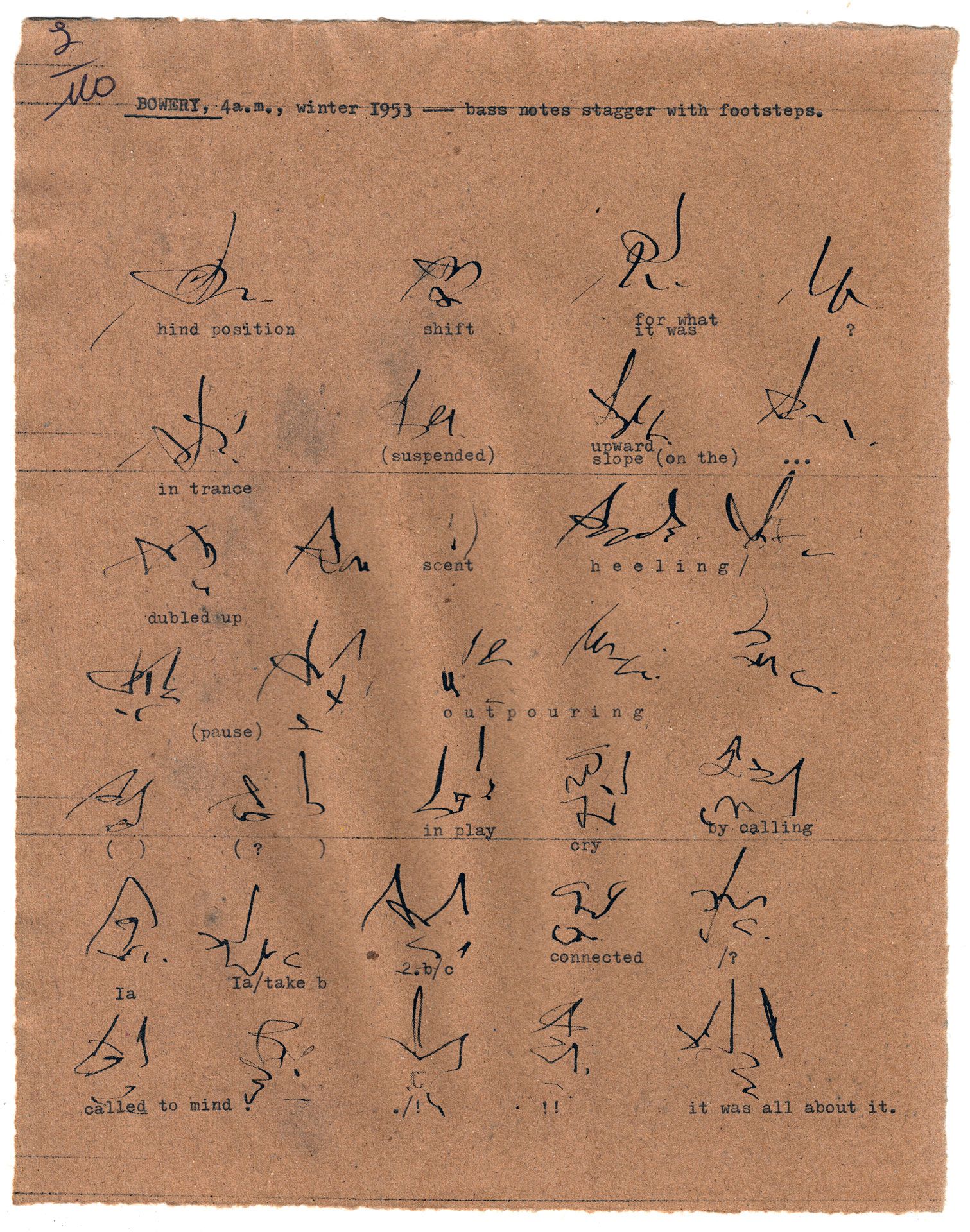
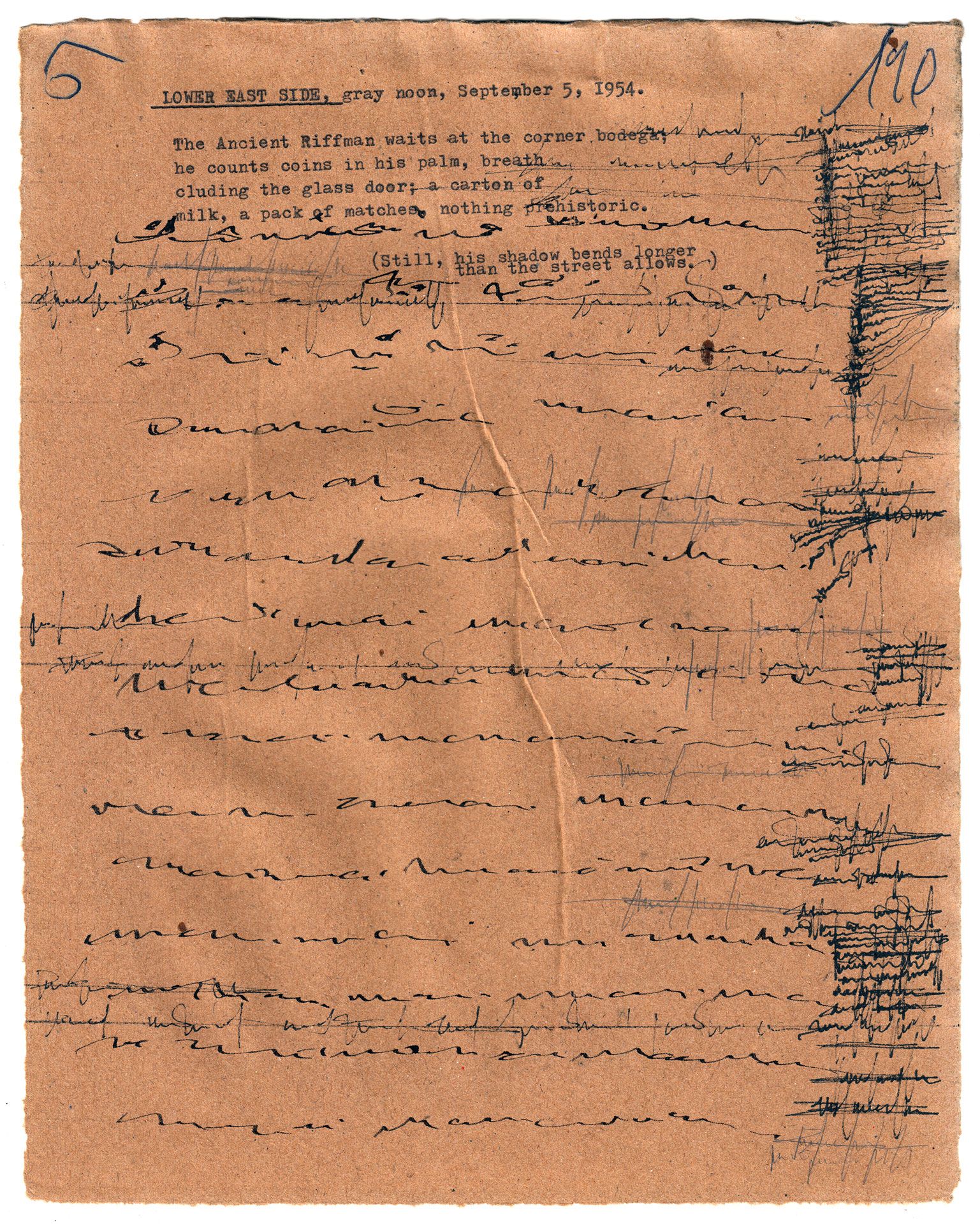
It frightens me in a way, and I understand why we restrict it to mean ‘making it up on the spot’, even nodding to the iceberg skill beneath that moment, without acknowledging the origins it makes me think of. I mean, let me hold back, and just say, all worthwhile conversations are improvised, and here in the work of Federici, we have a conversation about improvisation being improvised, between a living poet and dead musician.
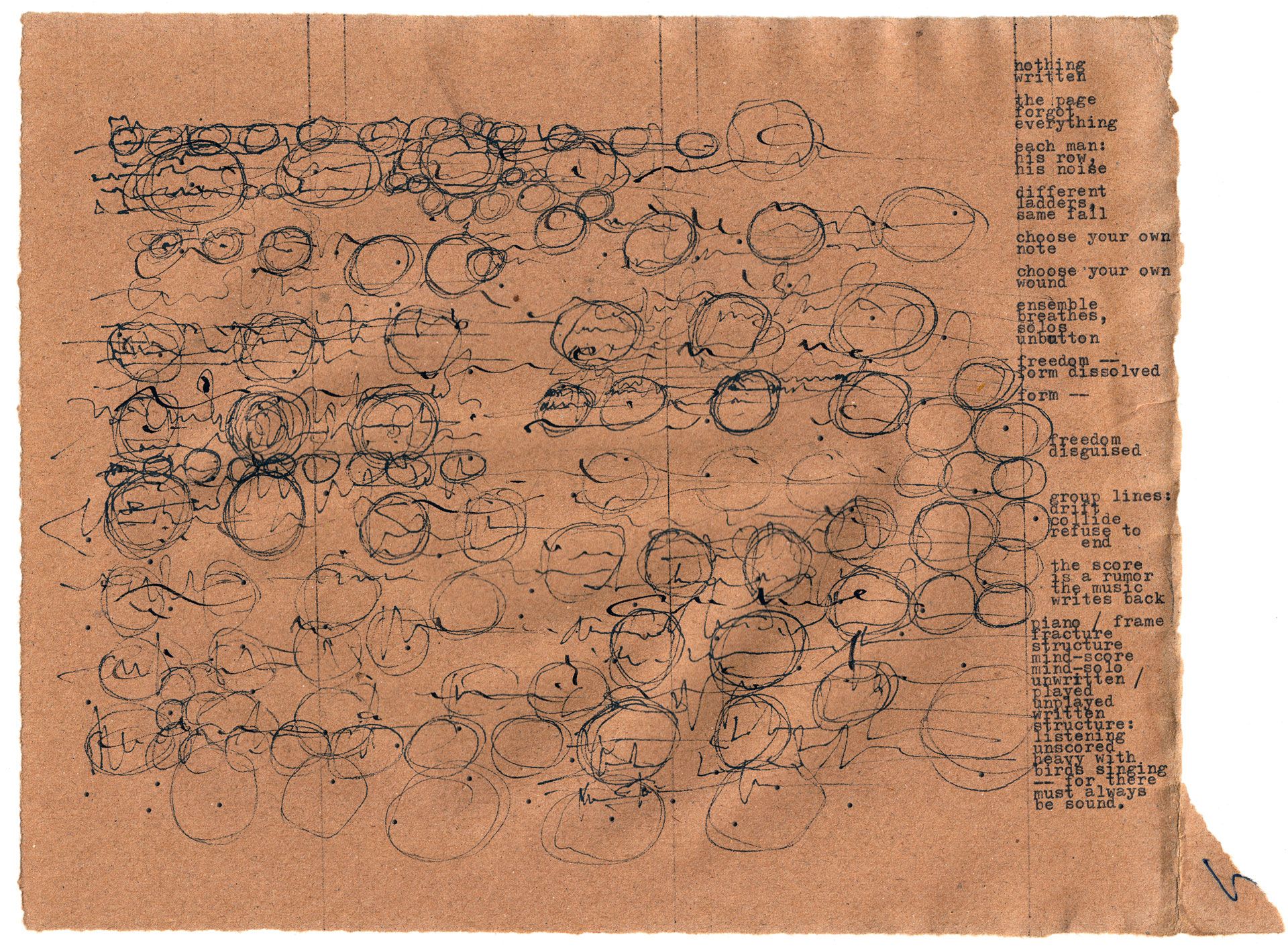
This is a work then about the possibilities of speaking to our influences across time, an improvisation against the finality of death in living creative work, as well as a work about the mark and the note, playing the same different tune. It is foremost the latter, about the possibility of the abstract in a score, in the relations between the marks people make and the sounds they can create from instruments their hands or machines have fashioned. In this sense, it is important, connecting to a vast history that speaks of the often bizarrely unmentioned (in poetry certainly) fundamental differences between the written / read and sounded / heard, and what that means for what we might do when we do these different things.
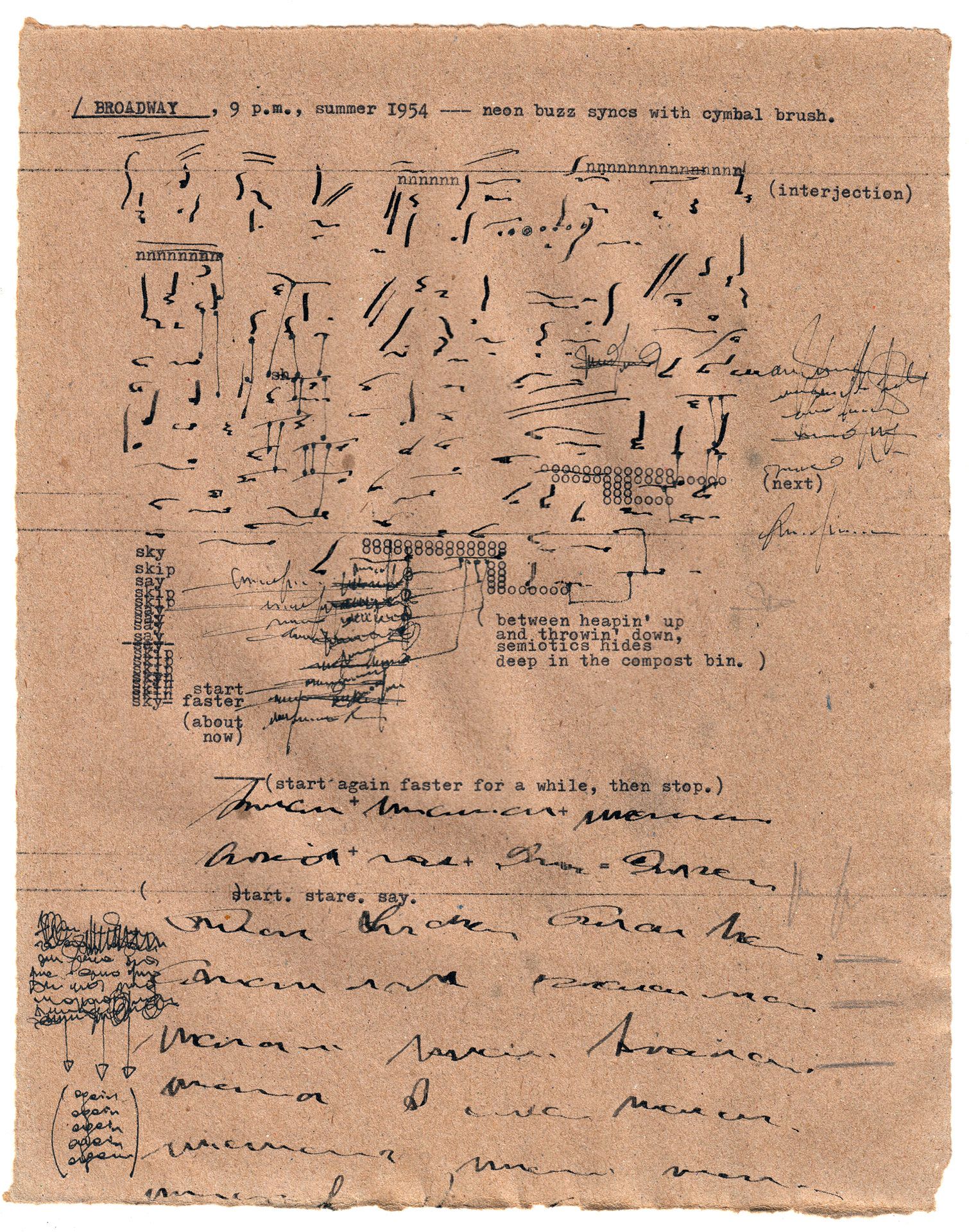
I think of Federico listening when I see these poems. I hear something quiet beneath their tone. They bring with them all the more context (and all things bring that in their titles and introductions and notations and blurbs) because their content is so firmly rooted in the emancipatory possibilities of asemic poetry. That is because they are about the fullness of writing in the harrying absence of stable semantics, so they force even the most dedicated asemic reader to feel what they are told they are about. Mingus’ explorations, his music. Here Federici makes sounds I have not heard, and will not seek out, silently prominent, even insistent. This is not so with semantic text, for the brain is whirring as reading unless one is doing so aloud, at a public event, or to a child, or when learning to read.
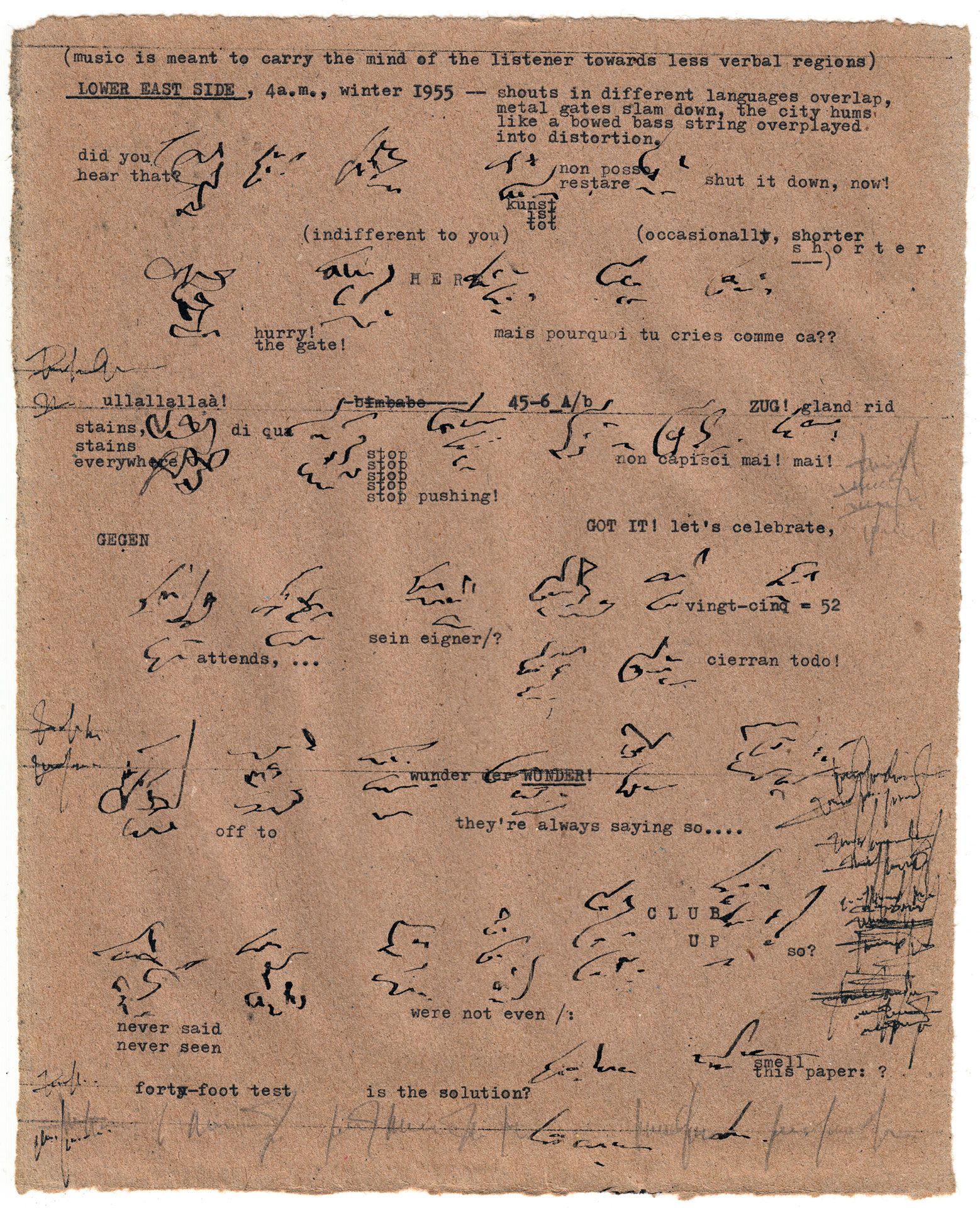
These works are doing this work – making us think of what improvisation really is, in and beyond the ‘creative’ process, evoking the musical and sonic in silence by being about what writing is when it is not full of the semantic and evoking the vitality of generational, cross-artform influence between the contemporary and the previous – with such care and skill and forethought and aesthetic rarity, that they can be read / seen in 5 minutes or 5 hours. They trust the ear and eye to see and hear, and they do that because Federici is a man who has dedicated his life, in someway, to not just consider and master ideas around the written and the poem, but to do them. To make them. To have them exist in work, out there, to be seen.
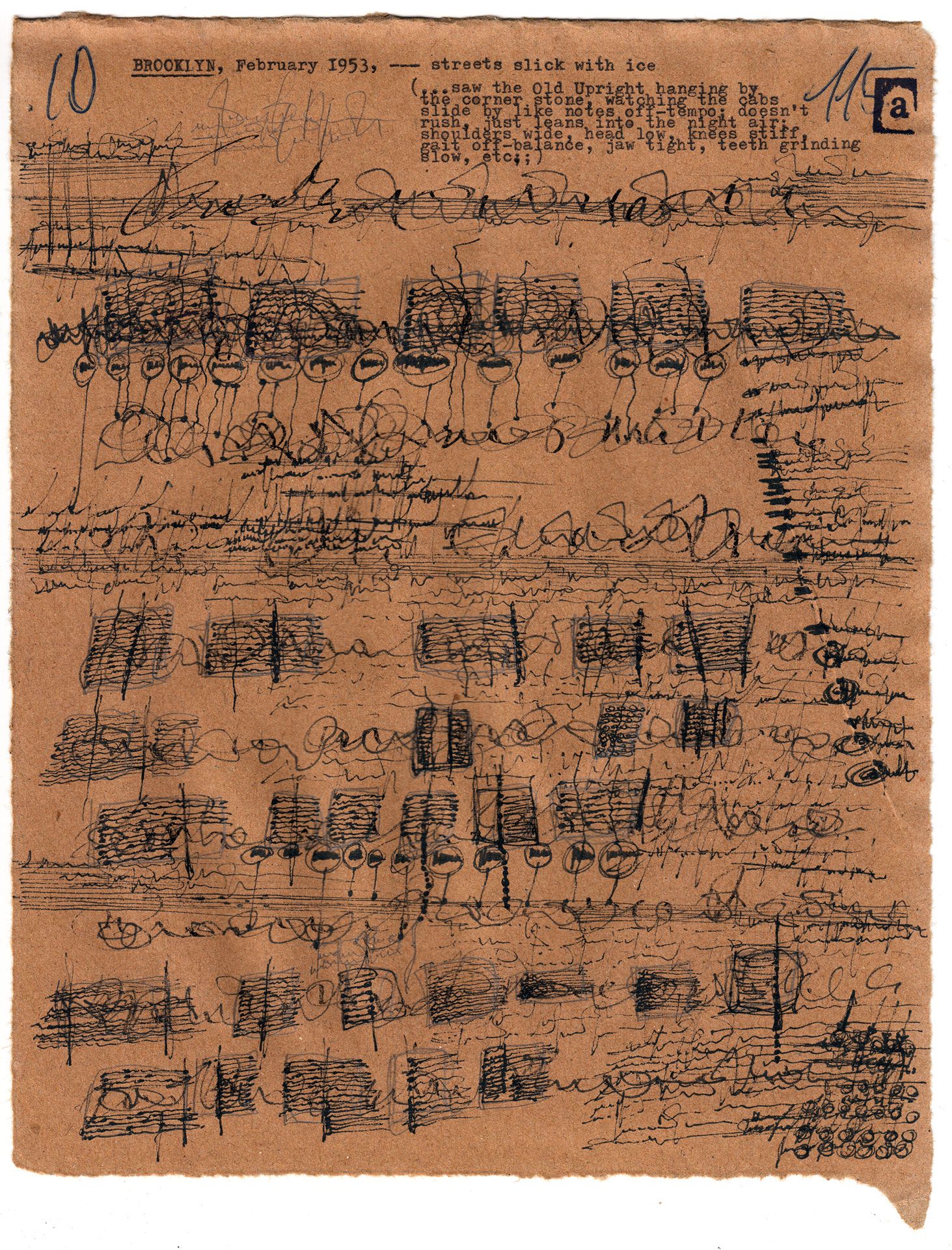
He is one of the most important asemic poets of the 21st century and this work furthers the considerable impact his squiggles have had. As mentioned, the more a line runs away from the meaning most expect, the more we think of its title and context as a handrail. Here it is hard for me to not think of a bone as a pen, a useless flute, dug into some dirt and signing a signature that also makes a sound. A bone that could only be mastered when it was inside a body is now in the hands of a relative, scribbling at some thought inside a head.