FEDERICO FEDERICI
Reactivating the Score: Unmastered Bones
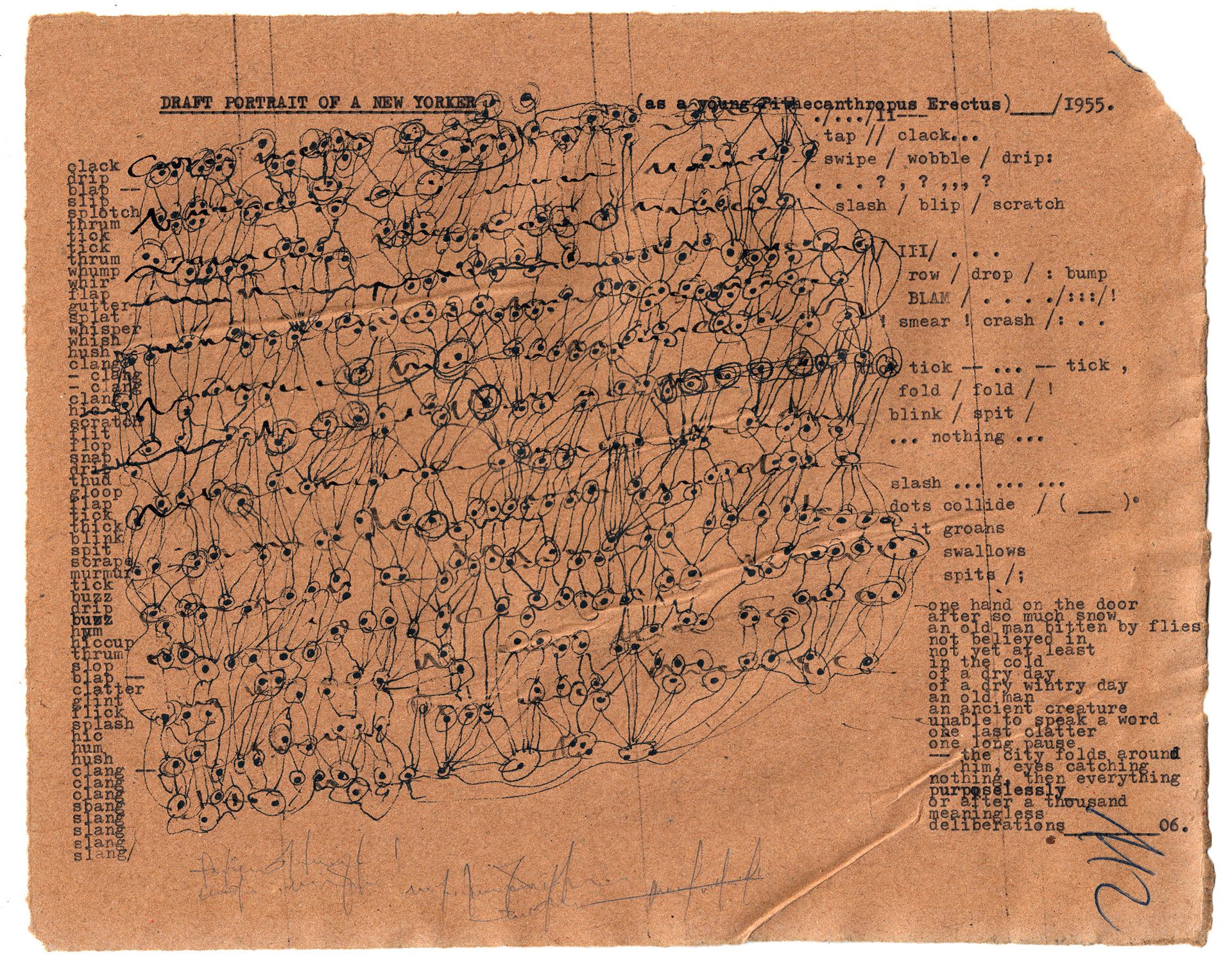
Unmastered Bones draws inspiration from the Pithecanthropus Erectus jazz suite released in 1956 by Charles Mingus — a true political and anthropological manifesto articulated in four musical movements corresponding to as many phases of human history (evolution, superiority complex, decline, destruction).
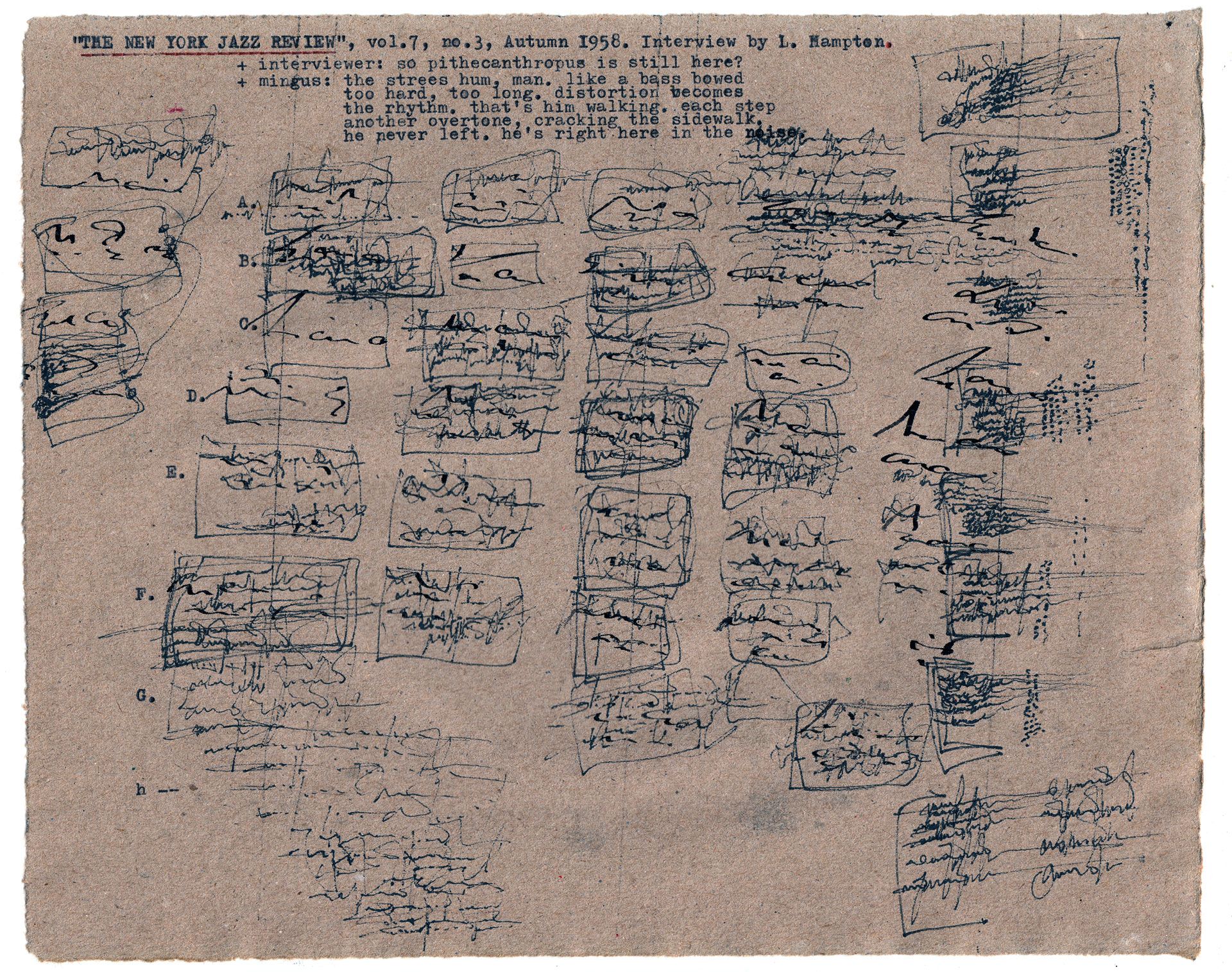
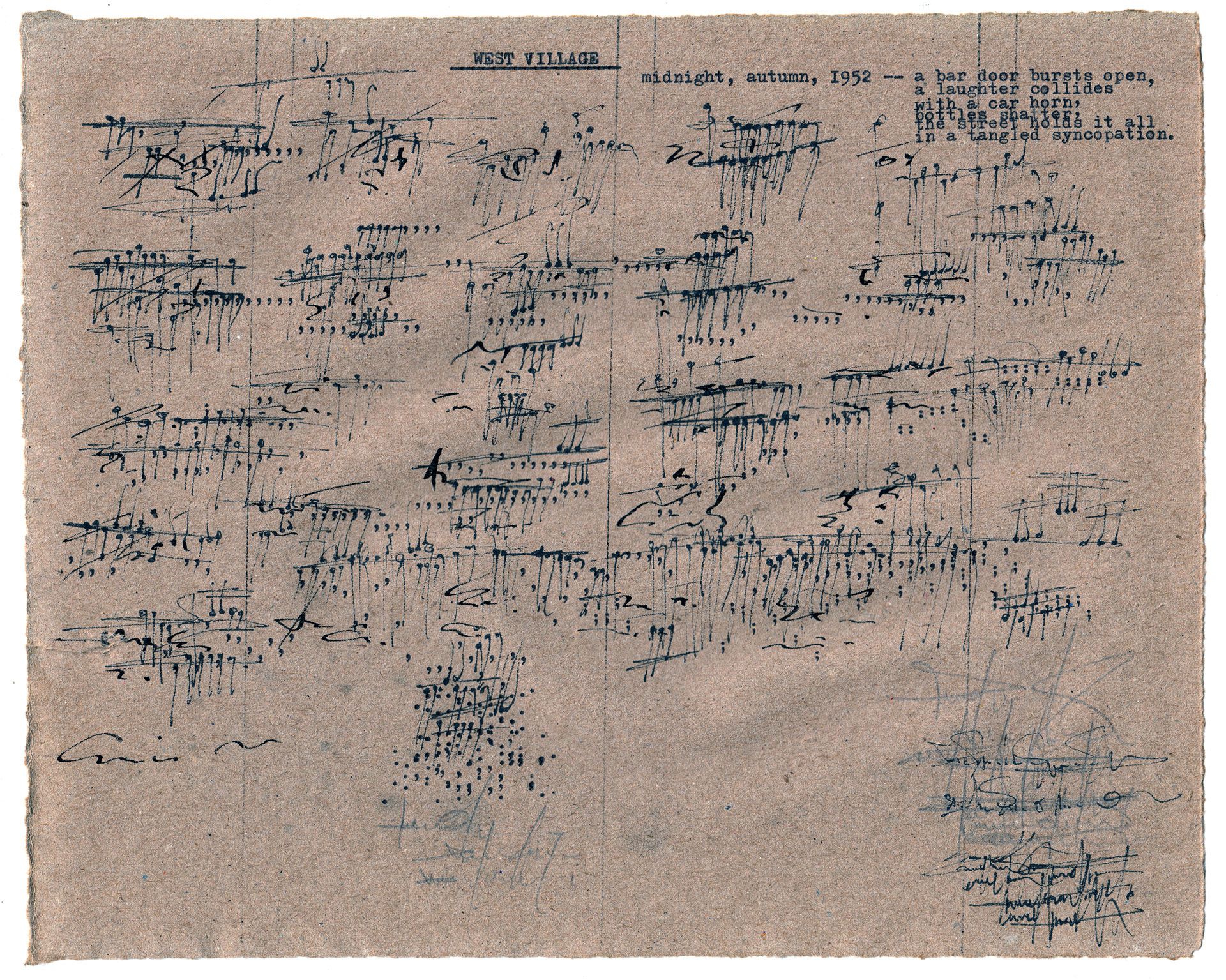
Mingus’s compositional technique consisted of a structured improvisation in which the writen score was replaced by a mental one, communicated through verbal instruction or suggested at the piano. Each piece, though defined by precise parameters (scales, progressions, atmosphere), remained open to the interpretation of the soloists, who were charged with shaping the thematic development of each composition.
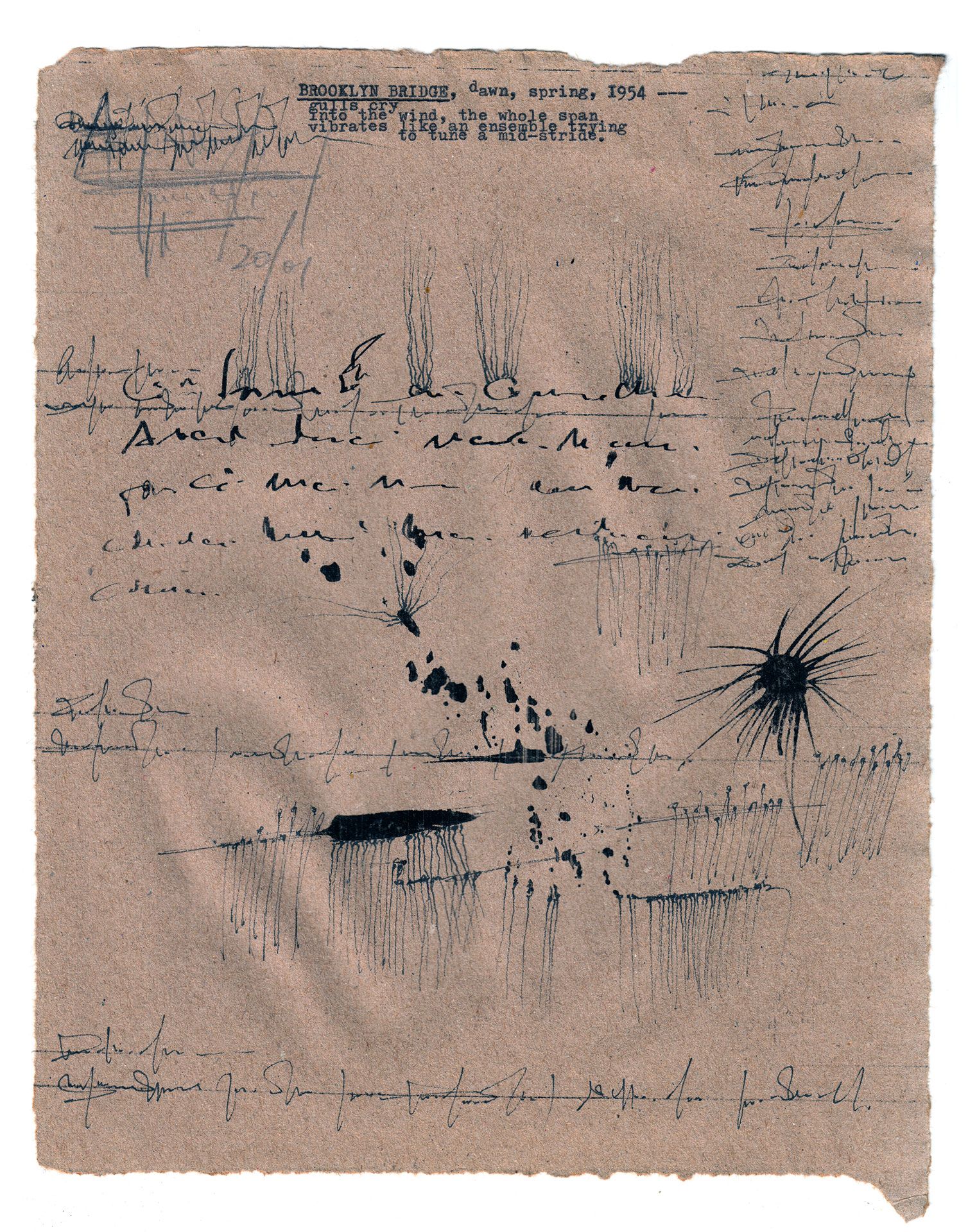
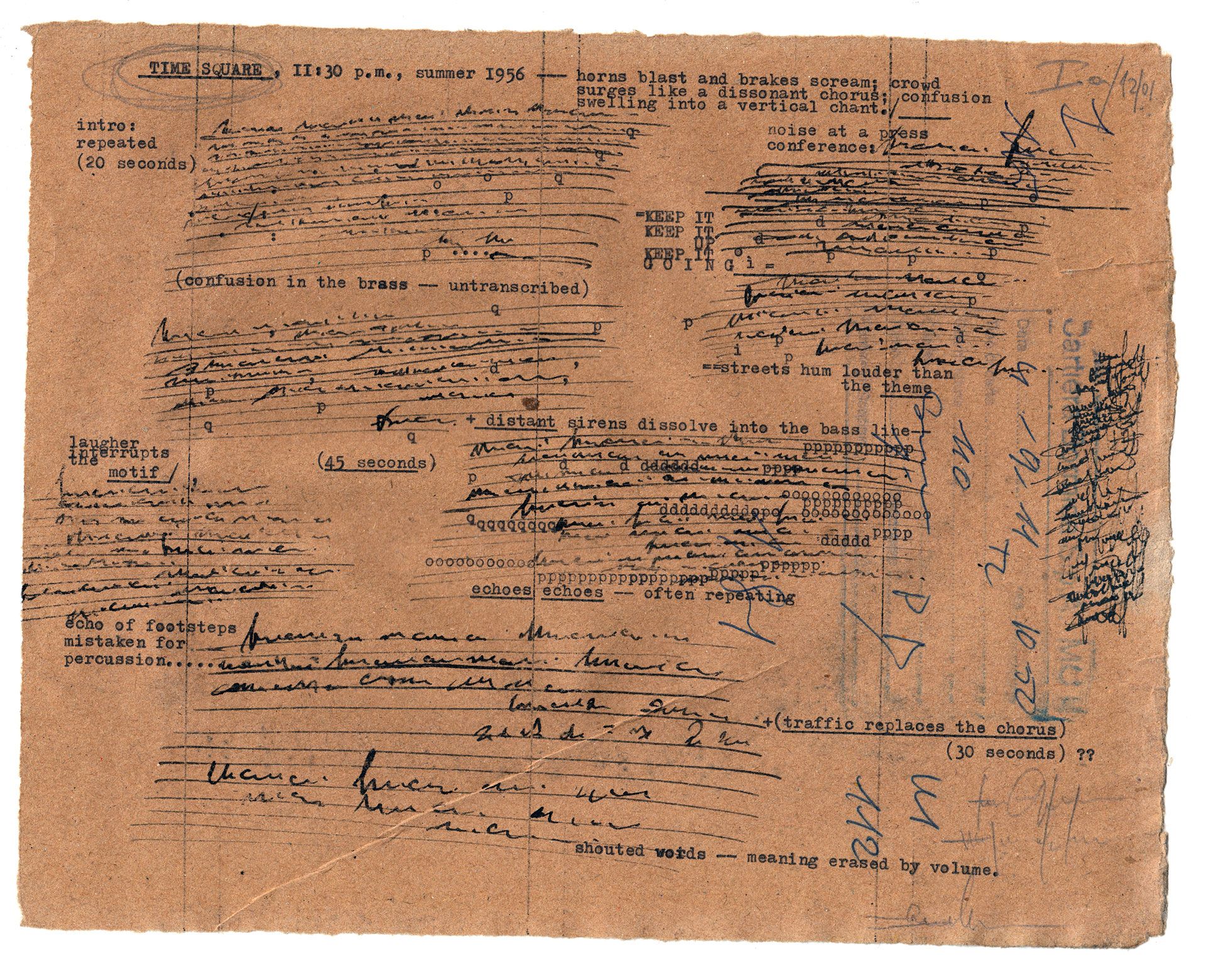
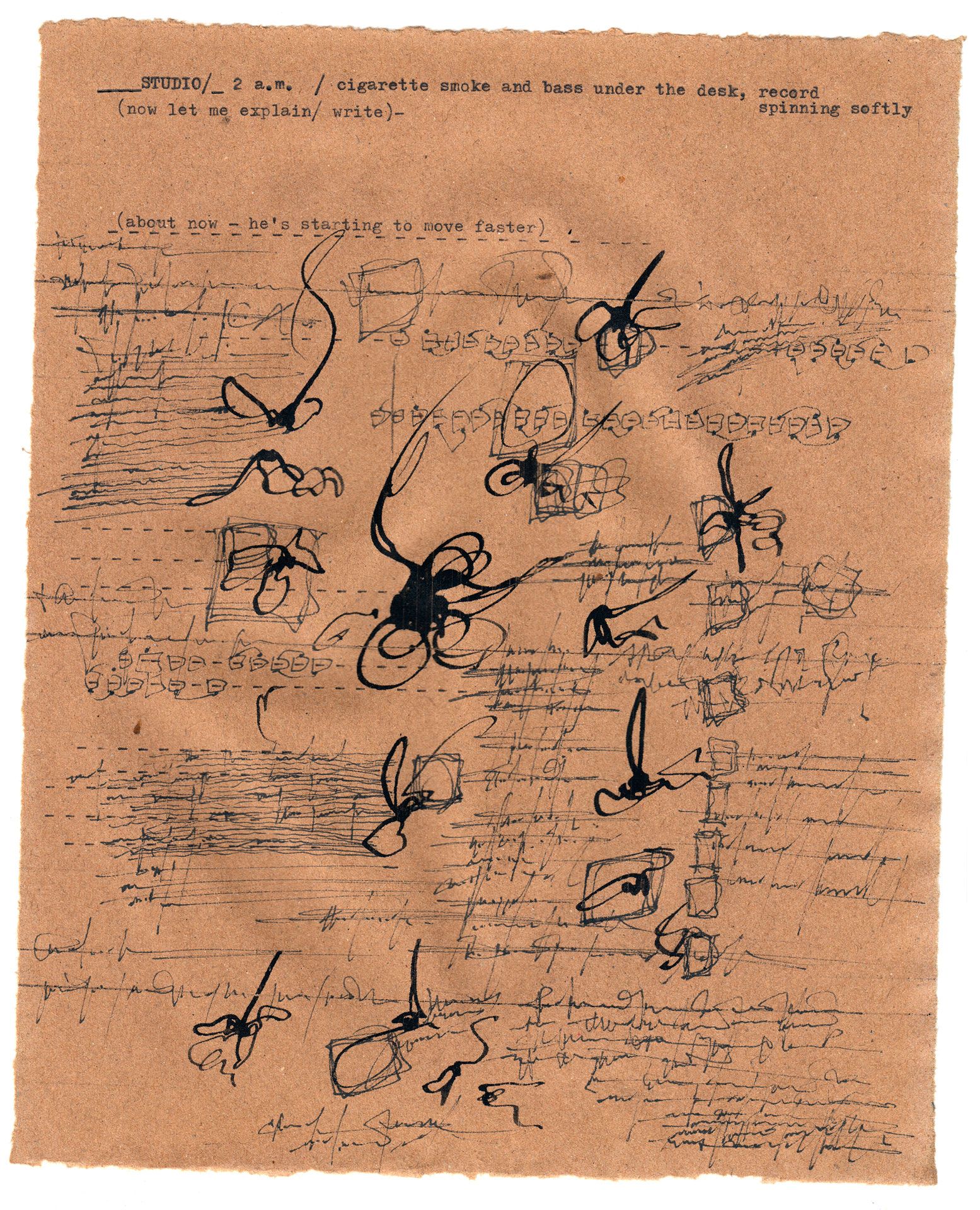
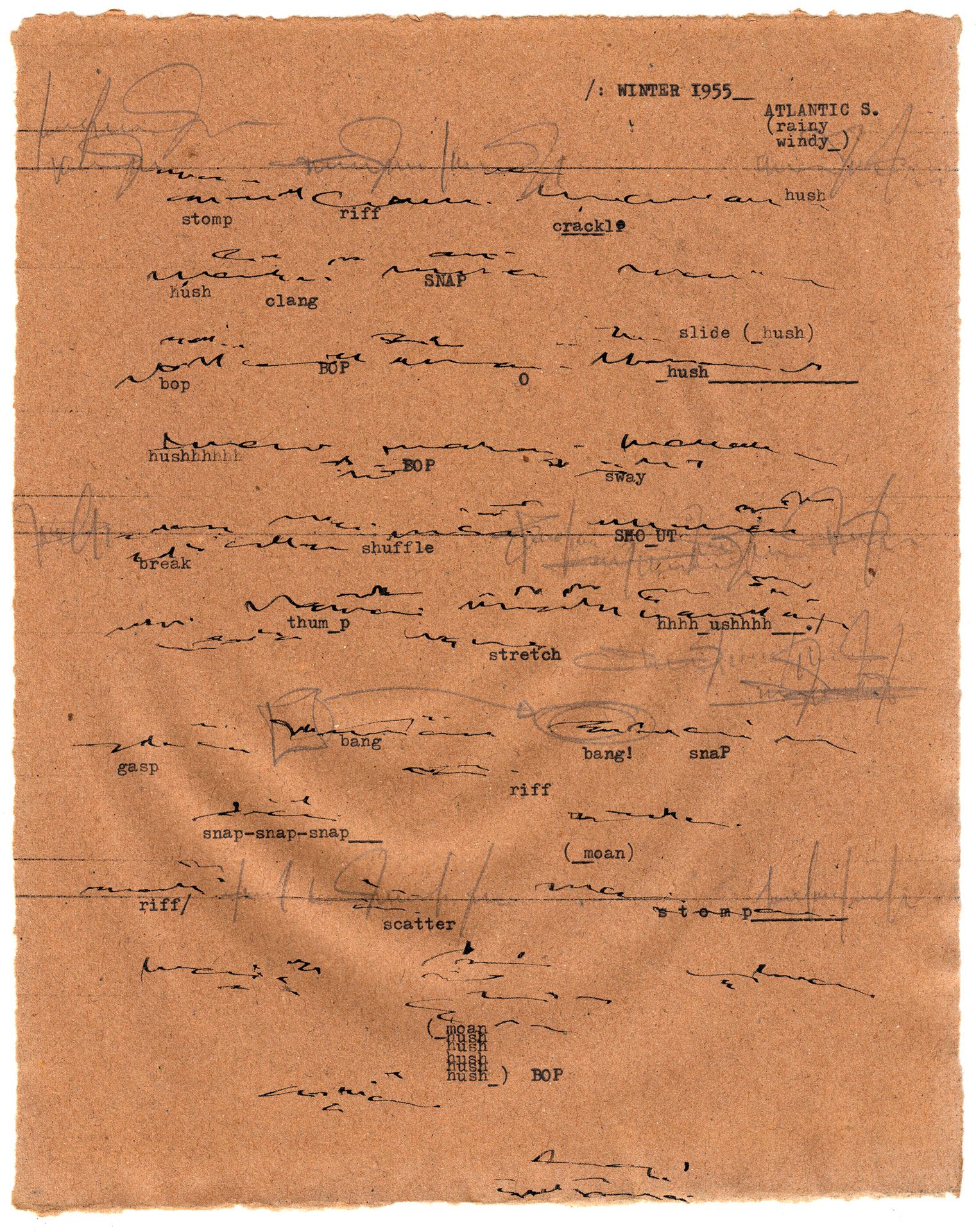
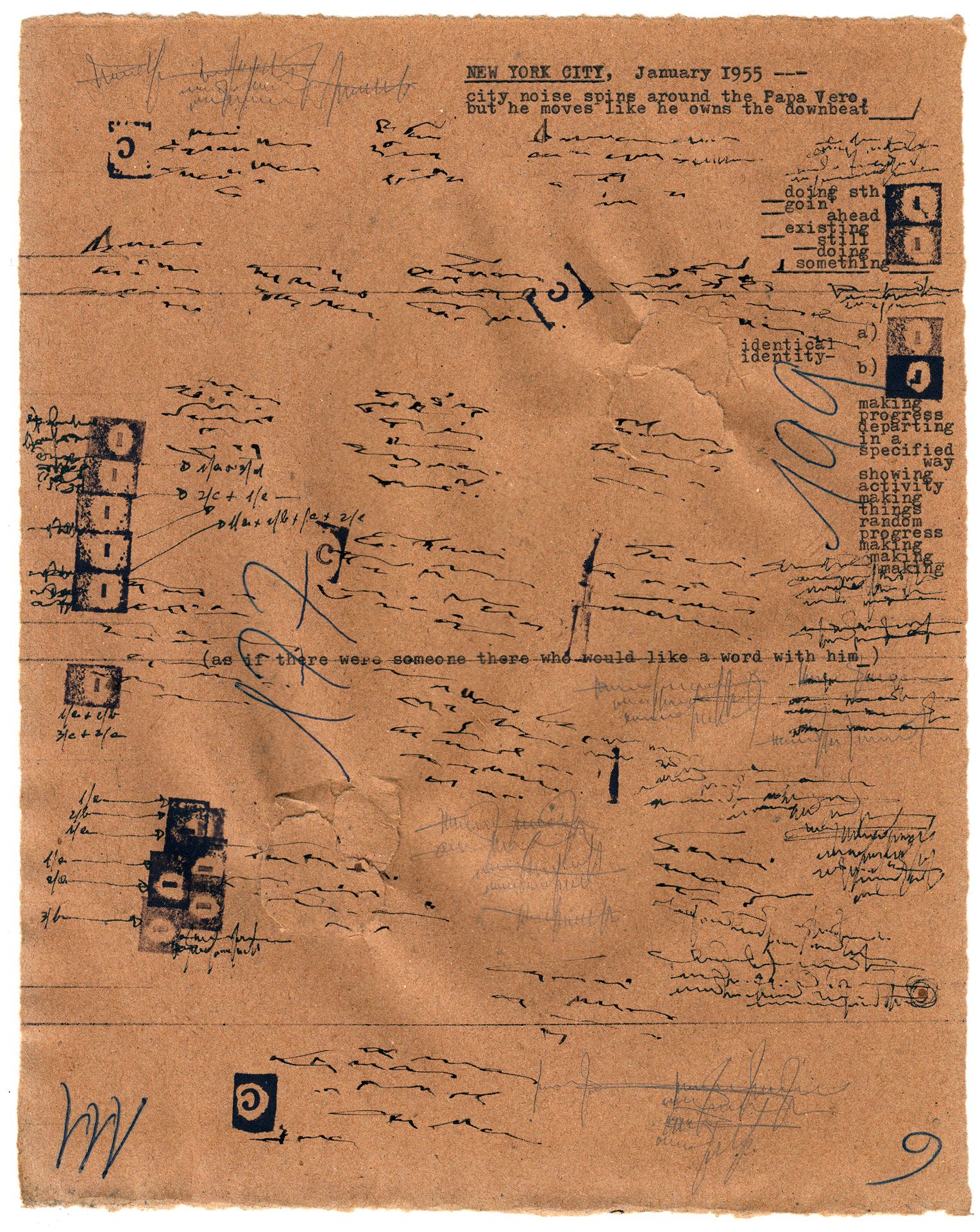
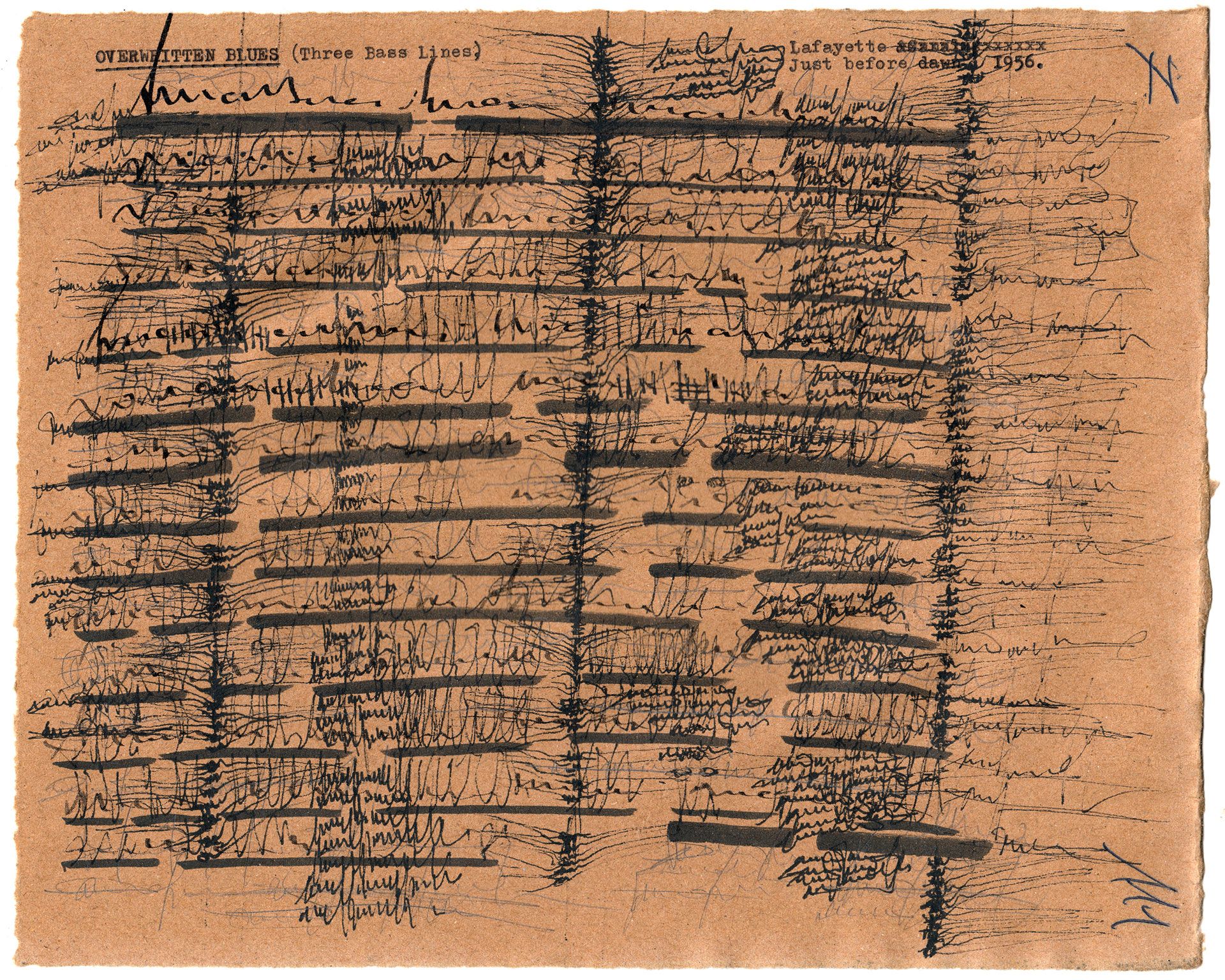
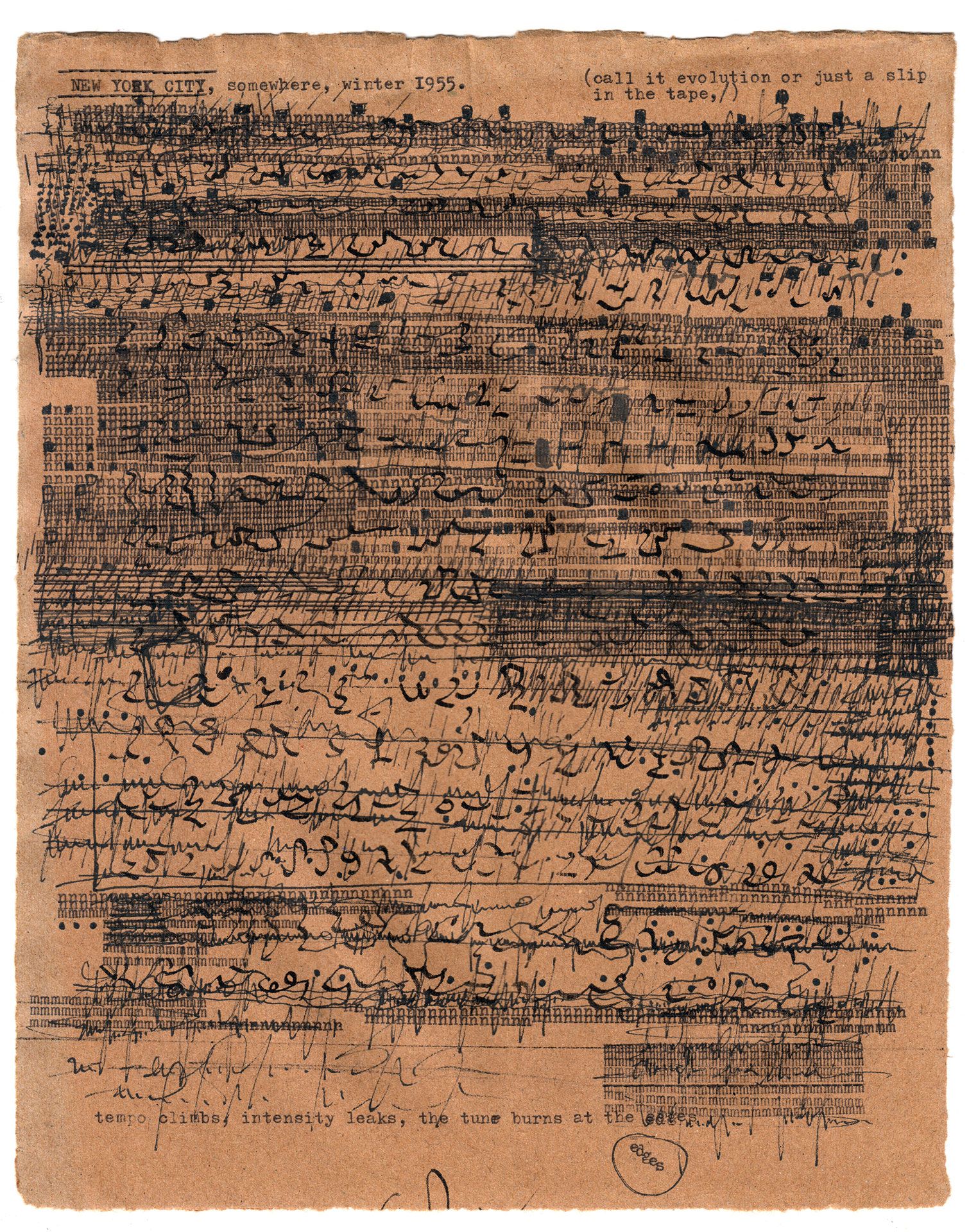
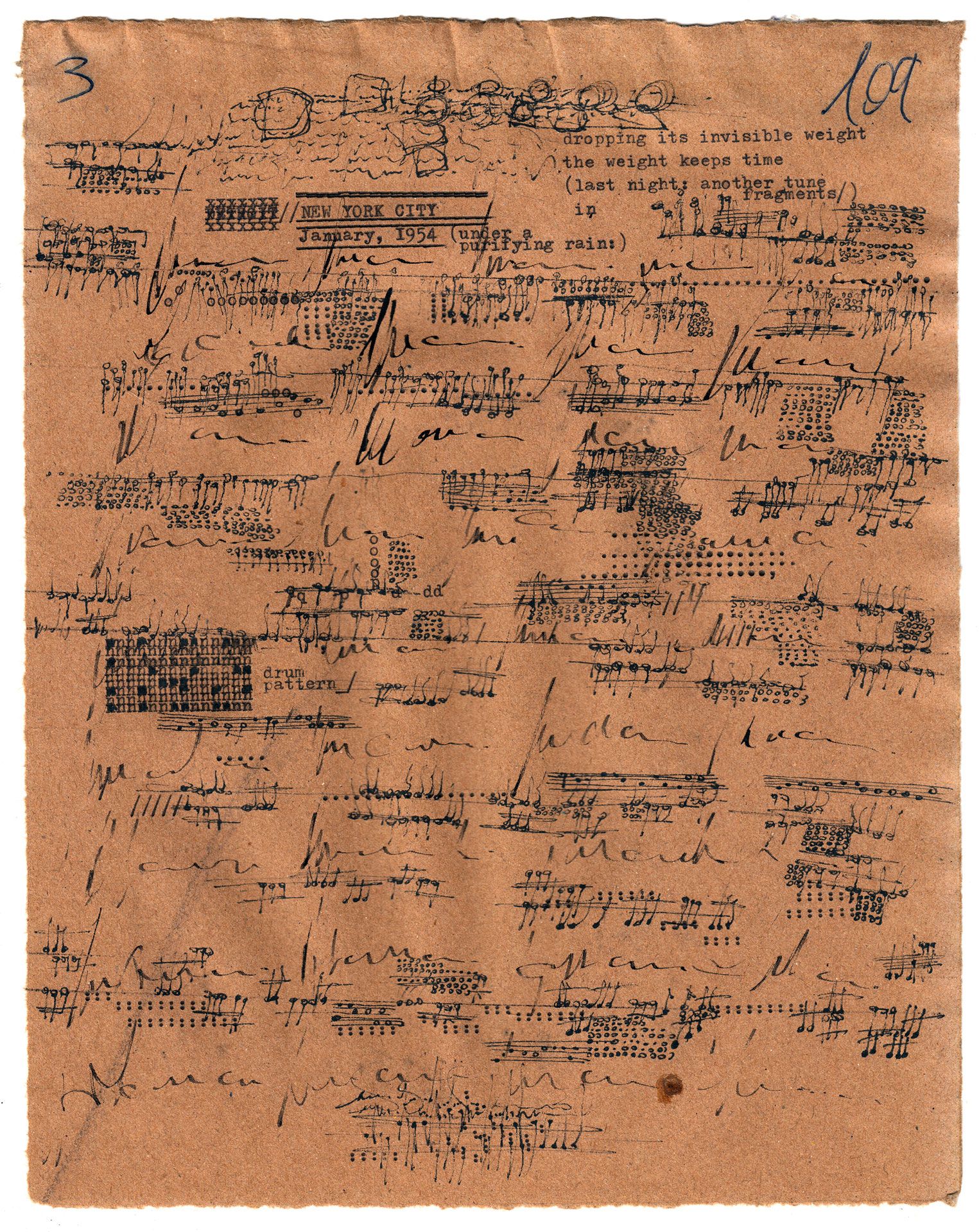
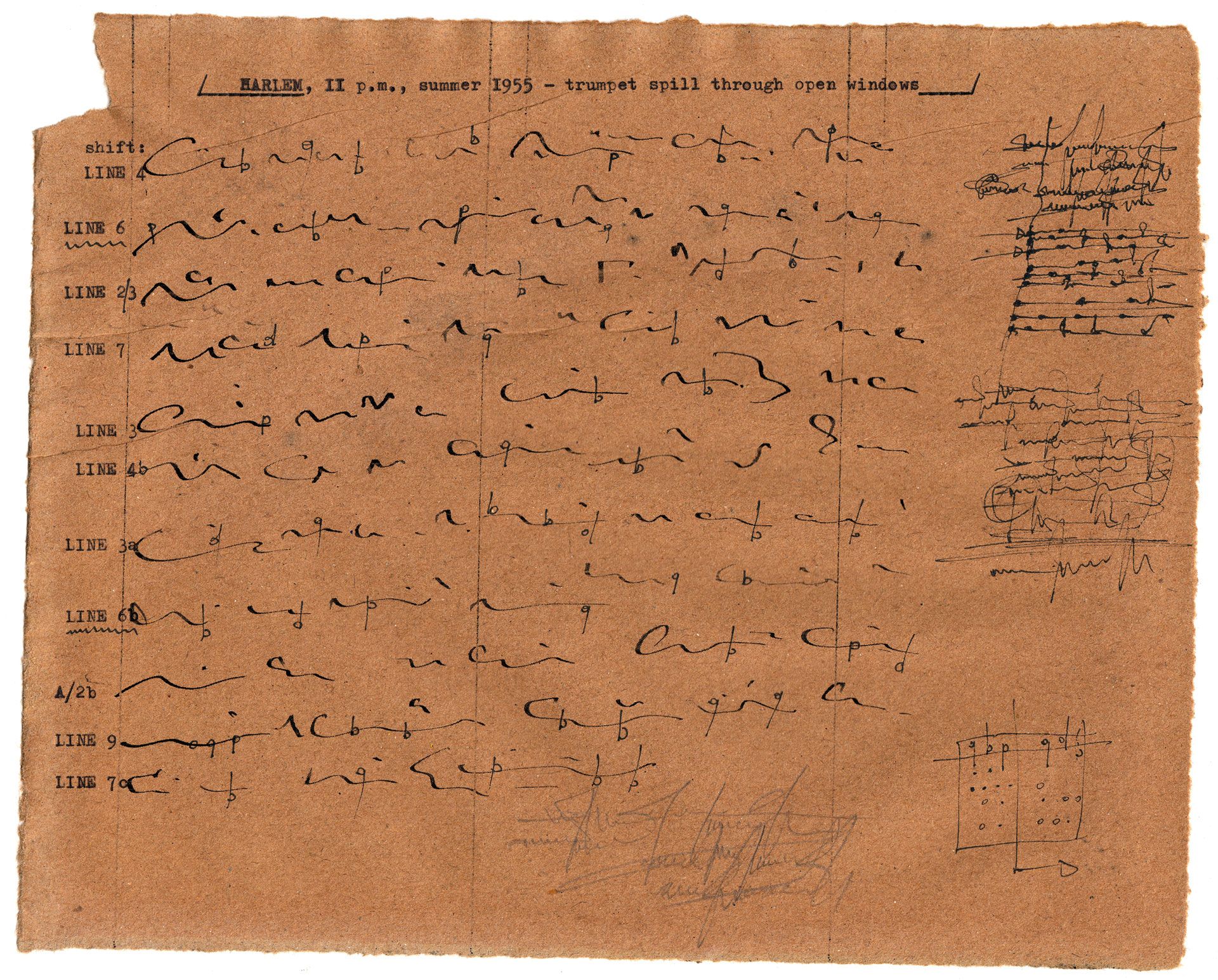
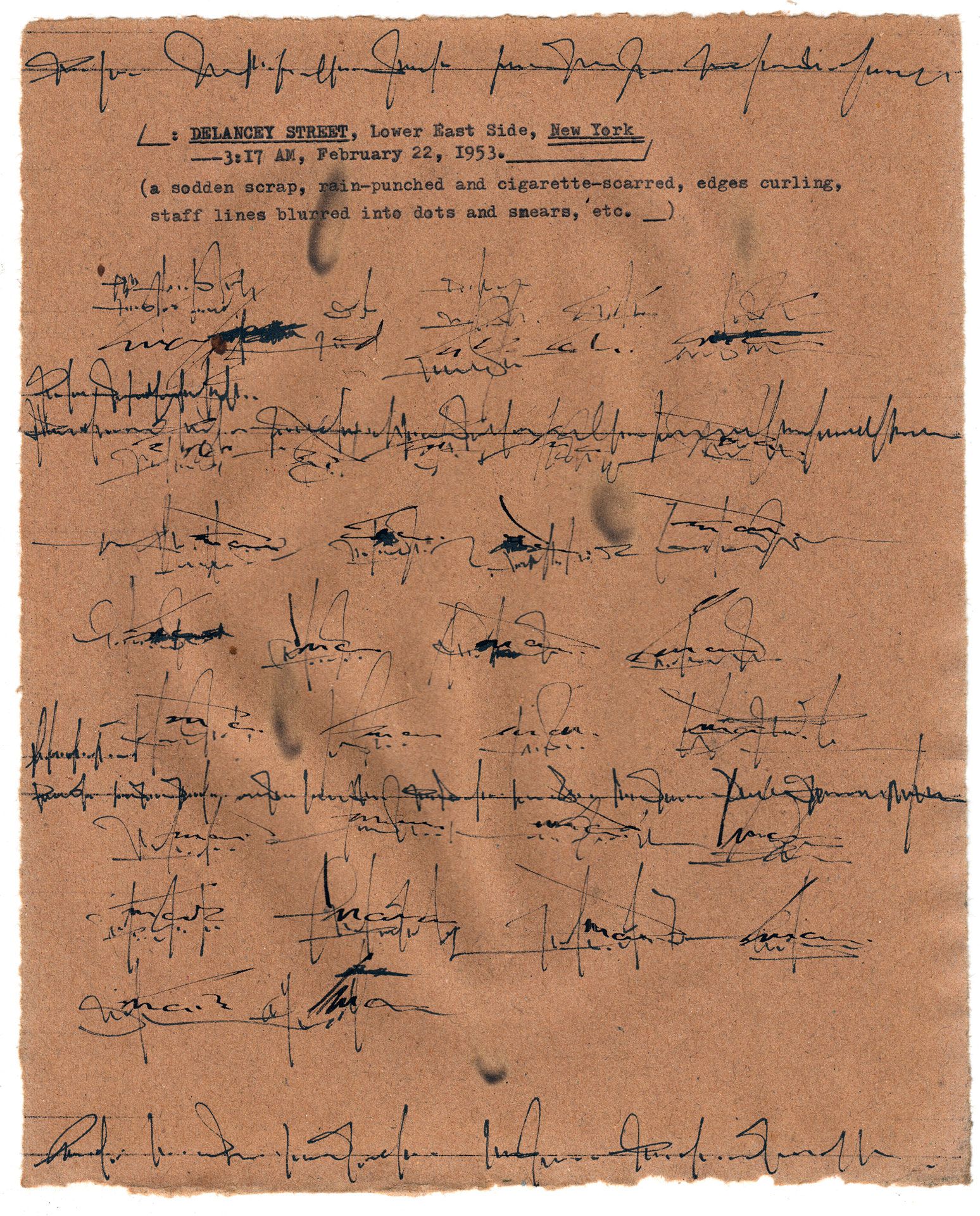
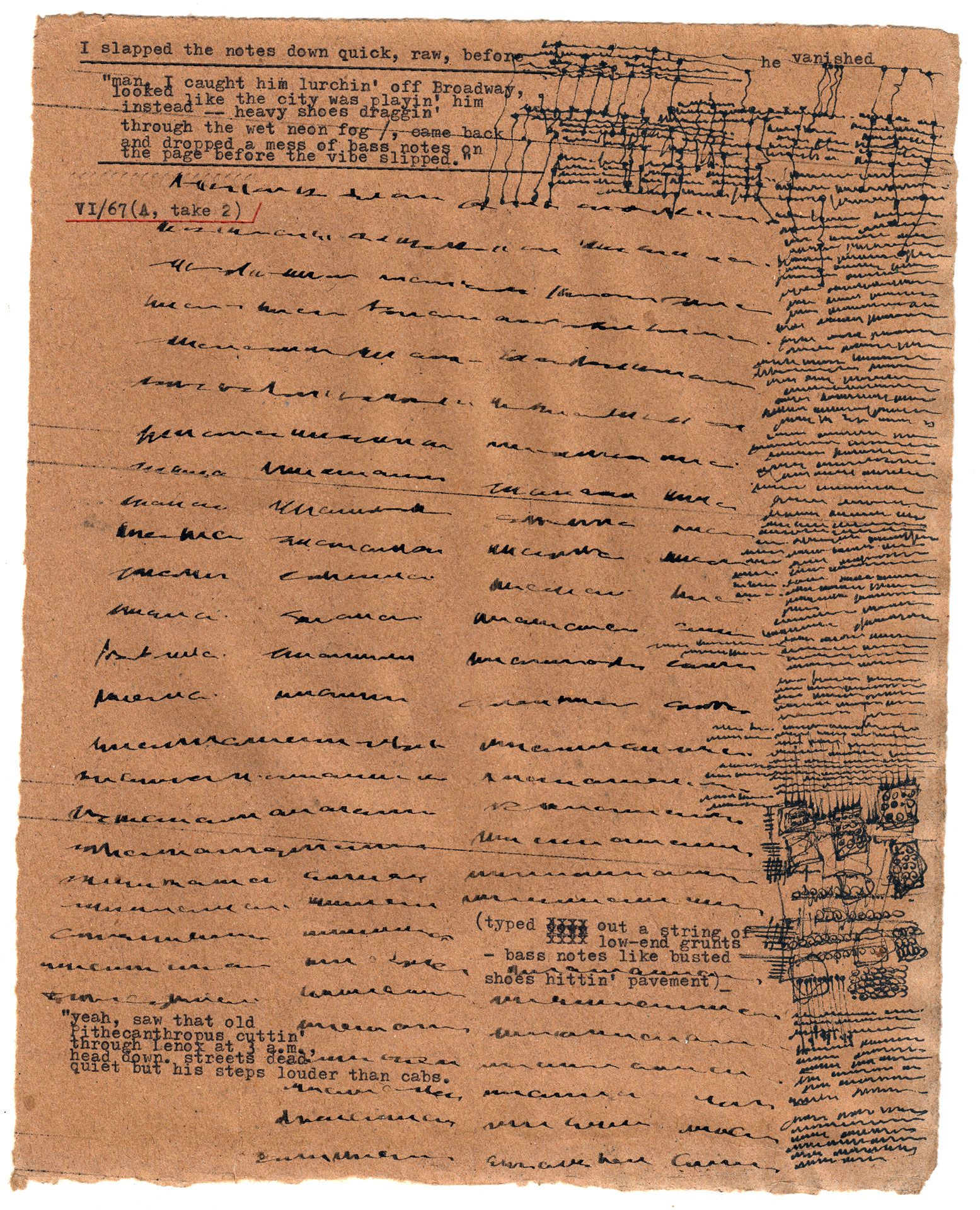
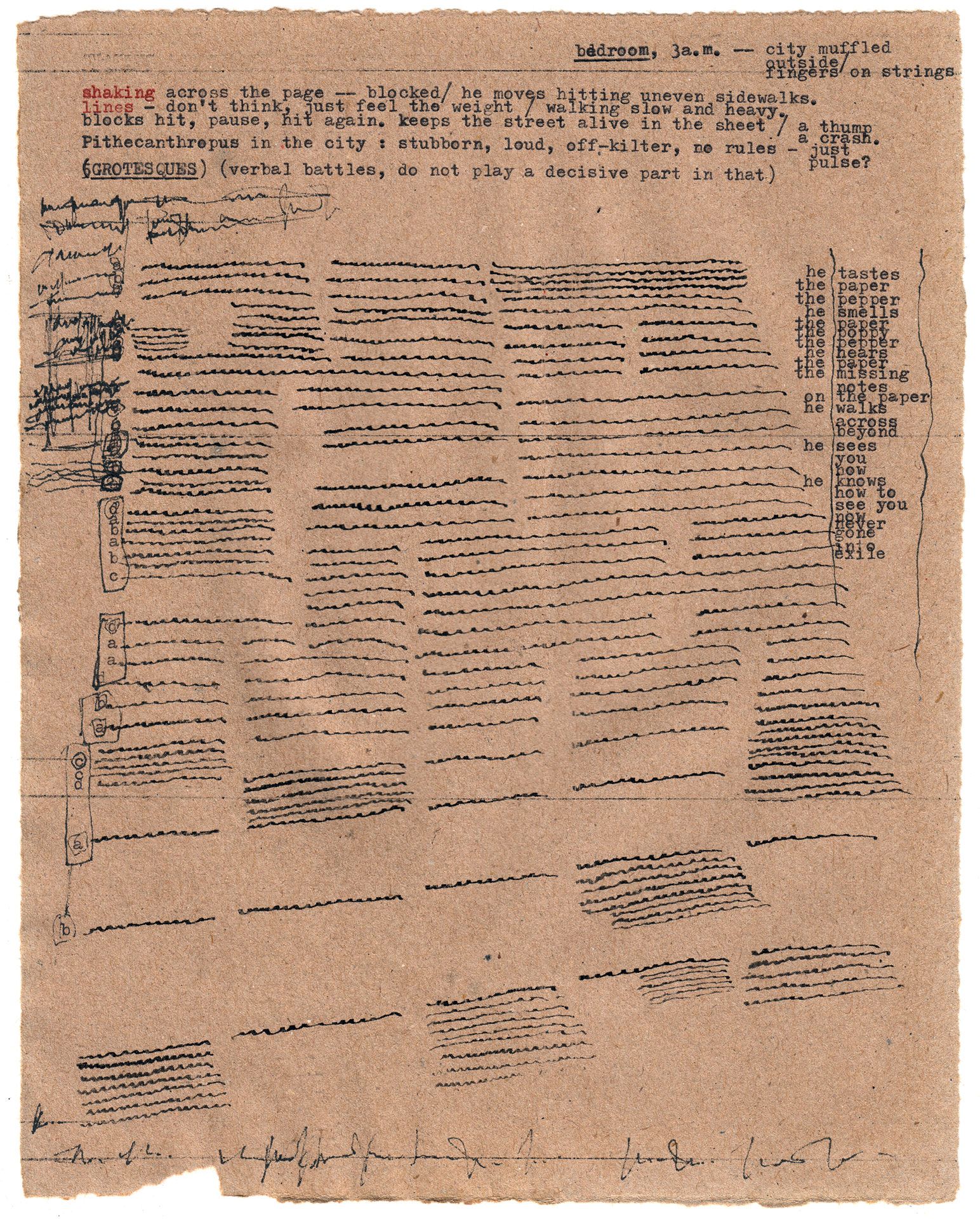
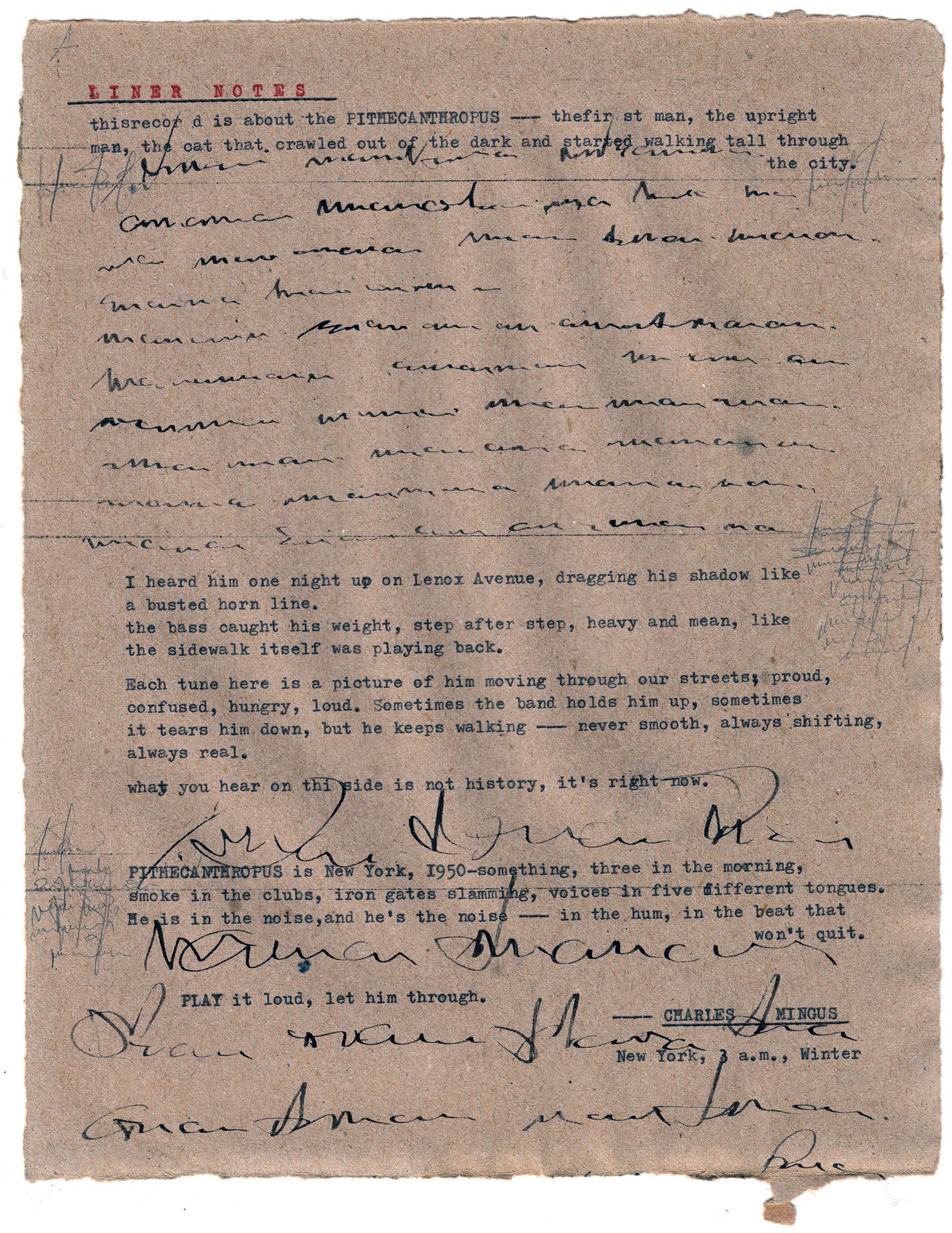
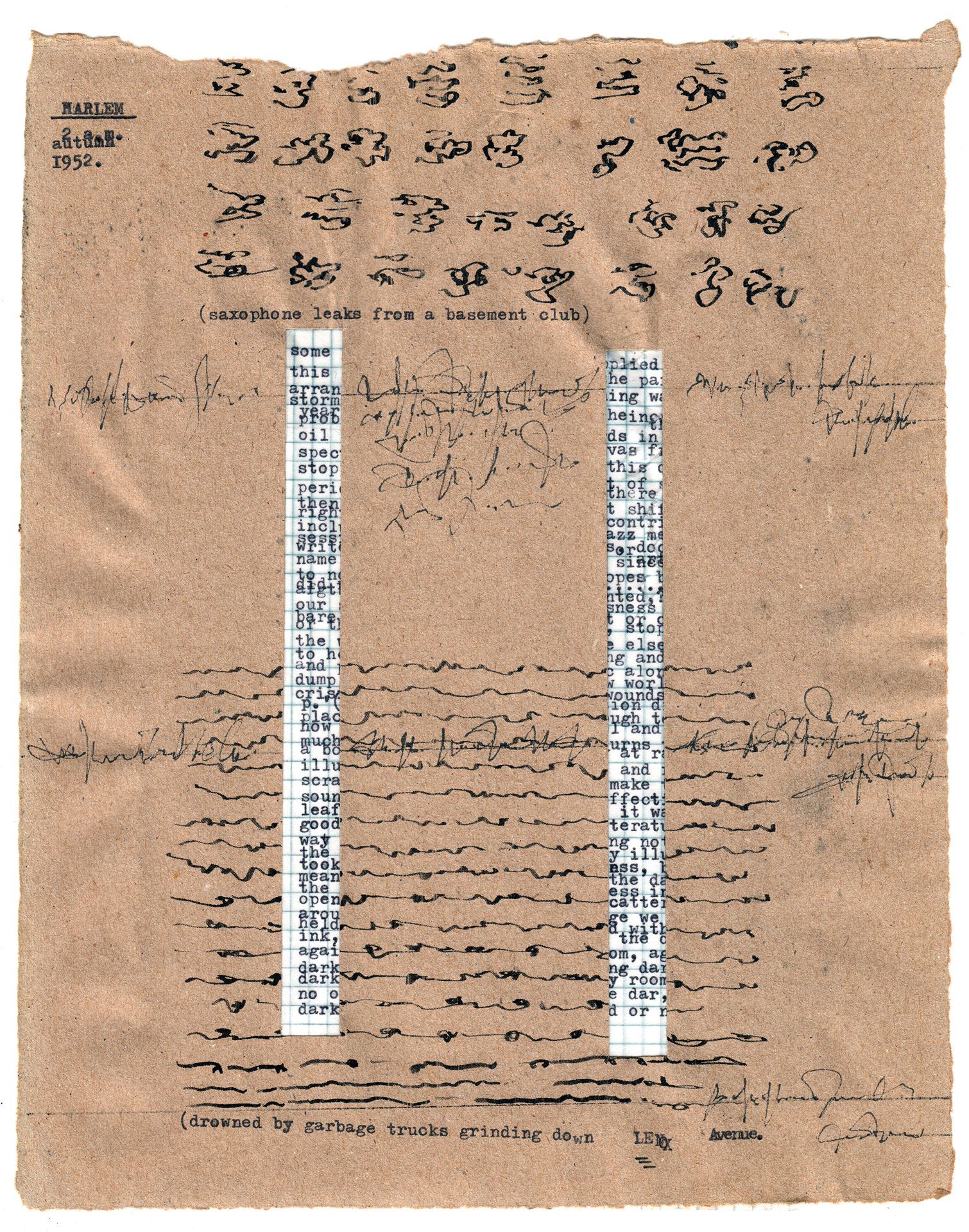
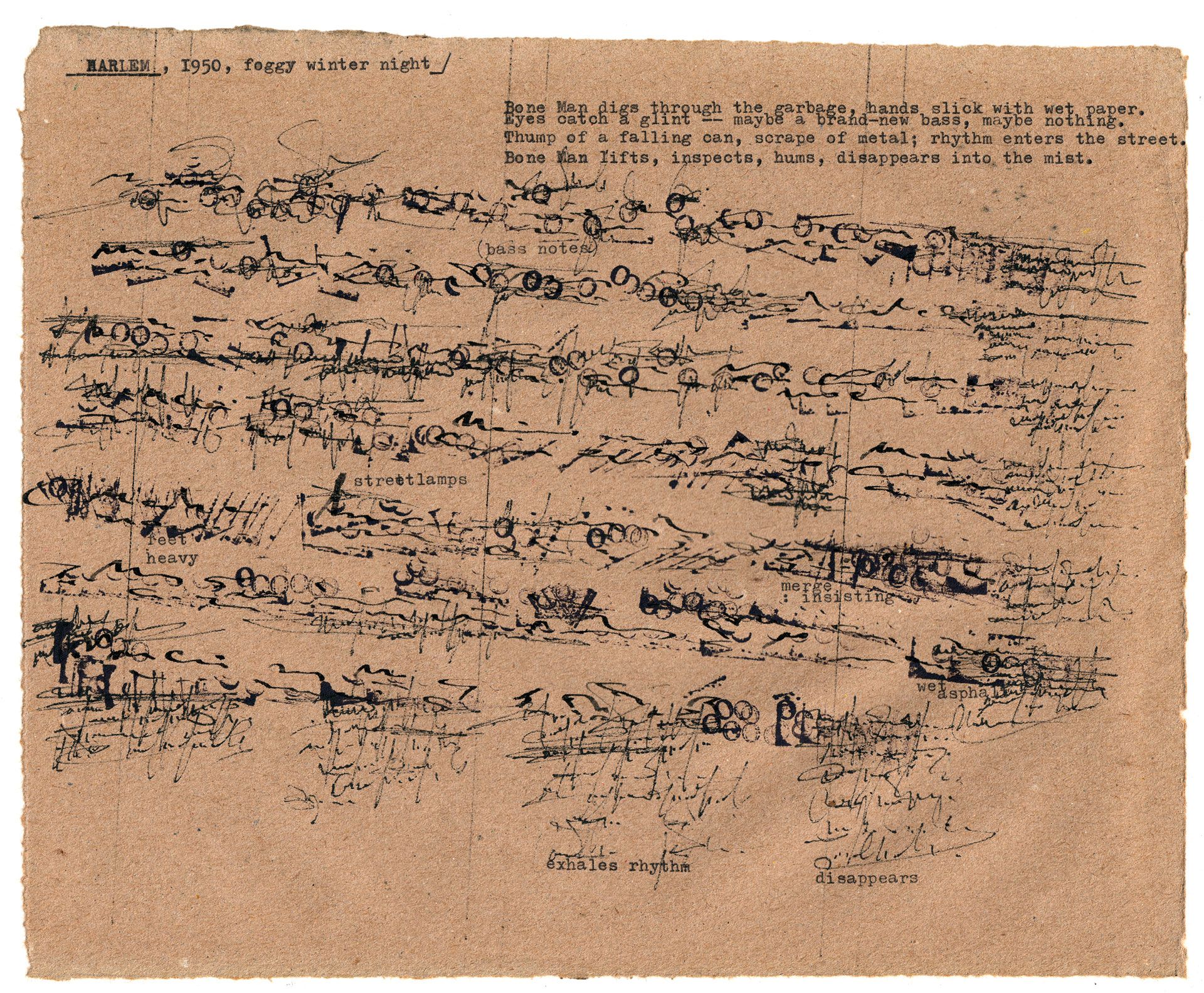
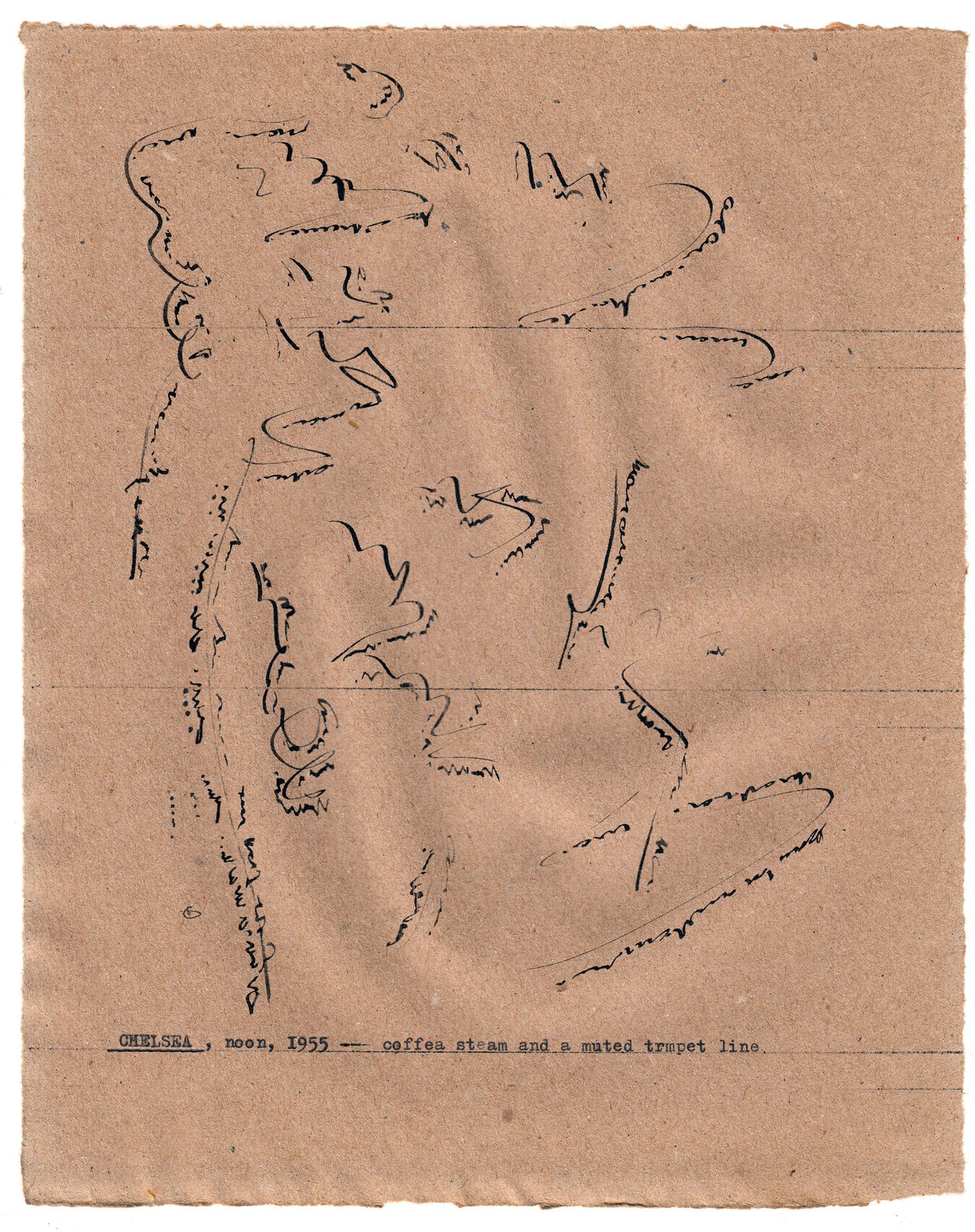
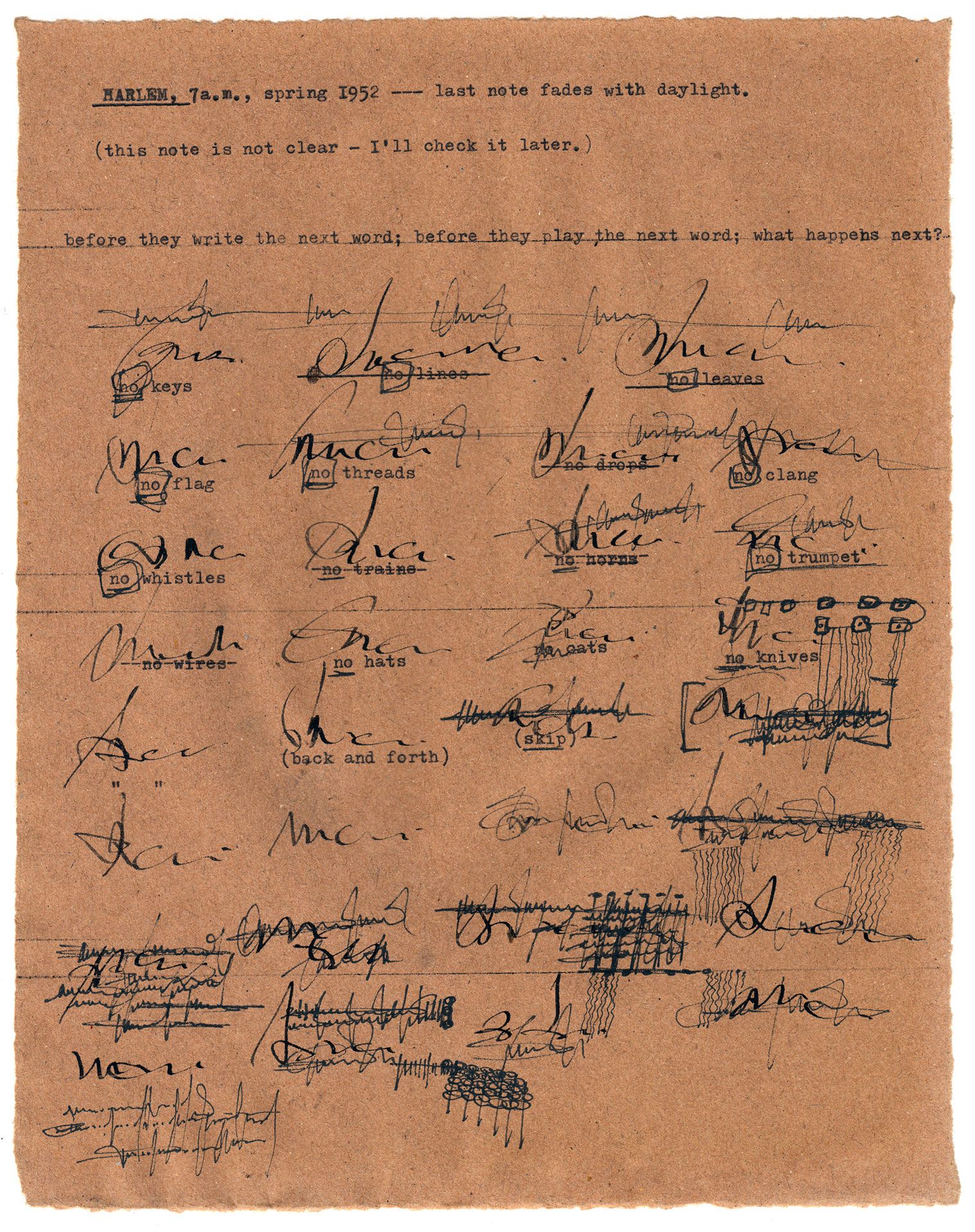
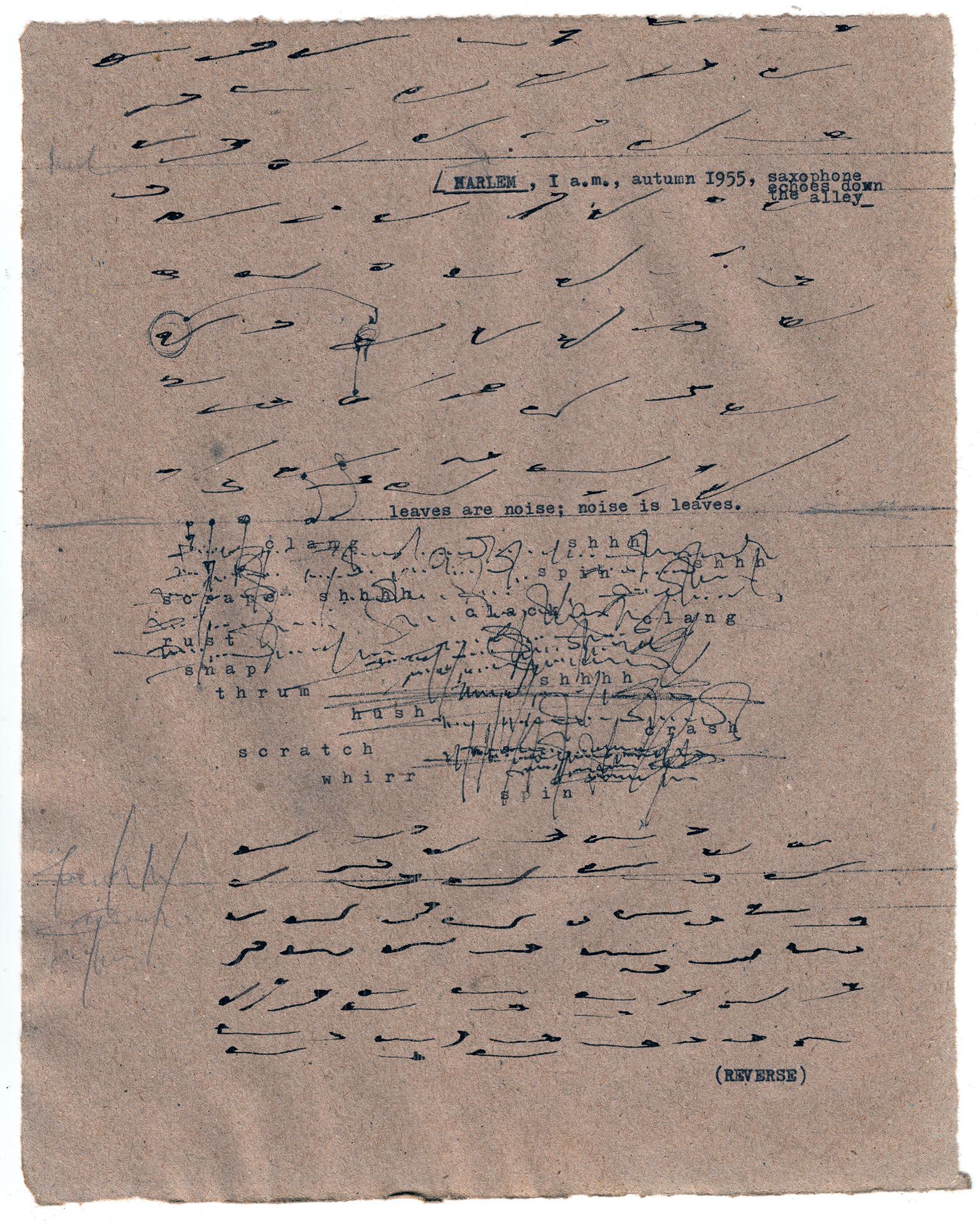
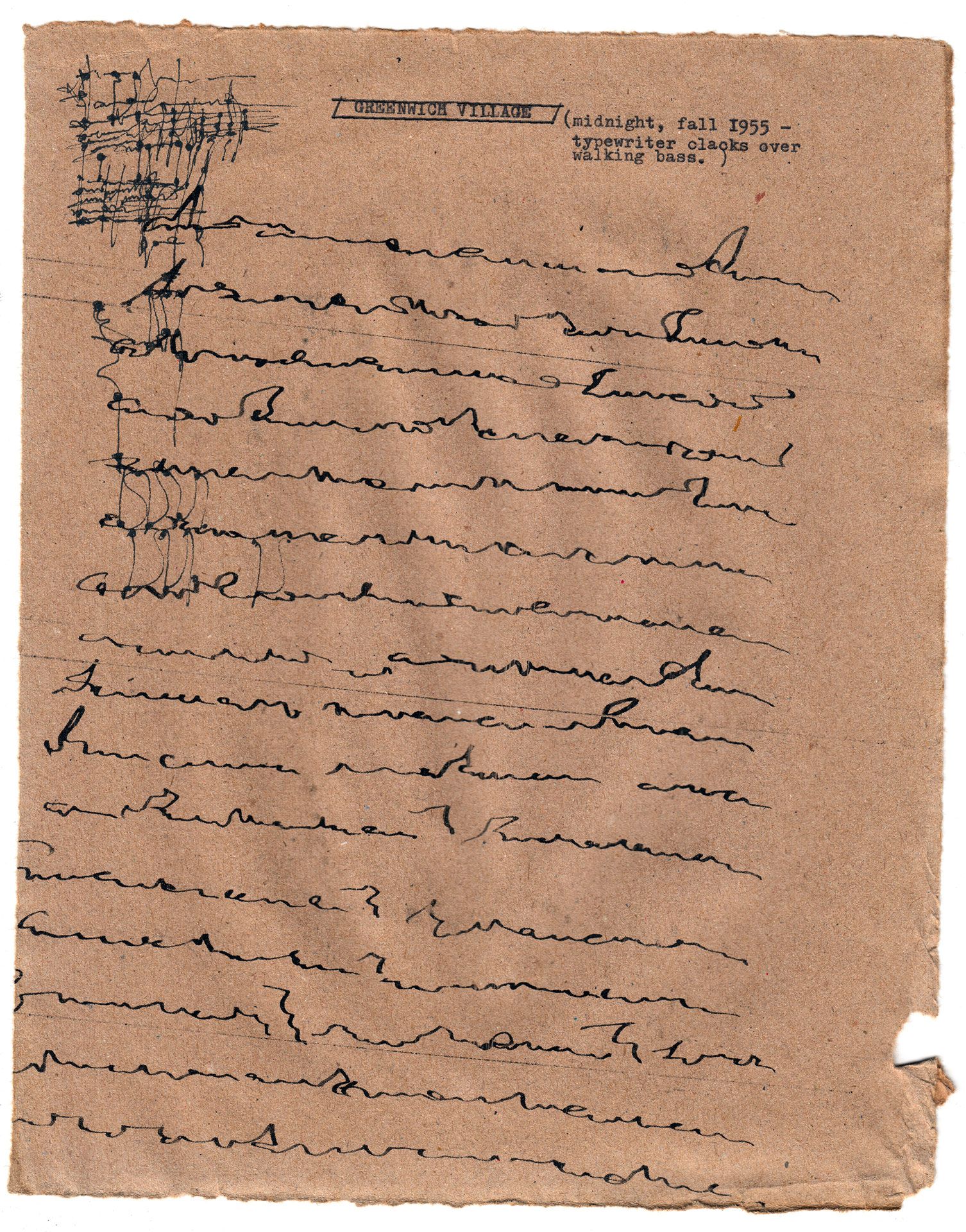
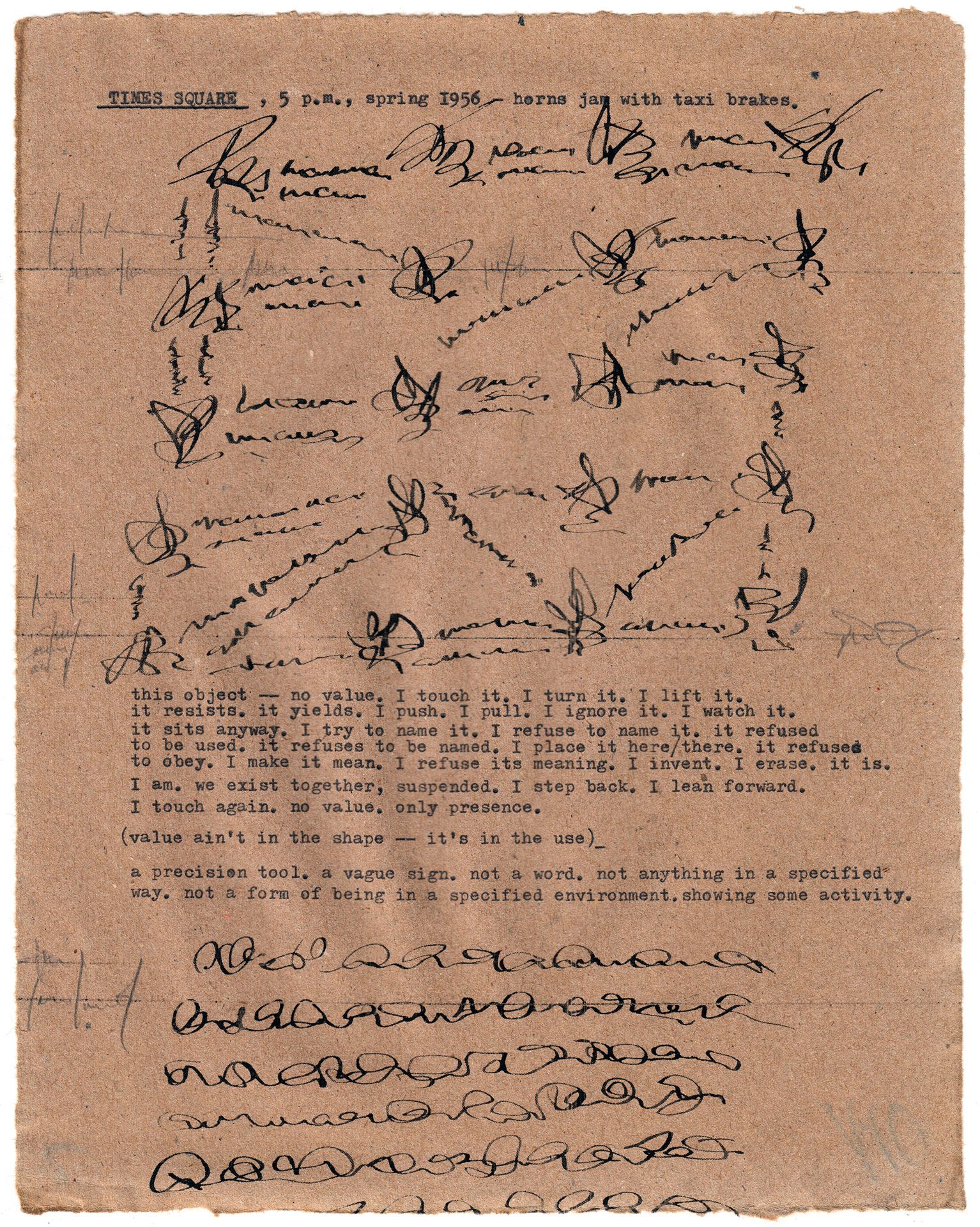
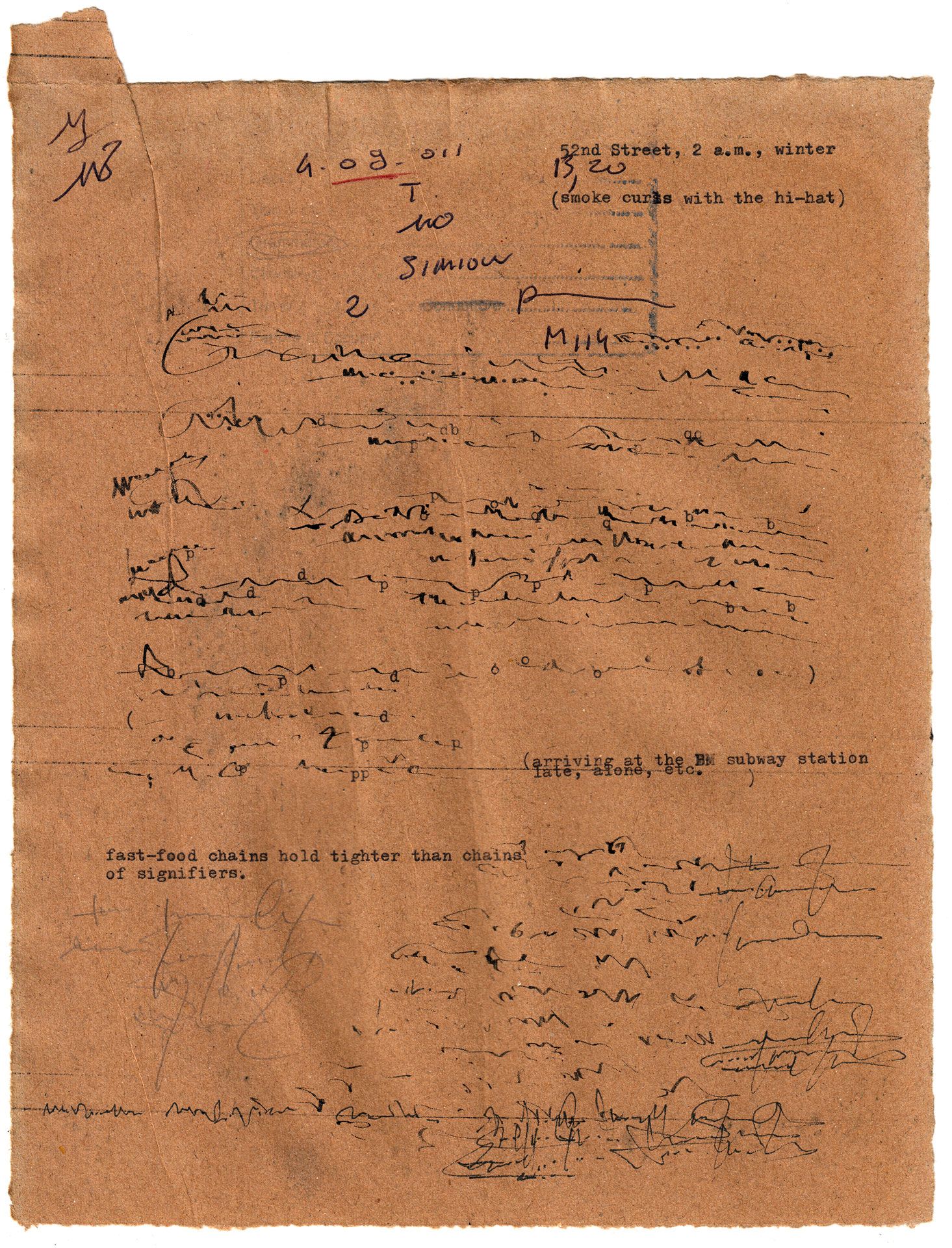
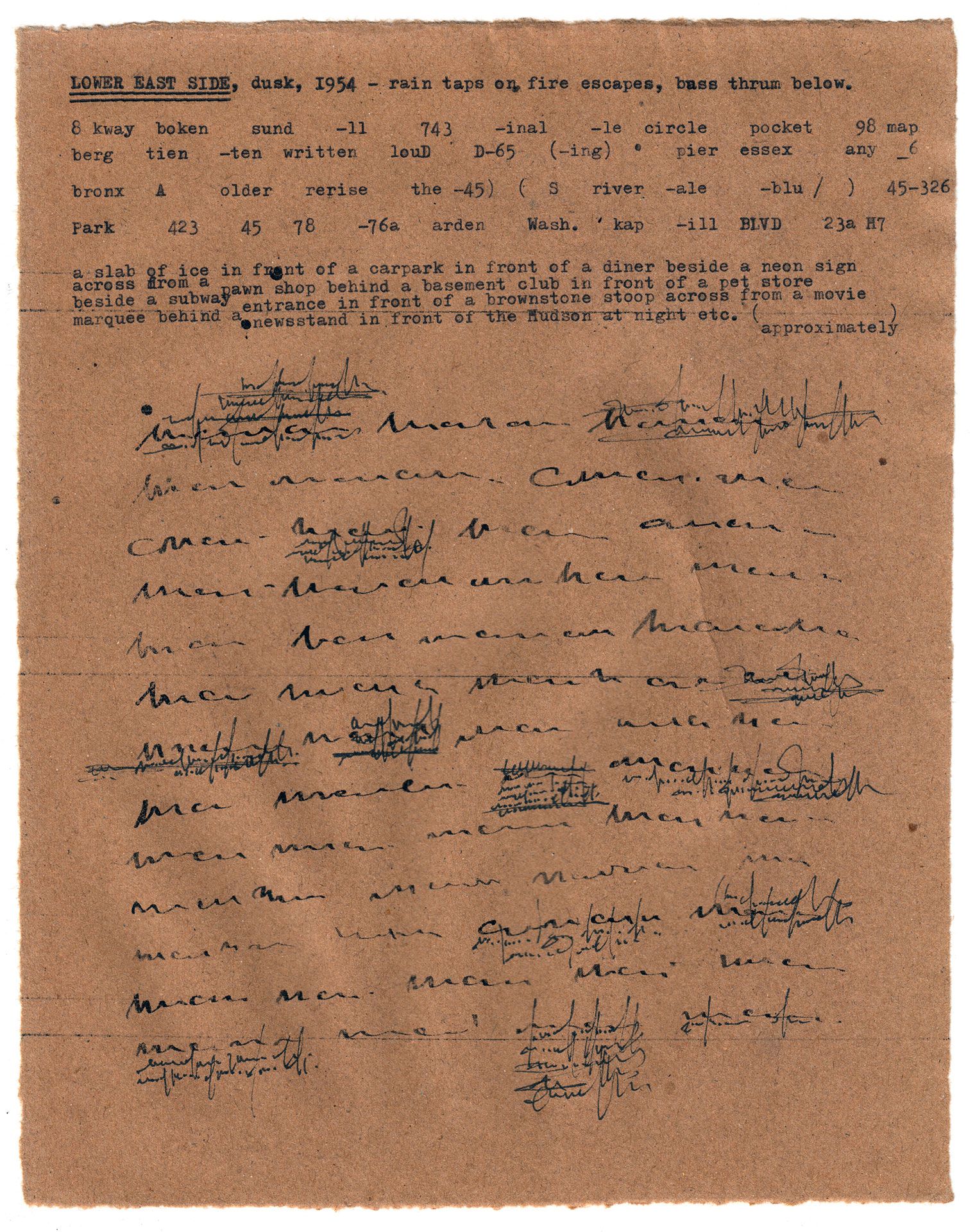
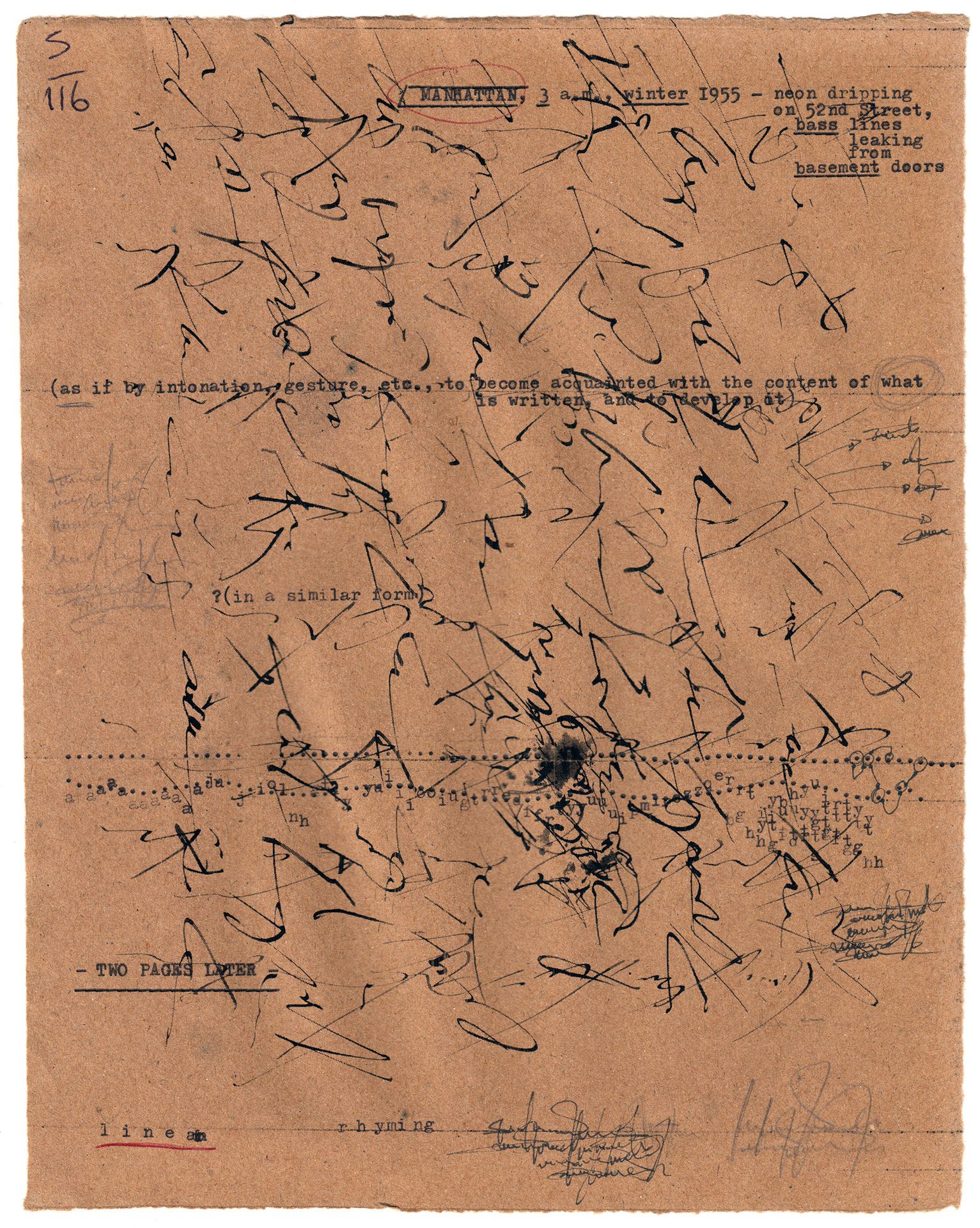
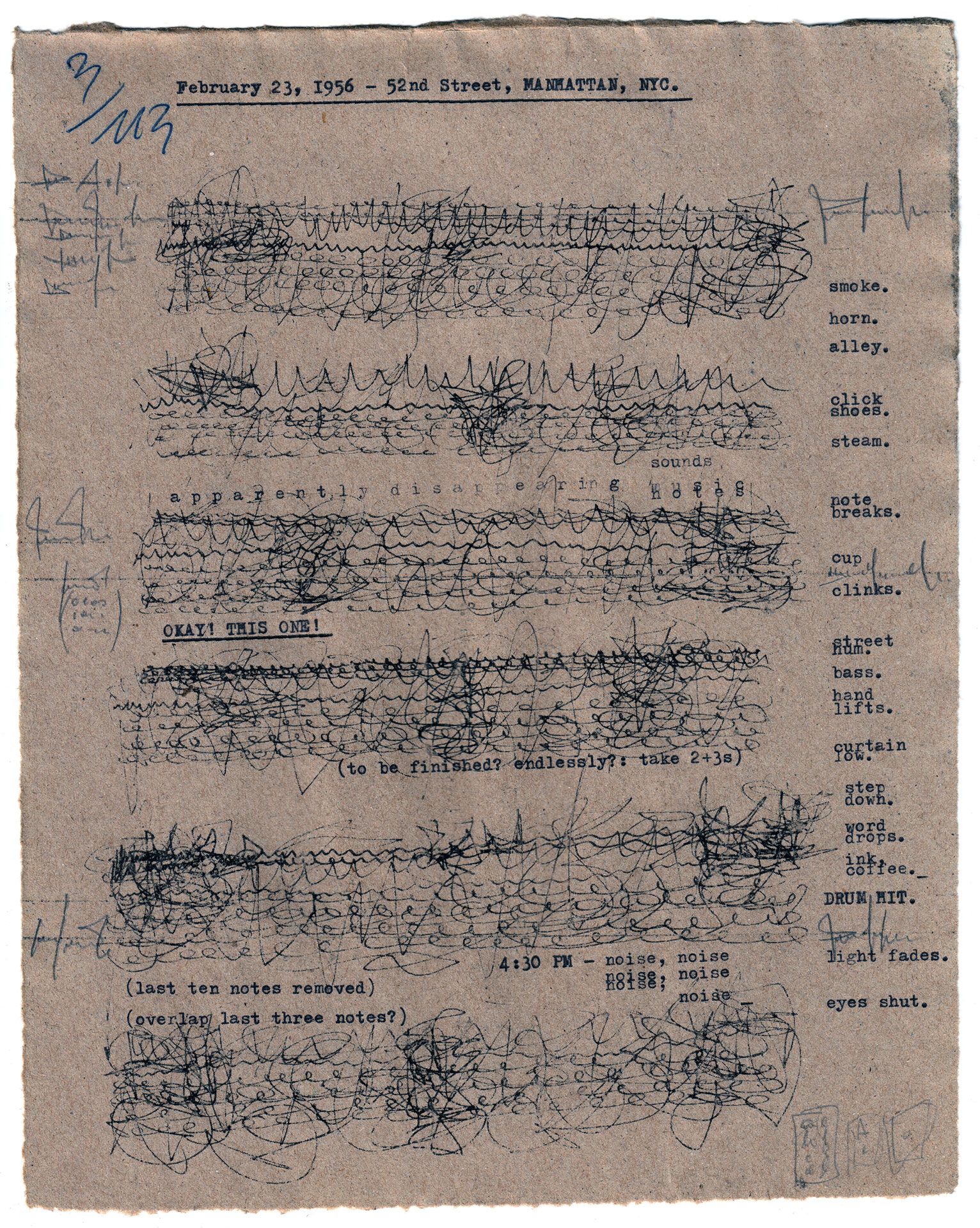
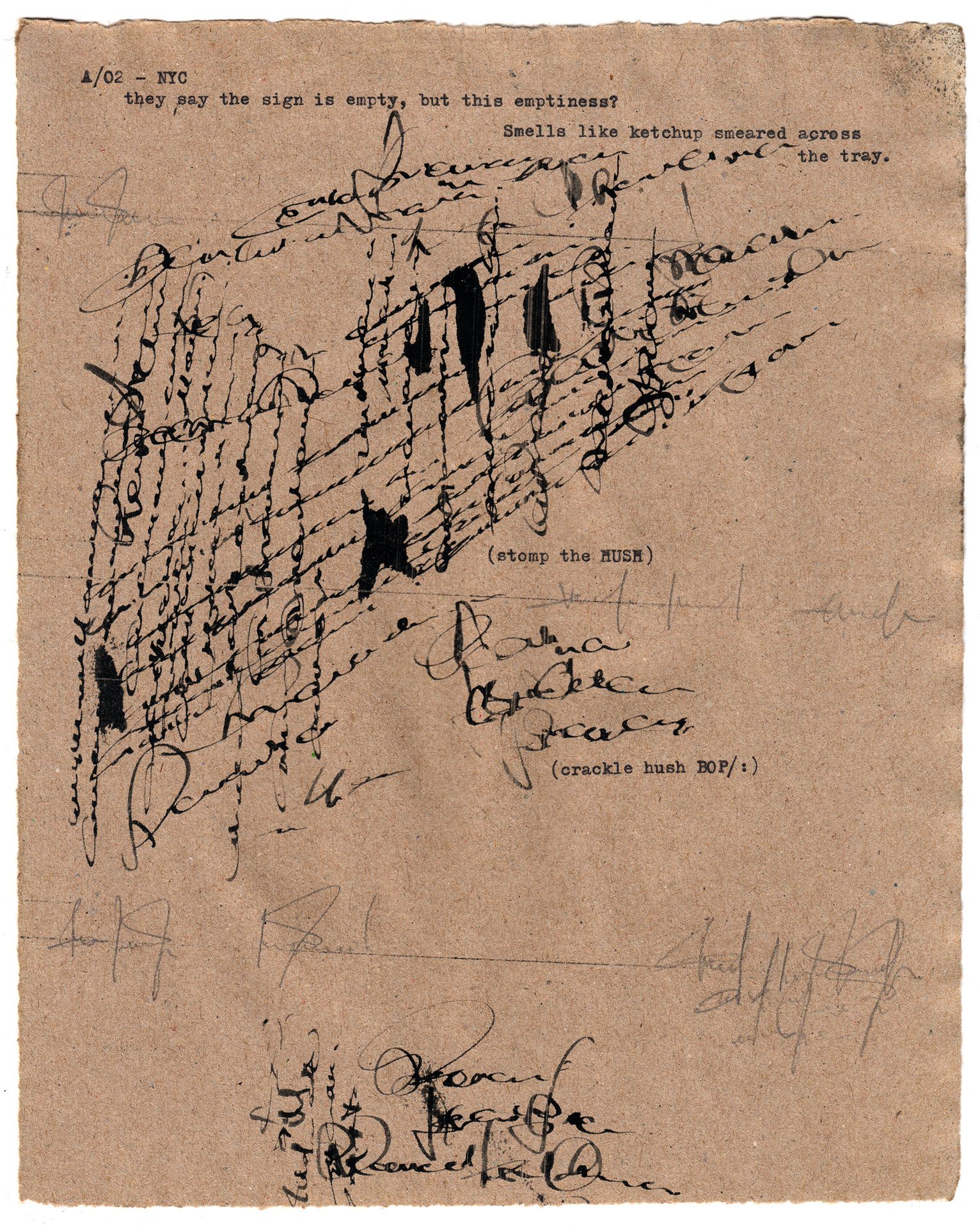
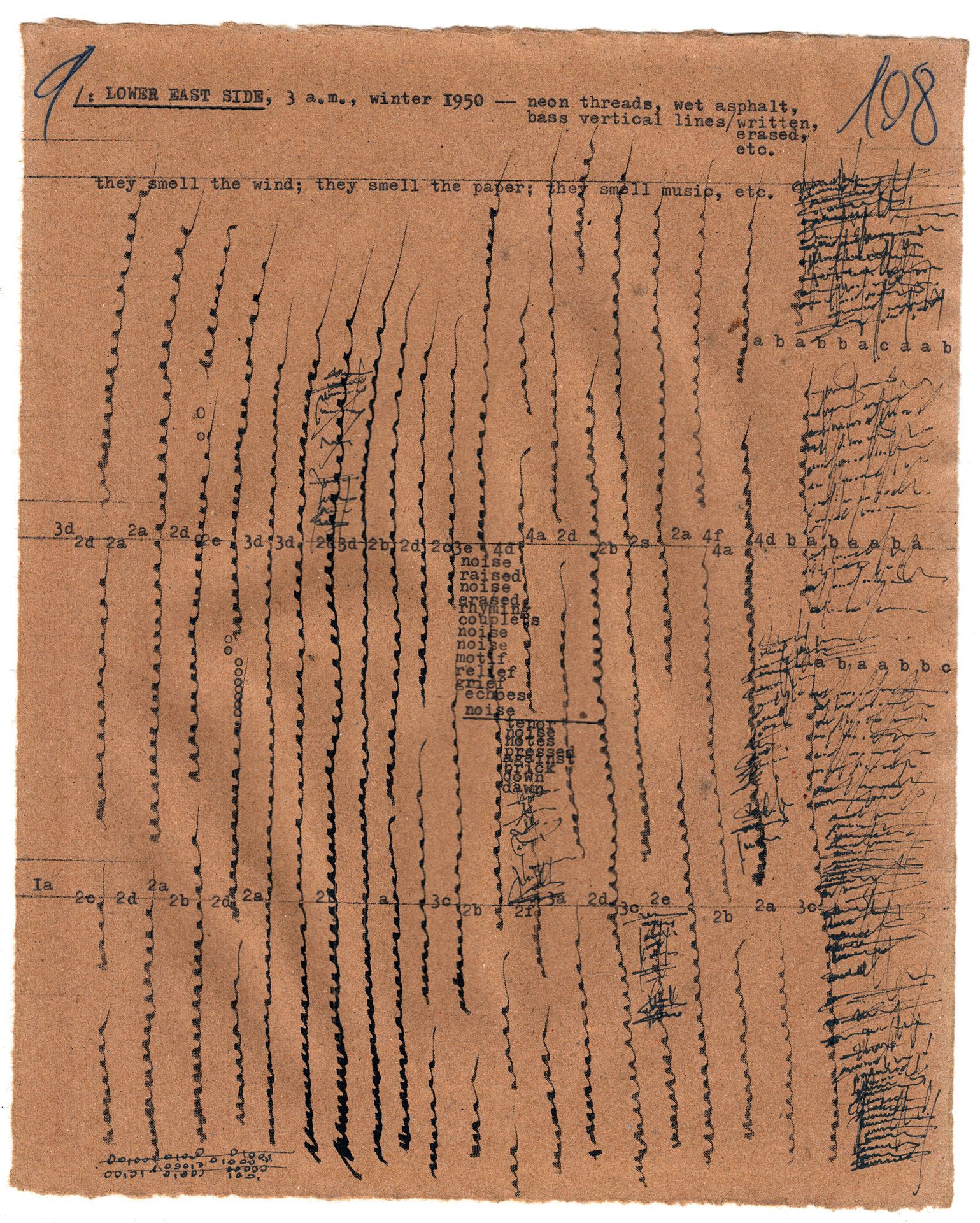
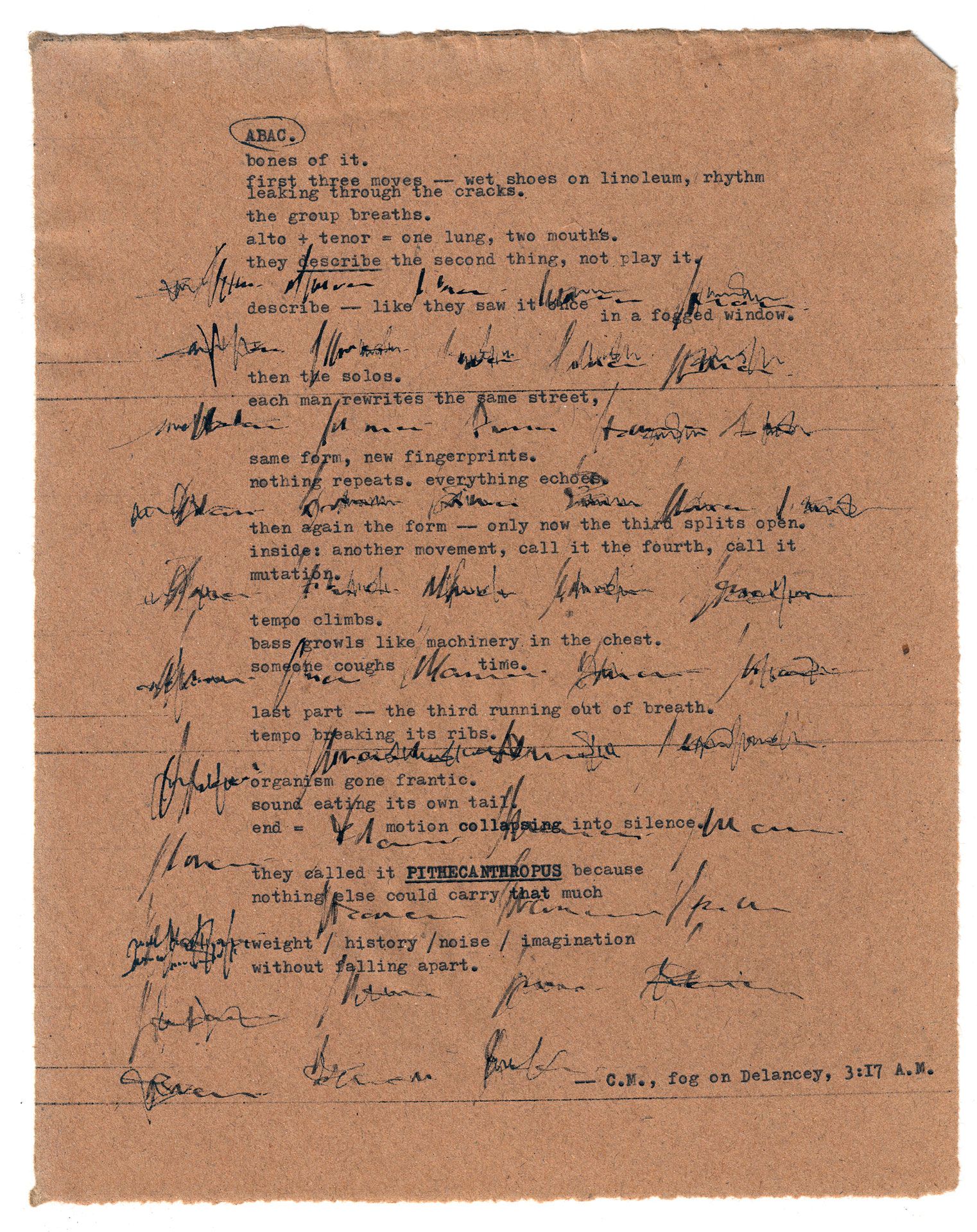
In 2018, in an artist’s book, I extended this approach to the asemic field, paralleling the absence of a musical score with that of a linguistic code. What emerged was a ruthless caricature of the hominid’s superiority complex—convinced of asserting himself over everything, and over his own kind, through language—only to become trapped in a tangle of signs increasingly less differentiated and verifiable, which end up emptying one another.
Not reissuing that orginal work is another programmatic choice.
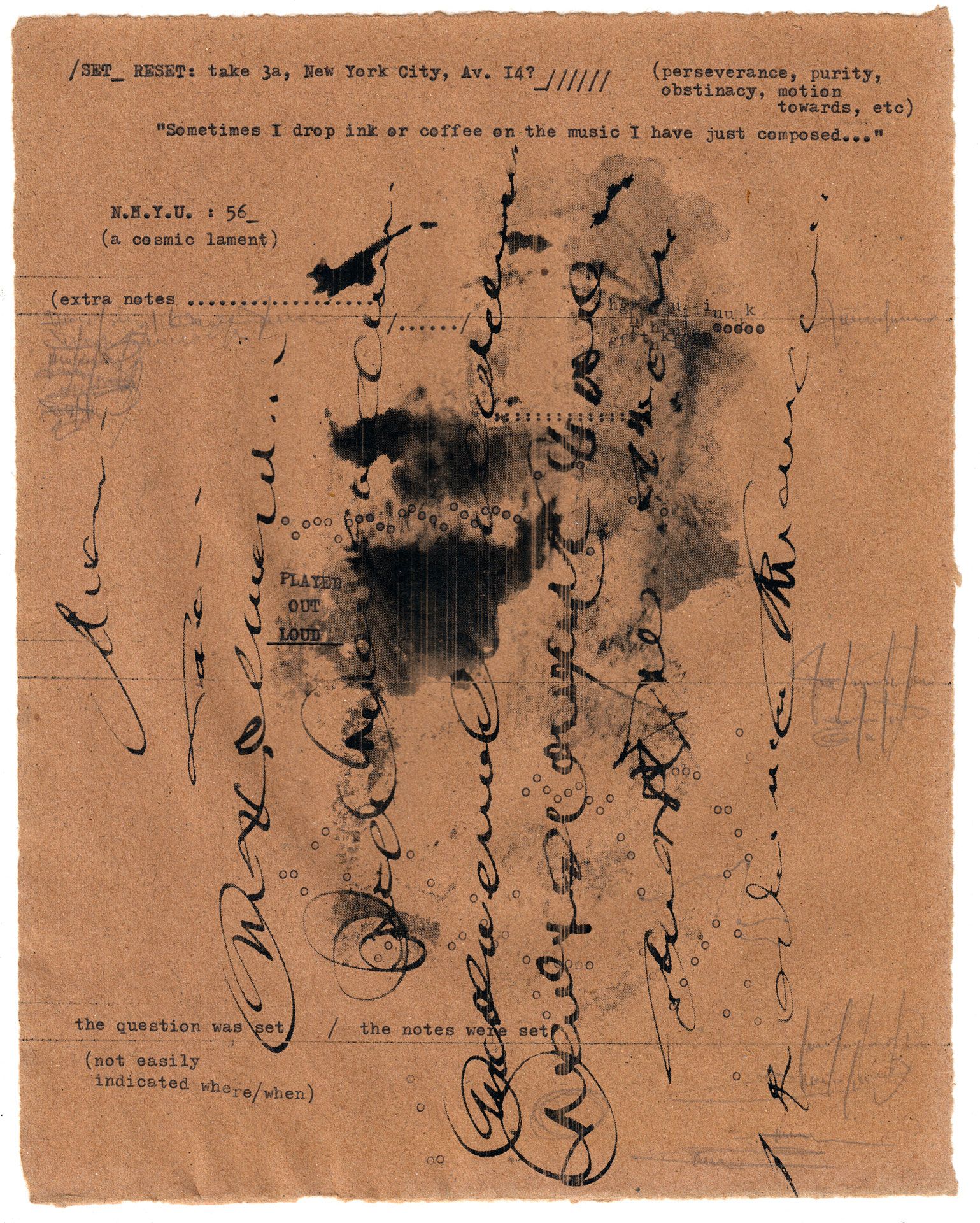
The pages exhibited here come from the stacks of a flooded paper mill. Water has re-defined their sense: what once served as a matrix for printing or writing has taken on the form of an artifact; what once was a document has lost its original function. Destruction and wear, caused by the river’s force and years of abandonment in the soil, do not represent defects or loss of value, but rather elements of a new liminal state. Damage and decay are not treated as flaws or losses. Instead, they signal a threshold state, a space between usefulness and ruin, meaning and matter.
Reproducing the catalogue on such sheets through an exhausted toner recalls by analogy, a compositional principle akin to Mingus’ own: that of bringing into art reactivable materials, new sketches capable of reigniting the creative act.
In this condition between disorder and fragment, asemic stratification grows like a faint blooming of the paper – an unstoppable fractal suspended between content and matter, beyond the control of any language or reference model.
This mode of rewriting evokes the experience of a rehearsal room open to the street, where, around the score, background noises drift without settling, among microphones scattered throughout the space that record the event.
Guided more by the dynamics of sense than by any actual authorial intent, the exhibited copies free themselves from the risk of being mistaken for a “second original,” restored instead to a purely instrumental condition. After all to show something else does not mean to replace what is missing. As Mingus reminds us: “you can’t improvise on nothing, you gotta improvise on something.”
Thus, a strong parallel emerges with the destructive phase — here understood as the dissolution of the artwork-object and the re-emergence of an indefinitely suspended yet practicable process. Putting the orginal out of play, even in relation to the outcomes of an exhibition, translates into a critical gain analogous to that produced by asemic writing in the delegitimization of the sign.
The deconstruction of a book accordingly represents a fertile misalignment of perspective, in which the work recomposes itself within its chronic instability, sheltered from the wear of both the modern and the contemporary. The result — conceptually immaterial — paradoxically reveals itself as more desirable yet uncollectible, freed from the symbolic or economic constrains of market value and accumulation.