STEVEN CRAIG HICKMAN
Chthonic Thresholds: Andrew C. Wenaus and the Decay of Electronic Literature
Wenaus’s The Literature of Exclusion: Dada, Data, and the Threshold of Electronic Literature confronts readers at the precipice of literary decay, not with lament but with an embrace of the subterranean currents shaping textual ontology in the age of digital exhaustion. His exploration resonates deeply with Chthonic Realism—a philosophical stance rooted in acknowledging the dark mineral realities of decomposition and disintegration as ontological constants. At the core of Wenaus’s thesis lies the provocative notion that literature, rather than evolving toward ever greater inclusivity, progressively excludes, fragments, and erases itself in the face of data saturation and electronic mediation. It is precisely in these gaps, ruptures, and exclusions that Chthonic Realism finds its philosophical echo, affirming a realism born not of transcendental truths but of subterranean depths and the inevitability of textual decay.

Wenaus initiates his investigation by delineating the threshold space occupied by electronic literature—a space saturated with digital data yet paradoxically haunted by absence, obsolescence, and disintegration. This literature is not a space of utopian connectivity but one of profound exclusion. Here, the electronic medium does not simply transform textual engagement; it dismantles and erodes traditional literary structures, displacing coherent narratives with fragmented, chaotic assemblages that mirror the contemporary condition of informational overload and existential dislocation.
The Threshold of Exclusion
In this context, Wenaus’s notion of exclusion resonates profoundly with Chthonic Realism’s insistence on grounding philosophical reflection in the darker realities of existence. Electronic literature’s exclusions—its glitches, failures, and corrupted files—expose not merely technological shortcomings but an ontological truth: the literary object, like all earthly phenomena, inevitably succumbs to processes of decay and disintegration. Wenaus implicitly argues against the idealistic fantasy of digital immortality, aligning instead with a realism that acknowledges the impermanence and ultimate entropy inherent in all literary production.
Dada and the Subterranean Lineage
Moreover, Wenaus’s examination of Dadaist principles as precursors to electronic literature underscores a subterranean lineage of artistic resistance against coherence and order. The Dadaists, in their intentional disruption of linguistic and aesthetic conventions, anticipated a literature of fragmentation and exclusion. Their textual disruptions prefigure contemporary digital practices that embrace randomness, glitch aesthetics, and deliberate obsolescence. Chthonic Realism resonates here, celebrating the Dadaist impulse as a philosophical affirmation of chaos, contingency, and the subversion of narrative coherence—a realism that privileges earthly disruptions and material degradation over transcendent ideals.
Electronic Literature and Existential Fragility
Wenaus’s introductory framing situates electronic literature at the intersection of humanistic tradition and technological upheaval, articulating a crisis defined not by the expansion of literary possibilities but by the radical exclusions imposed by digital mediation. This crisis is not tragic but ontologically illuminating, revealing how the digital age intensifies literature’s inherent fragility. Chthonic Realism similarly perceives crisis as opportunity: an opportunity to recognize literature as fundamentally mortal, bound inexorably to the earth and subject to its inevitable entropic decline.
Thus, Wenaus’s foundational insight—that electronic literature is defined less by connectivity than by profound exclusion—finds philosophical solidarity with Chthonic Realism’s emphasis on subterranean truths. His introduction sets the stage for a deeper inquiry into how literary practice, refracted through data-driven exclusion and digital fragmentation, demands a realism capable of confronting decay, disappearance, and exclusion not as aberrations but as essential conditions of textual and existential reality. Through this alignment, Wenaus and Chthonic Realism mutually illuminate the contemporary moment, exposing digital literature as the chthonic mirror of our own fragmented, decaying world.
Interactive Exclusion and Existential Entropy
The first major section of Wenaus’s work delves deeper into how electronic literature transforms reader engagement through mechanisms of exclusion and fragmentation. Here, he explores how traditional narrative expectations are systematically disrupted by digital texts, which frequently employ interactive interfaces, hyperlinked structures, and algorithmic processes that inherently exclude linearity and narrative closure. These characteristics not only redefine readerly experience but also foreground the inherent instability and incompleteness of textual meaning. Chthonic Realism aligns intimately with this perspective, viewing the instability and incompleteness not as limitations but as authentic manifestations of ontological reality—a reality persistently undermined by decay, entropy, and exclusion.
Wenaus argues compellingly that electronic literature’s interactive dimensions amplify experiences of exclusion, since each choice simultaneously eliminates alternative narrative paths. This digital selectivity metaphorically embodies existential conditions, wherein each lived choice excludes myriad others, reinforcing the ontological principle that existence itself is shaped profoundly by exclusionary processes.
Chthonic Realism reinforces this notion, affirming that existence, like digital text, is perpetually formed through acts of negation, erasure, and omission.
In essence, Wenaus’s first section reveals electronic literature as emblematic of a broader philosophical condition: the inescapable entwinement of existence with exclusion, entropy, and decay. His insights resonate deeply with Chthonic Realism’s commitment to an ontology rooted firmly in earthly limitations and the relentless march toward textual and existential dissolution.
Data-Driven Ontology and Digital Decay
In the subsequent chapters, Wenaus investigates the profound implications of data-driven practices on the ontology of literature itself. He asserts that digital texts are not merely new forms of old literature but entities fundamentally altered by the logic of data processing, algorithmic sorting, and digital archiving. This transformation, Wenaus contends, heightens literature’s susceptibility to exclusion and obsolescence, as texts become entangled with the precariousness of digital formats, software obsolescence, and data corruption.
Chthonic Realism echoes this viewpoint, emphasizing that literature’s digital existence is inherently unstable and transient. Data-driven literary practices foreground literature’s vulnerability, laying bare its inevitable trajectory toward decay and oblivion. Wenaus’s analysis highlights the ontological precariousness of digital texts, revealing their embeddedness in the earthly cycle of entropy and disintegration—a central tenet of Chthonic Realism.
Algorithmic Exclusion and the Entropic Archive
In the subsequent chapters of The Literature of Exclusion, Wenaus probes deeply into the algorithmic dynamics that structure contemporary digital texts. These algorithmic processes not only generate new forms of textuality but also actively determine what remains visible and what is rendered invisible or obsolete within digital archives.
Far from being neutral mediators of information, algorithms embody exclusionary logics that profoundly shape literary meaning and reception.
Wenaus contends that algorithms, by prioritizing certain textual forms and patterns while disregarding others, manifest an intrinsic violence—an erasure embedded at the very core of digital textual production. Chthonic Realism aligns strikingly with this understanding, emphasizing how algorithmic mechanisms, as earthly extensions of human technological practices, inherently participate in the process of decay and disappearance. Algorithms, in their selection and omission, mirror natural processes wherein growth is inseparable from decay and formation inseparable from dissolution. In highlighting algorithmic exclusion, Wenaus illustrates an essential ontological truth: digital literary archives, though seemingly immaterial, are subject to the same entropic forces governing all earthly entities.
Wenaus further identifies how algorithms generate a paradoxical literary space—an archive simultaneously expansive and reductive. The boundless capacity of digital storage, which theoretically promises literary preservation, ironically accelerates literary exclusion. Vast databases become labyrinths of textual entropy, where countless works vanish into obscurity, forgotten amidst an overwhelming informational surplus. The more comprehensive the digital archive, Wenaus argues, the greater the likelihood of literary erasure.
From the Chthonic Realist perspective, this paradox is profoundly resonant. The digital archive, like all earthly accumulations, inevitably succumbs to decay and disintegration, despite the illusion of permanence. Digital texts, locked within algorithmic frameworks, are vulnerable to technological obsolescence, format incompatibility, and inevitable data corruption.
This relentless deterioration underscores a central Chthonic Realist insight—that preservation, in the face of entropy, is ultimately a futile endeavour.
Wenaus’s analysis of algorithmic logic also brings into sharp relief the profound impact of data-driven exclusion on literary aesthetics. Textual forms that align closely with algorithmic preferences—those characterized by brevity, modularity, and repetitive structures—are promoted, while experimental or complex narratives often become casualties of algorithmic neglect. This selective visibility reshapes literary production, guiding writers toward forms favored by algorithmic logic, thus actively participating in a narrowing of aesthetic possibilities.
Chthonic Realism recognizes this narrowing as a form of existential compression, a reflection of the broader ontological constraints inherent in earthly existence. Literary forms, constrained and shaped by algorithmic preferences, embody the same limitations and finitude that characterize all life forms subject to evolutionary pressures and environmental contingencies. This realism acknowledges algorithmic influence not as aberrant or unnatural but as yet another manifestation of ontological limitation and decay.
Through this lens, Wenaus’s exploration of algorithmic exclusion in electronic literature reveals a broader philosophical truth: that the digital literary landscape, despite its apparent immateriality and potential infinitude, remains firmly embedded in the cycle of entropy and exclusion. This insight aligns seamlessly with Chthonic Realism’s grounding in the inescapable realities of decay, fragmentation, and ultimate dissolution, offering a profound critique of digital utopian narratives.
Ultimately, Wenaus illuminates how algorithmic processes inscribe literature within the chthonic condition—a reality wherein exclusion and entropy reign supreme. The digital archive becomes a site not of preservation but of gradual and inevitable loss, mirroring the very earthly condition Chthonic Realism embraces. In recognizing this alignment, readers gain a deeper understanding of how literature, even in its most technologically advanced form, remains inexorably bound to the fundamental truths of decay and dissolution.
Digital Decay and Literary Realism
Andrew C. Wenaus’s further exploration in The Literature of Exclusion extends into a nuanced examination of how digital decay challenges and redefines traditional notions of literary realism. Here, Wenaus posits that realism, conventionally understood as an accurate reflection of external reality, must now grapple with the destabilizing forces of digital entropy and obsolescence. Rather than mirroring stable realities, digital literature increasingly reflects instability, fragmentation, and the omnipresent risk of data corruption.
Chthonic Realism finds potent resonance within this framework, precisely because it refuses an idealistic portrayal of existence. Instead, it firmly situates itself in an ontology that acknowledges instability and impermanence as fundamental truths. Just as Chthonic Realism insists upon the acceptance of decay as an integral component of existence, digital literature, as depicted by Wenaus, foregrounds the inherent instability of the digital medium as an ontological condition rather than a mere technical obstacle.
Wenaus argues that digital literature inherently questions the boundaries of textual authenticity and permanence. The electronic medium, subject to continuous software updates, format shifts, and hardware incompatibilities, ensures the inevitability of textual corruption and obsolescence. Literary realism in this digital context thus becomes an ongoing negotiation with loss, fragmentation, and the unpredictable deterioration of data.
This perspective aligns deeply with Chthonic Realism’s core principle: that realism must honestly confront and incorporate entropy and decay rather than deny or evade them. From this viewpoint, the unstable and transient nature of digital literature is not a problem to be solved but an ontological reality to be embraced.
Digital decay, rather than undermining literary realism, enriches it, revealing deeper layers of existential truth regarding the fragility and impermanence of all textual forms.
Furthermore, Wenaus highlights how digital decay reshapes the relationship between authors, texts, and readers. As digital texts become susceptible to corruption, loss, or unintended alteration, the role of the author diminishes, supplanted by algorithmic and technological forces outside human control. Readers, too, are compelled to engage with texts not as fixed artifacts but as evolving entities shaped by technological contingency and instability.
Chthonic Realism perceives this diminished authorial control and readerly instability as authentic expressions of the broader human condition. Literature, reflecting life, is always subject to external forces—environmental, technological, and existential—that evade human mastery. Thus, Wenaus’s depiction of digital decay and its influence on realism offers a profound acknowledgment of humanity’s limited agency within the larger cosmic forces of entropy and deterioration.
Ultimately, Wenaus’s discussion of digital decay profoundly redefines literary realism in terms consonant with Chthonic Realism. It highlights that realism today must not only depict life accurately but must also truthfully represent the inherent instability, entropy, and impermanence of existence. In doing so, digital literature does not merely reflect the contemporary condition; it embodies a realism deeply rooted in the recognition of life’s subterranean and inevitable decay.
Glitch Aesthetics and Chthonic Disintegration
Continuing through Andrew C. Wenaus’s The Literature of Exclusion, we encounter his intricate analysis of glitch aesthetics—an essential element of electronic literature deeply intertwined with processes of technological failure, disruption, and decay.
Wenaus identifies glitches not merely as accidental artifacts but as intentional aesthetic strategies that foreground digital malfunction as both medium and message.
In his reading, glitches expose the latent vulnerabilities of digital technologies, revealing their inherent instability and susceptibility to entropic decline. From a Chthonic Realist perspective, glitch aesthetics resonate powerfully as manifestations of earthly realism, explicitly acknowledging and embracing disintegration and decay as fundamental ontological principles. Just as Chthonic Realism insists upon grounding itself in the recognition of material and existential vulnerability, glitch aesthetics underscore digital media’s essential fragility, aligning closely with the subterranean acceptance of entropy and dissolution.
Wenaus compellingly argues that glitch aesthetics serve as critical interventions, disrupting digital capitalism’s fantasies of seamlessness, infinite growth, and technological perfection. Rather than hiding flaws, glitches reveal digital systems’ inherent imperfections and limitations. These disruptions challenge dominant narratives that equate technological progress with control, mastery, and permanence, instead affirming that digital environments, like natural ones, are inherently subject to chaos, contingency, and decay.
Chthonic Realism identifies strongly with this critical dimension of glitch aesthetics, interpreting these disruptions as stark reminders of the inevitable impermanence and instability inherent in all earthly constructs. Glitches thus embody a subversive realism, foregrounding the material limitations and entropic tendencies embedded within digital technologies. In doing so, they unmask technological hubris, reaffirming that digital reality, like physical reality, remains inexorably bound to cycles of growth, rupture, and eventual dissolution.
Moreover, Wenaus positions glitch aesthetics as indicative of a broader existential truth: that digital media, despite their apparent immateriality, remain tethered to material substrates subject to decay. Hardware deterioration, software obsolescence, and unpredictable errors continually remind us of digital media’s inescapable physicality and finitude. Glitches, therefore, function not only as aesthetic phenomena but as ontological markers highlighting digital texts’ vulnerability to the same entropic laws governing organic and inorganic matter alike.
In alignment with Chthonic Realism, glitch aesthetics also articulate a profound philosophical statement about human existence’s condition in an increasingly technologized world. They remind us that despite humanity’s technological aspirations, our digital creations share our own vulnerability and transience. Glitches poetically reflect humanity’s existential limitations, challenging narratives of human exceptionalism and technological transcendence by revealing an underlying reality characterized by instability, impermanence, and inevitable disintegration.
Thus, Wenaus’s exploration of glitch aesthetics enhances our understanding of electronic literature’s philosophical depth, positioning these aesthetic disruptions as crucial expressions of Chthonic Realism. Glitches affirm an ontology deeply attuned to subterranean realities, recognizing decay and disintegration not as deviations from an idealized norm but as essential truths of existence—truths powerfully articulated within the digital medium itself.
Andrew C. Wenaus’s The Literature of Exclusion integrates diverse authors and artists whose works collectively deepen his examination of digital literature and its inherent exclusions, aligning closely with the principles of Chthonic Realism. Wenaus notably references the Dadaists, whose radical disruptions and fragmentations prefigured contemporary electronic literature’s embrace of glitch aesthetics and intentional obsolescence. Figures like Tristan Tzara and Marcel Duchamp underscore the philosophical affirmation of chaos and entropy that resonate deeply with Chthonic Realism’s insistence on decay and disintegration as ontological truths.
Additionally, Wenaus engages with theorists such as Jean Baudrillard and his concepts of simulacra and hyperreality, emphasizing how digital technologies blur distinctions between reality and representation, thus intensifying experiences of existential fragmentation. Baudrillard’s critique reinforces Wenaus’s argument that electronic literature, saturated by data and driven by algorithmic logic, reflects broader cultural and existential crises emblematic of Chthonic Realism’s acknowledgment of inherent instability.
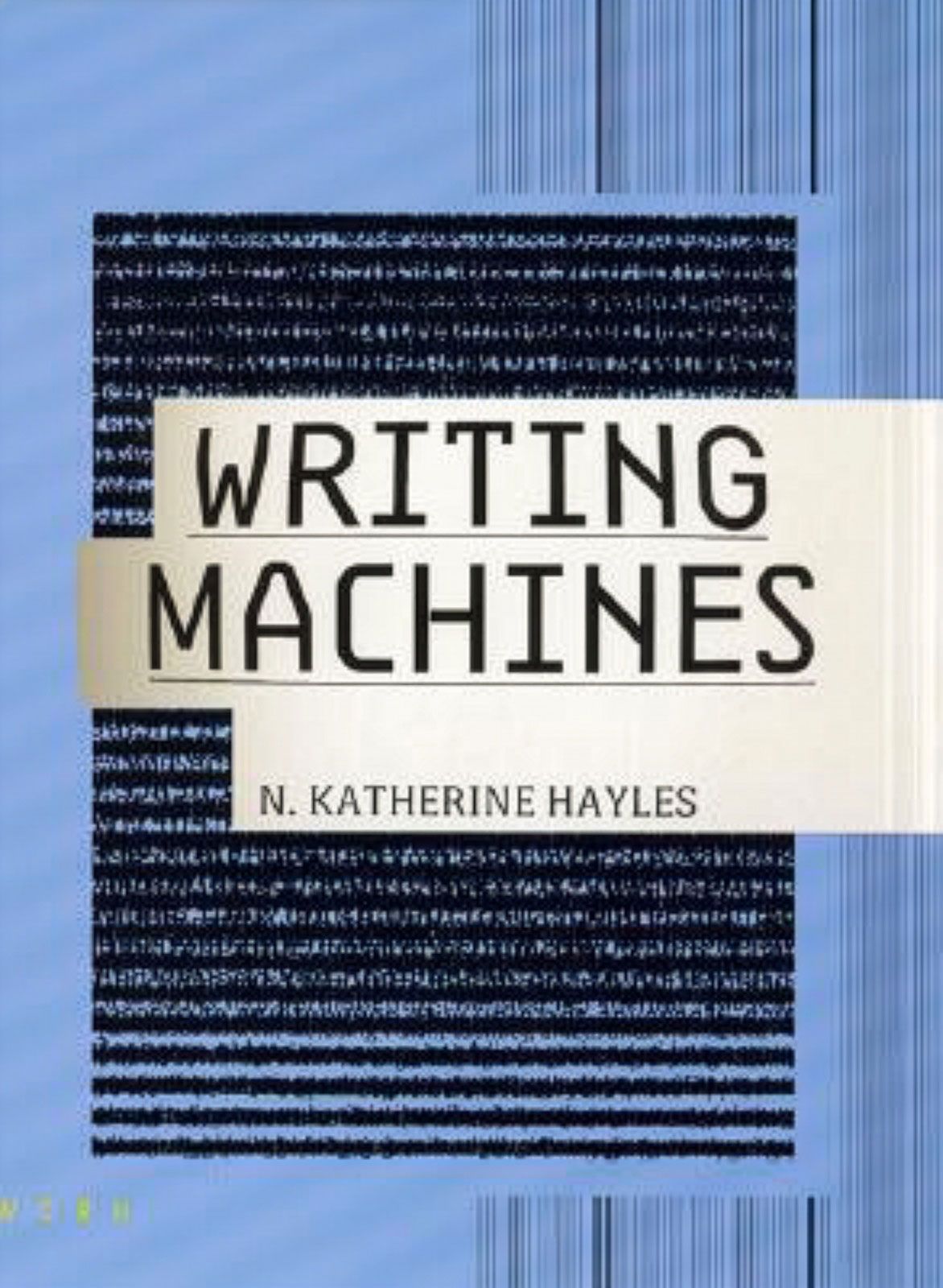
Furthermore, Wenaus incorporates the critical insights of N. Katherine Hayles, whose work on posthumanism and electronic textuality highlights the complex interrelations between human cognition, digital interfaces, and technological agency. Hayles’s perspective elucidates the profound shifts in authorship, readership, and textual authenticity central to Wenaus’s thesis, emphasizing human vulnerability and diminished agency in digital spaces—key tenets echoed in Chthonic Realism.
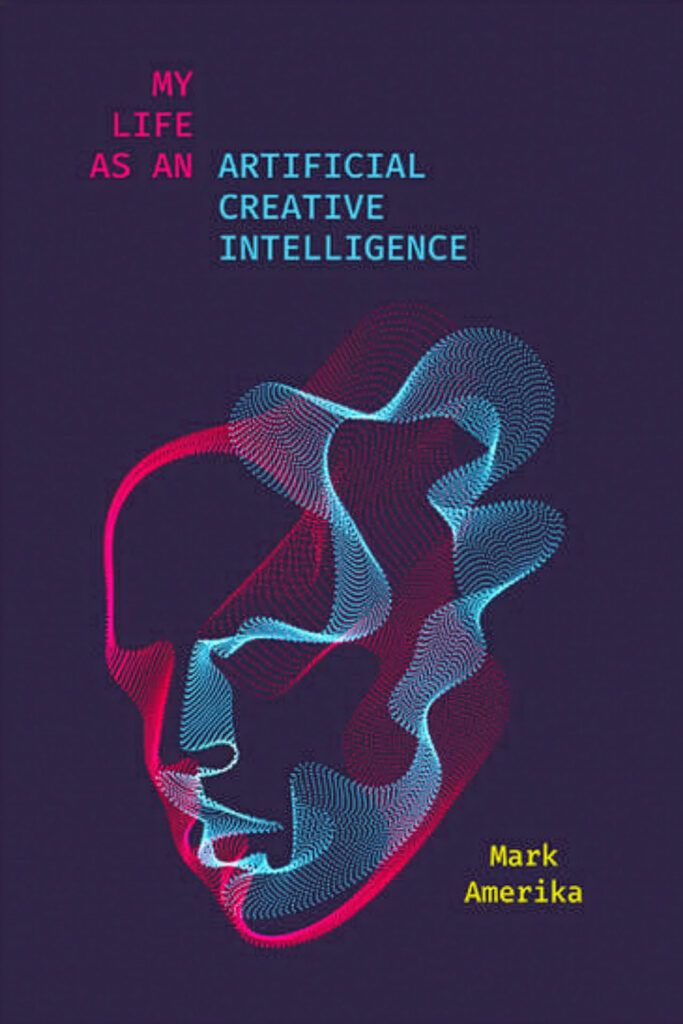
Artists and writers like Mark Amerika and his experiments in digital poetics significantly inform Wenaus’s analysis. Amerika’s explorations into algorithmic literature, narrative fragmentation, and hypertextual interactivity exemplify digital literature’s capacity to embody instability and exclusion. His work manifests the philosophical implications of digital decay, reinforcing Chthonic Realism’s embrace of disintegration as a central aesthetic and existential principle.
Wenaus also draws upon the philosophical writings of Gilles Deleuze and Félix Guattari, particularly their notions of rhizomatic structures and deterritorialization. These concepts illuminate electronic literature’s decentralized, fragmented nature, further underscoring the chthonic understanding of literature as inherently unstable, mutable, and susceptible to entropic processes.
Collectively, these figures contribute to a critical assemblage that not only supports Wenaus’s thesis but also aligns profoundly with Chthonic Realism’s fundamental acknowledgment of entropy, impermanence, and fragmentation. Their works help articulate a coherent philosophical and aesthetic stance that recognizes exclusion and decay not as aberrations but as essential, grounding truths of literature and existence.
Memetic Decay and the Assemblage of Exclusion: Wenaus and the Chthonic Turn
Andrew C. Wenaus’s The Literature of Exclusion integrates diverse authors, artists, and theoretical frameworks, significantly enriching his critical examination of digital literature and its inherent processes of fragmentation and exclusion. These ideas align closely with the philosophical tenets of Chthonic Realism, which emphasizes entropy, decay, and existential disintegration.
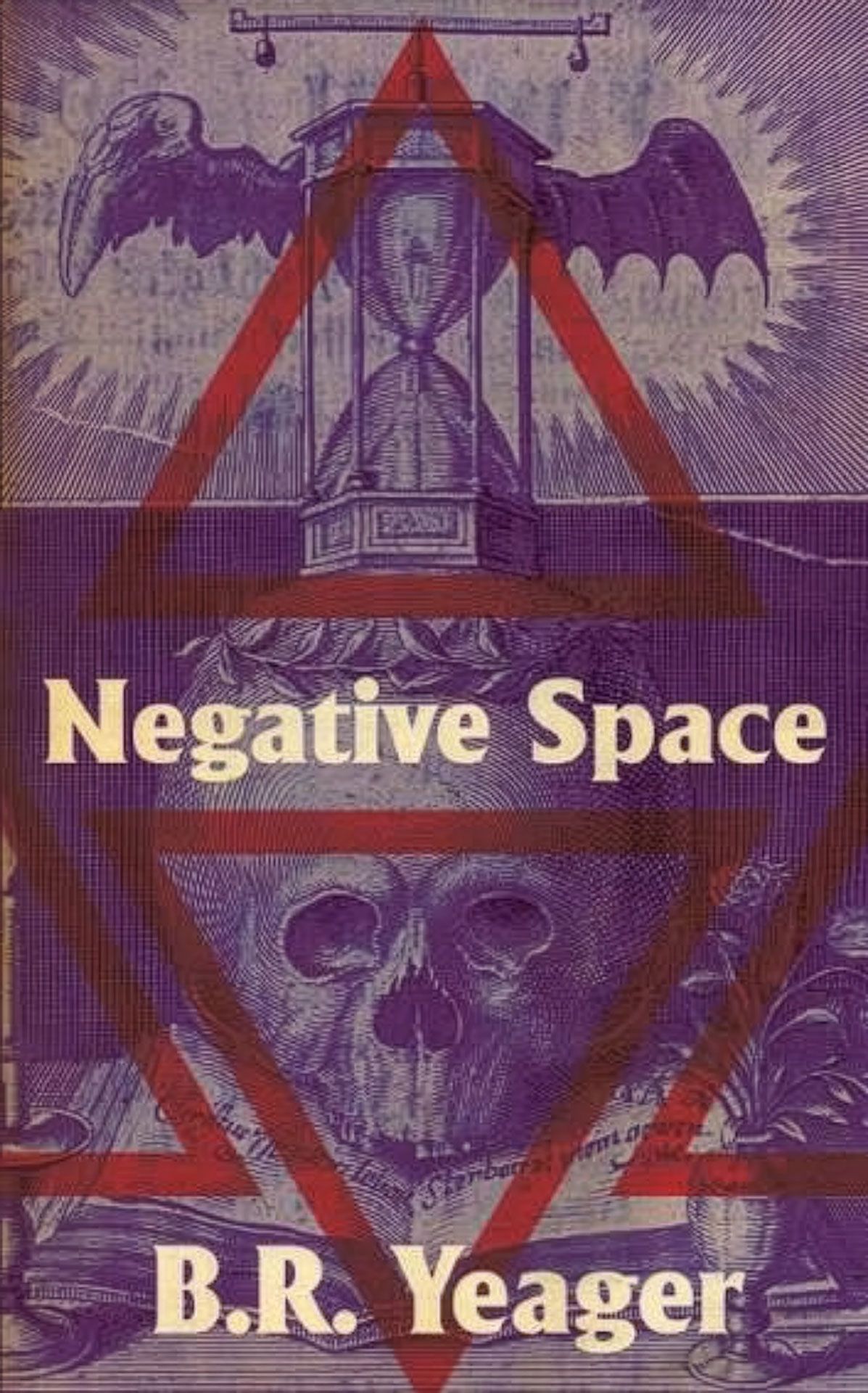
Wenaus explores B. R. Yeager’s work within the framework of Memetic Engineering, an approach that views narratives and concepts as contagious cultural units that spread, mutate, and degrade across digital landscapes. Yeager’s narratives exemplify the volatile, viral nature of digital texts and underscore the inherently unstable foundations of digital meaning—a perspective resonant with Chthonic Realism’s embrace of textual and existential impermanence.
The concept of Hauntology, initially articulated by Jacques Derrida and developed notably by Mark Fisher, also informs Wenaus’s analysis. Hauntology, concerned with the spectral persistence of past futures and unrealized possibilities, emphasizes digital media’s tendency to invoke absent presences and unrealized alternatives. This spectral dimension highlights existential uncertainty and temporal disjunction, crucial elements of Chthonic Realism’s exploration of subterranean and fragmented realities.
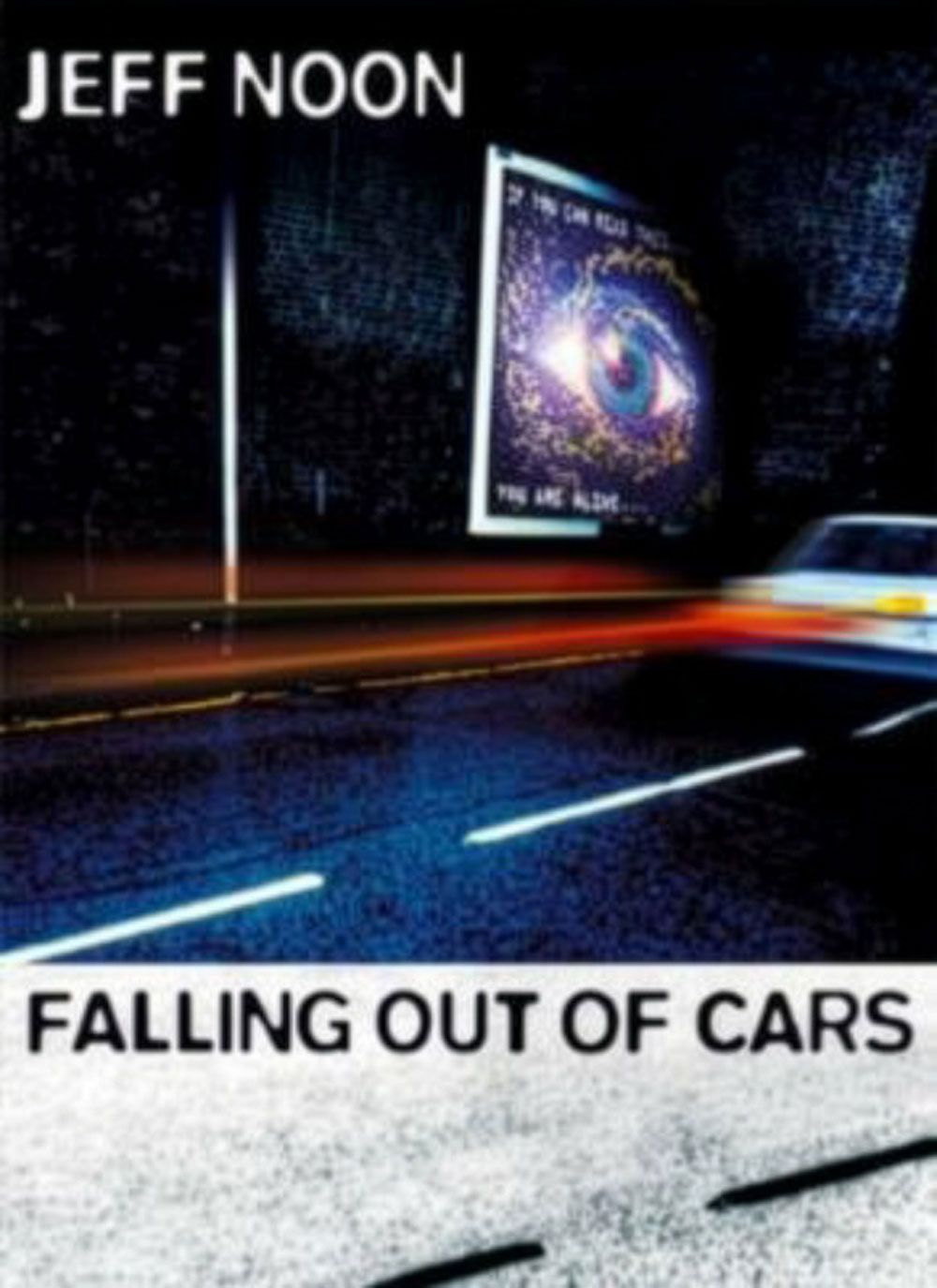
In his analysis of Jeff Noon’s Falling Out of Cars, Wenaus identifies the concept of Metamorphiction, which emphasizes literary forms characterized by constant transformation, instability, and resistance to definitive interpretation. Noon’s work demonstrates how digital literature inherently resists coherence, thereby echoing Chthonic Realism’s recognition of narrative instability and the inevitable erosion of meaning.
Wenaus further engages the ideas of Chaotics and Granular Synthesis, highlighting their relevance in understanding digital literature’s fragmented and nonlinear aesthetic. Granular synthesis, a method of sound generation by fragmenting audio into minute particles, metaphorically aligns with digital textuality’s atomization and recombination of meaning. Chthonic Realism finds deep resonance here, emphasizing fragmentation as a fundamental aspect of both textual and existential reality.
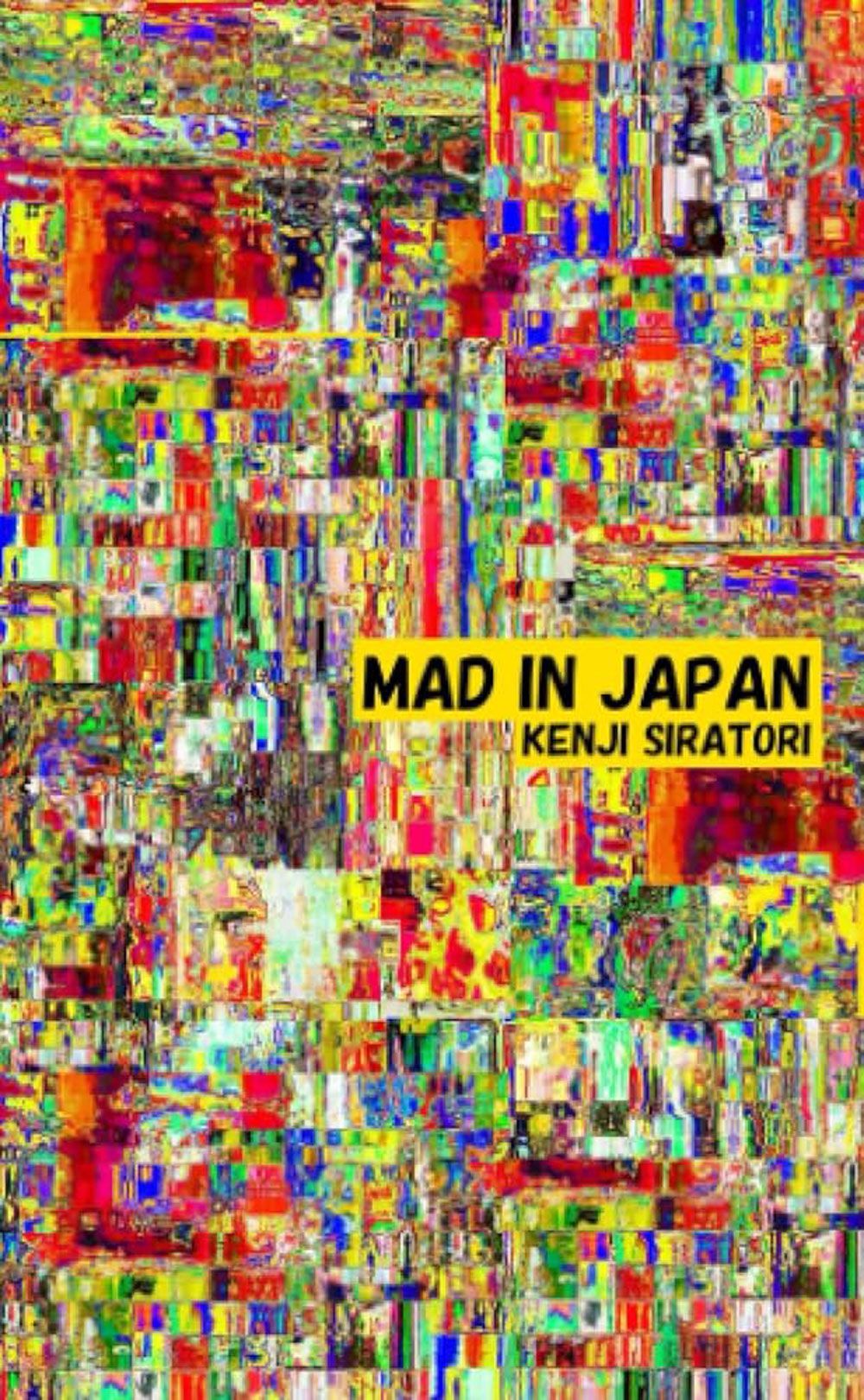
Kenji Siratori’s Glitch Poetics are also pivotal in Wenaus’s discussion. Siratori employs deliberate textual disruptions, embracing errors and glitches as aesthetic and philosophical statements. These deliberate disruptions mirror Chthonic Realism’s affirmation of imperfection and decay, challenging narratives of technological mastery and textual permanence.
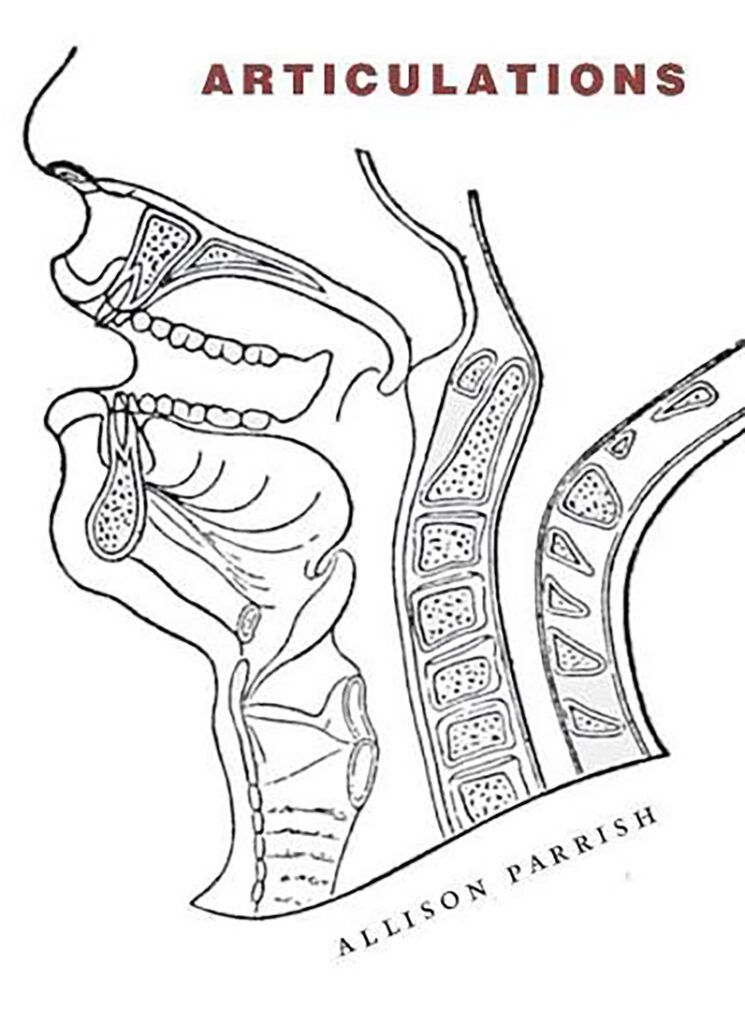
Wenaus examines Asemic Word Processing through Allison Parrish’s experimental digital poetry, notably Ahe Thd Yearidy Ti Isa. Asemic writing, which strips language of conventional semantic content, foregrounds textual entropy and linguistic decay. Parrish’s work thus resonates deeply with Chthonic Realism’s emphasis on textual instability and the existential affirmation of meaninglessness as a profound ontological truth.
Lastly, Wenaus addresses Hyper-Contingent Literatures of Exclusion and the concept of Unthinkable Thought, articulating how digital texts, driven by algorithmic randomness and contingency, create literary spaces resistant to traditional interpretation and stable meaning. These hyper-contingent literatures embody the Chthonic Realist vision of a universe characterized by radical uncertainty, contingency, and inevitable decay.
Collectively, these authors, artists, and theoretical frameworks enrich Wenaus’s critical apparatus, harmonizing profoundly with Chthonic Realism’s foundational embrace of fragmentation, entropy, and existential instability as central truths of both literature and human experience.
Toward a Necrotextual Realism
Together, Wenaus’s The Literature of Exclusion and the subterranean epistemology of Chthonic Realism form a composite methodology—an entangled critical assemblage attuned to the unstable foundations of contemporary textual life. Both reject any nostalgia for literary coherence or digital permanence, instead embracing entropy as an aesthetic, ethical, and ontological commitment.
Wenaus’s theorization of exclusion, glitch, metamorphiction, and hyper-contingency aligns seamlessly with Chthonic Realism’s core emphasis on mortality, non-meaning, and disintegration as the true substrates of literary being.
Where Wenaus methodically dissects the formal and material transformations of literature under the regime of data, Chthonic Realism deepens the existential register. It affirms not only that texts decay, but that this decay is the very condition of their philosophical and aesthetic richness. The glitch, the corrupted file, the forgotten hypertext node—these are not detours or disruptions but revelations of the subterranean structure of reality: fragmented, contingent, non-redeemable.
Wenaus brings forward a critical toolkit grounded in media theory, sound studies, posthumanism, and digital poetics, highlighting how literature becomes an artifact shaped by entropy, software erosion, and the spectral persistence of obsolescence. His attention to technical images, algorithmic selectivity, and asemic drift exposes the mechanics of exclusion as not merely sociopolitical but ontometaphysical. These exclusions—structural, memetic, aesthetic—form what Chthonic Realism names the necrotextual: a literature already decomposing, already posthumous.
Chthonic Realism, in turn, reclaims this space of degradation as a ground for philosophy. It is a realism that accepts the earth not as cradle but as crypt, a realism that refuses transcendence and embraces instead the immanent processes of decay, fragmentation, and dissolution. It does not mourn the loss of coherence but dwells within the soil of disintegration, finding there the raw matter of a more honest aesthetics.
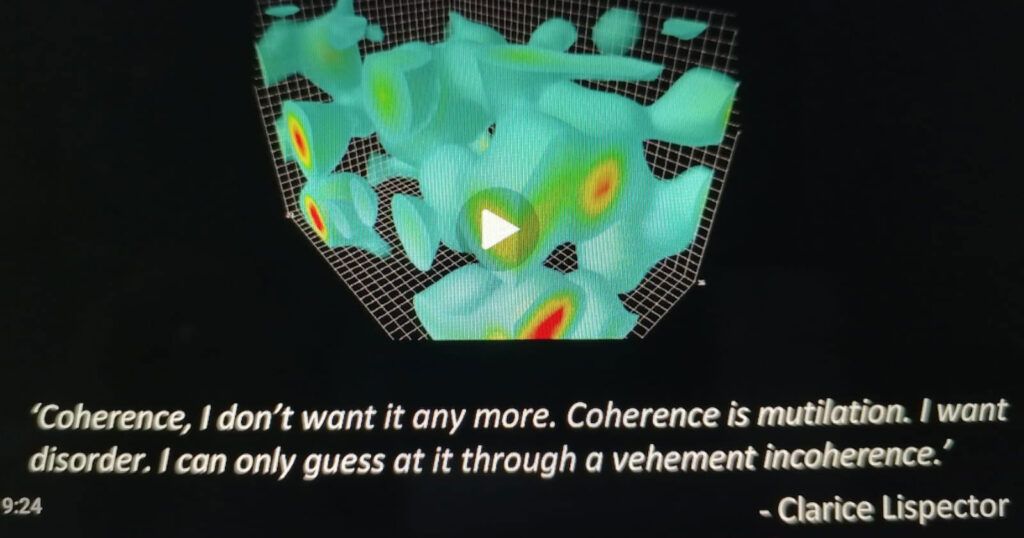
In this confluence, literary exclusion is not merely a symptom of digital acceleration but a metaphysical law. Both Wenaus and Chthonic Realism understand literature not as a stable artifact but as a volatile process—a glitching, glitchable system vulnerable to breakdown and erasure. Their mutual rejection of idealism, of progressivist narratives, of coherence as virtue, situates their work within a broader necropolitical and posthuman horizon.
This synthesis offers a countermodel to prevailing narratives of optimization and digital permanence. It insists that
literature’s future lies not in transcendence but in its capacity to mirror the collapse of continuity and the slow sedimentation of meaning into dust.
From memetic contagions to asemic drift, from glitch-poetics to necro-archives, Wenaus and Chthonic Realism speak together in a voice carved from ruin—affirming that literature’s task is not to illuminate but to decompose, to whisper from the fissures, and to linger, finally, as signal among the static.
Thus, The Literature of Exclusion and Chthonic Realism do not merely intersect—they entangle, co-fermenting in the darkness beneath technological progress. Their shared project is not salvific but sedimentary: mapping literature’s disintegration with the care of a mortician or a miner, unearthing within each corrupted line and glitched page the truth that meaning is born not in clarity, but in collapse.
This review was first published on the social ecologies blog here: socialecologies on 26 July 2025 and is re-published in herri with kind permission of the author.