WARRICK SWINNEY
Cow, Bears and Surfers: A few personal intersections with Chris Cutler.
Parentheses and digressions.
This article began as a loose biography of the Henry Cow/Art Bears drummer Chris Cutler and his intersection with my life as a mentor, friend, band member, and record company boss. In practice, however, it has unfolded into a multifaceted ramble through the minefield of the Cold War avant-garde rock scene in London, bracketed by various anti-apartheid boycotts. The use of parentheses and digression supports the integrity of the subject matter’s seemingly fragmented nature and examines the role of musical improvisation in the wider development of core structures and source material for a broader philosophical ontology. The 2019 autobiography of the band, Henry Cow: The World Is a Problem by Benjamin Piekut, has been immensely useful to this essay and is a source not only for much of the band’s and its members’ sociality but also for background on their motivating work philosophies.
My use of extensive footnotes is important to my methodological approach, as are parentheses, digressions and quotations—the latter of which, as Walter Benjamin writes, “are like wayside robbers who leap out armed and relieve the stroller of his conviction.”[1]Walter Benjamin. 1928. One-Way Street . Verso 2021.p72.
Angel
On a late autumn morning in London, 1986, I stepped off the train at Angel Station, ascended London Underground’s longest escalator, and made my way into the pale sunlight. I had been in London for two weeks and was adept at using the A-Z street map book, which led me along Islington Road and down a few leafy streets to an agreed meeting place, a park bench next to the canal. The person I was to meet was Mongane Wally Serote, who then worked for the African National Congress’s (ANC) Department of Arts and Culture. I had to see him to obtain political clearance before I could begin performing concerts in the UK and Europe.
It had only been a year since a South African death squad had murdered sixteen people, including many of Serote’s companions, in a cross-border raid on Botswana, so he was understandably cautious. Expecting a serious, beret-wearing revolutionary, I was surprised to find him polite, charming, and even avuncular, asking questions about “home,” the music, and the artists that the record company I had helped establish, Shifty Records, had been recording. Shifty had recently released the FOSATU choirs’ album, which John Peel had been playing on BBC Radio 1, as well as albums by a number of ‘struggle’-related artists such as Mzwakhe Mbuli and Sankomota. Serote asked about my own band, the Kalahari Surfers, what I intended to do in the UK, and why he’d never heard of us. I told him that I had completed my third album, to be released through a small London-based independent record company, Recommended Records, and that, as my previous record had been blocked by South African authorities, I had brought the master tapes with me. I explained that I had created a fictional band, a one-man studio project, and that all the music was overdubbed and pieced together separately in our mobile studio—like Tubular Bells—and that I was now taking it on the road as a live act to tour Europe. I even had concerts lined up in East Berlin and was using British session musicians.
“And who organised all of this?” he asked.
“The owner of the label.” I replied.
“Chris Cutler.” Serote looked at his watch.
“He used to drum for an avant-garde rock band called Henry Cow. Mongezi Feza[2]Feza, exiled from South Africa with the jazz group Blue Notes in 1964 was a trumpeter who played with various jazz and rock groups such as Brotherhood of Breath, Assagai, Robert Wyatt, Henry Cow and Robert Palmer (with Little Feat on the 1975 album Pressure Drop.) played with them briefly. They’re quite serious communists.”

Serote had to be somewhere else. We shook hands; everything was fine. A simple verbal answer meant I could tour and play as much as I needed to. As I descended the Angel escalators, I thought of the numerous questions I had been prepared to answer but hadn’t been asked. Questions about who Chris Cutler and Recommended Records were, what their politics were, and what right they had to invite me to break the cultural boycott; a tricky, nuanced offshoot of the ultimately very successful Boycott Movement started in London in 1959. By the time I arrived, the cultural aspect of the movement had evolved into an ambiguity that hovered between full and selective boycotts, with, ironically, the ANC softening its stance, as in my case, and the British Anti-Apartheid Movement—with its more hard-line splinter group, the City of London Anti-Apartheid Group—becoming more zealous.
To add to the confusion, in the aftermath of the debate over who had played at Sun City and who shouldn’t, the Sun City song was followed by the album released the year before I arrived, which heralded the emergence of another UK-based anti-apartheid group: Artists Against Apartheid (AAA). Formed in April 1986 by Dali Tambo and Jerry Dammers, Dammers had achieved enormous success with his 1984 song Free Nelson Mandela, performed by Special AKA.
Understandably, many South African musicians who were part of the anti-apartheid struggle were caught in a quagmire of uncertainty amid pickets and silencings, a situation that was later exacerbated when the home-based United Democratic Front (UDF) formed its own “culture desk” to try to pre-select who could or could not play abroad. In his comprehensive and admirable chapter on the cultural boycott, Michael Drewett (2006) writes about the quandary the band Amampondo found themselves in when they were boycotted by the culture desk after performing at the 1988 Nelson Mandela 70th birthday tribute at Wembley without clearance.
Band member, Dizu Plaatjies (Interview 1999), expressed the band’s position: ‘That really frustrated us because you do a gig for somebody that is well respected by the world, and then at the end of the day you are boycotted by the very same people who support this man. You know, it was like “man, what can you do?”’ (Drewett and Cloonan. 2006.30)[3]see Drewett’s piece in Chapter 2 of Music Censorship South Africa (2006) titled: The Cultural Boycott against Apartheid South Africa: A Case of Defensible Censorship? Music Censorship South Africa (2006) Michael Drewett & Martin Cloonan (eds) Ashgate Publishing Limited The confusion was famously heightened when Johnny Clegg was barred by the British Musicians’ Union (BMU) from playing at the same concert because, as a British passport holder and BMU member, he was deemed to have broken the boycott by performing in South Africa, his home country.
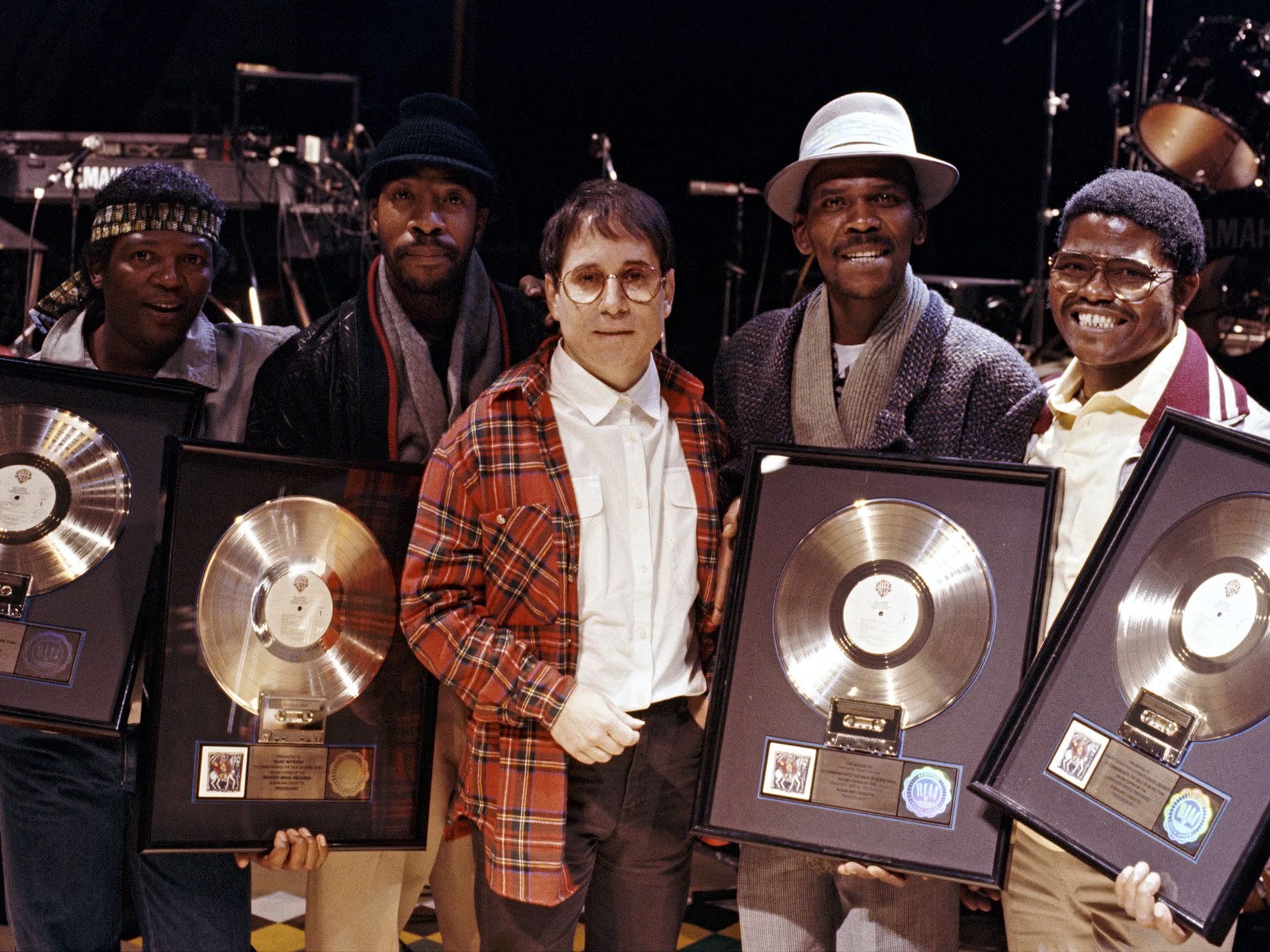
Another crucial event that affected my year of touring in Europe was that it coincided with the release of Paul Simon’s Graceland album, which sparked a shitstorm of boycott-busting and appropriation controversies, including a showdown between Jerry Dammers and Simon. All of it could have been avoided had Simon simply spent half an hour chatting to Serote on a bench ten minutes from the Angel tube in the spring sun in London.
As this essay progresses, I will attempt to answer some of the questions I’d prepared for Wally Serote and also provide a selective historical background on Chris Cutler and his diverse work after drumming for Henry Cow, beginning with Art Bears, the three-piece offshoot from Cow—which saw Cutler writing lyrics and taking a more directly compositional role—and the formation of Recommended Records, which became a vehicle for a range of related writings, sound projects, and performances. Recommended Records also provided the infrastructure for his mentorship of young musicians (like myself) moving into his sphere, drawing on the energy of the post-punk art-music explosion in the UK in the early 1980s.[4] See Simon Reynolds’ great book: Rip It Up and Start Again: Postpunk 1978–1984 (2005) .
My focus will be on my personal experiences working with Cutler, who not only drummed for my band, Kalahari Surfers, but also managed our tours and record manufacturing while running the label. Though we toured Europe a couple of times, I will concentrate in more depth on the concerts in Moscow and East Germany during the late 1980s, because as a musician/songwriter performing in Cold War Europe against a backdrop of threatening nuclear war, I am motivated by a strong sense of déjà vu about the present moment, as our cultural world once again faces similar, though more extreme, portents of global mass destruction.
Trommel
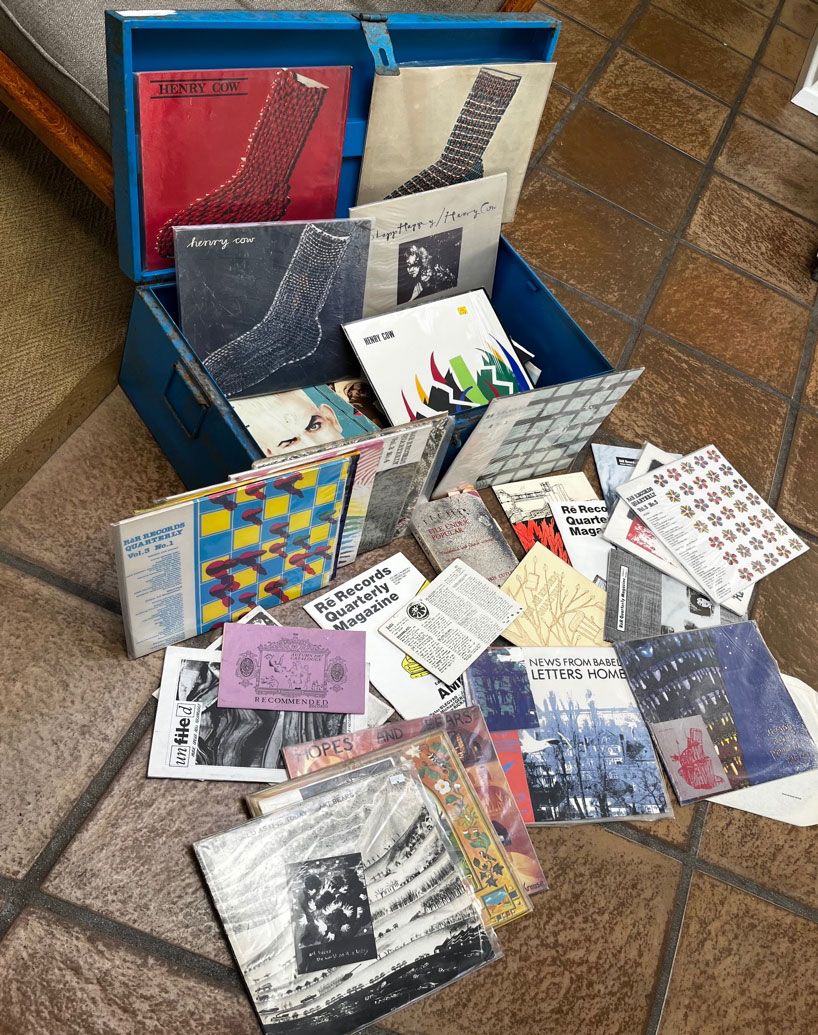
There is a wonderful way the Afrikaans word “trommel” translates into English. As a noun, it means “a metal or tin storage box, usually with a lockable lid, often associated with the military”, and as a verb it means “to drum or tap one’s fingers”. Furthermore, by removing the letter T from the word, it becomes “rommel”, which means “rubbish”. These wordplay possibilities occurred to me as I hauled my heavy blue trommel out of storage, where it had remained unopened for many years. Time and space had tightened our existence, and at my partner’s behest, I began a forensic investigation into its contents. “It’s full of junk,” she said. “You haven’t opened it in 10 years. There can’t be anything in there that you will miss. Throw it all away.”
“Its pointless throwing stuff away, it’ll just grow back. No-one can win against kipple,”[5]Kipple is useless objects, like junk mail or match folders after you use the last match or gum wrappers or yesterday’s homeopape. When nobody’s around, kipple reproduces itself. For instance, if you go to bed leaving any kipple around your apartment, when you wake up the next morning there’s twice as much of it. It always gets more and more….no one can win against kipple” Excerpt From Chapter 6. Do Androids Dream of Electric Sheep? 1968 Philip K. Dick I said, quoting Phillip K. Dick’s fabulous word for rubbish that grows out of control overnight.
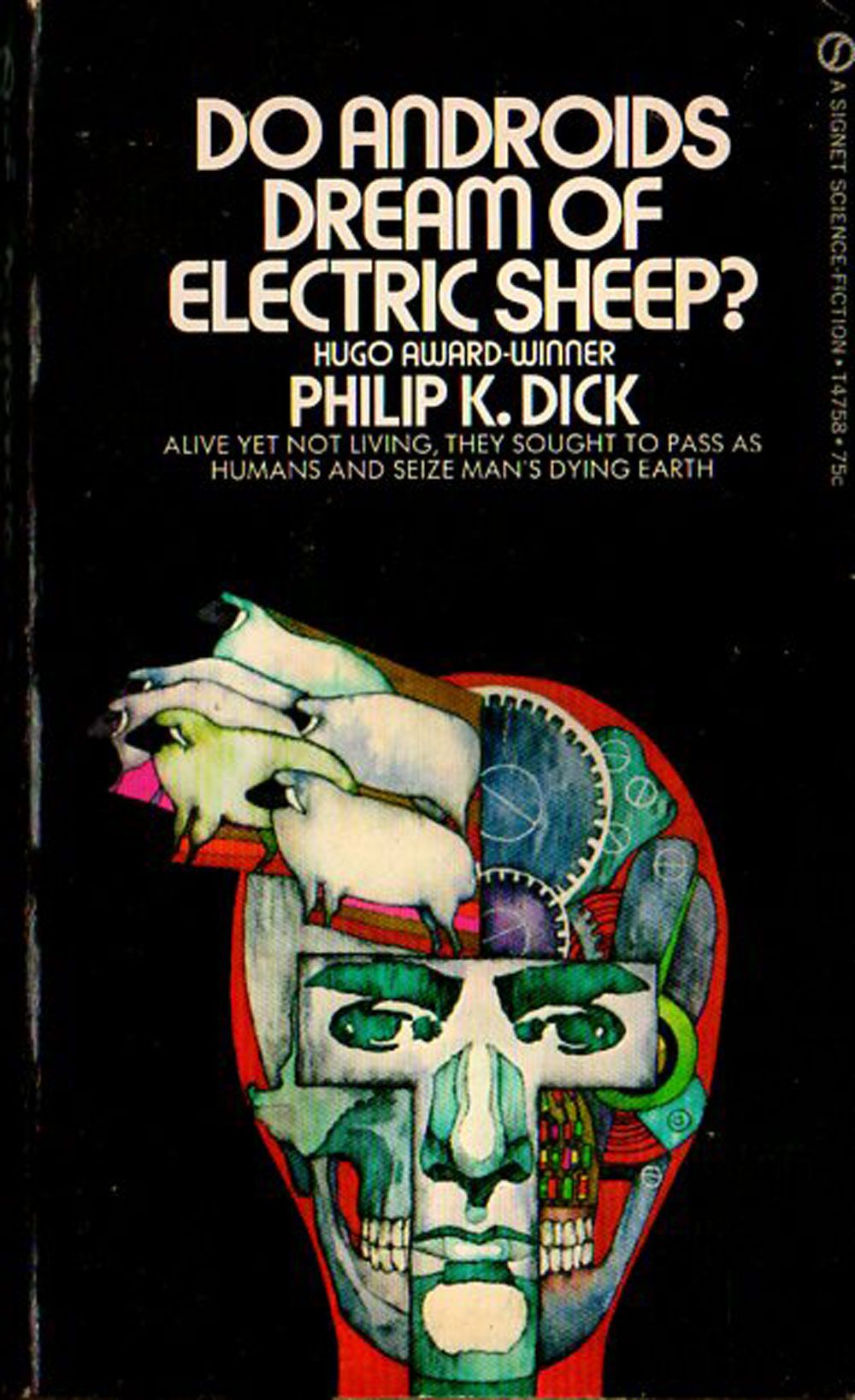
Throwing things away doesn’t come easily to me because, as an artist who feeds on the detritus of culture, both sonic and visual, I never know when something will be of value; when rubbish will become non-rubbish and collectable.
It is also important to note that I have been around for quite some time and, consequently, have more cultural detritus behind me than in front of me. I was born in the same year as Prince, Michael Jackson and Madonna; the year that Cuba fell to Castro; the year Nikita Khrushchev became Premier of the Soviet Union; and the year, 1958, that the “architect of apartheid,” Hendrik Frensch Verwoerd, was “elected” in South Africa. The snail’s trail of my accumulated kipple, then, is extensive and ever-growing, though logically well controlled; controllable chaos. Walter Benjamin famously expresses a similar sensitivity in his essay on unpacking his library:
“For what else is this collection but a disorder to which habit has accommodated itself to such an extent that it can appear as order […..] Thus, the life of a collector manifests a dialectical tension between the poles of disorder and order. (1999. 486-7)”[6]“Unpacking My Library: A Talk about Book Collecting” (originally titled “Ich packe meine Bibliothek aus. Eine Rede über das Sammeln”) written and published in 1931 this from: Walter Benjamin.Selected Writings: Volume 2, part 2, 1931-1934. Edited by Michael W. Jennings, Cambridge, MA: Bellknap Press of Harvard 1999. Vol2 pt2: (P486-7). Unpacking My Library, A Talk about Collecting
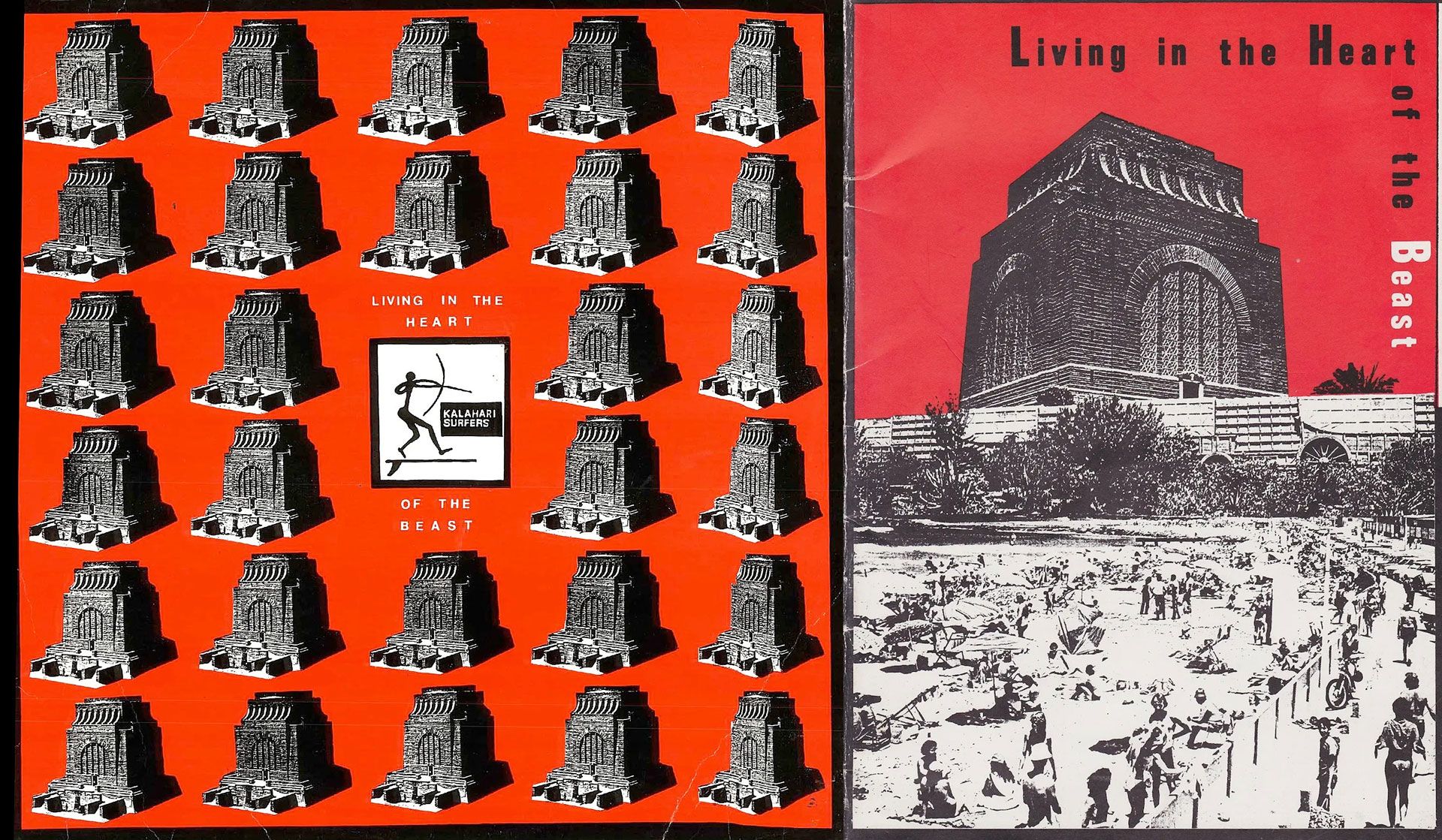
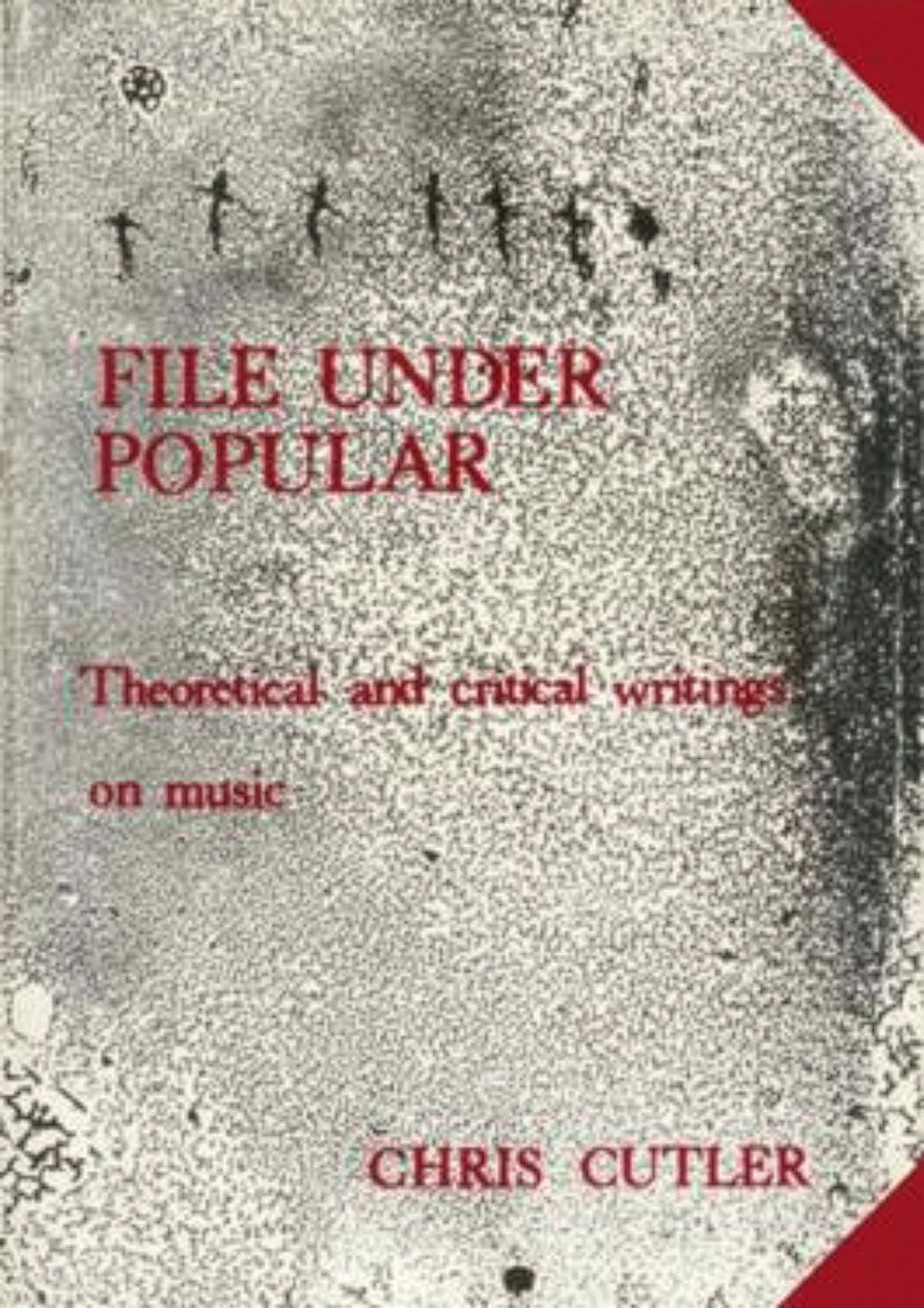
The main reason for approaching the trommel was to unearth fragments of my life that revolved around my time in London at the invitation of Chris Cutler. He had released two LPs of my music through Recommended Records, with a third in the pipeline and was organising tours of Europe. I was about to become a proper working musician for the first time in my life. A friend of mine won a competition for a “Luxavia Airlines” one-year return ticket for two, and she sold me half of it for a good price. Cutler offered me accommodation, and I arrived at 387 Wandsworth Road in Clapham, the record company’s London premises in mid-autumn of 1986. I occupied the room directly above the shop.[7]there is a video of the shop pretty much as I saw it when I arrived: youtube I was twenty-eight years old and had never met any of them; all correspondence was conducted through pen, paper, parcel, ink, envelope, and post office. The trommel contained the residue of that correspondence: booklets, pamphlets, letters and catalogues as well as a copy of Cutler’s first book, File Under Popular (1985).
Amongst all of these were press cuttings of various reviews of the two bands that Cutler played in: Henry Cow and Art Bears whose albums I had treasured for years. Because of the boycotts, young South Africans had little chance of seeing any of the international bands[8]The boycott on cultural activities made it unattractive for bands to visit South Africa. This stimulated a cover band industry where bands would perform outsider music, knowing there was a small market. For example, I had seen a band play the entire album Foxtrot by Genesis flawlessly. heard on radio or on vinyl, so sources of information about recordings and performances came from the print media. With rock music, the two British music papers, New Musical Express (NME) and Melody Maker, were highly regarded. My record collection, needless to say, was populated by a sizeable chunk of items from Cutler’s Recommended Records, mail-order catalogues, which carried his attentive reviews and writings on each item. Most importantly, as an autodidact patching together chunks of knowledge, I found a political education through Cutler’s catalogues, writings, and music; an education but also a sense of widening the possibilities of a political music, an Althusserian interpellation, an ideology hailing me, the individual as a subject: “Oi you there! Take note. This is now possible.”[9]See Althusser’s whole chapter on Marxists.org: Ideology Interpellates Individuals as Subjects marxists
The wire sock.
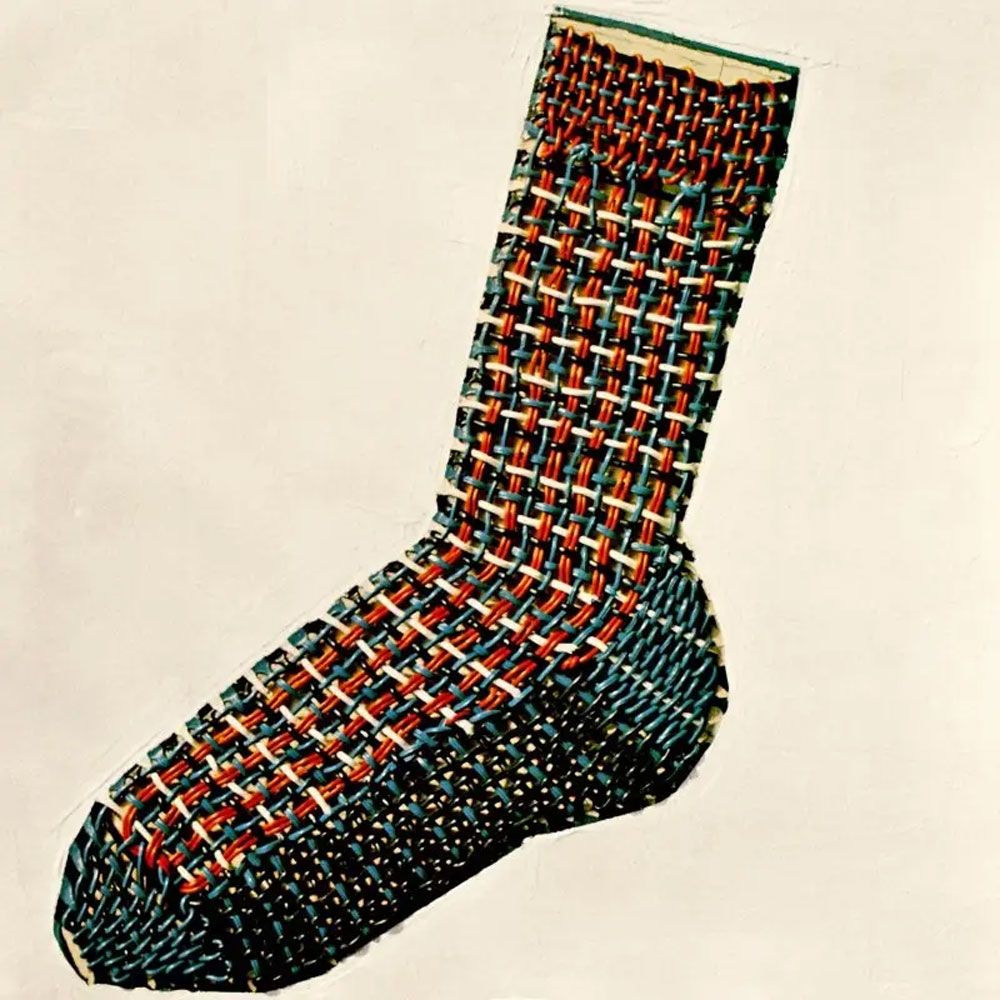
Henry Cow were the beginning of my journey. I had come across their albums at a record shop in Durban’s Grey Street (South Africa; late 1970s). Record King in ‘Ajmeri Arcade’, bordering the madrassa of the Grey Street Mosque, was owned by Ebrahim Abdul Habib, a passionate music collector who imported a wide variety of popular and outsider music from Europe, Britain and the US. It was Karim, a slender young man with chunky Roy Orbison glasses, who was the business’s public interface. He had an encyclopaedic knowledge of progressive music and, I suspect, was the driving force behind the shop’s imports closely informed by the aforementioned British music press. A music lover’s paradise, Record King’s shelves were lined from floor to ceiling with records, cassettes, posters, bargain bins and enticing signage. Given my interest in British progressive rock, Karim handed me a record with no title or band name on the front cover except for a photo of a multicoloured sock, seemingly made from knitted coloured wire.[10]The photo was of an artwork by Ray Smith featuring a sock woven from thick acrylic paint threads that emerged from a grey canvas, looking a bit like electrical wire. This alone was a reason to buy the record. Smith apparently allowed them to use the work on the condition that no text appear over it, and it became an extraordinary signifier of the band and their sound, appearing in different forms—a multi coloured, a red sock and thirdly a black sock— were used for the first three Cow releases. The band was Henry Cow and their debut album, Legend,[11]Legend can be heard here: henrycow2 was the fifth to be released through a fledgling Virgin Records in 1973. Mike Oldfield’s Tubular Bells, released four months earlier, was the unimaginable hit that all record companies dream of and that financed the whole company thereafter. It sold over 16 million copies and was hailed as “the biggest-selling instrumental album of all time”.[12]Attributed to BBC FOUR: Tubular Bells: The Mike Oldfield Story: (bbc) Some claim Kenny G’s Breathless as having this honour, but it had two vocal tracks on it. He beats Oldfield overall, though, with around 75 million instrumental albums sold to date. It was the foundation for the success of Richard Branson and all the Virgin enterprises to follow; “the album that changed my life” he was to announce on the Virgin website 48 years after its release.[13]Branson: “the album that transformed my life and kickstarted the Virgin brand.” virgin
When Richard Branson started Virgin Records, which was also a mail-order business, he employed his 20-year-old second cousin, Simon Draper, to help out. Freshly arrived from Durban in 1972, Draper’s knowledge and passion for music were quickly acknowledged by Branson, who eventually gave him control over the record company. His musical taste and credibility made Virgin a distinctive home for progressive, political, and experimental music in the 1970s. He signed bands he was interested in and targeted people like himself as the market. “We were the market”, he said in a 2017 interview, “Not Richard, because he wasn’t really interested in music – he had the long hair, but that was about it.”
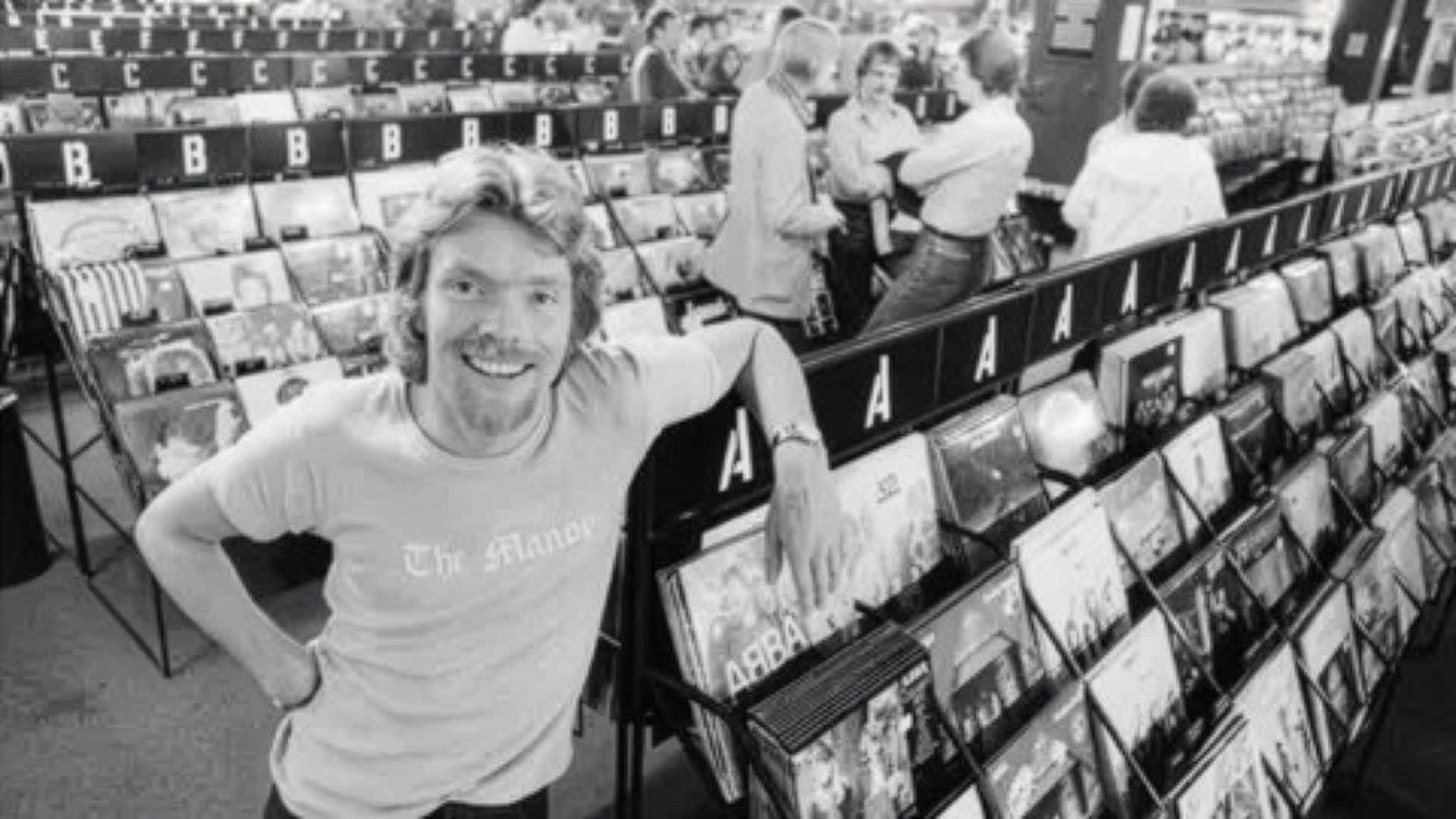
Branson’s interest was in business; he had a flair for taking risks and making money, and he knew that owning the means of production was an important next step. He bought an old manor house five miles north of Oxford and set up The Manor, a recording studio that would bypass the stuffiness of the existing music industry and inadvertently create a playground for an already burgeoning experimental music scene and along with that came Tubular Bells, the Virgin success story, and Henry Cow; the opposite end of the spectrum. Draper was interested in the so-called Krautrock bands and signed a number of German artists, including Faust, Can, and Tangerine Dream, together with, what Simon Reynolds called, “some of the most uncompromisingly experimental music ever to loiter on the outskirts of the rock mainstream” including albums by Captain Beefheart, Gong, Hatfield and the North, Steve Hillage, and Slapp Happy, to name a few.[14]Shaping the ’70s: Simon Draper and the Story of Virgin Records – October 12, 2017 By Simon Reynolds Red Bull Music Academy – October 12, 2017 (Simon Reynolds 2017)
The Henry Cow album was also a tour de force, but in a very different way from Tubular Bells. Firstly, it wasn’t an easy listen; the album grew on one as the complex timings and compositional systems became clearer, as order began to emerge from what seemed like chaos. Secondly, their music was totally unclassifiable, a genre of its own. Their producer, Tom Newman, who also produced Tubular Bells, said:
I was just gobsmacked at watching these guys playing, because to my ignorant ear, it was chaotic. But I was amazed that they could repeat the chaos, you know? Repeatable chaos! I count Henry Cow as a wonderful tutor for me. (Piekut.101)[15]Piekut, Benjamin. 2019. Henry Cow: The World Is a Problem. Duke University Press.
But the most important difference between the two albums was that Cow were more than a band; their music was a communal effort involving a number of people with strong opinions and the charismatic mystique of a crazy cult; the Sun Ra Arkestra is a close example. Oldfield’s music was entirely solo. He made his music on his own as a multi-instrumentalist; he overdubbed all the instruments himself, one of the first recording artists to do so, but most importantly, he “composed” and his music was fixed in position. Cow’s music came from a sociality; a combination of composition enhanced by hours of improvisation, analysis, organising, self-doubt and reworking. Their musical kipple grew and grew and had to be panel-beaten and edited into structures, some loose, some rigid.
When I once asked Cutler how, in practice, their music evolved this chaos-vs-order quality, and where the scored parts ended and the free improvisation began, he replied that, because he was the only member of the band who didn’t read music, he would commit everything to memory; the band had to play the difficult sections over and over, and in the process free themselves, too, from the written parts and liberate another type of creativity not found in tightly scored music. This was the ability to then improvise on the scored material. He said that they would dig holes of free experimentation into tightly scored work, and when those holes became structure, i.e., remembered, they would dig further to free up other sections. Musical pieces grew through performance. The art of music and memory is one of the philosophical cornerstones of his 2020 book Not As We Choose.
Even among the roster of 1970s progressive-rock bands, Henry Cow were fairly obscure outsiders. Though considered by many to be a difficult listen, they were successful enough to secure a contract with Virgin, making four good albums (the fifth, Western Culture, was on their own label) for them and, throughout their ten-year lifespan (1968-1978), enjoying a sizeable following in Europe. Their charisma and courage drew into their orbit other outsider musicians and collaborators, like Mongezi Feza mentioned earlier, who played on two albums[16]Feza plays on ‘War’, the first track of In Praise of Learning here: henrycow2 And on this album, a merging with a band called Slapp Happy : henrycow2 and a host of European bands, who all together formed a collective called Rock in Opposition (RIO).
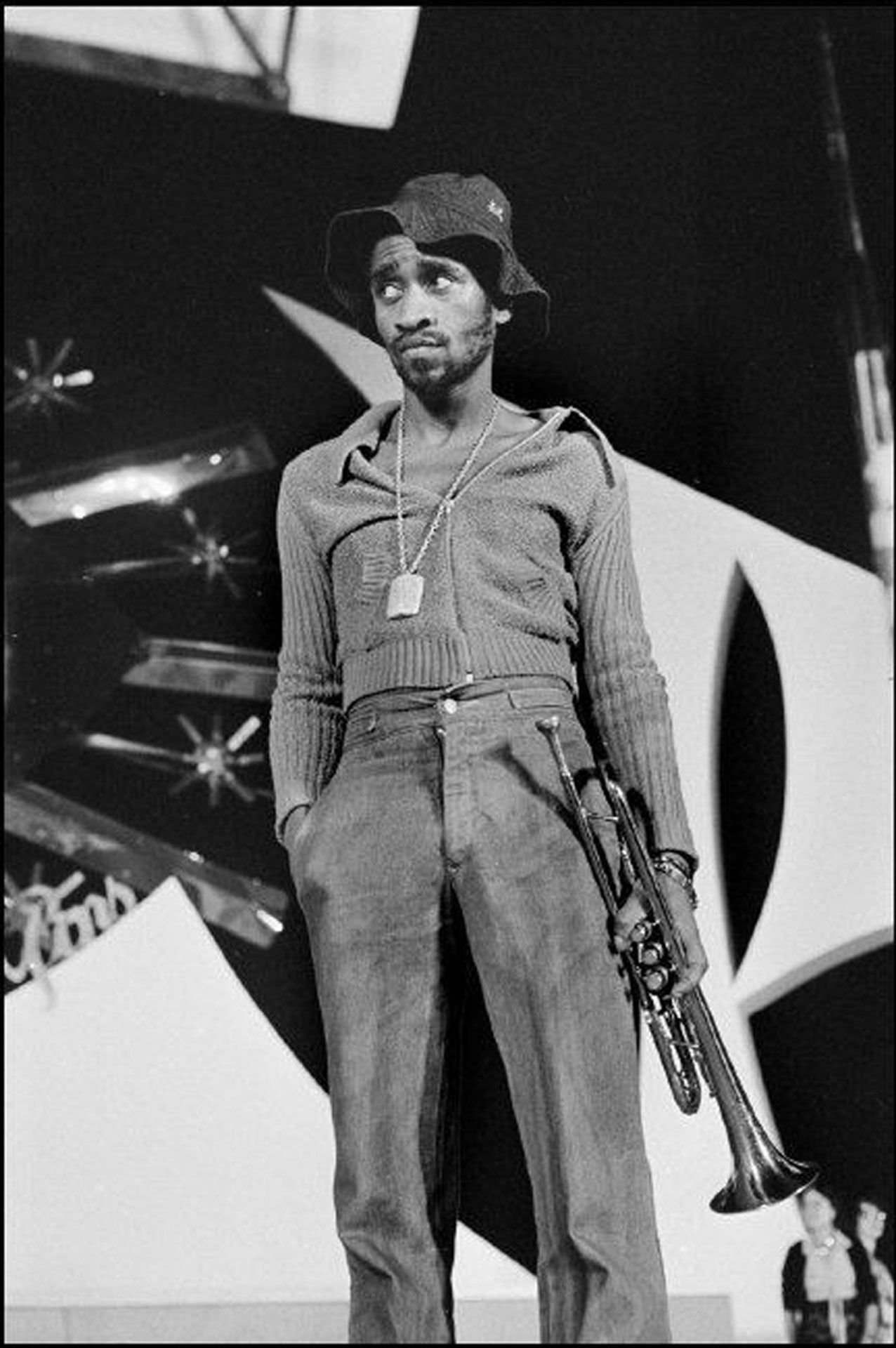
Often categorised along with their Virgin stablemates as Progressive Rock, Henry Cow always insisted that they were, essentially, a rock band with influences from the classical avant-garde (Schoenberg, Cage, and Stockhausen etc.), the European free jazz scene, and I quote Cutler here “Derek Bailey, Evan Parker, Iskra, SME, AMM, ICP, Global Unity Orchestra, von Schlippenbach, Breuker, Brötzmann” as well as Sun Ra and the Art Ensemble of Chicago (with whom they once played). Later when vocalist Dagmar Krause joined they moved into Brecht/Weill-type song writing. Their core members were Cutler on drums, Fred Frith on guitars and violin, Tim Hodgkinson on keyboards and saxophone, Geoff Leigh on reeds, John Greaves on bass, and Lindsay Cooper on bassoon. Later on, they added German vocalist Dagmar Krause and cellist/bassist Georgina Born, who replaced Greaves and today is a noted academic (Goldsmiths, Cambridge professor, Fellow of the British Academy, etc).
They all shared, what Myles Boisen[17]From a Henry Cow Biography by Myles Boisen for ALLMUSIC allmusic called “an overt alignment with the political left.” Tim Hodgkinson, when I first met him in 1986, was a member of the British Communist Party and, I believe, was the treasurer of the Balham branch. Cutler’s father worked for TASS (Telegraph Agency of the Soviet Union). Bassoon player Lindsay Cooper brought a particular brand of feminism with her, later co-forming “the Feminist Improvising Group” with Georgie Born and Maggie Nichols. Their debut performance was at a “Music for Socialism” festival at the “Almost Free Theatre” in London in October 1977.
1977 was an important year for rock music, with young people’s responses to their political situation taking the form of a punk band explosion across the UK and do-it-yourself music releases creating an upsurge in the 7” single format and small indie labels coming out of garage studios. It was also the year that Henry Cow renegotiated their way out of their Virgin contract—unhappy with promotion, among other things—and took control of their own destiny. Their double live album, released through an indie Swedish company, sold more than the previous Virgin release. Though they would disband a year later, they reconstituted themselves in various splinter groups like Art Bears, News from Babel, The Work and solo projects, but, importantly, Cutler, with Nick Hobbs (ex-Cow manager), immediately set up their own DIY record company, Recommended Records. “A fragment broke off and it has been evolving ever since, independently and against considerable odds.” Wrote Patrick Wright, in his 1995 article on Cutler for the Guardian.[18]Wright, Patrick. Resist Me, Make Me Strong: On Chris Cutler. Published in the Guardian (Weekend section), 11 November 1995. Piekut has an interesting take on Recommended writing that they were almost a “shadow Virgin Records”:
what it could have been if its hippie idealism had been no illusion after all. But also worth noting is Cutler’s turn away from modeling utopia (as we might describe one aspect of Henry Cow’s practice) toward an “intermediate cell of resistance,” which he realized could only ever be defined by what it opposed. (2019. p 471)
The exit from Virgin was well-timed because by the late 1970s, a new youthful energy had overtaken the music industry in the form of punk. Virgin needed to pull their finances out of the doldrums and started ditching all their old hippie / prog bands[19]Shaping the ’70s: Simon Draper and the Story of Virgin Records – October 12, 2017. p12 by Simon Reynolds Red Bull Music Academy – October 12, 2017.. They started signing punk bands, beginning with the Sex Pistols (who’d been fired by EMI and then A&M after only 6 days) and including The Ruts, XTC, Magazine, and later John Lydon’s post-Pistols band, Public Image Limited. Lydon apparently contributed to the change in Virgin’s logo after refusing “what he considered a hippie sign on the band’s records.”[20]From Logos-World website: logos-world Punk operated in tandem with Reggae in the UK during the 1970s so to compete with Island Records’ reggae output (Mango), Virgin also made a push to sign reggae artists, setting a new cash-flow trajectory. Branson himself went into action and, after discovering that reggae was selling startlingly well in Nigeria, headed off to Jamaica (apparently with John Lydon) with a pile of cash and signed as many artists as he could find; U Roy, Mighty Diamonds, Rankin’ Trevor, Prince Far I amongst the first batch. Virgin set up the “Front Line” label and released a slew of great albums, including those by Culture, Peter Tosh, the Gladiators, and the Twinkle Brothers.
Henry Cow, perhaps more than any other “hippie” band of the Virgin 1970s, aligned with the new energy of the punk movement mainly through their political activities which began with their lasting connection with the Communist Party of Italy (PCI) in 1975 and the numerous concerts that sprang from that liaison.[21]See chapter 5: The Multiple Politics of Henry Cow Chris Cutler (in interview with Benjamin Piekut) from Red Strains Music And Communism Outside The Communist Bloc Edited By Robert Adlington Published for the British Academy by Oxford University Press 2013b also: Chapter available through ResearchGate here: researchgate The band and its members had a genuine and concerned belief in a better world beyond capitalism and, for a while, had a Maoist leaning. In one of his interviews with Piekut, Cutler said:
You know, we had no idea what was happening in China, but we had read the words. We had warmed to ideas like ‘criticism and self-criticism’, and ‘all pessimism is unfounded’. I remember Dagmar wore a blue Mao jacket for years.[22]ibid (p 50
An early commitment to gender neutrality was also part of their performance and practice. When asked a question in Japan by a woman in the audience about the role of women in Henry Cow, Cutler said that
the major part of Henry Cow’s working life there were three women and three men on stage, and always women in our road crew (driving, mixing the sound, carrying equipment). So, at this level we were very positively integrated. In fact I sometimes think that for people we met on tour this was more surprising than the music we played! It was certainly unusual – groups at this time were always mostly male (except for singers) and sound crews and drivers were always male – and why was that? Certainly not because of ability or skill. I have to say also, that in all of my own projects I have always worked with women, not only for the good reason that it is always good to work with people who are talented, original, virtuosos (gender has nothing to do with this, men have no special access to ability) but also because I positively like to have women as working partners; I like their company and I like what they bring to the social as well as to the musical conversation[23]Chris Cutler Symposium 10 June 1998, at Uplink Factory, Shibuya, Tokyo. Japanese translation published in Eureka, Dec 1998 issue . (Symposium, Tokyo.1998)
The room above the shop
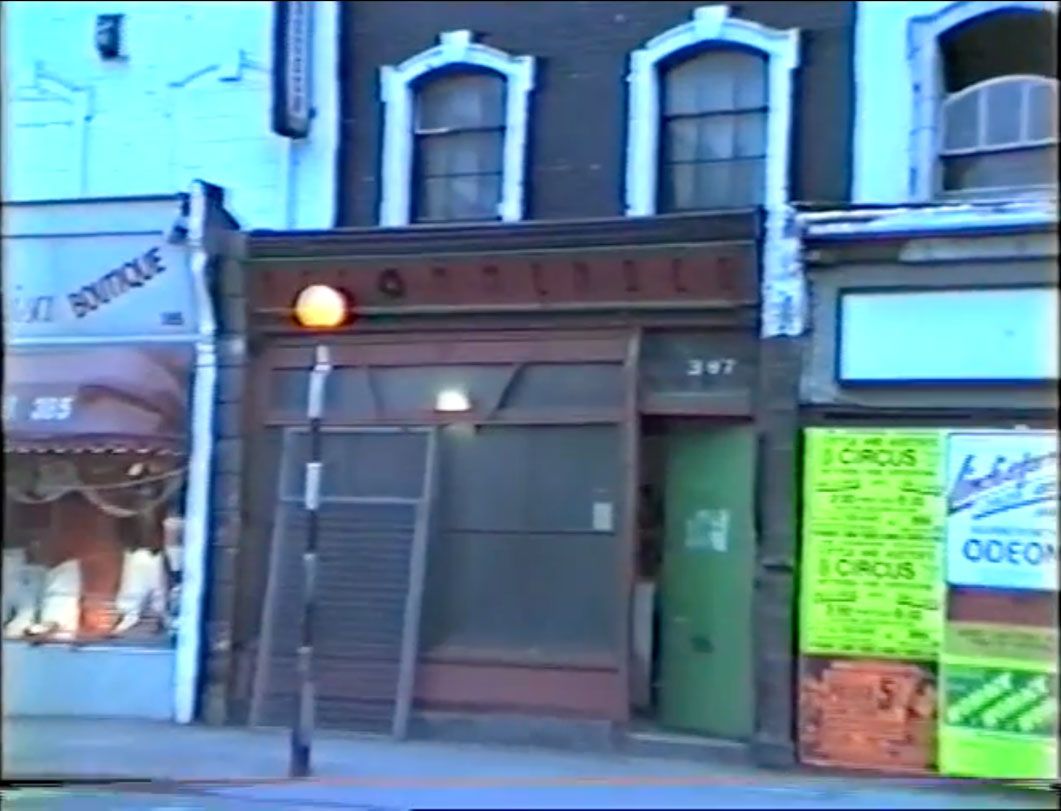
On arrival at 387 Wandsworth Road, I was greeted warmly by Maggie Thomas, who showed me where I would stay, a small sunny room (when there was sun) above the Recommended shop. Thomas was a pivotal member of Cutler’s world going back to the early Virgin Records days. An elegant, serious woman with an abundance of dark, thick, flowing hair that seemed to testify to her Greek maternal lineage, she carried a silence that appeared drawn from a deep well of mysterious experience. She had worked at the Manor, where she met Cutler, and left to join the Henry Cow touring entourage. An accomplished sound engineer, electrician, plumber and artist, she also designed, often painted and hand-silk-screened most of the Recommended record covers. Thomas introduced me to the music of multi-instrumentalist Sandy Bull,[24]Sandy Bull an American folk musician, composer, and multi-instrumentalist renowned for blending folk, jazz, classical, Indian, Middle Eastern, and African musical traditions long before “world music” became a recognized genre. A master of numerous stringed instruments, Bull helped shape the American psychedelic folk and rock sounds of the 1960s but remained obscure and a cult influence throughout his career. which I’ve appreciated to this day. I even bought a sitar, and tried similar extended improvisations on my own recordings. Her skills in plumbing, gas pipe-laying, and electrical wiring became evident a few months into my stay, when we all relocated around the corner to an old school, a former squat that had been broken up by the Greater London Council to stop squatters; a complex and quite bizarre chapter of London’s past.[25]See: E.Dee. 2016. Squatted Social Centres In London: Temporary Nodes Of Resistance To Capitalism in The Multidisciplinary Journal of Social Protest – Vol. 4 (1-2), pp. 109-127 ISSN 2330-1392 Somehow, Thomas and Cutler negotiated a legal rental to be there, but it had to be made habitable and that task fell on Thomas. They were a dynamic team and had a close platonic relationship, almost like brother and sister. Through her contacts at the manor, she and Cutler managed to get Giorgio Gomelsky[26]Impresario of the 1960s and 1970s— Producer of Yardbirds, John McLaughlin, Rod Stewart, Gong, Magma and others, as well as owner of the Crawdaddy Club, where the Rolling Stones were the house band for a while. to help with Cow promotions after Virgin’s team had proved ineffective, thus opening an important liaison for concerts with Gomelsky who managed bands like Gong, Magma and Robert Wyatt.[27] See Rick Rees. MAR 14, 2024: Chris Cutler and Maggie Thomas Interview on Henry Cow, Magma and meeting Giorgio Gomelsky rickrees
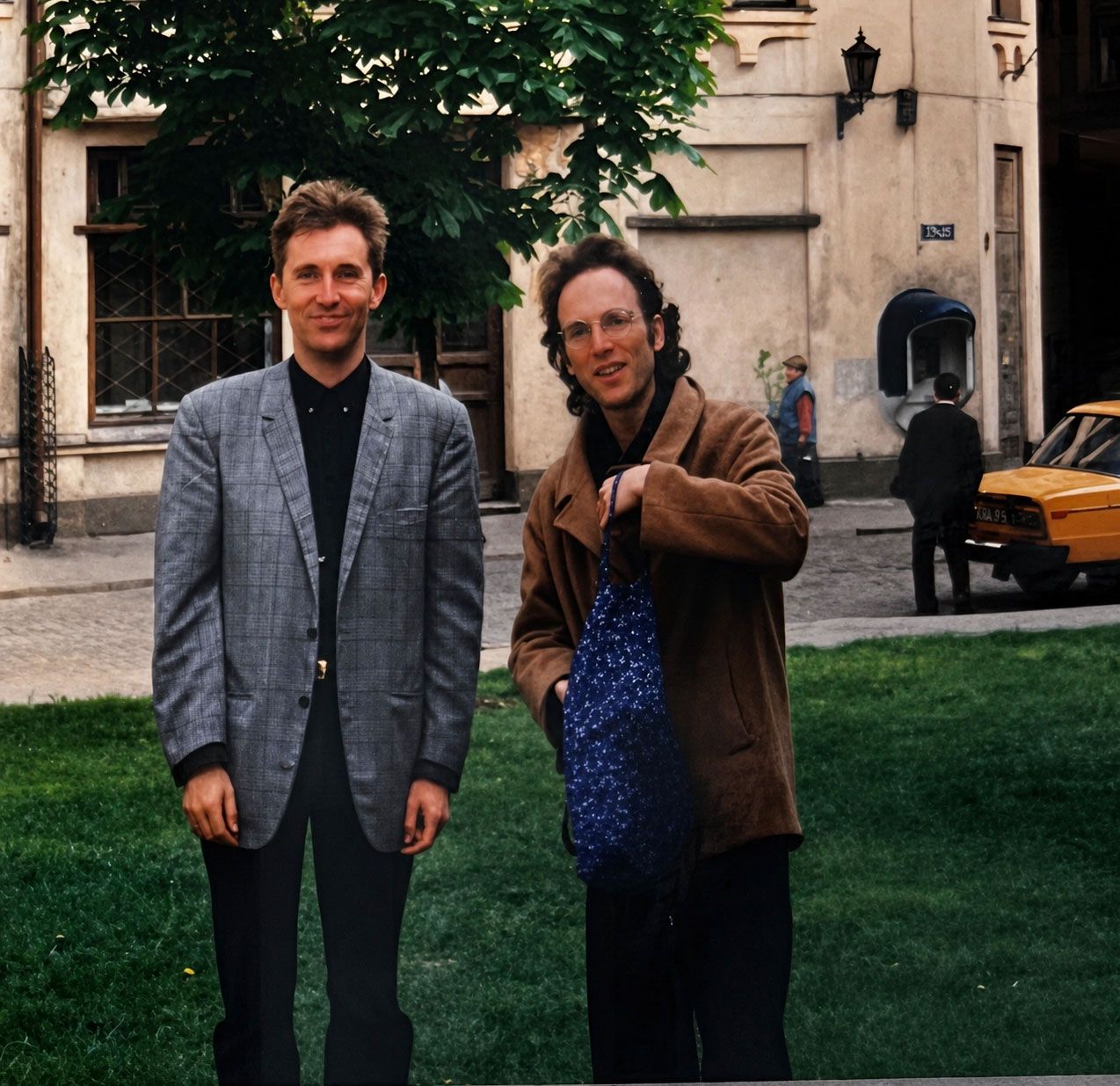
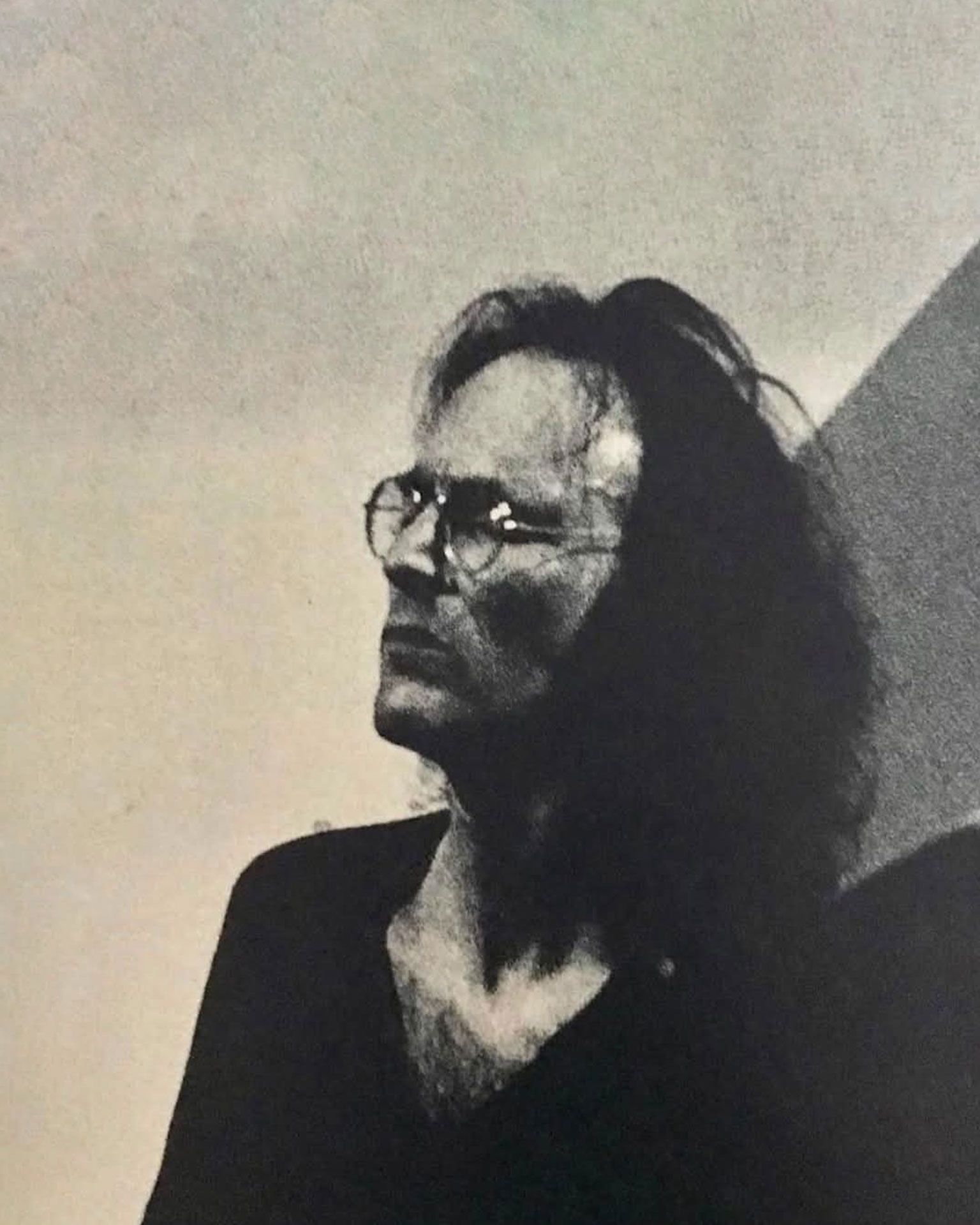
My first in-person encounter with Cutler was a bit later that day as I came down to the kitchen. His first words were: “Coffee…that sort of thing?” Kickstarting my lifelong addiction to the stimulant. He wore black corduroy trousers and a black long-sleeve T-shirt pushed up to the elbows that clung to his slim, slight frame. Born in Washington, D.C and almost 40 at this time, Cutler possessed a compact, lean physique resembling that of a long-distance runner, which I attributed to years of drumming exercise and an avoidance of junk-food. He fixed one with an ironic smile through wire-rim spectacles, and I was surprised to find a far less serious person than I had imagined, possessing a sharp wit and a warm sociality combined with immense generosity. He was much shorter and vibrantly healthy than I had imagined, operating with a Chaplin-esque energy; “Scuttler”, I thought. He did, however, have vices and introduced me to the joys of serious coffee and wine drinking; the stimulant and soporific working with and against each other was particularly agreeable.
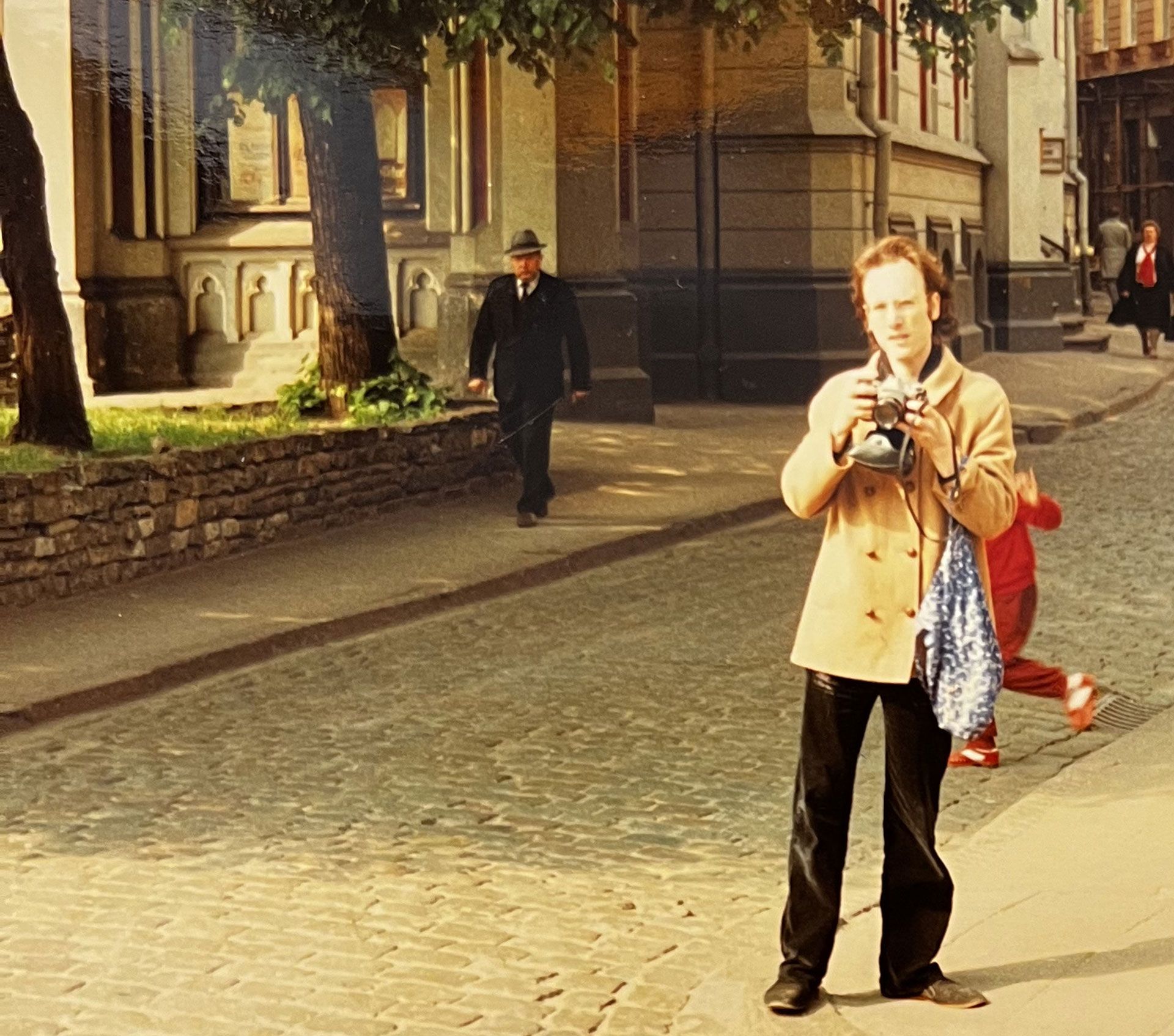
Cutler’s black corduroy trousers, Thomas later informed me, were bought in bulk from a co-op, she said. In fact, co-op was a well-used word then; Cutler’s bank was called the Co-op Bank,[28] The bank is still going; according to Wikipedia “The Co-operative Bank is the only UK high street bank with a customer-led ethical policy which is incorporated into the bank’s articles of association.” wikipedia and it was, he informed me, the only bank he could find that had no dealings with apartheid South Africa. He had to travel miles to reach its only branch. “That’s commitment”, I thought. Another Afrikaans word came to mind, “houding,” a perennial favourite of the police and military class, meaning “attitude”. Cutler had attitude in this sense, and is wonderfully captured in the anecdote of his 1971 audition to join Henry Cow. Piekut writes:
They found him through an unlikely classified advertisement …: “drummer: Varese/Wyatt, odd times and Counterpoint.”…A few years older than the rest of the group, Cutler displayed a formidable intellect and a commanding eloquence. Hodgkinson remembers Cutler kicking his drum set roughly into position for their first rehearsal and thinking, “Right, this guy’s got attitude.” Cutler’s unusual style struck Balchin immediately; he recalls, “He was absolutely mind-blowing as a drummer. . . . And the way the band responded was really bizarre, because what are you supposed to do? You’re auditioning a drummer; you expect a beat! No, not with Cutler. Indeed, Cutler brought an idiosyncratic drumming style that was almost conversational and rarely repetitive. (2019.52)
I was pleased to find that Cutler was a collector extraordinaire and had not only an impressive LP and book collection but, during one of his frequent musical tours of Europe as we were packing up the house to move, Maggie Thomas showed me some of his collections stashed amongst kipple in the attic of the Wandsworth Road house. There were match folders and metal bottle-top collections from all over the world, but my favourite was his collection of cigarette packets from Japan, which each had a single English word as its brand name. I was fascinated to see that he had arranged the brand names to form fridge magnet type sentences like:“Golden Bat, Frontier, Hope, Short, Peace.” and“Mild Seven, Cool, Echo, Cabin.”, and“Seven Stars, Hi Lite, Cherry”. The naming convention stemmed from the postwar prestige of English and American culture in Japan. English words on consumer products, especially cigarettes, connoted sophistication, modernity, and a kind of aspirational cosmopolitanism. Tobacco companies leaned into this heavily.
Concerts
After Henry Cow and Art Bears, and the formation of Recommended Records, Cutler entered the 1980s playing for several bands; the longest-lasting was Cassiber, an improvisational group that existed from 1982 to 1992. They were one of the bands that accompanied us to the Soviet Union in 1989. With his experience in touring with Cow and bands like Cassiber, Cutler set about organising concerts for the Kalahari Surfers and put together a live band comprising a few musicians from post-punk bands that overlapped with Recommended Records. Mick Hobbs (from the band Officer[29]Musical output listed here: discogs played bass guitar, Alig Pearce (from the band Family Fodder[30]Musical output listed here: discogs played keyboards and accordion, Tim Hodgkinson, keyboards, sax and slide guitar, Chris Cutler on drums and Maggie Thomas as mixer and sound engineer. We performed in the Netherlands (Melkweg, Paradiso), Germany, Switzerland (Rote Fabriek), France, Luxembourg, Liechtenstein, and eventually at the Festival des Politischen Liedes in East Berlin.
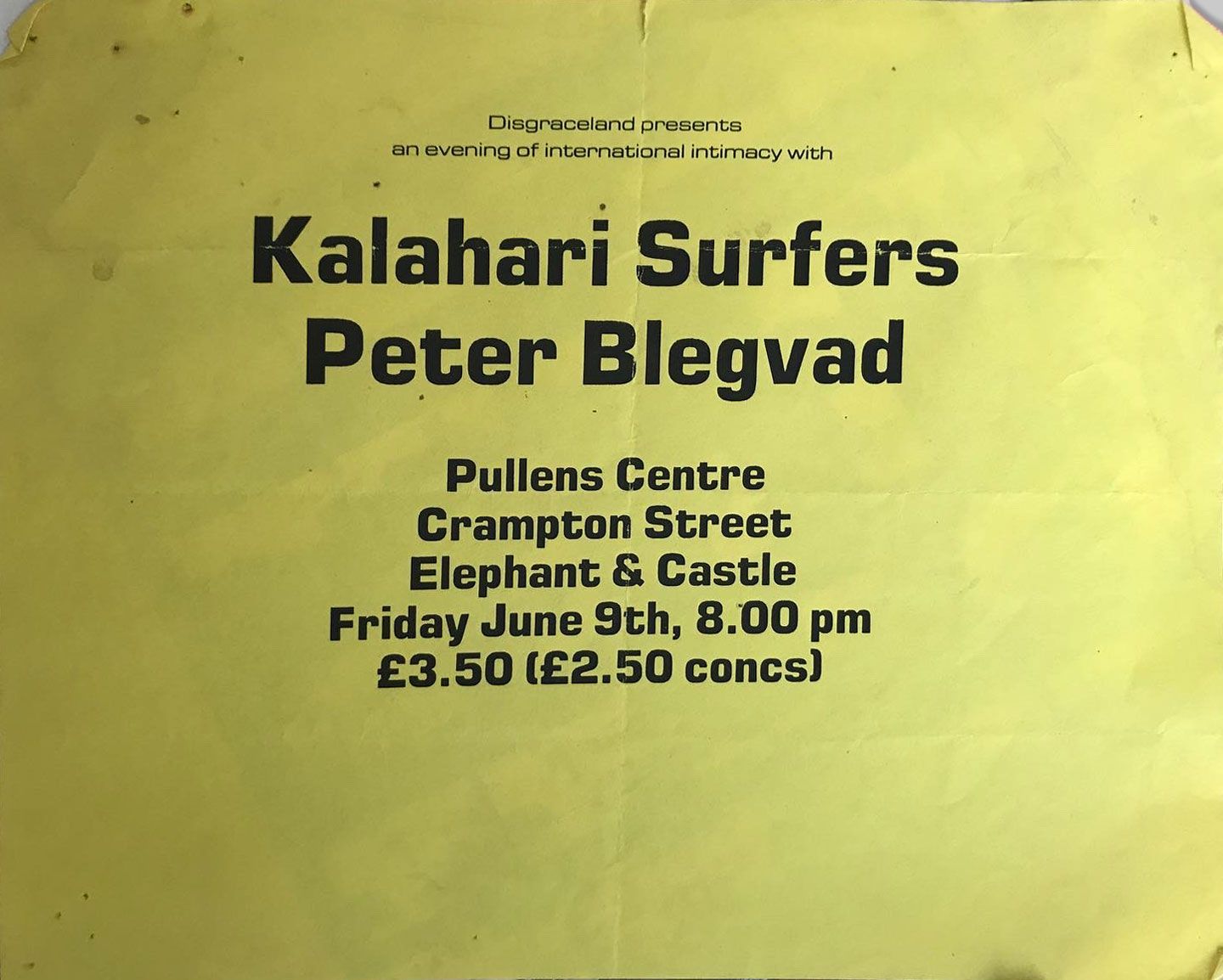
Ironically, because of the dominance of the mainstream music promoters, concerts in London were difficult to organise, but we did play a fabulous concert in a squat venue, the Pullen Centre,[31]Pullens Building were the centre for a huge showdown between squatters and the police. See: crispinhughes with Peter Blegvad (ex Slapp Happy/Henry Cow) and a brilliant satirical singer-songwriter called “Bing Selfish.”[32]See: bingselfish
We also played the “Beat! Apartheid”[33]Link to the album here: piranha tour of Western Germany in Spring 1987 with Orchestra Marrabenta from Mozambique and Stella Chiweshe from Zimbabwe. The tour was put together by Piranha Records, a German label that had licensed some of the Shifty Records catalogue for the compilation album of the same title, which included two of my tracks. Beat! Apartheid was the very first release on Piranha Records (catalogue number PIR001), a Berlin-based label focused on what would later be termed World Music. The compilation album featured Orchestra Marrabenta Star de Moçambique, Kalahari Surfers, Mzwakhe Mbuli, 3 Mustapha 3, Bonga Angola, Last Poets and others. It was a substantial multi-artist southern African anti-apartheid compilation that also served as Piranha’s founding statement. The tour itinerary, organised by Piranha, featured concerts in every major German city.
Stella Chiweshe, a mbira virtuosa, toured with her daughter, who played percussion, and was backed by UK-based 3 Mustapha 3, who ran Globestyle Records. Her debut album Ambuya! was released by Piranha shortly before the tour. The only visual material I can find of the tour is YouTube footage of Marrabenta playing the concert in Hannover 1987. Orchestra Marrabenta Star De Moçambique—their full name—were a powerhouse on stage and featured a variety of styles and tempi. Facing a lack of recording facilities due to the devastating civil war in the 1980s, the band travelled to Zimbabwe to record, leading to the album Independance through Piranha. Jabulani Radio have a good piece on them.
The project evidently had legs beyond 1987 as a follow-up compilation, 2 Beat! Apartheid, was later released on Piranha, featuring Sipho Mabuse, Orchestra Marrabenta, Oliver Mtukudzi, Os Jovens do Prenda, The Soul Brothers, Stella Rambisai Chiweshe and Noise Khanyile — described as artists who had never before left southern Africa to meet at the same festival and record in the same studio. (Piranhashop)
East Berlin, February 1987
My first trip to an Eastern Bloc country came in February 1987, when Cutler organised our appearance at the Festival of Political Song — Rote Lieder, Red Songs — held in the capital of the DDR. We performed at the Berliner Ensemble, the theatre established by Helene Weigel and Bertolt Brecht in 1949.
We arrived by railway, in a sealed train that rolled through vast collective farms dotted by the occasional tractor. The windows were screwed shut and the train never stopped. I could easily imagine a very grumpy Lenin in his own sealed train, trying to finish the April Theses amidst pipe smoke, hurtling through Germany toward Petrograd and violent revolution.
We were met at Friedrichstrasse Station by Kersten Glandien, an East German philosophy professor who had organised our participation, and who was in a tricky East-West relationship with Cutler. East-West liaisons were officially discouraged. He could come and go; she could only remain. She would have known well the sounds of the Tränenpalast — the Palace of Tears — just steps from the station: the departure hall for those crossing back to the West, where farewells were made permanent by geography and politics.
The main concert was strange. The audience was marched into the hall and sat down, much like a school assembly. I noticed this in the East: the population were often treated like children, with the big-daddy-state all-wise and all-seeing, even when it was acting against their interests. Afterwards, there was a question-and-answer session — lyrics had been translated and printed in the programme — and a discussion about South Africa’s totalitarian politics, which gave the audience space to touch on their own grievances, a normally stifled or forbidden topic. Corrupt governance, political disappearances, propaganda, love during wartime, tears at the airport: these things resonated with everyone in the room, I quickly realised.
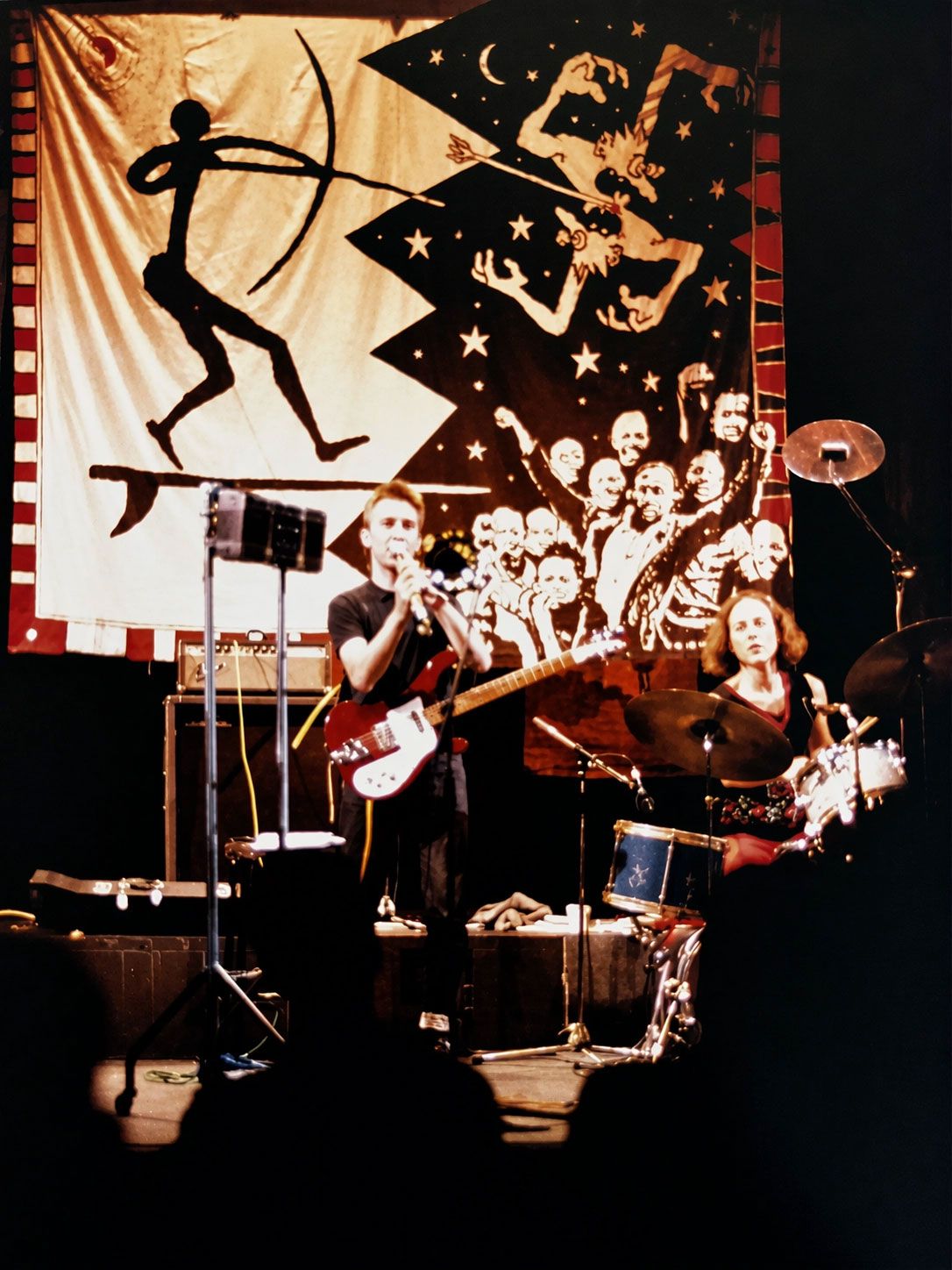
A later concert at an underground punk club was more like the ones I had played in the West the week before. A beery punk heckler bayed for more “doef, doef, doef” through the whole set. What I didn’t understand then was that the punk movement in the DDR went far beyond music — it was a socio-political calling that not only outlasted the Berlin Wall but arguably contributed to its collapse.[34]see: Mohr, Tim. Burning Down the Haus: Punk Rock, Revolution, and the Fall of the Berlin Wall. Chapel Hill, 2018.
After the Berliner Ensemble concert, a South African exile who had left after the Soweto uprising and was now studying in East Berlin sought me out for a drink. Max Mfazwe had settled here and married a local woman. Over a drink, he introduced me to a few other South African exiles. It was heartbreaking to hear their individual stories of displacement and homesickness. ‘The DDR treats us well,’ they all said — and then spoke about the small things they missed: Mango Achar, Mrs Ball’s Chutney, Black Cat Peanut Butter, the smell of Sunlight soap. As soon as I returned to London I found the achar and chutney and posted it to them.
Cutler and Glandien were inseparable during these trips, networking for the Recommended Records, offshoot label Points East, which focused on releasing bands from the Eastern Bloc countries.
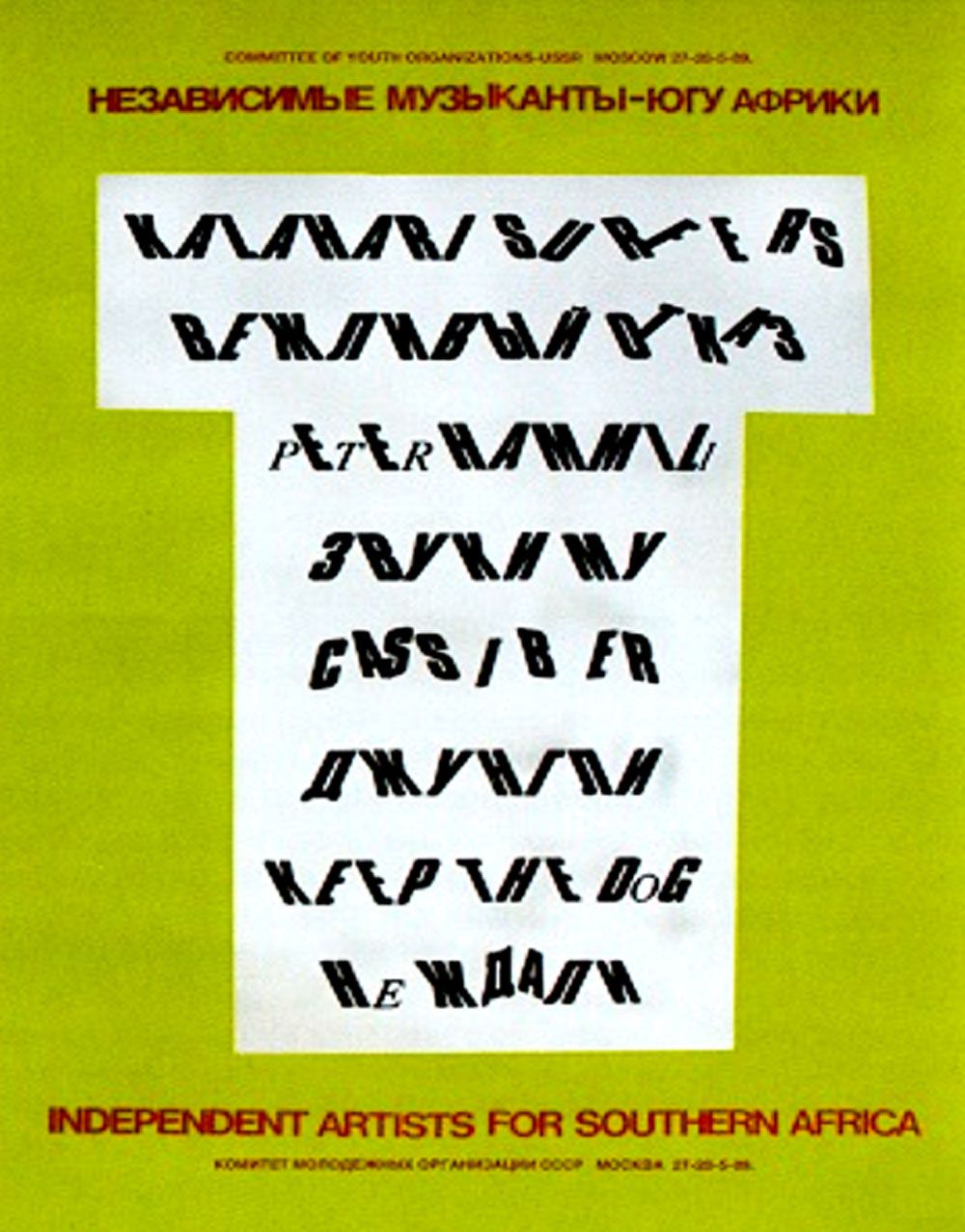
Independent Musicians for South Africa: USSR Moscow, May 1989[35]Bits and pieces of this chapter are edited from ‘Sealed Trains and the Palisades of Culture,’ Chapter 6 of Signal to Noise (Warrick Sony, 2022)
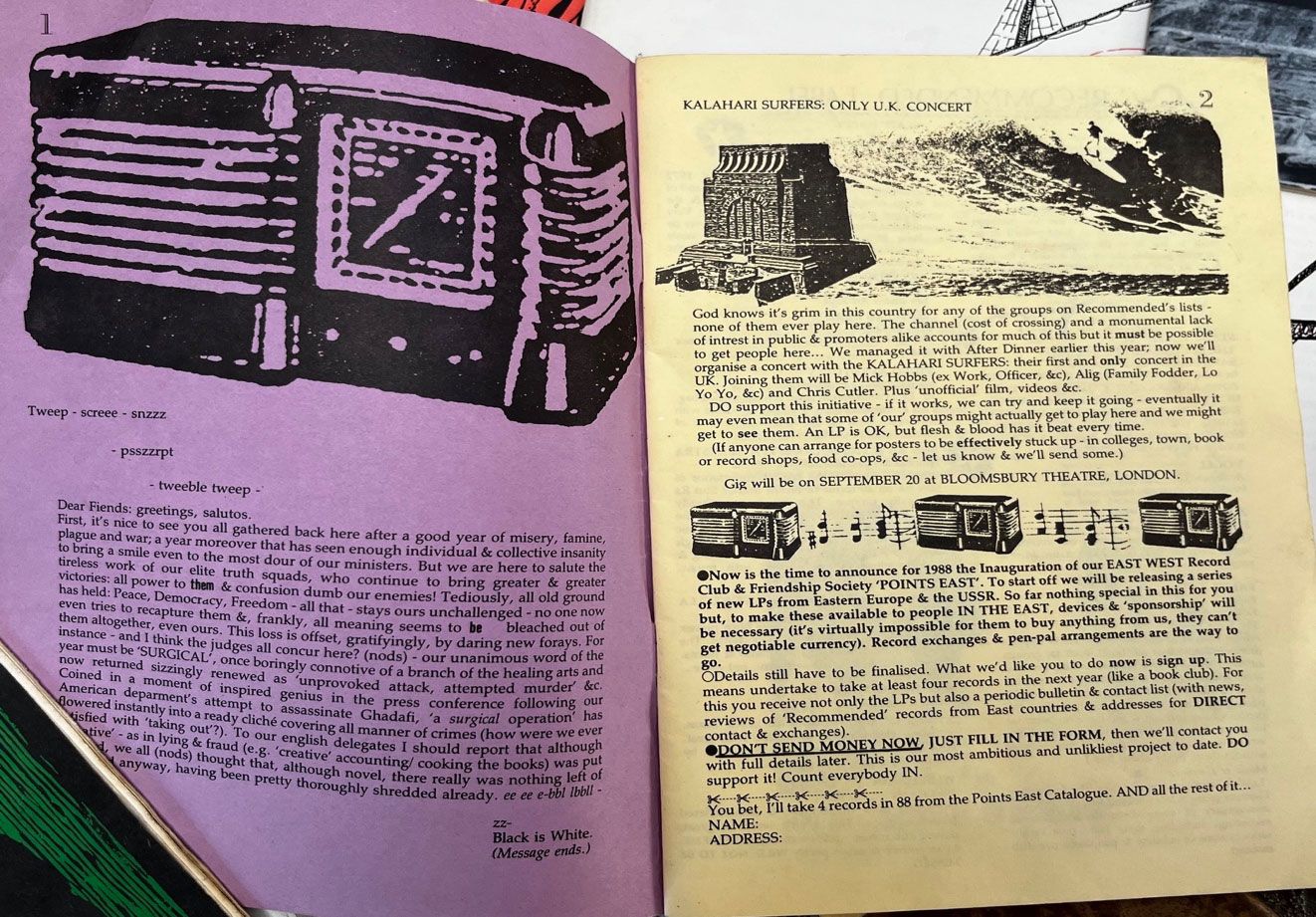
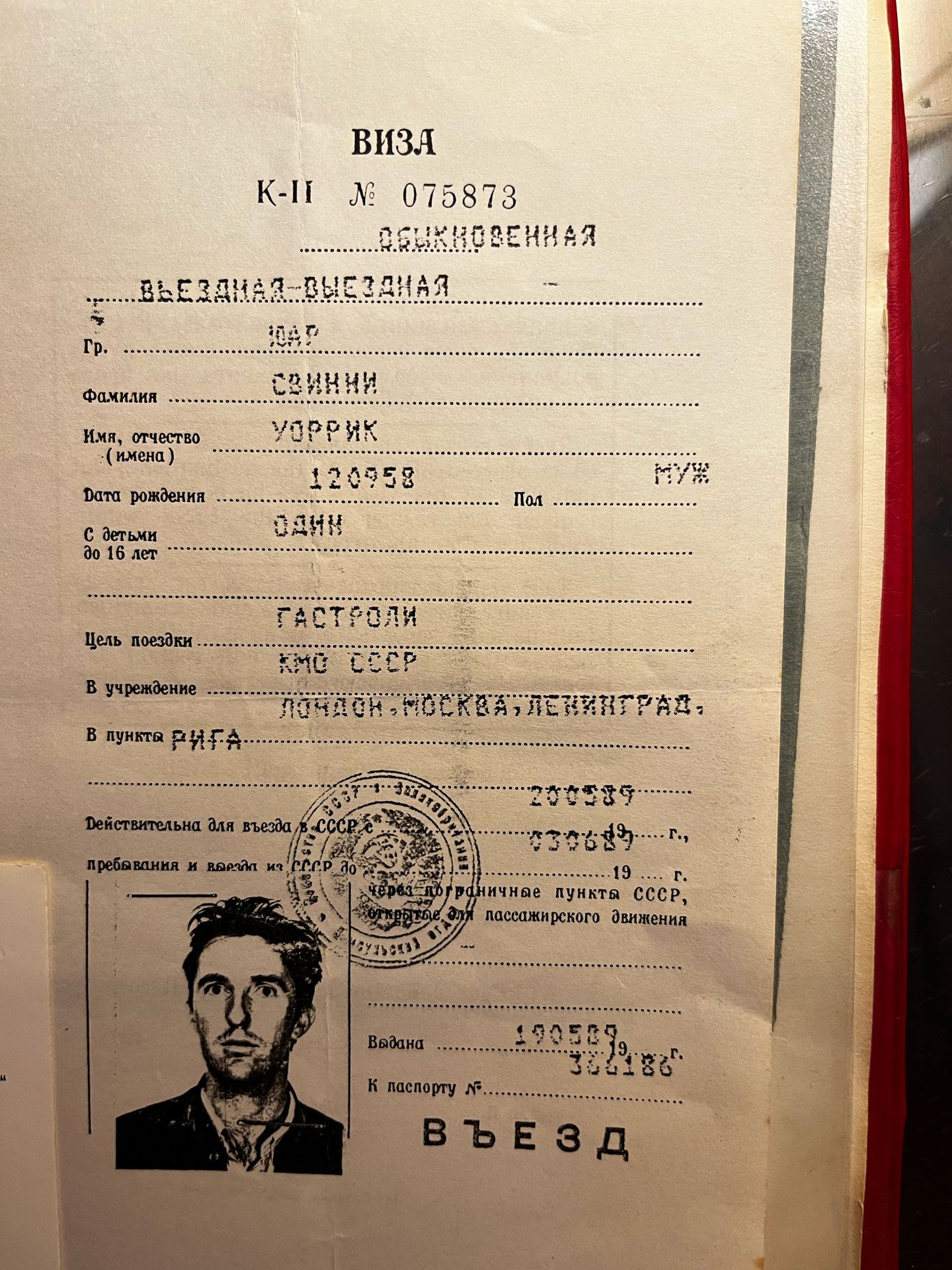
Two years after the East Berlin concert, Cutler was contacted by, and facilitated my playing at, a political music festival in the Soviet Union titled “Independent Musicians for South Africa.” It was a concert of alternative, political music organised by Sasha Komarov and included Chris Cutler’s band Cassiber as well as ex-Cow guitarist Fred Frith’s band Keep the Dog. According to journalist Alex Kan,[36] Alex Kan “Back In The USSR” in Cassiber 1982-1992_Chris Cutler editor. the invitation of the Kalahari Surfers was a significant, indeed indispensable, part of the package, since everything had been organised through the KMO (Committee of Youth Organisations), itself a subsidiary of the omnipotent Komsomol (Youth Communist Union). For Komsomol, the Kalahari Surfers had been the clincher. Coming from apartheid-torn South Africa, they were one of the most politically radical musical forces in that country – so troublesome that there was no South African pressing plant that would press their albums (EMI declared them “too political”) and it was this clearly progressive status that allowed the tour be advertised as ‘Independent Musicians for South Africa’ and therefore legitimate the KMO’s initiative to support it in the name of Soviet bureaucracy’s pet formula: ‘political expediency’ – allowing them to release a considerable chunk of their budget to a little known bunch of musicians playing weird and not very user-friendly music.
The Aeroflot flight to Moscow in May 1989 was memorable for me because the seats faced each other, like on a train, so the entire journey was spent staring at the passengers opposite. With my back to the cockpit, I had the uneasy feeling of moving backwards throughout the trip — like Billy Pilgrim in Kurt Vonnegut’s Slaughterhouse Five, watching events in reverse.
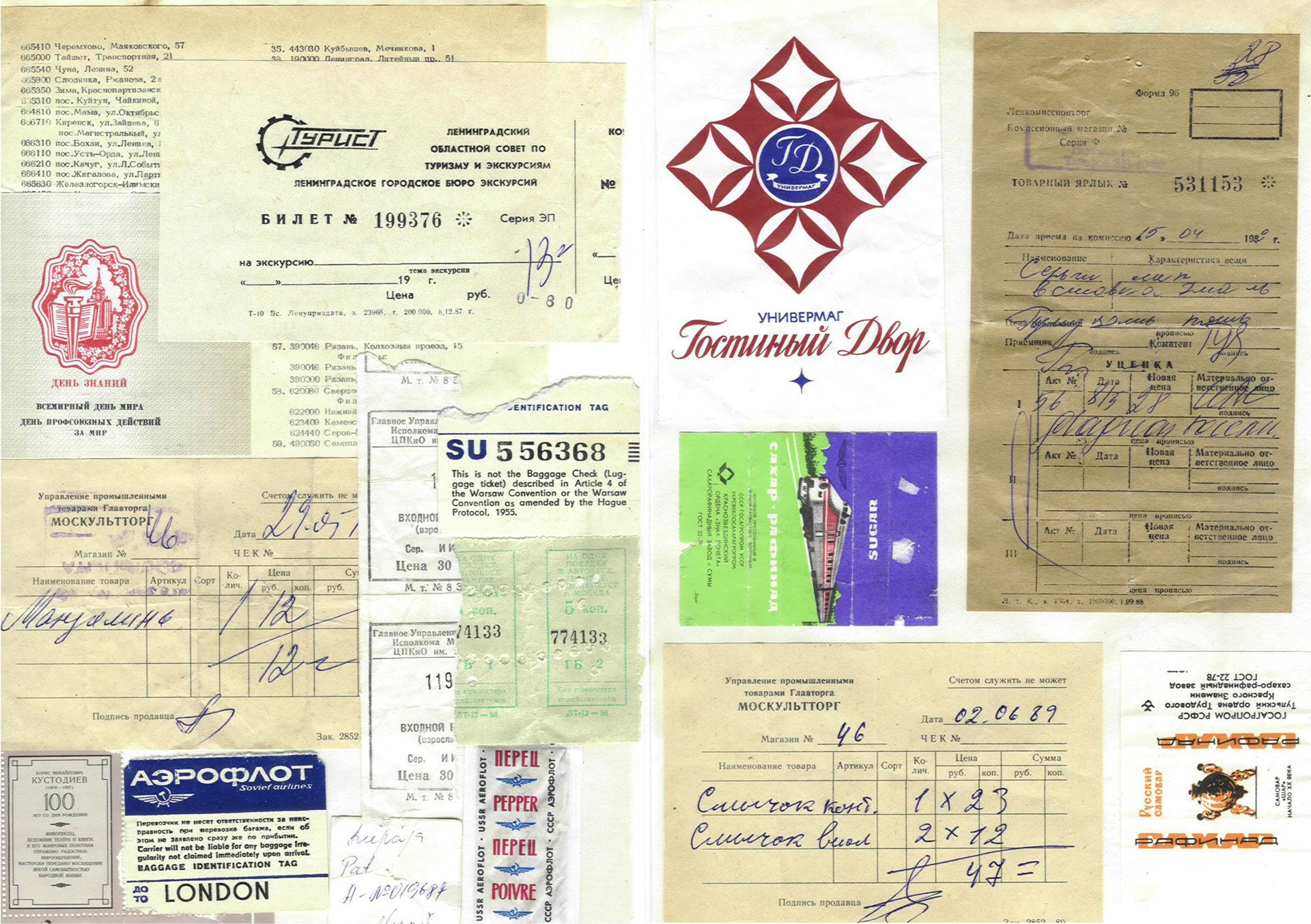
At Sheremetyevo airport, we were met by festival organisers, young people with long hair and plastic lanyards around their necks. The lifelong propaganda I had been subjected to was immediately exposed as absurd. I stood amongst my government’s ‘enemies’, who shared our interests: music, art, literature, and having a drink whilst talking with friends.
The concert was at the Palace of Youth — Dvoréts Molodiozhi — a new building of 1,800 seats, which had only been completed the year before. A poster in the hotel lobby listed the bill: Cassiber, the ANC Cultural Group AMANDLA, Dzhungli, Fred Frith’s Keep the Dog, Ne Zhdali, Vezhlivyj Otkaz, the Kalahari Surfers, Christoph Anders solo, Zvuki Mu. Fred Frith and Chris Cutler were also listed for a duo concert two nights later at the Palace of Culture.
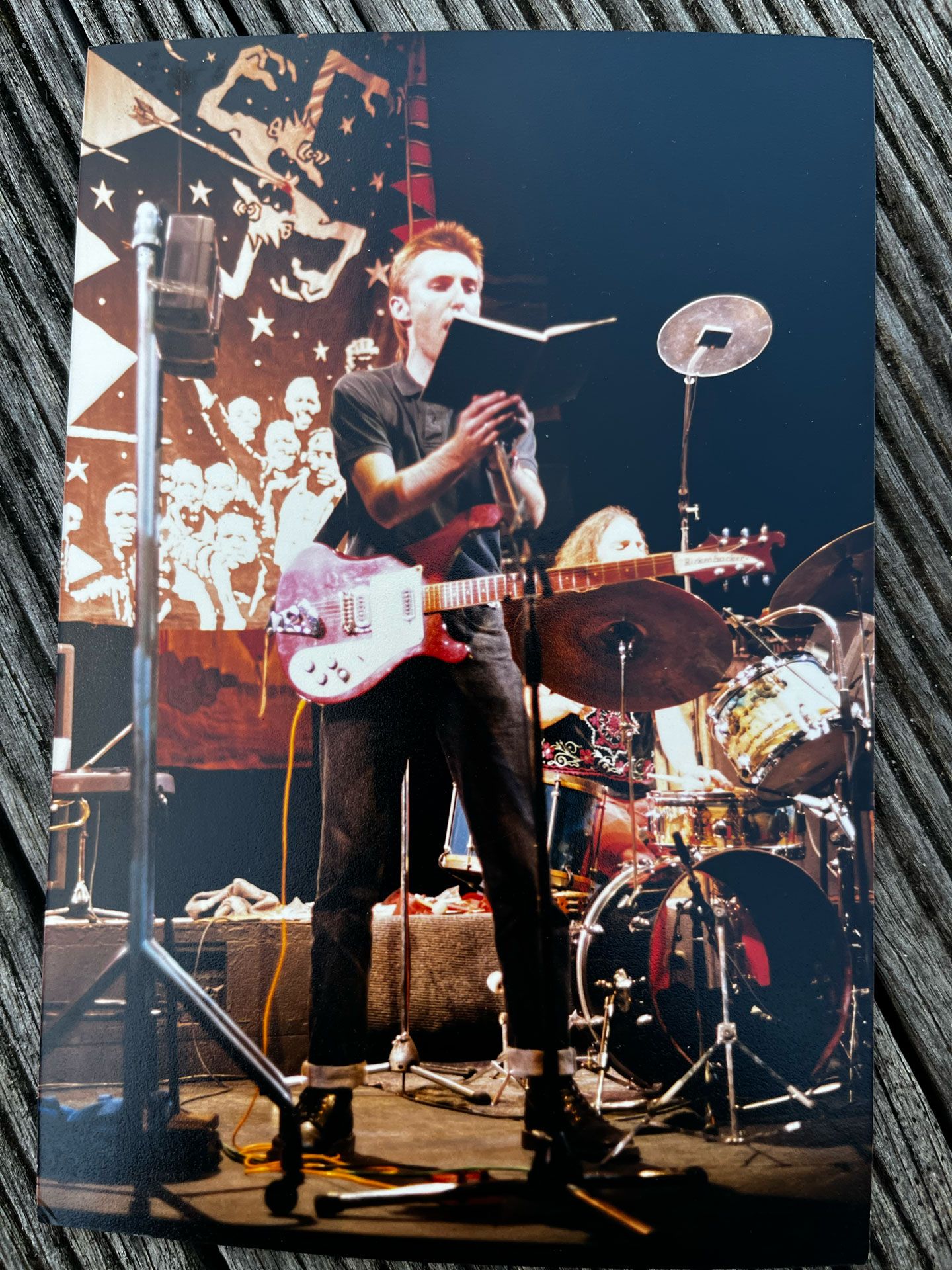
Italian music journalist Alessandro Achilli was sitting in the front row and recorded the entire concert onto a cassette machine. The set started off tamely and gathered momentum as we picked up confidence. We played a selection from my three Recommended releases, building to a pacey medley and to what I think was one of the best performances of the band.[37]The concert can be heard here: kalaharisurfer
Cutler, of inexhaustible energy and organisational ability, was playing in two other acts on the same festival, yet still found time to sort the logistics and keep everything moving. The USSR Kalahari Surfers band included both Cutler and Tim Hodgkinson from Henry Cow, as well as Maggie Thomas, who took charge of our sound needs, which were quite complex due to cassette-tape manipulations and constant instrument-swapping. Hodgkinson played saxophone, keyboards, and an electric lap-steel guitar run through what he called a ‘shitifier’; a chain of homemade distortion pedals. He was a handy and supremely skilled musician. In East Berlin he held the audience in sustained tension, blowing a single long note on his saxophone, using circular breathing, for the entire duration of an emergency guitar-string change.
Like in East Berlin, translated lyrics were projected onto a screen, and questions afterwards revolved around the situation in South Africa and how it compared to the Soviet Union.
The Russian band Zvuki Mu were the headline act of our concert at the Palace of Culture; they were a sort of Russian Joy Division, with a Kafkaesque vocalist who worked powerfully with body and mime. Their album had been produced by Brian Eno, and they gave me a signed copy.[38]A good overview of rock music in the eastern bloc is here on Detailedpedia: detailedpedia I even saw Frank Zappa in the audience. Russia was the flavour of the year.
After the concert, a small contingent of African students invited me to join their table. We talked about music and politics, and the inevitable pros and cons of the Soviet system: the cigarettes, the freezing winters, the drabness and lack of luxury goods, but also the fact that no-one starved or lacked medical care. A Ghanaian student told me how he had been kidnapped by a taxi driver convinced he was carrying American dollars, driven to a desolate car park, searched, and then abandoned. ‘So much for communism,’ he said. ‘I don’t think I’ve met an actual communist the entire time I’ve been here.’
“Me too,” I answered. “In fact, I think the only communists here are in my band.”
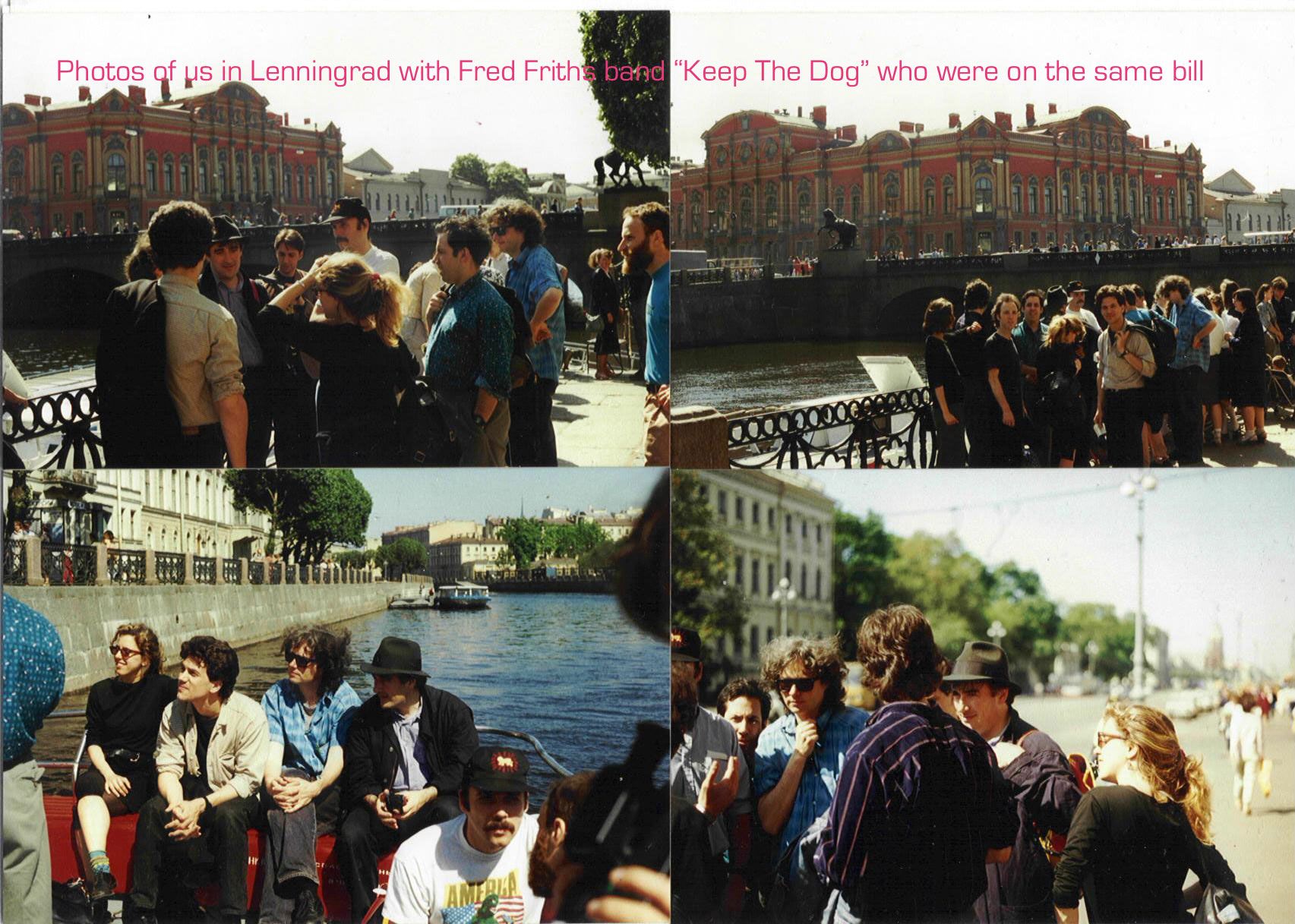
Two nights later, I watched Cutler and Frith play an improvised forty-minute set. Cutler played his extended electrified kit, with attached objects and electronic augmentations, and Frith played his prepared guitars and violin. Their understanding of each other, built over twenty years of musical acquaintance, was close to metaphysical: starts and stops, dynamic synchrony that seemed tightly scored without being written down at all. The composition evolved during the performance and, you felt, was as much a surprise to the performers as to the audience. This is the mechanism Cutler had described in his writing; the automated intelligence of trained reflex, the paradox of controlled chaos — but here it was alive, in a room in Moscow, in 1989, the year of Glasnost, the year the whole edifice would begin to crack.
A few months after my concerts, another, more mainstream rock concert took place and featured heavy rock music by Bon Jovi, Mötley Crüe, Uriah Heep, The Scorpions, and Ozzy Osbourne. Things were happening in the Soviet Union.
Exit strategy
As I strapped into my return Aeroflot seat, I sat uncomfortably with all my hand luggage, bought with the mountain of roubles I had changed in the lift. I thought of coming back through Jan Smuts airport, and though there was little evidence that I had been behind the Iron Curtain, I was concerned that customs might search me. What would they make of all my Russian LPs covered in Cyrillic, the cheap Russian camera with only Russian instructions, the accordion, cello bow, and the weird, marbled green pair of swimming flippers? I thought back to the extraordinary social experiments evident in the USSR as much as in South Africa. I was struck by the similarities and differences. The break-up of the Soviet system was unfolding while I was there. I watched the whole Tiananmen Square event in the lounge of the Komsomol hotel. This must have given people an inexorable sense of imminent change. The young people of rebellious spirit were talking of freedoms different from ours. Theirs was the freedom to worship a God, the freedom to make money, and the freedom to live in the space of their choosing, even if it meant dividing their country into homelands.
This was the exact opposite of what was happening in South Africa. We were trying to bring all the former homelands under one united South Africa. Separate development was the core of apartheid philosophy and needed to be removed from our statutes. I had many discussions with Russians about this. Here were people moving towards “democracy”, away from Socialism—or rather Leninism—whereas we still had the overtures of a Socialism moving away from National Socialism. I tried to explain that many had died or been imprisoned merely for being communists in our country. As a rebellious youth in Russia, you would become a Christian and wear a pendant with a picture of the last tsar around your neck. A conspicuously rebellious youth in South Africa might wear a lapel badge sporting a picture of Lenin. The Russians never got their democracy and we never got our socialism. Another of God’s curve balls.
I had inadvertently returned to Johannesburg on June 16th, the unofficial commemoration of the 1976 Soweto uprising. It was a big day on the South African calendar, but obviously unacknowledged by the state. My girlfriend was waiting for me in a red velvet dress. She told me that there was a general stay-away and that things in the city were tense. The streets were deserted except for police vehicles. I felt a familiar heaviness descend on my shoulders. The incredible heaviness of being: a flip side of the Milan Kundera metaphor. All police states have the same ideological apparatuses. In South Africa, the same little big-men are waiting for you to slip from the covers. Waiting and ready to crush, push, beat, and jail. Building barricades against a future that’s rushing towards them, like a tightly sealed bullet train that they’re realising they cannot stop.
Cow, Bears and Surfers
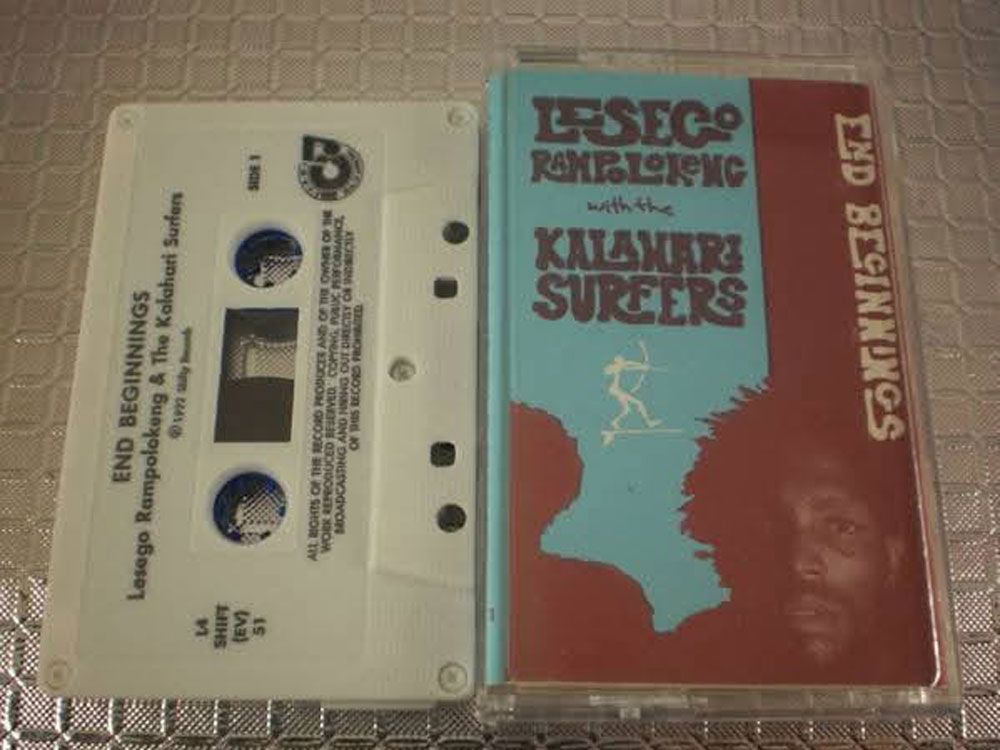
In 1990, Cutler released an album I made with Sowetan poet Lesego Rampolokeng titled End Beginnings, which led to some concerts a few years later in Belo Horizonte, Brazil, but with the collapse of apartheid and a whole new frontier in technology, my attention shifted towards instrumental electronic music and a kind of freedom from polemic. Cutler continued releasing albums through his now consolidated ReR Megacorp. The label continued its core “Rock in Opposition” adjacent artists, including releases of improvisations with Fred Frith, as mentioned earlier.
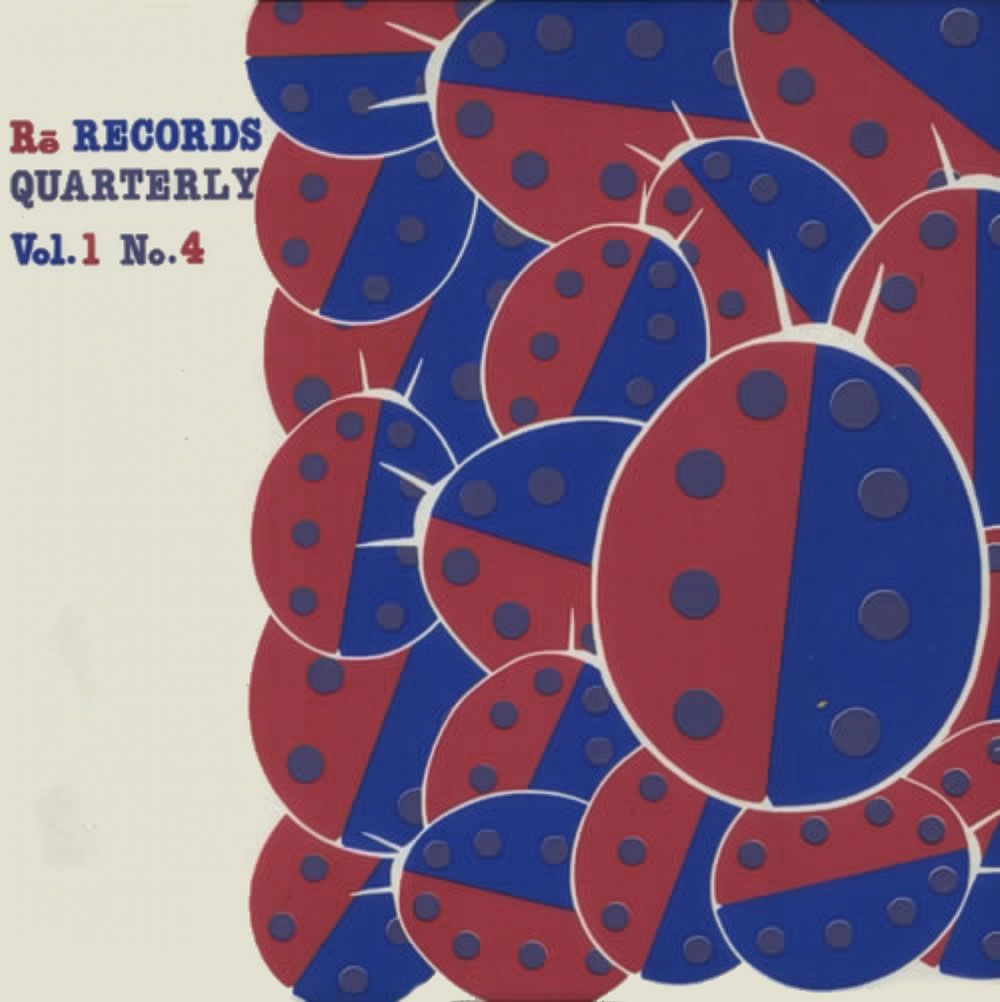
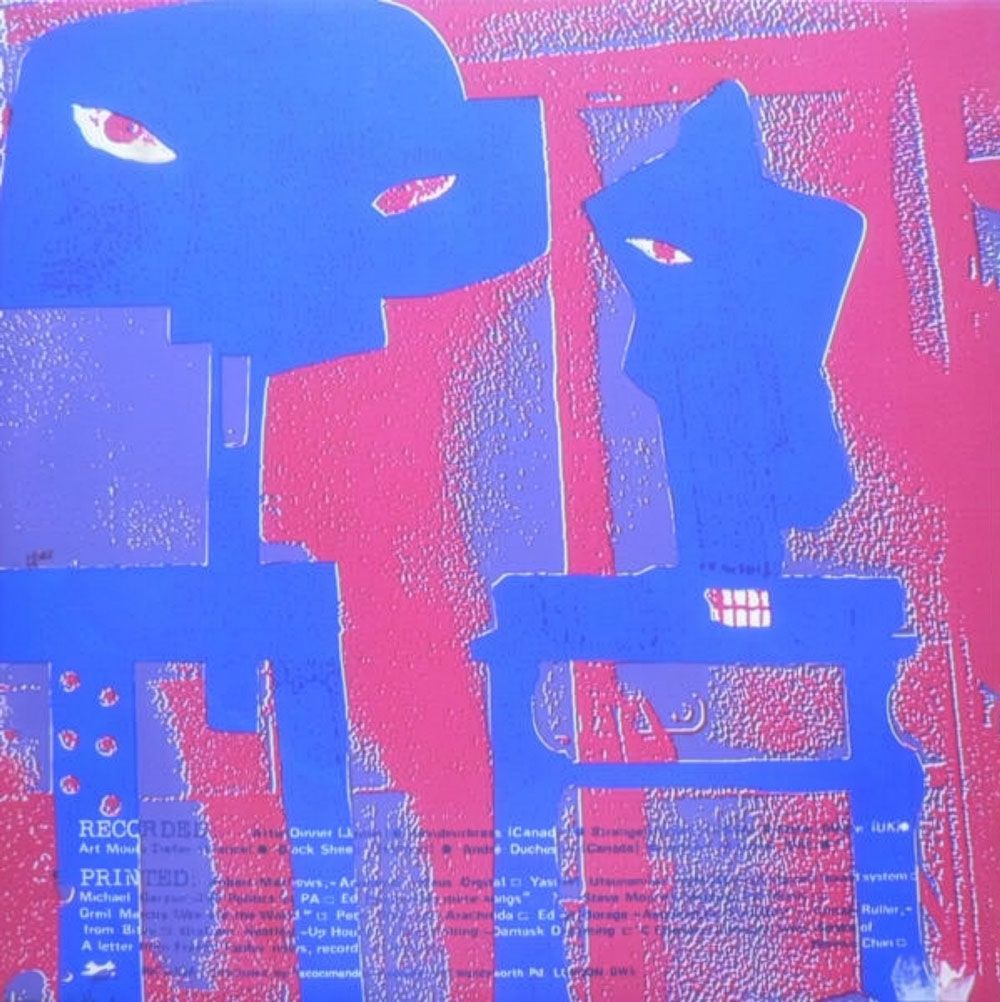
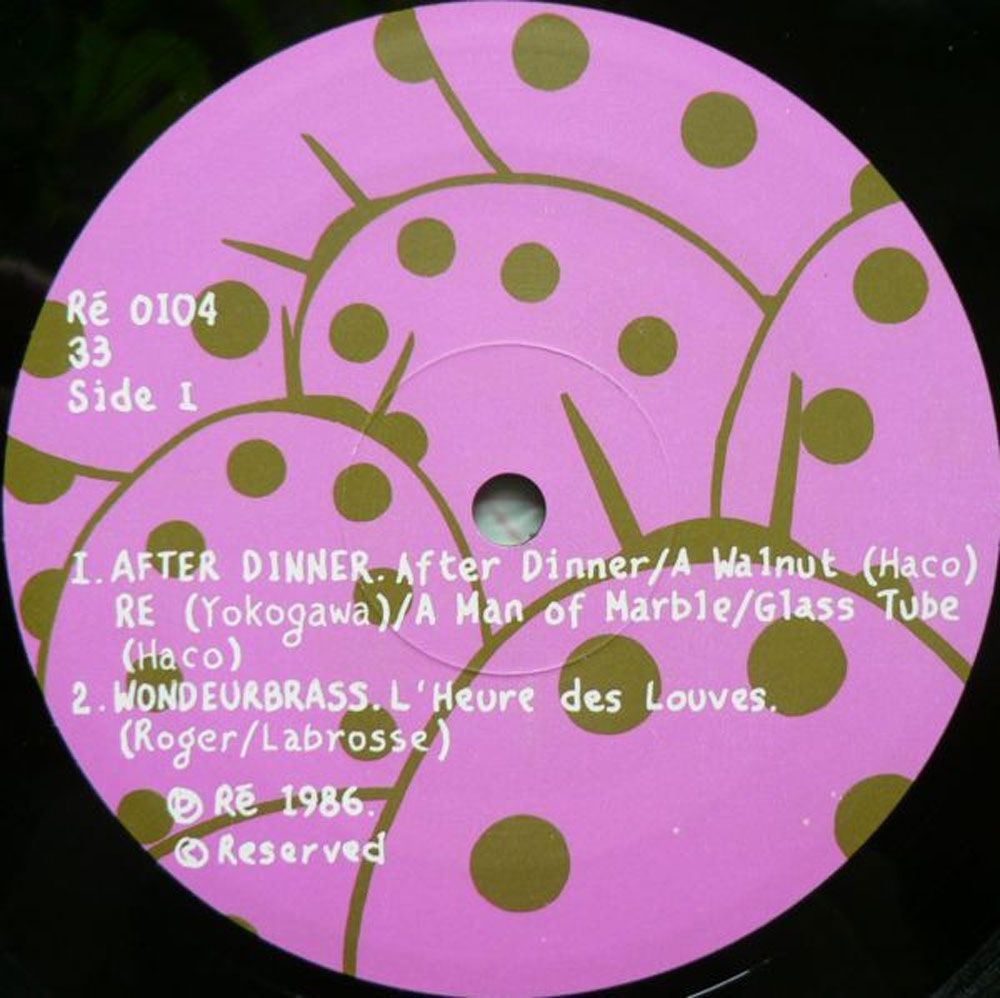
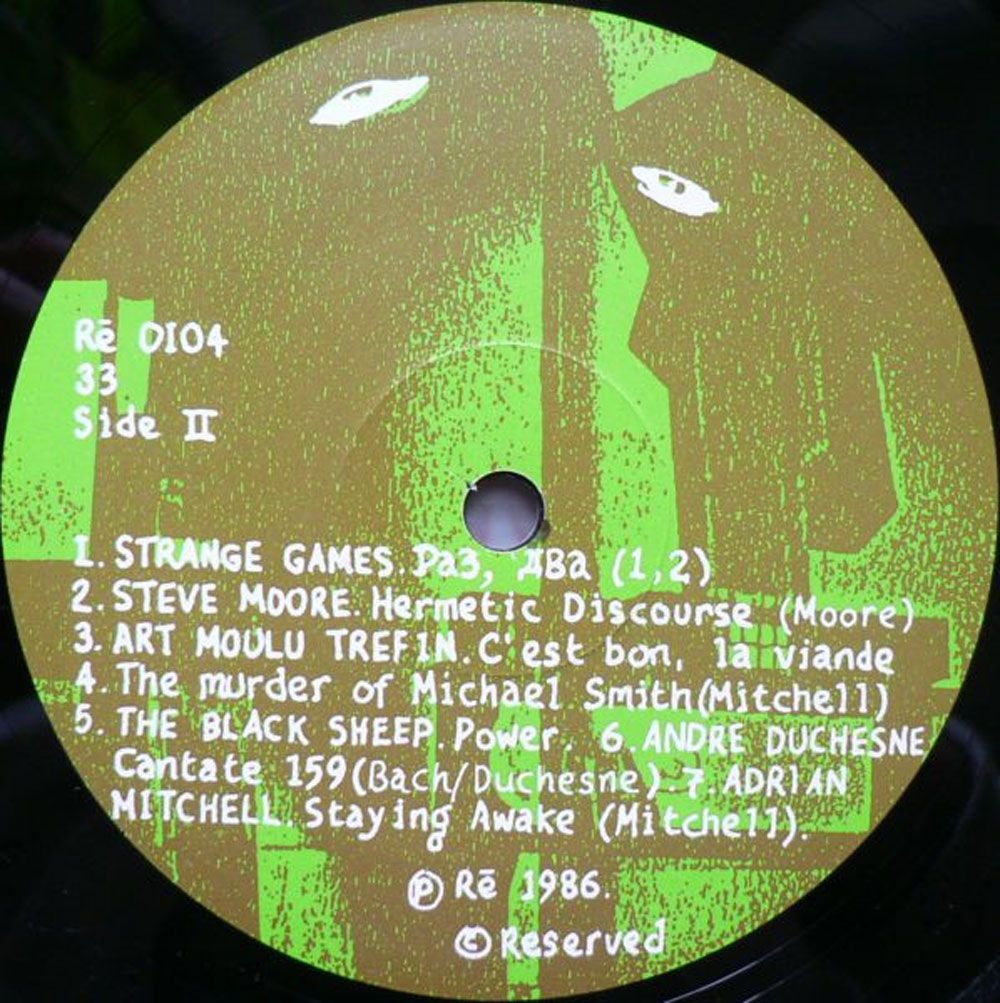
The RēR Quarterly[39]The ReR Quarterly was a huge undertaking: a compilation LP of a selection of new music Cutler had come across or interesting live performances, coupled with an A4-size magazine that comprised articles by a variety of authors, from music writing and sound studies to poetry, reviews, critical theory, and even artwork, drawings, and poetry. sound-magazine series, which began in the mid-1980s consisted of an LP of previously unreleased music and an accompanying journal. The Quarterly continued (onto CD) through to 1997, its thirteenth and final issue. The Australian trio The Necks became an ReR mainstay during this period and the “These Records” sublabel, spun off as a workers’ collective, handled reissues and related projects in the early-to-mid ’90s, including This Heat’s catalogue.
The 2000s saw Cutler branch out into the wider realm of sound studies, drawing theory from his practice as a drummer who didn’t read music and relied on and developed memory. Memory occupied centre stage in his thinking, particularly in improvisation, where it is intuition, a muscle reflex unreliant on mnemonic technologies such as writing and sound recording, which began as aids to biological memory but eventually evolved into replacements for neural abilities. On recorded sound, Cutler extends Evan Eisenberg’s idea of music as a thing (2005), as he writes in the preface to his essay on Plunderphonics:
Until 1877, sound was a thing predicated on its own immediate disappearance. Today, it is increasingly an object that will outlast its makers and consumers. As it declines to disappear, it causes a great weight of dead music to press upon the living. What to do with it? An organic response has been to recycle, an answer strenuously resisted by traditional music thinking. Yet plagiarism, once rejected as insupportable, has today emerged both as a standard procedure and a consciously self-reflexive activity, raising vexed debates about ownership, originality, copyright, skill and cultural exhaustion. This essay attempts to sketch the history of plunderphonics and relate it to the paradigm shift initiated by the advent of sound recording. (Cutler 2020.3)
The notion of these huge garbage dumps of sound, “a great weight of dead music”, is something we’re only beginning to fully comprehend with the advent of AI spam music, which floods streaming platforms at a rate of tens of thousands of songs per day. Spotify alone removed 75 million songs in the year 2025[40]See: Spotify removes 75m spam tracks in past year as AI increases ability to make fake music theguardian
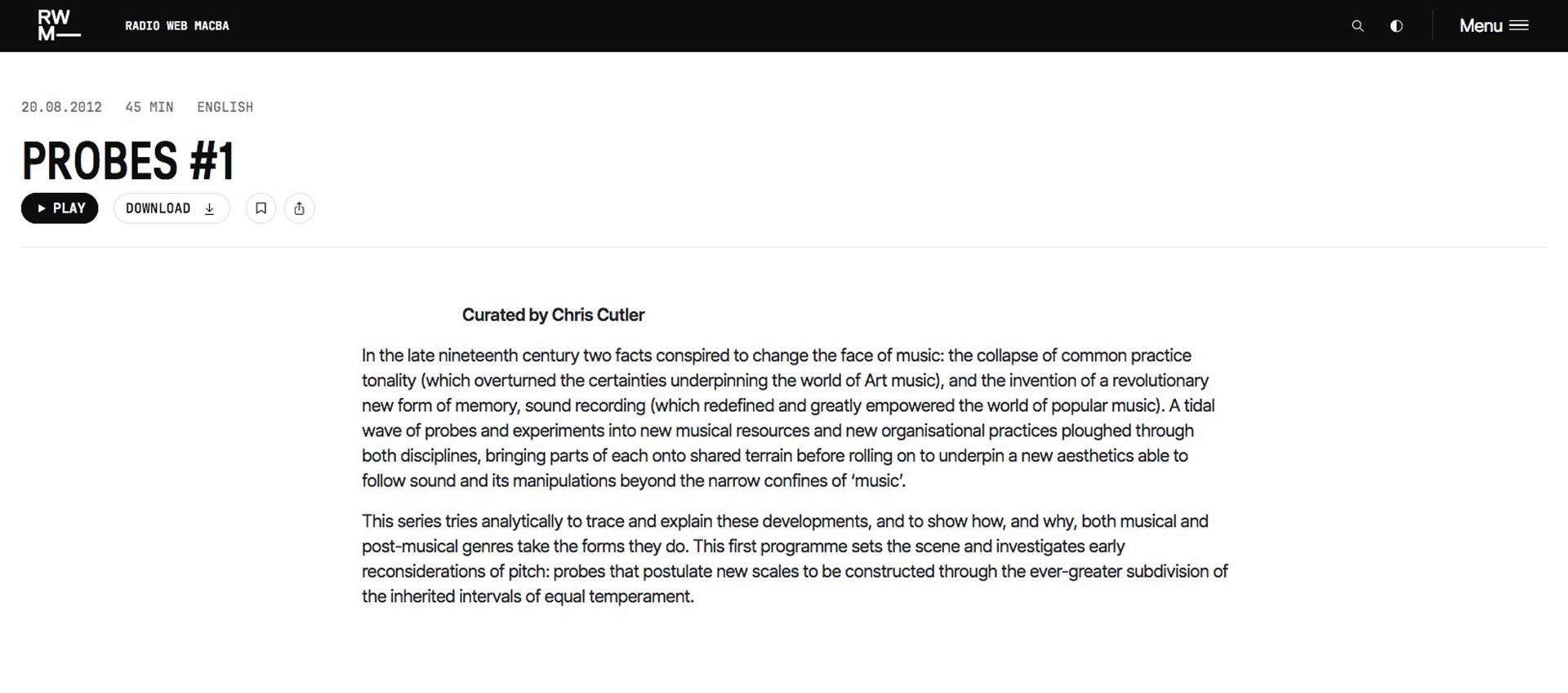
Conversely, the amount of music played and discussed in Cutler’s long-running podcast-style series, Probes, is worth considering, as much of it is difficult to find, was until now undigitised, and comes from Cutler’s own archive and extensive collection. Probes is best described as a curated audio essay/lecture series with accompanying music selections, produced for Radio Web MACBA (the online radio project of the Museu d’Art Contemporani de Barcelona). Closer to a serialised analytical broadcast than a conversational podcast, each episode pairs Cutler’s spoken analysis with illustrative recordings, and several episodes have published transcripts and PDF companion documents. The project traces parallel histories of art-music’s break with tonality and popular music’s transformation through the advent of recording technology. Using spoken analysis interleaved with curated musical examples, Probes is essentially a 37-part audio lecture series on the roots of 20th/21st-century experimental and “post-musical” sound practices.[41]Probes can be heard here: rwm.macba
The last time I ascended a tube station in London was in February 2010, on my way from a meeting with Cutler and Tim Hodgkinson, whilst taking time out from a series of concerts I was performing in the UK[42]This was the African Soul Rebels Tour in 2010 with Oumou Sangare of Mali and Benin’s Orchestre Poly-Rythmo De Cotonou bit.ly/. Under my arm was a recent-ish release from Cutler. It has become one of my favourites of his projects and one I return to often, but strangely enough, not to listen to per se, but to reference or meditate on; to bask in the aura of both written and sonic, it is so vast an undertaking: Baku: Symphony of Sirens, was released in 2008 and the object I held was a 72-page clothbound book with two CDs fitted to the back cover. It was edited/compiled by Spanish researcher Miguel Molina Alarcón, with Chris Cutler serving as editor for the ReR edition. The subtitle gives the real scope: original documents and reconstructions of 72 key works of music, poetry, and agitprop from the Russian/Soviet avant-gardes, spanning roughly 1908-1942.The first disc is built around a modern reconstruction of Arseni Avraamov’s 1922 Symphony of Sirens, a famous Baku event that turned factory sirens, ships’ horns, artillery, military bands, and choirs into a city-wide sound piece celebrating the revolution — alongside dozens of shorter reconstructed pieces by figures like Mossolov and Prokofiev.
The second disc centers on Dziga Vertov’s 1930 sound film score Enthusiasm: Symphony of the Donbass, an early and remarkable piece of documentary sound design built from recordings of mines, factories, and furnaces, plus a collection of original spoken-word recordings from the period featuring voices like Mayakovsky, Khlebnikov, Akhmatova, Pasternak, Mandelstam, Shostakovich, Lenin, Trotsky, and Lunacharsky, among others. Contextually, it sits squarely within ReR’s longstanding interest in the intersection of early-20th-century sonic experimentation and revolutionary politics. Reviewer Andy Wilson noted it’s fitting that Cutler’s label would be behind this, given Henry Cow’s own history of connecting art with broader political issues. Given my own experience of later Soviet culture whilst touring under glasnost, this release is a useful adjacent reference point, documenting the artistic-political fusion of an earlier Soviet moment; one that the 1989 tour’s hosts would have inherited as cultural memory.
The Blue Note
It was slightly disingenuous of me to drop the name of Mongezi Feza into my conversation with Wally Serote on the park bench in 1986, but I felt he was the closest link to something political and South African, and a tenuous common connection between Serote, myself, and the Recommended Records operation. Feza had already died by the time I’d heard his playing the Henry Cow albums and on Robert Wyatt’s Ruth is Stranger than Richard album.
Feza’s song Sonia is built around a wonderful looping marabi-style bass/piano riff with a melody picked up by in the brass section. His solo befits Wyatt’s description: “Mongezi had a bright, hard, sharp, intelligent trumpet playing which had no bullshit in it. The way he played was very non-self-indulgent, although he could play very extended stuff. What he did was totally focused.” Wyatt, who was in hospital himself at the time when he heard of Feza’s succumbing to double pneumonia at the Epsom Hospital in South West London, said of him:
Mongezi’s death had a very dramatic effect on me. The nature of his death was really that he had come to England thinking that he had escaped the tyranny of racism, but of course in coming to England he came to the mother and father of apartheid. And although in England we don’t have official racism it’s very difficult for a non-white person to adjust. In his case he had to go to a mental hospital where he was considered schizophrenic, and while he was in hospital he died quite suddenly of double pneumonia. It’s extraordinary, it’s not necessary for a young man to die when he’s already in the hospital of double pneumonia. I have a feeling that if it had been Prince Charles that he would not have died, or quite simply if he had been white he would not have died. I think that gave me a strong push towards a sense of political urgency[43]From Michael King’s book on Robert Wyatt, Wrong Movements (1994).
In a recent conversation with Cutler[44]We had a Zoom chat on 19 May 2026. , I asked about Feza and if any other exiles played or jammed with them. He said that he remembers meeting Feza, Louis Moholo and Dudu Pukwana while they were recording at the Manor in the early 1970s and that he thought Mongezi joined them onstage at a concert at the Rainbow; “we invited a whole bunch of wind-players, and I’m pretty sure he was one of them.” We chatted about Robert Wyatt working with him, and politics, and politics in music.
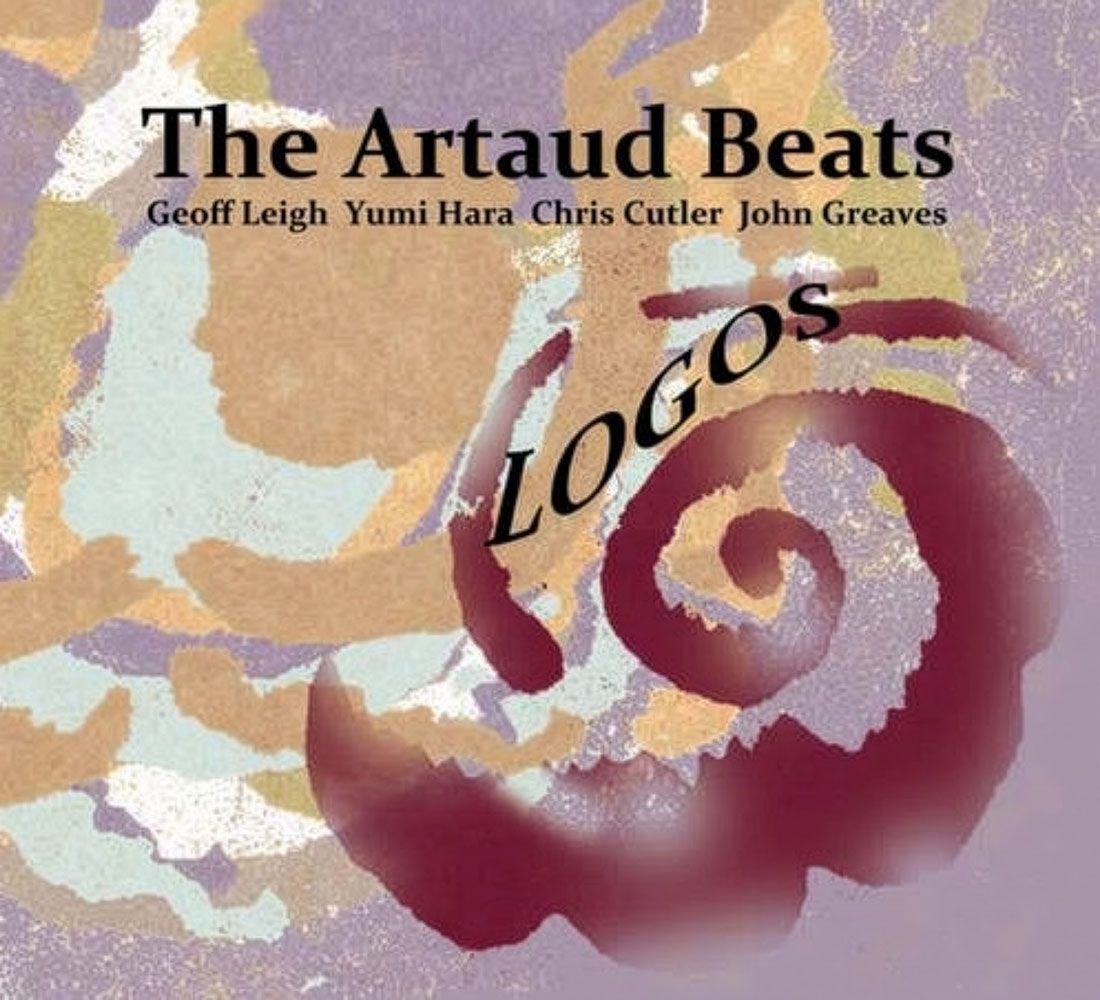
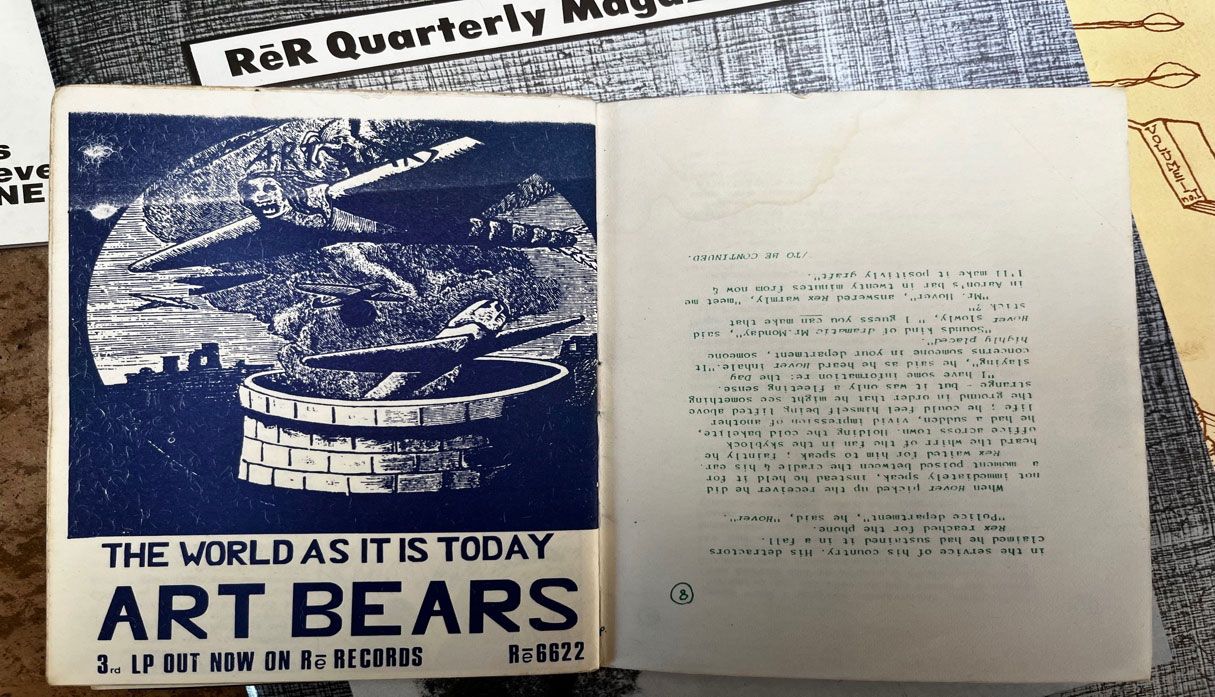
Speaking from a small room packed with boxes of books and CDs in his inherited house in Kent, south-east of London, he said that he wasn’t playing and recording as much as he’d like to and that live music opportunities hadn’t got back to pre-COVID, pre-Brexit levels. We hadn’t really spoken since a meeting in Berlin in 2022, and it was a pleasure to chat about music and movies and books; we had common ground in having recently read Cixin Liu’s The Three-Body Problem, a fascinating Chinese science fiction epic. I asked if I could use his lyrics to end this essay. The song is titled The Song of Investment Capital Overseas and, as I pointed out, could have been written today given the scale of atrocities committed by the various armies of the world’s most powerful nations. It is the opening track of the Art Bears’ third and final LP, The World As It Is Today (1981):
Out of town, my work takes me
Out of town
I empty villages
I burn their houses down
I set up factories
Lay out plantations
And bring prosperity to
The poorer nations.
Cutler and Frith Live in Moscow: chriscutlerfredfrith
Cassiber: cassiber
Beat!Apartheid : piranha
Chris Cutler: Box Set chriscutler2
Chris Cutler: Solo – chriscutler2
Chirs Cutler: Twice Around The World chriscutler2
Cutler: It makes Sense to Me chriscutler2
Henry Cow Discography: henrycow2
Althusser, Louis. “Ideology Interpellates Individuals as Subjects.” Marxists.org. [fn9]
Benjamin, Walter. One-Way Street, p. 95. [fn1]
Benjamin, Walter. “Unpacking My Library: A Talk about Book Collecting” (1931). In Selected Writings: Volume 2, Part 2, 1931–1934, ed. Michael W. Jennings, 486–87. Cambridge, MA: Belknap Press of Harvard University Press, 1999. [fn6]
Boisen, Myles. “Henry Cow” (biography). AllMusic. [fn17]
Branson, Richard. “The Album That Transformed My Life and Kickstarted the Virgin Brand.” Virgin.com blog. [fn13]
Dee, E. “Squatted Social Centres in London: Temporary Nodes of Resistance to Capitalism.” The Multidisciplinary Journal of Social Protest 4, no. 1–2 (2016): 109–127. [fn25]
Dick, Philip K. Do Androids Dream of Electric Sheep?, Ch. 6. 1968. [fn5]
Drewett, Michael, and Martin Cloonan, eds. Music Censorship South Africa. Ashgate Publishing, 2006. (Ch. 2, “The Cultural Boycott against Apartheid South Africa: A Case of Defensible Censorship?”) [fn3]
Hughes, Crispin. “The Battle of Pullens, June 1986.” crispinhughes.co.uk, 2018. [fn31]
Kan, Alex. “Back in the USSR.” In Cassiber 1982–1992, ed. Chris Cutler. [fn36]
King, Michael. Wrong Movements: A Robert Wyatt History. 1994. [fn43]
Logos-World. “Virgin Logo.” [fn20]
Mohr, Tim. Burning Down the Haus: Punk Rock, Revolution, and the Fall of the Berlin Wall. Chapel Hill, 2018. [fn34]
Piekut, Benjamin. Henry Cow: The World Is a Problem. Duke University Press, 2019. [fn15; cited again as “ibid” at fn22, and via in-text page cites at “(Piekut.101)” and “(2019.P471)”]
Piekut, Benjamin, with Chris Cutler. “The Multiple Politics of Henry Cow.” Ch. 5 in Red Strains: Music and Communism outside the Communist Bloc, ed. Robert Adlington. Oxford University Press for the British Academy, 2013. (Also on ResearchGate.) [fn21]
Rees, Rick. “Chris Cutler and Maggie Thomas Interview on Henry Cow, Magma and Meeting Giorgio Gomelsky.” Substack, 14 March 2024. [fn27]
Reynolds, Simon. Rip It Up and Start Again: Postpunk 1978–1984. 2005. [fn4]
Reynolds, Simon. “Shaping the ’70s: Simon Draper and the Story of Virgin Records.” Red Bull Music Academy, 12 October 2017. [fn14, repeated at fn19]
Sony, Warrick. Signal to Noise (doctoral thesis), Ch. 6, “Sealed Trains and the Palisades of Culture.” 2022. [fn35]
The Guardian. “Spotify Removes 75m Spam Tracks in Past Year as AI Increases Ability to Make Fake Music.” 25 September 2025. [fn40]
“The Co-operative Bank.” [fn28]
Wright, Patrick. “Resist Me, Make Me Strong: On Chris Cutler.” The Guardian (Weekend section), 11 November 1995. [fn18]
Cutler, Chris. Symposium transcript, Uplink Factory, Shibuya, Tokyo, 10 June 1998; published in Japanese translation, Eureka, December 1998. [fn23]
“Rock Music and the Fall of Communism.” [fn38]
Henry Cow, Legend (1973) — Bandcamp [fn11]
Henry Cow, “War” (track, In Praise of Learning) and Desperate Straights (with Slapp Happy) — Bandcamp [fn16]
BBC Four, Tubular Bells: The Mike Oldfield Story (documentary) [fn12]
Officer! — discography via Discogs [fn29]
Family Fodder — discography via Discogs [fn30]
Various Artists, Beat! Apartheid (Piranha Records, PIR001, 1987) [fn33 — same link repeated in the essay’s own closing Discography list]
Kalahari Surfers, Live in Moscow: Dvoréts Molodiozhi, 28 May 1989 [fn37 — also in closing Discography list]
Cutler, Chris. Probes (audio essay series), Radio Web MACBA [fn41]
From the essay’s existing closing list (not footnoted, included for completeness): Cutler/Frith, Live in Moscow; Cassiber, Man or Monkey; Chris Cutler, Box Recordings 1972–2022 Vol. 10; Chris Cutler, Solo; Chris Cutler, Twice Around the Earth; Cutler, It Makes Sense to Me; Henry Cow full Bandcamp discography.
YouTube — video of the Recommended Records shop [fn7]
com — Bing Selfish artist site [fn32]
African Soul Rebels Tour 2010 link [fn42]
Personal interview/Zoom conversation with Chris Cutler, 19 May 2026 [fn44]
| 1. | ↑ | Walter Benjamin. 1928. One-Way Street . Verso 2021.p72. |
| 2. | ↑ | Feza, exiled from South Africa with the jazz group Blue Notes in 1964 was a trumpeter who played with various jazz and rock groups such as Brotherhood of Breath, Assagai, Robert Wyatt, Henry Cow and Robert Palmer (with Little Feat on the 1975 album Pressure Drop.) |
| 3. | ↑ | see Drewett’s piece in Chapter 2 of Music Censorship South Africa (2006) titled: The Cultural Boycott against Apartheid South Africa: A Case of Defensible Censorship? Music Censorship South Africa (2006) Michael Drewett & Martin Cloonan (eds) Ashgate Publishing Limited |
| 4. | ↑ | See Simon Reynolds’ great book: Rip It Up and Start Again: Postpunk 1978–1984 (2005) . |
| 5. | ↑ | Kipple is useless objects, like junk mail or match folders after you use the last match or gum wrappers or yesterday’s homeopape. When nobody’s around, kipple reproduces itself. For instance, if you go to bed leaving any kipple around your apartment, when you wake up the next morning there’s twice as much of it. It always gets more and more….no one can win against kipple” Excerpt From Chapter 6. Do Androids Dream of Electric Sheep? 1968 Philip K. Dick |
| 6. | ↑ | “Unpacking My Library: A Talk about Book Collecting” (originally titled “Ich packe meine Bibliothek aus. Eine Rede über das Sammeln”) written and published in 1931 this from: Walter Benjamin.Selected Writings: Volume 2, part 2, 1931-1934. Edited by Michael W. Jennings, Cambridge, MA: Bellknap Press of Harvard 1999. Vol2 pt2: (P486-7). Unpacking My Library, A Talk about Collecting |
| 7. | ↑ | there is a video of the shop pretty much as I saw it when I arrived: youtube |
| 8. | ↑ | The boycott on cultural activities made it unattractive for bands to visit South Africa. This stimulated a cover band industry where bands would perform outsider music, knowing there was a small market. For example, I had seen a band play the entire album Foxtrot by Genesis flawlessly. |
| 9. | ↑ | See Althusser’s whole chapter on Marxists.org: Ideology Interpellates Individuals as Subjects marxists |
| 10. | ↑ | The photo was of an artwork by Ray Smith featuring a sock woven from thick acrylic paint threads that emerged from a grey canvas, looking a bit like electrical wire. This alone was a reason to buy the record. Smith apparently allowed them to use the work on the condition that no text appear over it, and it became an extraordinary signifier of the band and their sound, appearing in different forms—a multi coloured, a red sock and thirdly a black sock— were used for the first three Cow releases. |
| 11. | ↑ | Legend can be heard here: henrycow2 |
| 12. | ↑ | Attributed to BBC FOUR: Tubular Bells: The Mike Oldfield Story: (bbc) Some claim Kenny G’s Breathless as having this honour, but it had two vocal tracks on it. He beats Oldfield overall, though, with around 75 million instrumental albums sold to date. |
| 13. | ↑ | Branson: “the album that transformed my life and kickstarted the Virgin brand.” virgin |
| 14. | ↑ | Shaping the ’70s: Simon Draper and the Story of Virgin Records – October 12, 2017 By Simon Reynolds Red Bull Music Academy – October 12, 2017 |
| 15. | ↑ | Piekut, Benjamin. 2019. Henry Cow: The World Is a Problem. Duke University Press. |
| 16. | ↑ | Feza plays on ‘War’, the first track of In Praise of Learning here: henrycow2 And on this album, a merging with a band called Slapp Happy : henrycow2 |
| 17. | ↑ | From a Henry Cow Biography by Myles Boisen for ALLMUSIC allmusic |
| 18. | ↑ | Wright, Patrick. Resist Me, Make Me Strong: On Chris Cutler. Published in the Guardian (Weekend section), 11 November 1995. |
| 19. | ↑ | Shaping the ’70s: Simon Draper and the Story of Virgin Records – October 12, 2017. p12 by Simon Reynolds Red Bull Music Academy – October 12, 2017. |
| 20. | ↑ | From Logos-World website: logos-world |
| 21. | ↑ | See chapter 5: The Multiple Politics of Henry Cow Chris Cutler (in interview with Benjamin Piekut) from Red Strains Music And Communism Outside The Communist Bloc Edited By Robert Adlington Published for the British Academy by Oxford University Press 2013b also: Chapter available through ResearchGate here: researchgate |
| 22. | ↑ | ibid (p 50 |
| 23. | ↑ | Chris Cutler Symposium 10 June 1998, at Uplink Factory, Shibuya, Tokyo. Japanese translation published in Eureka, Dec 1998 issue |
| 24. | ↑ | Sandy Bull an American folk musician, composer, and multi-instrumentalist renowned for blending folk, jazz, classical, Indian, Middle Eastern, and African musical traditions long before “world music” became a recognized genre. A master of numerous stringed instruments, Bull helped shape the American psychedelic folk and rock sounds of the 1960s but remained obscure and a cult influence throughout his career. |
| 25. | ↑ | See: E.Dee. 2016. Squatted Social Centres In London: Temporary Nodes Of Resistance To Capitalism in The Multidisciplinary Journal of Social Protest – Vol. 4 (1-2), pp. 109-127 ISSN 2330-1392 |
| 26. | ↑ | Impresario of the 1960s and 1970s— Producer of Yardbirds, John McLaughlin, Rod Stewart, Gong, Magma and others, as well as owner of the Crawdaddy Club, where the Rolling Stones were the house band for a while. |
| 27. | ↑ | See Rick Rees. MAR 14, 2024: Chris Cutler and Maggie Thomas Interview on Henry Cow, Magma and meeting Giorgio Gomelsky rickrees |
| 28. | ↑ | The bank is still going; according to Wikipedia “The Co-operative Bank is the only UK high street bank with a customer-led ethical policy which is incorporated into the bank’s articles of association.” wikipedia |
| 29. | ↑ | Musical output listed here: discogs |
| 30. | ↑ | Musical output listed here: discogs |
| 31. | ↑ | Pullens Building were the centre for a huge showdown between squatters and the police. See: crispinhughes |
| 32. | ↑ | See: bingselfish |
| 33. | ↑ | Link to the album here: piranha |
| 34. | ↑ | see: Mohr, Tim. Burning Down the Haus: Punk Rock, Revolution, and the Fall of the Berlin Wall. Chapel Hill, 2018. |
| 35. | ↑ | Bits and pieces of this chapter are edited from ‘Sealed Trains and the Palisades of Culture,’ Chapter 6 of Signal to Noise (Warrick Sony, 2022) |
| 36. | ↑ | Alex Kan “Back In The USSR” in Cassiber 1982-1992_Chris Cutler editor. |
| 37. | ↑ | The concert can be heard here: kalaharisurfer |
| 38. | ↑ | A good overview of rock music in the eastern bloc is here on Detailedpedia: detailedpedia |
| 39. | ↑ | The ReR Quarterly was a huge undertaking: a compilation LP of a selection of new music Cutler had come across or interesting live performances, coupled with an A4-size magazine that comprised articles by a variety of authors, from music writing and sound studies to poetry, reviews, critical theory, and even artwork, drawings, and poetry. |
| 40. | ↑ | See: Spotify removes 75m spam tracks in past year as AI increases ability to make fake music theguardian |
| 41. | ↑ | Probes can be heard here: rwm.macba |
| 42. | ↑ | This was the African Soul Rebels Tour in 2010 with Oumou Sangare of Mali and Benin’s Orchestre Poly-Rythmo De Cotonou bit.ly/ |
| 43. | ↑ | From Michael King’s book on Robert Wyatt, Wrong Movements (1994 |
| 44. | ↑ | We had a Zoom chat on 19 May 2026. |