NEITH MOORE
Molecular Fabulations: From Ashes to Algorithms
The concept of decay without mourning generated a conceptual disturbance within my practice of Spatial Fabulations. In dominant Western humanist traditions, the death of a partner is framed as rupture: the loss of an individuated subject whose absence demands symbolic repair. Mourning thus remains tethered to the bounded human self.
Yet in the Anthropocene, where extinction unfolds across species, climates, and infrastructures, this framework falters. Death exceeds the human, circulating through soil, atmosphere, data, and machine. The category of “the human” appears less autonomous than once assumed — now porous, composite, and ecologically entangled. In response, I propose Molecular Fabulations as a speculative lens for rethinking death and decay.
Situated within speculative narrative and spectral ontology, molecular fabulations hold together fabulation and haunting — not to resolve death, but to keep its traces materially and conceptually unsettled. This shift is also scalar.
What dissolves at the level of the organism redistributes at the level of chemistry, atmosphere, and microbial life.
The molecular does not erase singular life but reveals how it is composed through continuous exchanges: breath, minerals, bacterial metabolism, vegetal growth. Molecular fabulation thus re-narrates death as both loss and transformation, directing attention to processes often below perception—oxidation, fermentation, cellular breakdown, mineral dispersal.
Theoretical Constellations: Fabulation, Hauntology & Posthumanism
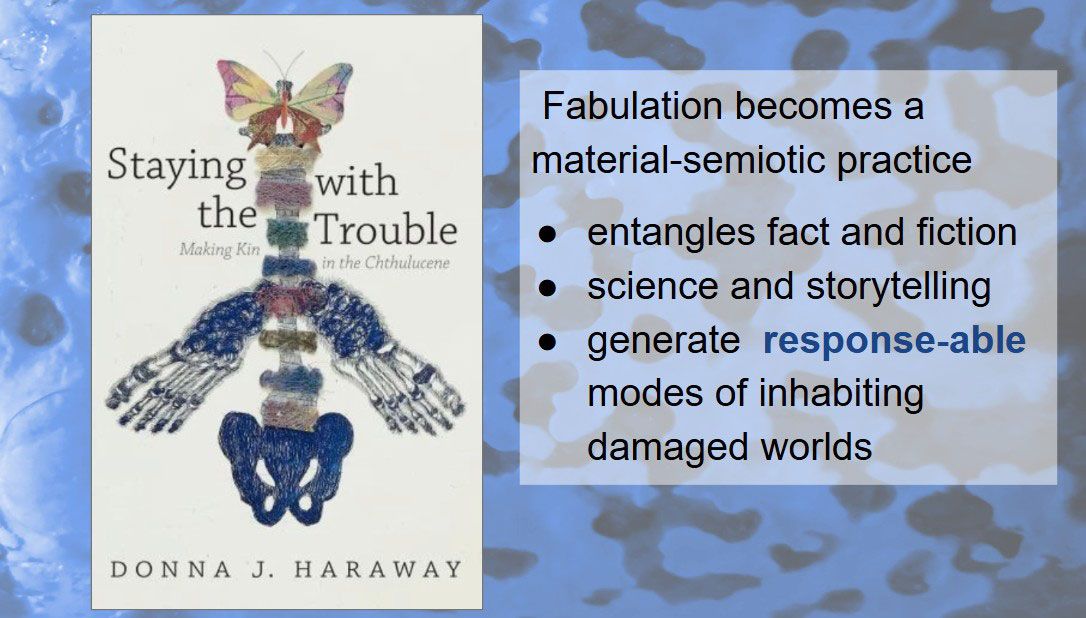
The theoretical framework of speculative fabulation, according to Donna Haraway (2016), is neither fantasy nor escape but a method of worlding: crafting stories that intervene in the present by reconfiguring relations between humans and the more-than-human. Fabulation becomes a material–semiotic practice, entangling fact and fiction, science and storytelling to generate response-able ways of inhabiting damaged worlds, as Karen Barad (2007) suggests. These stories remain embedded within material conditions, asking how life might be reimagined amid ecological precarity. Molecular fabulations extend this gesture toward the scale of cells, spores, and biochemical processes. These are minor material stories attentive to decomposition as generative rather than terminal. Yet fabulation alone risks affirming presence without attending to absence.
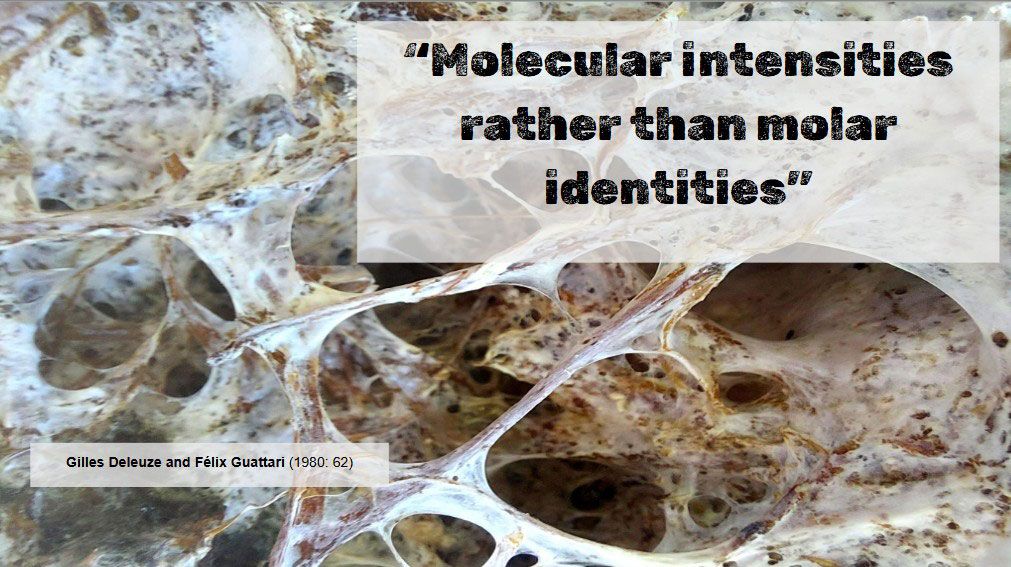
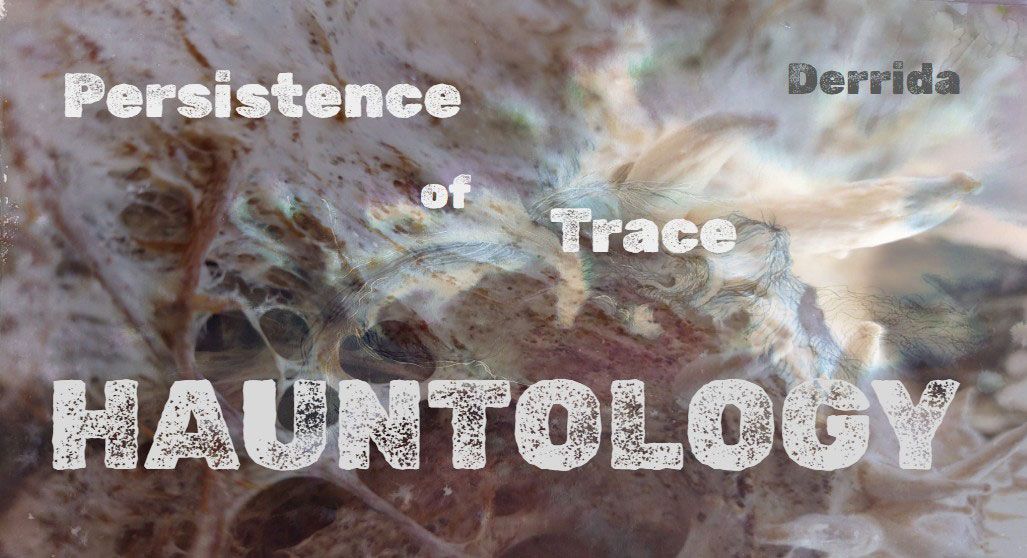
Here, Jacques Derrida’s hauntology (1993:10) becomes indispensable. Spectres, neither present nor absent, insist that what has gone continues to structure the present. Death, in this frame, is not disappearance but persistence as trace. Decay thus appears as haunted matter: sites where material processes and narrative imagination intertwine. Anthropocene ecologies are saturated with such traces — extinct species, toxic residues, and histories sedimented in soil. Hauntology also unsettles linear time. Its logic of return and delay resonates with molecular processes such as fermentation and slow corrosion, where past and future fold into the present. To think molecularly is therefore to narrate time otherwise.
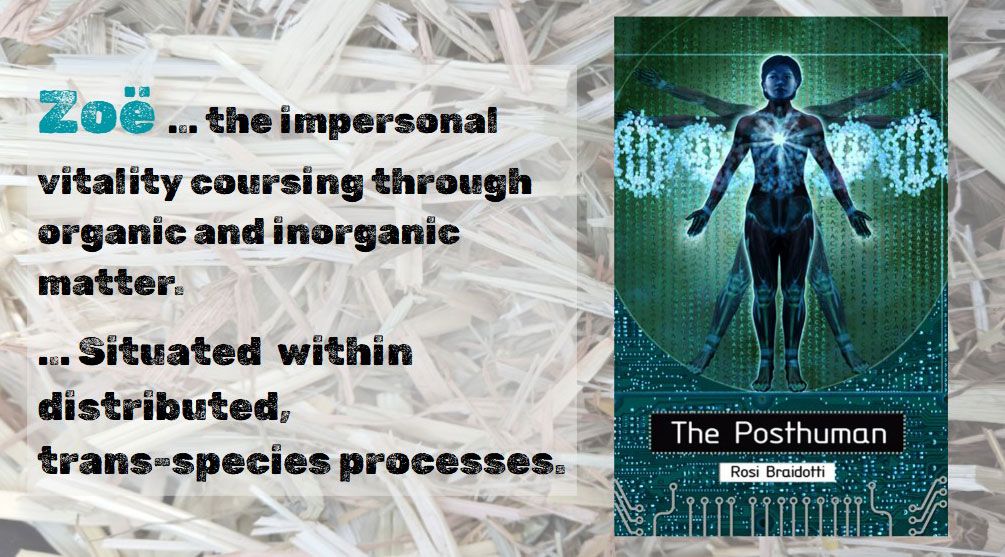
This constellation extends through Rosi Braidotti’s posthumanism (2013), which displaces the autonomous subject in favour of zoē, an impersonal vitality circulating across organic and inorganic matter. Death becomes transformation within a continuum rather than rupture.
Molecular fabulations emerge at this intersection: speculative storytelling as material practice, attuned to trace, continuity, and generative decay.
Methodological Positioning: Practice as Speculative Science
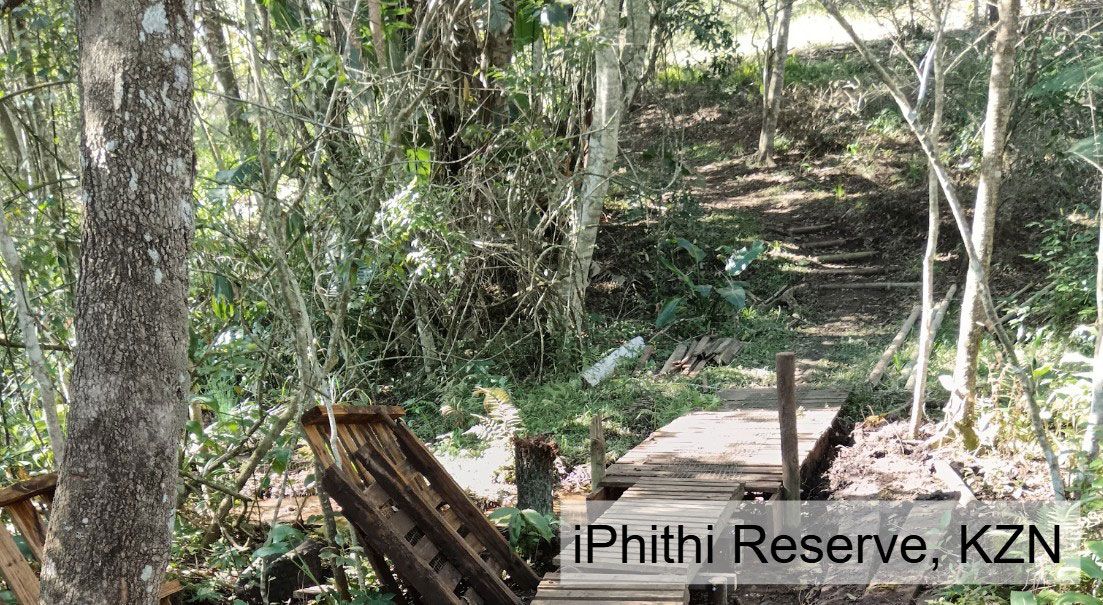
Methodologically, this project advances practice-led researchas a form of speculative science. Drawing on Estelle Barrett and Barbara Bolt (2007), creative practice functions here as inquiry rather than illustration. For me, the studio and the adjacent iPhithi Nature Reserve become experimental ecologies where fungi, bacteria, substrates, humidity, and touch intra-act within designed conditions of breakdown. Knowledge arises through participation: decay is not observed at a distance but encountered as a co-producer of insight.
This orientation resonates with Nick Lane’s (2022) account of evolutionary biochemistry, in which life appears as an energetic flow — as metabolic cycles that both sustain and dismantle cellular organisation. Respiration and decomposition belong to the same thermodynamic continuum. There is no absolute division here between living and dying matter, only redistribution and transformation. Practice-led experimentation translates this biochemical continuity into aesthetic form through processes such as oxidation, incubation, and structural softening. The artwork becomes an apparatus through which entropic exchange becomes perceptible. In this sense, practice-led research operates machinically, assembling heterogeneous components — organic growth, synthetic substrates, and environmental variables — into systems that generate outcomes beyond artistic control.
The artist establishes conditions, but matter executes. What emerges is neither pure art nor pure science, but a speculative experiment in which metabolic transformation and machinic process converge.
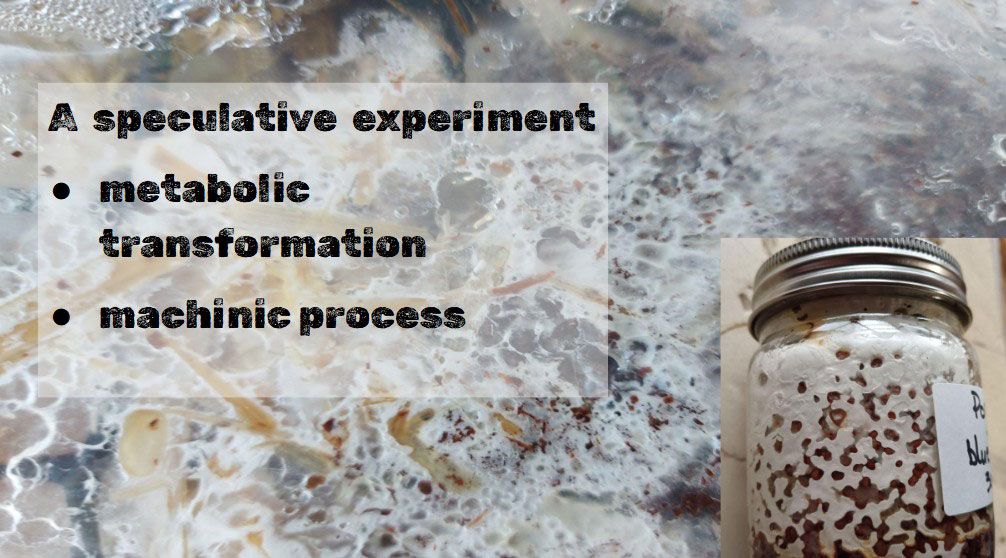
Speculative science here names a method of staging hypotheses in matter: What agencies surface when breakdown is enabled?
What forms of perception arise when entropy is not concealed but intensified?
Through practice-led experimentation, decay becomes legible as both biochemical fact and planetary condition — an entangled process through which life, death, and technology continuously reconfigure one another.
Case Study: Nestled
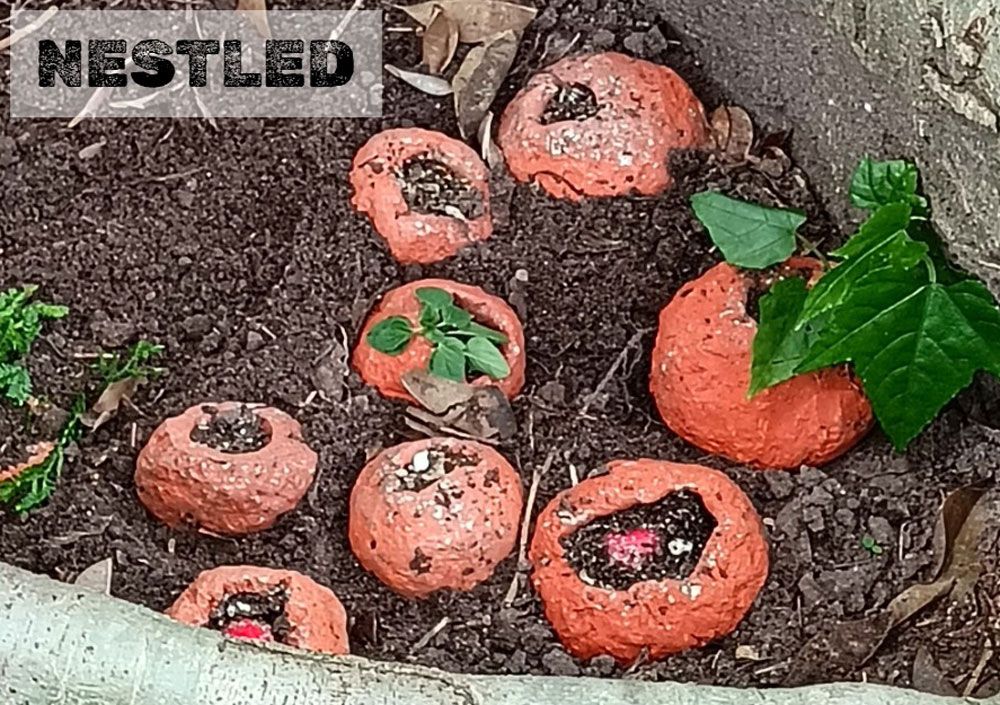
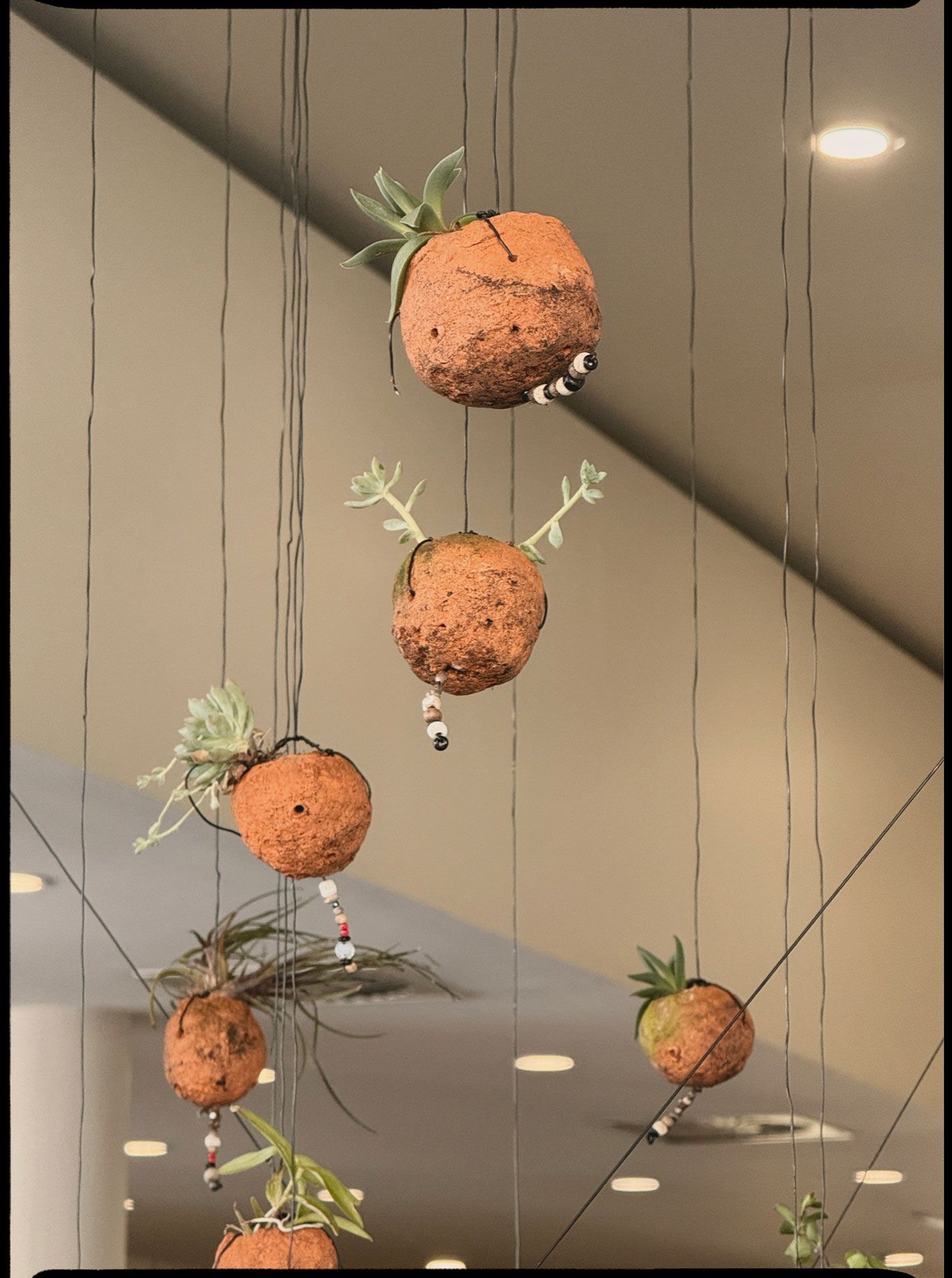
This project is evidenced in the installation Nestled, a multispecies case study in which material decay, machinic responsiveness, and bodily trace converge within a durational ecology. Situated in conceptual dialogue with the riparian forest of the iPhithi Nature Reserve, the work draws on distributed forest intelligence. Suzanne Simard’s “Mother Tree” offers an orienting figure here: a nodal presence sustained through mycorrhizal exchange. Accordingly, the work is conceived not as a discrete object but as an experimental ecology of care — an assemblage of soil, fungal mycelium, seeds, roots, and wood shavings, materials that endure through transformation.
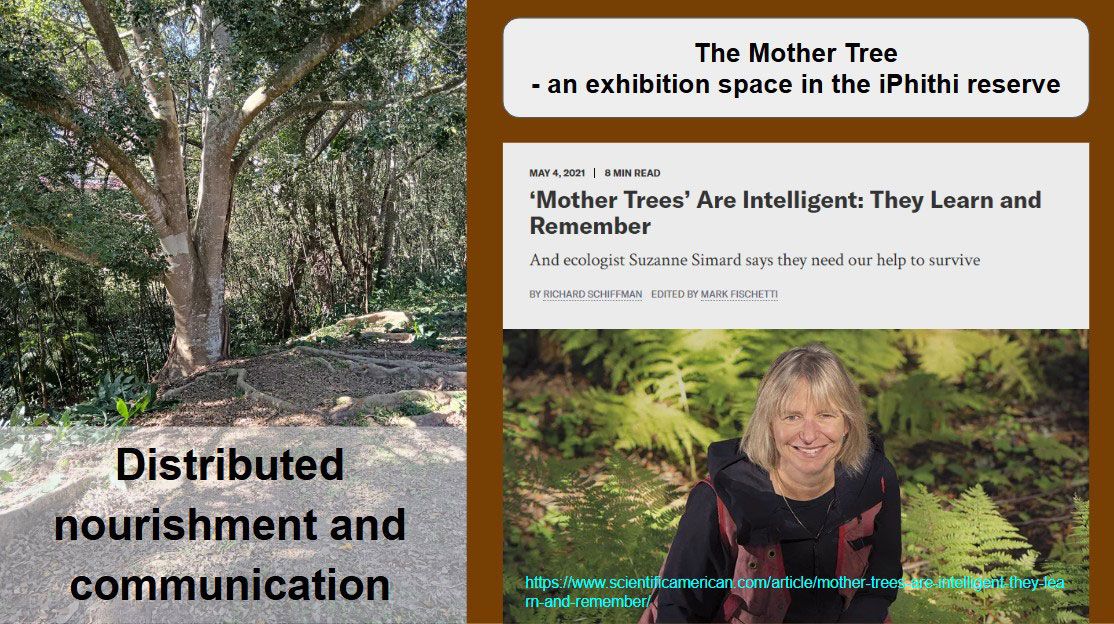
These substrates are housed within ceramic pods suggestive of arboreal cavities. Over time, their contents soften, host microbial growth, and absorb atmospheric variation. What appears as enclosure reveals itself as porous and provisional: membranes rather than monuments. Ashes are also present — fine particulate remains of a once-living body. They persist not as relic but as dispersed trace within soil and wood. Here, the work resonates with Jane Bennett’s notion of vibrant matter, in which materials act as participants in events. As in forest ecologies, bodily remains enter cycles of redistribution, responding to the same fluctuations that animate microbial and vegetal processes. Subtle atmospheric changes gradually transform the installation: humidity gathers, fungal threads thicken, and organic smells emerge. The pods become chambers of slow alteration, echoing forest systems in which decay unfolds as distributed collaboration.
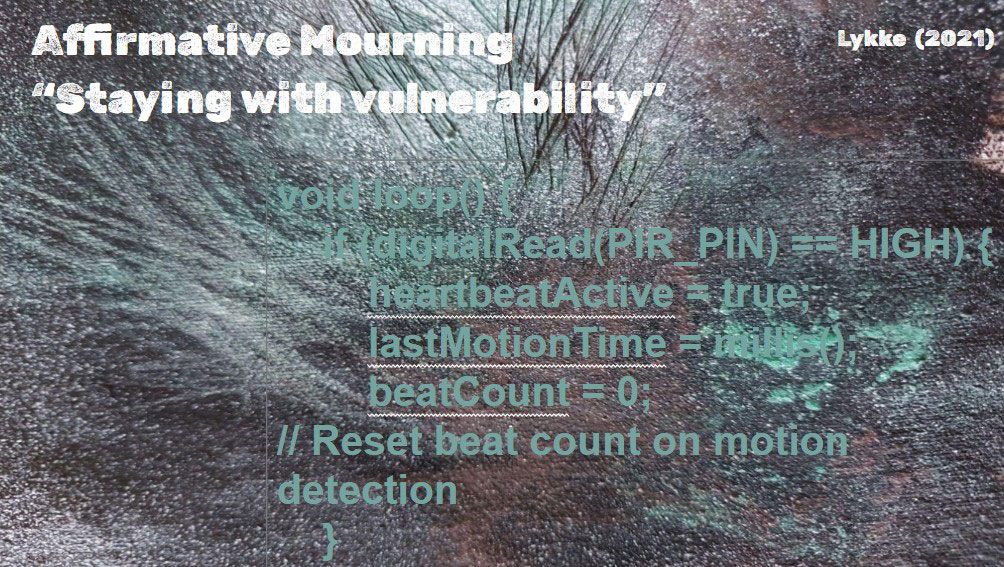
An interactive electronic system further extends this entanglement. A passive infrared sensor in the installation registers fluctuations in viewer presence by detecting thermal change rather than identity. These variations are transmitted to a microcontroller programmed in C++ to interpret presence as an event: when thermal flux exceeds a threshold, a soundscape is initiated; when absence returns, the system moves toward latency.

The soundscape is generated through a PlantChoir device that measures bioelectrical fluctuations in plant tissues. Electrodes attached to the pods register minute variations in conductivity associated with physiological processes, which are translated into MIDI or control-voltage data and recorded as sound. What emerges is not a romanticised vegetal “voice,” but a sonification of metabolic activity — electrical flux rendered audible. In resonance with the Mother Tree paradigm, these signals evoke hidden communicative currents sustaining forest life.
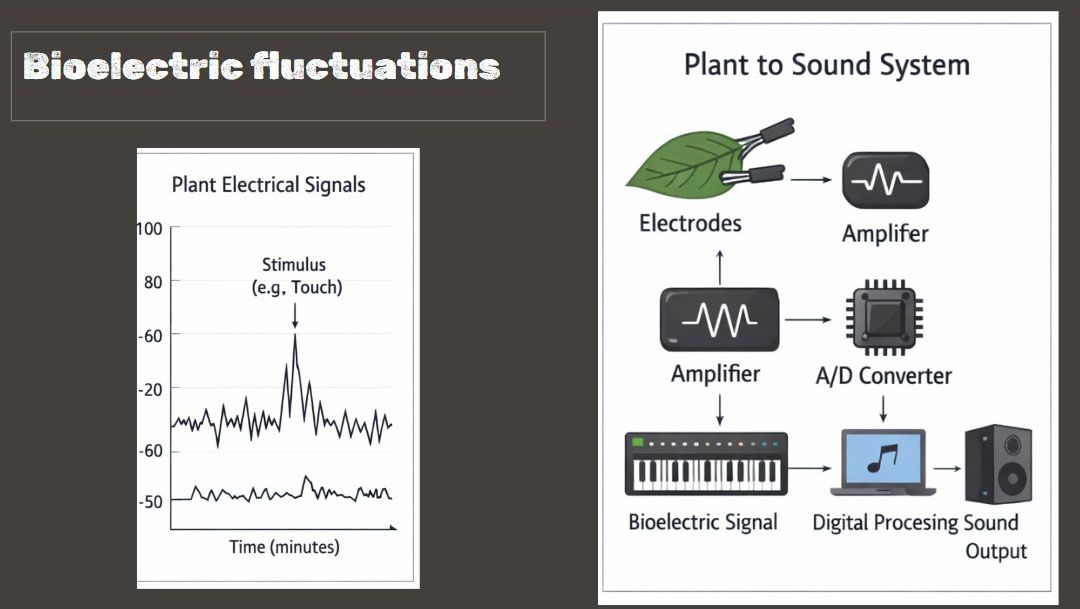
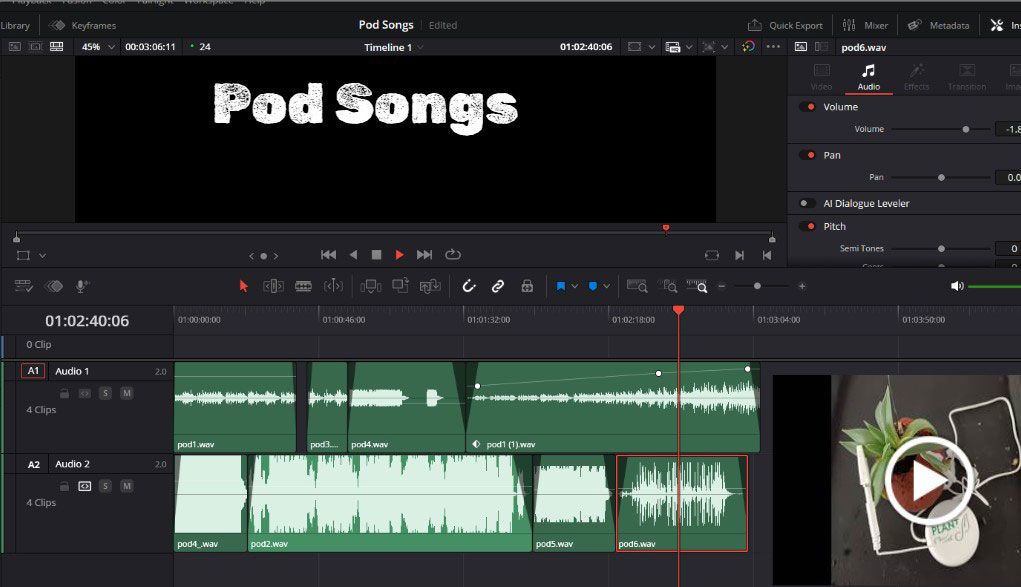
I refer to these emergent sound events as Pod Songs. Biological growth, atmospheric change, and machinic logic co-produce each iteration. The artist establishes conditions and maps data; matter executes. Body becomes ash, ash becomes soil, soil becomes fungal network, and network becomes vibrational sound.
Pod Songs
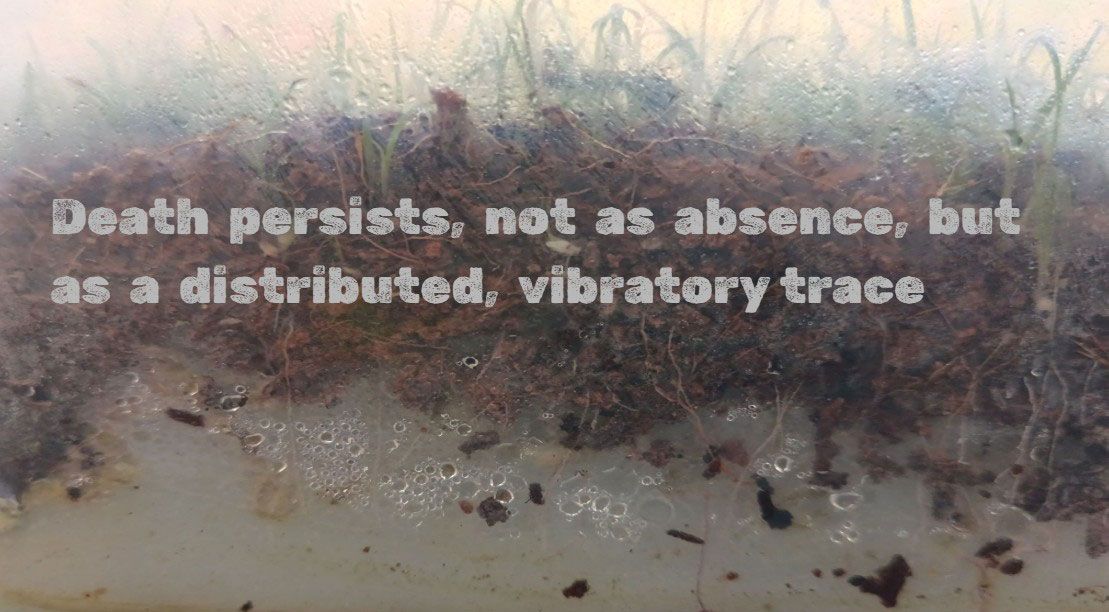
Drawing on Nick Lane’s biochemistry, life and death may be understood as a continuum within thermodynamic flow rather than binary states. Nestled translates this continuity into aesthetic form. Infrared radiation becomes voltage; voltage becomes algorithm; algorithm becomes vibration moving through air, fibres, soil, and ash. Ultimately, the installation stages molecular fabulation within a specific ecological context. Human warmth becomes code, plant metabolism becomes sound, and bodily remains become particulate participants within a porous ecology of matter and time. Death persists not as absence but as a distributed, vibratory trace.
Conceptual Deepening: Molecular Mourning and Becoming
If decay has been established as a process and entanglement as an ontology, this moment asks what such recognition does to grief and mourning themselves. Molecular mourning emerges when the body is no longer conceived as sovereign and discrete, but as matter dispersed across ecological and machinic systems. Within Nestled, ashes persist not as relic but as redistributed matter circulating through soil, fibre, and microbial bloom.
Death appears less as disappearance than as an altered state. This reorientation echoes Marietta Radomska’s call to think death beyond anthropocentric closure. In her account of posthuman vulnerability, life and death are entangled within shared material ecologies; the body does not exit the world but transforms within it. Bodily traces become participants in the ongoing metabolic exchange. This diffusion is also affective. As viewers activate the work through warmth and vibration, they encounter their own implication in processes of dispersal. Mourning shifts from preserving identity to attuning to transformation.
Here, the work resonates with Nina Lykke’s notion of affirmative posthuman mourning: of grief that neither denies loss nor monumentalises it, but remains with shared vulnerability. Mourning becomes an ethical practice of staying with entanglement, echoing Donna Haraway’s call to “stay with the trouble” of damaged worlds, both personal and planetary. Molecular fabulations do not romanticise dissolution. Microbial metabolism is indifferent; decay is unsentimental. The redistribution of matter offers no consolation narrative but demands ethical recalibration. If bodily trace participates in soil chemistry, then care cannot mean sealing death away from transformation. Molecular mourning, therefore, reframes grief as an ecological attunement and as an ecology of care. Loss is neither erased nor monumentalised, but encountered as ongoing participation in the fragile weave of more-than-human life.
Conclusion: Speculative Poiesis in the Anthropocene
In an era marked by profound planetary change, Nestled refuses the rhetoric of catastrophe. Rather than staging crises, it cultivates a porous micro-ecology in which decay, redistribution, and care are materially rehearsed, and relations are not depicted but enacted. Speculative poiesis here is not illustration but the crafting of conditions through which entanglement may be sensed.
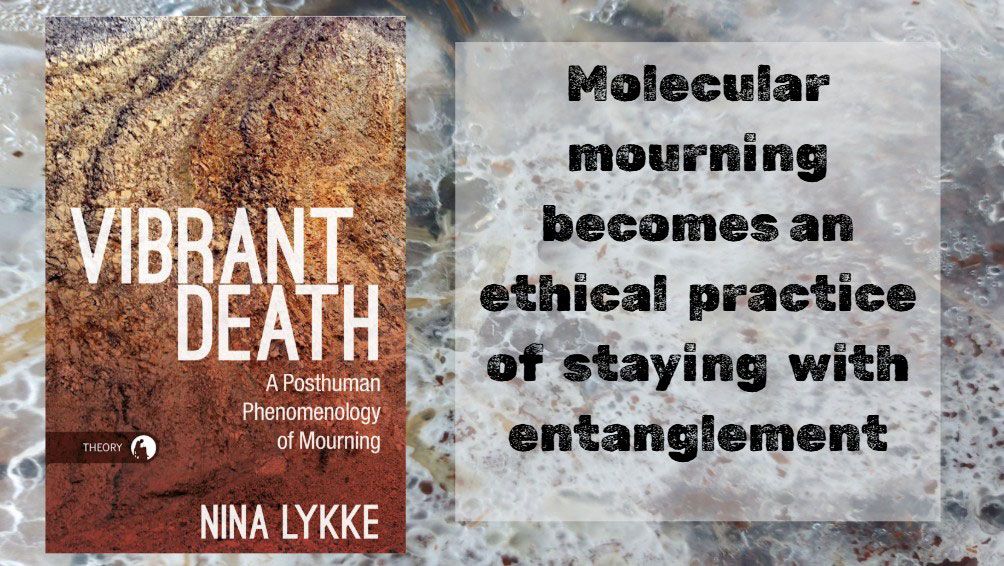
This orientation resonates with the work of Francesca Ferrando, particularly her articulation of the human biome, or the “bio-me.” She proposes that the human body is less an autonomous organism than an ecological field composed through microbial, environmental, and technological relations. Contemporary microbiome research substantiates this view. Earlier estimates suggested microbial cells outnumbered human cells ten to one, yet more recent recalculations indicate near parity: approximately 3.8 × 10¹³ bacterial cells to about 3.0 × 10¹³ human cells, meaning microbial life constitutes roughly 55–60% of the cells associated within the human body (Sender, Fuchs & Milo 2016).
The genomic dimension is more striking. The human genome contains roughly 20,000 protein-coding genes, whereas the gut microbiome alone may contain several million, vastly exceeding the human genome’s coding capacity (Qin et al. 2010; Human Microbiome Project Consortium 2012).
The body thus functions less as an isolated organism than as a multispecies genetic consortium — a dynamic metabolic network of human and microbial lineages.
Ferrando’s concept of the “bio-me” philosophically interprets this reality. What appears as a singular subject is in fact a porous assemblage, a holobiont, with the ‘human’ inseparable from its symbiotic others. In Philosophical Posthumanism (2019), she situates this within an ethics of relational accountability and an ecology of care. If the body emerges through multispecies cooperation, ethical life cannot be organised around mastery or autonomy, but requires reciprocity, attentiveness, and co-becoming across biological and technological domains.
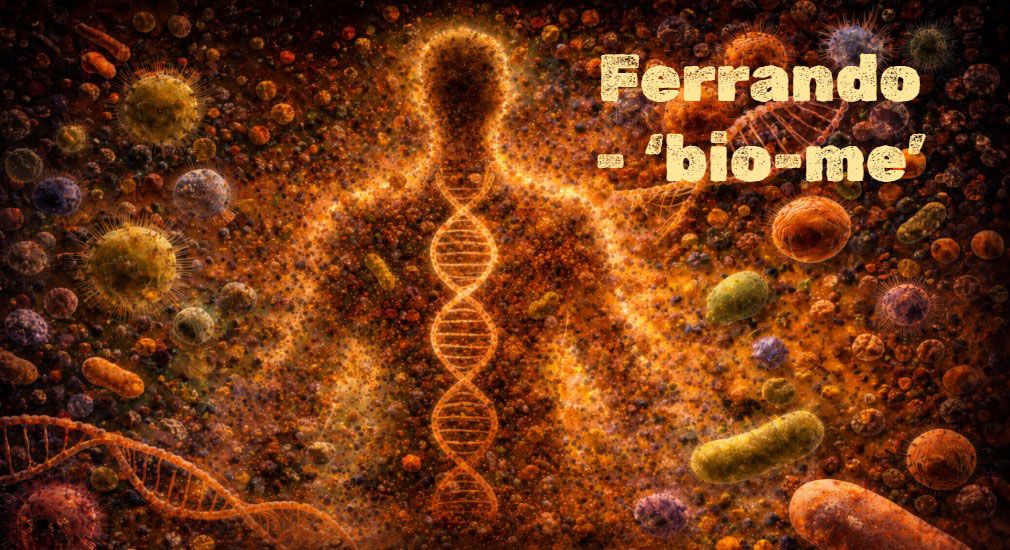
Seen through this lens, mortality acquires a different valence. Death marks not disappearance but reconfiguration within the biome that constituted it. Ferrando’s “bio-me” thus resonates with molecular fabulation, both foregrounding permeability and continuity across biological, ecological, and technological systems.
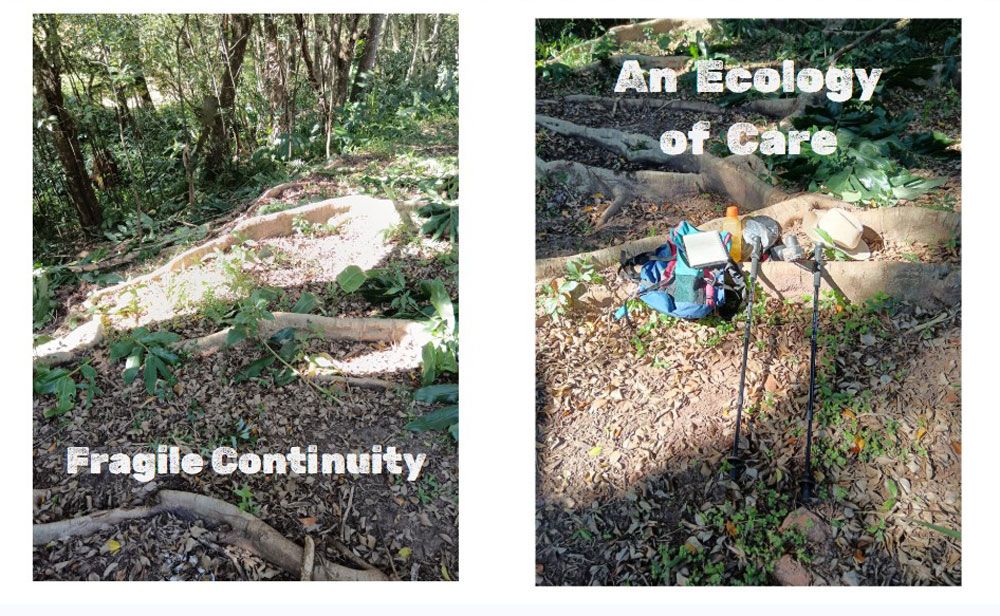
The work Nestledrelinquishes permanence and control, tending decay while welcoming more-than-human participation. Mourning becomes molecular orientation — an attentiveness to transformation rather than preservation. The work does not resolve grief through symbolic closure but invites another attentiveness: an awareness that human bodies, plant tissues, microbial colonies, and technological systems already participate in shared energetic exchanges. Speculative poiesis thus becomes a practice of careful worlding and an ecology of care within unstable conditions. It asks what becomes possible once the human is understood as thermodynamic and participatory rather than autonomous.
The answer offered here is modest but insistent: to build structures that breathe, soften, respond, and change beyond intention — and to remain with the fragile work of mourning within an entangled world.
Abram, D. (1996). The Spell of the Sensuous: Perception and Language in a More-than-Human World. Random House. Available at: archive.org(Accessed: 10 February 2025).
Barad, K. (2007). Meeting the Universe Halfway: Quantum Physics and the Entanglement of matter and meaning. Duke University Press. Durham and London. Kindle Edition. (Accessed: 12 March 2020).
Barrett, E., & Bolt, B. (Eds.). (2007). Practice as Research: Approaches to Creative Arts Enquiry. Bloomsbury Academic. Kindle Edition. (Accessed: 19 September 2020).
Bennett, J. (2010). Vibrant Matter: A Political Ecology of Things. Duke University Press. Durham and London. Available at: jstor.org (Accessed: 12 March 2021).
Braidotti, R. (2013). The Posthuman. Polity. Available at: perlego.com (Accessed: 22 December 2024).
Deleuze, G. and Guattari, F. (eds.) (1987). A Thousand Plateaus: Capitalism and Schizophrenia. University of Minnesota Press,1987. Trans Massumi. Available at: libcom.org (Accessed: 12 March 2020).
Derrida, J. (1993). Specters of Marx: The State of the Debt, the Work of Mourning and the New International. Paris: Galilée. Trans. Kamuf, P. Routledge 1994. Available at: libcom.org (Accessed: 17 February 2025).
Deleuze, G. and Guattari, F. (1980). A Thousand Plateaus: Capitalism and Schizophrenia. University of Minnesota Press,1987, in English. Available at: libcom.org (Accessed: 12 March 2022)
Ferrando, F. (2019). Philosophical Posthumanism. Bloomsbury Academic. Available at: perlego.com (Accessed: 17 February 2024).
Ferrando, F. (2023).The Art of Being Posthuman: Who Are We in the 21st Century? Polity. Available at: perlego.com(Accessed: 17 February 2024).
Haraway, D. J. (2016). Staying with the Trouble: Making Kin in the Chthulucene. Duke University Press. Available at: perlego.com -pdf ](Accessed: 02 June 2022).
Human Microbiome Project Consortium. (2012). Structure, function and diversity of the healthy human microbiome. Nature11234. Available at: researchgate.net 6_207-214. (Accessed: 8 March 2026).