VONANI BILA
The Timbila Poetry Project
The Timbila Poetry Project or TIMBILA as it is affectionately known, is a registered non-profit organization based in the Limpopo Province, South Africa, operating throughout the country, though primarily in Limpopo, Gauteng, North West, Mpumalanga, KwaZulu Natal and to a lesser degree, the Eastern Cape. TIMBILA has as its purpose the encouragement, development, nurturing of and publishing of South African literature by emerging black writers and poets in all official languages. It is clearly aimed at promoting equitable multilingualism and the culture of reading, critical thinking and social inquiry.
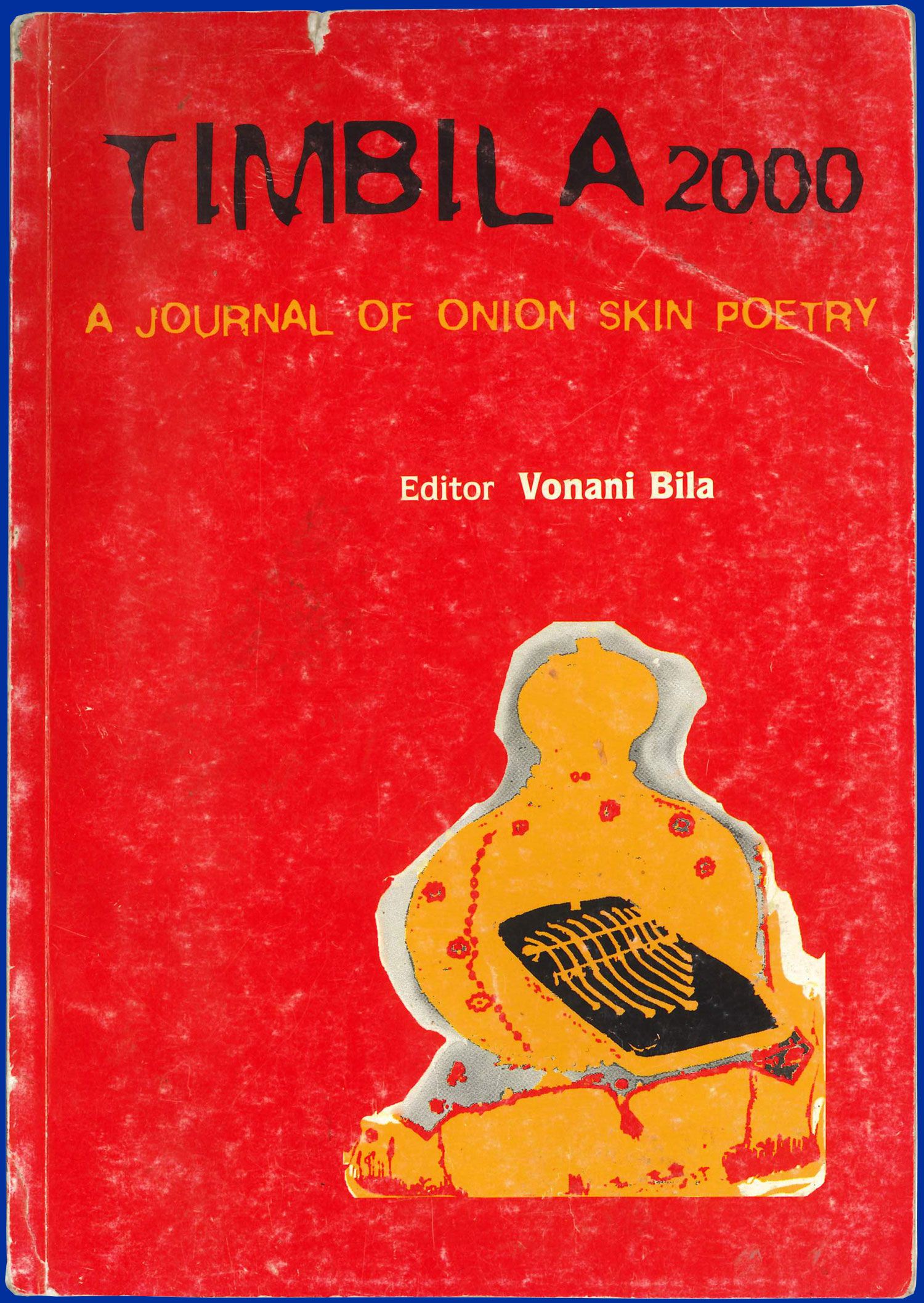
The Timbila Poetry Project is a unique initiative in the South African arts world. It seeks to record the voices of as many creative poetic talents and writers in the country as possible. As such TIMBILA draws on the country’s largely untapped and extensive oral tradition of using many forms of poetry as a strongly communicative and conspicuous creative element in communities. It publishes works by numerous poets in a large annual publication, and intermittently in smaller volumes.
TIMBILA brings together the work of largely unknown and unsupported poets and writers from across the country for publication in an annual journal, poetry recitals, performances and meetings. The communities from which this wide variety of creative voices come can roughly be divided into the urban townships scene and the rural scene. Townships are the large urban locations where people once defined under Apartheid as black, coloured or Indian were forced to live as labour reserves for running much of the infrastructure of the white owned cities and suburbs. Nowadays, the townships still have much of their character and appearance of the Apartheid era.
The segregation of the past has only been eroded in some middleclass downtown or suburban settings.
The rural areas of South Africa are home to the majority of the black population. It is in these that the brunt of the problems caused by colonial segregation and later by Apartheid are evident, in particular, the effects of land dispossession, evictions of farm workers, mass poverty and unemployment. And yet the rural areas and village communities are strongly rooted in the older African linguistic and oral traditions, and it is in them that we see the longevity of poetic expression, compared to those of the comparatively recent urban environments.
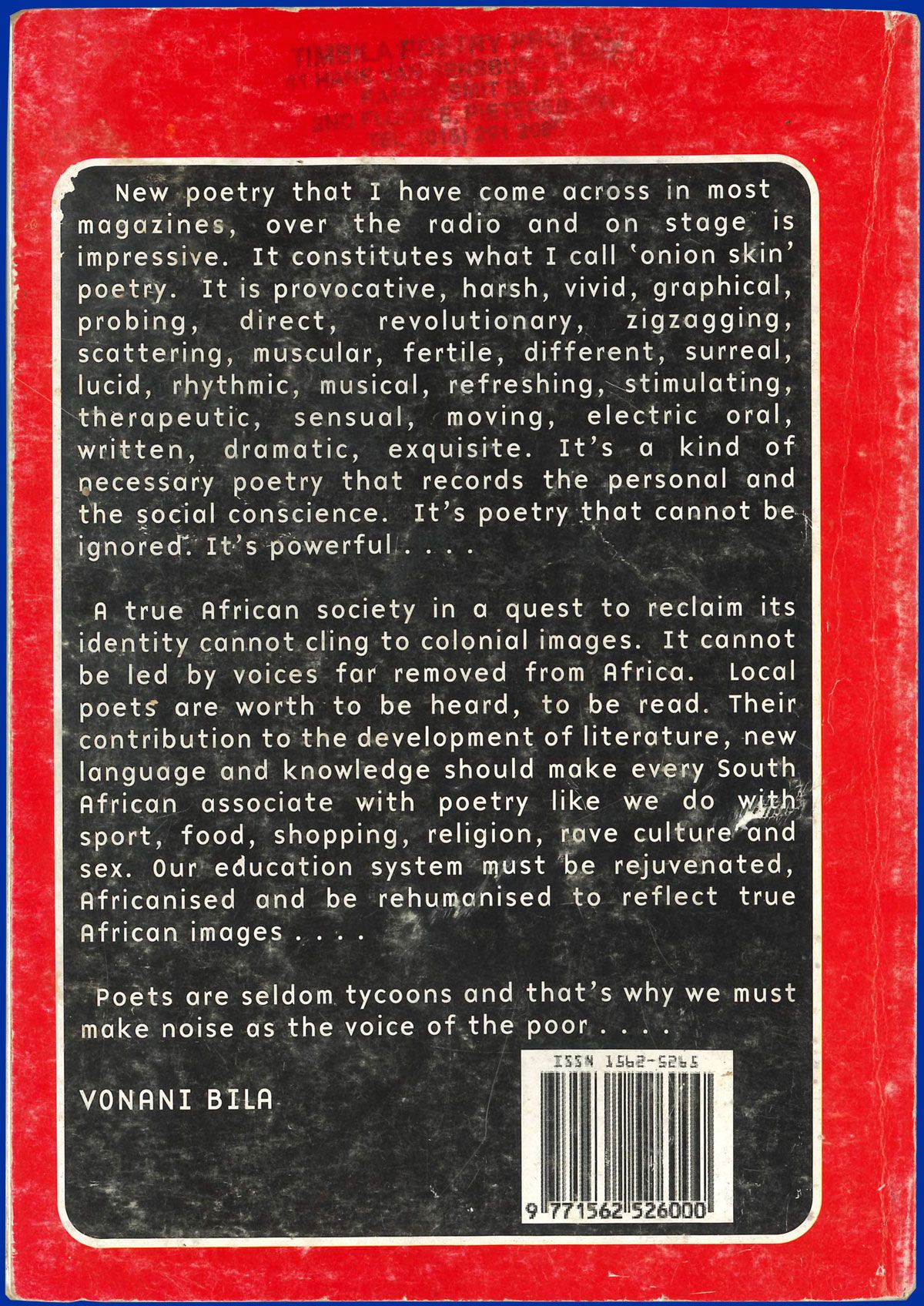
South African poetry and the general literary landscape provides a detailed and multifaceted view of the society, both in terms of how it has been experienced over generations but also, and more pressingly, concerning the fraught transition and massive changes that have taken place since 1994 and the beginnings of democracy.
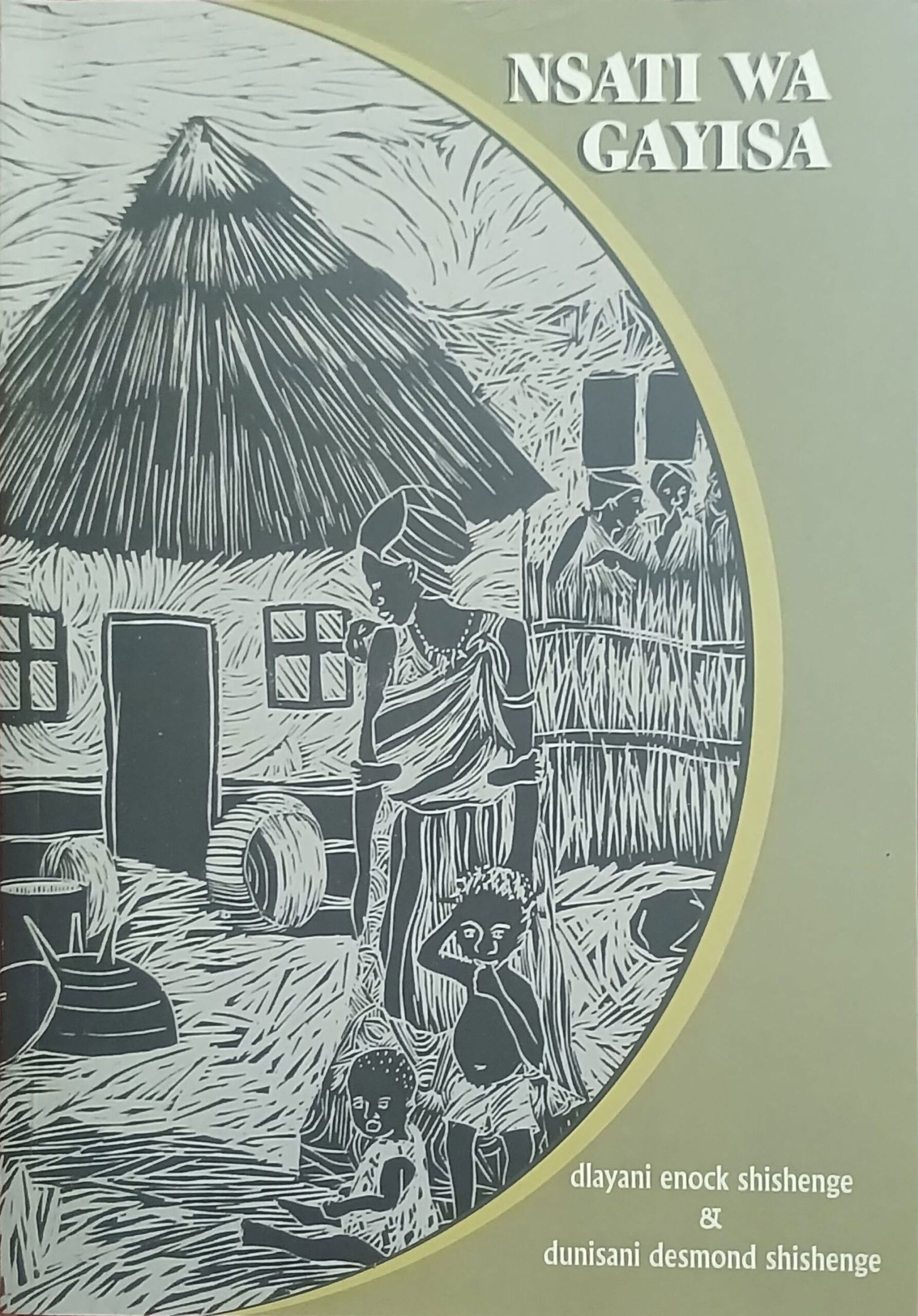
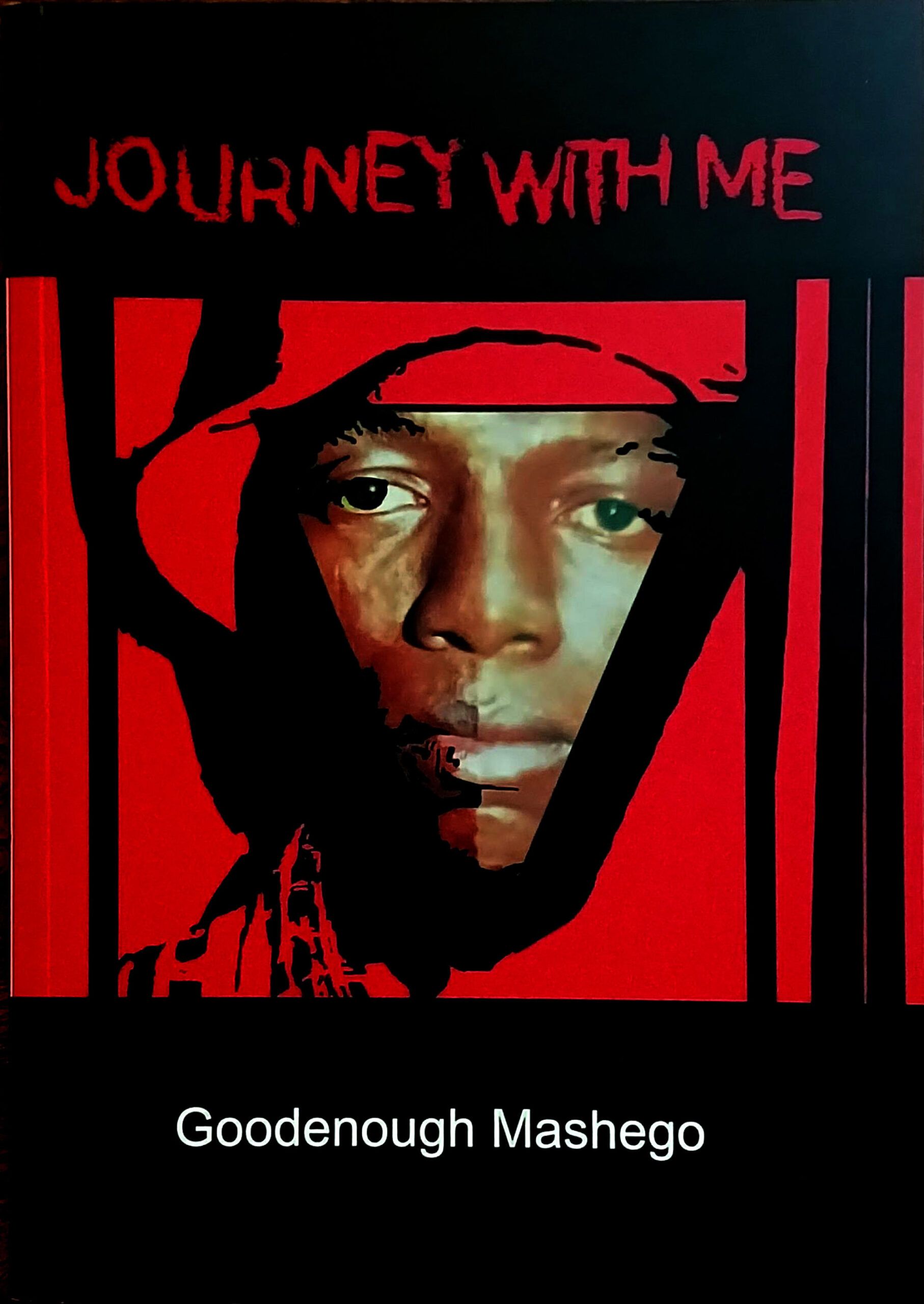
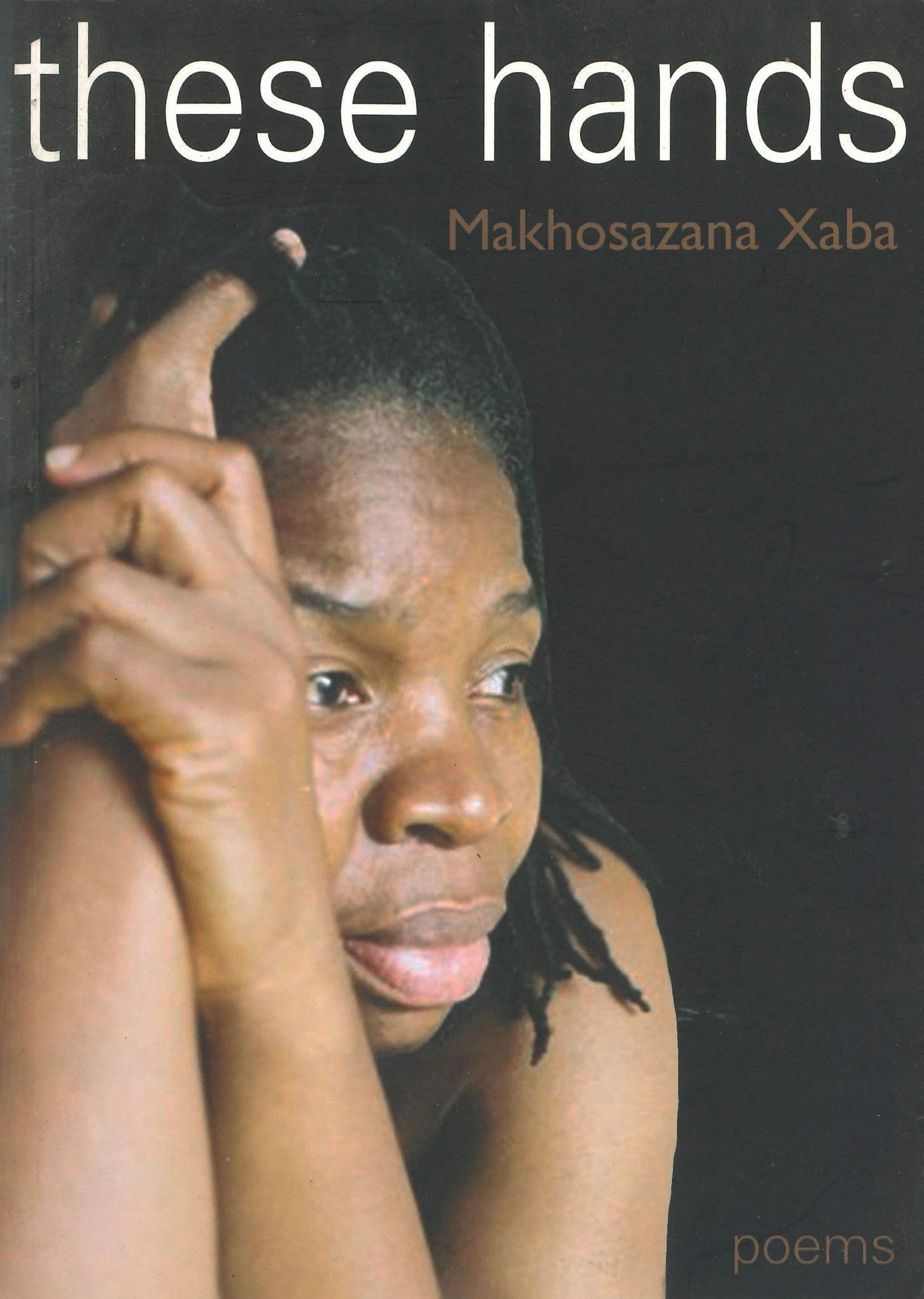
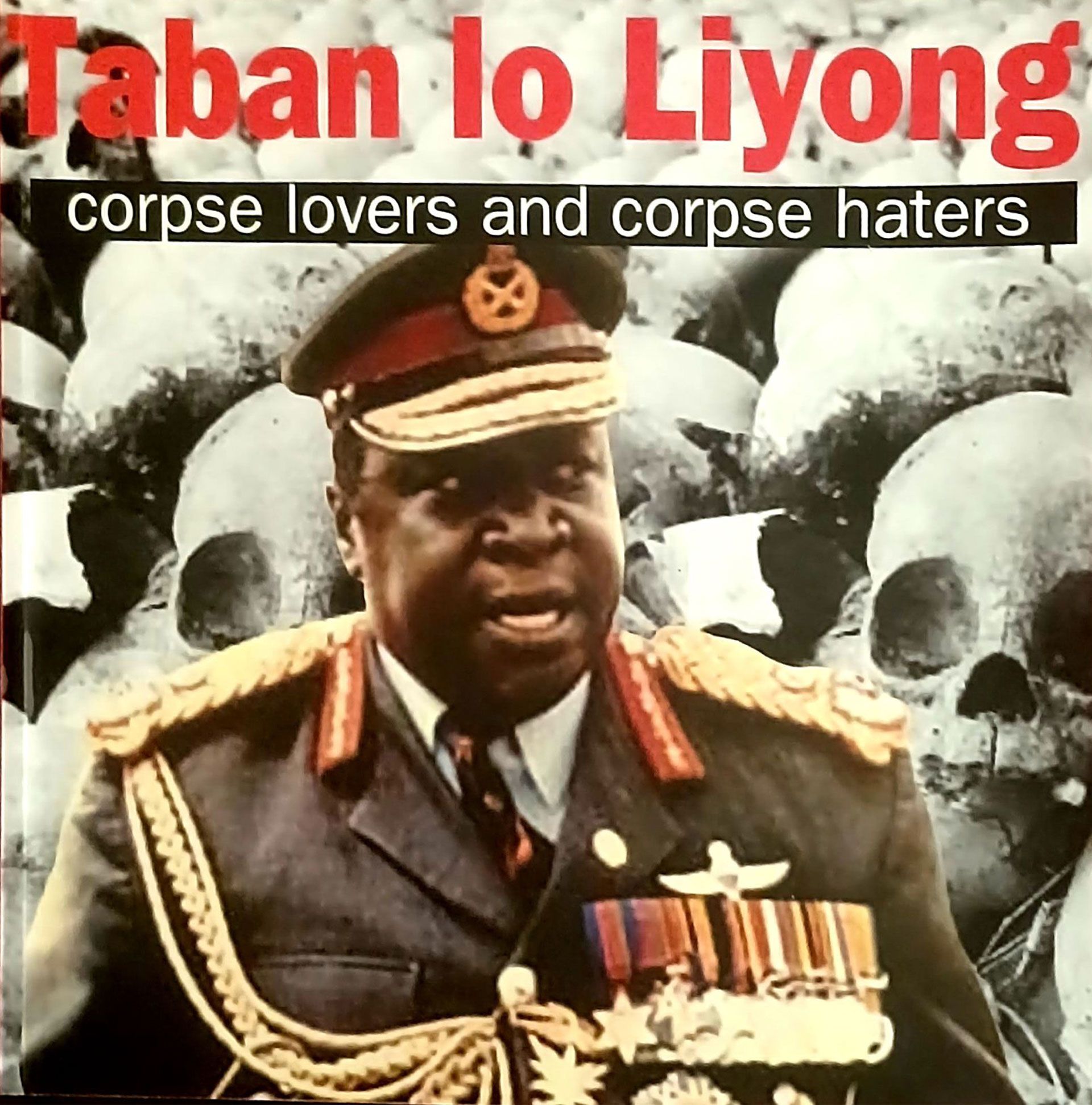
Since its inception in 1999, Timbila has played a leading role in promoting poetry, multilingualism and social cohesion in South Africa. To date, Timbila boasts more than thirty ground-breaking titles under its publishing wing by key and award winning South African poets and writers such as Myesha Jenkins (Breaking the Surface), Makhosazana Xaba (These Hands); Bruce Ngobeni (Ndzheko wa Rixaka), MM Marhanele (Marhambu ya Nhloko; Mbombhela), Linda Ndlovu (Impiselo), G. Mashego (Journey with me), Mbongeni Khumalo (Apocrypha), Enock Shishenge (Nsati wa Gayisa), Phomelelo Machika (Peu tsa Tokologo); David wa Maahlamela (Moswarataukamariri; Tsa Borala); FA Thuketana (A hi Fambe M’ghaname); Taban lo Liyong (Corpse Lovers and Corpse Haters) etc. etc.
The Timbila Poetry Project was started in 1999 by the poet Vonani Bila. The preamble to the constitution of the project reads:
Timbila, derived from mbira, also known as finger harp, is a multilingual poetry initiative by both accomplished and new voices that intelligently synthesise form and content to articulate fresh poetry, reaffirming poetry’s cultural multiplicity and its diverse modes of expression. This initiative, that publishes a poetry journal, attempts to demonstrate stylistic variety of the poets in the range of narrative, musical, dramatic, voiceprint and performance poems it presents.