IAN OSRIN
Recording Obed Ngobeni with Peter Moticoe
Meeting Peter Moticoe and Entering the South African Music Scene
In 1985, or perhaps 1986, I met someone who would change the course of my life and career: Peter Moticoe. This introduction was pivotal, eventually resulting in my first credit as an engineer on a gold record and granting me my initial opportunity to experiment creatively in the studio. I vividly recall noticing a booking entry at the reception desk labeled “Peter Moticoe/Paul Ndlovu Gallo Demo.” At the time, the significance was lost on me; I was inexperienced and unfamiliar with the dynamic South African music scene. My musical perspective was shaped more by Jamaican reggae than local styles, but I quickly adapted and began to immerse myself in the local sounds.
First Impressions and the Studio Atmosphere
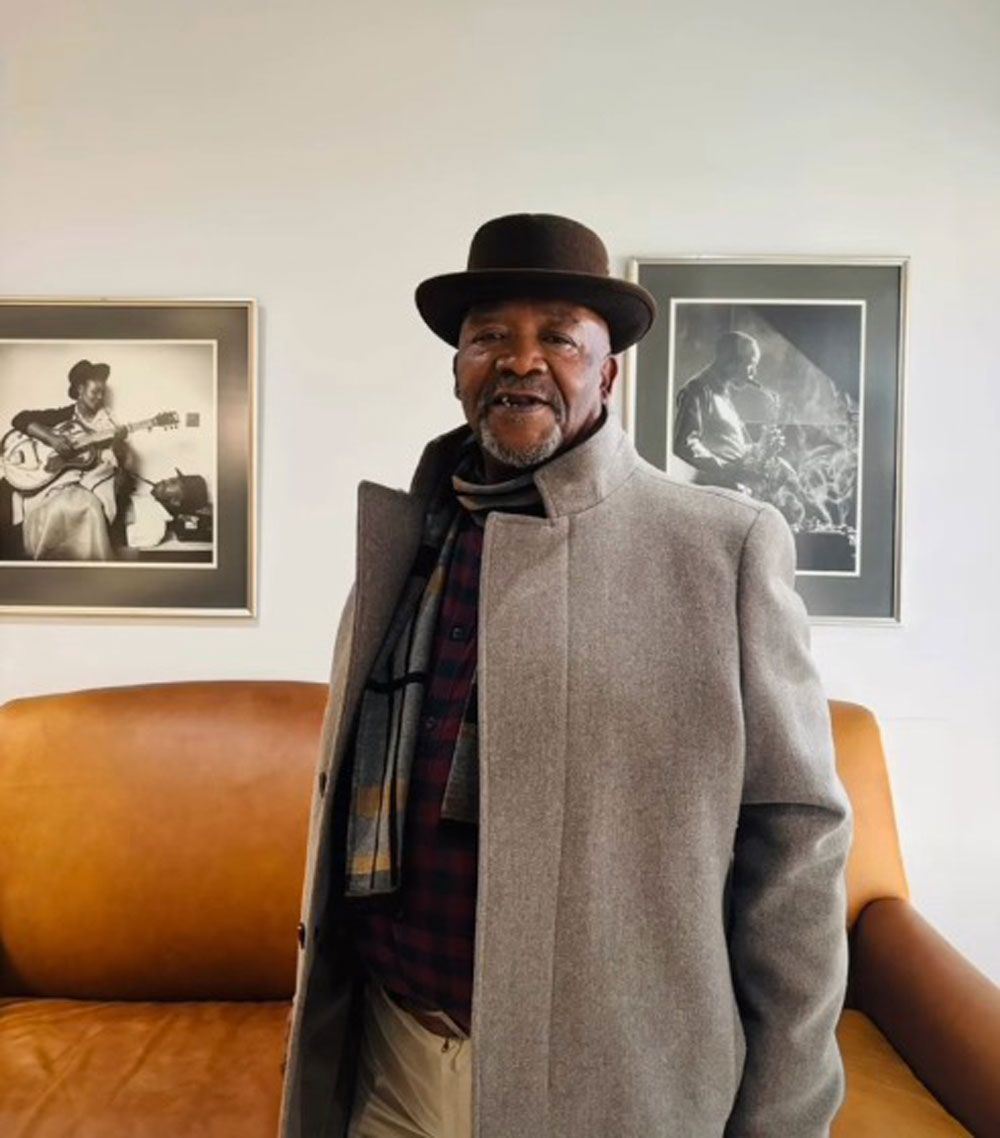
Moticoe was always punctual, arriving at around 10am, and he made a striking impression as the most sharply dressed man I could imagine. He was accompanied by an entourage of musicians, many of whom would become close friends, including Khokotile (Jacob Rakhetla), Lefty Rhikoto, and the legendary Paul Ndlovu.
A visit to the drum booth revealed that Moticoe and I would collaborate well. He encouraged me to be open and experimental in my approach. Electronic music was just beginning to take hold, but we had access to cutting-edge Roland and Yamaha equipment: the legendary DX7, the Roland 707, the Juno, and others. These instruments would become central to the creation of the hit “Khombo Ra Mina,” a track that would influence much of the music that followed in South Africa.
I believe it was a major influence in the music of Chicco, Splash, Dalom Kids and many others. My passion for Dub music also shaped the sessions, and Moticoe was enthusiastic about incorporating some of my unconventional ideas. What began as a demo eventually became a released track, essentially launching my career.
Collaborating on Projects and Meeting Obed Ngobeni
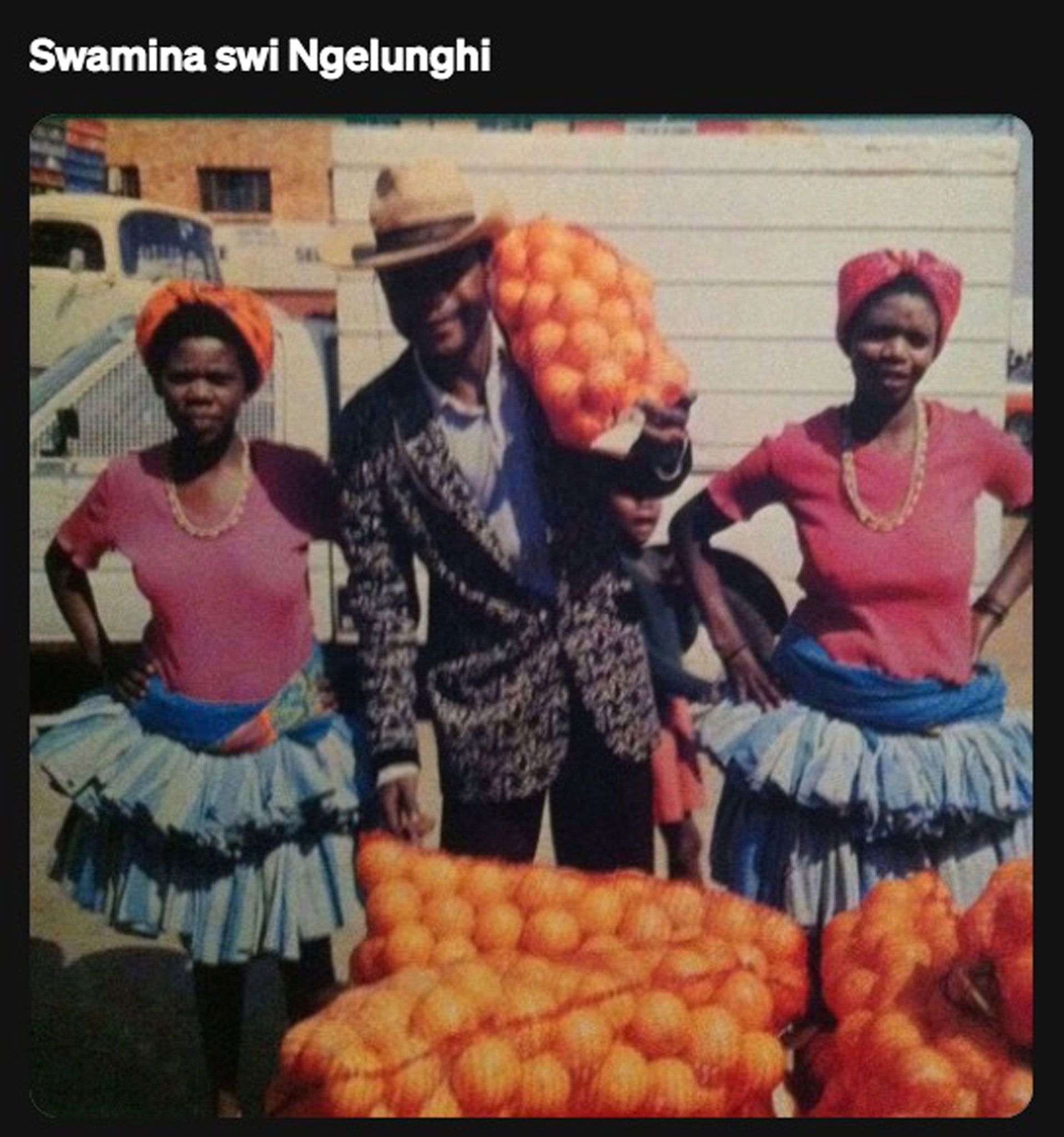
As Moticoe and I continued to work together on various projects, he one day told me he would be bringing Obed Ngobeni to record. Though I had confessed to knowing little about South African music, Obed Ngobeni was an exception—I was already familiar with his work. My memories as a DJ at DV8, a club where reggae and local records sourced from Benjie Musie at WEA or Steve Harris at Trutone were played, included hearing Obed’s single “Kazet.”
Martin Vogelman spun it long before it became an international hit, later performed by Mahlathini and the Mahotella Queens.
The Recording Experience with Obed Ngobeni
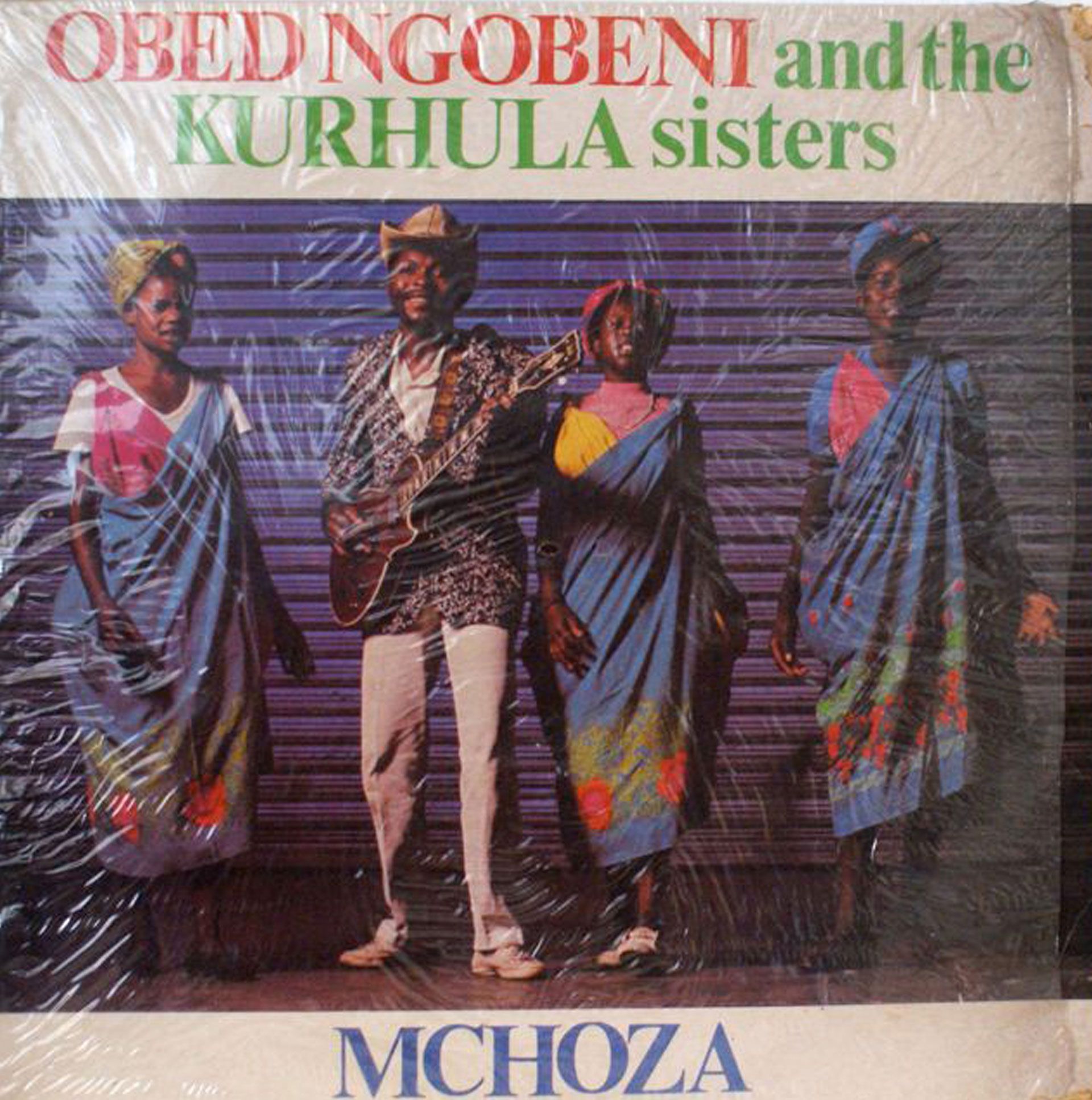
Recording with Obed and his group—comprised of his wives rather than a conventional crew—was a truly unique experience. As usual, Moticoe brought along musicians like Khokotile and Lefty, though I can’t recall who played bass. Even though Peter was a celebrated bassist from his time with The Drive, he had retired from playing, so it may have been Khokotile on the DX7 or another bassist whose name escapes me.
The recording process stood out for its interactive and unpredictable nature. All the music was structured around a call-and-response format: Obed would lead, and his wives would answer. Remarkably, Obed never performed a song the same way twice; he set a general theme and improvised lyrics spontaneously. His wives had to be attentive, as their responses depended on his lead. I discovered this dynamic when I attempted to double-track Obed—a method where the vocalist records a line in sync with a previous take. The slight imperfections in phrasing and tuning add a rich, thick effect, a technique popular in the 1960s.
Examples of Double-Tracking in Popular Music
The Beatles: John Lennon frequently used this technique on songs such as “Tomorrow Never Knows,” “Taxman,” “Eleanor Rigby,” and “Being for the Benefit of Mr. Kite.”
Queen: Freddie Mercury’s vocals were often double-tracked to enhance power and fullness.
Taylor Swift (“Lover”): This song features single vocals in the verses, with double-tracking in the chorus (starting at 0:42) to create an emotional lift.
Double-tracking proved impossible with Obed, as he could never recall the exact sequence of lines from each take. After hours of trying, rewinding, and dropping in, we eventually gave up. So, I’m fairly certain that what you hear on our recordings is pure, unadulterated Obed Ngobeni.
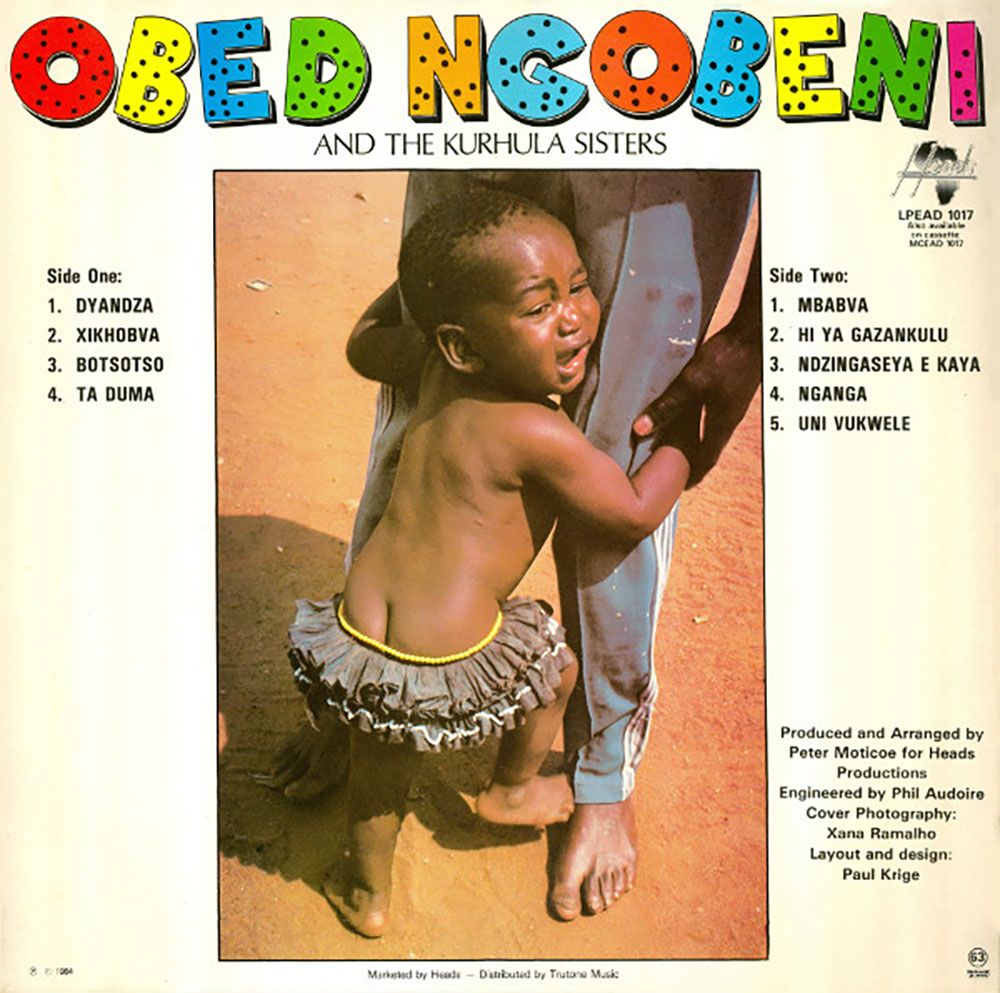
One particularly unusual event during these sessions was the method used to record a crying baby. This was before the era of triggering and sampling. We played the song and, at the appropriate moments, Moticoe signaled for the mother of one of the babies to pinch the baby’s bottom, prompting a cry, and then quickly leave the room when the crying was no longer needed.
Reflecting on these sessions, I realize they blurred into my routine of working six to seven days a week, often from 10am to 2am the next morning. Despite the exhausting schedule, we developed a methodology that I am certain was used in creating Obed’s recording. It was cost-effective, extremely efficient, and produced good results.
Our approach differed from conventional recording methods often portrayed in Hollywood movies, where musicians gather in a room to learn and perform a new hit. Instead, we started with a drumbeat, added a bassline, overdubbed two keyboard parts, sometimes a guitar, and then the producer and singer would craft lead vocals and backing vocals over the groove.
Perhaps due to our African context, we did things differently, letting rhythm and groove guide the process. Obed himself was unique in that he had basic ideas from which the songs were built. The rhythmic structures were simple and repetitive, a hallmark of African traditional music, and this is where the music drew its strength.
We often used double-tracking for backing vocals. Recording Obed’s wives, was relatively straightforward because they only needed to hear his lead prompt to know their response.
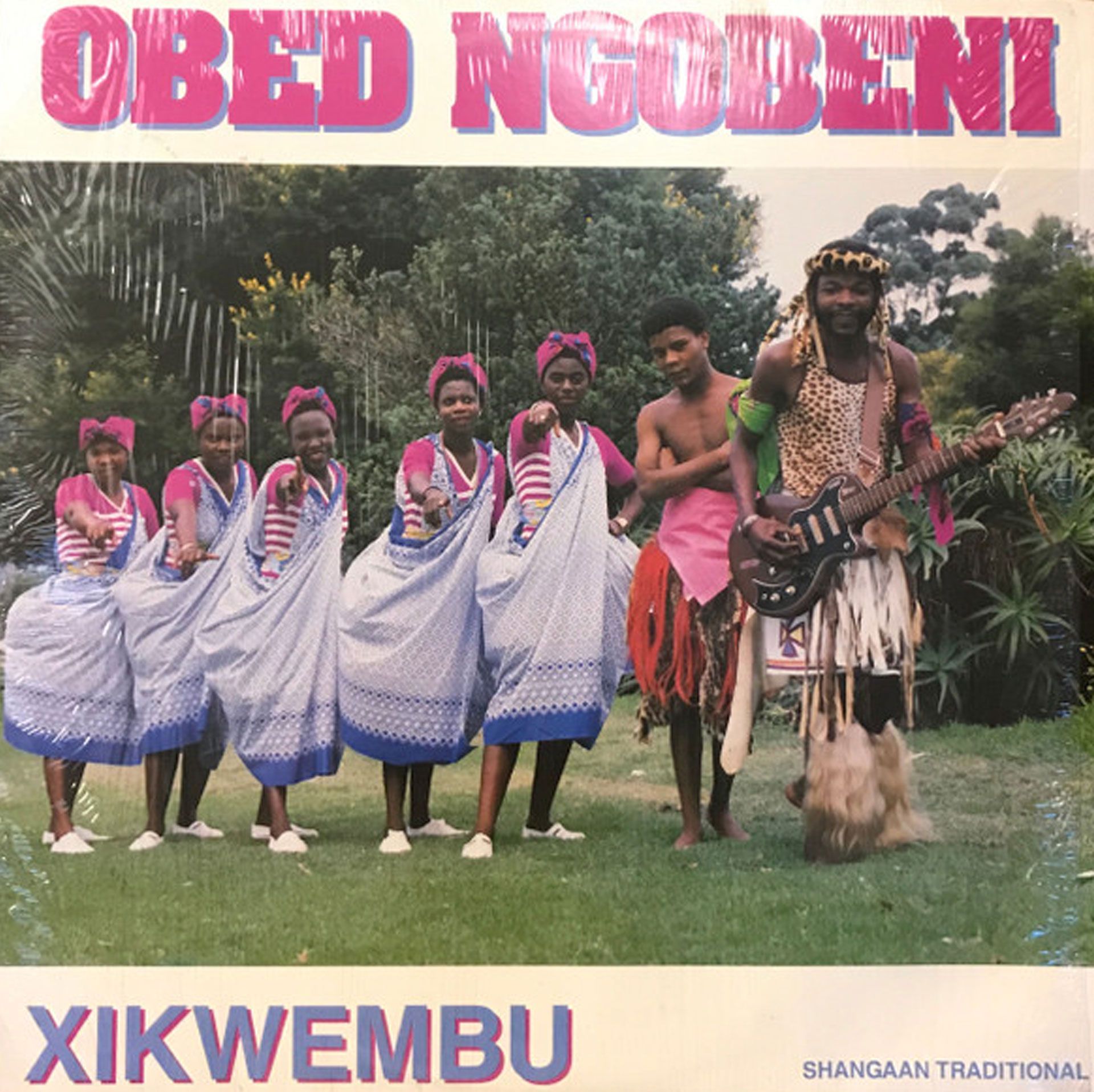
Perhaps the thing that really stuck with me from my days of recording Obed was a chat we had on a walk from RPM studios up to the Teal Trutone head office. Obed turned to me and said his life problems began with the success of Kazet. Till that point he said his life had been relatively simple, he had a couple of wives and his home. After Kazet he said he was now in a position to take up to 8 wives and his biggest curse, a motor car. He told me that that car had ruined him in repair costs. I am guessing transporting 8 wives on the rural roads of the then Venda [and Gazankulu – Ed.] Bantustan[s] contributed to that.
As the years went on and a couple of times in my life when I almost hit it big with a few of my business ventures, which needless to say stayed “almost”, I was able to console myself with the thought that at least I had avoided the pitfalls of 8 wives and a fancy car.
The final word in the Kazet story is that after years of being denied his role as a composer on the song, particularly the Mahotella Queens version, I believe that at last Moticoe will finally get the credit he deserved.