BONGANI MADONDO
Out of Africa: Hip Hop’s half-a-century impact on modernity - a memoir of sound and youth, from the culture’s African sources, Caribbean “techno-bush” to its disco-infernal flourish.
1.
Boom! Boom! Boom!
I am the drum on your dormant soul,
cut from the black hide of a sacrificial cow
O! Hear me, Child! In the Zulu dance,
shaking their hearts into a frenzy
Boom! Boom! Boom!
That is the sound of a cowhide drum
– the Voice of Mother Africa
—“Sounds of a Cowhide”
Mbuyiseni Oswald Mtshali,
Renoster Books, 1971
2.
I am just an addict, addicted to music
Maybe it’s a habit/ I gotta use it
Even if it’s jazz or the quiet storm,
I hook up and convert it to Hip Hop form
3.
These ravings, observations, etc. come from one who, beyond vows, attempts to bleed from the word a system, a space base. And the system Smith bled from language was an oracular, nonstop cavalcade of words hurled like sixteenth notes, powered by a rhythm imposed by a force of will.
—“Mother Courage”, Luc Sante on Patti Smith
4.
I cannot die because this is my universe
—XO Tour Llif3, Lil’ Uzi Vet
5.
u-Mhlaba Lo ngo wami
— “Quest”, Nosisi ft. Ngwenya & 1st Born
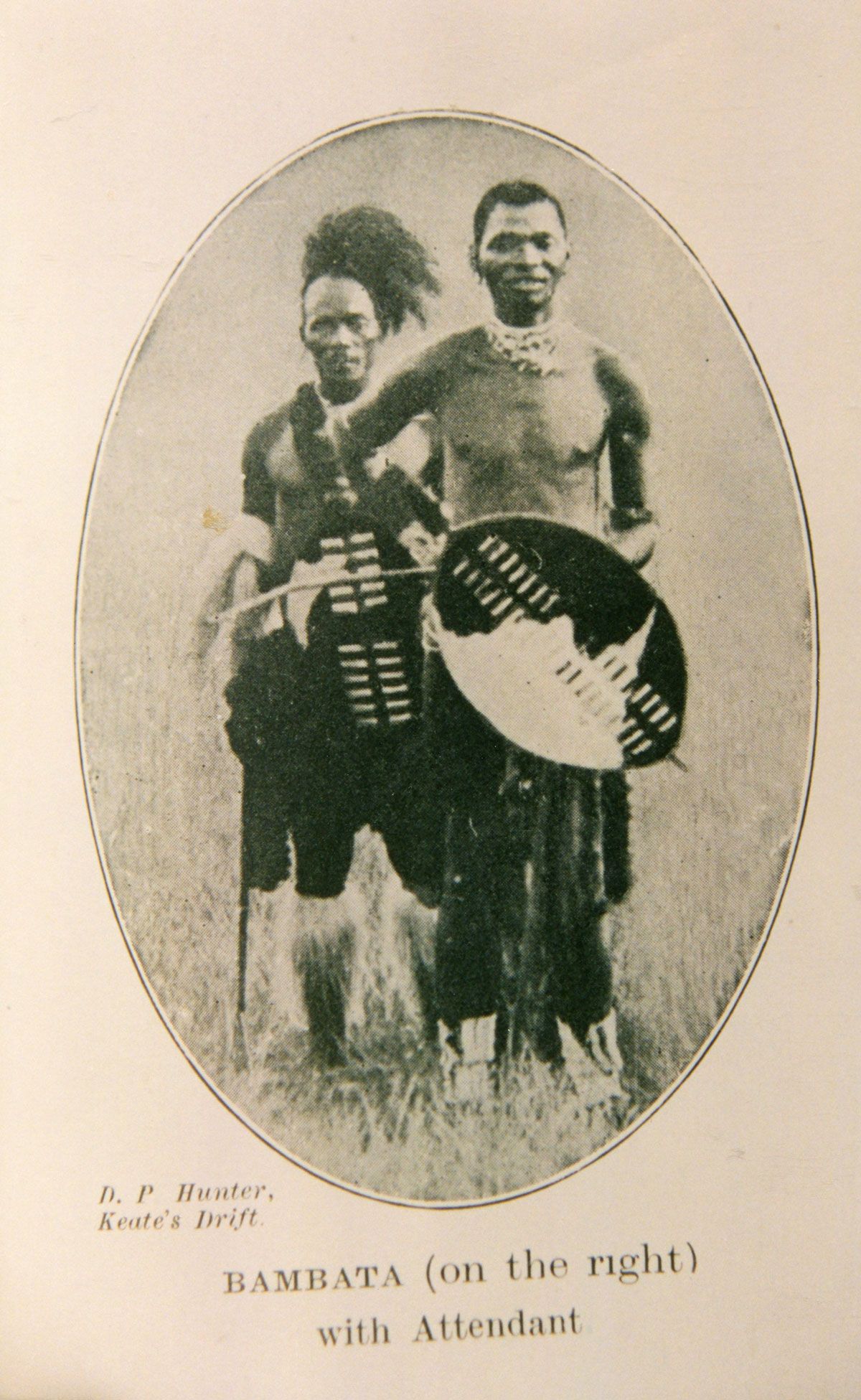
When Chief Bambatha —son of a collaborator with the British settler regime in Natal— joined hands with warrior generals such as Mehlokazulu, Mangati, and Nondubela against the colonial Poll Tax not far from my maternal great grandparents’ birthplace in 1906, little did he know his brave act would reverberate in lands so far away he couldn’t have even dreamt of their existence.
His was not the only or even most successful resistance the Zulus put up. The Maphumulo-lo resistance was even fiercer, better organised. And yet it is his efforts that wrote the last ever Zulu rebellion on stones, eternally engraved on the rocks.
Bambatha’s fearlessness would, almost a century later, inspire a young buck who would become late 20th century’s Black rock— Hip Hop—’s promethean figure and one of the culture’s trinity of originators, Kahim Aasim. The chicory complexioned, stout boy, grew up in a family of Black Muslims listening to his mother’s record collection. Miriam Makeba, Fela Kuti, the German noise band Kraftwerk, Joe Cuba, the Magic Disco Machine and, besides Hip Hop’s allegorical totem, the Zulu rebel warrior chief, the man who’d’ve the most lasting influence on him, James Brown, were a family staple. Say it Loud, I’m Black and Proud!
At just 13, Aasim was a leader of the Black Spades, one of a plethora of young Black, Latino and Jewish teenage formations known for their territorial turfs in the economically depressed and drugs devastated boroughs of New York. He would later on abrogate unto himself the name: Afrika Bambaata.
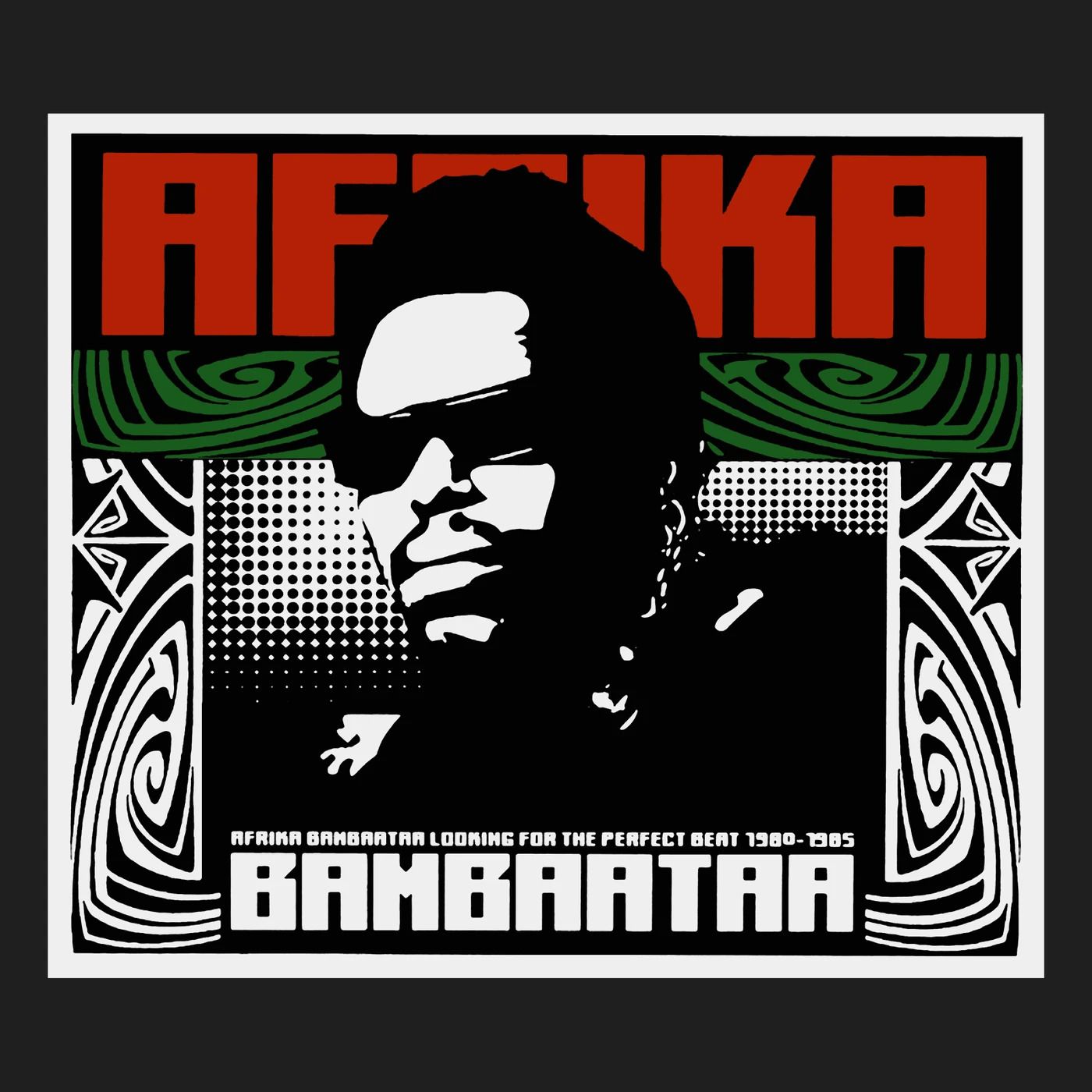
According to Jeff Chang, the author Can’t Stop, Won’t Stop, a seminal history of the “Hip Hop Generation”, “Bam” ’s initial influence was less the Zulu warrior per se, but the 1879 Battle of Isandlwana, as well Battle of Blood River, known as the Rorke’s Drift Siege, that was foundational to the young man’s life, and by extension, his music making philosophy.
In an issue of the Hip Hop glossy Vibe, man-child who blew out to become the DJ behind the global hit “Planet Rock”, the driving force behind a movement he named the Zulu Nation, tells the story himself:
I was inspired after watching the movie Zulu in my youth (1970s). It was powerful to see black people standing up and fighting, kicking European asses in that Isandlwana thing in the land of the Zulus when we Negroes in here were content with Heckle & Jeckle roles. I said to myself, “When I grow up I am going to start a Zulu Nation.” And in 1973, I did so. I called the culture Hip Hop. But I have to give credit to Luvbug Starski for coining the term.
When the story of Hip Hop’s origins is mapped out the tendency is to privilege the year 1979 as well as 1988, as the culture and the music’s most defining, if not originating moments. Two decades apart, those years were indeed epochal. But that’s just half the story.
Although the art of call and response, encoded with turf-marking praises —boastful, playful, real, mean and, menacing to rivals— traces its beginnings in various pockets of the roots of African theatre performance and, war regiments, it developed its bass-heavy flavouring as genre music in the “sound clashes” steeped in Jamaica centuries later.
Elsewhere, its performers found their visual language and love for adornments and trinkets through which they curated a distinct look from their competition from among other Caribbean and Afro-Indo cultures, the carnival loving Trinidad.
From Melle Melle, Flavour Flav, Andre Three Stacks, Lil’ Kim to Lil’ Uzi Vert and, plenty more in between and beyond, it is not impossible to connect the dots between Hip Hop’s vaude-villian acts to the Caribbean and to the Africa “Souths” of America’s carnival cultures in the Congo Square of New Orleans.
In its floating queens, gender bending gods and goddesses’ devoted shamans, gold splashed pre-Go-Go dancers, rubber men with supple bodies and so forth, Hip Hop and funk’s gauche and outré character was long foretold. And yet, rap itself emerged from centuries of its hydraulic, oceanic journeys, out of the black ashes of South Bronx building blocks as a singular American art-form perforce.
Although some “ancient scrolls” foragers, as Saul Williams puts it, insist on citing jazz and blues poets Keorapetse Kgositsile, Amiri Baraka, Gil Scott-Heron, The Last Poets, Muhammad Ali’s ad-libbed boasts or, Redd Foxx snapping, capping dirty dozens’ jokes in the hit television show Sanford & Son, Millennials and Gen-X’sers can never imagine it as anything but a turntable and microphone art, nothing more.
Instrumental as his role in taking Hip Hop global was, “Bam” was not the first, and neither would he be the last DJ to bring this once dynamic music alive. Another Jamaican expat in the Bronx, Clive Campbell, known as DJ Kool Herc is consensually regarded as the first man on the needle and regarded by all the culture congregants as part of the culture’s Holy Trinity. If Herc was the Spiritual Force, Bambaata is the Father and, Grandmaster Flash the carrier of “The Message.”
DJ culture relied on spinning and sometimes scratching popular LP singles to create and recreate the groove. Playing tracks over other tracks on the multi-decks, for the effect of creating tension before unleashing groove repetition, sometimes using a groove snatch at the very beginning of the track, was not only a matter of convenience. Right from the art form’s genesis, the practice became emblematic of one of the enduring characters of the music: Beat making. The practice, it can be argued laid the foundation of song intro/skits.
If Hip Hop culture is a form of storytelling and rap music its short-story form, or novella, the epigrammatic nature of these skits unsettles ours notions of structure. As teasers, they sometimes provide the punch line even before the story is told.
Deftly used the sonic epigram/skit —say one containing a James Brown, Marvin Gaye, Otis Redding or even a random Pakistani qawwali track— can serve as the DJ’s break beat motion, and do not need to align with the main plot ahead. As initially unsettling, surprising and responsible for dance moves as jerky as they are robotic, the skit is a refraction of myriad ethnic cultures from which Hip Hop draws its influence. For example, as an introduction to a song they are no different from the African, Latino and Southern Mediterranean traditions of greeting friends and strangers, always searching for grounds of familiarity and, ultimately, community making. Which would surprise the most luddite of its followers because it was not so clear that Hip Hop would go on to venerate Latino and Sicilian la famiglias, from which some of the music and fashion styles would mine its fictional IDs: The Corleones, Gambinos, Gottis and Noriega, etc.
But pop music, like the cultures it borrow from and beam back to, flows in all kinds of colourful, clockwise and anti-clockwise motions. As much as it relies on familiarity to connect to the heart of its listeners, it is unpredictable, and beautifully cannibalistic in intent. It sucks in all, scoops all before it and rejects everything even when, particularly when, it begs for your acceptance.
In that way Hip Hop is the most cannibalistic, pluralistic, perhaps democratic too, and most desperate of all popular music, including pop, rock, punk, jazz, rhumba, house and more. The “Spiritual Force”, “the Father” and, “the Grandmaster” of the music were all deeply cognisant, and even employed them fiercely in creating this urban ritual magic circa 1973/4. It is no surprise then that six years later the DIY sound concocted in the in the Bronx’s recreational parks would grow up to eat the world.
THE YEAR 1979 was not only a watershed year for Hip Hop. It carried the restless global energy of 1976, including the Soweto young Blacks’ uprising in South Africa, the insolence and darkness, literally and figuratively, of 1977’s city wide power outages and creative ferment that 1978 portended. The year 1979 served as a canvass to Black cultural explosion never experienced since the mid-1960s.
The preceding two years were coloured by the murder of Steve Biko in cold blood, the ascension of Donna Summer as the sensational if not most sensual, pop star since 1950s Miriam Makeba and, 1960s Anne Mae Bullock who inhabited rose to fame on the back of the name Sheena: Queen of the (African) Jungle. While the world was captivated by the Muhammad Ali v/s Leon Spinx (first bout) the previous year, 1979 cut through with swaggering anger, hot dance steps, edgier street styles, and a beguiling vigour.
A cross between Rick James and Chaka Khan, with dollops of Donna Summer smouldering neediness, gay disco star Sylvester blasted through the townships’ FM dial transistor radio and speakeasies with a two-punch, or stiletto stab to the jugular in the form of the albums. On tracks such as You Make Me Feel (Mighty Real) and, Dance (Disco Heat), one of which contained a song or lyrics that went something like “I need somebody to love” purred, sighed, “to love ton-i-i-ight…”, camp and pop-arty as a fuchsia coloured plastic flower, Sylvester leapt from the speakers and right into our preteen hearts.
I was nine. I had no idea what the heck “feelings” meant. But even then I knew one thing: I need(ed) love!
Sylvester’s vocals floated over a TING-boof, TING-TING-A-LI, boof-boof synth a kick-drum call and response and seemed to climax and evaporated within a vortex of loopy, jingle-like guitars smashing. We translated the otherwise anodyne lyrics, as it was it the townships’ norm into vernacular, in the process re-imagined them as John Kgabi o Bolaile Bana /Ebile oba komeditse. Singing the lyrics just a whisper notch above the sound piping out of the “wireless”, out on the streets, we gifted them a spectral charge they otherwise never possessed.
Don’t ask me what the chants meant, save to say by the time the “Great White Hope” Gerrie Coetzee battled the “negro” fighter Big John Tate for the WBA title, Black South Africans chanted Mshaye John Tate/u-Thata Ma- Chance.
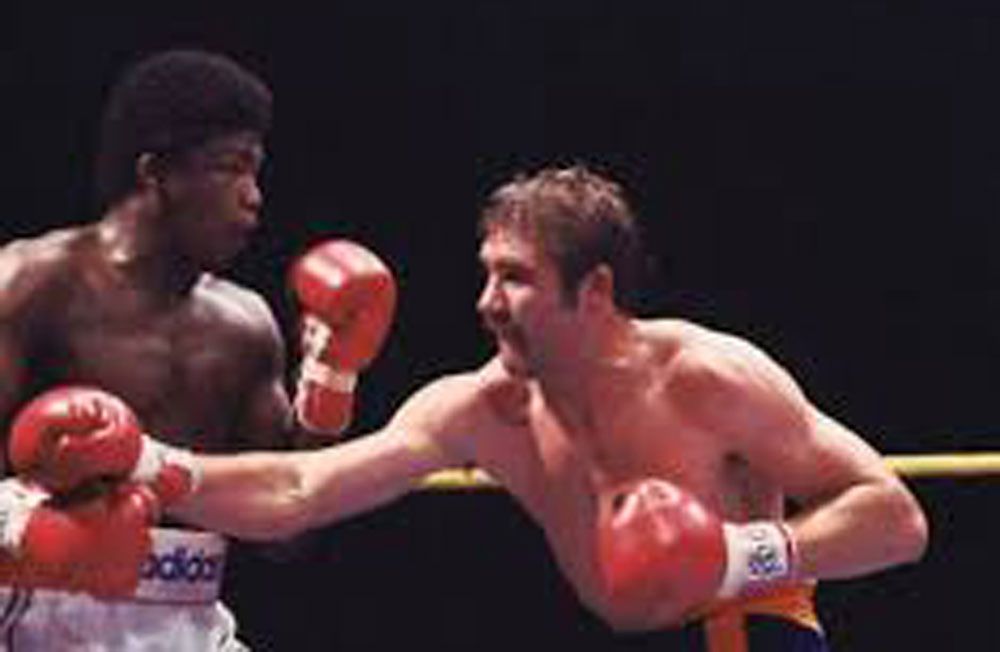
We children who were darker than blue, and I imagined all of the world’s youth, lost our heads. Disco, negro-angst, theatricality, bravado, fighting for the right to party like it was end of the world are factors not only salient but at the nucleus of the story of Hip Hop. Each and every one of them provide a telling narrative arc of its beginning — and fifty years later, still core of its mojo— regardless of its corporate co-option and near total betrayal of its founding dance “warriors” vision.
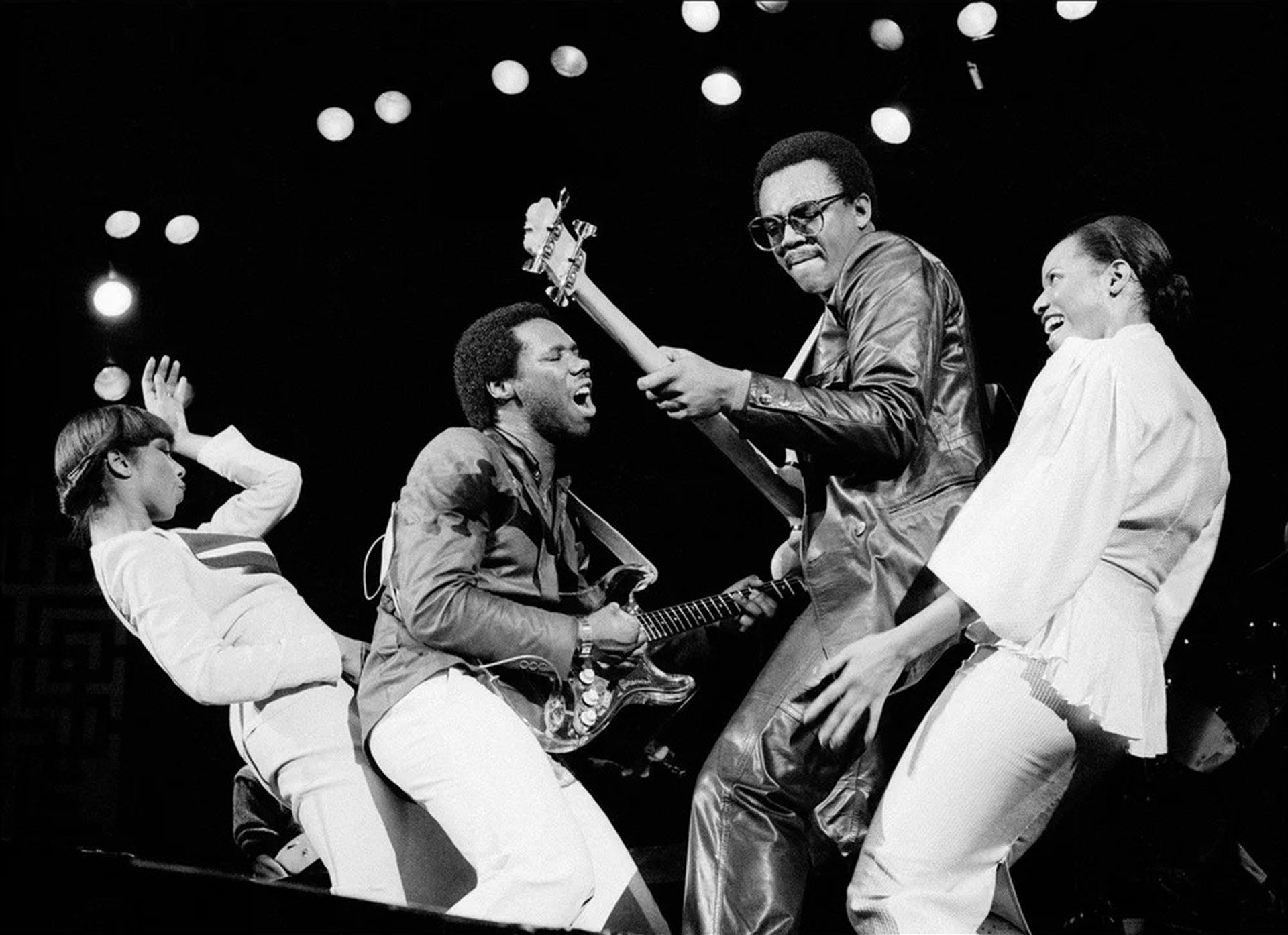
IF A CULTURE and its embedded zest can be told in a single photograph, then one of the most sampled bands by Hip Hop artists ever, Chic, is its life force. There is a photograph in the special edition of the British pop magazine, Q’s 100 Greatest Rock ’n’ Roll Photographs, guest edited by the Thin White Duke, David Bowie, of the band performing at London’s Hammersmith Odeon on January 20, 1979. The photographer Jill Furmanovsky captured the quartet, sans their four-piece string backing section in the only way she too felt the sound. Chic on stage told the story of a sound this way: A theatrical explosion of four characters oozing with sensuality. Kingston style carnival-ésque risqué ramped up a notch higher. The resultant exhilaration and surrender to whatever song they were playing, gives off a white heat release of that specific performance.
Two Black men, visually cupped by two Black women in white costume, giving off a vibe of men simultaneously on the verge of fainting and, or climaxing, it is not electrifying image for “electrifying” has lost its descriptive charge.
It is simply, as the photographer herself puts it: “A picture you can hear.”
That, for me, is the picture that presaged the beauty, style, dare, dreams and transgression that would define Hip Hop culture from that year on till today. By the time that photo was shot, back in the United States, and just about everywhere, Black folks were a cultural or economic minority, subalterns and exiled out of, and sometimes within, the countries they regarded as home. The spiritual home of the sound, the Bronx was peppered with burnt and debilitated building blocks, a thuggish act by landlords out to collect insurance pay-outs.
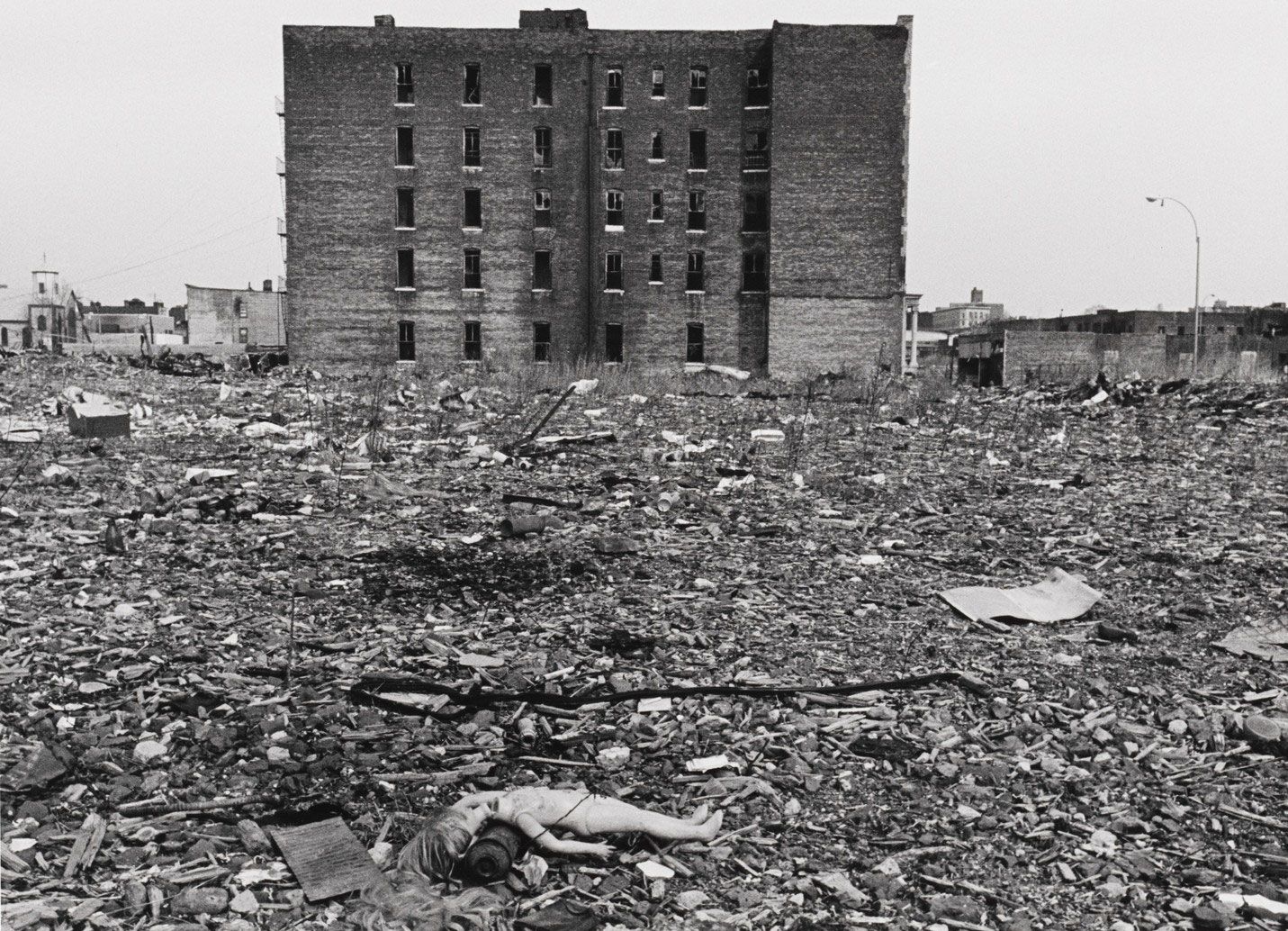
Between 1979 and the early 1980s America’s national poverty rate writes P. Frank Williams, “was a staggering 31 %. Nationwide unemployment rates were soaring. ” Poverty, burnt buildings, the American dreams deferred, all those serving as background drama while Hip Hop’s B-boys and girls “sought refuge in the recreation parks.”
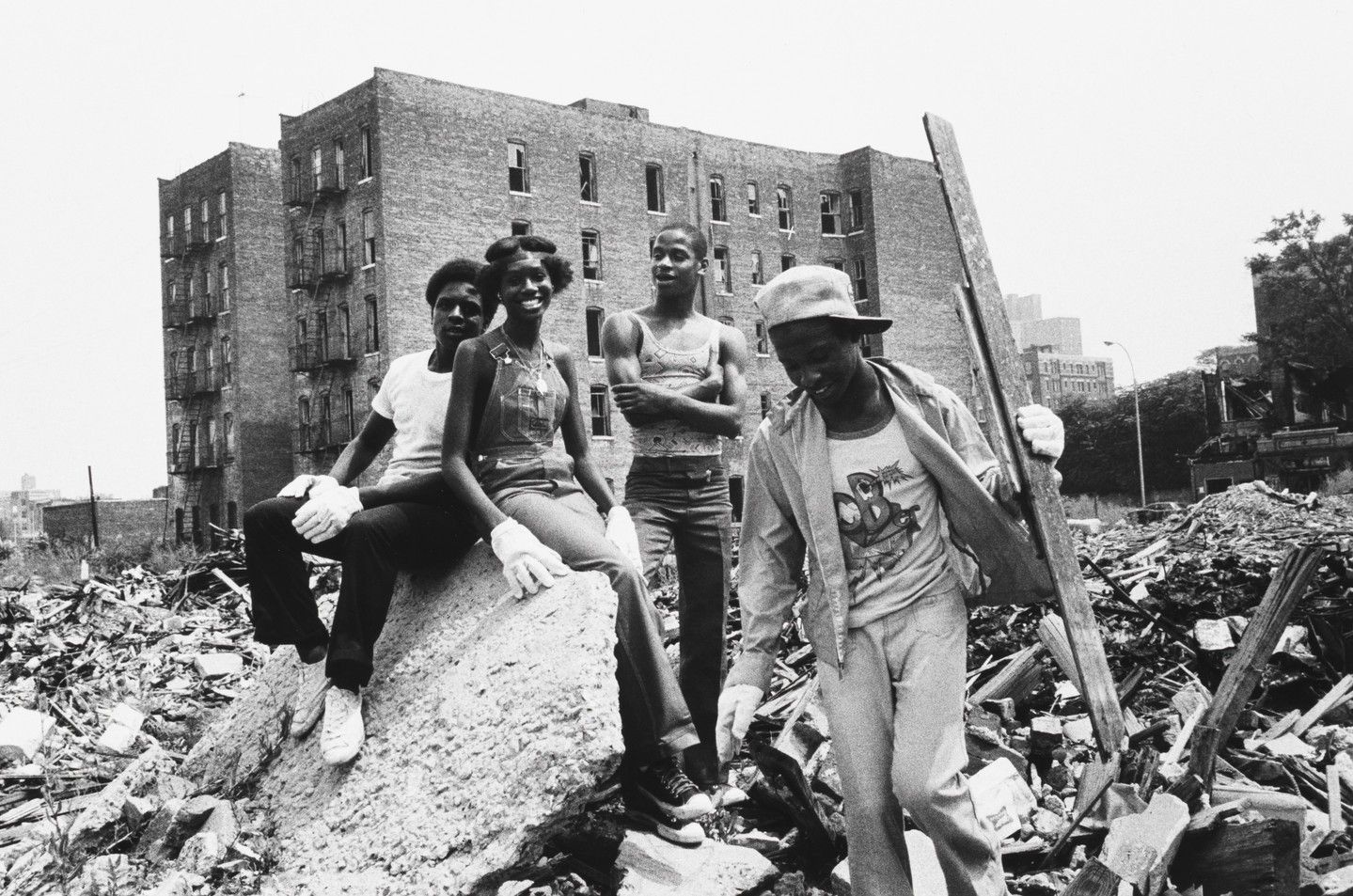
In South Africa Black teenagers’ frustrations with Apartheid education policies and overall lack of public spaces, and therefore places of expression simmered until the centre collapsed on June 16, 1976. The ensuing fires of that uprising has actually never, truly died down. It is out of this gave dystopia that the future sound that would electrify the world was forged.
In the recreation parks DJs like Bambaata, Grandmaster Flash & The Furious Five and MCs such as Slick Rick, Disco Twins and later, Run DMC, stacked huge-ass speakers atop each other, unleashed James Brown’s eeows and oohs, sometimes spinning the LPs backwards. The overall effect whipped up a communal high thick as trance-y, native warrior battles cries! Although the first rap record to hit the streets Fatback’s “Kim Tim III” captured the restlessness of the time it was Sugar Hill Gang’s “Rapper’s Delight” that lit up the world.
Riding on a backbeat sampled from Chic’s single “Good Times” off the band’s chart-topping R&B album C’est Chic, it was “Rapper’s Delight” that changed the future sound of what became known as “urban music” forever.
“WHEN DID YOU FIRST FALL IN LOVE with Hip Hop?” is not only a Tribe Called Quest song title, or a lyric inspired by a Mary J. Blige’s Seven Days. When the Sanaa Lathan character Sidney, a street “tuned on” writer who might, or, might not, have been based on the life of Hip Hop journalist dream hampton, posed the question to Dre, her onscreen “boo” in Brown Sugar, she might as well have placed the query to, and, for all of us. Because, like rock and unlike jazz, blues or say gospel, Hip Hop is the one art-form that not only spawned a lifestyle that survived and mutated over five decades, often to its regress, it is inexorably tied to youth culture everywhere.
Although always submerged under the beat of peer pressure the self is the root of one’s identity in Hip Hop, a culture that depends on external affirmation. Therefore the question of one’s entry into Hip Hop is never simply a romance spurring c’mon on. It is about sizing the opposition, establishing deep bonds with the other/s, searching for a common ground, in love, life and spirit world. In keeping with the teenage analogy, the entry rites of passage into Hip Hop I found were as intense, joyous, personal and sometimes embarrassing as the breaking of virginity. My own virginity testing into Hip Hop would not be immediately followed up by its breaking.
The sacred act itself would take place through the aural assault of Public Enemy’s industrial, “super-soul sonic force” Black Consciousness, to reference the one and only “Bam.” And that’s just the tryst phase. The full love affair kicked in via a phase current dogma insists we should refrain from claiming as part of our complicated selves: NWA’s Fuck Tha Police. Or, wait. It must have been via Dr Dre’s The Chronic?: Different lovers, same difference. The two are two parts of a single urban, cultural pod-pea, Los Angeles, as we shall appreciate a groove run or two, later.
Back in Temba Township, north of the then administrative seat of Apartheid, Pretoria, my crew and I, were a prototype of every irritating black teenage boys everywhere on the planet. We passed time in small clusters, stratified according to how individual members dressed. We spent inordinate amount of time with our backs pressed hard against shop windows or, a boulder on the street corner. Sometimes rolling dice, but often watching streets fill up with traffic, watching high-school girls we grew up with from elementary school —now “ripening”— recklessly projecting over them floods of unrequited desire.
Ever present was the threat of abuse and, the promise of violence, to discourage them from passing by in those “scooted-up” dungarees, legs lustrous with baby oil, tongues —ours!— hanging out, dripping with lascivious yearning, as the girls ambled by, hips rolling, all in all a wonderful show of contempt schools girls seem to master sans a squeak of “hello.”
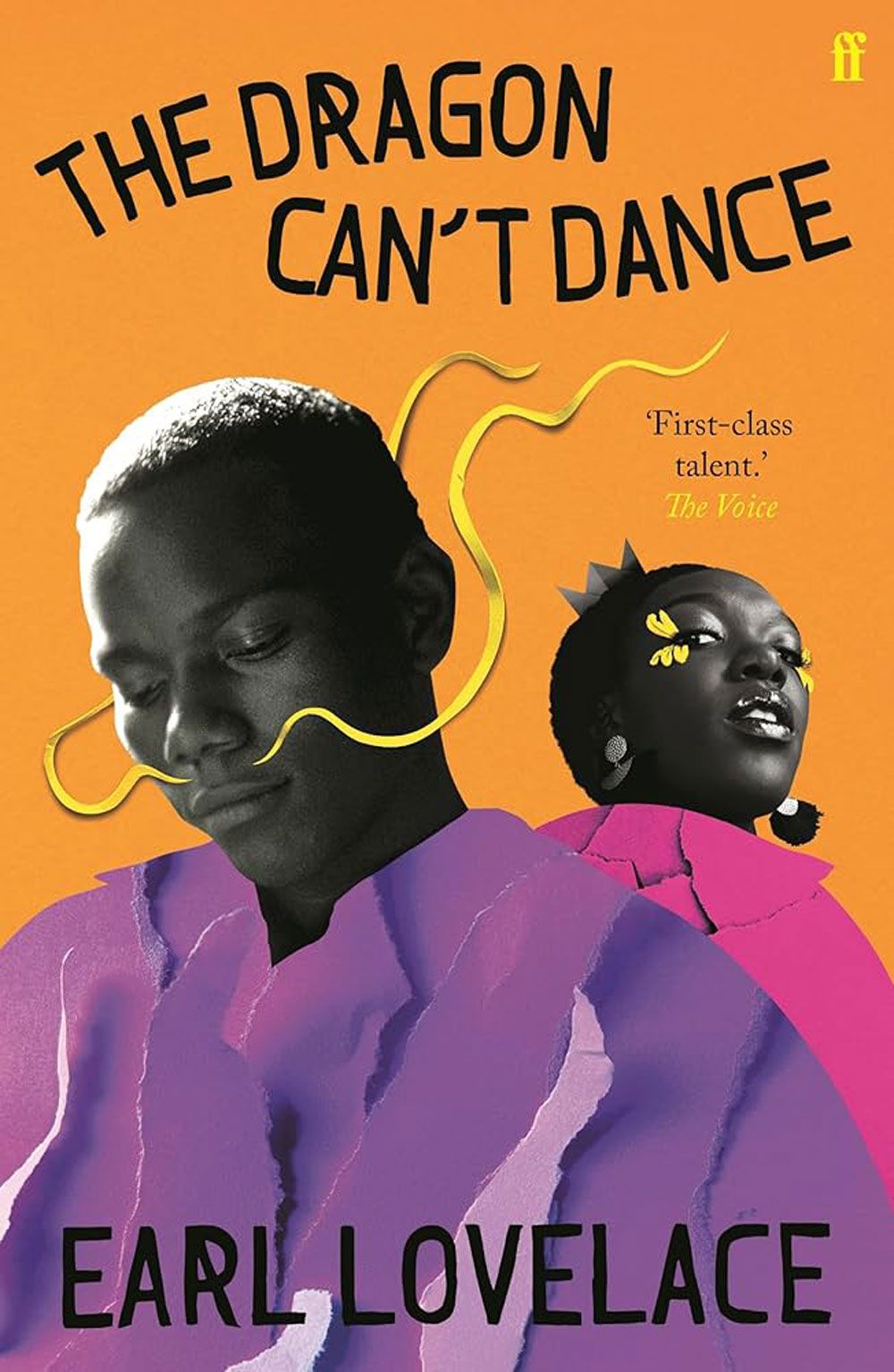
The writer Earl Love Lace captures a similar trajectory of male teen blowhards in his bacchanalian blast of a book, The Dragon Can’t Dance. Set in Cavalry City, a sprawling shanty town on the outskirts of Port of Spain, Trinidad. Although, like Hip Hop, a local art easily translatable to all the ghettoes of the world, including the ghettoes of the soul and of fantasy by those who can only experience their debilitating life via the music itself, the Trinidad set novel reads like a mirror to young Black youth wherever you find it in the world.
Speaking of street boys who, inevitably, would attract the watchful eye of the police, anywhere, from the Bronx to Soweto, I’d love to paraphrase in detail: They strain all the harder, to hold their poses on the walls. The walls on which they have scrawled their own names and that of their gangs, hard names derived from the movies which on some nights they slip off to see Western movies of the gun talk, the quick draw and the slow crawl —The Good, the Bad & the Ugly, perhaps, or, closer “home”, The Harder They Come, no? —smooth grand gestures which they imitate so exquisitely as though those gestures were their own, borrowed to the movie stars for the boys to later reclaim as proper to their person.
Those persons that “leans against the wall, one foot drawn up to touch the thigh”, to roll a four, as we refer to it in South Africa; “the hat brim turned down, the eyelid half closed, the body held in relaxed alertness, like a deer, watching the world from under the street lamp whose bulb they shatter as soon as it is changed.”
“That person savouring his rebellion as a ripe starch mango, a matchstick fixed between his teeth at an angle that he alone could measure, and no one could imitate.” Sexual tension, gender violence, hormonal sound-clashes: in a way, rap, just like jazz, kwela, ragtag and rock before, punk in parallel, and all transformative arts is a music forged out the fires of youth restlessness, complicated masculinities and surviving the wretchedness of one’s predicament. Unlike some of its predecessors though, with the exception, perhaps, of disco, it is, at heart, music of aspiration: Which explains why it is a snug-fit genre for grand tales of fiction, fibbing and constructing castles in the air within which the very best of the form proceed to take residence for real.
TO SAY that for centuries Black South Africans idea of modernity has and, still is, intricately bound with the very best, the very churlish and the very depraved of Black America’s own sense of evolution as anation within a nation, is an understatement. My street and junior high crew’s direct and, I’d say, first ever introduction to Hip Hop was through the film Beat Street which we watched after cutting out of Friday noon lessons.
We feasted on it over and over, as though a backward spool of a tape in slow- motion. Some of us were prepared to mop up the cinema in between the morning and afternoon shows just so we can endear ourselves to Kudu Cinema’s projector, a toughie known to all as “Blues” and cop out free tickets.
By the time we arrived home, we were engaged in B-boy dance battles, locking and popping, contorting our bodies into either spineless snake-like shapes or, electro-robotic arms flapping.
Days following the first of many viewing, most boys stressed their parents no end, begging for red track tops with Adidas stripes, and in the absence of none, just ripped denim jackets with kitchen scissors just so we can cop the look.
It was 1984 and Run-DMC and LL Cool J were everywhere: on our tongues, in our heads, our walk, and our dreams. We were 14, 15 and 16 and when LL rapped “I Need Love” it dropped like rain droplets in the deserts of our souls. I would be lying if I say the words they spat made sense to us then, vowel for vowel. We made up stuff along the way. No matter.
Run-DMC was swag itself. Run-DMC were not so different from our jazz loving uncles in their snow-white sneakers and broad-brimmed hats, with a red, purple or yellow bird feather sticking out that piece of silk belt tightened around the hat to gift it shape. Which is to say: They stepped out as high as a kite and, simultaneously earth-rooted as the neighbourhood blue-gum trees our grannies told oft’ told us were five-hundred years old.
Run DMC vibed “macho”, sans a hint of danger, which worked just fine for us. Because by then we were also enjoying effeminate superstars such as Michael Jackson, Shalamar, and locally the all-girl trio, Joy, while our parents bump-jived cooed along to Marvin Gaye’s Sexual Healing. Where would excessive masculinity, of the sort we acted out on the street corners, find place in that sonic palette? When Run DMC told us they were King(s) of Rock we believed them. We never understood what Sucker MCs meant, and so what? That which bothered them sounded it would bother us too. Still the more exposed to the Americans which, beyond the radio, and endless pop videos of Irene Cara, Cindy Lauper and Debbie Harry on the telly was not an awful lot, there was that itch for home grown heroes.
That exposure, coupled with the country’s heritage accounts for the singularly foundational difference between Black South Africans and who we still referred to as “Negroes.” It was, it still is, the most important identity difference between Black South Africans and their fellow whites and just about everyone. While culturally dominant societies could afford to remain mono-lingual and largely, mono-cultural, Black South Africans had no such luxury. Their cultural references and palette was so broad, so deep, so complex, so complicated, so elastic, so rooted in multiple ethnicities, colonial-cum- modernising European languages, Dutch creole dialects, Negro speech, fanakalo from the mines spoken by African immigrant labourers, and so on and so forth. I have done a bit of travelling and have not met a people as culturally dynamic and spider-webby as Black South Africans.
None of this managed to satiate the longing for rap stars or rapping stars, which is not the same thing, we can unequivocally relate to, beat for beat, dialect for dialect, verse for verse, and of course the cut and swag of their “Joowish” (attire). The arrival of the Tembisa (East of the Johannesbur mega city) based J.E Movement, a street-sassy duo whose lyrics rode over a thin, electro-disco arrangement, was such as era defining moment. Their repertoire, including tracks such “Ma Dear Love” and “Funky Town” quickly ate competition up in the late 1980s South Africa. But when Jack I’m Sorry with its accusatory lyrics of boy-done bad by a material girl; who dumps him for a Wabenzi( Mercedes Benz driving) figure —the “Jack” of the song’s title— introducing Zulu rhyme couplets distinct from the rhyme-centred praise songs, that we all knew was a reified moment in the largely urban, local pop:
Hamba ku Jack/ Jack to – Jack /
U-Jola no Jack
Jack to Jack/
BY THE TIME Senyaka appeared on the scene, on the back of the track African Rap and the hit Go Away, sounding more like spoken-word monologues as opposed to straight rhymes, and followed by the East Rand (Johannesburg’s New Jersey) boy band Karamo, Black South Africa imagined its introduction to rap music as complete. Alas, the interior country had not contended with a different kind of “Black.” The singularly yet multivalent, culturally creolised Cape “coloured” (a melangé of Khoi, Dutch, Filipino, Malay, ethnic African and San people specific to the South-Western parts of the country)’s kind of street culture.
The Cape scene hewed to a harder, “realer”, New York style Hip Hop tradition. It’s MCs, B-boys and, drug traffickers had internalised, lived and, expressed a sort of visual and musical shorthand that was closest to the Bronx rap. This region’s graffiti tradition looked at the US as much as it mined its Khoi and San’s cave art roots. In his book “Rock Art of Southern Africa” colonial British anthropologist C.K Cooke explains the development of South Africa’s rock art from its Iron and Stone Age up to it the 19th Century eras: “The people responsible for them were in the habit of painting over the top of previously executed work.” He goes on to clarify that “sometimes art from within the caves, as opposed to exteriors, was the most complicated. On closer examination it revealed the existence of three or more layers of engravings or “petroglyphs”. This is, of course, a characteristic of all rock art from the far north of Africa to the southernmost tip of the Cape of Good Hope.”
Archaeologists studying ancient rock art, considered out of the academe, as the public predecessor of graffiti, have noted that between 1974 and 1984, the number of rock art sites in South Africa alone, numbered in excess of two-thousands. Of these, 1600 of these are paintings and the rest are petroglyphs: Ancient scrawls rich with cryptic meanings known to individual artists who created them.
Centuries later innovative youth from the Bronx, Brooklyn and, in far-away Southern Africa, a city where the Atlantic kisses the Indian ocean, armed only with aerosol cans and deep yearning to speak to their communities in the only way they understood, took this ancient art global. By the late 1980s the Cape Flats not only splashed blood on its graff’ adorned derelict buildings but pulsed with the spirit of Hip Hop as organic, troubling and specific to place as the best of the culture everywhere. But because it was neither on the radio nor on television its cultural impact on South Africa was only appreciated retrospectively.
THE 1990s came crushing in, baring its history-altering fangs (Berlin Wall, Nelson Mandela’s release, the end of the Cold War, etc.). Contrary to expectations the decade did not arrive enshrouded in socially uplifting pop fare. Surely if we could comb the era’s Top of the Pop Charts, and Top 40 Music it wouldn’t be that impossible a task to cull out some truly magnificent pop from that milieu. Some would point at Nirvana’s Never Mind record, carried, as it were, by the tsunami of Smells like Teen Spirit, Tupac Shakur’s Keep Ya Head Up.
But the biggest sound that caught almost everyone off-guard is gangster rap. Not since the 1973-1979 days of recreation parks experimentation has a music genre —and its reality imitating art, lifestyle— smacked, not only the culture but the entire world with such force, bounce, and pure vitriol and ultimately unmitigated exuberance as this mostly Black Los Angeles sound. NWA (Niggers with Attitude)’s Fuck Tha Police has been dissected and rinsed of its creepiest , blunt violence, and for that reason I am choosing to skip and hop over it to the self-proclaimed “Niggers” ‘s alumni, Dr Dre’s The Chronic.
Although released on the 5th December 1992 in the US, when the album, its cinematic Blaxploitation 2. 1 storytelling hewed to party music, the stark, stripped and menacing beats; part hydraulic rapture, part Velvet Underground, part P-Funk’s tightly coiled, unforgiving doof-doof funk opera, suggested a dilemma to the culture. What to do with music so suggestive of our basest instincts while, and yet as a work of art, perhaps better of the heart, dropped on us like a pop fix, serving that much amount of chronic highs? Here was the sound of America dropping bombs on Iraq (Gulf war) while, simultaneously inviting the Glock-waving boys with drippy perms, their cousins, uncles, and everyone in the West Coast, East Coast, Kingston, and Soweto to the dance floors.
Propelled by singles such the title track “The Chronic”, “Lil’, Ghetto Boy”, “Let Me Ride”, “Nuthing But a G- Thang”, and the self-explanatory “Rat-A- Tat-Tat-Ta” achieved two things that might or might not have happened without it. It introduced the world to Snoop Dog and, in that very instance, altered not only popular music but political, establishment, parental, academic, media and, brazenly, criminal gangs organisations, filmmakers and just about everyone’s conception of what pop can and can’t do.
As a continuation of the sound arc that started with “Fuck Tha Police”, continued with Ice Cube’s racial sabre rattling, The Chronic is part of a sonic triptych straight out of smouldering, fire raged riots misnamed “the Rodney King riots.”
If anything, the riots exploded as a result of decades, if not centuries of ticking bombs of racial, economic and public erasure of African folks in all of America.
In a way the music that issued out of this blue-flamed uprising cut open a pop discourse into rarely had territory, at least in the post-Civil Rights America. How should “polite” society react to the very notion of rap music? : To the idea of Black youth, and by extension, of Blackness itself? Listening to the album thirty years later, the texture, tenor and simmering violence, at once suggested, proposed, gestured at that felt skin-deep all the time, does not now sound more menacing than, say, Iggy Pop & The Stooges’ “LA Blues”, the Stones’ “Sympathy for the Devil”, or some of the “gun talk” early New York rap such as the kind DMX, Fifty Cent or Raekwon, and many of the gangster films inspired MCs ever rapped.
But then again, at the time The Chronic dropped the world had no luxury for this kind of retrofitted analysis. “Polite society”, amongst who were the Black elites, who we should recall not so long ago referred to jazz, and rock as “the devil’s music” tore the album and the whole LA sound to shreds. With every loose thread pulled violently from the quilt of the song the youth bounced bodies and pouted harder. Enter the age of vile bodies indeed. I first listened to the album in a friend’s flying new jalopy, a Jetta sedan, zipping across the Johannesburg’s borough of Hillbrow’s Friday traffic in the first days of December of 1993 and I knew the world had come to an end.
WHAT THE 1990s also taught us is that while the business of Hip Hop valorised the dialectic of violence and, what Fela Kuti referred to as “expensive shit”, as if desperate to prove its detractors’ charge that it “undermined decades of Africanist pride and hard won Civil Rights liberties, embedded in its DNA is the culture’s ability to self-correct. Just as the business, the tragic fictions, and farce, of Hip Hop, as opposed to the activism of Hip Hop helped suck the culture into the black hole of late 199s hyper capitalism redemption songs are as much part culture in its broader expression. For every outré, campy sexuality of a Lil’ Kim or the embrace of “hustler ho” and pimp-ful swagger of Too Short “the hood pimp” there was Q-Tip “the philosopher”, Mos Def., “the backpacking poet”.
For every DMX’s blood splatter and hoof-hoof hounded barks there was always The Roots and for every Wu Tang’s shaolin assault one slept well knowing The Fugees had our backs. Still there’s no denying that Hip Hop is part of and, is a result of a veneration of debasement of public culture. Through its visual and word operettas, the sound and the culture from which it issues are evocative of the violent fibre of America, down to its sinews. It is also, in its own contradictory fashion a by-product of a 20thCentury failure of Western civilisation which has gifted the planet with not one but two world-wars, countless intifadas, unbridled consumerism and a gun culture exalted and sexified in the rap song songbook.
All of these, of course, find musical and aesthetic home within the here and now “urban culture” Hip Hop has spiralled into. It is rather trite honestly, but perhaps more urgent than before to note how hyper-capital has claimed the scalps of Hip Hop’s The Beautyful Ones, to name check the Ghanaian writer Ayi Kwei Armah. How it has celebrated the culture’s “vile bodies” over the conscious ones. Or even more troubling, how capital, via its dissemination tools such as radio, television, not only firstly rejected the culture and when it embraced it did so under its own cultural Apartheid terms. Under these terms a false divide was erected between the bouncy, catchy but lyrically vexatious rap on one hand, and the message-infused rap. One was dubbed “commercial”, and with that label alone, consigning the other to the scrapheap of pop, and poverty. We also know, how, fifty years later, big capital has affirmed vileness through Hip Hop than just about any youth culture since Elvis wiggled his pelvis into a Graceland mansion, bagged bazillion dollars and O’D-d a fat, addled sponge Bob, tight pants, in the process.
THE DECADE ALSO INTRODUCED the Thug-Soul genius of Jodeci via a punk-rock weaned album entitled Diary of a Mad Band, and with it K-Ci’s ingenuity and self-destruction unshackled on us. It would be the last boy-band unto which Black youth universally, such as Johannesburg’s soul-thugs Twins, gave their heads to, and forced to collect their ripped hearts from the ground in that decade and beyond. Not even Nas’s poetic gifts via Illmatic and Stillmatic could save pop’s the The Good, the Bad and the Ugly that decade. In this culture, as in the broader aspects of debasement, women have had it both ways: Victims of big capital as well as of dispirited, defeated and defanged Black manhood.
In this culture Black women’s agency is either drowned, easily killed off as and, or, bottled up vixens to be lusted after before getting smashed to smithereens. Their assigned roles in popular lore, today still reduced to a demeaning 3-D ID: “bitch”, “crazy bitch” and “witch”: Roles as interchangeable as they are overlapping.
Which makes the 2000’s stars Megan Thee Stallion, Cardi B and the most gifted of them all in the art of video performance production, Doja Cat’s self- embrace of the “bitch” trope and of Sarah Baartman’s over sexualised roles all the more disheartening. In this stereotyping masked as honour Lil’ Kim is a “crazy bitch”, Winnie Mandela ungrateful “crazy bitch” and Naomie Harris’s character, Calypso in Pirates of the Caribbean a spell casting “witch”.
Nothing new there.
In the opening sequences of the documentary picture When We Were Kings, America’s celebrated post-war scribes Norman Mailer and George Plimpton once implied that Miriam Makeba was the African witch, a transmitter of bad juju who cast a spell over George Foreman in the titanic war with Muhammad Ali in the Congo. Foreman was perceived as an American establishment Negro and Ali, the global African despite fact that the former was darker and the latter “a yellow bone.” “I mean what kind of a Black man walks around with a dog?” Dawg-loving Blacks. Intra-ethnic pugilism over a purse of a life-time. Spell casting African “witches”: And other invectives.
All of these rendered Lauryn Hill’s solo ascension to the scene in 1998 with Miseducation of Lauryn Hill not only triumphal but conferred, a bit weightily on her and on the likes of Erykah Badu, Bahamadia, Jill Scott and down here, Thandiswa Mazwai, one helluva band of sword-unsheathing wonderwomen. Let the boys’ murder each other in screen celebrated via drive-bys. Roll in the dough. The girls will mop up that, too. Step out in high camp, baby, swathed in Swarovski glitter and South African mined blood diamonds, the girls will dig you too, hun.
While defined by gangster rap and DMX’s bleeding heart-core, the decade was over for me after Lauryn Hill dropped Miseducation. In song, gesture and interview, such as the February 1999 one she gave to Rolling Stone writer Touré, Hill, sometimes seeming like a lone “Joan of Art”, pushed back against the forces of patriarchy, unquestioning and often patriarchy devoted matriarchy.
Fierce, open fire dragged, a sonic offering intricately woven with reggae inflected, thick bass’y stomp, the album not only sounded like a novella. Its track listing demarcated not so much by chapter headings as much as prefaced by a school class participative debate on the nature and colour of love. It dropped tightly wound, if not wounded, with breaks; musical and of the heart. A sound enshrouded in a lived in, texture old LP technology, complete with the scratchy/grainy/hissing/windswept texture last gestured at in U2’s The Joshua Tree. Rewind to “Running to Stand Still”, “In God’s Country” and, “One Tree Hill”.
The music felt at once mysterious and, well worn. Unflinchingly raw, bleeding, never weeping, aching never deflated, its arrival in the late stages of the decade felt like a historical discovery of some well-known but hushed about secret that has survived family generations.
Years after it broke into the scene I had an emotional breakdown listening to it, too: Just in its battle to free itself from the hydraulic spirit of all unexpressed pain, un-bandaged and, “un-gauzed” wounds. Aurally, it felt like a lost sound treasure with words. Here was a record not so much as haunting as much as a long-journeyed: A world weary sound.
A sound refracted through pre-negro spirituals, pre-field hollers, pre-reggae, pre-ska, and with its snare drums’ boof–boof kick a sound futuristic it rendered the thing as both an allure and, a nasty nocturnal warning about the discovery of an ancient contraption. The contraption itself was wrapped with layers of fastened tree barks; a contraption found among the remnants of burnt, charred and sunken of the last recorded ship ferrying Africans, the Clotilda, off Mobile, Alabama. Here was a sound, a millions of us devotees in all South African cities and villages believed, that would wipe off not only the macho posturing, mop off the blood, dry up mothers and lovers’ tears.
What we heard in Lauryn Hill’s album, in the age where whole albums mattered as narrative quilts of multi-chaptered stories, was the sort of music we felt would rescue us from a hell so dark and so hot that, had the album not been released on time, would have swallowed us deep into a bottomless hole hot as lava.
Aesthetically, it felt like girlfriend had, from a young age been raised on a balanced diet of Carlene Hatcher Polite’s Sister X & the Victims of Foul Play, and lullabied to bed with Joni Mitchell’s Blue only to be rudely awakened by King Tubby’s drone-y dreamscapes. Never has an album, and that includes the best of Bob Dylan, Public Enemy, Johnny Cash and recently Anthony and the Johnsons, rolled off the ear and into the heart with such a defiance, since perhaps Joni Mitchell’s 1973 Blue whispered its way and wore its literary heft with a lightness of a feather. As with Mitchell before her, Hill had a mission. And executed it like with the resolute ache of a poet determined to reclaim, and re-stake, their entire lives from men, and from place(s).
Listen to it today and you too will know why the un-caged bird broke out of piped off trippy blues from Brooklyn, New York to Brixton, London, and Yeoville in Johannesburg to La Possession in the Re-Union Islands. It reverberated in all the “Congo squares” in the world where young Black yoof pined for a new kind of affection, lamenting unmet promises of the Civil Rights away and Mandela’s promised world. At the mere age of 23 Lauryn Hill’s debut not only demanded patience but instructed us to hear, feel and think. Its effect on the last phase of the decade and the entire coming one cannot be described in words.
Although practically peerless, it instructed us, in a way, to hear The Roots Things Fall Apart with challenged ears. It laid the ground for young women and men in all kinds of expressions— dance, fashion, poetry, literature— to grab the entertainment blade at its sharpest and use it to cut out fluff and self-doubt. Without the moment it occasioned perhaps there would not have been Erykah Badu’s experimental album Mama’s Gun, Outcast’s Stankonia, Kanye West’s The College Dropout, John Legend and The Roots’ Wake Up!, the Congolese pygmy-Belgian chanteuse Zap Mama’s Ancestry In Progress, Thandiswa Mazawi’s Zabalaza, Simphiwe Dana’s Zandisile .
It wouldn’t be churlish to say the British posse, both Black and white — Floetry, Amy Winehouse, Adele, owe their entire careers to Lauryn Hill. Often the impact is not directly visible but those with deep ears and alert eyes would not have missed the touch, if only in attitude, of Hill in Kelis. What was Beyoncé’s Lemonade if not a declaration of love and of affirmation, for the work Lauryn Hill began in the mid-to-late 1990s?
I remember a music producer friend of mine Michael Moeti, recently relocated to South Africa and with whom the South African reggae producer Alexis Faku and myself co-produced the late R&B starlet TK’s debut album, and I getting up at 3am to watch the Grammy’s broadcast in early 1999, thanks to the difference of time zones. Miseducation won five Grammy awards that year and I remember thinking winning those, winning anything, as if it is some kind of Idols TV contest material, somehow limited its fiery affect.
When did you first fall in love with Hip Hop?
Perhaps the refrain should be rephrased to: When did you fall out of love with Hip Hop? I do not need to state the obvious. And although my South African and continental friends and some fellow poets and artists as well as activists still made time and opened the hearts for the music of the next decade, we knew, at least I knew that while the thrill remain, the blues were a goner. I cannot lie and say I never lost my head to Jay-Z, Mos Def, or any of the West Coast or even African and Caribbean filtered soul from London; who would not be touched by Finlay Quaye?
But the blues were truly washed back into the Atlantic. Twenty-five years later as I sat to work on this essay, my 12 year old daughter Liyema-Touré rightfully taunts me that I am too old school. She let me know that I am as “old as Hip Hop.” She asks me dad, “whycome” you are not talking about rap from Lesotho vanguard?
I take her advice and lock myself in the writing shed out of the children and their mother’s way. In the writing shed I enshroud myself within the gorgeous lyrical word play of the Mountain Kingdom’s rappers and praise poets. I am totally blindsided by the blanket clad— yes same blankets we saw in Black Panther and Wakanda— Ntate Stunna.
I catch myself head-nodding I scratch my head wondering marvelling at their weird, playful names I as a Zulu man do not always understand. I call the Hip Hop writer and photographer Tseliso Monaheng to break his home boys’ word play. He does. I still don’t get it.
I am preparing to re-engage with the West African Afrobeats wave. I put on the Nigerian star-boy Wizkid’s More Love, Less Ego and find myself in accord with Rolling Stone reviewer Will Dukes’ observation that the Nigerian crooner is “the king of unignorable dinner-party music.”
I dust off my playlist and put on Burna Boy’s world smasher of a single, Ye. My daughter catches its techno-drum beat and sways to its dancehall’s riddims. She does not fail to remind me though: Daddy this was in 2018. You are so old. I want to duck under the table. But instead I time travel back to Lesotho and bump into a duo simply named “2.1”. They have with 31-million views since their track Stimela dropped in April 2023. They have no write-ups, nor profiling, no major marketing drive behind. 2.1 is the world’s biggest underground secret.
Their single, a rap rollicking ride over Amapiano sample is the most heart-tugging thing I have ever heard since Nelson Mandela walked out of prison. And yet they seem to eschew this sort of hyperbole.
Almost 50 years ago rock critic Jon Landau attended Bruce Springsteen and the E-Street Banda, who were opening for Bonnie Raitt at the Harvard Square Theatre in Cambridge. Stirred and overwhelmed by what he saw, he wrote, “I saw my rock and roll past flash before my eyes. I saw something else: I saw rock and roll’s future and its name is Bruce Springsteen.” Soon thereafter Landau was lost to journalism. He would become the New Jersey working poet laureate’s manager and lifelong friend. As for me, I am still looking for those Lesotho boys.